
I tested a range of heavy-duty pop-up canopies and weights so you can pick the one that fits your events, camping, or market needs. My picks focus on setup speed, frame durability, stability options, and transportability
I spent time setting up, moving, and using these pop-up canopies so I could report practical differences that matter in the field. My testing focused on how fast they go up, how sturdy the frames feel, how the fabric handles sun and rain, and what anchoring options each kit includes.
If you need a quick shade for the beach, a reliable shelter for markets, or a screened room for camping, I’ll walk you through the tradeoffs and which model I reach for first.
I chose canopies that prioritize different strengths: the best overall balances effortless setup with a stronger steel truss frame; the screened shelter prioritizes insect protection and interior comfort; the weight and water-weight options are my picks for improving stability without bulky concrete blocks.
1. CROWN SHADES 10×10 Pop-Up Canopy – Best Overall
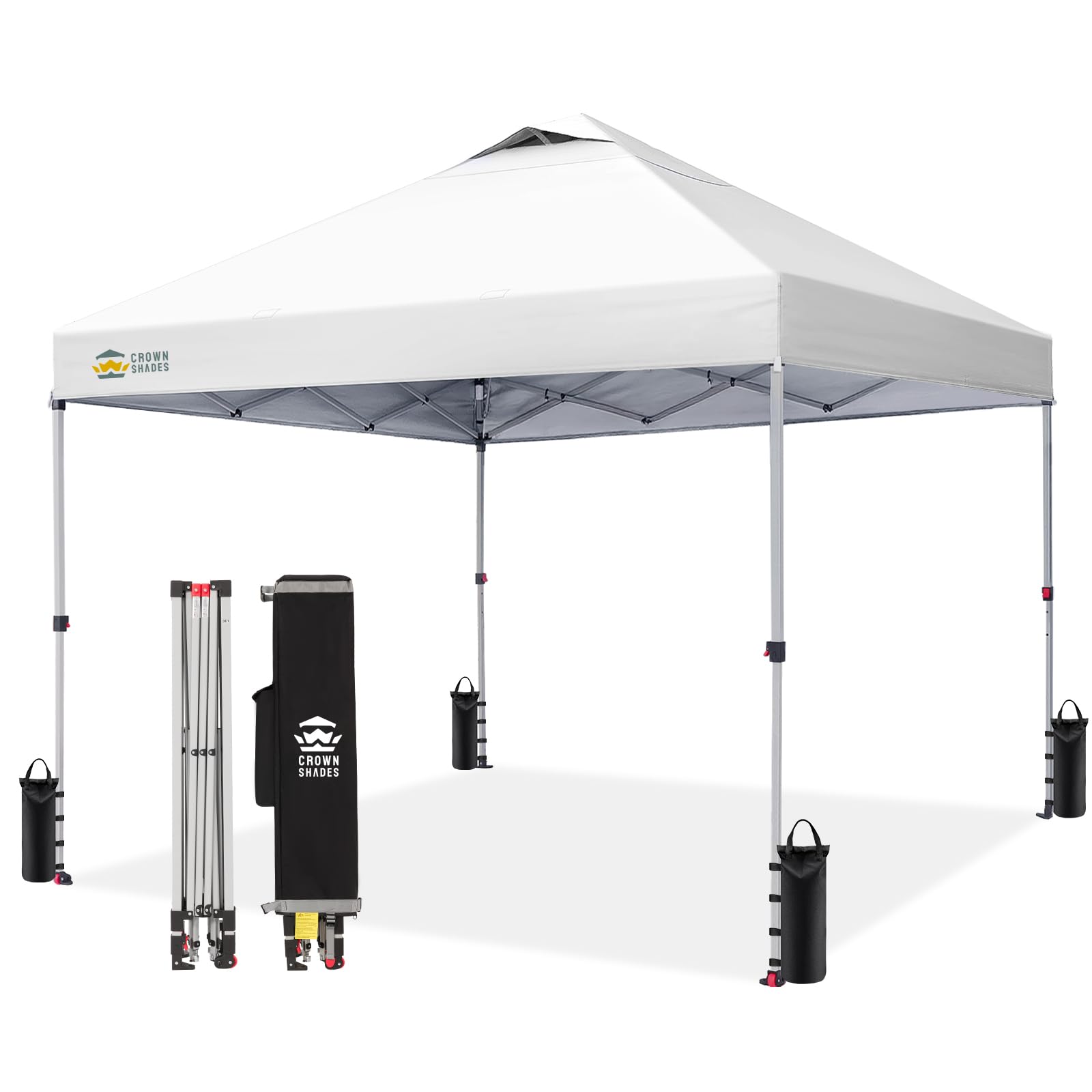
A fast one-push setup with a sturdy steel truss frame and handy STO’N GO transport system.
Why I picked it: Balanced speed, a high-grade steel frame, and convenient wheeled transport.
Best for: Weekend events, vendor tents, backyard parties where quick setup matters.
A midrange purchase for frequent event use.
Pros
- One-button center-lock setup
- High-grade corrosion-resistant steel frame
- Stow-and-go bag with integrated wheels
- UPF 50+ silver-coated canopy interior
- No overhead crossbars for more headroom
Cons
- Included stakes and sandbag handles feel lightweight
- Wheels don’t roll well on soft sand
My take
The first thing I noticed was how fast the hub locks with a single push; two people can have this assembled in seconds. That center-lock system removes the usual fumbling with crossbars and keeps setup predictable.
I appreciate the steel truss frame — it feels more rigid than typical pop-up frames and the design claims support for a distributed load, which I could tell when the canopy was under decorations and lights. The high peak helps rain run off instead of pooling.
The EZ Clip canopy fabric clips in cleanly and the silver coating makes the shaded area noticeably cooler. While the fabric is water-resistant and flame-resistant, I still lowered the height when wind picked up; lowering leg height is an easy way I used to add stability.
Where this canopy really shines for me is the STO’N GO system: I left the fabric attached, collapsed the frame, zipped the cover on, and rolled it into my garage. That transport convenience is a real time-saver for repeated event setups.
2. CROWN SHADES 10×10 with Side Wall – Best with Sidewall
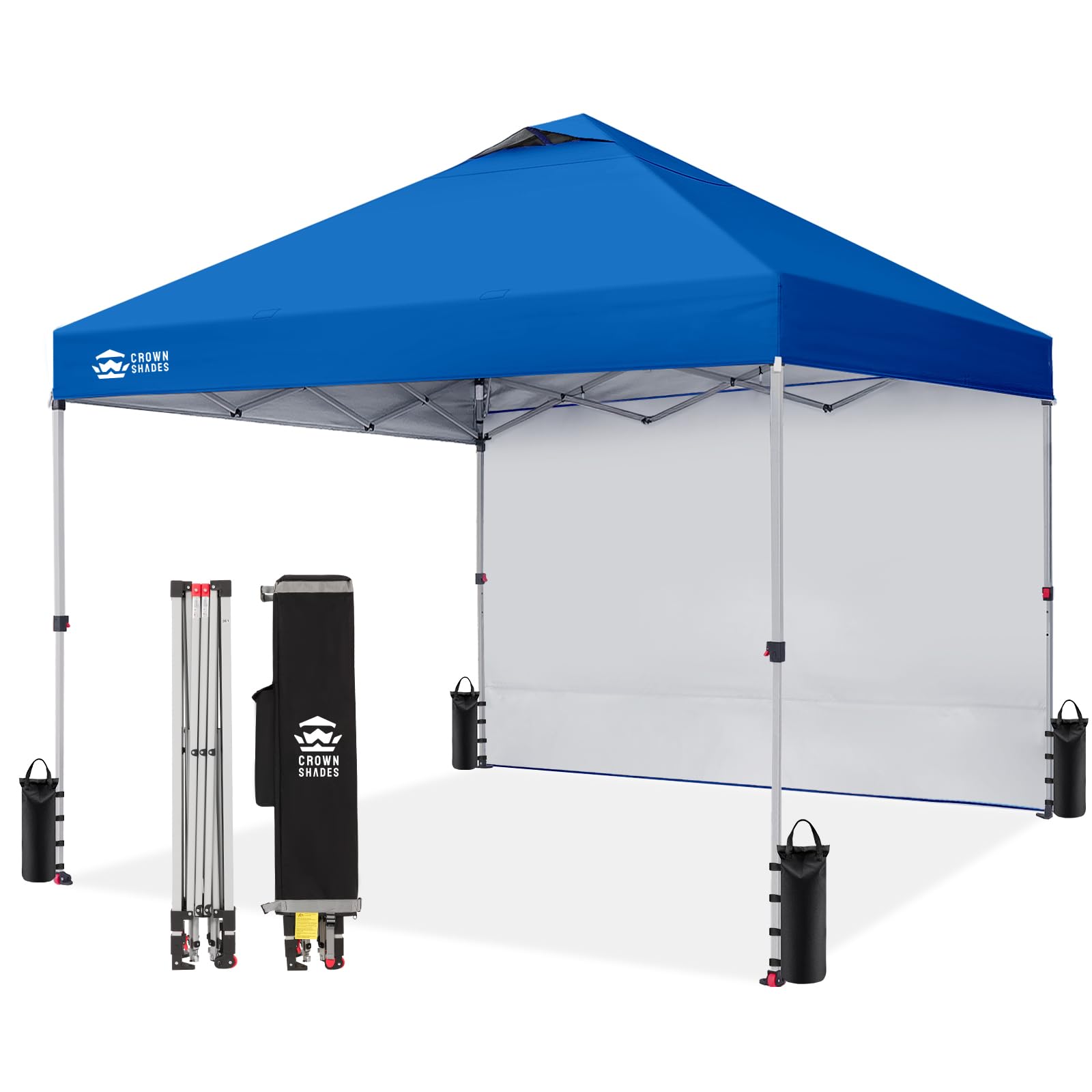
Same fast setup as the best overall, plus an included sidewall for better shade and privacy.
Why I picked it: Fast center-lock assembly plus a 150D sidewall for added protection.
Best for: Beach days, camping, or events where a side wall improves shade or wind protection.
Slightly pricier than a bare canopy but adds a useful sidewall.
Pros
- One-push setup
- Included 150D sidewall
- Sto-n-go wheeled bag
- UPF 50+ canopy interior
- 2-year parts replacement
Cons
- Heavier to carry solo
- Sidewall can block wheels when packed
My take
I reach for this version when I want the same Crown Shades quick setup but with a sidewall to block late-afternoon sun or add privacy. The sidewall clips on with the same fast-clip system and tucks into place without fighting Velcro.
Attaching the fabric and wall takes a little more time than the bare canopy, but it’s still straightforward and gives noticeably better weather protection. The canopy’s silver-coated liner keeps things cool under the shade.
This model is heavier to transport — expect to use the wheeled bag or a cart unless you have strong helpers. When folded with the sidewall attached the wheels don’t roll, so plan to carry it or remove the wall for transport.
I value the included two-year parts replacement; if I need a replacement clip or connector the vendor support is reassuring for frequent commercial use.
3. CLAM 11.5′ Pop-Up Screen Tent – Best Screened Shelter
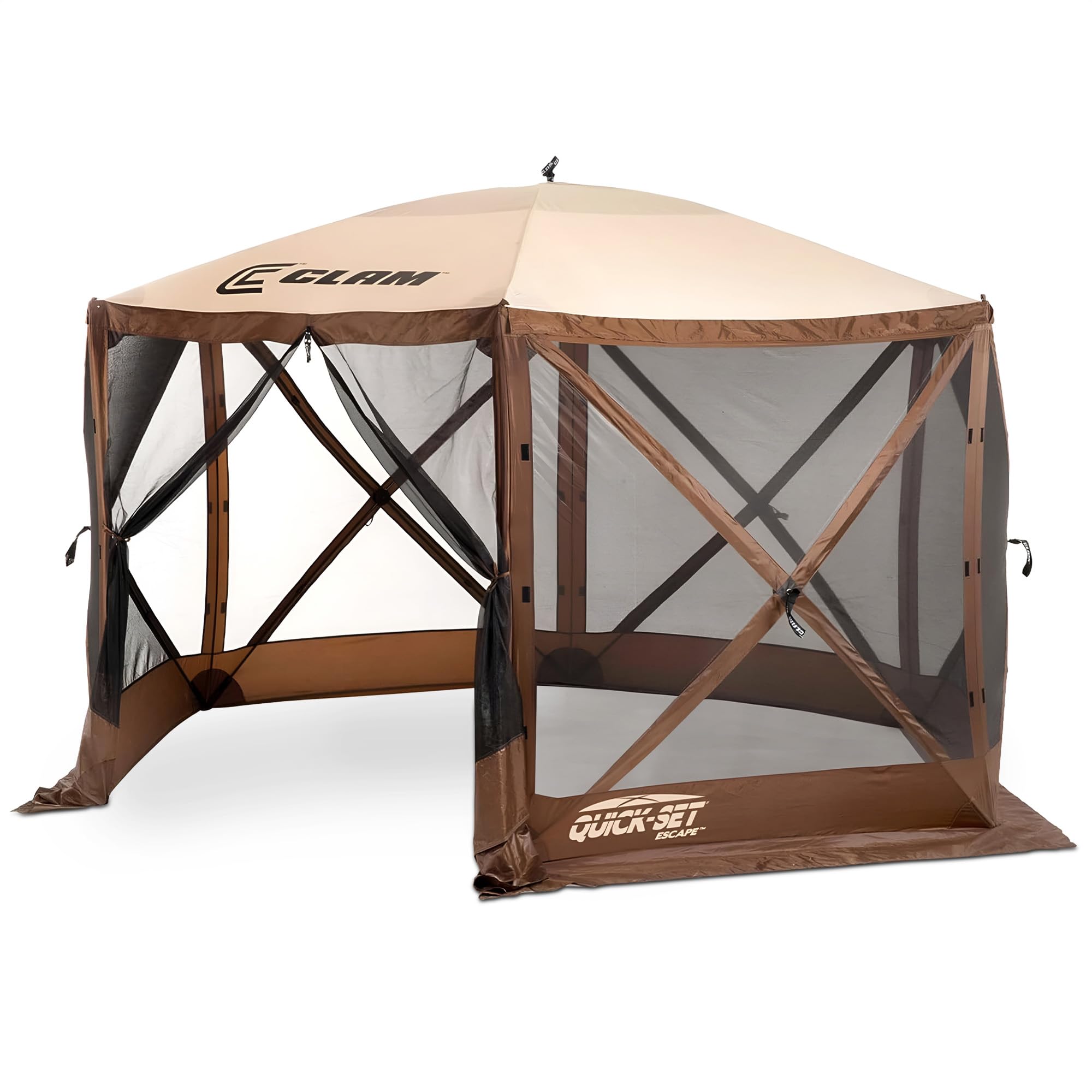
A roomy, true pop-up screened shelter with no-see-um mesh and a fast single-person setup.
Why I picked it: Instant screened shelter that keeps bugs out and sets up in under a minute.
Best for: Camping, picnics, or backyard use when insect protection matters.
A higher-end option for screen protection and quick pop-up convenience.
Pros
- Pop-up setup under a minute
- No-see-um mesh for insect protection
- Roomy interior for table and chairs
- 210D fabric with taped seams
- Heavy-duty zippers and panels
Cons
- Bulkier packed size
- Fewer doors than I’d like
My take
I use the CLAM when I want a true screened room — it goes up almost instantly and the tall interior fits a table plus chairs comfortably. That no-see-um mesh keeps even the smallest bugs out, which made evenings at the campsite far more pleasant.
The fabric and taped seams have held up to rain during my outings, and the large flaps at the bottom help keep splashes and wind-driven rain away from the floor. The package includes stakes and tie-downs that give me options for anchoring.
This shelter is heavier and bulkier than a simple pop-up canopy, so I reserve it for when I need the bug protection or want a more private, sheltered space. I’ve added optional weather panels on longer trips for extra protection.
4. EAGLE PEAK 10×10 Slant-Leg Canopy – Best One-Person Setup
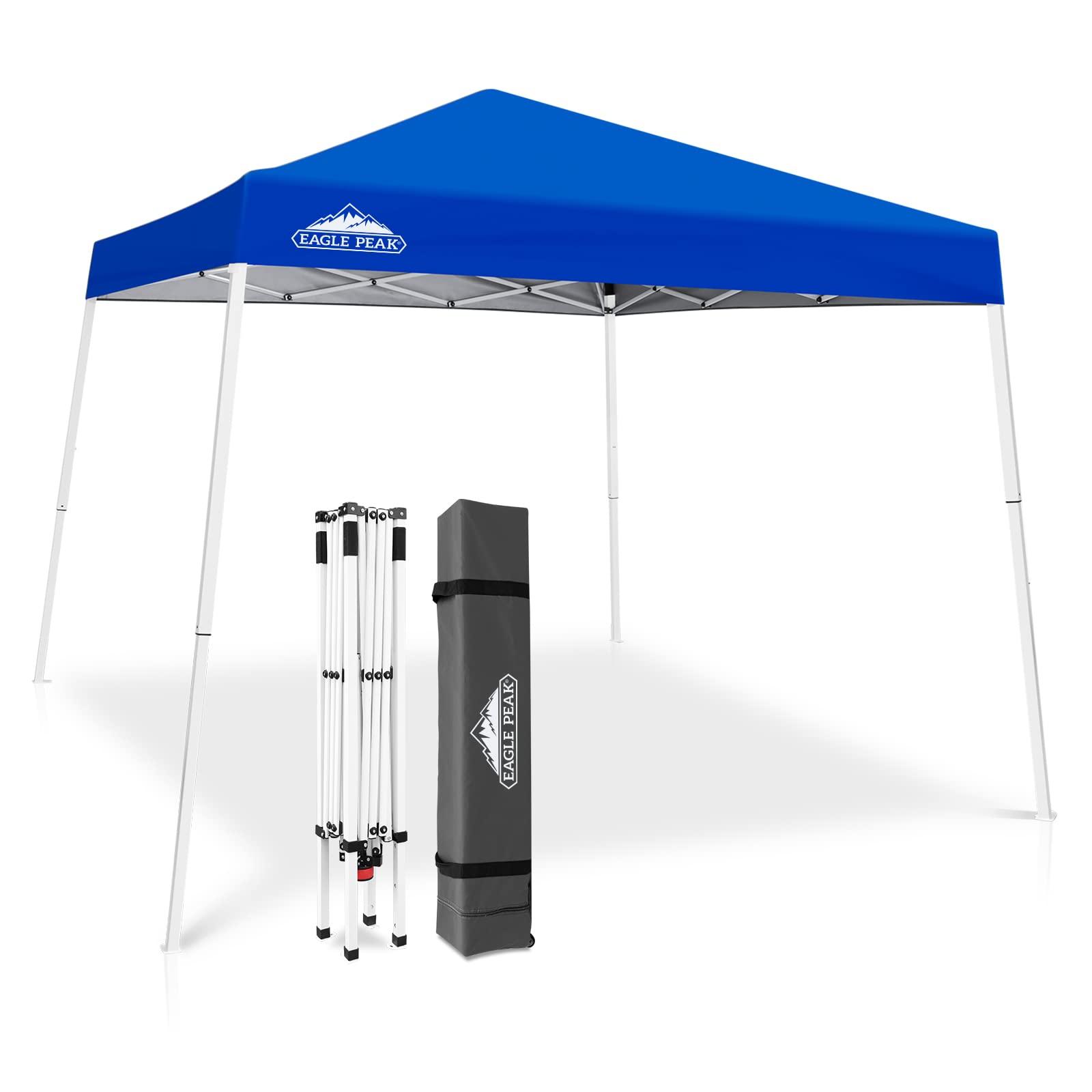
An easy center-lock canopy with a slant-leg design that’s especially simple for single-person setups.
Why I picked it: Designed for one-person use with three height settings and a slant-leg footprint.
Best for: Solo tailgaters, quick shade at parks, and uneven terrain setups.
A practical, value-oriented choice for easy solo use.
Pros
- Peak Push center-lock
- Three height adjustments
- Slant-leg design for uneven ground
- Powder-coated steel frame
- Wheeled carry bag
Cons
- Top footprint is narrower than base
- Carry bag material feels thin
My take
I liked how little fuss the Peak Push center lock requires; I’ve opened and closed this one by myself many times. The slant-leg profile makes it easy to position on uneven ground without losing stability.
The frame is powder-coated and feels solid for typical recreational use. The canopy material provides UPF 50+ protection and handled a heavy rainstorm without pooling when I used the proper peak setting.
My only real caveat is the carry bag — it’s convenient with wheels, but I treat it more gently than I would other bags. For the price and the solo setup convenience, this is the tent I grab when I’m heading out alone.
5. E-Z UP Sierra II 10×10 Canopy – Best Classic Lightweight
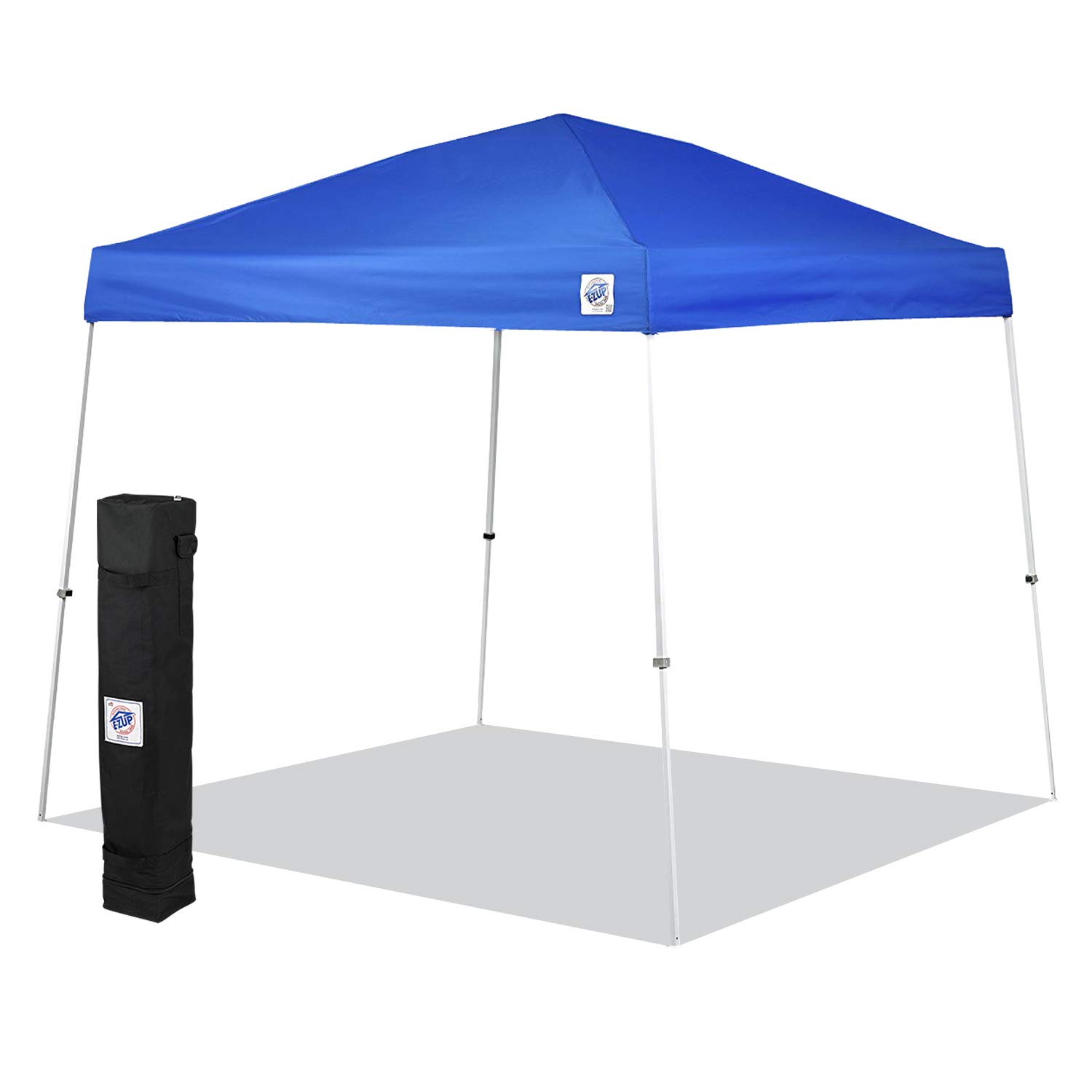
A lightweight classic that’s been reliable for years — very portable and quick to deploy.
Why I picked it: Light, simple one-minute setup and proven durability over years of use.
Best for: Beach trips, sideline shade, and light recreational use.
A dependable enduring design at a moderate investment.
Pros
- Extremely portable and lightweight
- One-minute setup
- Open cathedral ceiling for headroom
- Fire resistant and high UV protection
- Includes roller bag and spike set
Cons
- Smaller footprint than the nominal size
- Requires stakes or weights to secure in wind
My take
This is the canopy I’ve kept for years because it’s absurdly easy to move and set up. It’s light enough to carry across sand and into parks, and the push-button frame goes from bag to shade in under a minute with two people.
I like the open cathedral ceiling — the extra headroom makes a small area feel airier. The fabric meets flame-resistance standards and offers strong UV protection, which I trust for long afternoons in the sun.
I always pair this canopy with additional weights or sandbags for breezy conditions. The included roller bag is very handy for transport and storage; treat the bag with care to avoid tears over heavy use.
6. MASTERCANOPY Canopy Weight Bag – Best Sandbag Accessory
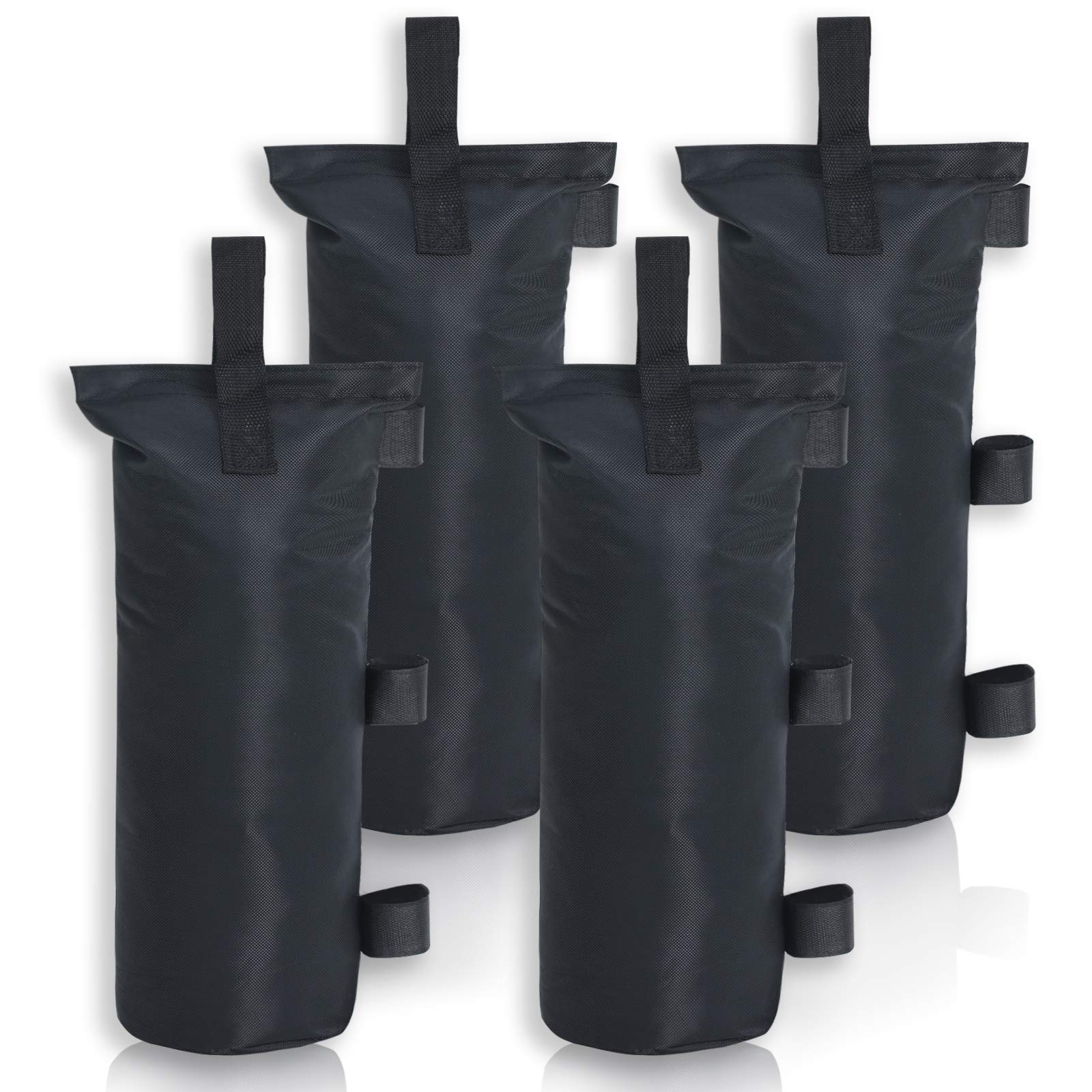
A versatile, waterproof weight bag that I fill with sand or dirt to stabilize canopies.
Why I picked it: Durable 1680D fabric and a universal hook make it adaptable for many tents.
Best for: Stabilizing pop-up canopies where stakes aren’t practical.
An affordable accessory to improve canopy stability.
Pros
- Waterproof 1680D polyester shell
- Heavy-duty sewn-on handle
- Universal fit for most leg diameters
- Compact 6 x 21 inch footprint
- Simple hook attachment
Cons
- Doesn’t include filling
- Top opening is a bit small for large bags
My take
I use these weight bags when I can’t stake into the ground. The 1680D outer fabric and PVC-coated interior keep the sand or dirt from leaking and the sewn handles make them easy to move when empty.
They fit a wide range of leg diameters and the top hook lets me hang them from the canopy leg cleanly. My tip: I often pre-fill gallon zipper bags and drop them inside to make filling and emptying cleaner.
These bags are an inexpensive and low-bulk way to add stability for short events or when stakes aren’t permitted.
7. Eurmax Water Weights (4-Pack) – Best Water Weights
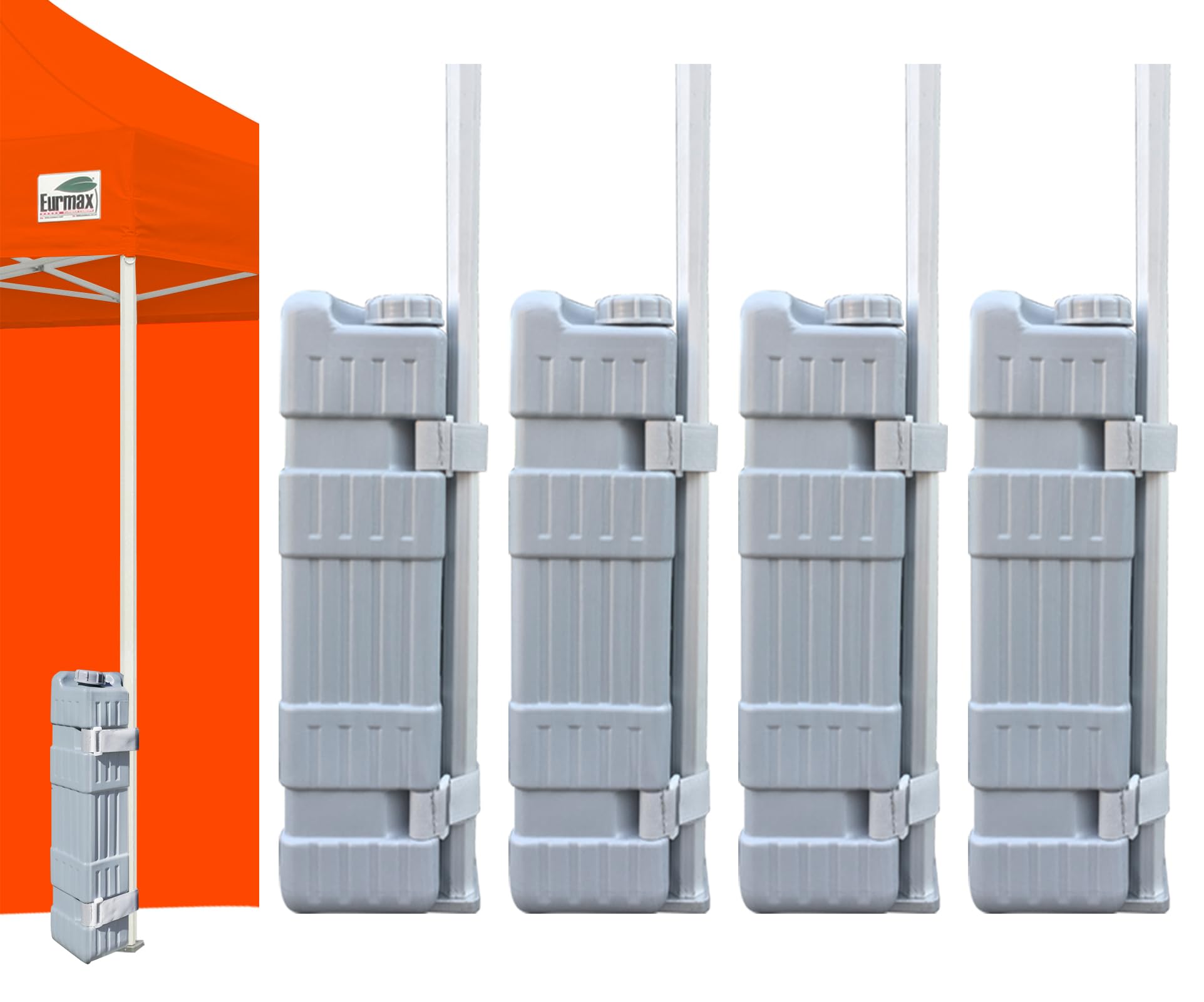
Rigid water-fill weights that lock around legs and keep canopies stable without sand hauling.
Why I picked it: Quick-to-fill, stackable, and they attach cleanly with Velcro for a snug fit.
Best for: Shows, markets, and venues that require visible, reliable anchoring.
A convenient, reusable anchoring solution that scales with fill material.
Pros
- Fill with water or sand for variable weight
- Handles for easy positioning
- Velcro lock system for secure fit
- Stackable and compact when empty
- Universal compatibility
Cons
- Caps can leak if tipped
- Slight encroachment into booth space
My take
I prefer these when I need stable, neat weights that don’t shift around. They wrap around the leg with Velcro and sit flush so they don’t interfere with curtain walls.
Filling with water at the event is fast and lighter to carry empty. For long-term or very windy situations I fill with sand — that gives noticeably more holding power.
The built-in handles make them simple to lift and move, and they’ve saved me from lugging heavy bags of sand in and out of vehicles.
How I Choose a Heavy-Duty Pop-Up Canopy
Key features I check
I look at frame construction, canopy fabric weight and coating, and how the canopy attaches to the frame. Those three things determine durability, sun protection, and ease of use.
- Frame: steel truss or powder-coated steel gives better rigidity than thin tubing.
- Canopy fabric: 150D oxford with a silver-coated liner gives UPF protection and cooler shade.
- Attachment: clips are faster and less fiddly than Velcro in my experience.
Stability and anchoring
A good canopy setup routine includes weights and stakes. I never rely on stakes alone in open or windy venues.
- Use sandbags or water weights if staking isn’t allowed.
- Lower the leg height in higher winds to reduce sail effect.
- Combine weights and guy ropes when possible for maximum security.
Transport and storage considerations
I consider how the canopy packs and whether it travels with fabric attached. Wheeled STO’N GO bags and covers that accommodate the canopy with fabric in place save time.
- Wheeled carry bags speed transport across fields and parking lots.
- Models that pack with fabric attached reduce assembly time on repeated setups.
- Check packed dimensions to make sure it fits your vehicle.
Frequently Asked Questions
Do I need two people to set up these canopies?
Most of these models are designed for two people for the fastest, safest setup, but several can be managed solo thanks to center-lock systems and slant-leg designs; I still prefer a helper for windy conditions.
Can I leave a pop-up canopy up in rain or wind?
I avoid leaving pop-up canopies unattended in strong winds. For light rain they perform fine if you keep the peak high and ensure good runoff, but I lower leg heights and add weights when weather looks uncertain.
Which is better: sandbags or water weights?
I use water weights for the convenience of filling on-site and sandbags when I need more permanent heavy anchoring; sand yields higher mass per volume, but water weights are easier to transport empty.
Final Take
After trying these canopies and anchoring options, I reach for the Crown Shades 10×10 for most event work because it combines a sturdy steel truss frame with a truly fast center-lock setup and the STO’N GO transport advantage.
If I need insect protection, the CLAM screened shelter is my go-to. For stability upgrades, I keep both sandbag-style MasterCanopy pouches and Eurmax water weights in my kit depending on the event rules and logistics.
Pick the canopy that best matches how you travel and set up: prioritize fast setup for frequent moves, or prioritize heavier frames and anchoring for longer, windy deployments.
