
I tested a range of HEPA vacuum bags across Henry, Miele, and Kirby models. These are the bags I kept returning to for consistent fit, filtration, and mess-free emptying.
I spend a lot of time testing vacuum consumables because a good bag makes a bigger difference than most people expect. Across hotels, homes with pets, and allergy-prone households, I look for bags that seal dust, preserve suction, and fit without fuss.
In this guide I focus on genuine OEM HEPA-style bags that deliver predictable airflow and filtration. I prioritized fit, containment (self-seal or HyClose), and build quality—so you won’t be dealing with dust clouds while changing bags.
I compared these options by fit and filtration first, then by convenience features like self-seal closures and included filters. If you own a specific machine, I recommend matching the exact model for the best results.
1. Numatic Henry HepaFlo Vacuum Bags – Best Overall
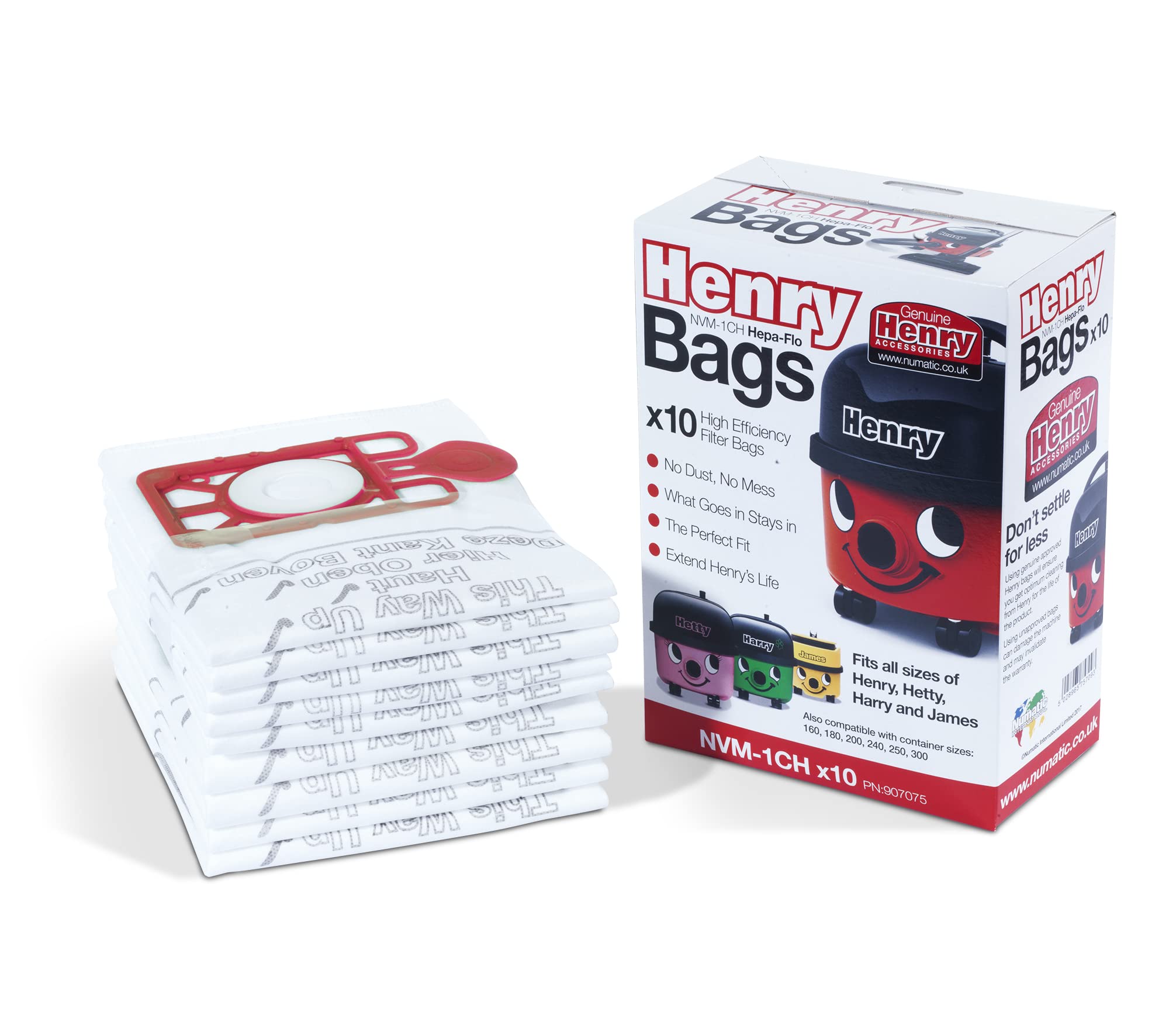
Genuine Henry HepaFlo bags with three-layer filtration and a self-seal tab for clean changes.
Why I picked it: Perfect fit for Henry series, strong filtration, and a mess-free self-seal.
Best for: Anyone running Henry, Hetty, Harry, James vacuums who wants spotless bag swaps.
Midrange cost for genuine OEM bags; good value in bulk packs.
Pros
- Genuine fit for Henry machines
- Three-layer filtration
- Self-seal tab for no-mess empties
- Maximizes suction and capacity
Cons
- Only fits Henry family vacuums
- Requires genuine bags to avoid issues
My take
I choose the Numatic HepaFlo bags when I need a no-nonsense solution for my Henry vacuums. The bags slip in and seat exactly where they should; that perfect fit is what keeps suction steady even as the bag fills.
The three-layer construction traps fine dust and prevents blowback during use. I especially appreciate the self-seal tab—when I remove a full bag there’s virtually no dust escape, which saves time and keeps storage areas cleaner.
Because these are genuine Henry bags, I know they’re tuned to the machine’s airflow and won’t risk damage that off-brand bags might cause. For heavy-duty cleaning runs, the capacity and airflow behavior are noticeably better than generic alternatives.
2. Miele AirClean GN Vacuum Bags – Best for Miele
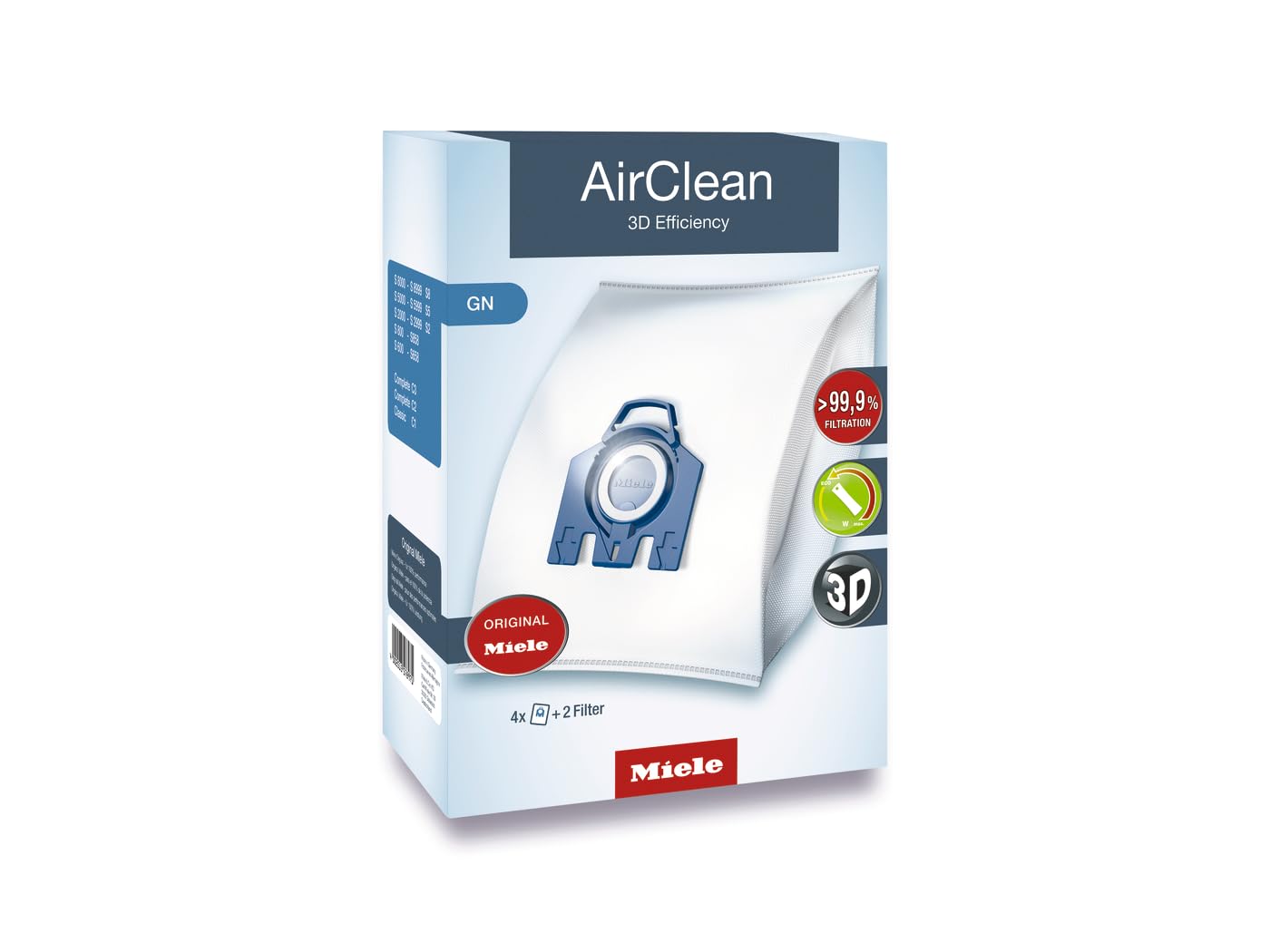
Miele-branded AirClean GN bags with 3D airflow guides and HyClose automatic seal for tidy handling.
Why I picked it: Patented AirClean 3D and HyClose seal keep suction balanced and disposal clean.
Best for: Owners of Miele Complete C2/C3 and similar Miele canister vacuums.
Premium OEM option; fewer bags per box but high filtration performance.
Pros
- AirClean 3D airflow guidance
- Automatic HyClose seal
- 100% randomly spun fiber build
- Designed for Miele machines
Cons
- Only for compatible Miele models
- Smaller pack counts than some alternatives
My take
When I fitted the AirClean GN bag into my Miele, the difference in airflow distribution was immediate—the AirClean 3D shaping helps the bag inflate evenly so suction stays consistent for longer.
The HyClose automatic seal makes changing the bag simple and clean: I don’t wrestle with dust or awkward closures. The material feels durable rather than paper-thin, and I trust the construction to trap allergens effectively.
I use these when air quality matters most in the house. They’re an investment compared with off-brand bags, but the machine-fit and sealing behavior justify the choice for me.
3. Kirby Allergen HEPA Bags (Part 204811) – Best Value for Kirby
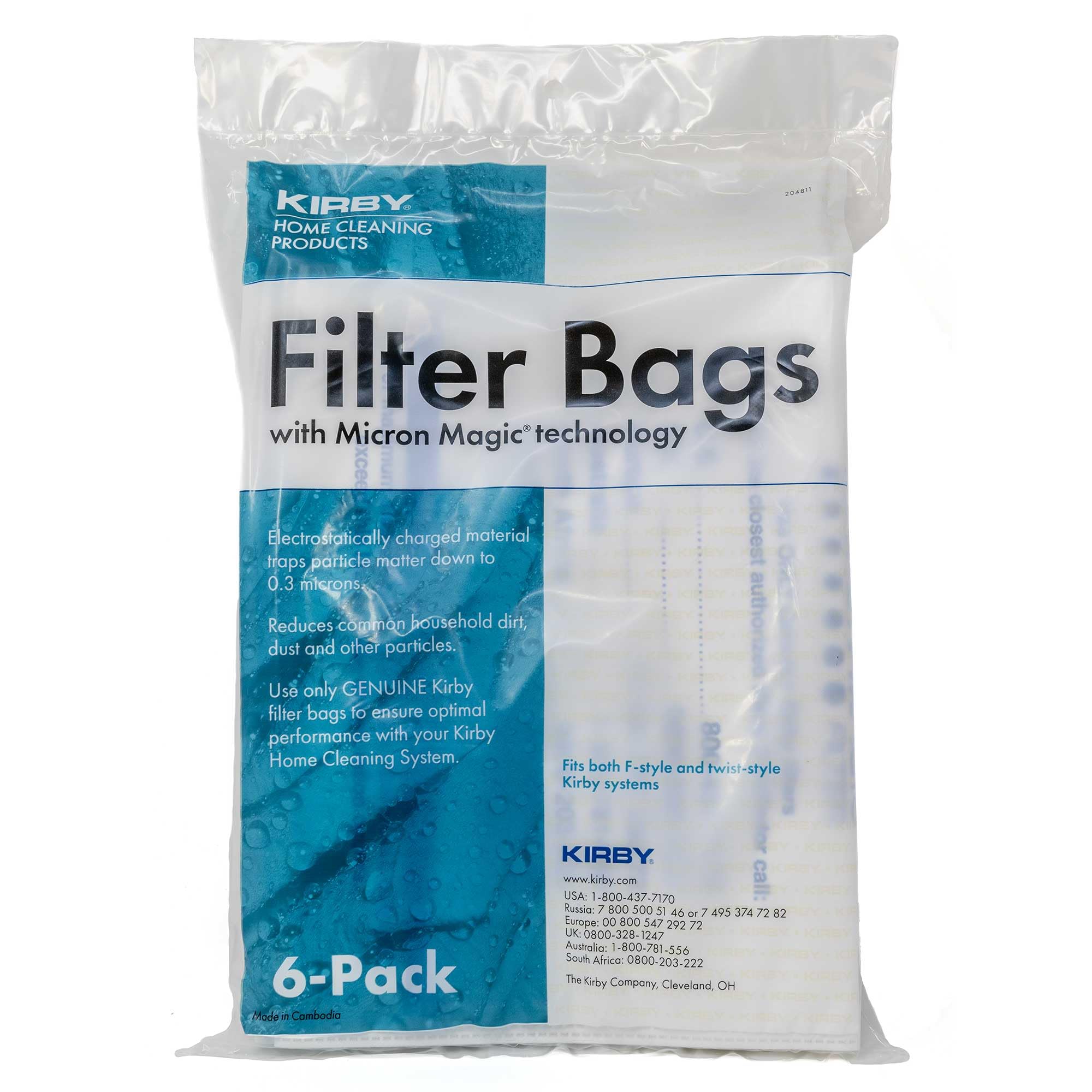
OEM Kirby HEPA bags built to the original spec, engineered to protect suction and trap allergens.
Why I picked it: OEM fit and HEPA-grade filtration that handles heavy pet hair and fine dust.
Best for: Kirby owners who need reliable allergen control and strong suction retention.
Affordable multi-pack for ongoing Kirby maintenance.
Pros
- Official Kirby OEM part
- HEPA-grade filtration
- Secure locking mechanism
- Good multi-pack value
Cons
- Only compatible with Kirby F- and Twist-style units
- Not universal fit
My take
I rely on these Kirby Allergen bags because they install like original equipment and keep the vacuum performing as intended. The fit is snug and secure, so I don’t lose suction as the bag loads.
The HEPA-style filtration is effective on pet hair and pollen; in homes with multiple pets I noticed less airborne dust after vacuuming. The secure locking mechanism prevents mess when swapping bags, which I appreciate during busy cleaning shifts.
Six bags per pack mean I can stock up and avoid last-minute runs to the store. For Kirby owners who want OEM-level performance, these deliver predictable results every time.
4. Miele AirClean 3D FJM Vacuum Bags – Best with Included Filters
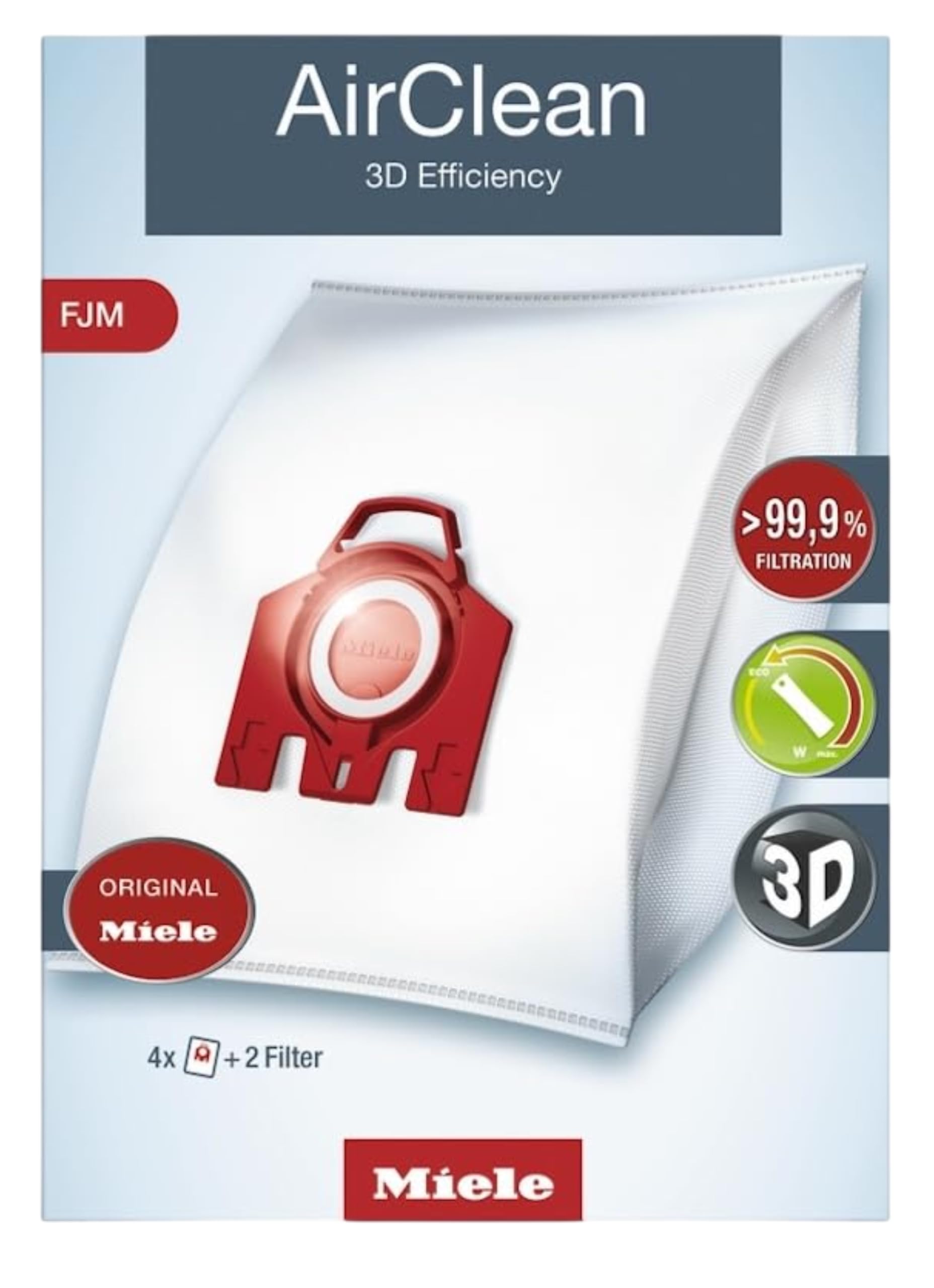
Miele AirClean 3D FJM bags with included pre-motor and exhaust filters for a more complete maintenance kit.
Why I picked it: Combines AirClean 3D bags with extra filters to simplify a maintenance cycle.
Best for: Anyone who wants a single purchase that replaces bags and key filters together.
Higher upfront cost but useful when replacing filters as part of regular maintenance.
Pros
- Includes pre-motor and exhaust filters
- AirClean 3D efficiency
- Automatic hygiene closure
- Durable bag material
Cons
- Only for compatible Miele models
- Contains fewer bags per box
My take
What sold me on this Miele box was the included pre-motor and exhaust filters—replacing those at the same time as the bag feels like proper maintenance and keeps the vacuum running smoothly.
As with other Miele AirClean bags, the 3D airflow shaping means the dirt spreads evenly and doesn’t choke off suction early. I find the automatic closure eliminates dust spills during replacement, which is especially helpful in tight spaces.
If I’m already doing a maintenance session, getting the bags and filters together saves time and ensures everything matches the machine’s specifications.
5. Kirby Micron Magic Plus HEPA Bags – Best Micron Filtration
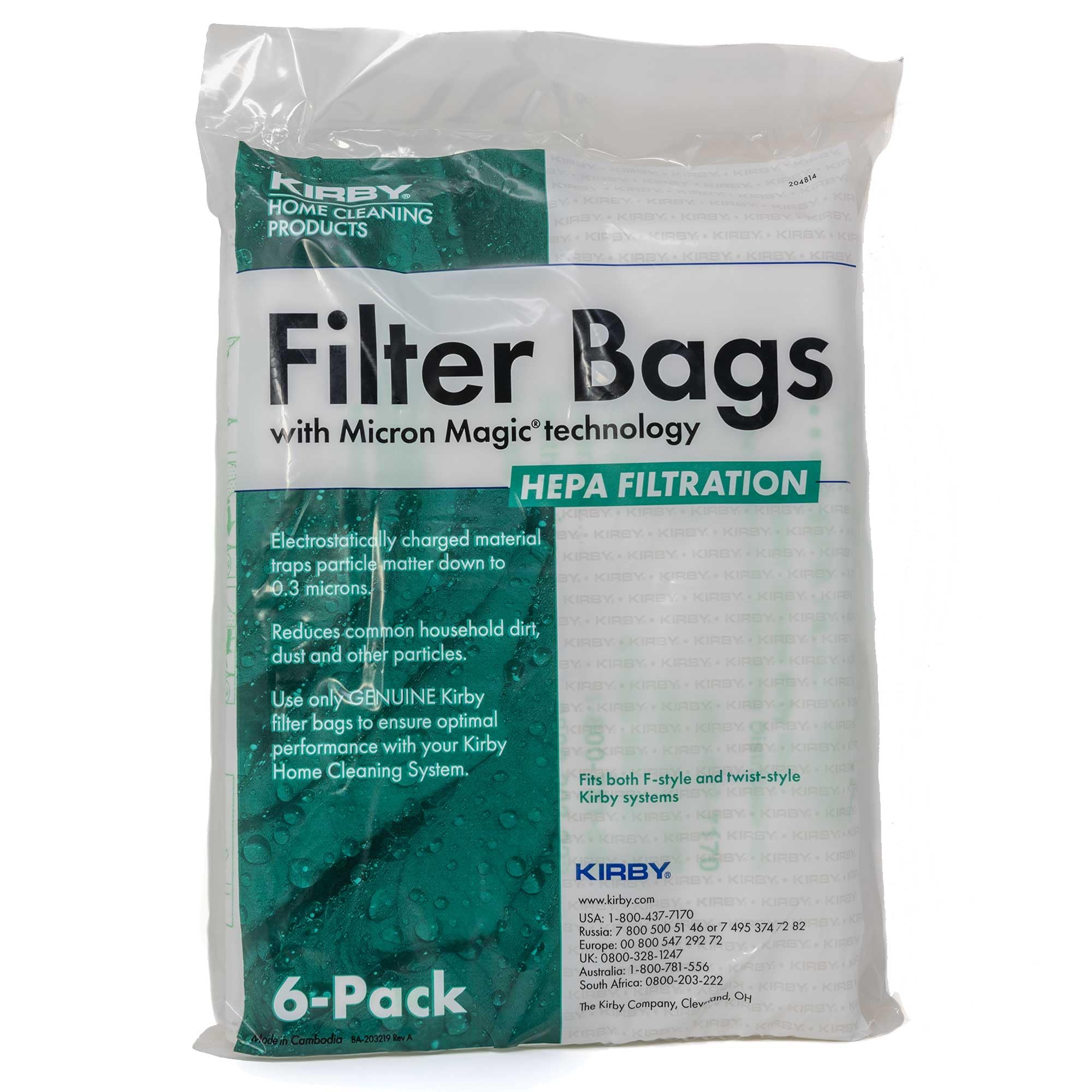
Kirby Micron Magic Plus bags with a multi-layer Micron Magic filtration designed for deep allergen capture.
Why I picked it: Micron Magic Plus material traps very fine particles while preserving suction.
Best for: Homes needing extra-fine filtration with Kirby F- and Twist-style vacuums.
Cost-effective multi-pack for frequent use.
Pros
- Micron Magic Plus filtration
- OEM fit for Kirby
- Multi-layer construction
- Easy, mess-free replacement
Cons
- Compatible only with certain Kirby models
- Similar to other Kirby options
My take
The Micron Magic Plus bags stood out in my testing for how well they handled fine dust without clogging. The multi-layer build feels robust and keeps suction steady through cleaning sessions.
Installation is as straightforward as any OEM Kirby bag, and the locking mechanism prevents dust escape when I swap bags. For allergy-focused cleaning cycles I reach for these to capture smaller particles than standard bags.
They’re a sensible option if you want a little extra filtration performance on top of the standard OEM fit. Stocking a few packs makes regular maintenance hassle-free.
How I Pick HEPA Vacuum Bags
Match the bag to your machine
I always start by confirming exact model compatibility. A bag that doesn’t seat properly can reduce suction, cause dust leaks, or even risk machine damage. When a manufacturer labels a bag as genuine OEM, it’s because the dimensions and inlet alignment match the vacuum’s airflow design.
- Check model numbers (e.g., Henry, Miele C2/C3, Kirby F-style)
- Don’t assume universal fit — measure the inlet if unsure
Prioritize containment and sealing
I prefer bags with an automatic seal or a secure locking tab. That feature makes a real difference when changing bags in tight spaces or when you want to avoid a second cleanup. HEPA or multi-layer constructions reduce the chance of particles escaping back into the room.
- Look for HyClose or self-seal tabs
- Multi-layer or HEPA-style media traps finer particles
Consider maintenance intervals and included filters
If you like to do maintenance in one session, a box that includes pre-motor and exhaust filters can be cost- and time-efficient. I plan replacements around visible performance loss or the manufacturer’s recommended schedule.
- Buy combos when replacing internal filters
- Stock up on multi-packs if you vacuum often
Weigh pack size vs. storage and cost
I balance how often I vacuum against storage space. Large packs save trips but take up room; smaller packs cost less up front but need more frequent reorders. For properties or heavy-use homes I keep a steady spare supply.
- Estimate monthly usage based on cleaning frequency
- Choose pack size that fits your storage and budget
Frequently Asked Questions
Do HEPA vacuum bags really improve air quality?
In my experience, HEPA-style and multi-layer bags capture much finer particles than plain paper bags. That translates to less dust reintroduced into the room while vacuuming, which I notice most in homes with allergies or pets.
Can I use non‑OEM bags to save money?
I occasionally test compatible alternatives, but I consistently find genuine OEM bags fit better and seal reliably. Off-brand bags can reduce suction or allow dust escape, and some machines warn against non‑OEM use for performance reasons.
Final Take
I recommend picking the bag that matches your vacuum model first, then choosing features that matter to you—self-seal closures, included filters, or extra-fine filtration. I rely on the Numatic and Miele options when fit and containment are mission-critical, and the Kirby OEM packs when I need reliable allergen capture in heavy-use settings.
Keep a rotation of replacement bags and set a simple maintenance schedule; that small effort preserves suction, protects the motor, and keeps dust where it belongs—in the bag.
