
I tested eight hose splitters so you can pick the right one for watering, auto care, and outdoor tasks. Here are the durable, easy-to-use options I recommend based on material, valve control, and flow.
I spent time installing and using eight hose splitters around my house so I could compare build quality, ease of use, and leak performance in real situations.
In this roundup I focus on what mattered to me most: solid threads that seal, valves that turn easily (even with gloves or sore hands), and designs that keep water pressure where I need it.
Below I explain which splitter I’d pick for different needs — from the cheapest dependable brass unit to heavy‑duty stainless and a three‑way manifold for multiple timers.
I compared each model head-to-head on materials, valve feel, flow loss, and how well they sealed under normal backyard conditions. Where relevant I also noted included extras like washers, Teflon tape, or a tightening wrench.
1. Morvat Brass 2-Way Hose Splitter – Best Value Brass Splitter
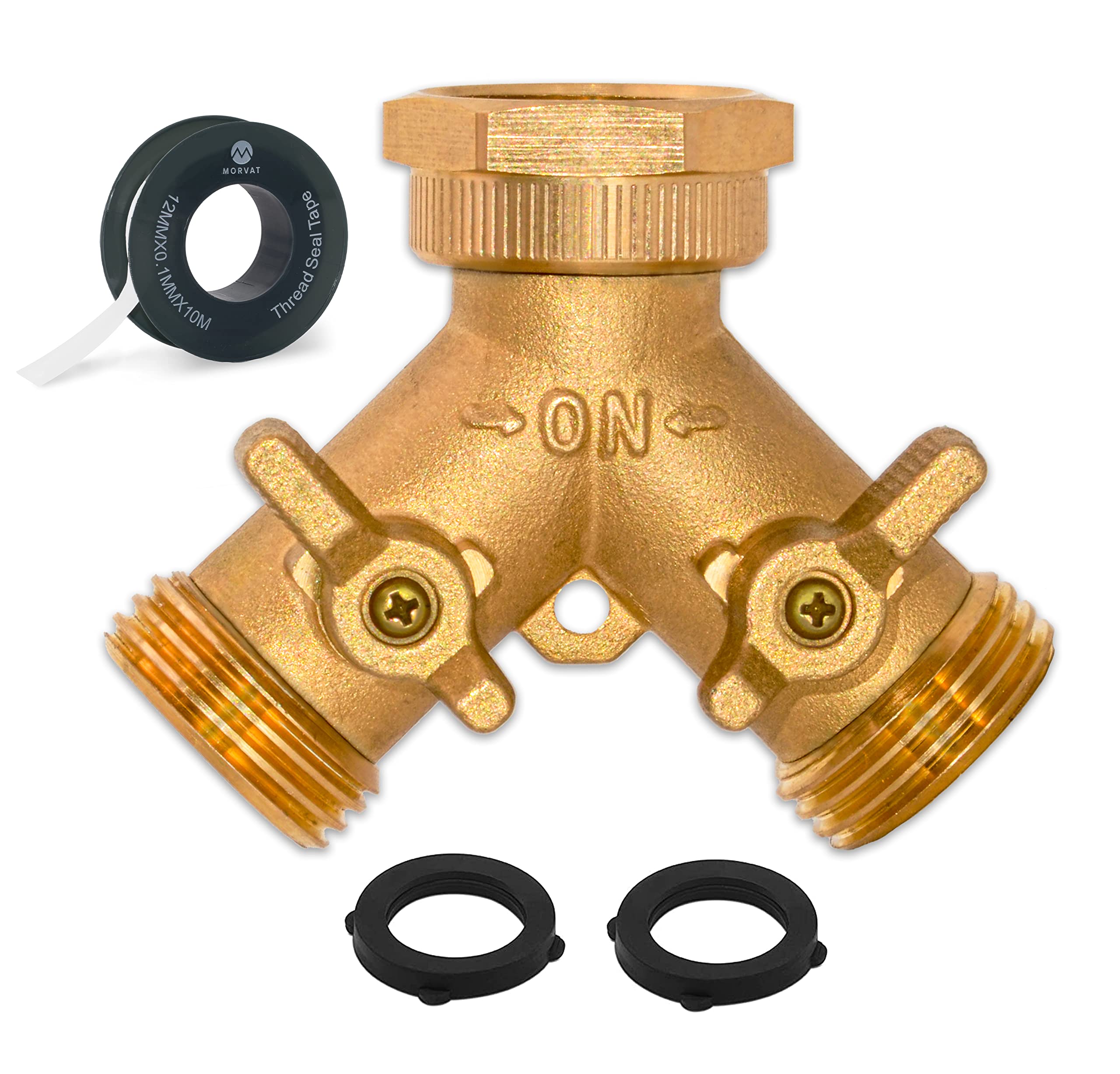
A sturdy brass Y-splitter that gives two reliable outlets and includes washers and Teflon tape.
Why I picked it: Solid brass construction, swiveling top nut, and included extras make it a complete, budget-friendly pick.
Best for: Homeowners who want dependable brass performance without paying premium prices.
Affordable value option
Pros
- Solid brass body
- 360° rotatable swivel nut
- Includes extra washers and Teflon tape
- Individual on/off valves
Cons
- Valves sit close to hose fittings
- Can separate if overtightened with pliers
My take
I installed this Morvat splitter on a front-faucet and immediately appreciated the swivel top nut — it makes aligning hoses much easier than rigid fittings. The brass feels substantial and the included washers and Teflon tape saved me an extra trip to the hardware store.
Flow is good for everyday watering and the dual shutoffs operate with reasonable effort. One caveat from my use: avoid wrenching it down too aggressively. I found that over-tightening risks stressing the brass joints, so hand-tight plus a light final snug is the safest approach.
Overall, this is the best value brass splitter I reached for when I needed a dependable two-way without extra bells and whistles.
2. RAINPOINT Metal 2-Way Hose Splitter – Best for Smooth Valve Control
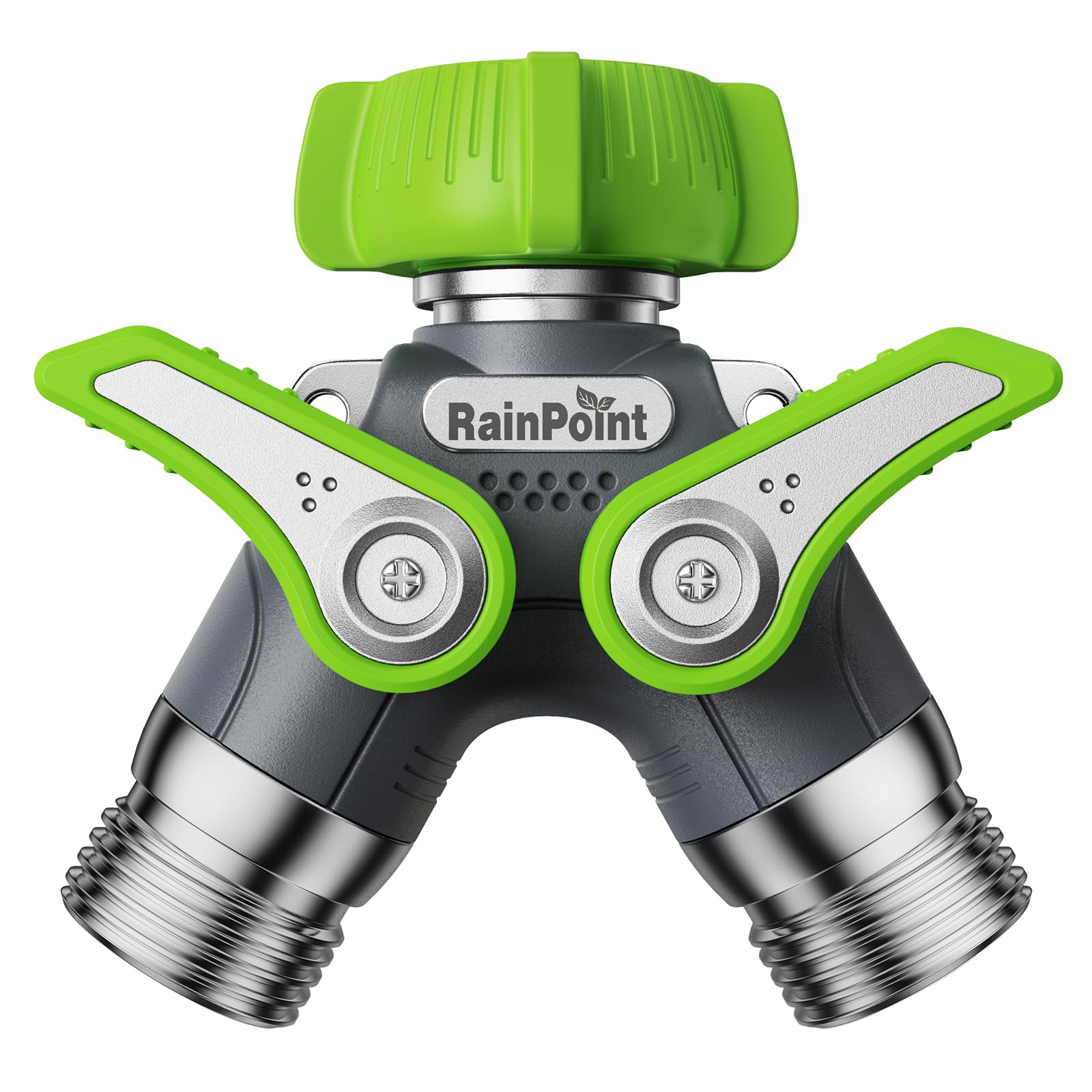
A heavy-duty all-metal splitter with long, ergonomic handles and stainless-steel internal components for smooth control.
Why I picked it: Stainless-steel ball valves and long metal handles make turning the valves effortless, even with gloves.
Best for: Anyone who needs easy-to-turn valves and a leak-proof, high-flow setup.
Midrange to premium
Pros
- 100% metal body
- Extra-long ergonomic handles
- Stainless steel ball valves
- Full-flow design
Cons
- Heavier than basic splitters
- Tends to cost more
My take
When I wanted smooth, fatigue-free valve action I reached for the RAINPOINT. The extra-long handles give a real mechanical advantage, so I can open and close lines quickly even when my hands are cold or gloved.
The stainless-steel ball valves operate precisely and the full-port design preserves pressure — I didn’t notice any meaningful drop when running two hoses. The unit is noticeably heavier, which I liked because it felt built to last.
If you prioritize valve feel and long-term durability over a bare-bones price, this is the splitter I rely on for timers and sprinklers.
3. Solid Brass 2-Way Hose Splitter – Best Budget Brass Splitter
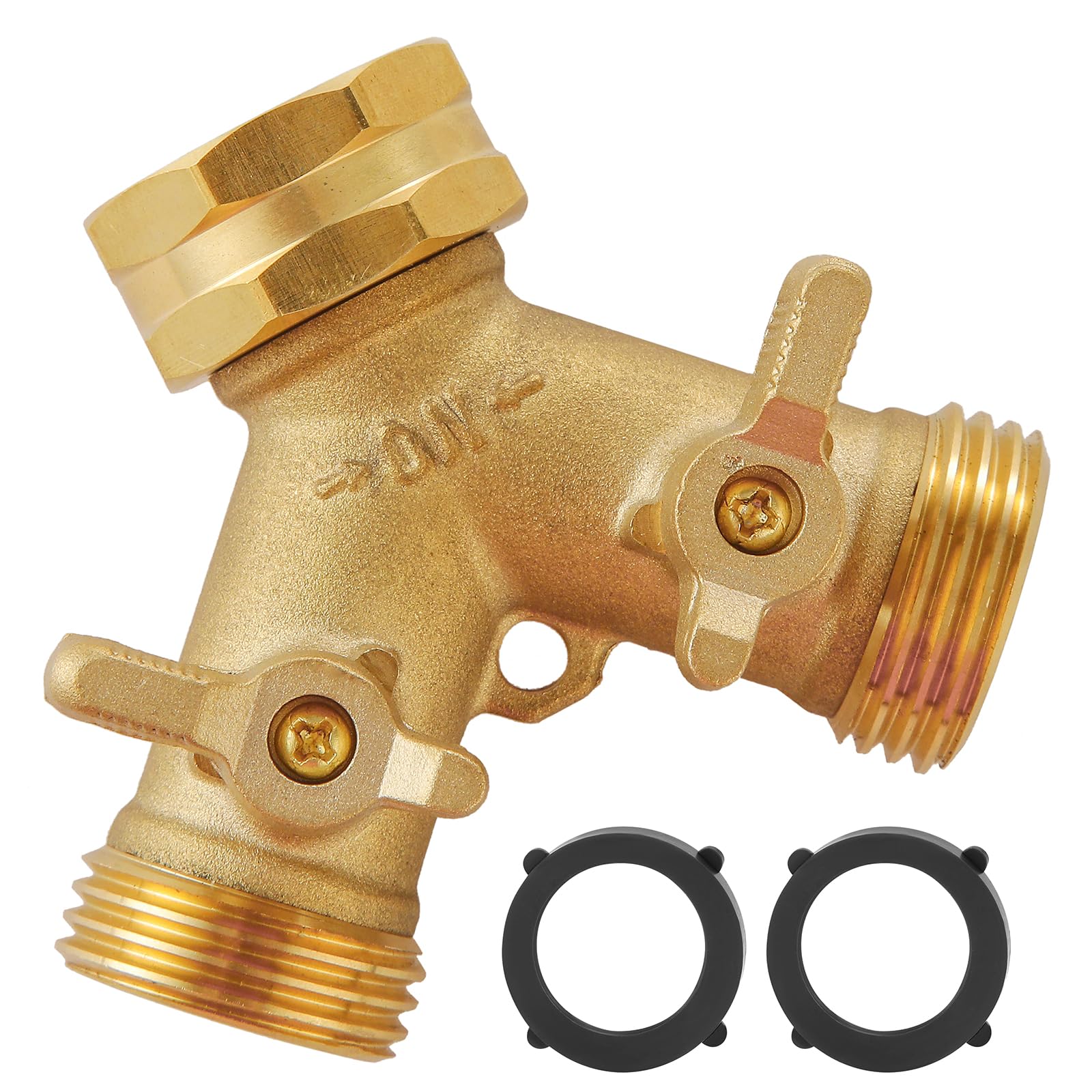
A straightforward brass Y-splitter that delivers reliable sealing and easy installation at a low cost.
Why I picked it: Simple, well-machined brass construction with extra washers — dependable for everyday backyard use.
Best for: Buyers who want plain-spoken reliability and a low-cost brass option.
Budget-friendly
Pros
- High-quality brass
- Smooth valve operation
- Includes extra washers
- Easy to install
Cons
- May be a bit stiff initially
- Basic feature set
My take
I used this splitter as a quick replacement for an old plastic unit and was impressed at how solid the brass felt for the price. It threaded on smoothly and the valves turn cleanly after a short break‑in.
The manufacturer includes extra rubber washers, which I found handy during installation. For routine watering and running two hoses simultaneously this one has been quietly effective and leak-free.
If you want a dependable brass splitter without extras, this is the one I recommend reaching for first.
4. Brass Hose Splitter with Stainless Handles – Best Heavy-Duty Handles
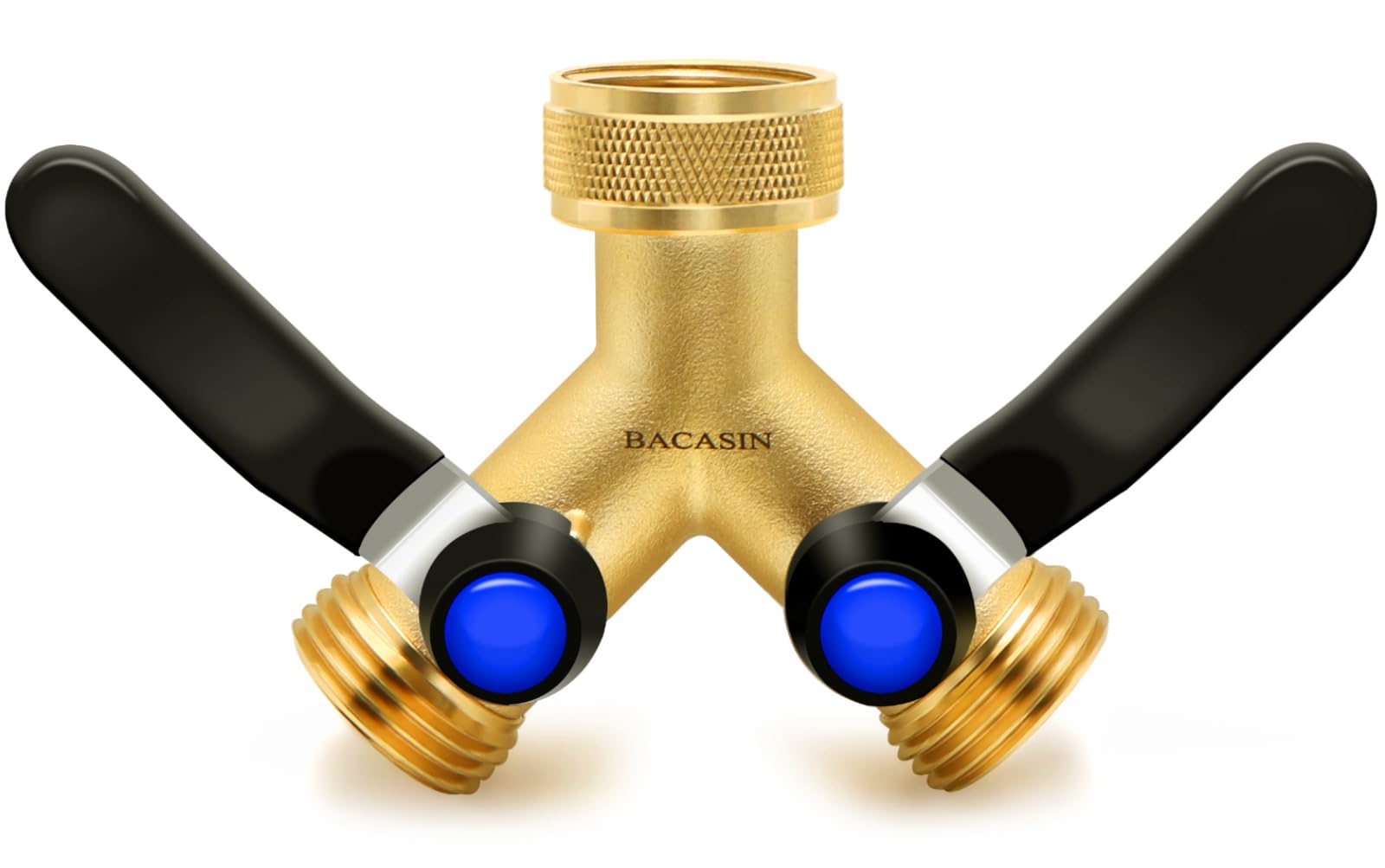
A robust brass splitter with long 304 stainless steel handles that stay easy to operate over time.
Why I picked it: Long stainless handles resist corrosion and make valve control easy; the body maintains a tight seal.
Best for: Users who want durable handles and worry-free long-term outdoor use.
Midrange
Pros
- 304 stainless steel handles
- Durable brass body
- Smooth water flow control
- Easy installation
Cons
- Larger and heavier
- Higher price than basic brass units
My take
I like how the long stainless steel handles make it effortless to switch outlets on and off, and they’ve shown no signs of rust where some painted handles will flake.
The brass body tightened cleanly to my faucet and maintained a watertight seal during multi-hose use. It’s noticeably larger than economy splitters, which helps when hose fittings have extra bulk.
This one's ideal where longevity and comfortable operation are priorities — I’d pick it for an area I don’t want to fuss with year after year.
5. Dalmbox Brass 2-Way Hose Splitter – Best Simple Multi-Use Splitter
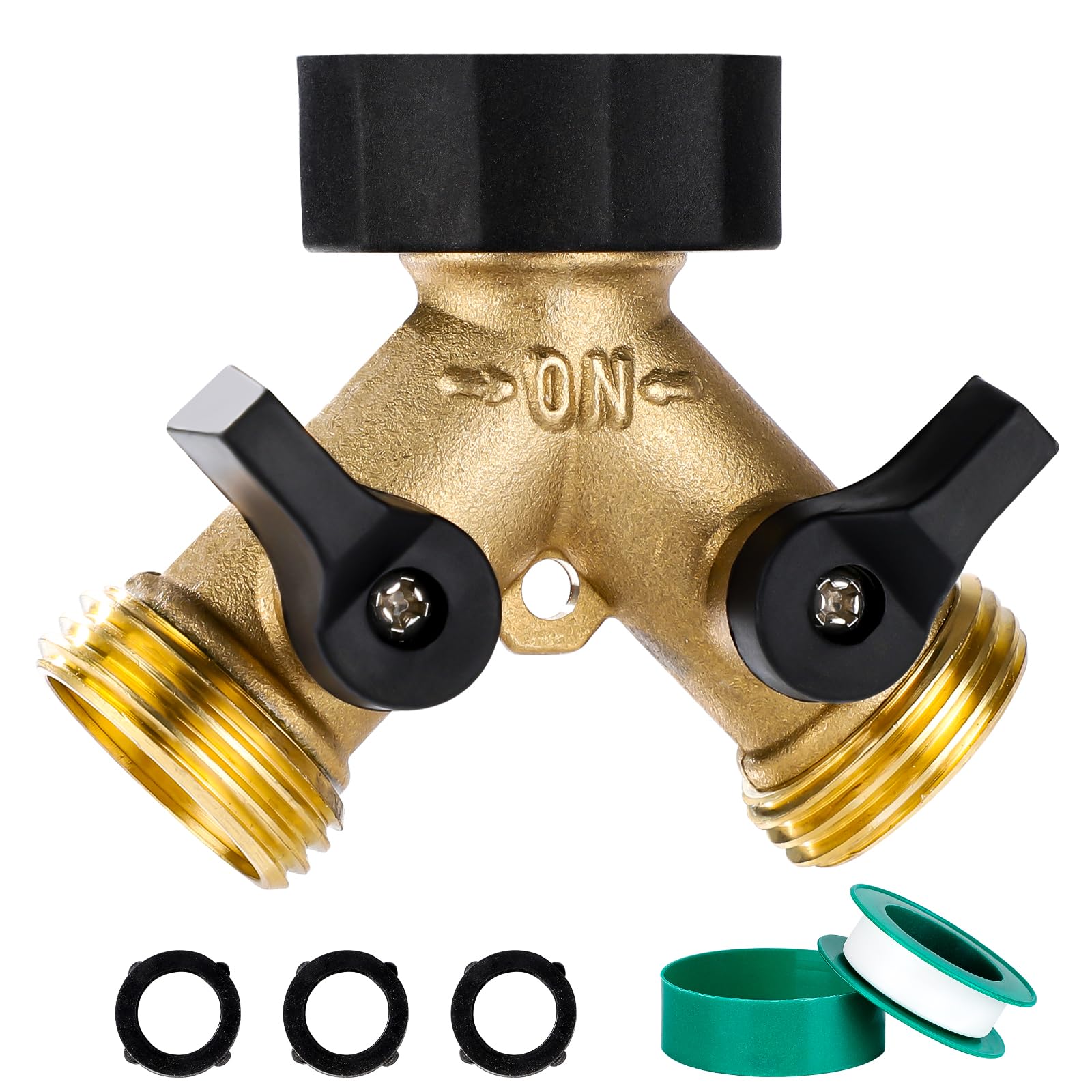
A no-nonsense brass splitter that keeps multiple hoses connected for things like timers, pools, and pet bowls.
Why I picked it: Clean, leak-proof performance and included washers make it an easy swap-in for multi-hose setups.
Best for: People who want a straightforward splitter to run several routine backyard systems.
Very affordable
Pros
- Durable brass construction
- Dual independent valves
- Includes washers and Teflon tape
- Compact footprint
Cons
- Valves can be a bit stiff
- Outlets sit close together
My take
I use this Dalmbox splitter to feed a timer, a soaker hose, and an occasional hand hose. It keeps everything connected and the valves do shut off completely so I don’t have to unscrew hoses to swap devices.
Installation was straightforward and the included plumbing tape and washers made sealing fast. Occasionally the valves feel a touch stiff, but they open and close reliably.
For a basic multi-use splitter that just works, this is the one I reach for when I need cheap, reliable functionality.
6. 304 Stainless Steel 2-Way Hose Splitter – Best for Longevity
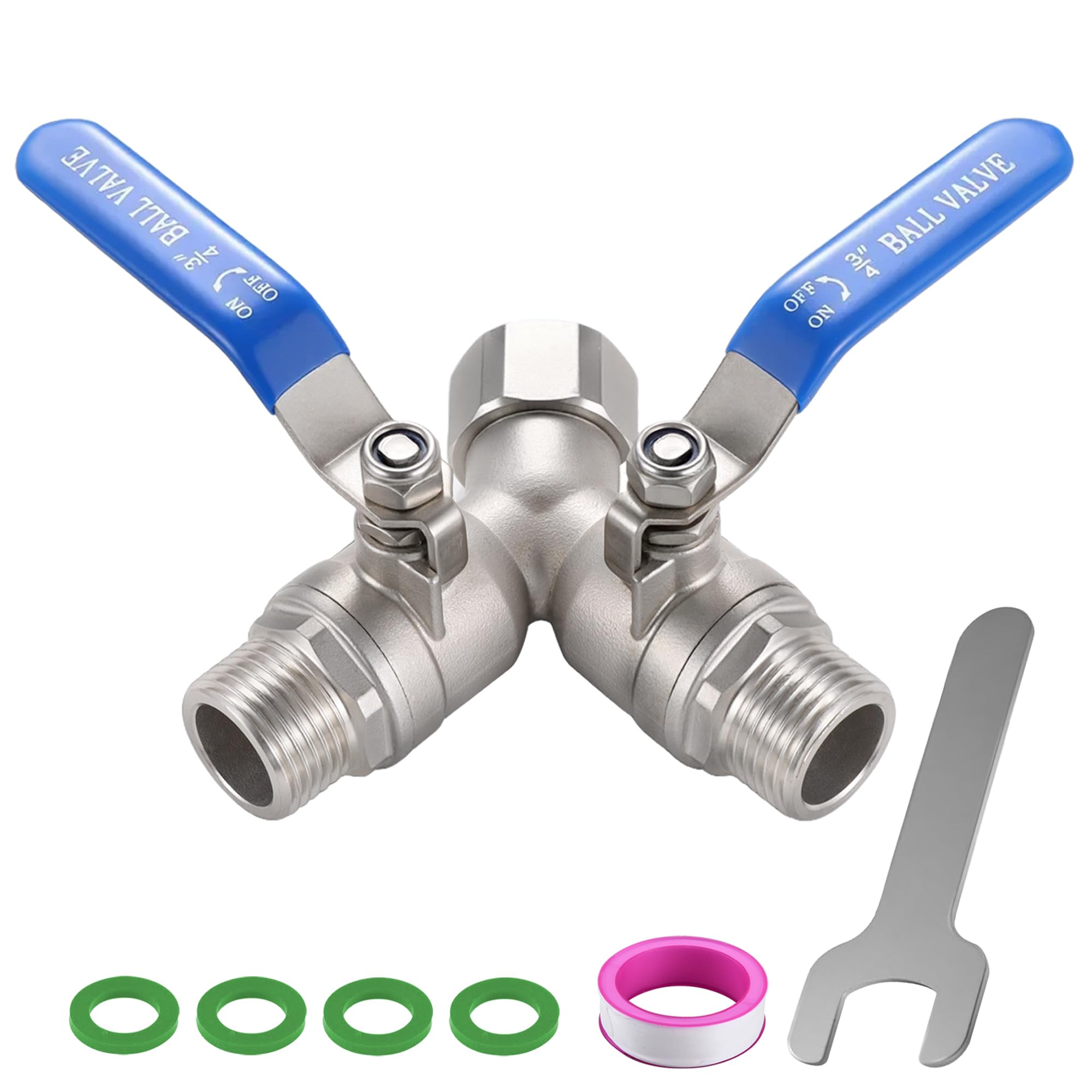
A full-flow, full-metal splitter built from 304 stainless for maximum corrosion resistance and long life.
Why I picked it: Stainless construction, large full-port valves, and heavy-duty hardware make it the most durable option I tested.
Best for: People who want a virtually maintenance-free splitter built to last decades.
Premium price but long-term value
Pros
- 304 stainless steel body
- Large full-port ball valves
- Includes tightening wrench and gaskets
- Excellent flow with minimal loss
Cons
- Heavier and more expensive
- May be overkill for light use
My take
I picked the stainless model when I wanted something that would outlast brass in salty, high-UV environments. The precision threads and large internal ball valves really preserve water pressure — I could run two high-demand lines without feeling starved flow.
The included stamped wrench made final assembly simple and I appreciated the extra gaskets and tape. It’s heavier and costlier than the brass models, but I expect this one to give me years, possibly decades, of trouble-free service.
If longevity and maximum flow are your priorities, this is the splitter I trust.
7. Fairview Industrial-Grade Hose Splitter – Best Industrial-Grade Option
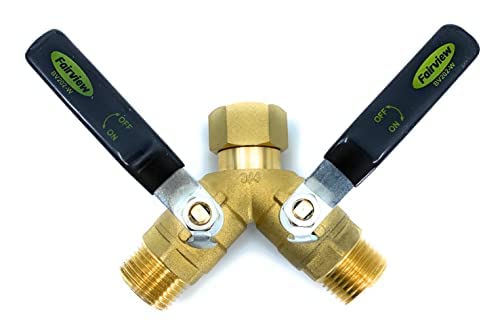
A heavy industrial-style valve with large handles and robust construction for demanding outdoor use.
Why I picked it: Industrial build and large handles make it easy to operate and resilient under harsh handling.
Best for: Worksites, farms, or homeowners who want an industrial feel and rugged durability.
Premium
Pros
- Industrial-grade construction
- Large easy-grip handles
- Solid, leak-free performance
- Handles survive heavy tools
Cons
- Expensive
- Susceptible to early surface oxidation
My take
I tested this Fairview splitter in heavier-duty conditions than I would for a typical garden and it held up well. The large handles make it trivial to operate even when wearing gloves or after repeated use.
This is the most rugged-feeling option in the group — I could tighten and wrench it without deforming edges — but for that build quality you’re paying more than with consumer-grade brass units.
If you want a splitter that can take rough handling and still perform, this is the industrial choice I’d keep on hand.
8. Yayamz Brass 3-Way Hose Manifold – Best 3-Way Manifold
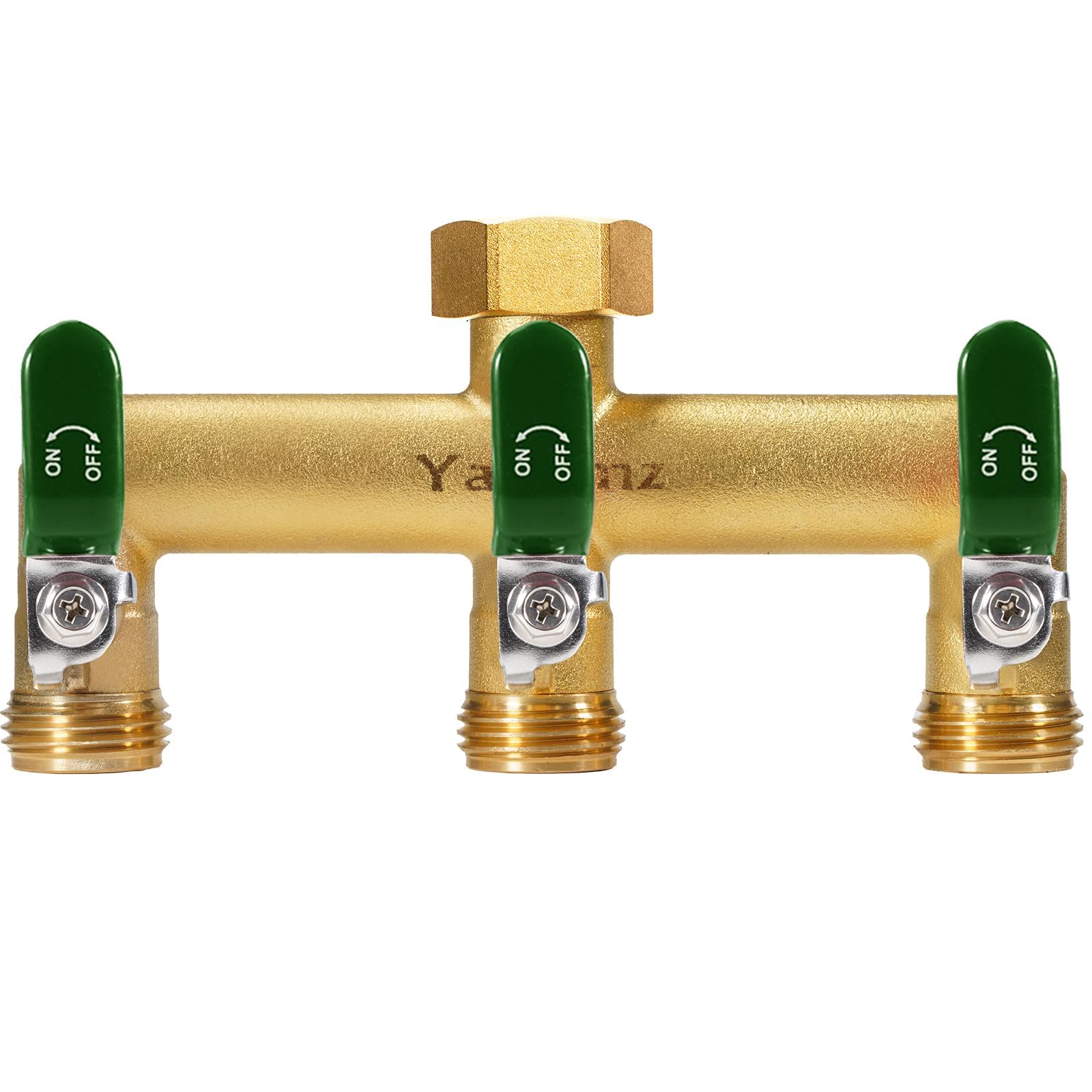
A three‑way brass manifold with widened outlet spacing and rubber-covered handles built for multi-timer or multi-hose setups.
Why I picked it: Three outlets, wider spacing, and UV-resistant finish make it ideal when you need more than two lines.
Best for: Gardens that run multiple timers or appliances from a single faucet.
Midrange
Pros
- Three independent outlets
- Wider spout spacing
- UV and freeze resistant
- Comfortable rubber-covered handles
Cons
- Bulky on smaller faucets
- Heavier than two-way splitters
My take
When I needed to run an evaporative cooler, two mister lines, and a garden hose from one faucet, the Yayamz 3-way manifold was the only one that fit without crowding connections. The widened spacing prevents hoses and timers from bumping into each other.
The brass construction feels heavy and the rubber-covered handles are comfortable to operate. It tightened easily and showed no leaks during extended testing.
If your setup requires more than two lines, this three-way manifold is the most practical and reliable option I chose.
How I Choose a Hose Splitter
Material and longevity
I prioritize metal construction — brass or stainless — because plastic components tend to crack and fail over time. Stainless is best where corrosion or salty air is a concern; brass is very durable for most yards.
If I expect the splitter to be left outdoors year-round, I lean toward stainless or brass with a protective finish.
- Brass: great durability and common choice.
- 304 stainless: best corrosion resistance and longevity.
- Avoid all-plastic bodies for long-term outdoor use.
Valve type and ease of use
I look for long handles or extra leverage on valves if I or someone in my household has weak hands or wears gloves. Stainless-steel ball valves feel smoother and last longer than cheaper valve designs.
Full-port valves preserve flow; small internal valves can throttle output when you run two hoses.
- Long handles reduce wrist strain.
- Stainless ball valves offer smooth, precise control.
- Full-port design maintains water pressure.
Threading and leak prevention
I always inspect the threads and use the included washers and Teflon tape. A rotatable top nut helps line up hoses without stressing connections.
Hand-tighten first and then apply a light snug with a wrench; overtightening metal parts can damage threads or joints.
- Use rubber washers to seal hose connections.
- Teflon tape is useful on threaded connections.
- Rotating inlet nuts speed installation and alignment.
Special features to consider
If you run multiple timers or larger fittings, choose a manifold with wider outlet spacing. I also value included extras such as extra gaskets or a small wrench for final tightening.
Weight correlates with durability but can make handling awkward on smaller faucets, so balance robustness with practicality.
- Wider outlet spacing avoids crowded fittings.
- Included accessories make installation faster.
- Consider weight when mounting to fragile faucet setups.
Frequently Asked Questions
Will a hose splitter fit my outdoor faucet?
I check for the standard 3/4" GHT female inlet — most splitters in this roundup use that size and will fit standard North American faucets. If you have a nonstandard spigot, I recommend measuring threads or bringing the old fitting to match before buying.
How do I stop leaks at the connection?
I always use the included rubber washers and wrap the threaded inlet with Teflon tape before hand-tightening. Then I finish with a light wrench snug; overtightening can damage brass if you go too hard.
Can I leave a splitter attached over winter?
I usually remove splitters in freezing climates to prevent trapped water from cracking valves. If you must leave one on, I pick a freeze‑rated metal model and ensure all outlets are drained before the cold sets in.
Do splitters reduce water pressure?
Some throttling is inevitable when running two lines, but full-port valves and larger internal bores reduce noticeable pressure loss. I prefer models with full-flow designs if I frequently run two high-demand devices.
Final Take
After testing these splitters, I keep a simple brass unit on my secondary faucets and a stainless or heavy-metal model where durability and flow matter most. The right choice depends on whether you prioritize low cost, valve ease, or long-term corrosion resistance.
If you want my single short recommendation: choose stainless for lifetime durability, RAINPOINT for the easiest valves, and the Morvat or Dalmbox if you want reliable brass on a budget.
Whichever unit you pick, I recommend using the supplied washers and Teflon tape and avoiding excessive wrench force when tightening the inlet nut.
