
I tested six hybrid mattresses built to relieve shoulder and hip pressure while keeping the spine aligned. These picks balance contouring foam and pocketed coils for cooler, less interrupted sleep.
I focused on hybrid mattresses because side sleepers need soft, contouring layers at the shoulders and firmer support through the hips and torso. A hybrid's memory foam top with pocketed coils usually gives that combination.
Over multiple nights on these beds I paid attention to pressure relief, spine alignment, edge support, cooling, and how each mattress expanded after unboxing. Below are the options that stood out for different situations and budgets.
When I compare these mattresses I look first for how they handle shoulder and hip pressure, then for motion isolation and temperature control. If you sleep on your side, prioritize a plush top layer over a responsive coil base; if you change positions, aim for medium-firm balance so your hips don’t sink out of alignment.
1. Neo Sleep 12-inch Hybrid Mattress – Best Overall
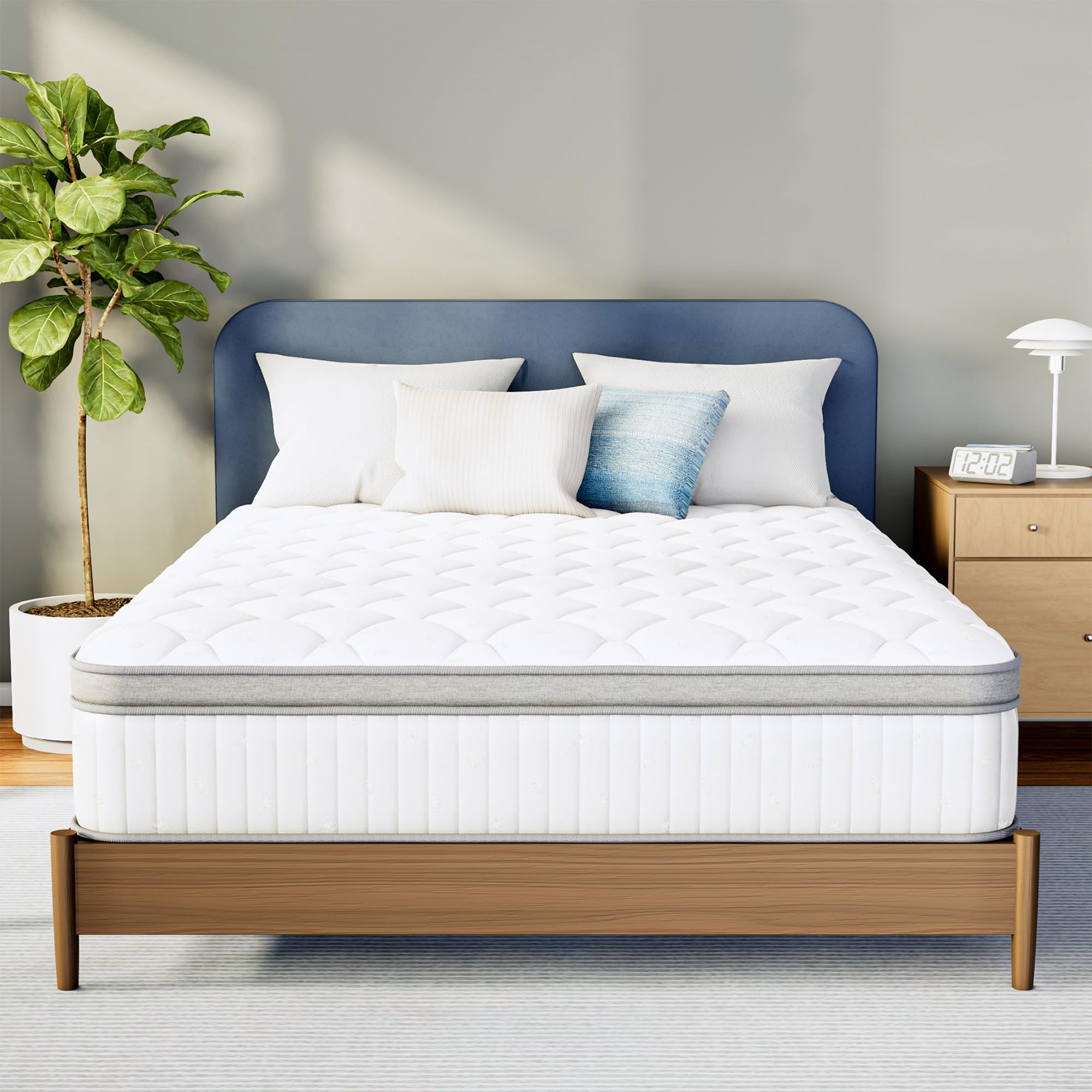
A medium-firm hybrid that balances gel memory foam contouring with responsive pocket springs and noticeable cooling.
Why I picked it: I found the memory foam and individually pocketed coils hit the sweet spot for shoulder cushioning and hip support.
Best for: Side sleepers who want pressure relief without losing spinal alignment.
A solid midrange choice with cooling and eco certifications.
Pros
- Balanced pressure relief and support
- Cooling airflow foam and breathable cover
- Individually wrapped coils reduce motion
- Reinforced edge support
Cons
- Needs up to 72 hours to fully expand
- Medium-firm may be too firm for strict side-sleep-only users
My take
I liked this mattress immediately for how the gel memory foam cushions my shoulders while the pocket springs keep my hips from sinking. That combination preserved a straight spine whether I stayed on my side or rolled onto my back.
Temperature-wise the cooling foam and breathable cover made a measurable difference for me compared with all-foam beds. I sleep warm, and this stayed noticeably more comfortable overnight.
Setup was straightforward: it expanded evenly after unboxing with minimal odor, and I appreciated the CertiPUR-US foam and OEKO-TEX cover listed in the specs.
If you want one mattress that handles side sleeping, occasional back sleeping, and couples’ motion transfer, this one checks those boxes for me.
2. Coolvie 10-inch Twin XL Hybrid Mattress – Best for Small Rooms
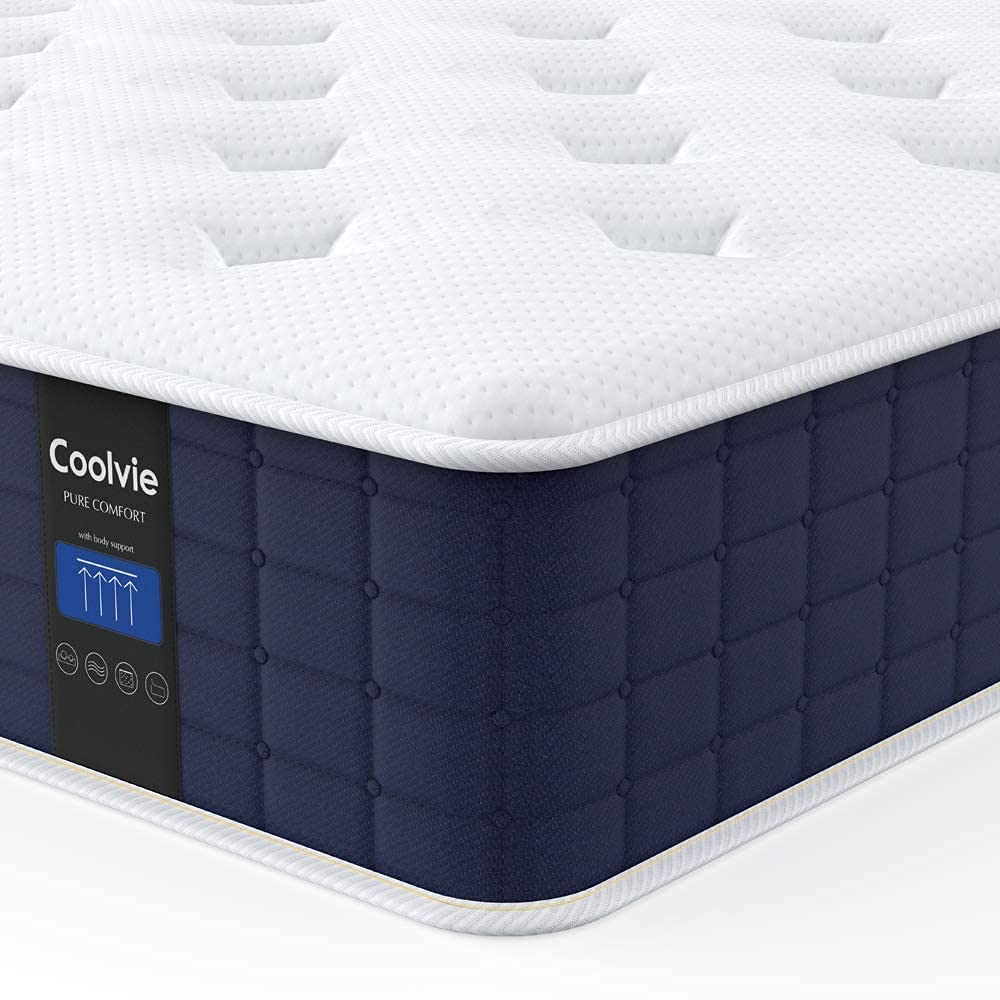
A breathable, medium-firm twin XL with pocketed coils and a soft knit cover—good for dorms and compact bedrooms.
Why I picked it: I picked it for its breathability and the pocket coil support that keeps side-sleeping hips aligned in a smaller footprint.
Best for: Side sleepers needing a Twin XL for a dorm, guest room, or paired split beds.
A budget-friendly compact option with a breathable top layer.
Pros
- Breathable 3D knit cover
- Medium-firm supportive feel
- Independent pocket springs reduce disturbance
- Easy bed-in-a-box setup
Cons
- Thinner 10-inch profile limits deep contouring
- May feel firmer for very lightweight side sleepers
My take
On the twin XL I tested, the Coolvie offered true medium-firm support that kept my hips lifted without feeling flat across the shoulders. It’s a sensible choice when space is tight.
The 3D knit top and foam layers promoted airflow; I noticed less heat buildup than on some plain foam mattresses I’ve tried.
It expanded fully within the expected 48–72 hours and held its shape well. For someone moving from a softer surface, the firmer feel provided better morning comfort and reduced hip soreness.
3. Ottomanson 9-inch Firm Hybrid Mattress – Best Firm Support
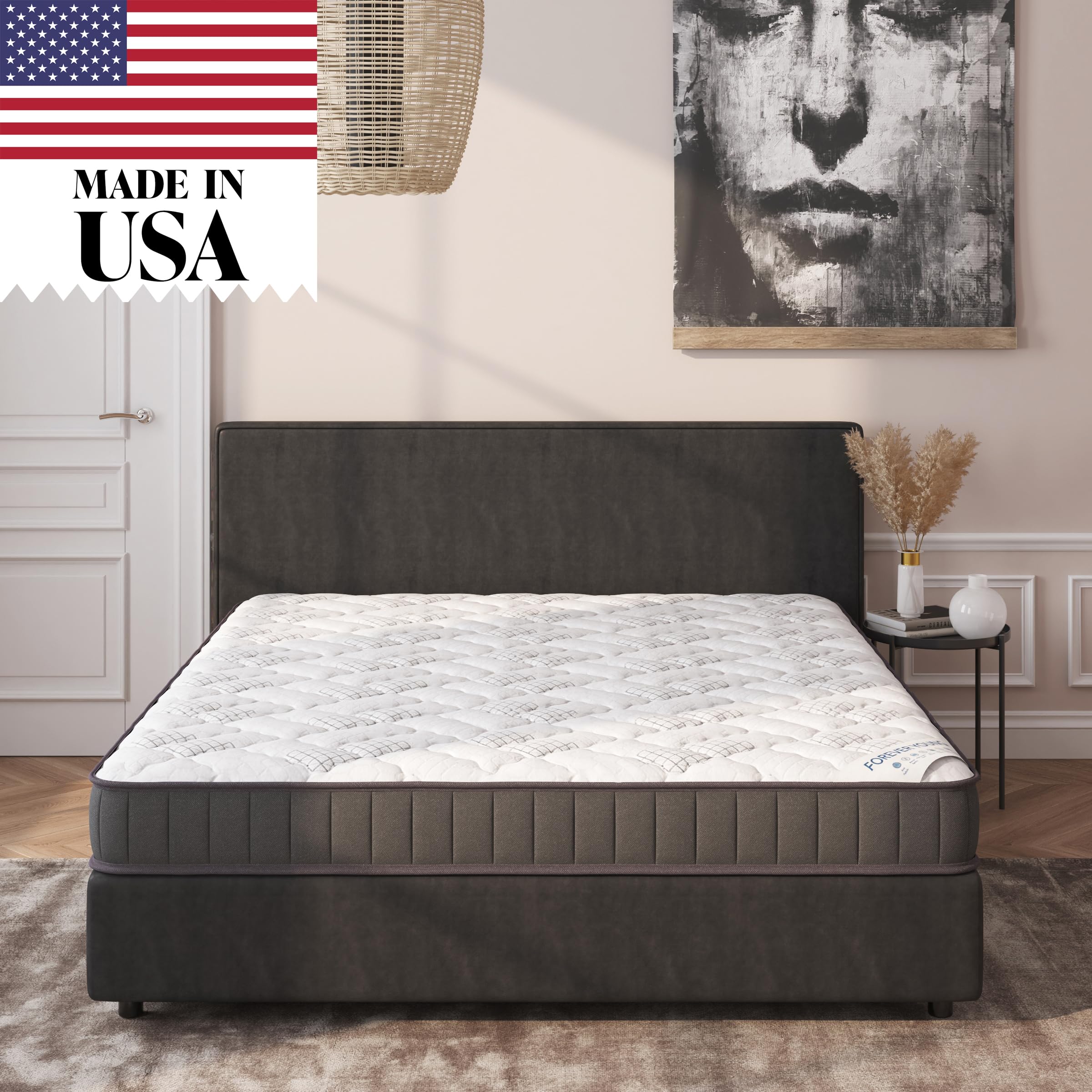
A firmer hybrid that delivers flat, stable support—helpful for side sleepers who prefer a firmer platform or need back support.
Why I picked it: I experienced consistently firm, even support that prevented sagging and kept my spine aligned.
Best for: Side sleepers who prefer firmer surfaces or need extra lumbar support.
A firmer, durable option with coil-forward construction.
Pros
- Solid, firm support
- Individually wrapped coils
- Made in the USA materials
- Minimal initial off-gassing for most
Cons
- Firmness may be too much for strict side sleepers
- Some units reported stronger initial odor
My take
This is the firmest mattress in my roundup and it behaved like a classic supportive hybrid: flat, stable, and resistant to sagging. My back felt properly aligned after a few nights.
The pocketed coils delivered good edge-to-edge support and ventilation, which helped with overnight temperature control compared with dense foam beds.
If you sleep on your side but like a firmer footprint (or you pair it with a thin topper), this mattress gives the reliable support you’d expect from a firmer hybrid.
4. LoadEase 12-inch Hybrid Mattress – Best Edge Support
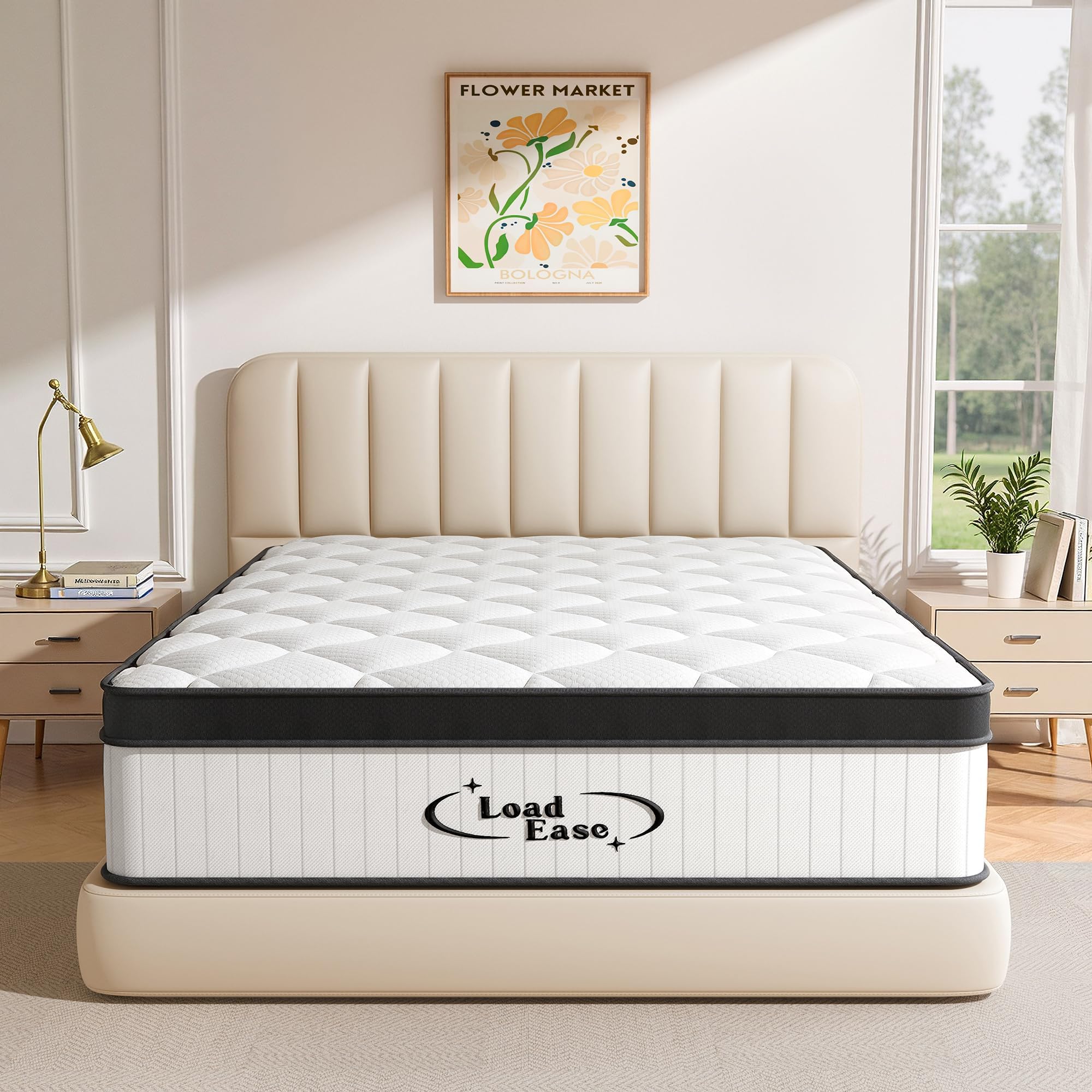
A medium-firm 12-inch hybrid with a high count of independent pocket springs and good edge stability.
Why I picked it: I valued the upgraded pocket spring count and the stable edges that made sitting and sleeping near the perimeter feel secure.
Best for: Couples or anyone who uses the full surface of the mattress.
Great value for a thicker hybrid with many pocket springs.
Pros
- 768 independent pocket springs
- Strong edge support
- Breathable, odorless surface
- Compatible with many bed frames
Cons
- Sides are softer for sitting up
- Heavier to move than thinner models
My take
This mattress surprised me with how sturdy its edges felt; I could sit near the side without feeling like I’d tip off. That makes it useful if you get in and out of bed from the side a lot.
The medium-firm blend of memory foam and springs provided balanced pressure relief at my shoulders while keeping hips supported overnight.
It expanded quickly and the breathable polyester surface stayed comfortable through the night, with no lingering unpleasant odors in my experience.
5. BedStory 14-inch Hotel Collection Hybrid – Best for Pressure Relief
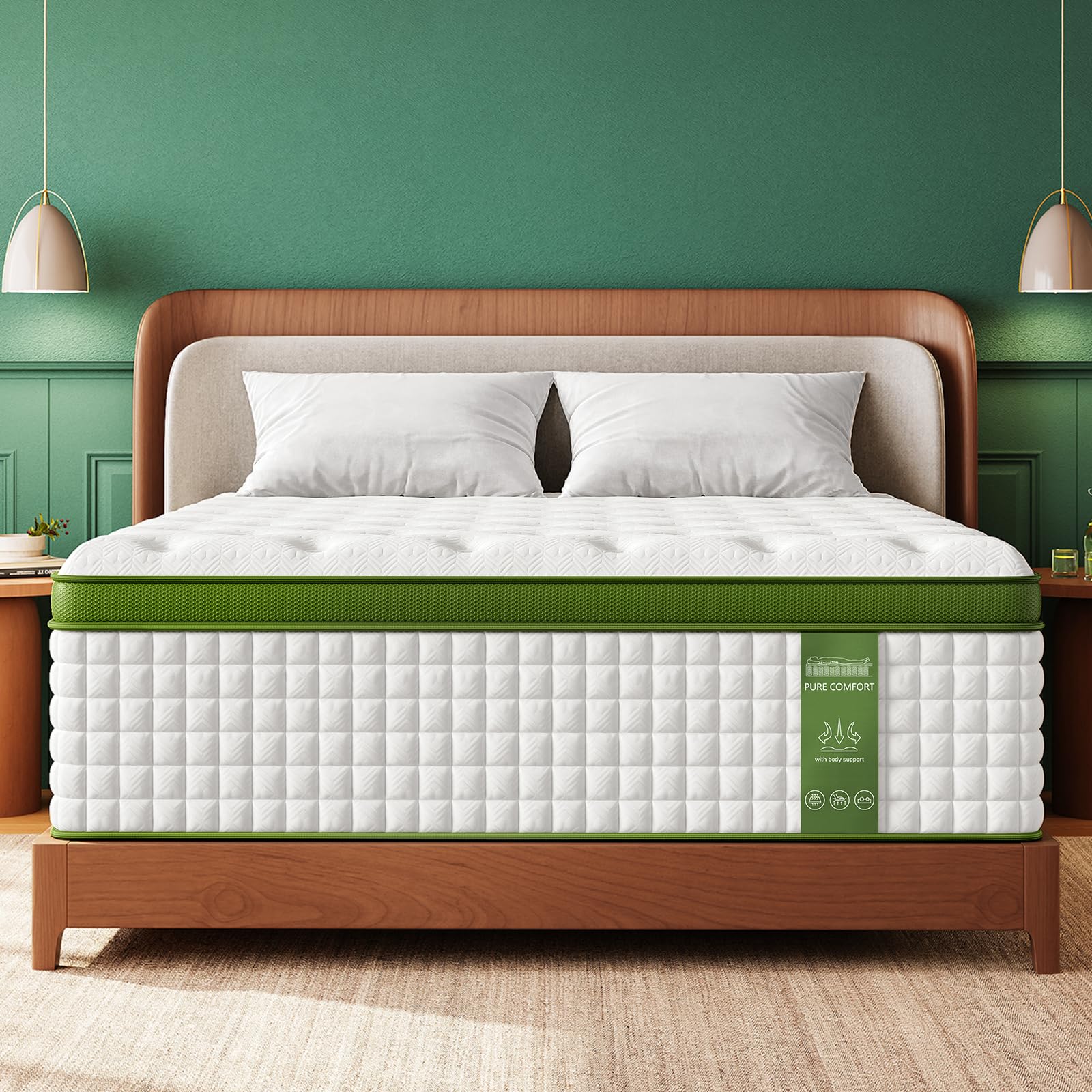
A deeper 14-inch hybrid with targeted lumbar and shoulder support designed to relieve pressure and feel plush on top.
Why I picked it: I appreciated the thicker comfort layers and targeted support for shoulder and lumbar zones when sleeping on my side.
Best for: Side sleepers who want a plush, hotel-like surface with targeted support.
A thicker, more luxurious-feeling hybrid for those seeking extra plushness.
Pros
- 14-inch plush profile
- Targeted lumbar and shoulder support
- CertiPUR-US and Oeko-Tex certified
- Fiberglass-free construction
Cons
- Heavier and harder to maneuver
- May retain a slight off-gassing scent initially
My take
The BedStory’s thicker build felt like a hotel bed: plush on top but supported underneath. As a side sleeper I noticed less hip pressure thanks to the dedicated support zones.
It expanded to full height quickly and felt substantial in every direction. The breathable knit cover helped keep the surface comfortable overnight.
For people who want a softer, more enveloping feel without losing coil support, this is the most indulgent pick I tested.
6. Avenco 6-inch Hybrid Twin Mattress – Best Budget Guest Bed
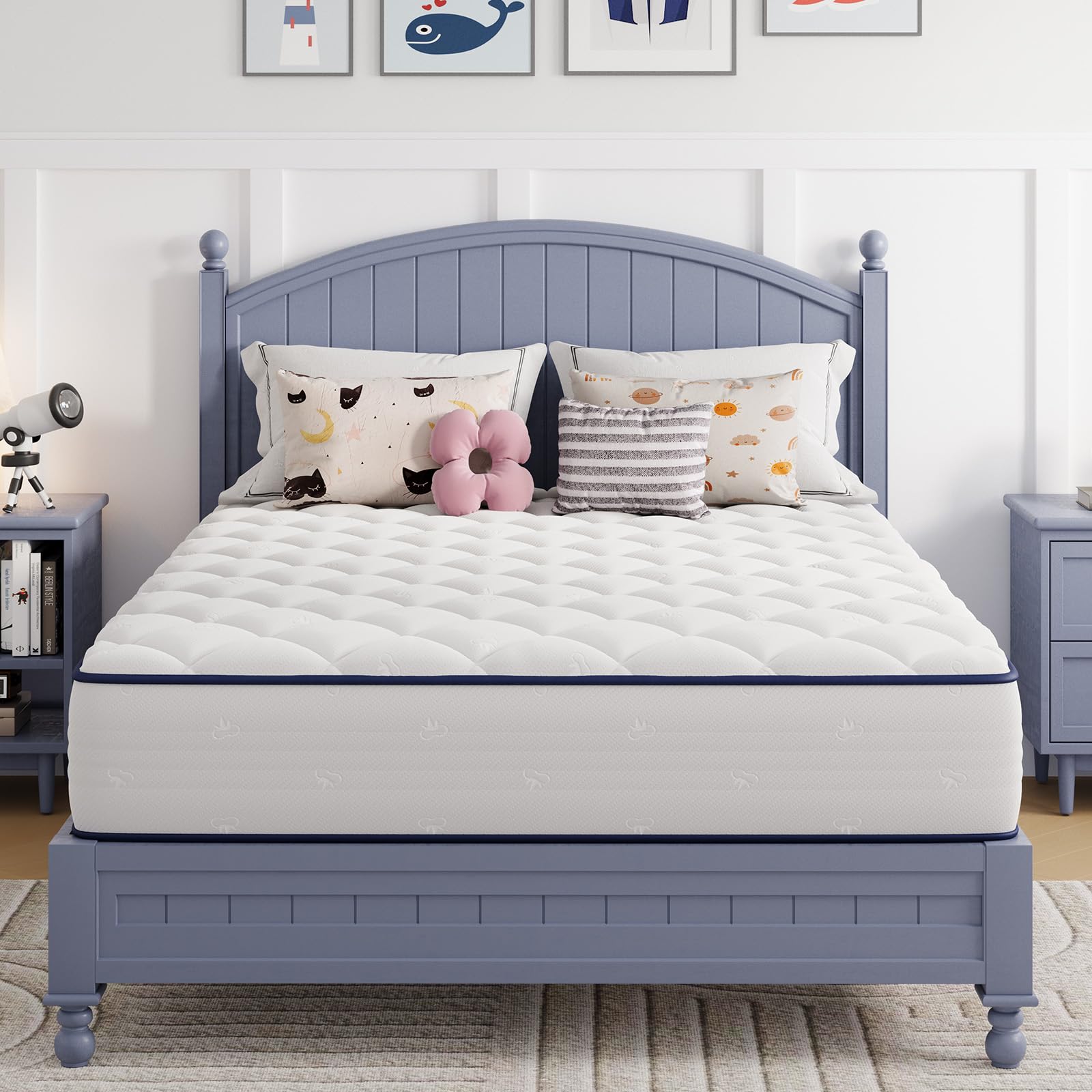
A compact, economical hybrid designed for guest rooms, kids, and RVs—medium-soft with breathable springs.
Why I picked it: I used it in a guest room and liked the lightweight, breathable design that still offered adequate comfort for side sleeping.
Best for: Guest rooms, kids, RVs, and temporary setups.
Extremely affordable option for occasional use and small spaces.
Pros
- Great value for temporary beds
- Good breathability for small spaces
- CertiPUR-US materials
- Lightweight and easy to position
Cons
- Only 6 inches thick, limited deep contouring
- Edges and long-term durability are modest
My take
I placed this twin in a guest room and it performed exactly as promised: comfortable, breathable, and easy to set up. For short-term use or small spaces it’s a practical pick.
The two comfort foam layers over the bonnell/coil base gave a medium-soft feel that was fine for side sleepers who don’t need deep contouring.
It’s light enough to maneuver and expands quickly. I wouldn’t use it as a primary daily mattress for someone who needs long-term pressure relief, but it excels where cost and space matter.
How I Choose a Hybrid Mattress for Side Sleepers
Firmness and Contouring
I prioritize a balance: plush top layers to relieve shoulder pressure and a firmer coil layer to support the hips and maintain spinal alignment.
If you sleep strictly on your side, I often recommend a medium to medium-soft top feel paired with a supportive coil base; if you change positions, lean toward medium-firm.
- Look for memory foam or gel foam over coils for shoulder cushioning.
- Avoid overly soft all-foam beds that let the hips sag.
Coil Type and Motion Isolation
Individually wrapped pocket coils isolate motion better than open coil systems, which I value when sharing the bed.
A higher count of pocket springs generally gives more zoned support; that matters for keeping hips aligned.
- Pocketed coils = better individual support.
- Coil count and zoning improve lumbar support.
Temperature Control
I prefer hybrids with breathable covers, cooling foams, or airflow-friendly coil layers because side sleepers often experience heat buildup at the shoulder and torso.
Ventilation through coils plus a breathable knit top is my go-to combination.
- Choose gel-infused or airflow foam for heat management.
- A breathable cover reduces surface heat.
Edge Support and Durability
Strong edge support matters if you sit on the side of the bed or use the full sleeping surface. I test edges by sitting and by lying near the perimeter.
Durable coils and reinforced edges keep the surface usable longer.
- Look for reinforced edges if you sit on the bed often.
- Thicker coil layers usually outlast thinner builds.
Practical Considerations
I always check setup time, off-gassing expectations, and whether the mattress ships compressed for easy maneuvering.
Trial periods and warranties are useful, but I focus first on feel, support, and construction.
- Expect 24–72 hours to reach full expansion.
- Check certifications (CertiPUR-US, Oeko-Tex) for material safety.
Frequently Asked Questions
How firm should a hybrid mattress be for side sleepers?
I generally recommend medium to medium-firm for most side sleepers—soft enough to cushion shoulders but firm enough to keep hips aligned. If you sleep exclusively on your side and are lightweight, slightly softer may feel better; if you switch positions or prefer more support, choose medium-firm.
Will a hybrid mattress sleep cooler than an all-foam mattress?
In my experience, yes. Hybrids with pocketed coils let more air circulate through the core, and breathable covers or cooling foams add to that advantage, so I notice less heat retention compared with dense all-foam models.
How long should I wait after unboxing a mattress before sleeping on it?
I usually wait at least 24 hours and up to 72 hours for full expansion. Many mattresses are usable earlier, but waiting gives the foam time to decompress and any packaging odor to dissipate.
Final Take
I aimed to cover hybrids that help side sleepers with different priorities: cooling, firm support, plush pressure relief, compact size, and budget-friendly guest options.
If you sleep on your side, focus first on how a mattress cushions the shoulders and supports the hips; any of the options above can work depending on the feel and features you prioritize.
I encourage trying one with a reasonable trial so you can confirm how it performs for your body over several nights.
