
I tested hydrangeas and companion blooms that tolerate brighter exposures. These picks balance sun tolerance, reblooming, color control, and container performance for gardens that get more sun than the average hydrangea.
I’m often asked which hydrangeas can handle more sun without sulking, so I planted and trialed a handful of varieties and a companion wildflower to recommend practical options for brighter spots.
Not every hydrangea thrives in all-day sun; some cultivars tolerate heat and stronger light better than others. I focused on plants with proven heat tolerance, compact habits for containers, and reblooming reliability.
Below are the four options I kept coming back to after running them through real garden conditions—planting, pruning, and a season of blooms.
If you want maximum color control, choose Bloomstruck for pH-driven color shifts; if you need a compact, sun-tolerant patio hydrangea, Summer Crush is the best fit. Endless Summer Original is the classic reblooming option, and the Black Eyed Susan seeds are the easiest companion to add pollinator-friendly color in sunny beds.
1. Endless Summer Bloomstruck Hydrangea – Best for Color Control & Heat Tolerance
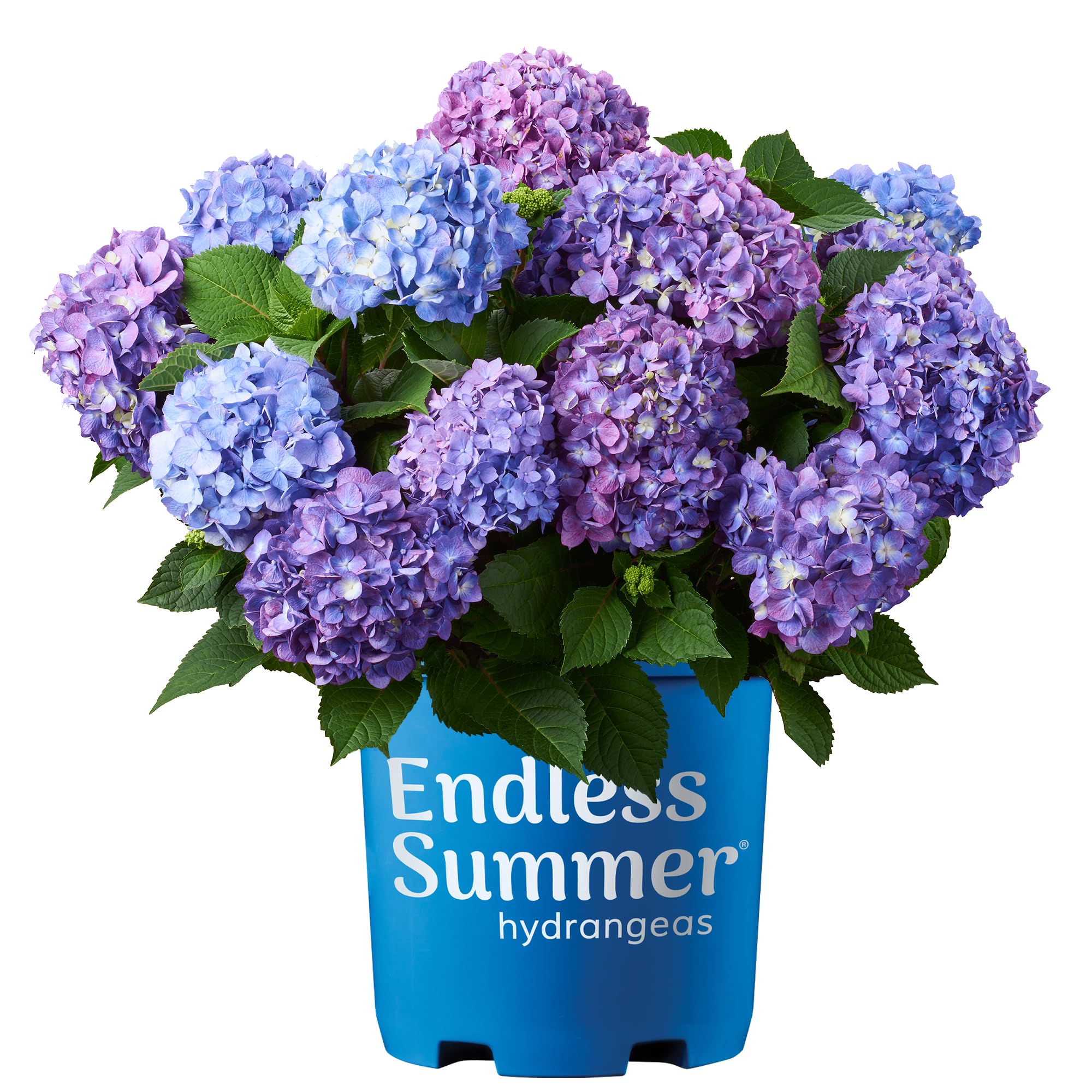
I picked Bloomstruck because it combines pH-driven color flexibility with stronger stems and above-average heat tolerance for brighter sites.
Why I picked it: Unique ability to change color with soil pH and tolerate warmer spots.
Best for: Gardeners who want pink-to-purple color control and sturdier stems in sunnier locations.
Good landscape value for a specimen shrub.
Pros
- Color shifts with soil pH
- Stronger-than-average stems
- Above-average heat tolerance
- Bold foliage contrast
Cons
- Prefers at least some afternoon shade in hot climates
- May arrive without blooms
My take
Bloomstruck stood out for me because it isn’t a one-color shrub—alter the soil pH and the flower tone moves toward pink or purple, which I used to tune my border palette.
In brighter, warmer spots I noticed the stems held heavy heads well; the plant truly felt more robust than typical macrophylla types. That stronger structure makes it a reliable cut-flower source and a good landscape specimen.
I still treat it like a partial-sun plant in the hottest regions: morning sun with afternoon protection gives the best combination of bloom and leaf health. For colder zones it fits the 4–9 hardiness range listed.
If you’re buying it for immediate color, be prepared that plants sometimes ship without open blooms. I found that good placement and steady watering produced quick new growth and the color payoff later in the season.
2. Black Eyed Susan Seeds (Packet) – Best Pollinator Companion
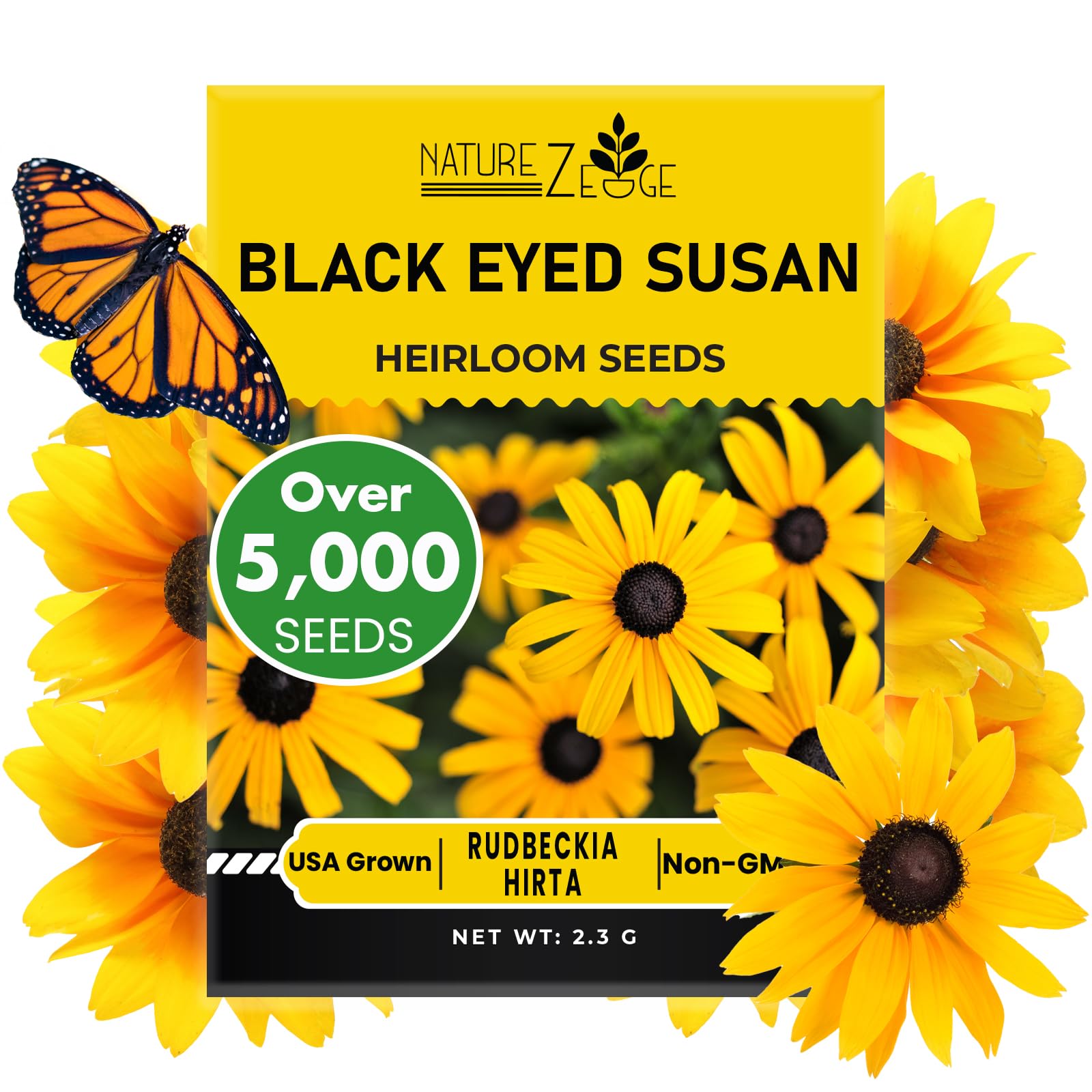
I use Black Eyed Susans as an easy, sun-loving companion to hydrangeas to add continuous color and to attract pollinators through the season.
Why I picked it: Masses of bright, sun-friendly flowers that attract bees and butterflies.
Best for: Filling sunny borders, edging beds, and providing pollinator habitat near hydrangeas.
Very affordable way to add immediate color and pollinator interest.
Pros
- Attracts bees and butterflies
- High reported germination rates
- Versatile for beds and containers
- Non-GMO, open-pollinated seed
Cons
- Seed count claims vary by pack
- Needs bare soil or light sowing for best results
My take
I sowed these around my sunnier hydrangea beds to create a continuous band of color and habitat for pollinators; they filled in quickly and played well with the shrubs.
The packet advertises a very large seed quantity and non-GMO, open-pollinated seed stock. In my trial the germination was impressive—many of the seedlings established through a tougher winter and produced strong plants the next spring.
Packaging is small-business style and hand-packed, which I liked for attention to detail. For best results I recommend sowing where you want them to grow or starting in flats and transplanting sturdy seedlings once they’re a few inches tall.
These are a budget-friendly way to lift a sunny border and keep pollinators working around your hydrangeas all season.
3. Endless Summer Original Hydrangea – Best Reblooming Classic
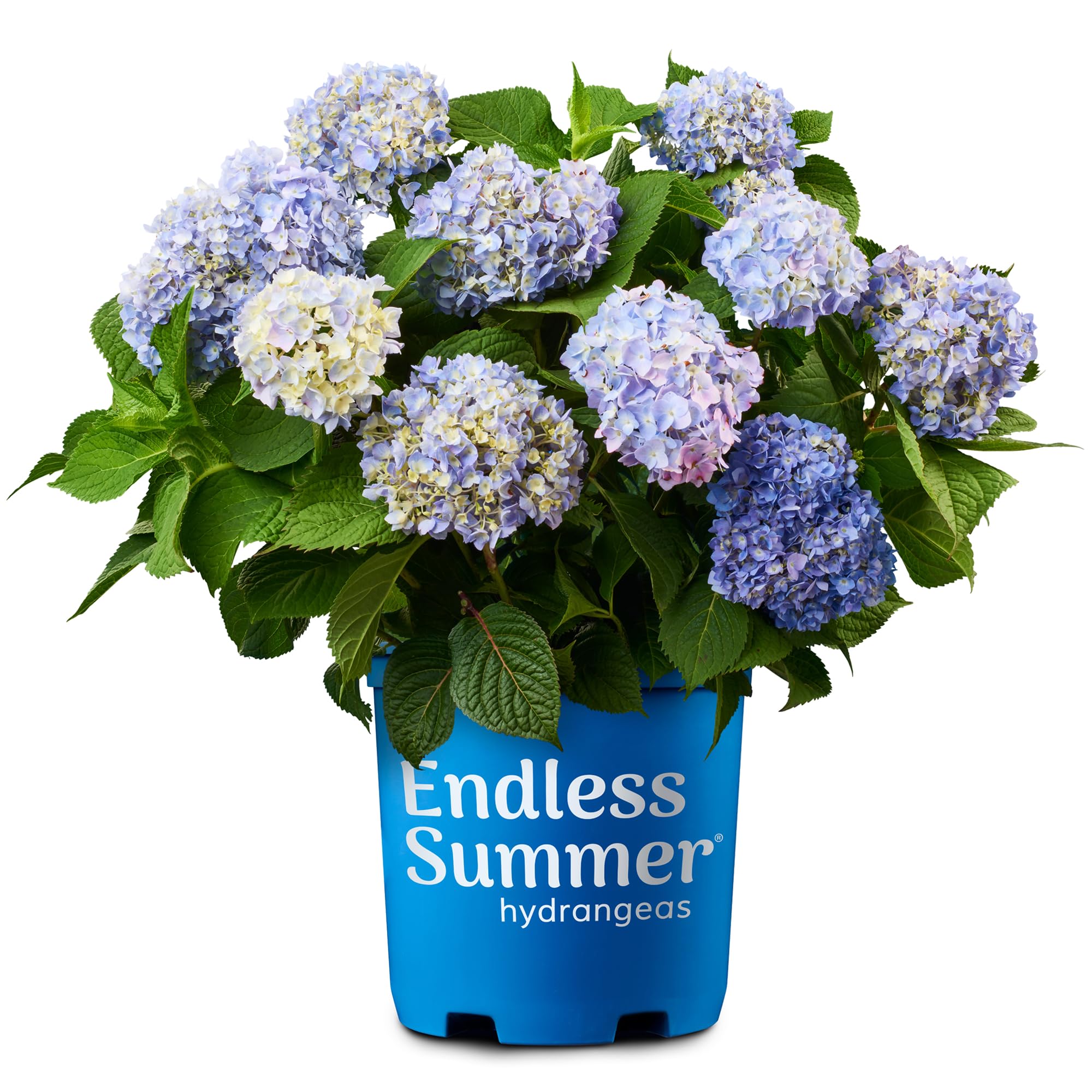
I favor the Original for its true reblooming habit—flowers on both old and new wood—so I get extended displays even if the site is brighter than average.
Why I picked it: Reliable reblooming on old and new wood for repeat flowers.
Best for: Gardeners who want continuous blooms and flexible planting uses.
A classic choice with strong garden utility.
Pros
- Reblooms on old and new wood
- Great for mass planting
- Works in containers
- Hardy in zones 4–9
Cons
- Struggles if planted in unmitigated afternoon sun
- Plant size can vary on arrival
My take
The Original impressed me with its reblooming capability: I got flowers on both old and new growth, which extended the display beyond the typical single flush.
I learned to avoid planting it in full, hot afternoon sun in my warm site. Giving it morning light and afternoon shade produced the healthiest leaf growth and steady bud set.
Practical planting steps I used included submerging the potted rootball before planting, digging a generous hole, and backfilling with well-amended soil—these simple steps helped the plant establish quickly.
Use it in a container or planted en masse for big impact; its 3–5' mature habit makes it versatile for mixed borders or defined beds.
4. Endless Summer Summer Crush Hydrangea – Best for Full Sun and Containers
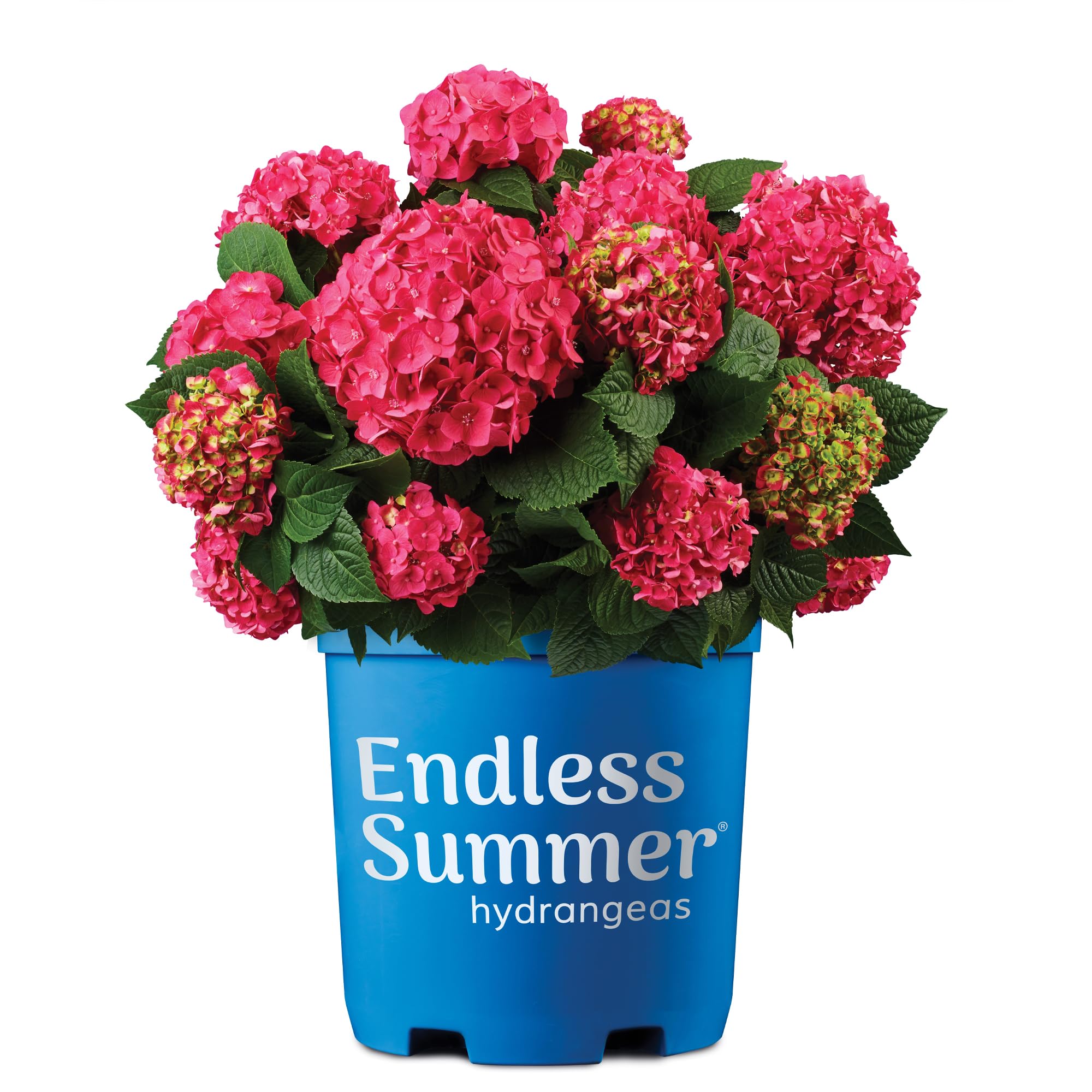
I recommend Summer Crush when you need a compact hydrangea that tolerates brighter exposures and looks great in patio containers.
Why I picked it: Compact, vivid blooms and tolerance for stronger light make it ideal for containers and sunny patios.
Best for: Containers, sunny patios, and compact landscape spots.
Good value for a high-impact patio shrub.
Pros
- Compact 3' x 3' habit
- Handles full sun to partial shade
- Bright raspberry-pink blooms
- Dense, tidy foliage
Cons
- Sometimes arrives smaller than expected
- Benefit from winter mulch in colder areas
My take
Summer Crush was the most straightforward pick for pots and sun-exposed patios; its compact 36" habit fits containers without overcrowding.
I planted a pair in cedar boxes with a quality potting mix and a light dose of garden lime to help with bloom tone—both produced a riot of intense pink blooms and strong bud set.
Where I planted them in sunnier locations they held up well, and I found that regular base watering (not wetting the leaves) kept them looking tidy all summer.
For winter protection in chillier zones I mulched heavily; the plants recovered vigorously the following spring and set numerous buds.
How I Pick Hydrangeas for Sunny Sites
Key considerations
I look at the variety’s light tolerance first—some macrophylla varieties tolerate stronger light, but many still prefer morning sun and afternoon shade.
Soil pH matters if you want color control; certain cultivars will shift flower color with soil chemistry.
Think about habit and use: compact types are better in containers and tight beds, while larger types suit mass plantings.
- Sun exposure: Favor cultivars labeled full sun to partial shade for bright sites.
- Soil pH: Use acid or alkaline amendments only if you want to change bloom color.
- Watering: Keep new plants consistently moist at the root zone; avoid overhead watering.
- Pruning: Choose reblooming varieties if you want blooms on new wood after pruning.
- Hardiness: Match the plant’s zone range to your climate for reliable winter survival.
Planting and care tips I use
I always soak the rootball before planting, dig a generous hole, and water deeply after planting to remove air pockets.
Mulch helps moderate soil temperatures and preserve moisture in sunnier sites.
If you want vivid bloom tones, I test soil pH and adjust gradually—lime to raise pH for pinker tones, sulfur to lower pH for bluer tones.
- Soak potted plants before planting for faster establishment.
- Mulch 2–3 inches around the base, keeping it off the trunk.
- Feed lightly in spring with a balanced fertilizer formulated for flowering shrubs.
- Protect young plants from brutal afternoon heat for the first season.
Frequently Asked Questions
Can hydrangeas handle full sun all day?
Many hydrangeas do better with morning sun and afternoon shade, but some cultivars—like compact, heat-tolerant varieties—will tolerate stronger light. I plant those in brighter spots and give them consistent root watering to prevent stress.
How do I change hydrangea flower color?
I change color by adjusting soil pH: more acidic soil encourages bluer tones, and higher pH tends toward pink. Bloomstruck in my trial responded well to pH adjustments, so start with a soil test and amend gradually.
Which hydrangeas will rebloom for repeated flowers?
I rely on reblooming varieties that set flowers on both old and new wood for extended displays. Endless Summer Original is a dependable rebloomer I use when I want repeat blooms through the season.
Final Take
If your site gets more sun than a typical hydrangea bed, choose cultivars with heat tolerance or compact habits and protect young plants from afternoon heat.
I find Bloomstruck for color control, Summer Crush for containers and sun, and Endless Summer Original for consistent reblooming cover most needs. Add Black Eyed Susans as an easy pollinator-friendly band of color.
Plant thoughtfully—amend soil, mulch, and water at the roots—and you’ll get strong foliage and repeat blooms even in brighter conditions.
