
I tested a range of ice melts on concrete driveways and walkways so you can pick the right formula for pets, plants, extreme cold, or everyday use.
I spent time using these ice melts across driveways, steps, and sidewalks to see how they handled real winter conditions. My focus was how well each product melts ice, how it treats concrete, and whether it’s safe around pets and plants.
This roundup highlights options that balance performance and surface safety, and I explain which formula I reach for depending on temperature, surface, and environmental concerns.
I prioritized concrete safety, melt temperature, and formulation (magnesium/calcium/rock salt) so you can quickly match a product to your needs.
1. Harris Kind Melt Magnesium Chloride Ice Melter – Best for Pets
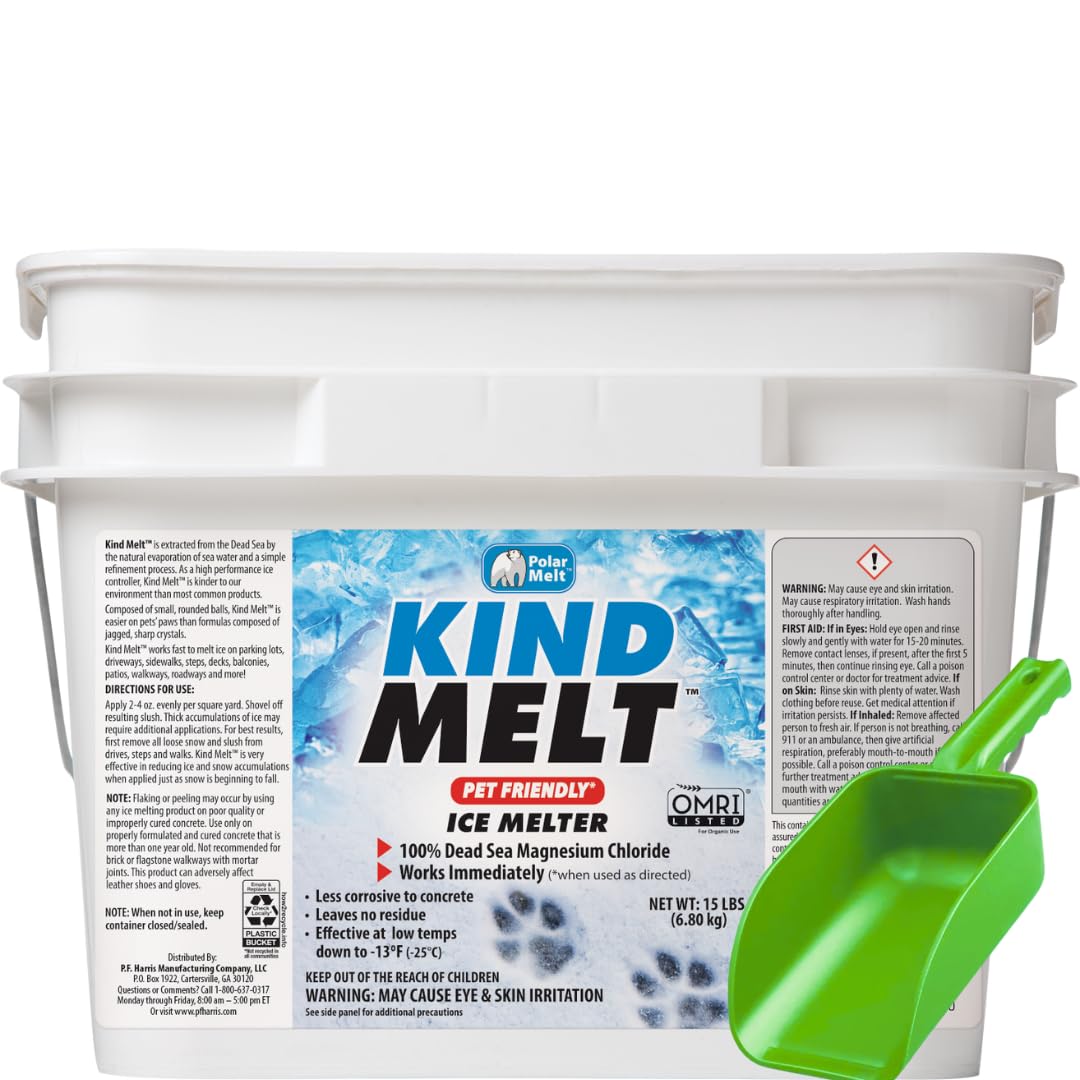
I use this magnesium chloride formula when I need a pet-friendly, less corrosive option that still melts quickly on concrete.
Why I picked it: Gentle on paws and concrete while still melting effectively.
Best for: Households with pets and concrete driveways.
Moderately priced for a premium, pet-safe formula.
Pros
- Pet-safe magnesium chloride pellets
- Less corrosive than rock salt
- Works quickly on contact
- Handy 15 lb bucket with scoop
Cons
- Scoop feels flimsy
- Bucket can be tough to open
- Pellets are large and can go fast
My take
I put the 15 lb bucket to work on my concrete driveway where my dog walks daily. The round pellets are easy on paws and didn’t leave sharp grit tracked into the house.
The formula kicked in as soon as I spread it; I could hear and see melting starting. In regular winter snaps it cleared ice quickly, and I especially liked that it didn’t leave the greasy residue some blends do.
The bucket size is convenient to carry and store, though the included scoop is a bit flimsy. For me this balances performance and surface safety, so I reach for it when I want effective melting without roughing up concrete or my dog’s paws.
2. Morton Safe-T-Salt Rock Salt – Best Budget
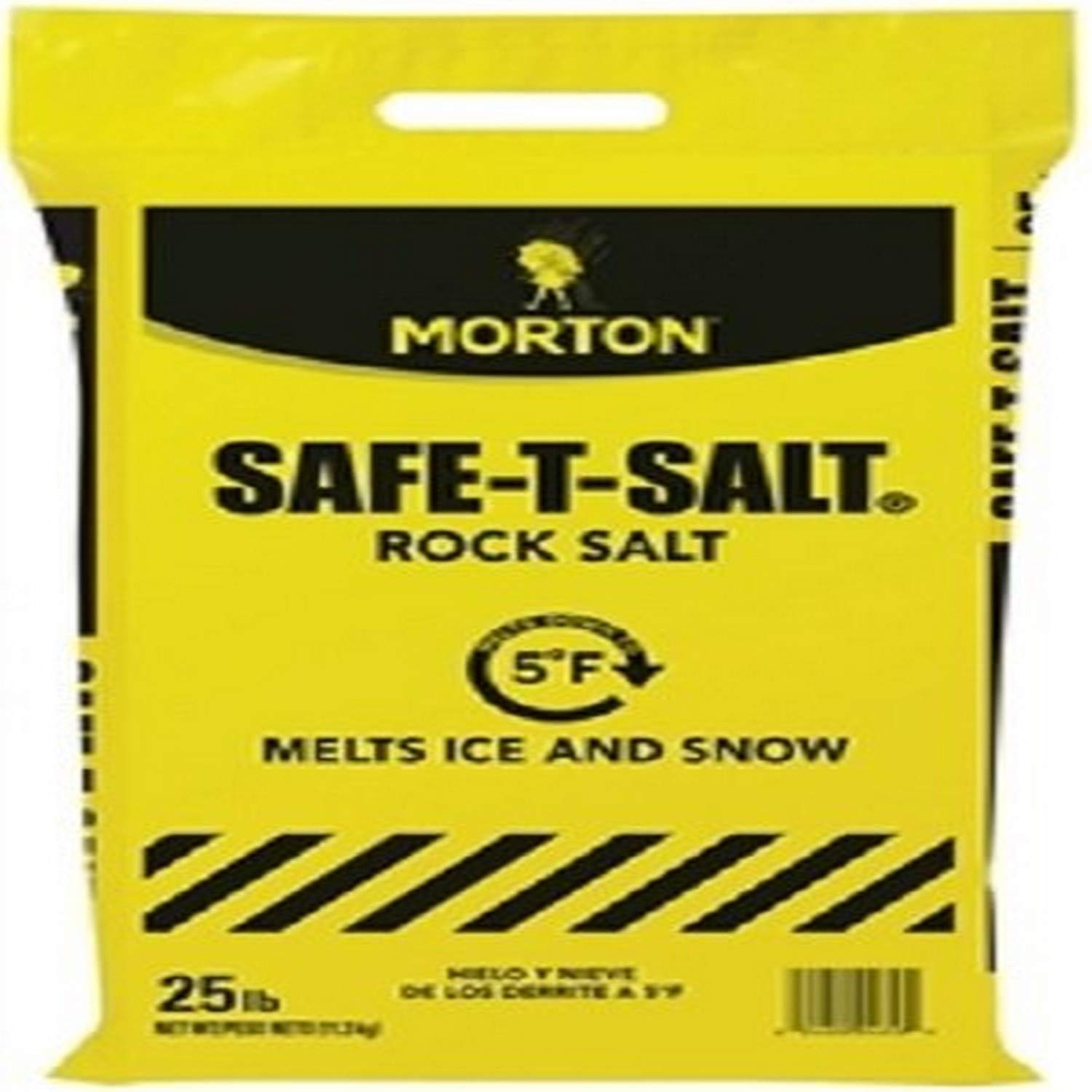
I keep Morton rock salt on hand for straightforward, low-cost ice control when temperatures are moderate.
Why I picked it: Economical and aggressively melts ice in routine winter conditions.
Best for: Large areas and basic traction needs on driveways and walkways.
The most cost-effective option for large coverage.
Pros
- Very affordable for bulk use
- Melts quickly in normal temps
- Creates traction underfoot
Cons
- Hard on concrete and plants
- Harsh for pet paws
- Not ideal for extreme cold
My take
When I needed to clear long stretches of driveway quickly, Morton’s rock salt delivered predictable, end-to-end melting. A relatively thin application cleared packed ice where pricier blends sometimes only spot-treated.
This is classic rock salt: brutally effective in ordinary winter temperatures but I take care to sweep up excess after the melt because it’s rough on vegetation and concrete sealers.
I rely on this for bulk coverage or when I want maximum traction without worrying about conserving product.
3. Ice Slicer Mineral-Based Ice Melt – Best Natural Option
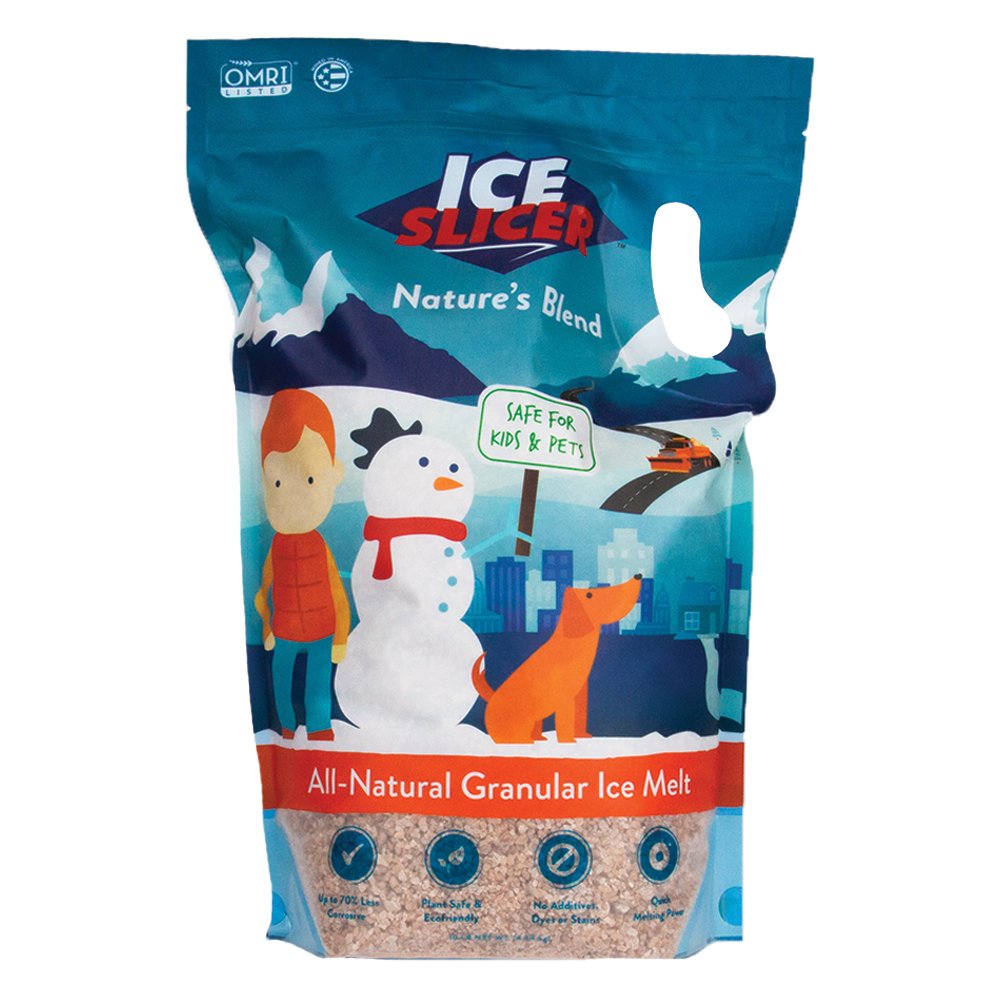
I choose this concentrated mineral blend when I want something more natural that’s kinder to soil and pets.
Why I picked it: Concentrated natural minerals that need less product per square foot.
Best for: Homeowners who want a pet- and plant-friendlier alternative.
A middle-market choice for concentrated coverage.
Pros
- Concentrated formula treats more area
- Dye- and polymer-free
- Safer for vegetation
Cons
- Can leave reddish residue if overapplied
- Packaging occasionally arrives compressed
My take
Ice Slicer stretches further than plain white salt, so I used less product to treat the same area. That concentration is useful when I’m conserving supply.
It felt gentle underfoot and on my dogs’ paws, and I appreciated that the formula is dye- and urea-free. The product began working fast on patches of stubborn ice I treat after shoveling.
A word of caution: if you overapply it can leave a reddish tint on concrete, so I measure applications carefully. For me, it’s a good compromise between performance and environmental gentleness.
4. Scotwood Road Runner Premium Ice Melter – Best for Severe Cold
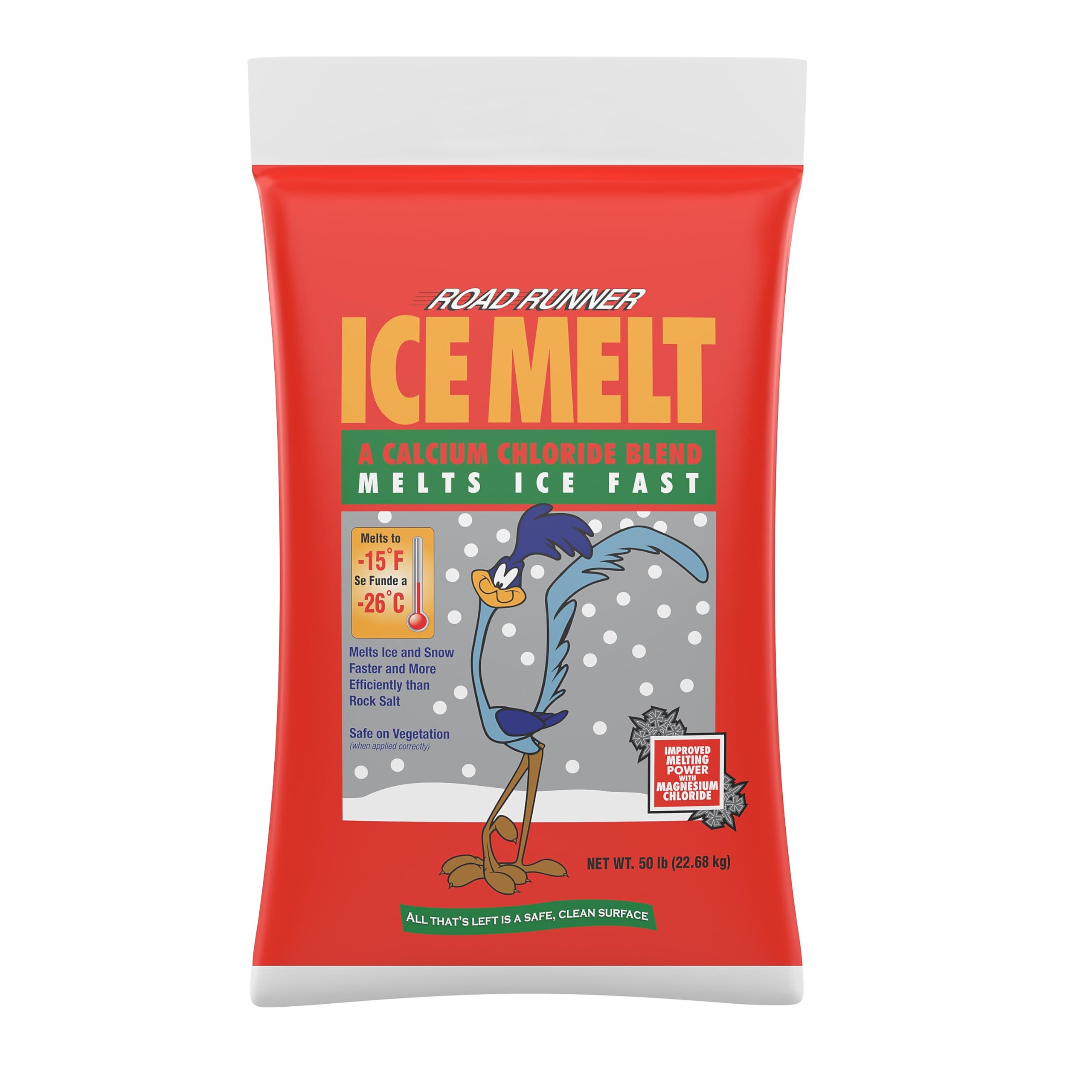
I reach for Road Runner when temperatures drop well below freezing and I need a formula that starts melting immediately.
Why I picked it: Powerful blend that activates on contact and works in very low temps.
Best for: Severe cold and large outdoor surfaces.
A performance-first choice for harsh winters.
Pros
- Works down to very low temps
- Starts melting on contact
- Colorless and odorless
Cons
- Heavy bag to handle
- Can be difficult to open
My take
I’ve used Road Runner on icy mornings where quick action mattered. It began melting on contact and reduced the number of reapplications I needed compared with plain rock salt.
The blend is effective on concrete and feels like it gives more heat to the surface, which helps break packed ice.
Packaging can be bulky and the bag requires care to open, but performance-wise this is my go-to during brutal cold snaps.
5. Scotts ezmelt Ice Melter – Best for Hard Surfaces
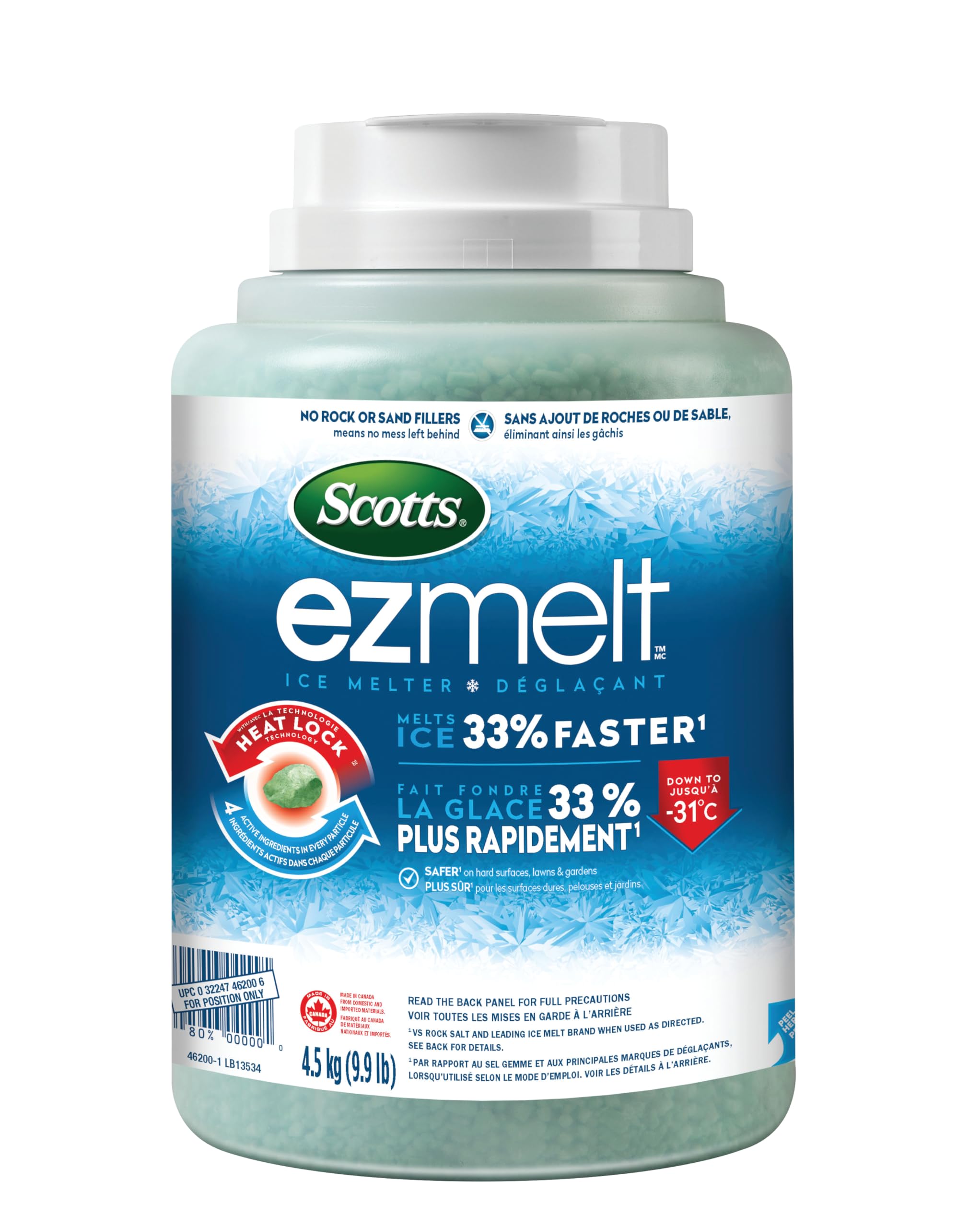
I picked Scotts ezmelt when I wanted aggressive cold-weather performance without adding extra mess or accelerating freeze-thaw damage on concrete.
Why I picked it: All-in-one pellets designed to protect hard surfaces while melting at very low temps.
Best for: Driveways, sealed concrete, and areas where surface care matters.
A premium formula built to protect hardscapes.
Pros
- Effective to very low temperatures
- Corrosion inhibitor protects surfaces
- No-mess pellet formula
Cons
- Smaller, manageable containers
- Higher cost per pound
My take
Scotts ezmelt impressed me by loosening thick ice within about 20–30 minutes on a sealed driveway. The compound’s residual brine helped prevent immediate refreeze while I shoveled.
I liked that the formula aims to reduce freeze-thaw cycling, which matters on treated concrete and pavers. The container size is comfortable to handle if you don’t want to wrestle a heavy bag.
For me it’s a go-to when I want fast action and I’m trying to preserve the integrity of a finished hardscape.
6. Scotwood Road Runner 50-Pound Ice Melter – Best Bulk Bag
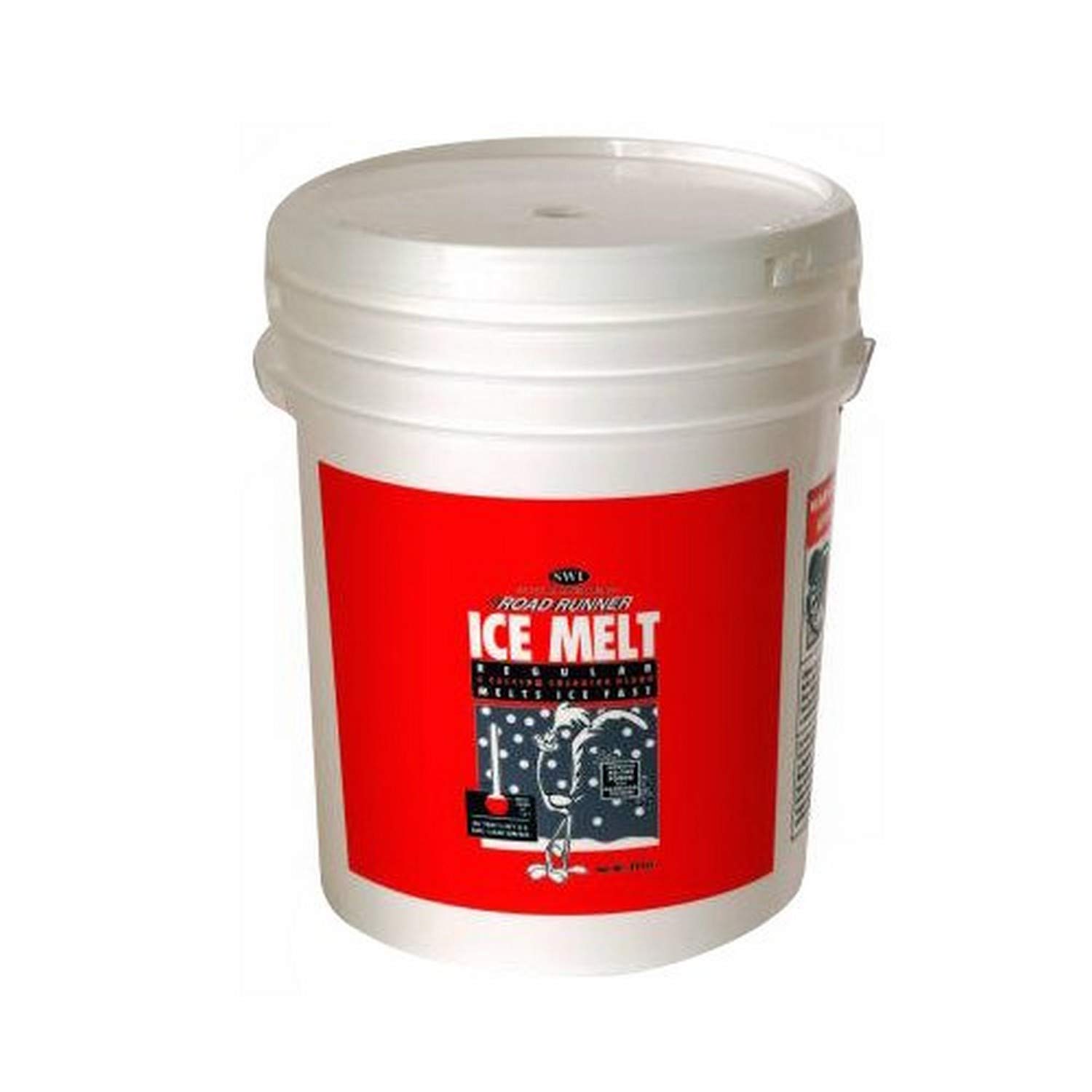
I keep a 50 lb bag when I need long-term supply for a large property or frequent storms.
Why I picked it: Big bag for frequent use and extended coverage.
Best for: Large driveways, commercial properties, or frequent storms.
Best value when you need a long-lasting supply.
Pros
- Large quantity for extended use
- Fast-acting formula
- Requires fewer applications
Cons
- Very heavy to lift
- Can feel pricey for the size
My take
The 50 lb bag meant I wasn’t constantly reordering during a long bad winter. I spread it across a sizeable driveway and watched ice break up quickly.
Delivery timing mattered during a storm and I appreciated getting it before the worst weather arrived. Handling is the trade-off — it’s heavy — but the payoff is less frequent application.
If you want bulk performance and don’t mind the weight, this is a dependable option.
7. Scotwood Road Runner 20-Pound Ice Melter – Best Mid-Size
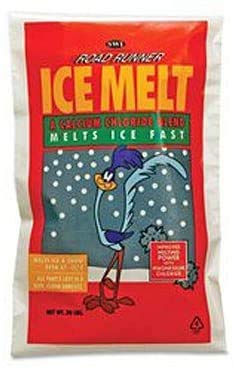
I use the 20 lb Road Runner when I want a manageable bag that still covers more than a small shaker can.
Why I picked it: Right-sized for homeowners who want more than a jug but less than a bulk bag.
Best for: Medium driveways and homeowners who refill a shaker.
Mid-range option for repeat use without bulk storage.
Pros
- Convenient size for homeowners
- Effective mix for typical winters
- Easier to handle than 50 lb bags
Cons
- Similar drawbacks to rock salt
- Can damage plants and paws if overused
My take
The 20 lb bag strikes a practical balance: I can refill a spreader and store an extra bag without needing a pallet.
It works well in teen-to-twenty-degree conditions and spreads evenly. I make sure to sweep excess off landscaping once the ice is gone because it behaves like rock salt.
For me it’s the routine choice when I want performance without wrestling heavy bags.
8. North American Salt Enviro-Blend Ice Melter – Best Environment-Friendly
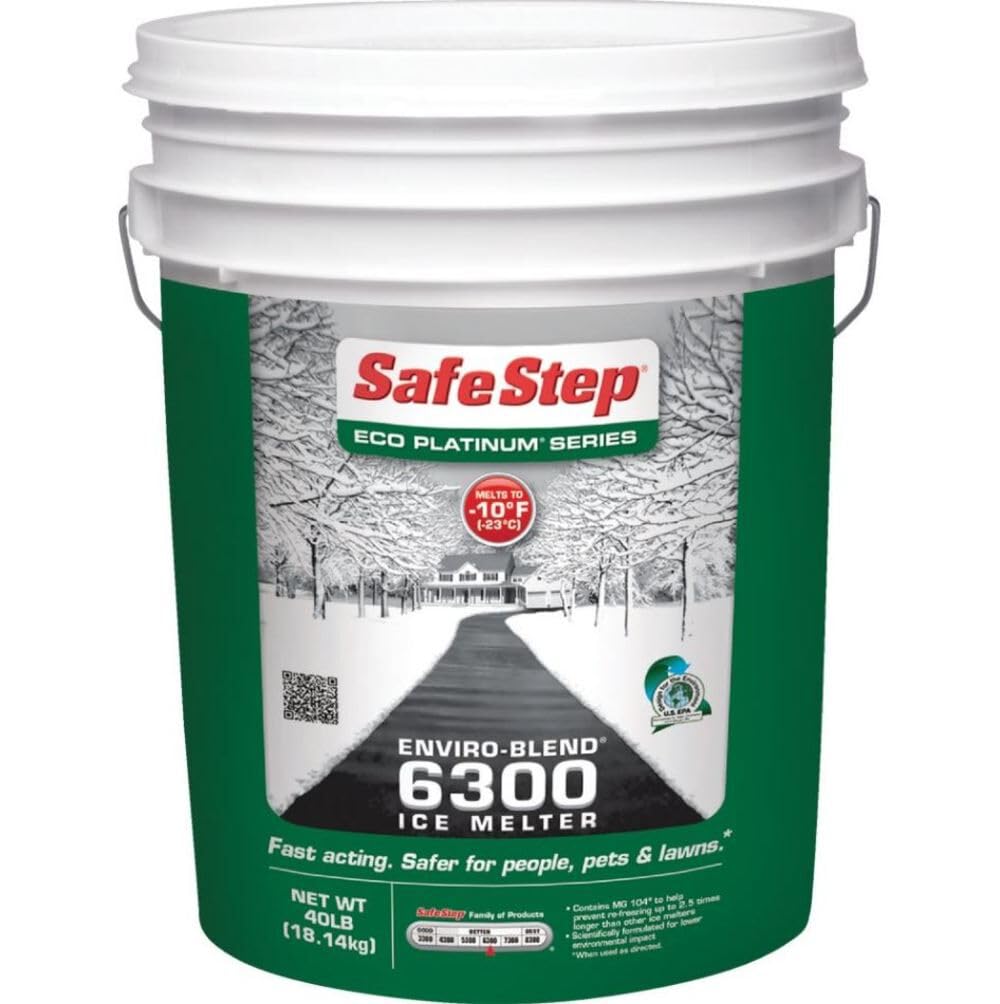
I reach for Enviro-Blend when reducing plant and pet impact is a priority while still needing dependable melt performance.
Why I picked it: Formulated to protect vegetation while melting down to moderately low temps.
Best for: Landscaped properties and pet-friendly households.
Good value for an environmentally minded formula.
Pros
- Designed to be safe for vegetation
- No powdery residue
- Ready to use in buckets
Cons
- Bucket lid can be hard to open
- Some mixed particle sizes
My take
I applied Enviro-Blend before an expected freeze and it made shoveling much easier the next morning. It melts down to low temps and left no dusty residue to track indoors.
It feels gentler around shrubs and lawn when I use measured amounts, and that’s important when I’m treating walkways that border flower beds.
The only practical gripe: the bucket is stout and can be a challenge to open straight away. Once in use, though, it’s a reliable, eco-minded option.
How I Choose Ice Melt for Concrete
Match formula to temperature
I pick ice melt based on the lowest temperatures I expect. Rock salt and simple sodium chloride work well above freezing down to around 5°F, while calcium and magnesium blends keep working at much lower temperatures.
When I face subzero nights I prefer blends rated for extreme cold so I’m not reapplying constantly.
- Above ~5°F: basic rock salt is economical.
- Between 0°F and -15°F: look for calcium or blended formulas.
- Below -15°F: choose specialty blends rated for severe cold.
Consider concrete and surface care
I avoid harsh rock salts on freshly sealed concrete or decorative pavers. Products with corrosion inhibitors or gentler chlorides reduce long-term damage.
Even with safer formulas, I sweep up excess and rinse surfaces when practical to limit long-term wear.
- Use magnesium/calcium blends on sealed concrete.
- Avoid heavy rock salt on new or painted surfaces.
- Clean up excess after melt to protect landscaping.
Think about pets and plants
If pets or landscaping matter to you, I choose products labeled pet- or vegetation-friendly. Those formulas reduce paw irritation and plant stress.
I still wipe dog paws after walks and keep applications measured to minimize exposure.
- Pet-safe formulas are gentler on paws.
- Measure product to avoid overapplication near plants.
- Rinse pet paws if they contact treated surfaces.
Practical tips for use and storage
I store bags or buckets in a dry place to keep pellets from clumping. If a bucket is hard to open, I use a flat tool to ease the lid.
I prefer a handheld spreader for even coverage and to avoid overuse; concentrated formulas let me cover more area with less product.
- Store in a dry, cool place.
- Use a spreader for even application.
- Shovel before applying for faster results.
Frequently Asked Questions
Can I use ice melt directly on new concrete?
I avoid heavy rock salts on new concrete for at least a year; I use gentler magnesium or blended formulas and apply sparingly to reduce surface damage.
Which ice melt is safest for pets?
I prefer 100% magnesium chloride or mineral blends labeled pet-safe, and I still wipe paws after outdoor time to be cautious.
How much ice melt should I apply?
I aim for a thin, even layer—enough to break surface ice but not so much that it leaves residue. Follow the product’s coverage guidance and use a spreader if possible.
Should I remove melted slush after treatment?
Yes. I remove slush once loosened to prevent refreezing and to limit prolonged exposure of concrete and plants to deicing chemicals.
Final Take
I pick ice melt by balancing temperature needs, surface care, and environmental concerns. For pet-safe daily use I favor magnesium chloride blends; for low cost and big areas I use rock salt sparingly.
If you want one dependable go-to for cold winters and concrete, choose a performance blend with surface protections. Keep a gentler formula on hand for landscaped areas and pet routes, and store properly so your supply is ready when the next storm hits.
