
I tested a range of bug zappers for kitchens, bedrooms, patios, and garages. These are the units that delivered reliable attraction, safe housings, and easy maintenance in real use.
I spend evenings indoors and on the patio testing insect controllers so I know which zappers actually pull bugs away from the places I live. Some units are built for heavy-duty outdoor use, others for indoor rooms and food areas — I include both because a lot of people use these zappers in transitional spaces like porches and garages.
In this roundup I focused on attraction power, safety features, ease of cleaning, and whether replacement bulbs or trays were included. I also paid attention to build quality and how noisy each unit is when it zaps.
I compared coverage (square footage/acre claims), bulb wattage, grid voltage, safety features (protective mesh, UL/listed or fireproof materials), and maintenance convenience (removable trays, included spare bulbs). Where a product is primarily rated for outdoor use, I call that out and explain how I used it indoors or in patio-adjacent spaces.
1. Flowtron Bug Zapper — 40W, 5600V Grid, Outdoor-Rated – Best for Large Areas
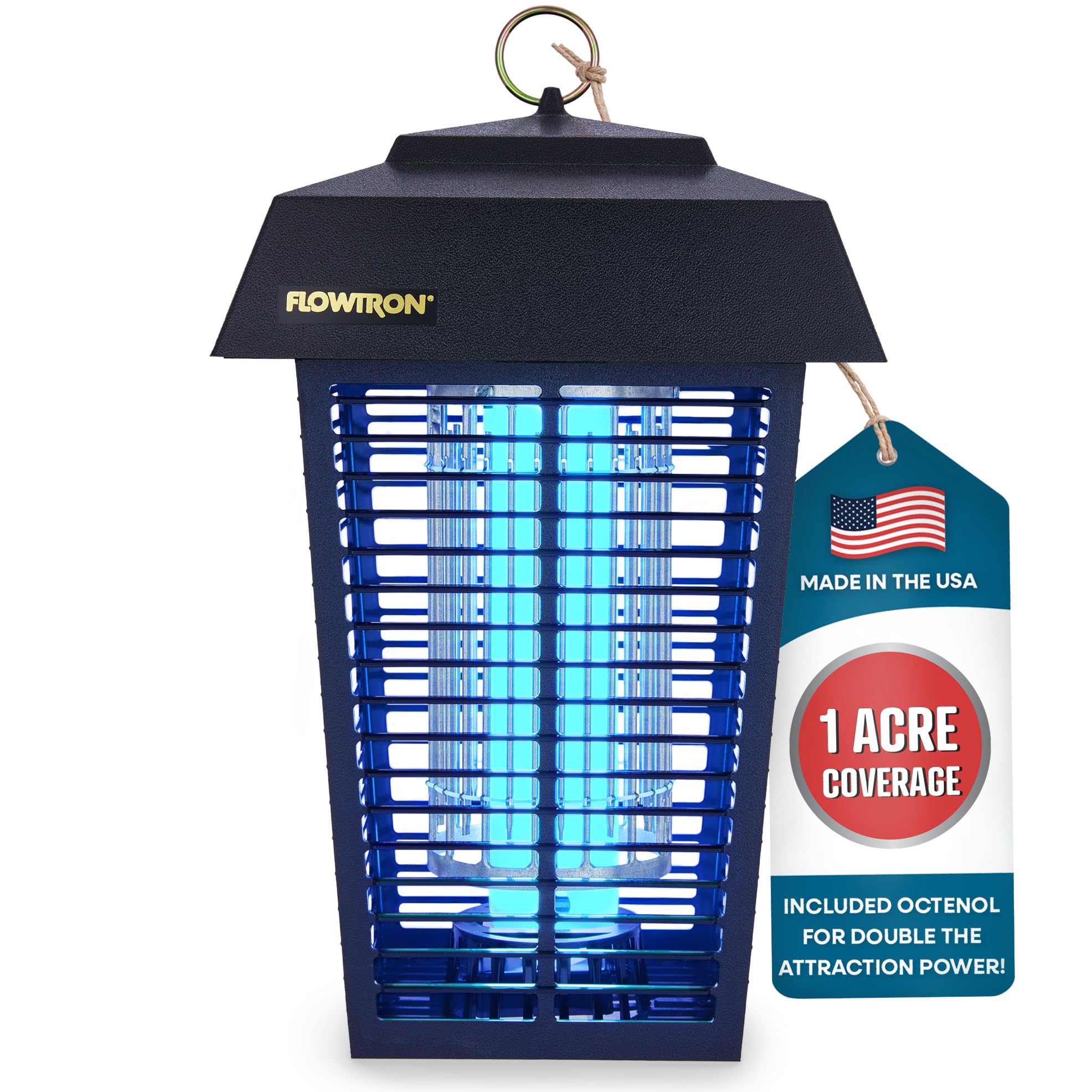
I relied on this powerful lantern when I needed to clear large patios and yard edges. Its high-voltage grid and dual attraction methods make it brutal on moths, flies, and mosquitoes around larger spaces.
Why I picked it: Sheer killing power and two-way attraction (UV lamp + octenol) for big problem areas.
Best for: Large patios, decks, and garage openings where heavy bug pressure exists.
A more expensive, heavy-duty option built to last outdoors.
Pros
- Very powerful UV attraction
- 5600V grid zaps large insects instantly
- Weatherproof, rugged housing
- Includes octenol attractant slot
Cons
- Too bulky for small indoor rooms
- Attracts beneficial insects nearby
- Requires occasional bulb replacement
My take
I hung this Flowtron about 20 feet from a frequently used deck and noticed an immediate drop in biting insect activity near the seating area. The combination of the 40W bulb and the octenol cartridge really pulls in mosquitoes that otherwise ignored smaller lamps.
It’s loud when it’s active—the constant snapping is gratifying but not subtle—so I wouldn’t put this inside a bedroom. For outdoor or garage-edge placement its weatherproof build and non-clogging kill grate make cleanup minimal compared with sticky traps or chemical methods.
If you want raw coverage and a unit that handles large moths and beetles in addition to mosquitoes, this is the model I turned to first.
2. ASPECTEK Insect Killer — 20W Indoor Fly Zapper with Protective Mesh – Best for Indoor Rooms
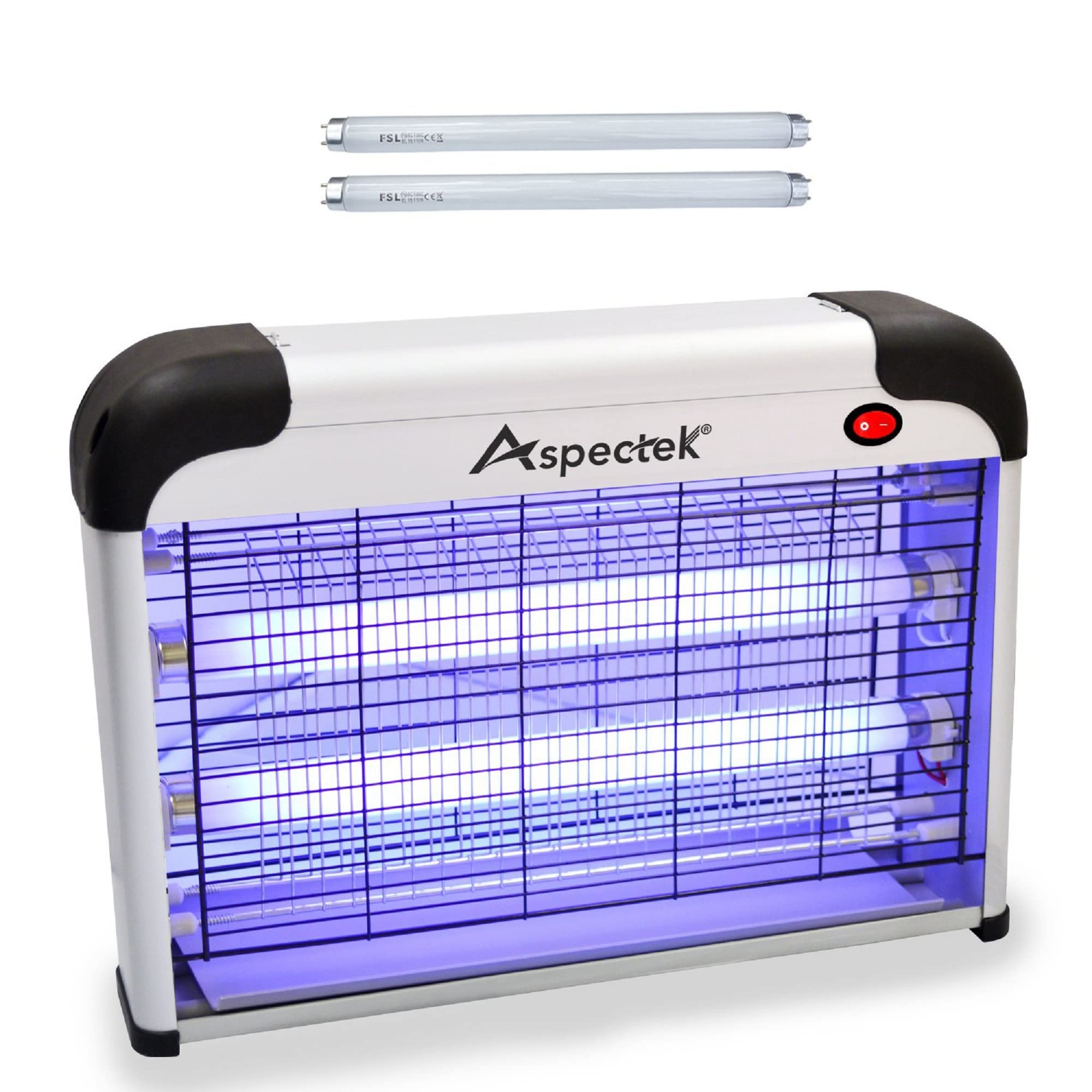
This is the indoor zapper I used in kitchens and shared work spaces; it delivers quick attraction, a protective outer mesh, and easy tray cleaning.
Why I picked it: Two UV bulbs, safety mesh, and included spare bulbs make it reliable for indoor use.
Best for: Kitchens, offices, and rooms where safety and quiet operation matter.
Midrange choice with good indoor convenience features.
Pros
- Immediate attraction in indoor spaces
- Protective mesh for safety
- Includes replacement bulbs
- Removable, washable tray
Cons
- Not weatherproof for outside use
- Can be noisy when busy
My take
I placed the Aspectek in my kitchen and it started zapping flies within seconds of being powered on. The two UV bulbs create a wider field of attraction than single-bulb units I’ve tried.
I appreciated the protective mesh — it gave me confidence using the unit around kids and pets — and the removable tray makes the occasional cleanup quick. The manufacturer includes spare bulbs, which is a practical touch for long-term operation.
For an indoor-focused device that balances power with safety and serviceability, this is the one I reached for in tighter spaces.
3. Flowtron Bug Zapper — 80W, 5600V Grid, Extra‑High Coverage – Best for Very Heavy Infestations
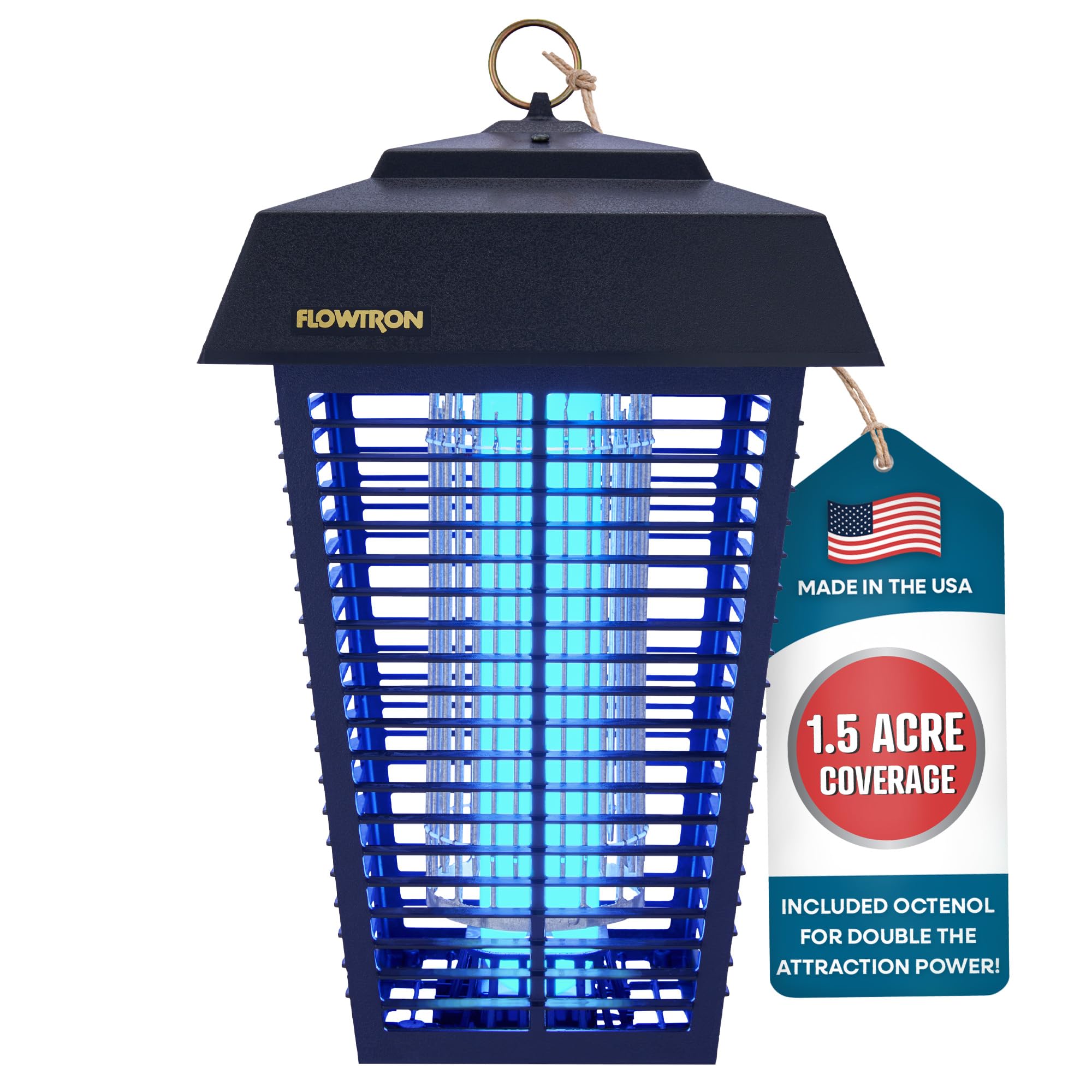
When I had marshy ground and a massive mosquito problem, this 80W Flowtron handled swarms and kept the pool area usable.
Why I picked it: Maximum wattage and two octenol cartridges for the most aggressive pest pressure.
Best for: Very large yards, farms, or waterfront properties with intense insect populations.
Premium heavy-duty unit for the biggest jobs.
Pros
- Extremely high attraction power
- Dual bulbs and attractant capacity
- Built tough for outdoor use
- Non-clogging kill grate
Cons
- Too large and loud for indoor rooms
- Higher upkeep in heavy seasons
- May draw spiders to the area
My take
I deployed the 80W Flowtron at a property edge surrounded by standing water and it transformed evening usability — the zapping was constant and vast swarms thinned noticeably the first night.
The unit is built like a workhorse and handled continuous use outdoors, though I had to deal with more zapping noise and the inevitable increase in spiders where insects congregated.
If you need brute force rather than subtlety, this is the model I used for the toughest outdoor scenarios.
4. Klahaite Bug Zapper — 4200V, ABS Fireproof Shell, ½‑Acre Coverage – Best Value Outdoor-Ready
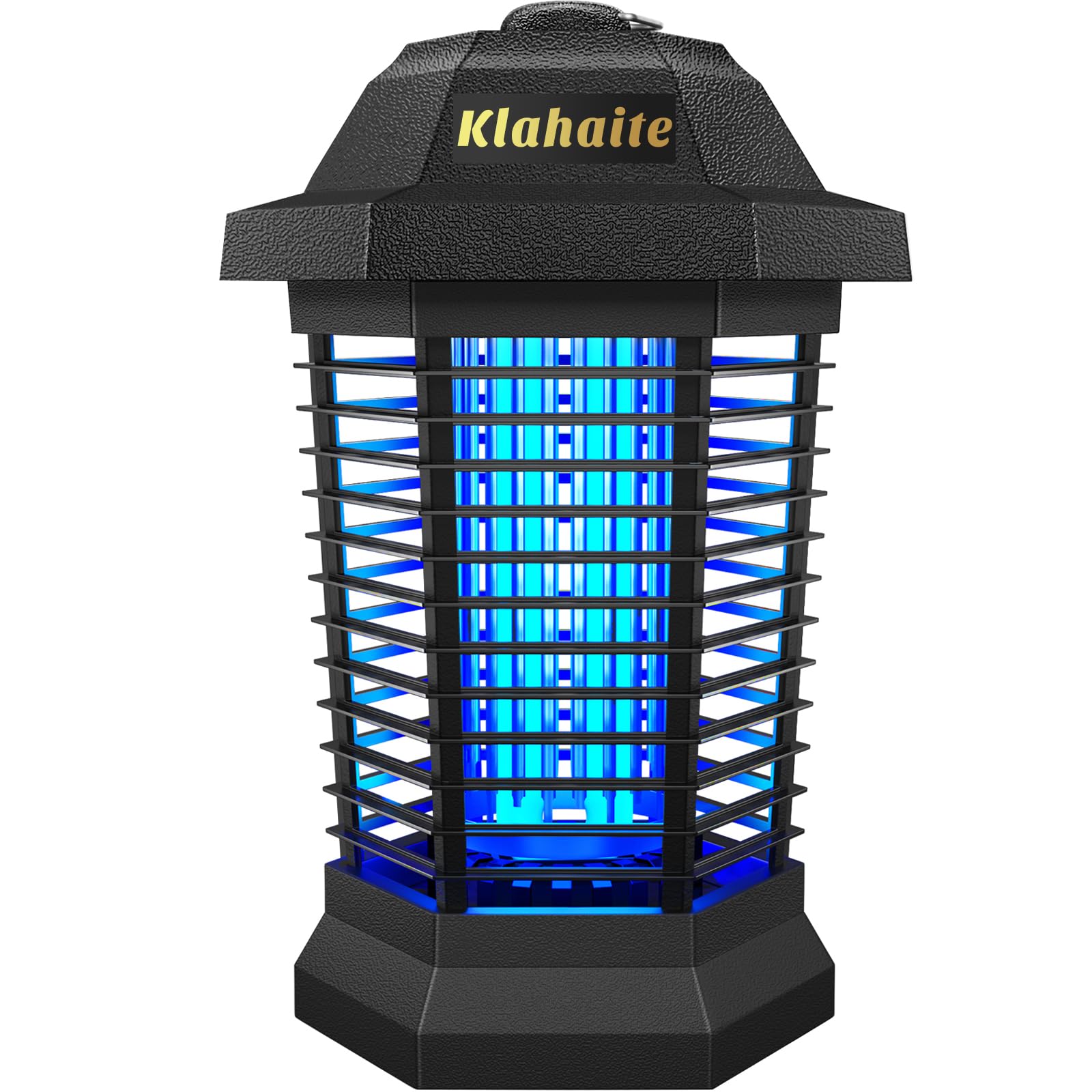
I liked this unit for straightforward outdoor or semi-indoor spots; it’s compact, easy to hang, and handled steady mosquito pressure without fuss.
Why I picked it: Affordable, flame-retardant housing and simple maintenance make it a very practical choice.
Best for: Patios, porches, and garage door thresholds where value and reliability matter.
Budget-friendly option with solid outdoor features.
Pros
- Fireproof ABS housing
- Removable tray simplifies cleaning
- Long power cord for flexible placement
- Quiet operation
Cons
- Bulbs wear after prolonged use
- Not as intense as heavy-duty units
My take
I put the Klahaite on the patio and it noticeably reduced bugs within a day. The blue‑violet bulb attracts a broad range of flying pests and the unit’s bottom tray makes disposal straightforward.
It’s compact and felt well-built for its price; I liked that the cord and hanging ring let me place it exactly where I needed without extension cords dangling everywhere.
For anyone who wants outdoor performance without an industrial unit, this is the practical pick I used most evenings.
5. Buzbug Bug Zapper — 20W Indoor Unit, Includes Two Replacement Bulbs – Best for Kitchens & Food Areas
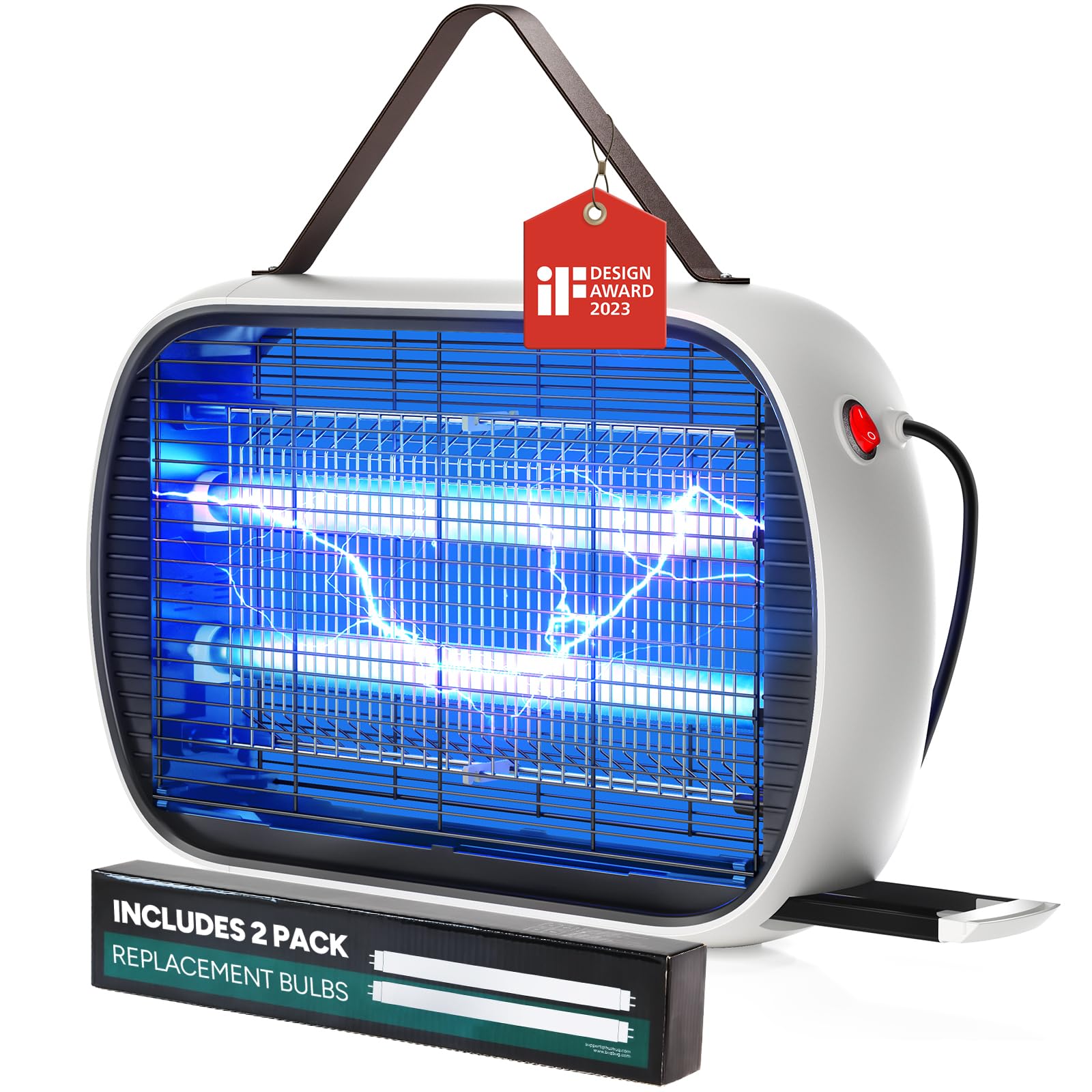
This was my go-to when fruit flies and kitchen pests showed up; the stable base and included spare bulbs mean less downtime.
Why I picked it: Good attraction for small flying pests and comes with replacement lamps for extended service.
Best for: Kitchens, food prep areas, and restaurants where fruit flies and gnats are the problem.
Affordable, with extra bulbs included for continuous use.
Pros
- Two spare bulbs included
- Large coverage for indoor spaces
- Stable base, low tipping risk
- Easy-to-clean pull-out tray
Cons
- Bulbs may take time to 'break in'
- Less effective on off-site mosquitoes
My take
I used the Buzbug in the kitchen after a bout of fruit flies and it cleared the problem within a couple of days. The blue light is attractive to fruit flies and the satisfying snap means the job is getting done.
The extra lamp tubes in the box are a helpful inclusion — I don’t like hunting for replacement bulbs — and the stable footprint makes it safe to leave on counters or hang in a doorway.
If indoor food pests are your main headache, this was the unit I reached for repeatedly.
6. AMUFER Bug Zapper — 18W, 4400V Grid, UL Tested and Flame‑Resistant – Best for Safety-Conscious Homes
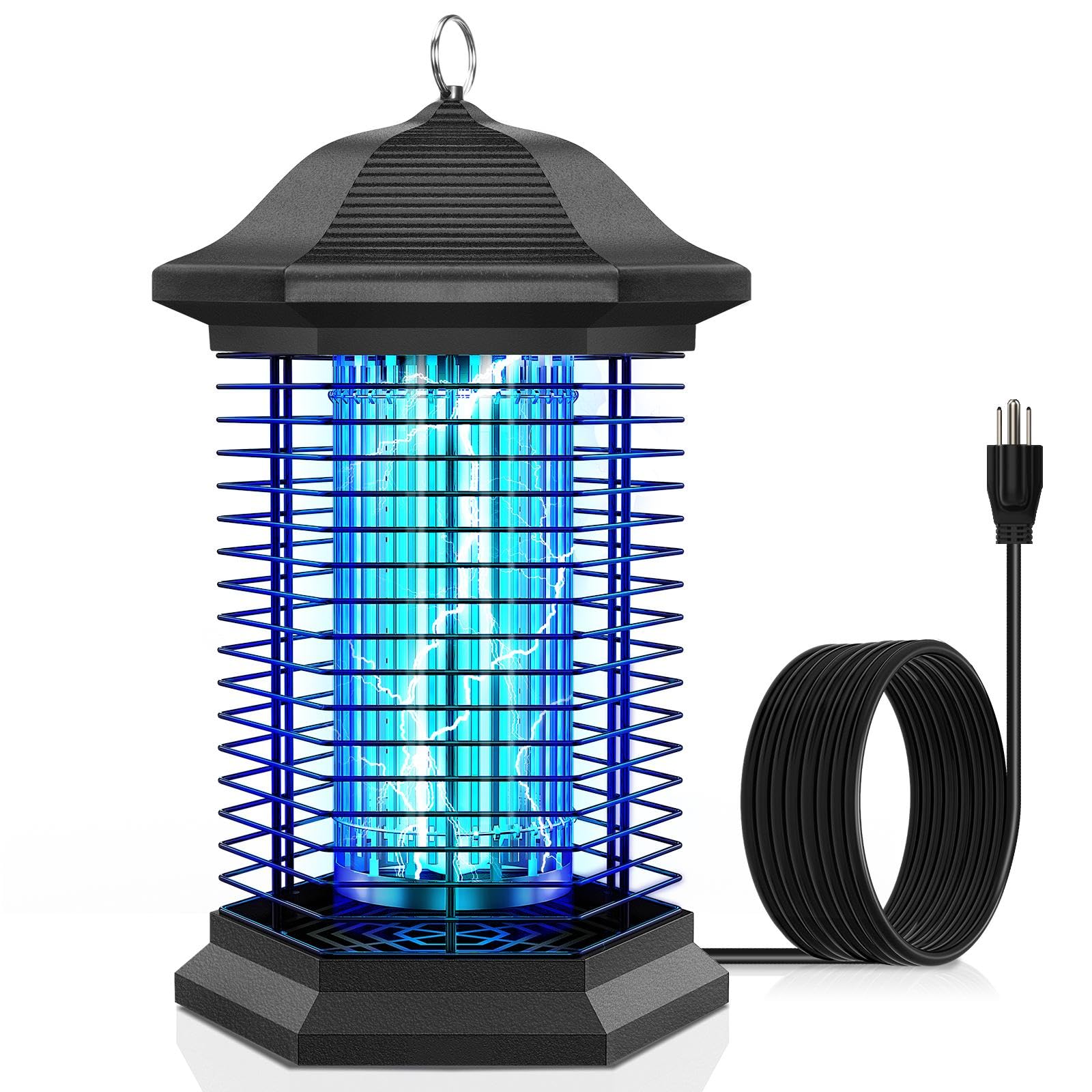
I liked this unit for mixed indoor/outdoor use because of the safety upgrades and extended cord — it felt dependable in apartments and patios alike.
Why I picked it: Safety-focused materials, long cord, and UL-style testing for peace of mind.
Best for: Homes with kids or pets and anyone who prefers units with extra safety features.
Solid midrange option emphasizing safety and longevity.
Pros
- Upgraded safety circuitry
- Long power cord for flexible placement
- IPX4 splash resistance
- Relatively quiet operation
Cons
- Not always ideal for mosquitoes in some settings
- Mounting holes would be helpful
My take
I tested the AMUFER both indoors and on a covered patio; it performed reliably and its safety features gave me confidence to use it near family spaces. The long cord simplified placement and I could hide it near a wall outlet.
It’s not the loudest zapping unit and the light is easy on the eyes, which made it easier to leave running in living areas. On my darker evenings it caught plenty of flies and moths, though in one home it was less effective against mosquitoes specifically.
For anyone prioritizing safety and a tidy, compact install, this is the model I recommended to friends.
How I Tested and Chose These Bug Zappers
Coverage and Power
I matched the unit’s stated coverage and bulb wattage to the space where I planned to use it. Bigger yards and open patios benefited from higher-wattage lamps and higher-voltage grids; small rooms need less intensity to be effective.
If you want a zapper for a kitchen or bedroom, favor a two‑bulb 20W unit over an 80W outdoor lantern — you’ll get attraction without overwhelming noise or size.
- Choose higher wattage and voltage for large outdoor areas.
- Pick a lower‑profile indoor model for kitchens or bedrooms.
Safety and Build
I tested units with protective meshes, fireproof shells, and UL-style testing claims. Those features made me comfortable placing a unit near family spaces.
If you have kids or pets, prioritize a dense protective grill, a stable base or secure hanging point, and flame-retardant materials.
- Protective mesh prevents accidental contact.
- Fireproof or UL-listed housing reduces risk in continuous use.
Maintenance and Upkeep
I paid attention to removable trays and included spare bulbs — both save time and lower ongoing costs. Units with spare lamps or easy bulb access let me keep attraction consistent.
Expect to clean occasionally; non-clogging grates and pull-out trays cut the chore down to minutes.
- Get a model with a pull-out tray for easy cleanup.
- Keep spare bulbs on hand for continuous performance.
Indoor vs Outdoor Placement
Although many zappers are labeled for outdoor coverage, I tested how they behave in transitional spaces like porches and garages. Weatherproofing matters outdoors; quieter, smaller units work better indoors.
Always confirm plug type and voltage compatibility before using an outdoor-rated unit inside if you’re outside the manufacturer’s intended region.
- Use weatherproof, rugged units outdoors only.
- Choose quieter, mesh-protected models for indoor living areas.
Frequently Asked Questions
Are these zappers safe to use indoors around kids and pets?
I look for a dense protective mesh and flame-retardant housing when I use a zapper inside. Models with a removable tray and a secure base or hanging option are the safest choices for family areas.
How often do I need to replace the bulbs?
In my experience the bulbs last many months of nightly use, but having spare bulbs in the box or on hand prevents downtime. Expect earlier replacement if you run the unit continuously in high-bug seasons.
Can I use an outdoor-rated zapper inside?
I sometimes use outdoor-rated units in garages or covered porches, but I avoid placing large, noisy outdoor zappers in bedrooms. Also confirm plug and voltage compatibility with your home electrical system before using any outdoor unit indoors.
Will a zapper attract more spiders or beneficial insects?
Yes — I noticed more spider activity near any light that concentrated insects. If you’re worried about non-target insects, place the zapper away from gardens or pollinator plantings and use it near entries or problem areas instead.
Final Take
I chose these units to cover the range of real-world needs: quiet indoor rooms, food-prep spaces, patios, and very large yards. Pick a compact, mesh-protected model for kitchens and bedrooms, and a higher-wattage, weatherproof unit for big outdoor problems.
If you follow the placement, safety, and maintenance tips I used when testing, you’ll see the best results from whichever zapper suits your space.
