
I tested reflective silicone, aluminum-coated, extra-wide, and standard covers to find the best fits for speed, padding, and durability. Here’s what I recommend based on real use.
I’ve replaced and tested a handful of ironing board covers to see which actually make ironing faster, smoother, and less frustrating. In this roundup I compare reflective silicone and aluminum surfaces, different padding thicknesses, fit systems, and extra-wide versus standard sizes.
My focus was practical: does the cover stay tight, protect fabric, withstand heat, and meaningfully reduce ironing time? Below I break down the strengths of four covers I’ve used so you can pick the right one for your board and workflow.
If you want speed and heat reflection, I lean toward the silicone or aluminum-coated options; if you need a wider surface for quilting or large garments, the extra-wide padded cover is the obvious choice. The German-made cover is the one I reach for when fit and certified materials matter most.
1. Epica Ironing Board Cover & Pad – Best Overall
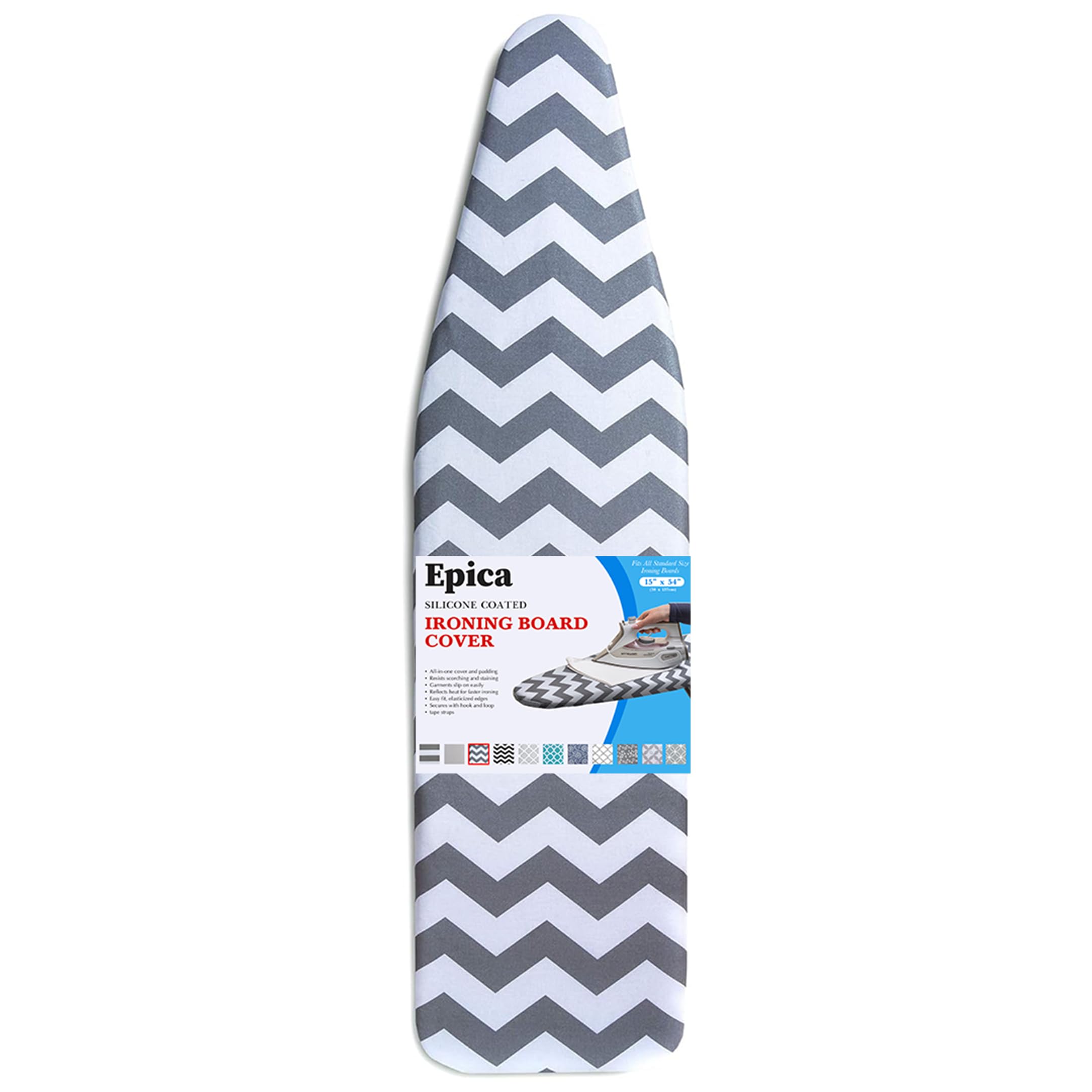
My go-to cover for fast, durable ironing thanks to a reflective silicone surface, heavy-duty padding, and secure straps.
Why I picked it: Reflective silicone surface plus thick padding speeds ironing and resists scorching.
Best for: People who want faster ironing and a durable, non-slip surface.
Solid midrange option for frequent ironing sessions.
Pros
- Reflective silicone speeds ironing
- Heavy-duty padding protects fabric
- Elastic edge and Velcro straps hold tight
- Waterproof, scorch-resistant surface
Cons
- Metallic finish may not suit every decor
- Thicker feel can change board profile
My take
I picked the Epica cover because the silicone-coated surface actually shortens my ironing time. The metallic layer reflects heat so I found myself making fewer passes on heavy linen and denim.
The built-in padding feels substantial—enough to prevent mesh marks—and the elastic edge plus hook-and-loop straps made installation quick and secure. I appreciate that I could slip this over my existing cover and still get a taut working surface.
Durability stood out in normal use: I left the iron face-down briefly by accident and saw no scorching or damage to the cover. Cleanup is easy and the waterproofing gives me peace of mind when using older irons or when steam condenses.
If you prefer a matte, fabric-only look this metallic surface isn’t for you, but for performance I keep this on my primary board when I need a reliable, fast finish.
2. Arteneur Ironing Board Cover & Pad – Best Premium
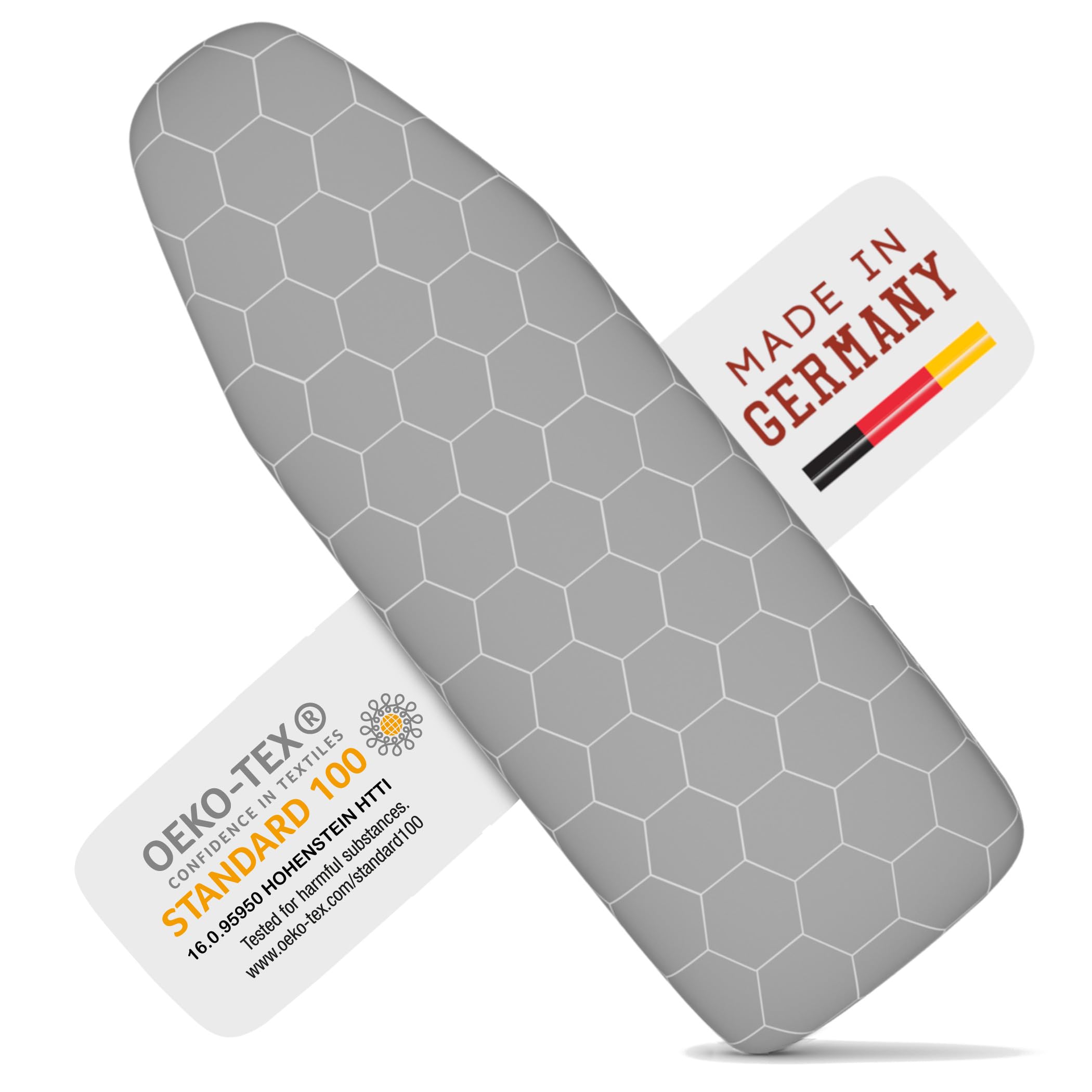
A higher-end cover with double padding, Oeko-Tex compliance, and a patented drawstring for a tight, clean fit.
Why I picked it: Made-in-Germany build quality, double padding, and steam-permeable aluminum coating.
Best for: Anyone who values certified materials and an especially snug, professional fit.
A premium, quality-focused choice.
Pros
- Double comfort padding for smooth results
- Steam-permeable aluminum speeds ironing
- Oeko-Tex certified materials
- Patented drawstring for tight fit
Cons
- No metallic silicone finish option
- Design options are more restrained
My take
I reached for the Arteneur cover when I wanted something made to a higher production standard. The double-layer padding gives a noticeably cushioned surface and the aluminum coating helps reflect heat without interfering with steam.
Installation is fast thanks to the drawstring system that pulls the cover taut across older and newer boards alike. I liked the neutral look for photography and sewing—it doesn’t distract from fabric colors.
The certification for harmful substances matters to me when I’m spending a bit more for a cover I expect to last, and the overall construction feels robust. If you want a premium-made standard cover that’s reliable and clean-looking, this is the one I recommend.
3. Dalykate Extra-Wide Ironing Board Cover – Best for Wide Boards
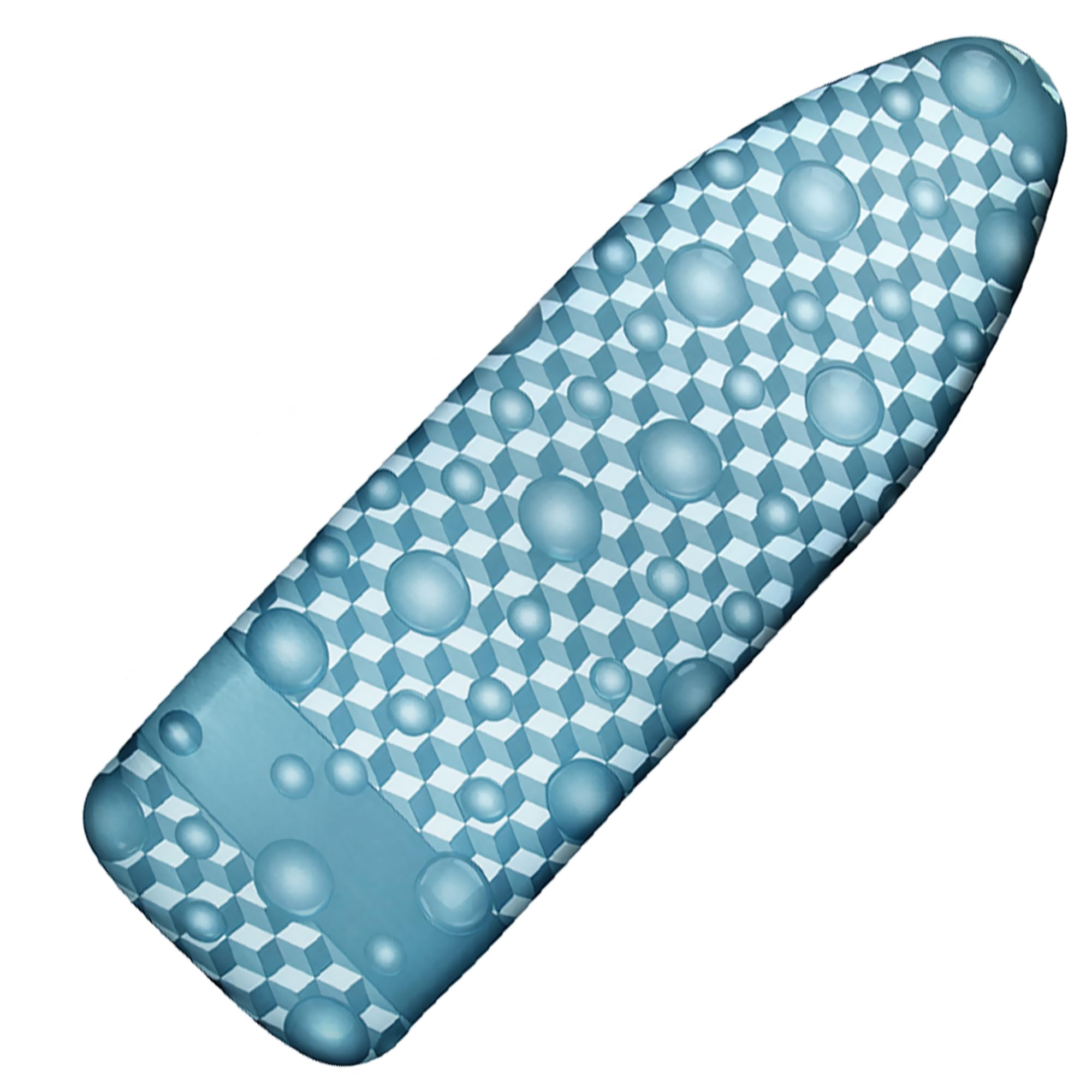
My pick for quilters and sewers: extra-wide fit with thick padding, protective mesh, and multiple fasteners for a wrinkle-free surface.
Why I picked it: Designed for extra-wide boards with dense padding and reinforced fasteners.
Best for: Quilters, sewers, and anyone with an 16–18" wide board.
Good value for specialized, extra-wide coverage.
Pros
- Extra-wide fit for large projects
- Up to 6mm thick padding
- Breathable cotton top with mesh protection
- Multiple fasteners lock it in place
Cons
- Padding could be denser for heavy pressing
- May feel bulky on smaller boards
My take
When I need to press large quilts or wide curtains I use the Dalykate cover. The extra width gives me room to move and the thick padding smooths seams so my pressing looks cleaner than on a standard board.
The cotton surface is breathable and the included protective mesh lets me work with delicate fabrics without worrying about direct heat. I especially like the reinforced elastic edge and the four adjustable clips underneath that keep the cover taut during aggressive pressing.
One honest note: I found the pad good but slightly less dense than I’d prefer for heavy-duty quilting. I doubled up padding once for the firmest press, but for general sewing and household ironing this cover is a definite improvement over narrow or thin options.
4. VividPaw Ironing Board Cover & Pad – Best Standard Fit
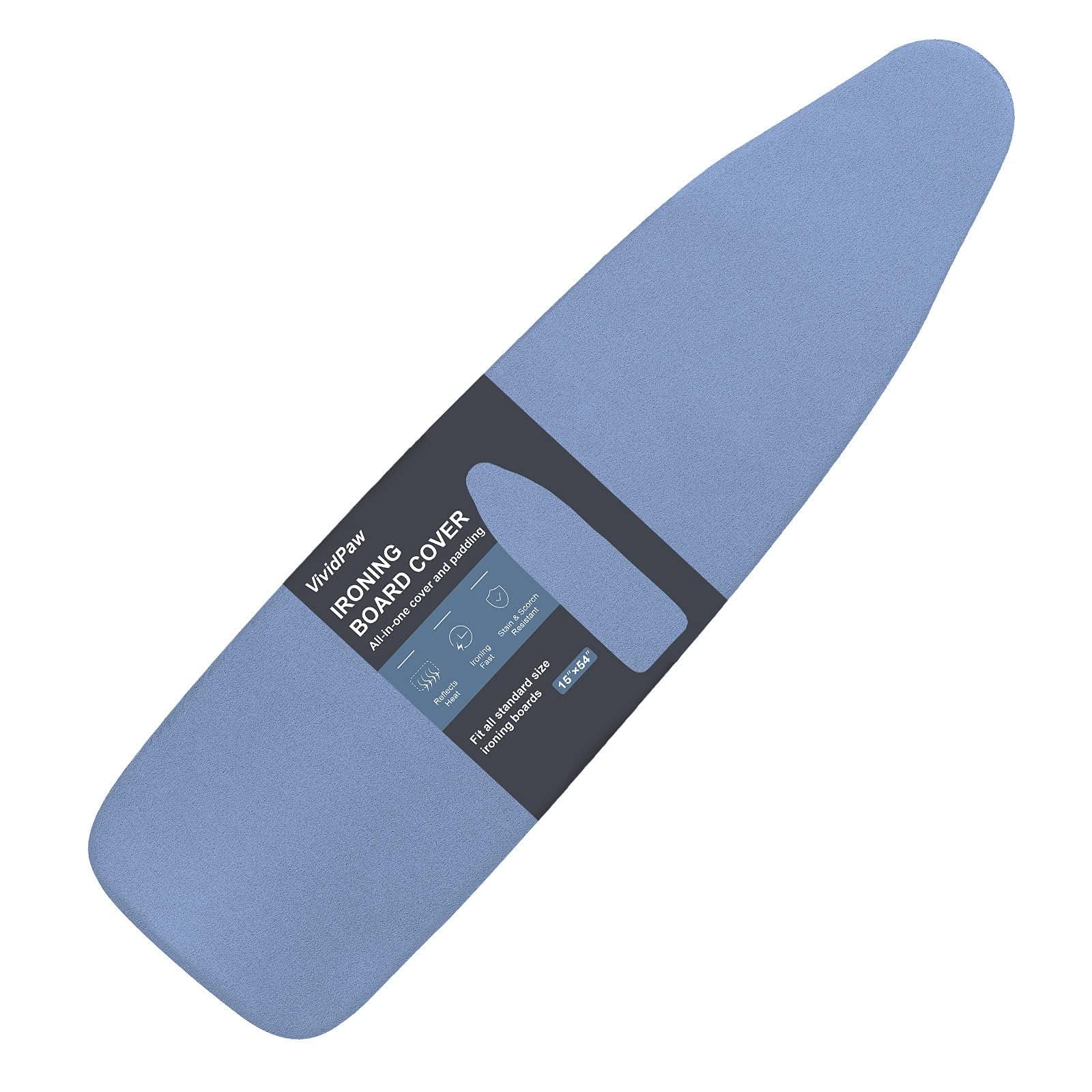
An easy-to-install standard cover with a sewn-in felt pad, silicone coating, and a secure fit—great for replacing worn factory covers.
Why I picked it: Sewn-in padding and silicone coating deliver consistent glide and heat resistance.
Best for: Anyone replacing an old standard-size cover who wants a quick upgrade.
Reliable, budget-friendly standard replacement.
Pros
- Sewn-in felt pad for consistent surface
- Silicone coating resists scorch and stains
- Elastic edge and hook-and-loop for snug fit
- Easy installation
Cons
- Straps may have light stitching
- Standard size only
My take
I put the VividPaw cover on an older board and immediately noticed how smoothly the iron glided. The sewn-in felt padding keeps the surface consistent so I don’t get unexpected lumps or mesh marks.
The silicone-coated cotton top handles heat well and the adjustable hook-and-loop strap makes tightening straightforward. One small caveat: the stitching on the underside straps felt a touch light on my sample, so I keep a few mitten clips on hand as a backup for heavy use.
Overall this is the cover I buy when I want a straightforward, well-performing replacement that looks and feels like a step up from the thin, factory covers.
How I Choose an Ironing Board Cover
Fit and Size
I always measure my board before buying. Standard and extra-wide covers are not interchangeable, and a tight fit matters more than appearance for a smooth press.
Look for systems that pull the cover taut—drawstrings, hook-and-loop straps, or adjustable clips are my preferred options.
- Measure width and length of your board first
- Choose drawstring or Velcro systems for a snug fit
- Extra-wide covers are best for quilting and large linens
Surface and Heat Handling
I decide between silicone/metallic coatings and cotton tops depending on whether I prioritize speed or natural fabric feel. Reflective surfaces cut ironing time by reflecting heat back through fabric.
If you use steam often, pick a surface that’s steam-permeable and scorch-resistant.
- Reflective silicone or aluminum speeds ironing
- Cotton tops feel better for delicate fabrics
- Check that coatings are advertised as scorch-resistant
Padding and Durability
Padding determines how many passes you need and whether mesh marks appear. I prefer thicker, dense padding for heavy garments and quilting.
Durable stitching, reinforced straps, and waterproofing increase a cover’s lifespan in my experience.
- Thicker padding prevents mesh impressions
- Reinforced straps and elastic edges improve longevity
- Waterproofing helps with older or leaky irons
Care and Certification
I look for covers that are machine-washable and, if possible, certified for low harmful substances. That gives me confidence about long-term use around clothing and craft projects.
When a product is Oeko-Tex certified or has clear washing instructions, I tend to keep it longer.
- Prefer machine-washable or easy-care covers
- Oeko-Tex or similar certification is a plus
- Air-dry to preserve coatings and padding
Frequently Asked Questions
How do I get a cover to fit tightly?
I measure my board, choose the correct size, and use the cover’s tightening system—drawstring, Velcro straps, or clips—to pull the fabric taut. I also smooth edges and secure any underside straps for the final tension.
Will a reflective coating damage delicate fabrics?
I don’t find that reflective coatings damage delicate fabrics when used correctly. The coatings reflect heat so I usually lower my iron temperature slightly and rely on the cover’s breathable properties for steam to pass through safely.
Can I wash these covers?
I follow each manufacturer’s care instructions. Most of the covers I use can be hand washed or machine washed on a gentle cycle and air-dried; avoiding dry cleaning helps preserve coatings and padding.
Final Take
After testing these options I reached for the Epica when I wanted speed and durability, the Arteneur when I wanted a premium, certified build, the Dalykate for extra-wide projects, and the VividPaw for a dependable standard replacement.
Measure your board, decide whether you want a reflective finish or a cotton top, and pick the fit system that keeps the cover taut. That combination will make ironing feel less like a chore and more like a quick finishing step.
