
I tested a range of ironing boards to find the best options for quilters — from steam‑friendly, extra‑wide boards to compact tabletop choices for small sewing rooms. Here are the ones I kept coming back to.
I spend a lot of time pressing quilt blocks and finished quilt tops, so I prioritized surface area, stability, steam compatibility, and padding when I tested these boards.
Quilting needs a flat, wide surface so I can press seams without re‑positioning constantly, and I look for a board that won’t wobble under steam. I evaluated how each board handled large pieces, whether they had a secure iron rest for a steam generator, and how comfortable they were to work at for long sessions.
Below are the boards that stood out in my hands-on testing and why each one made the list for quilters.
I compared each board for three things quilters care about most: usable surface area, stability under a steam iron or generator, and the quality of the pad/cover. I’ve noted where a board feels like a budget grab, a steady workhorse, or a premium upgrade.
1. Brabantia Size B Ironing Board – Best Overall
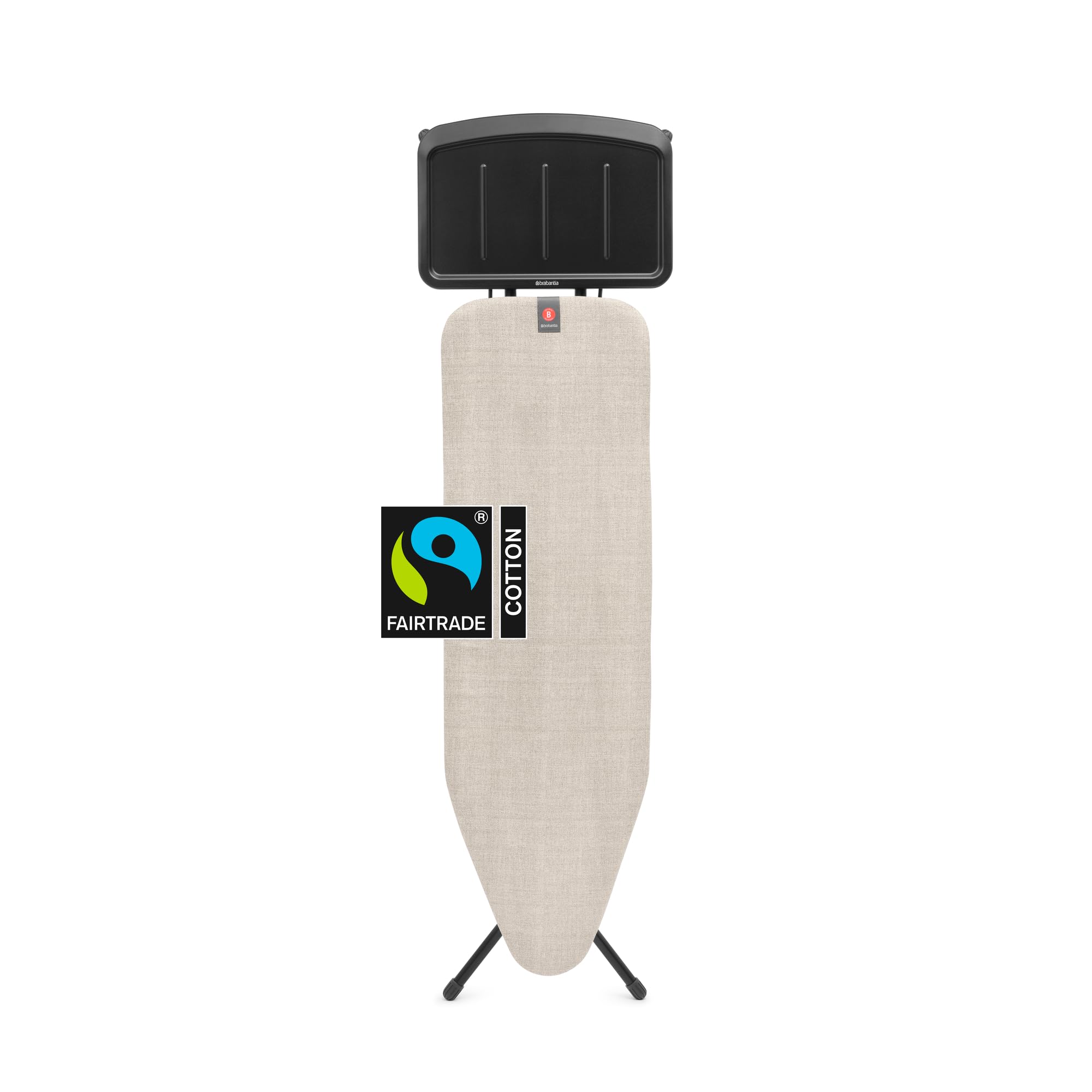
A sturdy, well‑built board with an oversized metal steam unit rest and solid height adjustments — my go‑to for quilting sessions that need steam and space.
Why I picked it: I picked it for its stability, large steam unit holder, and adjustable height range.
Best for: Quilters who use a steam generator and need a reliable, wobble‑free surface.
A premium mid‑range option that performs like a more expensive board.
Pros
- Very stable, minimal wobble
- Large metal steam unit rest
- Multiple height adjustments
- Child lock for safe storage
- Non‑slip protective feet
Cons
- Metal rest may get hot
- Cover feels thin to some users
My take
This is the board I reach for when I’m tackling big quilt blocks or using my steam generator. The extra‑large metal steam unit rest lets me park the generator securely, which keeps hoses and weight off the ironing surface. That alone makes long pressing sessions less fussy.
I appreciated the solid, no‑wobble feel under heavy steam. The height adjustments gave me comfortable working positions for both standing and seated pressing. The child‑lock and robust feet make moving and storing the board easy and safe.
Two practical notes from my time with it: the steam rest is metal, so I’m careful about placing a hot iron directly on the rest, and the stock cover felt a bit thin after repeated heavy use — I replaced it with a thicker quilting pad to get a plusher pressing surface. Overall, the mix of stability and steam compatibility is what made this my top pick.
2. Minky Ergo Plus Ironing Board – Best for Comfort
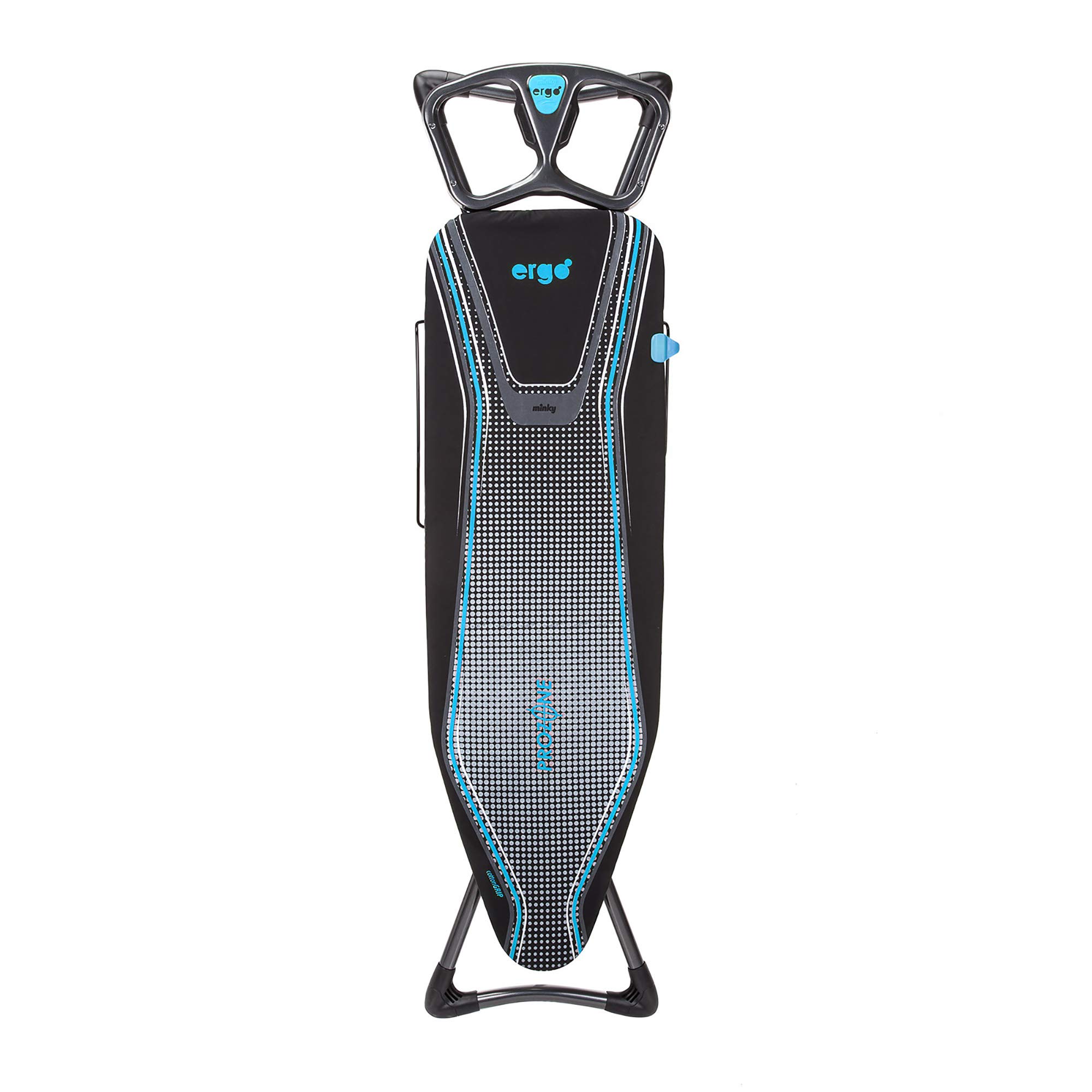
An ergonomically shaped board with a low steam generator rest and a heat‑reflective cover — I found it kinder to my back during long press sessions.
Why I picked it: I chose it for the ergonomic rest, reflective Prozone cover, and comfortable working height options.
Best for: Quilters who iron frequently and want a comfortable, ergonomic setup.
A mid‑range choice focused on comfort and durability.
Pros
- Ergonomic steam generator rest
- Heat‑reflective Prozone cover
- Adjustable heights for posture
- Five‑year manufacturer warranty
Cons
- Heavier and less portable
- Pad may be thin for heavy use
My take
When I do marathon pressing sessions, the Minky Ergo Plus keeps my shoulders and arms from tiring out. The shaped rest follows a natural arm motion, which makes repetitive movements feel less strenuous than a flat rest.
The Prozone cover's heat‑reflective panels speed up flattening creases, so I spent less time on each seam. Stability is excellent — this board doesn’t tip when I press hard at the end of a seam, which is important when working with bulky quilt layers.
The tradeoffs: it’s heavier than basic boards and the factory pad felt a bit thin to me for very delicate or thin fabrics. I ended up swapping in a thicker pad for quilting use. Still, for comfort and long sessions it’s hard to beat.
3. Amazon Basics Tabletop Ironing Board – Best Compact
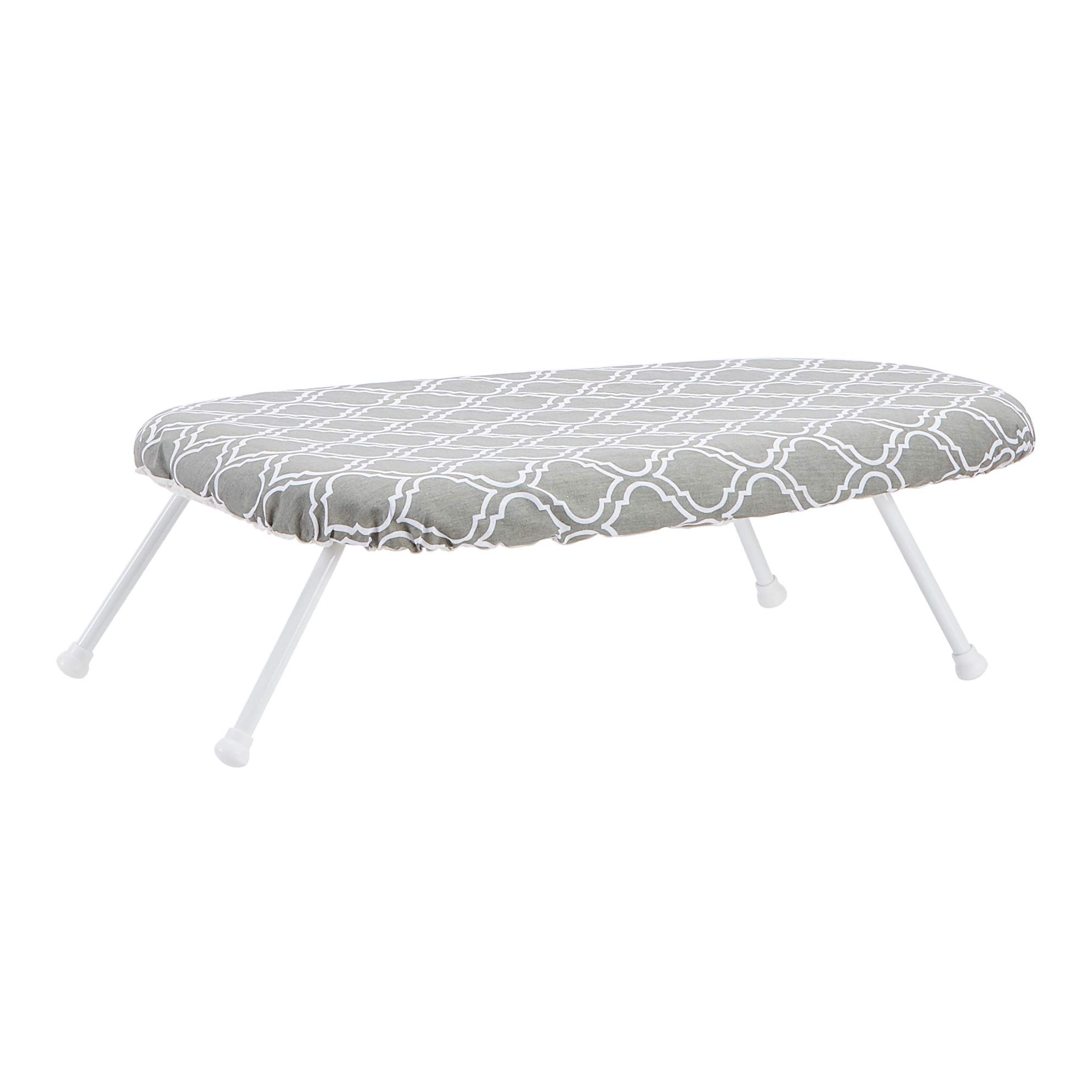
A lightweight, portable tabletop board that excels for small spaces and quick touch‑ups in my sewing room.
Why I picked it: I picked it for compact convenience, easy storage, and surprising stability on counters.
Best for: Quilters with limited space or who want a second board for quick tasks.
The most budget‑friendly, space‑saving option here.
Pros
- Compact and lightweight
- Machine‑washable removable cover
- Stable on countertops
- Easy to store flat
Cons
- Small surface for large quilts
- Less comfortable for long sessions
My take
I keep this tabletop board in my sewing room for seam‑pressing and small blocks. It’s fast to set up and folds flat for storage, which means I don’t have to wrestle a full‑size board out just to press a few seams.
The removable, washable cover is a practical touch — I’ve thrown it in the wash after pins and glue residue, and it behaved well. Despite being lightweight, the legs lock securely and I’ve used it on a washer, countertop, and folding table without worrying about wobble.
If you work on full‑size quilt tops this won’t replace a large board, but for piecing and quick pressing it has become the tool I grab first.
4. Bartnelli Pro Ironing Board – Best for Large Items
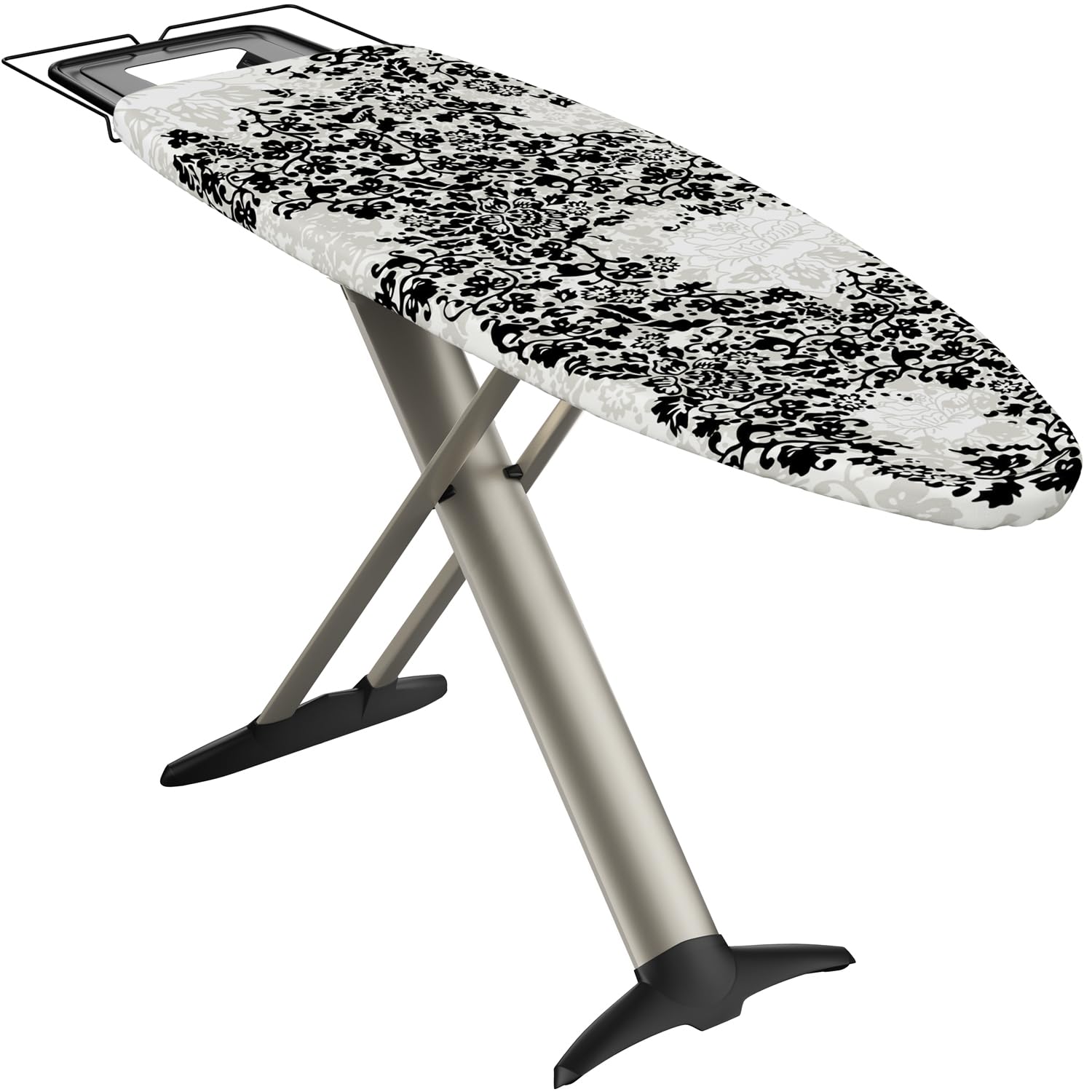
An extra‑wide European‑made board with a roomy surface and thick pad — I recommend it when I need serious real estate for quilts and linens.
Why I picked it: I picked it for its oversized surface, thick cotton cover, and included accessories like the iron rest shelf.
Best for: Quilters who press large pieces, sheets, or entire quilt tops at a time.
A higher‑end, extra‑wide investment for large‑format pressing.
Pros
- Very wide 51×19 surface
- Thick cotton cover and foam pad
- Sturdy, European construction
- Includes iron rest and hanging rack
Cons
- Higher cost than basic boards
- Takes more storage space
My take
When I need to press big pieces without constantly shifting the fabric, this Bartnelli board gives me the room to work. The extra‑wide surface means I can lay larger quilt sections flat and press seams in longer runs.
The build feels solid and the included iron rest shelf and hanging rack keep tools organized while I work. The cotton cover with resilient foam underneath makes pressing feel consistent and smooth across the entire surface.
This is the board I choose when I want a dedicated, no‑compromise setup for bulky projects. It’s a bigger investment and it needs a convenient storage spot, but for the time it saves me on large quilts it’s worth it.
How I Choose Ironing Boards for Quilting
Surface size and shape
I prioritize a board that gives me enough usable surface to press long seams and larger quilt blocks without constant repositioning.
A narrower board can be fine for piecing, but I prefer extra width when I’m flattening quilt tops or pressing large sections.
- Extra width reduces fabric shifting during pressing
- Tabletop boards are ideal for small spaces and quick tasks
Stability and leg design
I test boards under heavy steam to see if legs wobble or if the frame creaks; a stable base saves time and prevents mistakes when pressing seams.
Look for non‑slip feet and secure locks to keep the board steady during use.
- Cross‑braced legs add stability
- Non‑slip caps protect surfaces and reduce movement
Steam compatibility and rests
If you use a steam generator, I insist on a board with a large, secure steam unit rest so the generator doesn’t sit on the ironing surface.
Some rests are metal and durable, but I avoid placing a hot iron directly on metal without a heat mat.
- Check for a dedicated steam unit rest
- Choose a heat‑resistant rest if you leave irons hot
Padding and cover
I prefer a thick pad and a cotton cover or heat‑reflective panels — they speed pressing and give a smooth finish to seams.
Removable, washable covers are a practical plus when you work with adhesives or frequent pinning.
- Thicker padding prevents imprinting on thin fabrics
- Heat‑reflective covers can speed up crease removal
Portability and storage
If I’m moving between rooms or have limited storage, a lightweight or folding design is essential.
For a dedicated quilting area I prefer a heavier, more stable board that stays put.
- Tabletop boards fold flat for easy storage
- Full‑size boards require designated storage space
Frequently Asked Questions
Do I need an extra‑wide board for quilting?
I recommend extra width if you frequently press quilt tops or large panels — it cuts down on repositioning and makes long seams easier to handle.
Can I use a steam generator on any ironing board?
Not all boards accommodate steam generators. I look for a dedicated, oversized steam unit rest so the generator sits securely and hoses don’t drag across my work surface.
Should I replace the stock pad and cover?
If the cover or pad feels thin under steam, I replace it with a thicker quilting pad and a cotton or heat‑reflective cover for more consistent pressing results.
Final Take
My picks cover the range from compact tabletop convenience to full‑size, steam‑ready workhorses. Choose based on how much surface you need and whether you use a steam generator.
For most quilters I reach for the stable, steam‑friendly board; if space or budget is tight, the tabletop option keeps pressing fast and simple.
Whichever board you choose, prioritize stability, a secure steam rest, and a good pad — those three things make pressing quilt work noticeably easier.
