
I tested a range of ironing boards so you can pick the right balance of stability, surface area, and storage for your routine.
I spend a lot of time ironing and have tried boards for everything from daily shirts to large linens. In this roundup I focused on stability, padding, iron rests, and how compact the board becomes for storage.
My aim was to recommend boards that actually make ironing easier—whether you need a heavy-duty workhorse, a back-friendly ergonomic option, or a tiny board that tucks away without fuss.
Below I explain why each board earned its spot and which one I reach for in different situations.
I compared boards on stability, usable surface, cover padding, iron rest design, and storage footprint so you can match a board to how and where you iron.
1. Brabantia Size B Ironing Board – Best Overall
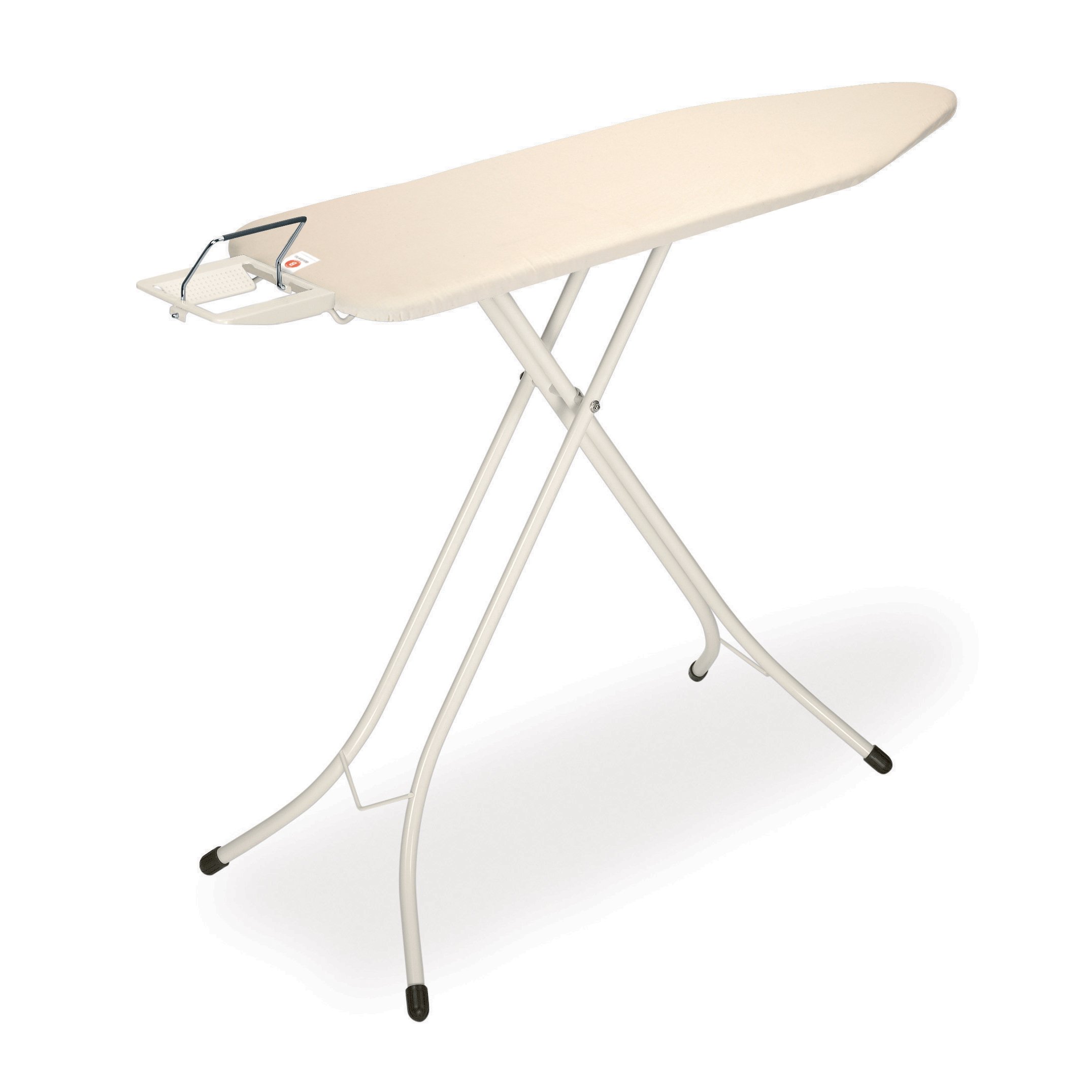
I picked this as my all‑around board because it balances width, stability, and useful features without feeling flimsy.
Why I picked it: Solid frame, adjustable heights, and a practical iron rest for left or right use.
Best for: Regular home ironing, quilting, and anyone who values a stable, full‑size surface.
Mid‑to‑premium price for durable construction and a long guarantee.
Pros
- Very stable frame and non‑slip feet
- Left/right iron rest works for any setup
- Child lock prevents accidental collapse
- Generous, usable ironing surface
Cons
- Iron rest is metal rather than cushioned
- Some covers can be thinner than expected
My take
This is the board I reach for when I want a trouble‑free ironing session. The frame feels solid underfoot and the legs don’t wobble when I press on the end—important when I’m tackling quilts or several layers.
Height adjustment is easy and covers my preferred range, which keeps my back from cramping during longer jobs. I also like the iron rest that accommodates left‑ or right‑handed use; the placement is sensible and secure for most modern irons.
The child‑safe lock gives me peace of mind when I fold and store the board, and the protective caps on the feet stop slipping and scratching on hardwood floors. One thing to watch: a few people reported thinner covers that can show wear, so I keep a spare cover handy.
2. Minky Ergo Plus Ironing Board – Best for Ergonomics
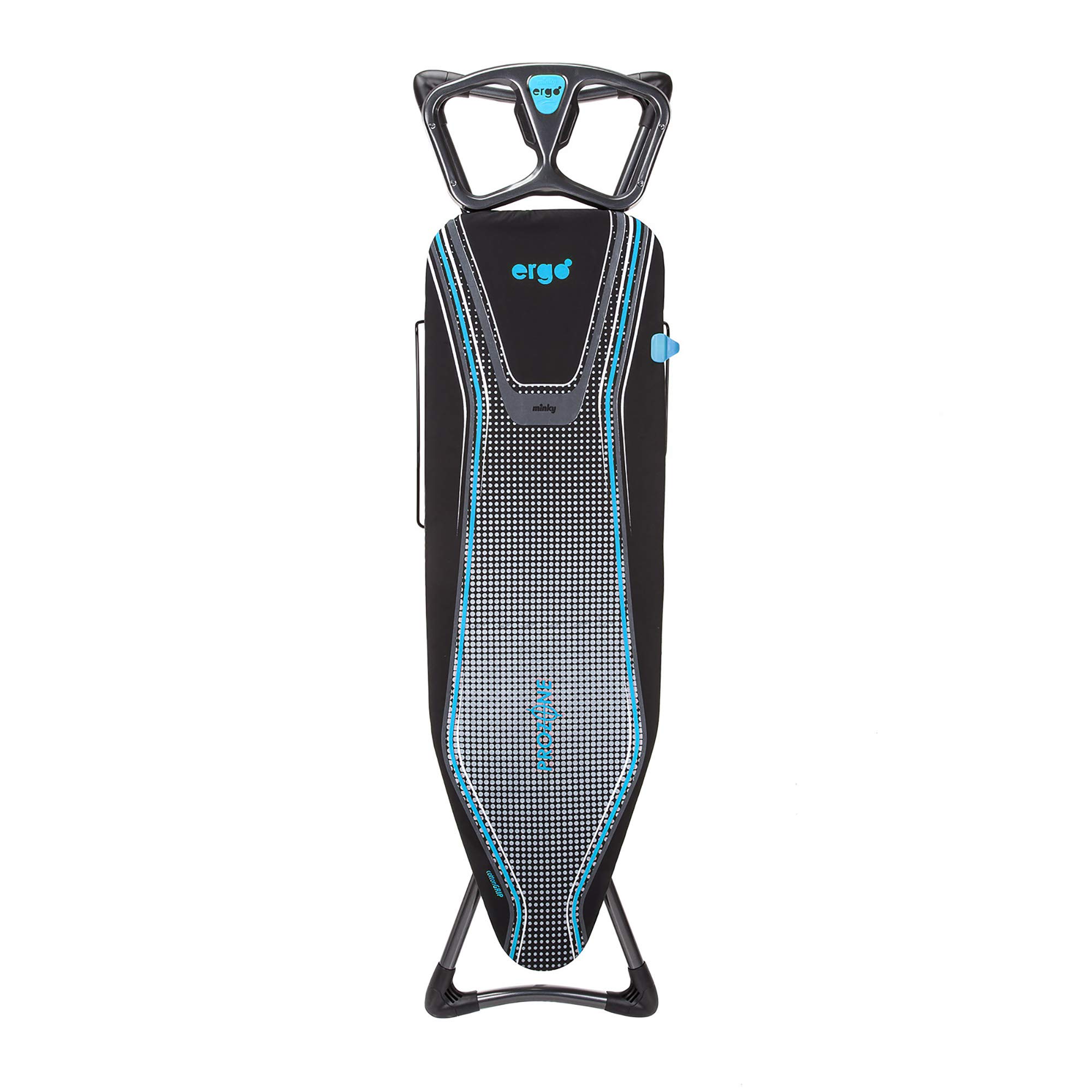
I recommend this if your priority is a comfortable ironing posture and a thoughtful rest for steam generators.
Why I picked it: Ergonomic rest and reflective cover speed up ironing while reducing shoulder strain.
Best for: Daily shirt ironing, steam generator setups, and anyone with back or shoulder sensitivity.
A comfortable, slightly higher investment for ergonomic benefits and durability.
Pros
- Ergo rest reduces arm and shoulder strain
- Heat‑reflective Prozone cover speeds ironing
- Very stable construction
- Long service life with replaceable pads
Cons
- Heavier to move around
- Standard pad can be thin on arrival
My take
When my back started complaining, this was the board that made ironing painless again. The shaped low‑level rest keeps my arm in a natural rhythm and I can use the iron resting position comfortably with a steam generator.
The Prozone areas on the cover genuinely help remove creases faster because they reflect heat back into the fabric. I’ve been using replacement padding over time and the board’s metal structure has held up exceptionally well for years.
It is heavier than more basic boards, so I keep it in one place rather than hauling it between rooms. If you iron daily and want comfort over portability, this is the one I reach for.
3. Amazon Basics Compact Tabletop Board – Best Compact Tabletop
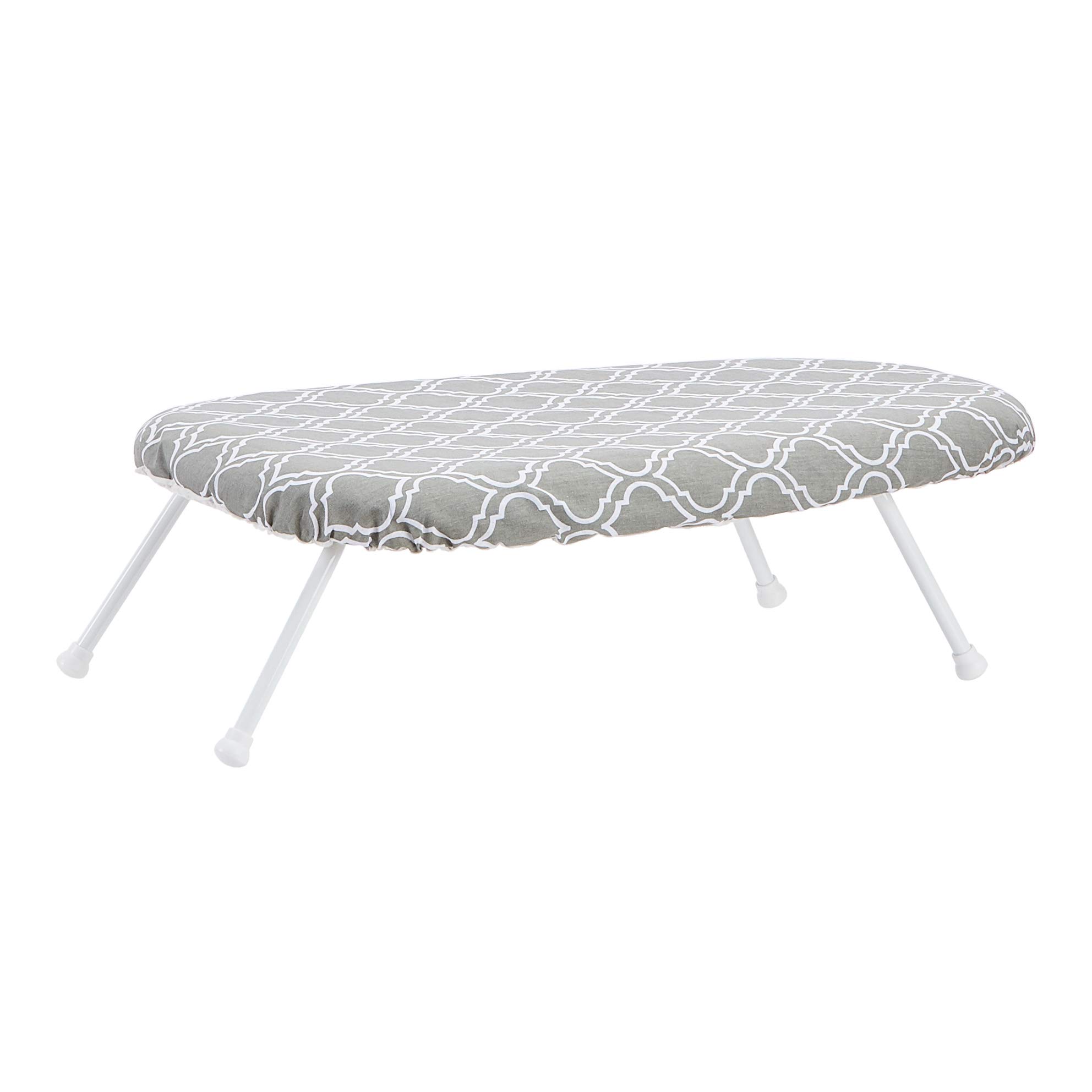
I keep this on my laundry room counter for quick touch‑ups and small sewing projects—it’s compact but surprisingly steady.
Why I picked it: Small footprint, washable cover, and stable folding legs make quick ironing easy.
Best for: Apartments, craft rooms, and fast touch‑ups when a full board is overkill.
Budget‑friendly choice for a dependable tabletop solution.
Pros
- Lightweight and easy to store
- Removable, machine‑washable cover
- Stable when set on counters
- Great for quick touch‑ups
Cons
- Too small for large linens
- Less surface for detailed shirt work
My take
This is the board I grab when I don’t want to unfold the full‑size setup. It’s light enough to move by hand yet locks solidly for countertop use.
The cover is removable and washable, which keeps the surface fresh even with heavy steam work. Padding is thicker than you’d expect for a tabletop model, so I don’t feel the iron buzzing through to whatever it sits on.
If I need to press sleeves, collars, or craft pieces quickly, this saves me time. For full shirts or big fabrics I still choose a larger board, but for everyday speed this gets a lot of airtime.
4. Bartnelli Pro Luxury Ironing Board – Best for Large Items
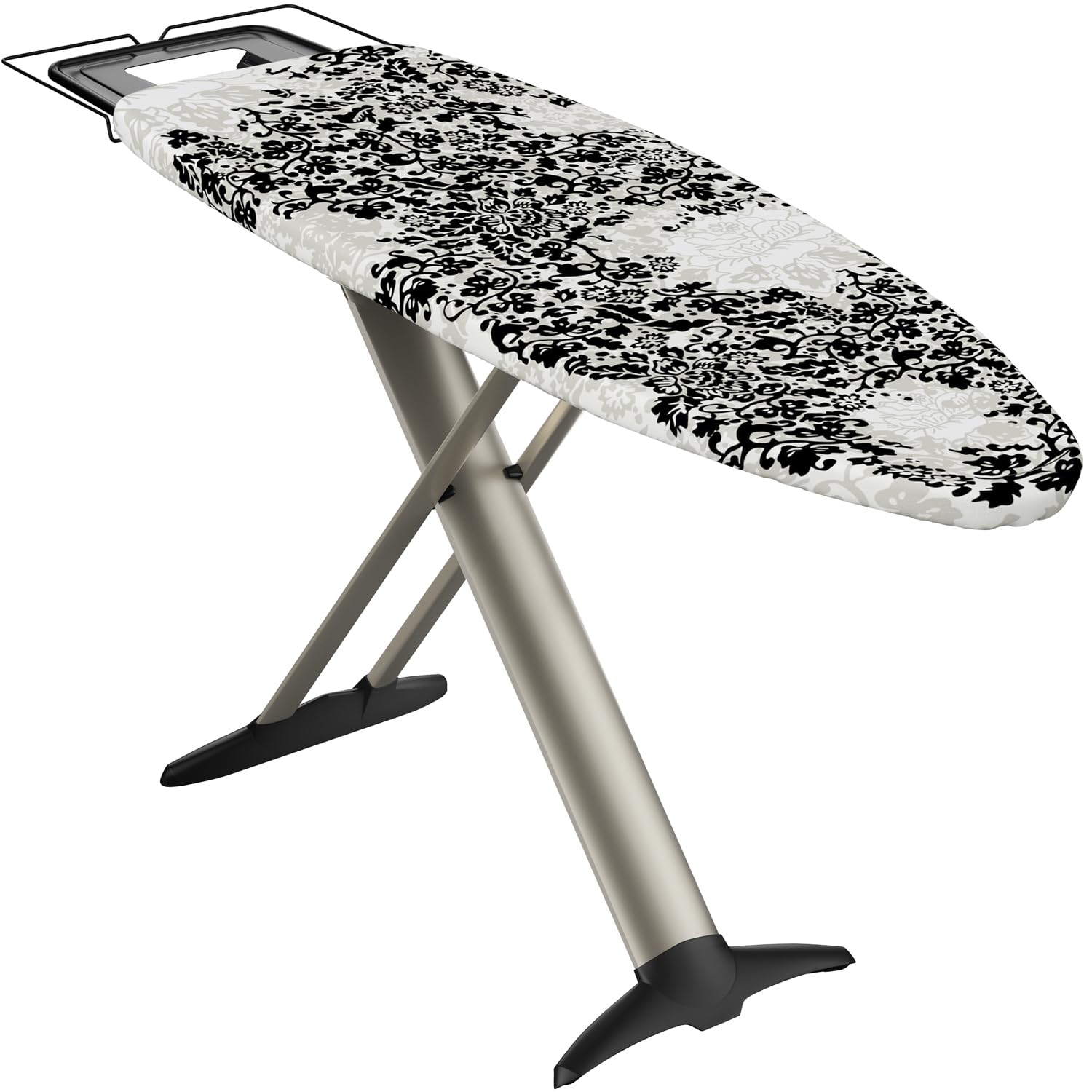
I recommend this when you need the extra width and a premium, no‑wobble feel for sheets and table linens.
Why I picked it: Extra‑wide surface and sturdy build make tackling big items quicker and less fussy.
Best for: Ironing sheets, tablecloths, and large garments without constant repositioning.
Premium option for people who prioritize surface area and build quality.
Pros
- Very large 51×19 surface
- Rock‑solid, European‑style construction
- Thick cotton cover and foam pad
- Adjustable heights with secure lock
Cons
- Heavier and less portable
- Higher cost compared with basic boards
My take
For anything oversized—bedsheets, large curtains, or big tablecloths—this board changes the game. The width means I stop fiddling with fabric mid‑press and can cover more area on each pass.
The aluminum build feels dense and stable; I don’t experience any tipping even when leaning into stubborn creases. The padding and cotton cover give a smooth glide and handle steam well.
This is a heavier piece of equipment, so I treat it as a semi‑permanent laundry room station rather than something I move daily. If you frequently iron large items, the extra investment pays back in time saved and fewer adjustments.
5. Joseph Joseph Pocket Folding Ironing Board – Best Space‑Saver
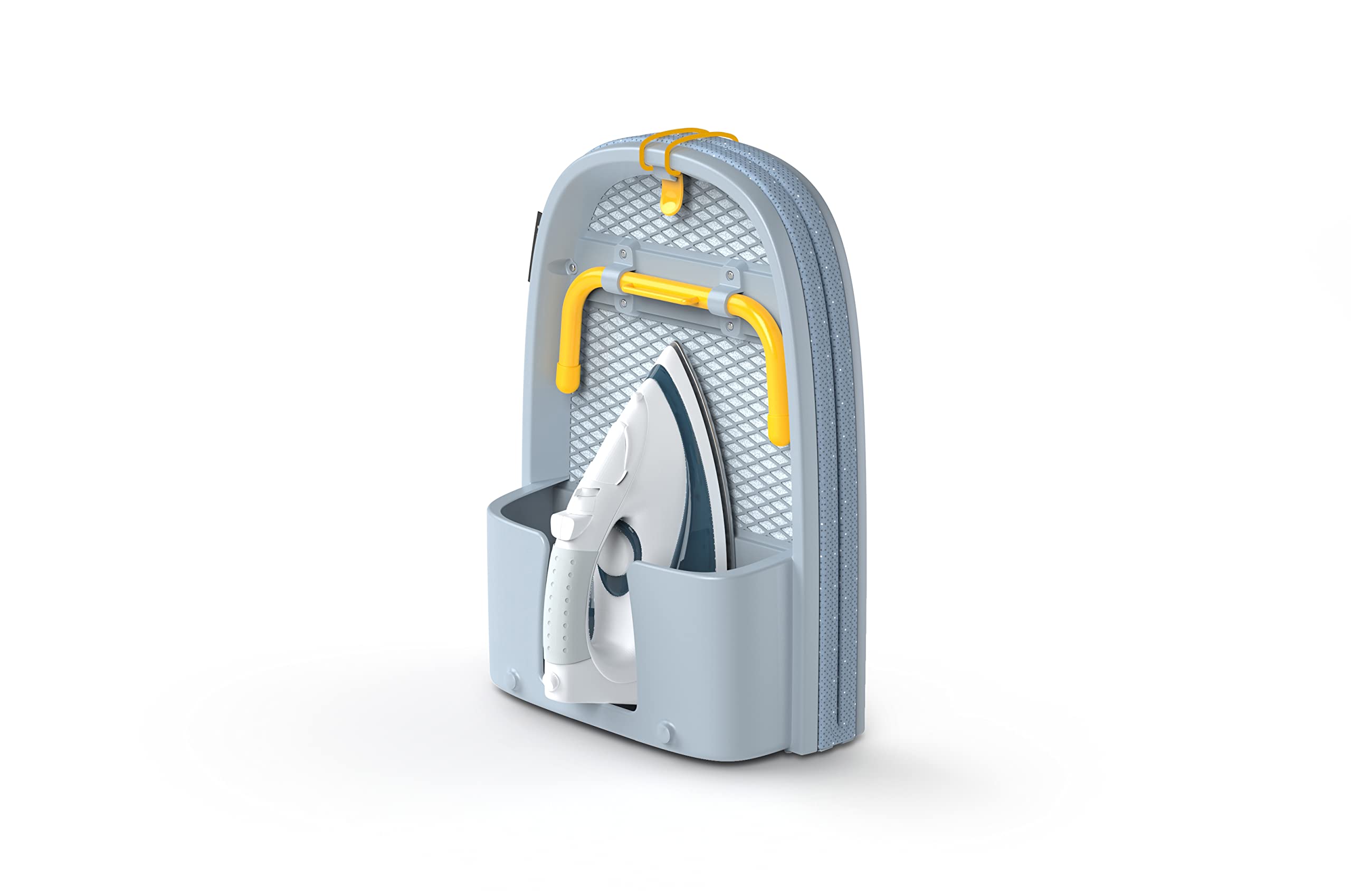
I use this when storage is at a premium—its fold‑in‑half design and wall hook make it extremely convenient.
Why I picked it: Ingenious built‑in iron storage and DripLock cover for steam usage in tight spaces.
Best for: Small apartments, occasional ironing, and anyone who needs compact, tidy storage.
Midrange cost for a smart, space‑saving design and practical features.
Pros
- Folds flat in half for tiny storage
- Built‑in iron compartment for neat storage
- DripLock cover handles steam well
- Includes hanging hook for wall mounting
Cons
- Shorter than a full board
- Not ideal for frequent shirt‑only ironing
My take
When I’m tight on storage, this is my go‑to. It folds neatly, the bungee clip keeps it shut, and the wall hook makes it disappear in a closet or behind a door.
The integrated iron compartment is a clever touch—I no longer chase down the iron in the laundry room. The DripLock cover soaks up excess water and protects surfaces when I use a steamer.
Bear in mind it trims off the pointed end you get with full boards, so it’s not my first choice for detailed shirt work or very long garments. For compact convenience and solid stability on a table or bed, though, it’s a winner.
How I Picked and What I Look For
Key factors I focus on
I consider five things every time: stability, surface area, cover and padding quality, iron rest design, and how easy the board is to store.
- Stability: A robust frame and non‑slip feet prevent wobble during heavy pressing.
- Surface area: Wider boards save time on sheets and large fabrics.
- Cover & padding: Thicker, washable covers and reflective zones improve glide and longevity.
- Iron rest: Look for left/right compatibility and room for steam generators.
- Storage: Folding method and hanging options matter in small homes.
Which board fits your needs
If you iron daily or handle large items, prioritize a wide, heavy‑duty board. If portability and storage are priorities, a tabletop or folding model will serve you better.
- Daily shirts: Ergonomic rest and steady height adjustment help reduce fatigue.
- Large linens: Choose an extra‑wide surface and secure locking legs.
- Small spaces: Pick a board that folds flat or mounts to the wall.
Covers, maintenance and safety I recommend
I replace worn covers proactively and keep a spare cover on hand for boards I use heavily. Always check the condition of locks and feet before each session.
- Washable covers keep the surface consistent and hygienic.
- Replace thin or holey padding before it damages fabrics.
- Use the child lock and foot caps to avoid accidents and surface damage.
Frequently Asked Questions
Can I use a steam generator on all these boards?
I use steam generators on boards with a dedicated, low iron rest or a DripLock cover—the Minky and Joseph Joseph models are designed for that. For compact boards, I watch padding and ventilation to avoid moisture buildup.
How do I know if a board is stable enough?
I press firmly on the tip and the center when testing. If it wobbles or creaks under moderate pressure, I keep looking. Solid joins, a secure lock, and non‑slip feet are the telltale signs I trust.
Are replacement covers easy to find?
Yes—most of these boards accept standard replacement covers. I recommend buying a spare for heavy use, especially if the original cover is on the thinner side.
Final Take
I’ve used each of these boards enough to know their strengths: pick the Brabantia for a reliable all‑around experience, the Minky for ergonomic comfort, Bartnelli when surface area matters, and the Amazon Basics or Joseph Joseph when space or speed is the priority.
Whatever you choose, match the board to how you iron most often—stability for heavy use, ergonomics for daily shirts, and compact designs for small homes. That’s how ironing becomes less of a chore and more of a tidy, efficient task.
