
I tested a range of kerosene heaters — from compact cook/heater combos to contractor-grade forced-air units — and I share which models I trust for emergency heat, daily supplemental warmth, and portable cooking.
I spent hands-on time with every heater below so I could judge real-world heat output, run time, and ease of use. I used them in living rooms, garages, sheds, and on camping trips, and I focused on safety features and fuel behavior because those are the things that matter most when you’re working with kerosene appliances.
Across these picks you’ll see compact 9–10k BTU cook/heater combos, midrange convection units around 23k BTU for large rooms, and a heavy-duty 75k forced-air option when you need instant, high-volume heat. I note practical trade-offs like weight, ignition method, and maintenance needs so you can pick the right heater for your setup.
I tested everything from small portable cook/heaters to large forced-air units so I could compare portability, sustained run time, and raw heat output; choose by the size of the space you need to warm, how portable you need the unit to be, and how much maintenance you’re willing to do.
1. Dyna-Glo WK24BK Kerosene Convection Heater – Best Overall
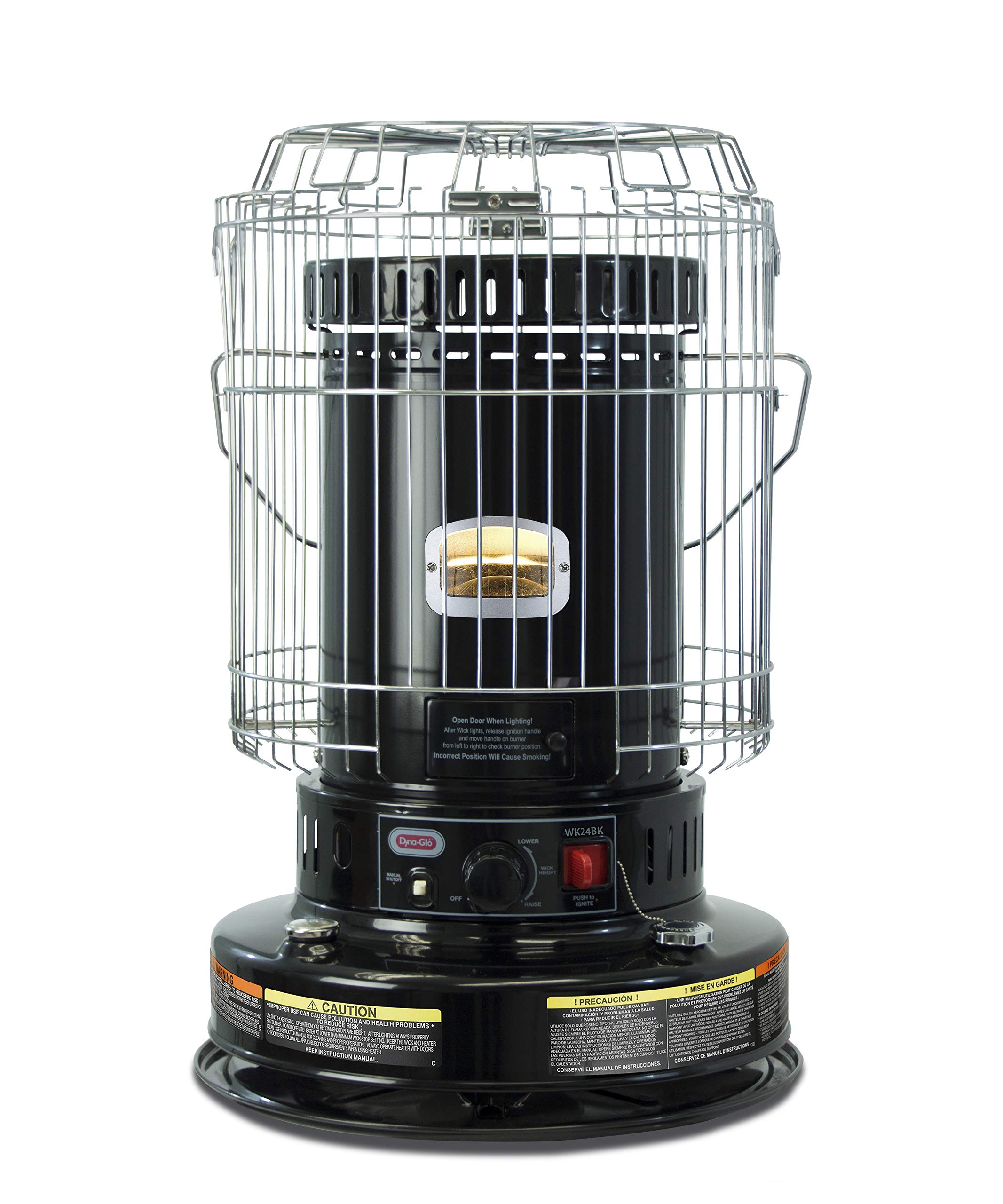
I used this Dyna‑Glo as my go‑to indoor supplemental heater because it combines high output with long run times and simple automatic controls.
Why I picked it: Strong output with long tank run times and practical safety features.
Best for: Large living spaces, basements, and emergency home backup.
Economical to operate for regular use.
Pros
- High heat output for large rooms
- Long 8–12 hour tank run time
- Automatic side ignition
- Easy-to-read fuel gauge
- Built-in safety shutoffs
Cons
- Relatively heavy and bulky
- No visible flame for ambience
- Packed with styrofoam
My take
I put the Dyna‑Glo on my living room floor and felt the difference within minutes — it pushes out strong convection heat that really reaches into adjoining rooms. The unit runs on 1‑K kerosene and I typically got around 8–11 hours from a full 1.9‑gallon tank depending on how hard I cranked it. I appreciated the automatic side ignition and one‑touch shutoff for quick starts and stops. Safety features like the tip‑over sensor and cool‑top design gave me comfort when I had it running around people and pets. It’s not pretty like a fireplace, but it outperformed my expectations for pure warmth and economy.
Maintenance is straightforward: the tank lifts out easily and the fuel gauge is helpful when planning refills. If you want a heater that’s dependable for indoor emergency use or steady zone heating, this is the one I reach for most often.
2. Sengoku HeatMate 110 10,000 BTU – Best Portable
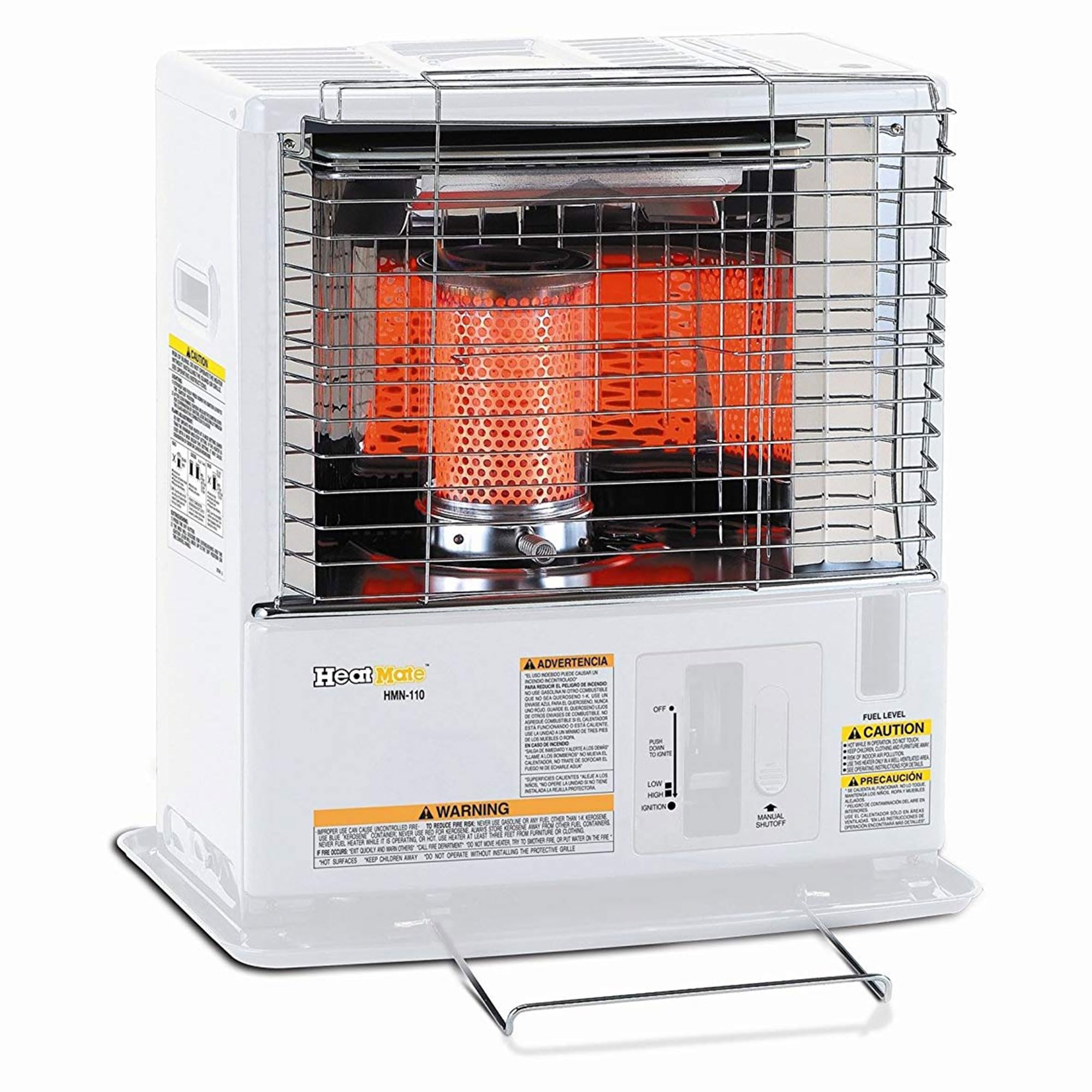
I keep the Sengoku HeatMate on hand when I need a compact, truly portable kerosene heater that still delivers surprisingly clean heat.
Why I picked it: Compact, lightweight, and engineered for easy carry and long run times.
Best for: Small rooms, garages, tents, and emergency portability.
A budget-friendly portable choice.
Pros
- Compact and easy to carry
- Push-button start (no matches)
- Up to long single‑fill run time
- Tip-over safety switch
- Protective grills
Cons
- Lower BTU than larger convection units
- Can need wick maintenance with heavy use
My take
This HeatMate is the unit I grab for a quick heat source in a garage or when I’m camping. The 1.2‑gallon tank gives me a long stretch between fills — I’ve seen very extended runs when I keep the wick clean — and the push‑button ignition is convenient when I don’t want to fuss with matches. I noticed a slight kerosene smell on startup that faded as the burner warmed; once the flame settles it burns very cleanly. It’s sensitive to wick condition, so I clean or rotate the wick regularly to keep the flame even. For a truly portable, no‑electric heater, this one balances size and practicality nicely.
I also appreciate the safety features: the tip‑over switch and flame adjuster make it sensible for temporary indoor use when properly ventilated.
3. Sengoku HeatMate HMC-23K 23,500 BTU – Best for Big Rooms
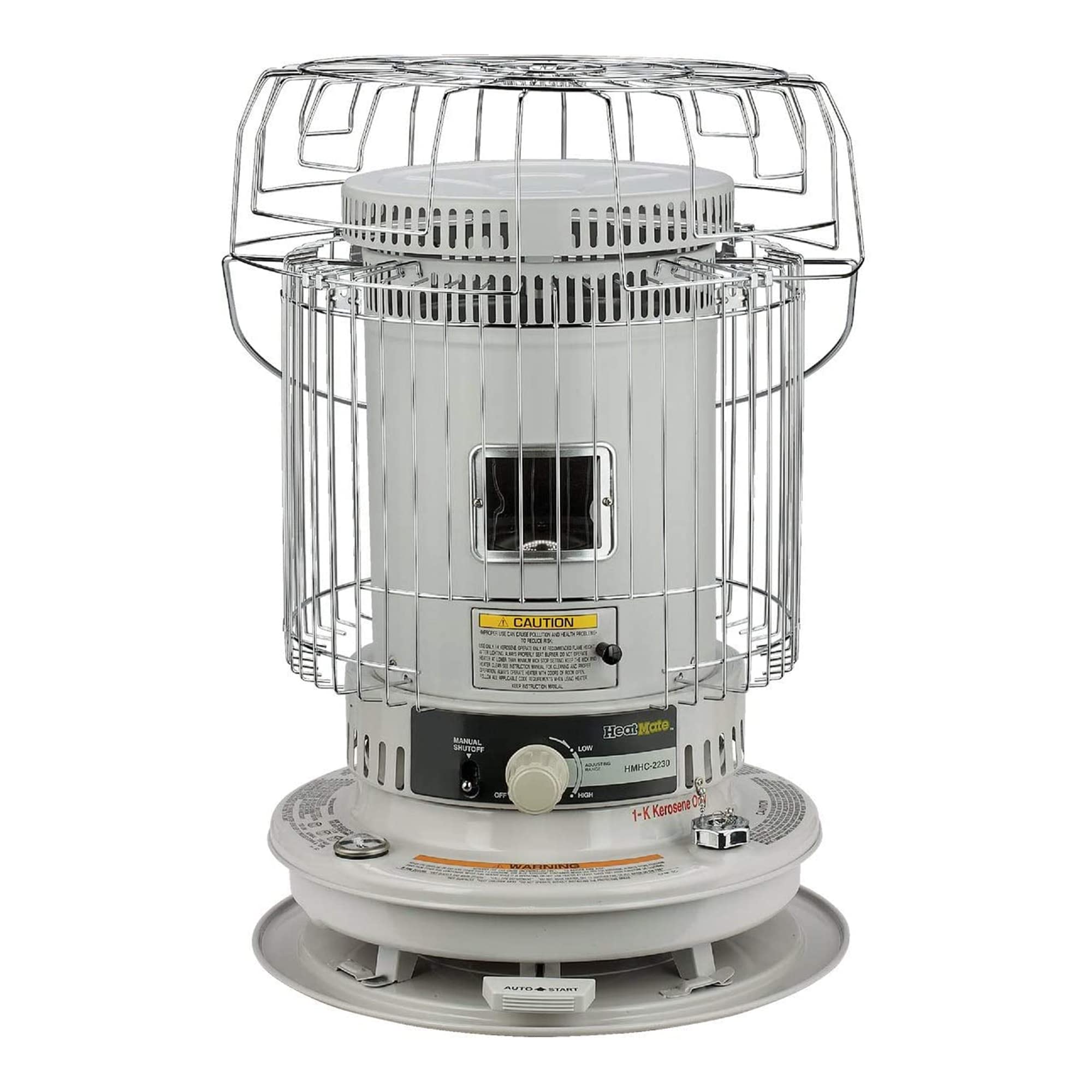
When I need a non‑electric heater to warm large rooms or workshops, this Sengoku HMC‑23K hits the sweet spot between power and run time.
Why I picked it: High output convection heating with a large fuel tank and good safety features.
Best for: Large rooms, garages, sheds, and poorly insulated spaces.
Mid-priced for higher output units.
Pros
- Powerful 23,500 BTU output
- Heats up to 1,000 sq ft
- 1.9‑gallon tank with long run time
- Automatic ignition and push-button start
- Protective guards and tip‑over shutoff
Cons
- Heavier than portable units
- Requires more fuel for sustained high output
My take
I used the HMC‑23K in a workshop and was impressed by how quickly it raised ambient temperature without needing electricity. With a full tank I regularly get many hours of heat — I recorded roughly 7–12 hours depending on flame setting and fuel type. I like the push‑button start and EZ flame adjuster; it’s easy to set an efficient flame that burns clean. For larger spaces where a 10k unit struggles, this Sengoku brings real, usable warmth and feels rugged enough for regular indoor or outdoor seasonal use.
If you run it near work areas, I recommend using higher‑quality kerosene and keeping CO monitoring in place — the unit itself handles fuel cleanly but good ventilation and maintenance matter.
4. Mr. Heater F270270 75,000 BTU Forced‑Air Heater – Best for Job Sites
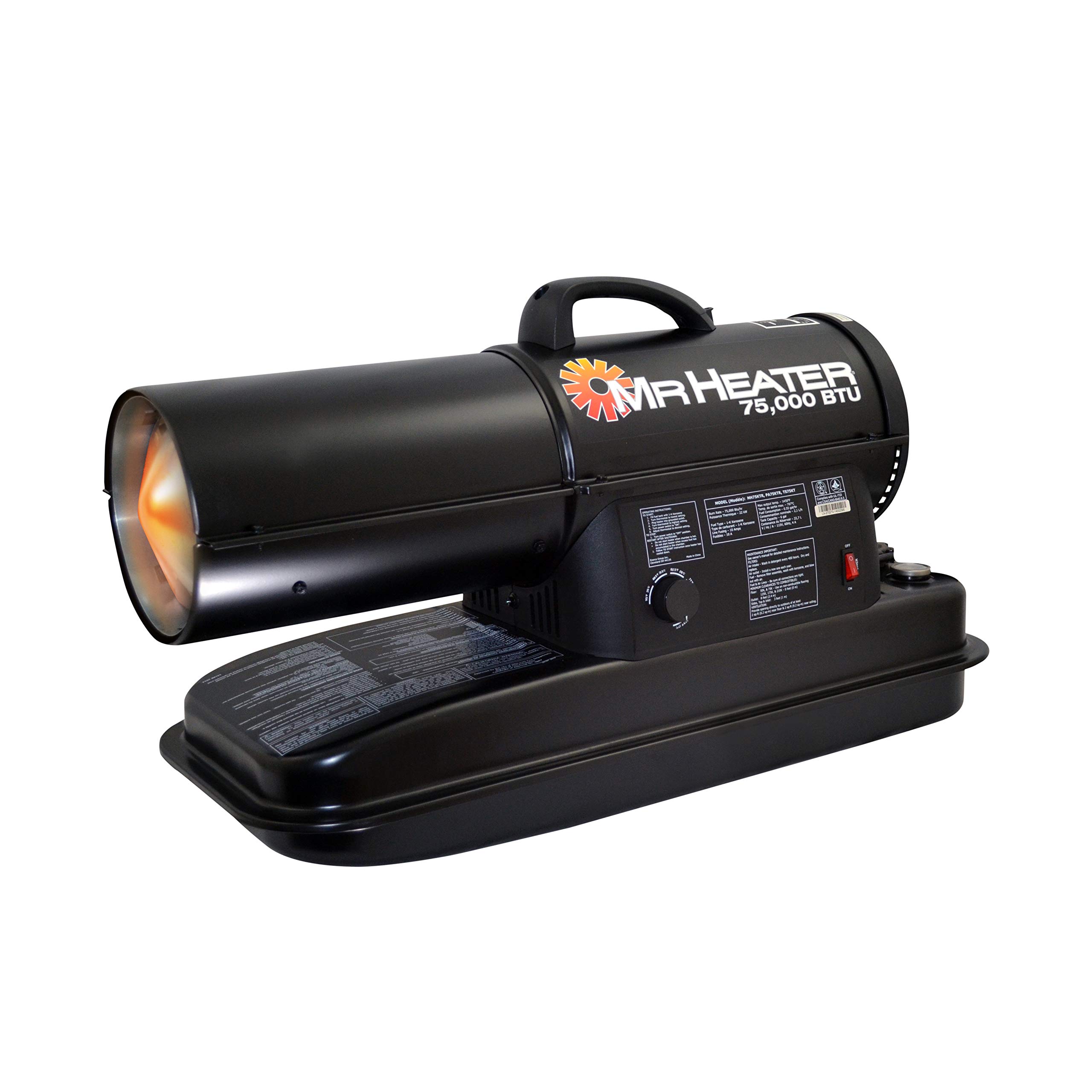
I turn to this Mr. Heater when I need instant, massive heat for large uninsulated spaces or job‑site needs.
Why I picked it: Industrial output and multi‑fuel capability for tough, cold jobs.
Best for: Workshops, job sites, large garages, and quick warm‑ups.
A heavier, professional‑grade option.
Pros
- Huge 75,000 BTU output
- Runs on kerosene, diesel, or jet fuel
- 6‑gallon tank with long runtime
- Built‑in thermostat and diagnostics
- Rugged, serviceable steel construction
Cons
- Bulky and heavy
- Requires ventilation and space
- More suited for job sites than living rooms
My take
This forced‑air unit is the one I pick when speed and volume matter. It heats very quickly and, with the built‑in thermostat, cycles in a way that keeps a workshop comfortable during long jobs. I’ve run it on quality diesel and kerosene with no trouble, and the high‑temperature shutoff and flame sensor add important safety layers. It’s not subtle — it’s loud and designed for performance — but in a big, cold space that’s exactly what I want. Maintenance is straightforward because the upper shell splits for access and the parts feel durable.
I treat this as a tool rather than a household appliance: plan for fuel handling, ventilation, and enough room for safe airflow.
5. Kero World DH‑31 B‑Style Igniter – Best Spare Part
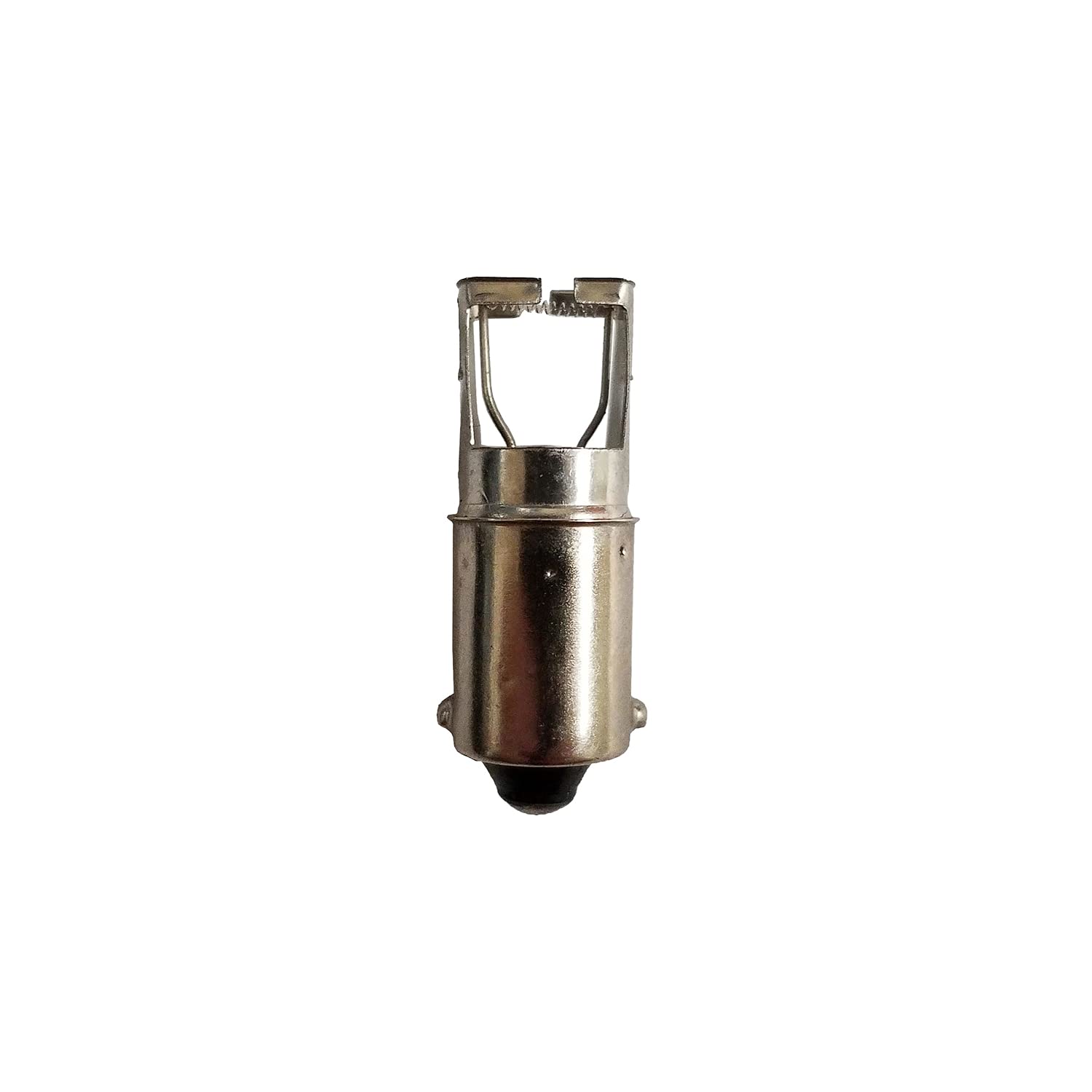
I keep a DH‑31 igniter in my parts box because it’s a low‑cost, exact‑fit replacement that gets older heaters firing again.
Why I picked it: Simple, inexpensive replacement that fits many B‑style sockets.
Best for: Owners needing an OEM‑style replacement igniter.
Very low‑cost spare part.
Pros
- Exact fit for B‑style sockets
- Easy push‑in installation
- Restores electronic ignition quickly
- Good value
Cons
- Filament is fragile
- Don’t use alkaline batteries
My take
This DH‑31 igniter is about as straightforward as repairs get: a quick swap and the heater lit right up. I advise using the correct battery type — alkaline cells can supply too much voltage and burn the filament — so follow the manufacturer guidance on battery type. The filament itself is delicate, so I handle it carefully when installing. For anyone replacing a burned‑out glow plug, this is the part I’d reach for first because it restores ignition without complicated work.
Keep a spare on the shelf; it’s inexpensive insurance for winter emergencies.
6. Kero World DH‑30 A‑Style Igniter – Best Compatibility
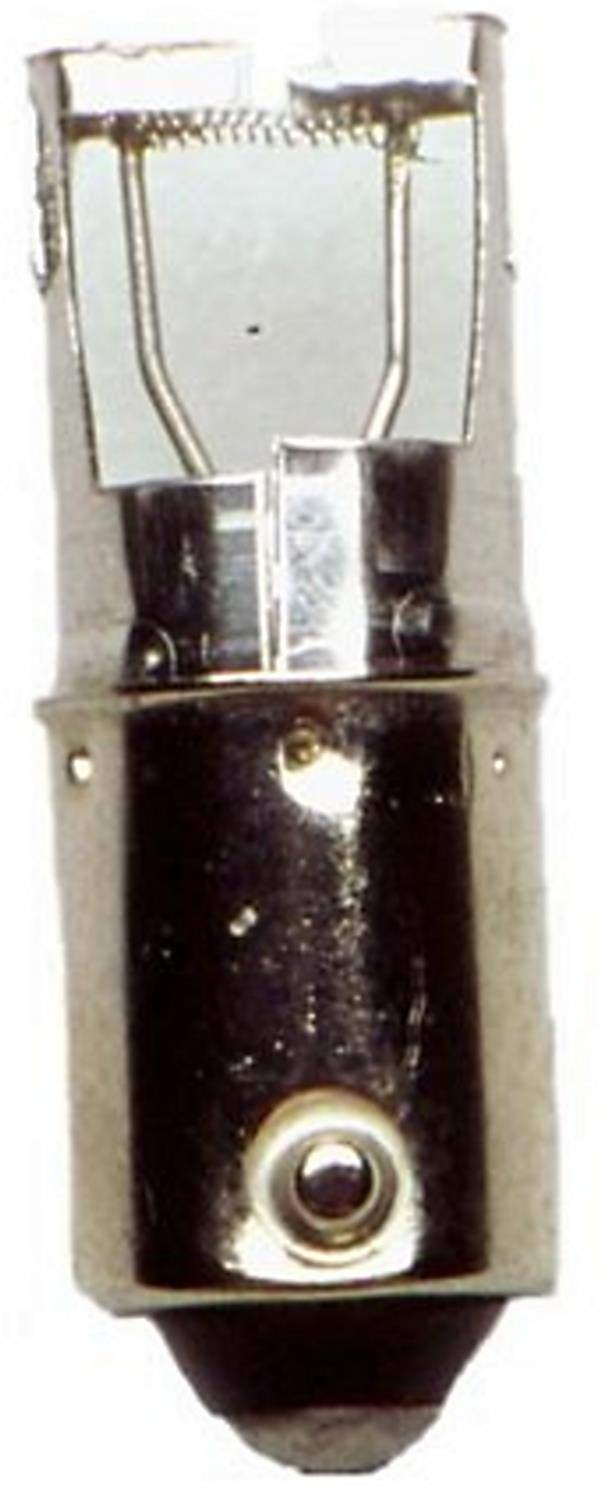
When my older heaters needed an A‑style igniter, the DH‑30 gave me a cheap, effective fix and fit a surprising range of brands.
Why I picked it: Widely compatible A‑style igniter and easy to install.
Best for: Older or Japanese‑style heaters needing an A‑style replacement.
Budget‑friendly part.
Pros
- Compatible with many brands
- Simple install like a light bulb
- Restores ignition quickly
- Low cost
Cons
- Coil is delicate
- Double‑check model before ordering
My take
I sourced the DH‑30 for a vintage unit and it worked as expected — straightforward installation and the heater fired up immediately. My experience is that these coils can be sensitive to corrosion and low voltage at the contacts, so if you have an older heater clean the terminals and check battery voltage before blaming the igniter. Having a spare A‑style igniter on hand saved me a service call and kept the heater usable through the season.
If you’re unsure which style you need, remove the old igniter and compare — it’s the easiest way to avoid the wrong part.
7. 2‑in‑1 Portable Kerosene Heater & Stove – Best for Camping & Cooking
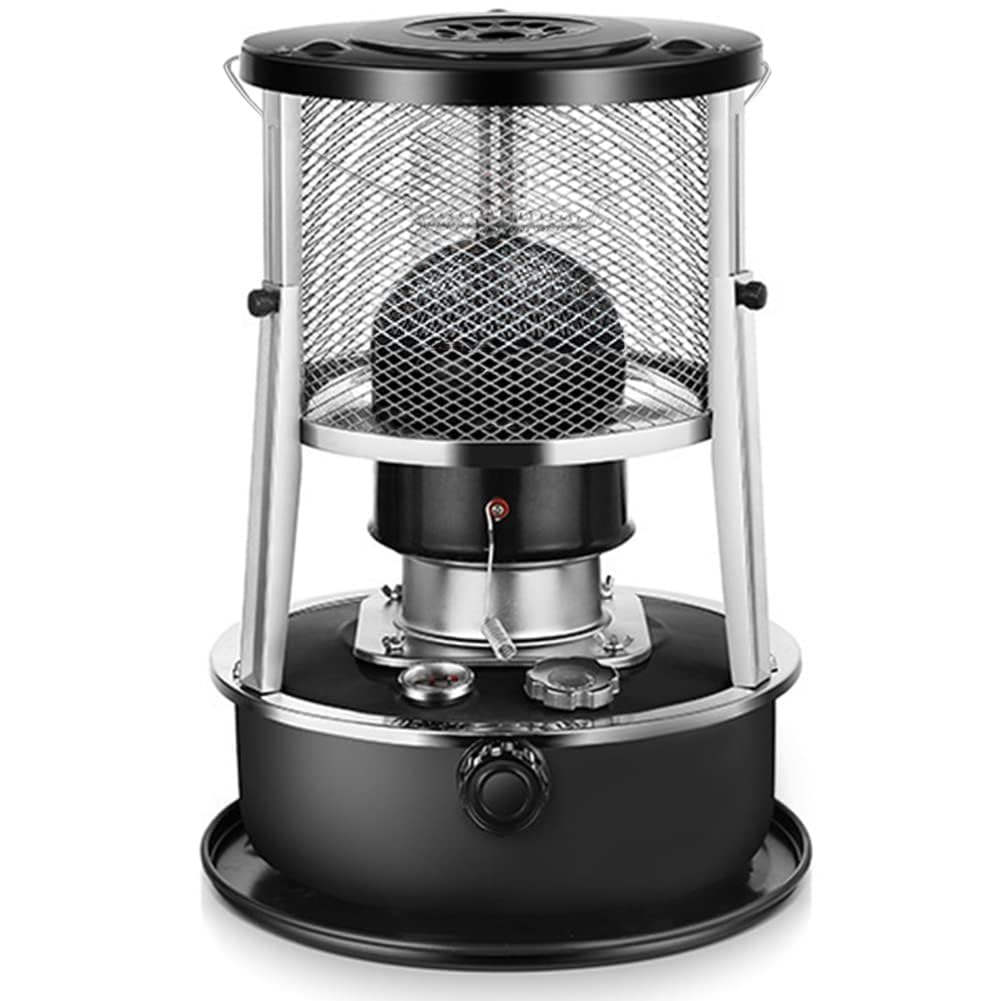
I used this 2‑in‑1 unit on winter camping trips and found its cook‑top plus 360° radiant heat invaluable for meals and personal warmth.
Why I picked it: Versatile cooker/heater combo that’s handy for camping and emergency cooking.
Best for: Camping, ice fishing, and small space cooking plus heating.
A very wallet‑friendly multifunction option.
Pros
- Cooktop and heater in one
- Includes siphon, funnel, gloves, and spare wick
- Adjustable height for cooking
- Long single‑fill burn time
Cons
- Wick can be fidgety
- Height adjust gear can get notchy
- May require wick reinstallation
My take
I brought this on a winter camping trip and used the top to boil water while the unit warmed my tent area — it’s a great dual‑purpose appliance. The included extras (siphon pump, funnel, gloves, spare wick) made setup and transport easier. It does take a little patience to get the wick adjusted for clean, efficient burn; my first few lightings needed small tweaks, but once the wick settled it ran reliably for long stretches. The mechanical height adjust was functional but got a bit stiff after repeated use, so I’d recommend exercising the mechanism before you head out.
For cooking and heat in one compact package, this unit is a practical pick if you accept some wick fiddling.
8. Portable 10,000 BTU Kerosene Heater – Best Value Small Heater
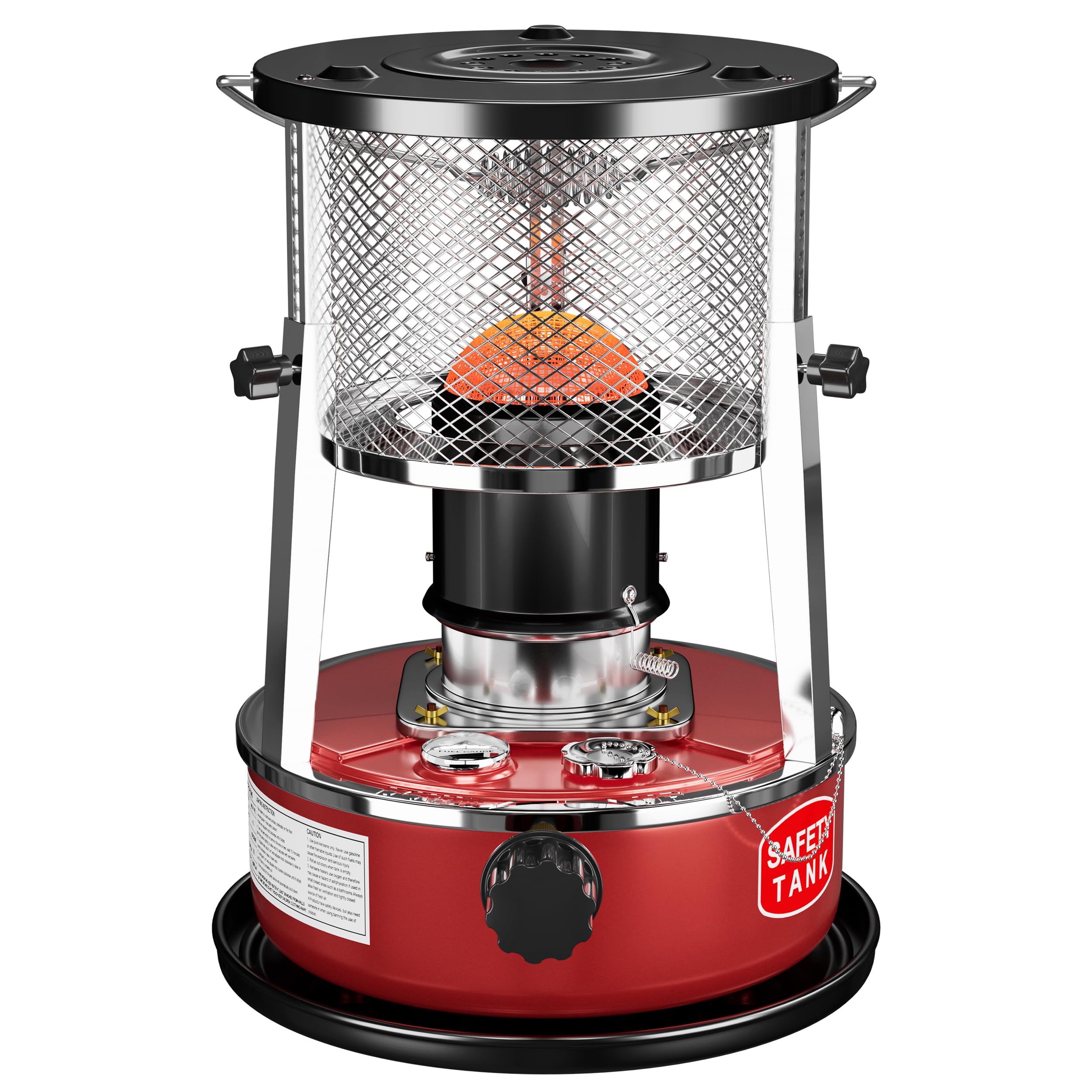
I relied on this compact 10k BTU heater to keep a small apartment and tents warm; when dialed in correctly it delivers surprisingly even, 360° heat.
Why I picked it: 360° radiant heat and long run time in a compact package.
Best for: Small to medium rooms, tents, and emergency indoor use.
Economical and efficient for its size.
Pros
- 360° efficient heating
- Fuel gauge and sealed filler cap
- Removable enamel top for cooking
- Compact and quiet
Cons
- Some units need match lighting
- Wick/knob problems reported
- No electronic ignition on some models
My take
I used this model in a small apartment during a cold snap and it kept my downstairs warm for hours on a single fill. The 360‑degree heat distribution is a big advantage when you want even warm air rather than a directional blast. I did encounter a few units with finicky wick adjustment — take time to set the wick and burn off any initial odors on first use — but once I got the flame dialed in it burned cleanly with minimal smell. This one is a smart, inexpensive choice when you need compact, multiuse heat.
For best results I use quality K‑1 kerosene and a CO detector in the same room; that combination keeps performance steady and safe.
How I Choose a Kerosene Heater
Match heater size to the space
I always pick BTU output based on room size: around 9–10k BTU for small rooms or tents, 20–25k BTU for large living rooms and garages, and 50k+ for fast, whole‑bay warmups in workshops. Consider insulation and ceiling height — vaulted rooms need more power.
- Small rooms/tents: ~9–10k BTU
- Large rooms/garages: ~20–25k BTU
- Job sites/barns: 50k–75k+ BTU
Fuel type and run time matter
I stick with K‑1 kerosene for indoor units because it burns cleaner and keeps wicks healthier. Tank capacity directly influences run time — 1.2–1.9 gallon tanks are common on portable units; larger tanks (4–6 gallons) suit forced‑air heaters used on jobsites.
- Use K‑1 kerosene for indoor use
- Check tank capacity for desired run time
- Higher BTU = higher fuel consumption
Ignition and safety features I look for
Automatic ignition and one‑touch shutoffs make startup and shutdown easier, especially in emergency situations. Tip‑over switches, protective grills, and cool‑top designs reduce accident risk. I always operate units with a CO detector and adequate ventilation.
- Prefer automatic or push‑button ignition
- Look for tip‑over and high‑temperature shutoffs
- Always use CO monitoring and ventilation
Maintenance and wick care
Wick condition determines burn quality. I clean or replace wicks regularly and burn units outside briefly if resin buildup occurs. Keep spare wicks and igniters on hand; they’re cheap insurance against downtime.
- Inspect wick every few uses
- Keep spare wicks and igniters
- Clean terminals and contacts on older units
Frequently Asked Questions
Are kerosene heaters safe to use indoors?
I use kerosene heaters indoors only with proper ventilation and a working CO detector. Choose K‑1 kerosene, follow the manufacturer’s ventilation guidance, and never run a unit in a sealed room for long periods.
What kerosene should I use?
I always use K‑1 (1‑K) kerosene for indoor heaters because it burns cleaner and reduces wick fouling versus off‑road diesel or mixed fuels.
How often should I replace the wick?
From my experience, wick lifespan depends on use. With regular use I inspect every few weeks and replace or clean the wick when flame quality degrades or resin buildup appears.
Do these heaters need electricity?
Most of the units I tested don’t need household power — they run on kerosene and battery igniters — but some larger forced‑air heaters use electric fans or diagnostics, so check the model before you buy.
Final Take
I recommend choosing based on the space you need to heat: small portable cook/heaters for camping and tents, midrange convection units for living rooms and garages, and the forced‑air Mr. Heater for big, fast heat on job sites.
Keep quality K‑1 kerosene, spare wicks and igniters, CO monitoring, and basic maintenance tools on hand — those steps made the biggest difference in performance and safety during my testing.
