
I tested popular squeeze bottles and condiment kits so you can pick the right size, cap style, and material for your sauces, oils, and dressings.
I rely on squeeze bottles daily — for grilling, prepping sauces, and portioning dressings — so I tested size, cap seal, fillability, and durability across common options.
In this roundup I focus on real-use details: how easy bottles are to fill and clean, whether caps leak, how the nozzle handles thick sauces, and which extras (funnels, labels) actually save time.
My picks cover heavy-duty 32 oz dispensers for busy service, smaller bottles for home use and travel, measured bottles for precision, and an organic branded ketchup if you want a ready-to-serve option.
I compared bottles by capacity, mouth opening, cap style (open tip vs. cut-to-size), material (HDPE/PP, BPA-free), dishwasher safety, and included accessories like funnels and labels.
1. Pinnacle Mercantile 32 oz Squeeze Bottles – Best Overall
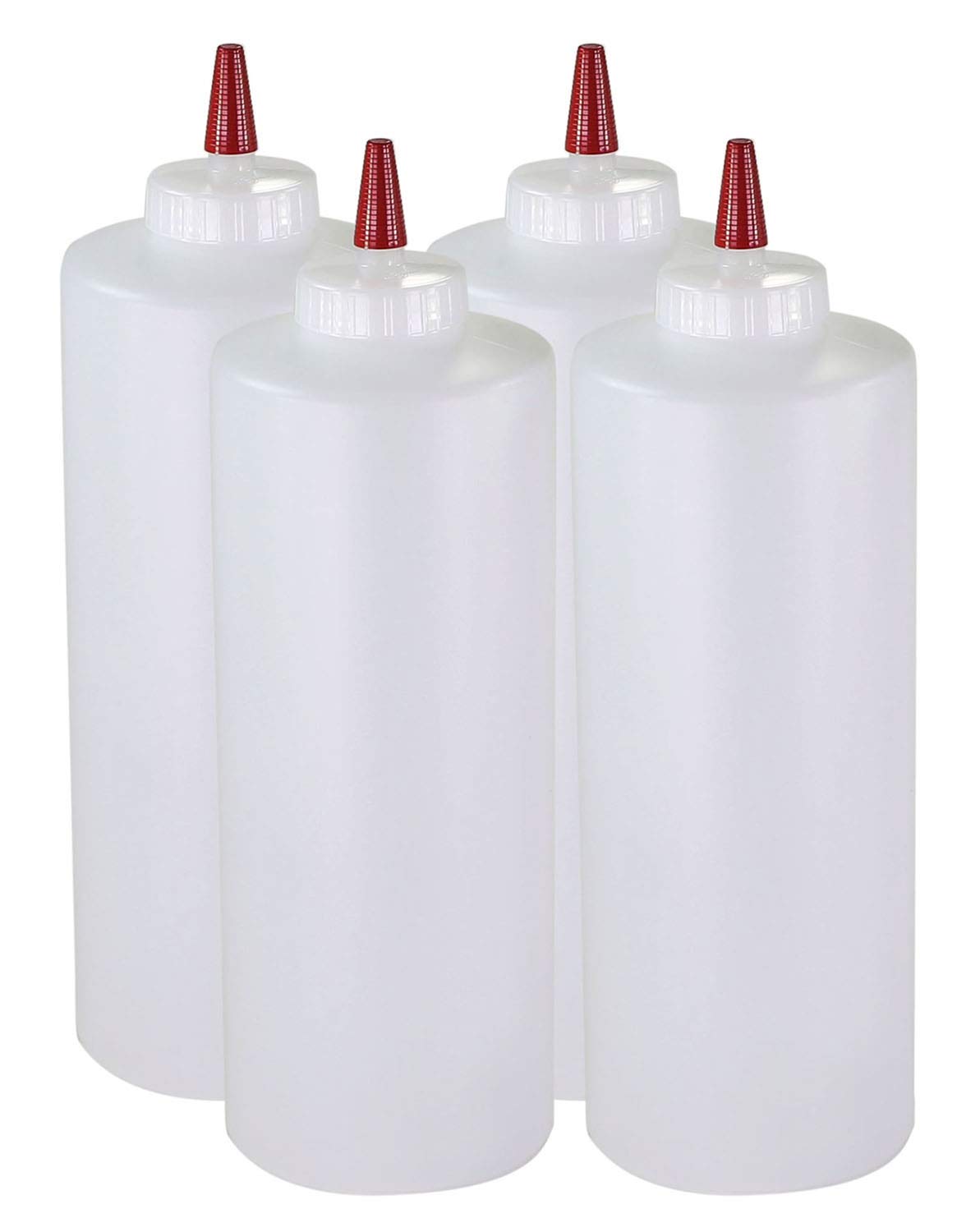
I picked these for their large capacity, sturdy feel, and easily refillable wide mouth that keeps high-volume prep flowing.
Why I picked it: Generous 32 oz size, wide mouth, and leakproof tip for heavy use.
Best for: High-volume cooking, outdoor grilling, and prefilled sauce stations.
Affordable for bulk kitchen use.
Pros
- Large 32 oz capacity
- Wide mouth for easy filling
- Leak-resistant cap
- Dishwasher-safe construction
Cons
- Bulky for fridge doors
- May need tip trimming for thick sauces
My take
These are the bottles I reach for when I need fewer refills and solid control during busy service. The wide mouth makes topping them off messy-free and the plastic feels thick enough to withstand regular squeezing without warping.
I tested them with ketchup, oil, and a thicker BBQ sauce. The nozzle gives a steady stream for thinner liquids; for thicker sauces I trimmed the tip slightly and kept the caps functional afterward. The caps seal tightly between uses, so I don’t get sticky build-up on the bottle necks.
Cleaning is straightforward — they last through my dishwasher cycles and hold up to heat better than many other thin-plastic bottles. If you run a home BBQ station or small catering, these cut down on refill time and keep portions consistent.
2. New Star 12 oz Squeeze Bottles – Best for Home Kitchens
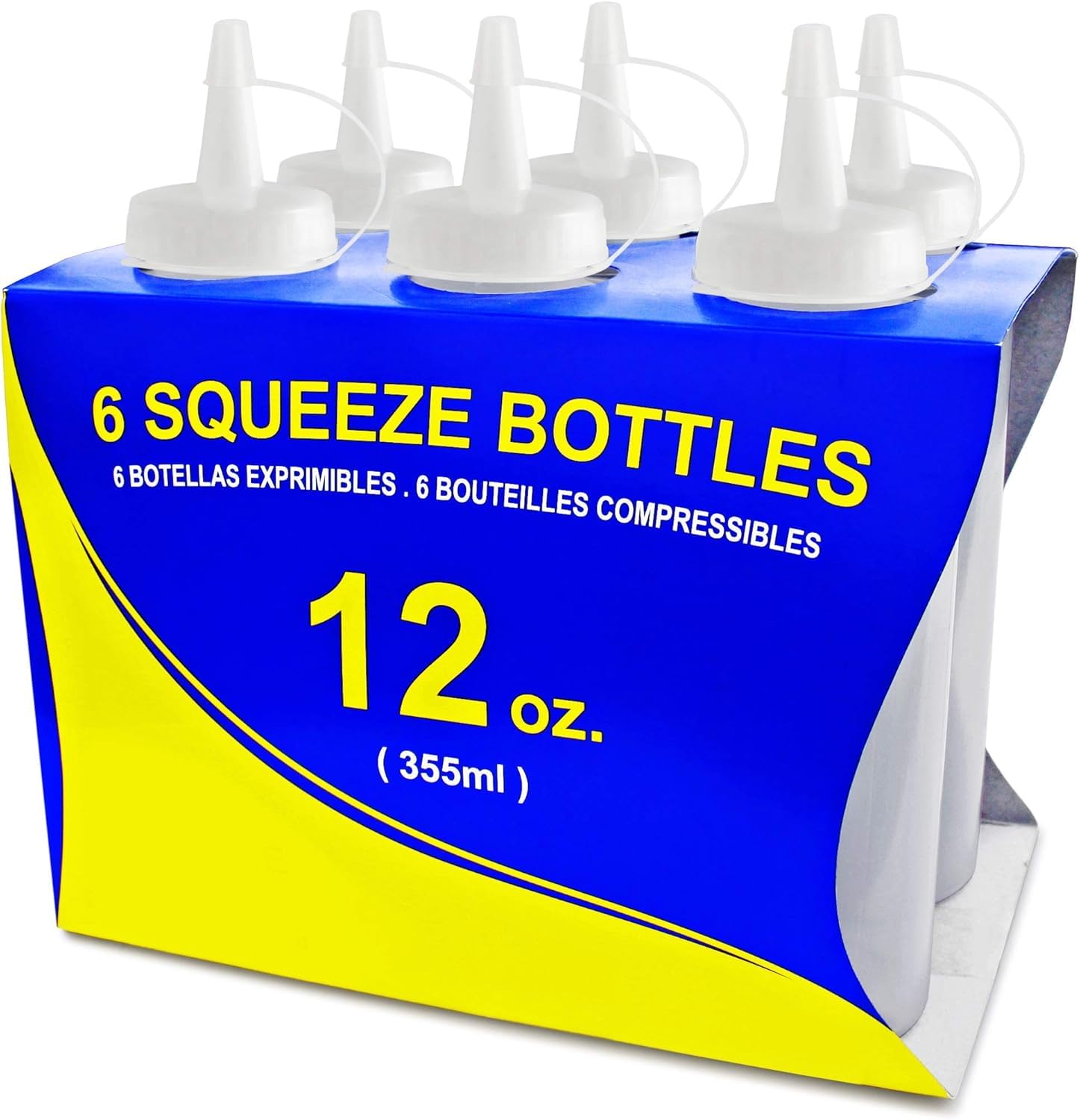
I appreciate the compact 12 oz size for fridge storage and multiple-bottle packs that keep a range of sauces ready.
Why I picked it: Compact 12 oz size and tight-seal caps for fridge-friendly organization.
Best for: Small kitchens, fridge doors, and individual sauce flavors.
Good value for multi-pack convenience.
Pros
- Fridge-friendly 12 oz size
- Tight-sealing open tip caps
- Flexible polypropylene body
- Dishwasher-safe
Cons
- Nozzle can be narrow for thick sauces
- Hand-washing needed for some builds
My take
I used these in my small kitchen and liked how they freed up fridge space while keeping multiple sauces at hand. The 12 oz size is ideal when I want a variety of flavors without storing bulky bottles.
The open-tip caps are leak-resistant out of the box, and I found I could widen the nozzle with a careful cut or a fork twist when I needed a larger flow. The plastic is flexible enough for good squeeze control but still sturdy.
They’re also handy for quick tasks like finishing wings with sauces or storing homemade dressings. For thicker condiments I do a small trim to the tip, and after that they performed reliably.
3. Homestead Choice 16 oz Squeeze Bottles – Best Two-Pack
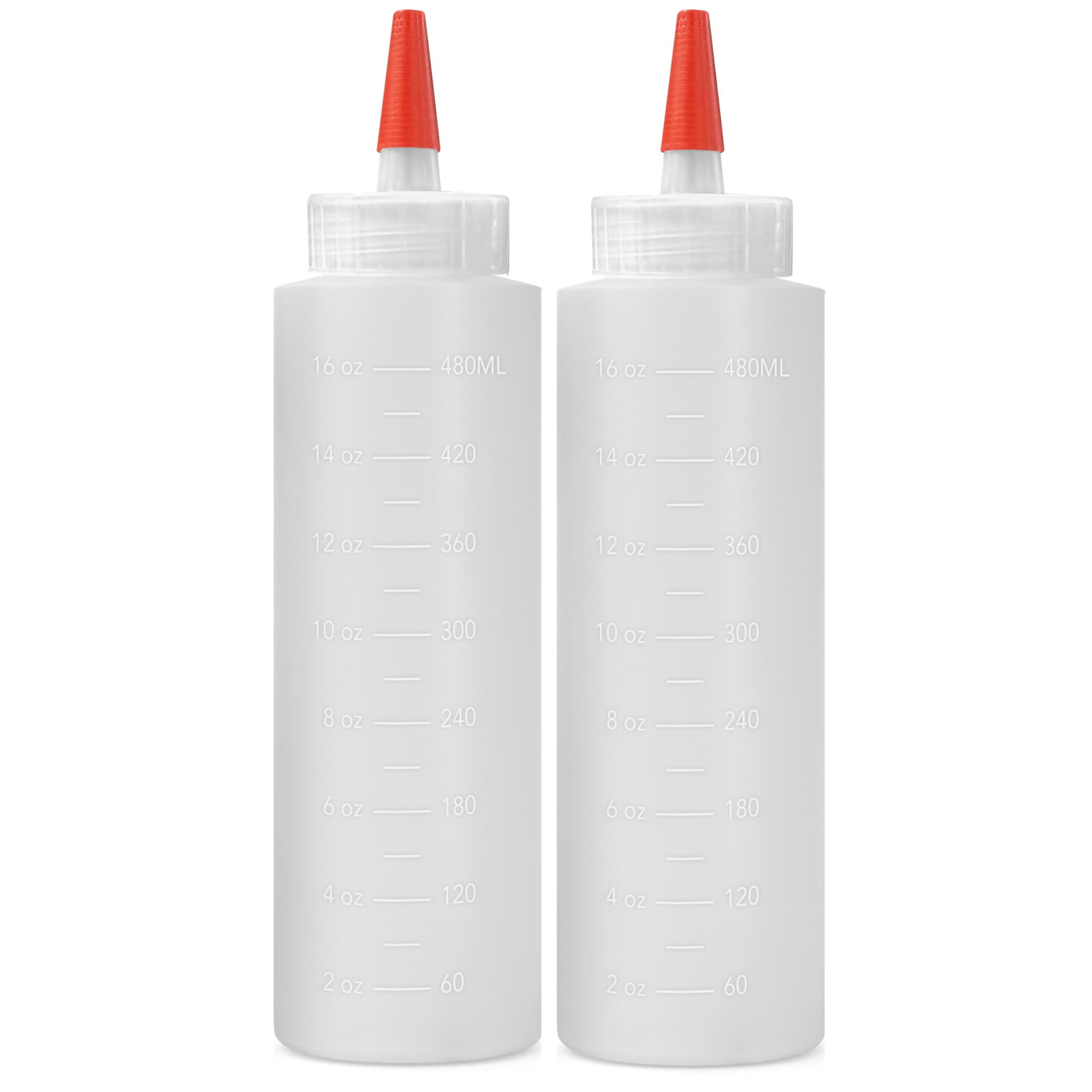
I like these as a dependable mid-size option with precise snap-on caps and a wide mouth for easy refilling.
Why I picked it: Balanced 16 oz size, HDPE build, and trim-to-fit nozzle.
Best for: Everyday condiments, oils, and craft projects.
Solid value for a reusable two-pack.
Pros
- Food-grade HDPE material
- Red snap-on tip caps
- Wide mouth for easy filling
- Top-rack dishwasher-safe
Cons
- Cap durability varies
- Not microwave-safe
My take
These strike the best balance for my kitchen: large enough to avoid constant refills but compact enough to store easily. The translucent plastic lets me see contents and remaining levels at a glance.
I used them for olive oil, a mayo-based dressing, and a thick hoisin-style sauce. The snap-on caps preserved the contents well and the screw-on design meant I could trim the nozzle and still reseal the cap.
After repeated hand washes between sauces one cap did crack in my longer-term use, so I keep spares on hand. Otherwise they’ve handled a range of liquids and even held up well when I used them for nonfood projects.
4. New Star 16 oz Red Squeeze Bottles – Best for Color-Coding
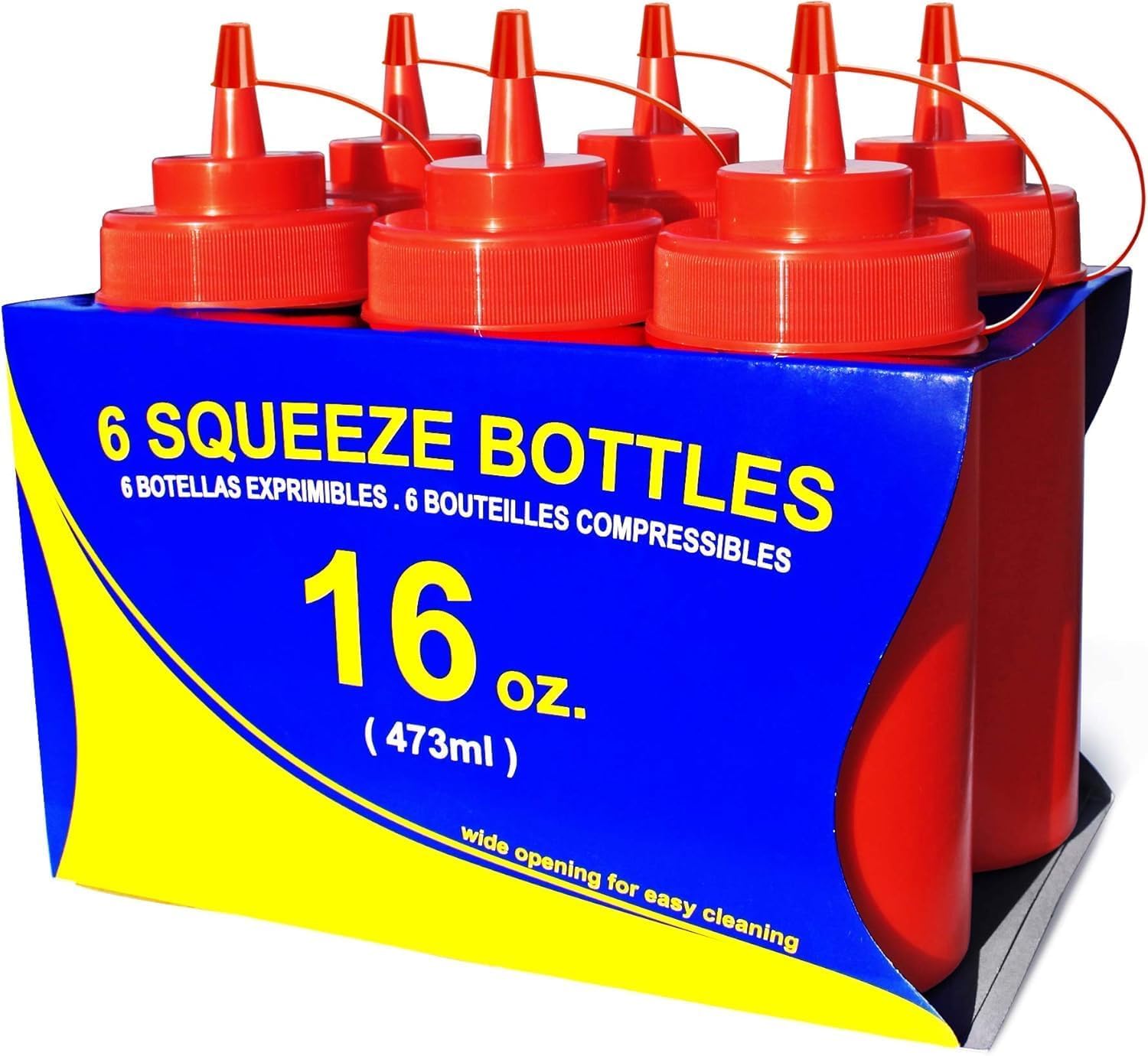
I chose these red, wide-mouth bottles when I wanted obvious color-coding and easy filling for thicker sauces and oils.
Why I picked it: Bright red caps make identification instant and wide mouth eases refills.
Best for: Color-coded stations and high-visibility condiments like ketchup.
Worth it if you want color-coded organization.
Pros
- High-visibility red design
- Wide mouth for thick sauces
- Durable polypropylene
- Dishwasher-safe
Cons
- Some caps can be loose
- Narrow spout for very thick sauces
My take
I use these red bottles when I need instant visual identification at a prep station. The wide-mouth design makes filling and cleaning much faster, especially with thicker dressings or oils.
They feel robust and handle frequent squeezing without deforming. I did notice one cap that was a little loose out of the package, so I double-check cap fit during service. For pouring oil or thinner sauces these are excellent at preventing drips down the side.
If you like color-coding your bottles for speed or safety, these make organization simple while still holding up to daily use.
5. Heinz Organic Tomato Ketchup – Best Organic Ketchup
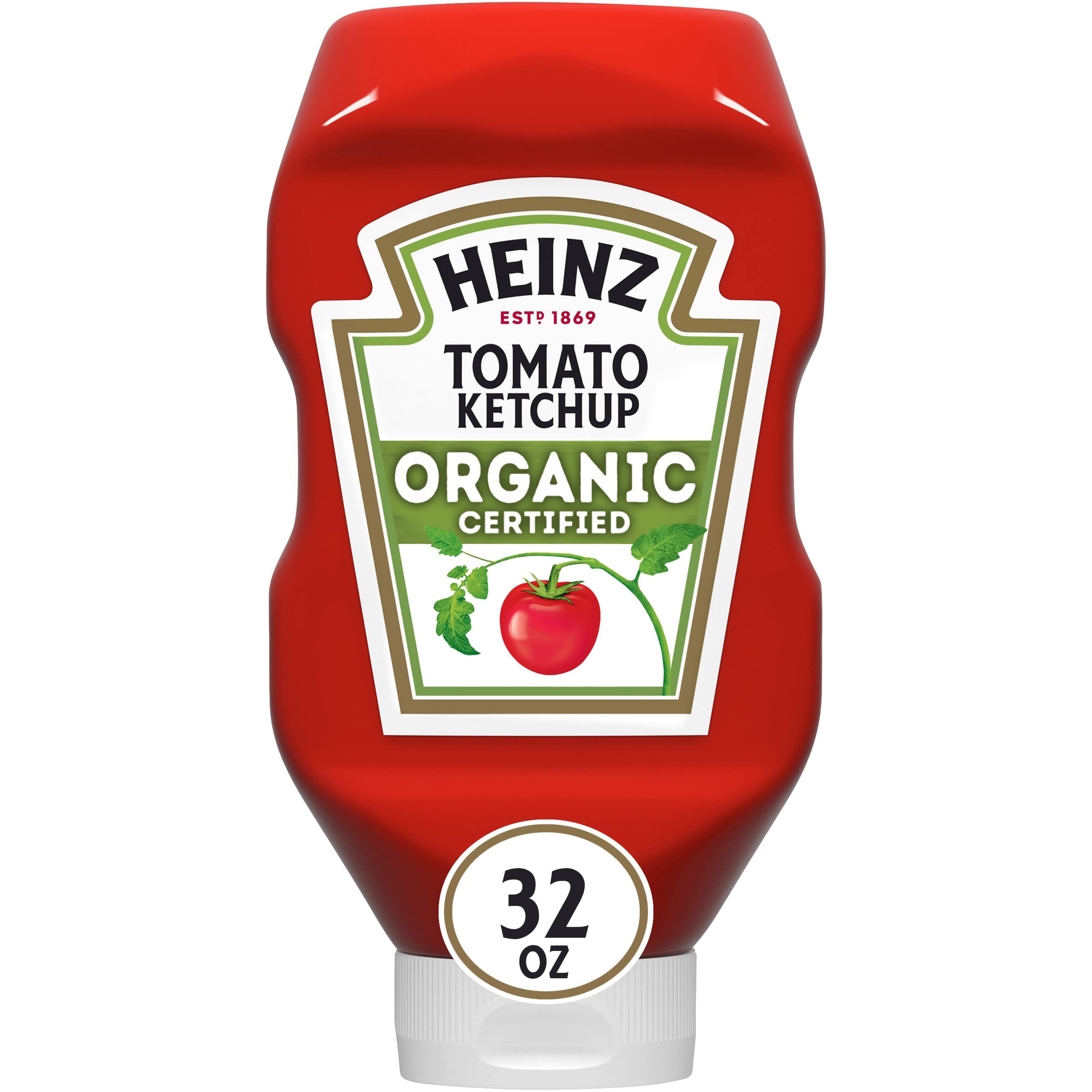
When I want a ready-to-serve ketchup with cleaner ingredients, this organic Heinz bottle delivers classic flavor and a convenient squeeze format.
Why I picked it: Classic Heinz flavor with certified organic ingredients in a squeeze bottle.
Best for: Serving straight from the bottle at picnics and family meals.
Premium branded option compared to generic ketchups.
Pros
- Classic thick Heinz texture
- Certified organic ingredients
- Upside-down squeeze bottle
- No high-fructose corn syrup
Cons
- Slightly pricier than standard ketchup
- Single-use bottle format
My take
I keep a bottle of this on hand when I want the familiar Heinz flavor but prefer organic ingredients. The texture is thick and spreadable, making it ideal for burgers, fries, and sandwiches.
The upside-down squeeze design keeps the ketchup ready to dispense and makes serving quick when I’m plating for family meals or outdoor gatherings. I appreciate the cleaner ingredient list compared with conventional versions.
If you want a branded, ready-to-serve ketchup without switching to homemade dispensing systems, this is a convenient, tasty choice.
6. OAMCEG 16 oz Squeeze Bottles – Best Measured Bottles
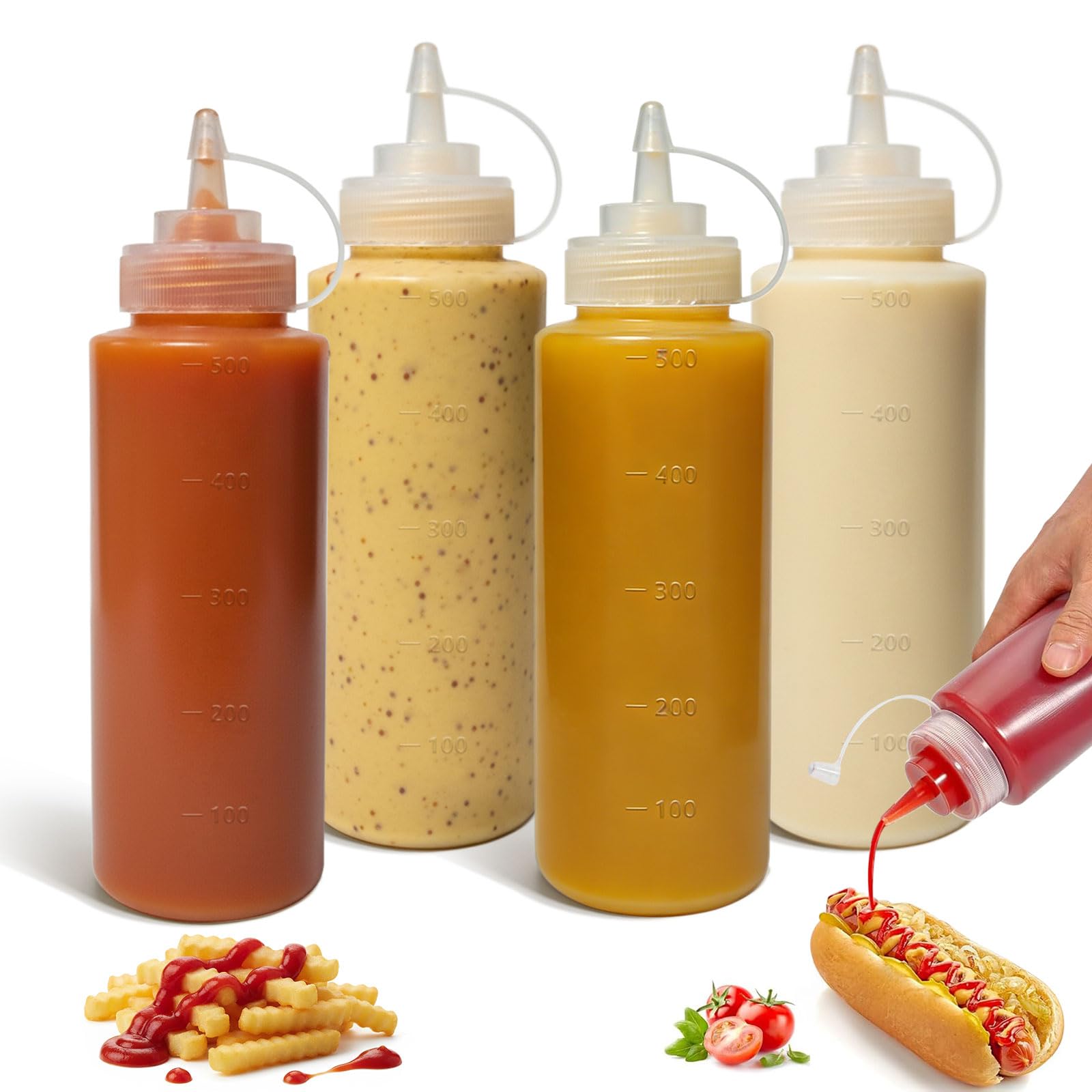
I favor these when I need consistent 16 oz portions and a twist-top cap with a protective nozzle cover for secure transport.
Why I picked it: Clear measurement marks and twist-top caps for precise portioning.
Best for: Portion control, crafting, and travel-friendly condiment dispensing.
Cost-effective measured bottles.
Pros
- Measurement markings included
- Twist-top leak protection
- Food-grade HDPE
- Durable and easy to squeeze
Cons
- Small tip cover can be fragile
- Some caps may not seal when shaken
My take
I used these for sauces and craft paints where I wanted consistent dispensing. The measurement markings let me portion quickly without a scale, which saved time during batch prep.
The twist-top cap plus a small nozzle cover gives good protection during transport, though I caution against vigorous shaking with the tiny cap exposed. The bottles clean well and survive dishwasher cycles if placed on the top rack.
Overall they’re my go-to when I need measured dispensing and a reliable mid-size bottle for table use or take-along sauces.
7. Bellemain 16 oz Squeeze Bottles Kit – Best Kit
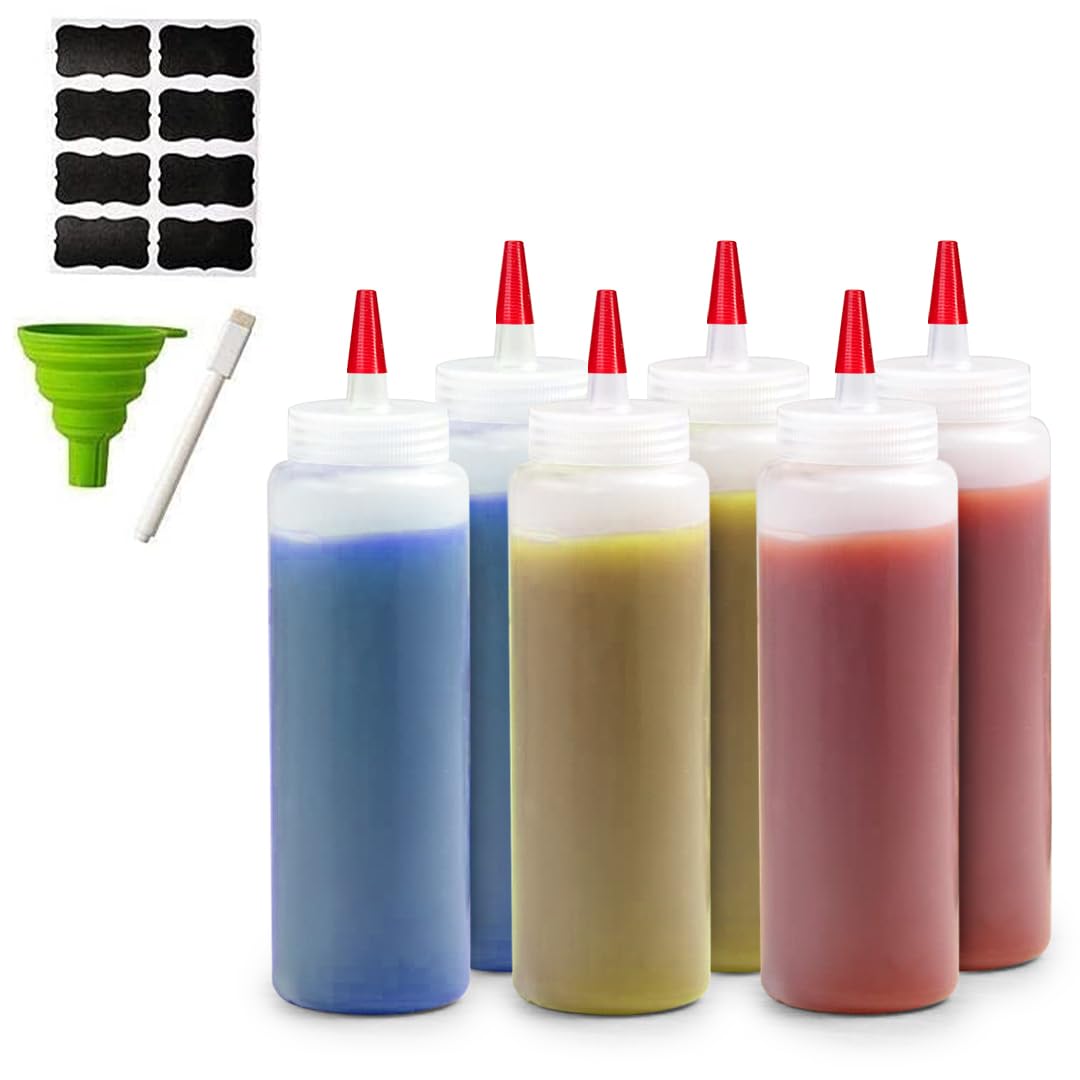
I picked this kit for the extras — labels, erasable marker, and a collapsible funnel — which actually speed up organization and refilling.
Why I picked it: Includes labels, marker, and a funnel for neat organization.
Best for: Meal prep, classes, and organized condiment stations.
A bit more for accessories but practical for organization.
Pros
- Includes funnel and labels
- Durable HDPE construction
- Twice as thick as some bottles
- Good for microwave-safe containers
Cons
- Label marker can smudge
- Tip covers fit tightly
My take
This is the kit I reach for when I want a tidy condiment setup. The peel-and-stick labels and erasable marker make rotating sauces between bottles effortless, and the little collapsible funnel really reduces spills when I’m refilling on a busy prep day.
The bottles themselves feel thicker than most single-purpose squeeze bottles, which translates to longer life under heavy use. I used them for homemade BBQ sauces and dressings and appreciated that the caps stay secure even when bottles are carried in a cooler.
My only nitpick: the marker wasn’t reliable on every sticker and a few tip covers are extremely snug. Even so, the included accessories earn this set a spot in my organized kit.
How I choose ketchup and mustard bottles
Key features I look for
I prioritize cap style, mouth opening, material, and capacity depending on how I’ll use the bottle.
A wide mouth saves time when filling thicker sauces and makes cleaning far easier. Open-tip nozzles work well for most sauces; I cut the tip when I need a larger flow and keep the cap functional.
Material matters: HDPE and food-grade polypropylene are flexible and durable. I avoid very thin plastics that warp or crack after repeated use.
- Capacity: 12–16 oz for table use, 32 oz for high-volume prep.
- Mouth: Wide mouth for thick sauces and easy cleaning.
- Cap: Open-tip vs. twist-top — choose based on leak needs.
- Durability: Dishwasher-safe top rack is a big plus.
- Extras: Funnels and labels save time and prevent mixups.
Practical tips from my experience
If you use thick condiments, trim the nozzle gradually; leave enough tip so the cap still snaps on.
For travel or outdoor use, double-check the cap fit and consider bottles with protective nozzle covers.
Keep a few spare caps or an extra bottle; caps are the most common wear point I’ve encountered.
- Test cap seals before packing in a cooler.
- Label bottles for quick identification (especially similar-colored sauces).
- Choose measured bottles when portion control matters.
Frequently Asked Questions
Can I put hot liquids in these bottles?
I avoid pouring boiling liquids directly into most squeeze bottles; many are dishwasher-safe and tolerate heat, but check manufacturer notes and let liquids cool before filling when possible.
How do I prevent bottles from staining or smelling?
I rinse promptly after use, wash with warm soapy water, and run top-rack dishwasher cycles. For strong-smelling sauces I soak in baking-soda water before washing and rotate bottles for different uses.
Should I cut the nozzle for thicker sauces?
Yes — I make a small diagonal cut and test flow. Leave enough nozzle below the cut so the cap still snaps on; trimming gradually avoids an oversized opening.
Final Take
I picked the Pinnacle 32 oz bottles as my top choice when I need capacity and durability; for compact fridge-friendly options the New Star 12 oz bottles are practical.
If you want organization and extras, the Bellemain kit saves time; measured OAMCEG bottles help when portioning matters. And when you prefer an off-the-shelf ketchup, the Heinz organic bottle delivers classic taste with cleaner ingredients.
Choose based on how you use condiments — volume, viscosity, and whether labeling or portability matter — and you’ll have a squeeze system that makes prep and serving noticeably easier.
