
I tested a range of pantry bins, fridge organizers, bag sealers, and meal-prep containers to find the pieces I reach for every week. These six items make everyday kitchen storage faster, cleaner, and more functional.
I approached this roundup with one goal: cut the clutter and make food easy to find. Over weeks of using these organizers in my pantry, fridge, freezer, and cabinets, I focused on visibility, durability, and how well each piece fit into real kitchen workflows.
My selections cover bag sealing, stackable clear bins, deep shelf organizers, compartment caddies, twist-lock meal cups, and a flexible fridge bin set. Between them I can corral snacks, stack leftovers, rescue opened bags, and slide entire bins out to grab what I need.
I chose these products for complementary roles — bag sealers for preserving opened packages, clear bins for visibility, deeper organizers for long shelves, compartment bins for small items, twist-lock containers for leak-free meal prep, and a mix-and-match fridge set for daily grab-and-go convenience.
1. GripStic Bag Sealers (Assorted Pack) – Best Overall
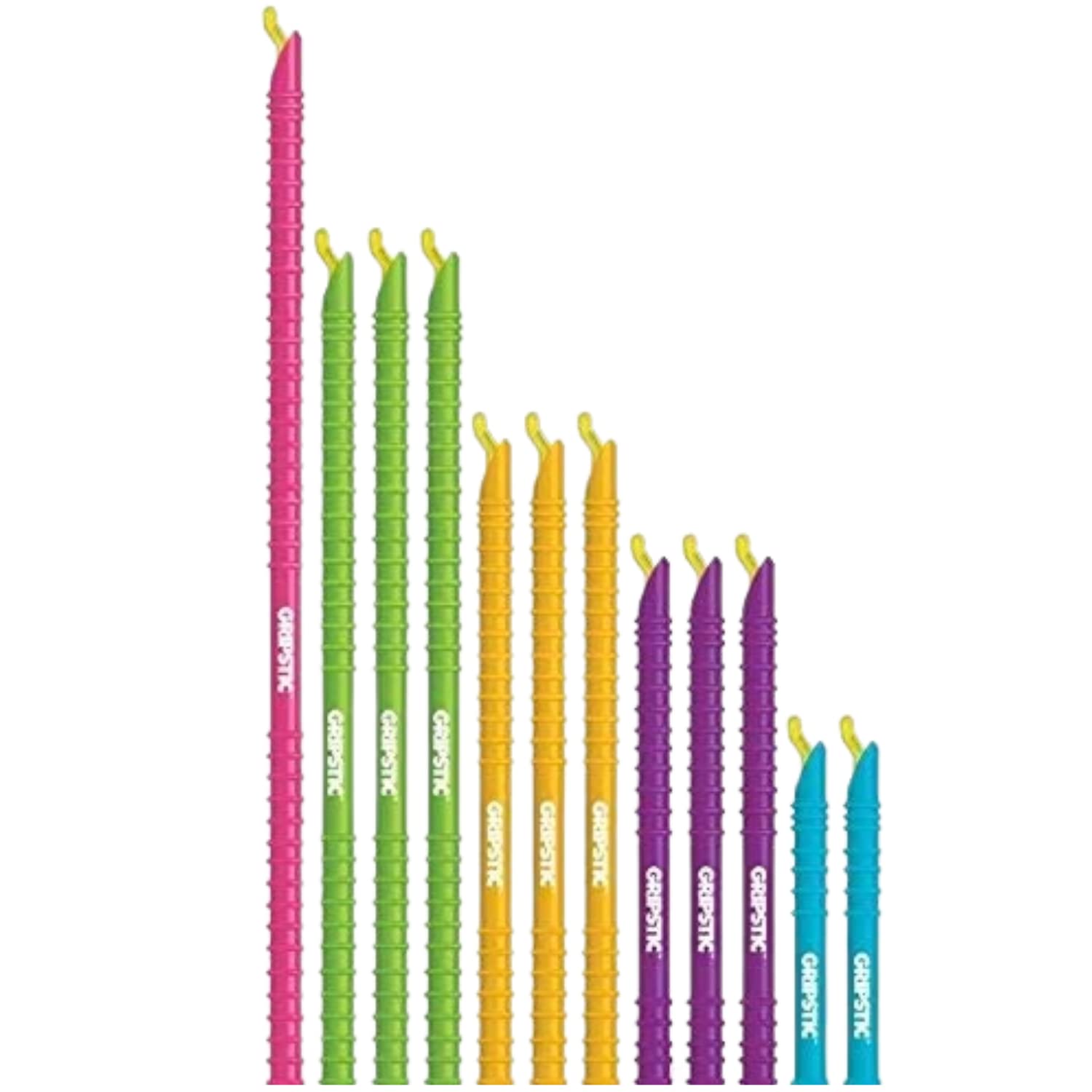
I use these slide-to-seal rods every day to keep bags airtight in the pantry, fridge, and freezer.
Why I picked it: They form a near-vacuum seal and come in multiple lengths for every bag size.
Best for: Sealing open bags of snacks, cereal, coffee, and frozen veggies.
Affordable, long-lasting kitchen gadget.
Pros
- Creates a very tight seal
- Multiple sizes for different bags
- Durable and freezer-safe
- Compact and easy to store
- Kid-friendly, no sharp edges
Cons
- Takes a moment to learn folding technique
- Not as fast as resealable bags for some users
My take
I’ve been using these slide-across bag sealers for years and they’ve replaced nearly every clip in my kitchen drawer. The trick is a single crisp fold close to the product, then slide the stick along the fold — the seal is impressively tight and keeps chips, coffee, and frozen vegetables fresh.
They’re color-coded across five lengths, which makes it simple to grab the right size for a snack bag or a family-size frozen bag. I never worry about metal springs rusting or brittle clips breaking; these sticks are plastic, dishwasher safe, and still solid after long-term freezer use.
Because they’re so compact I keep them in a small tray by the pantry door. I don’t mind taking the extra second to fold and slide — that initial learning curve pays off with longer-lasting freshness and near-zero waste compared with disposable options.
2. ClearSpace Clear Plastic Storage Bins (4-Pack) – Best for Pantry Visibility
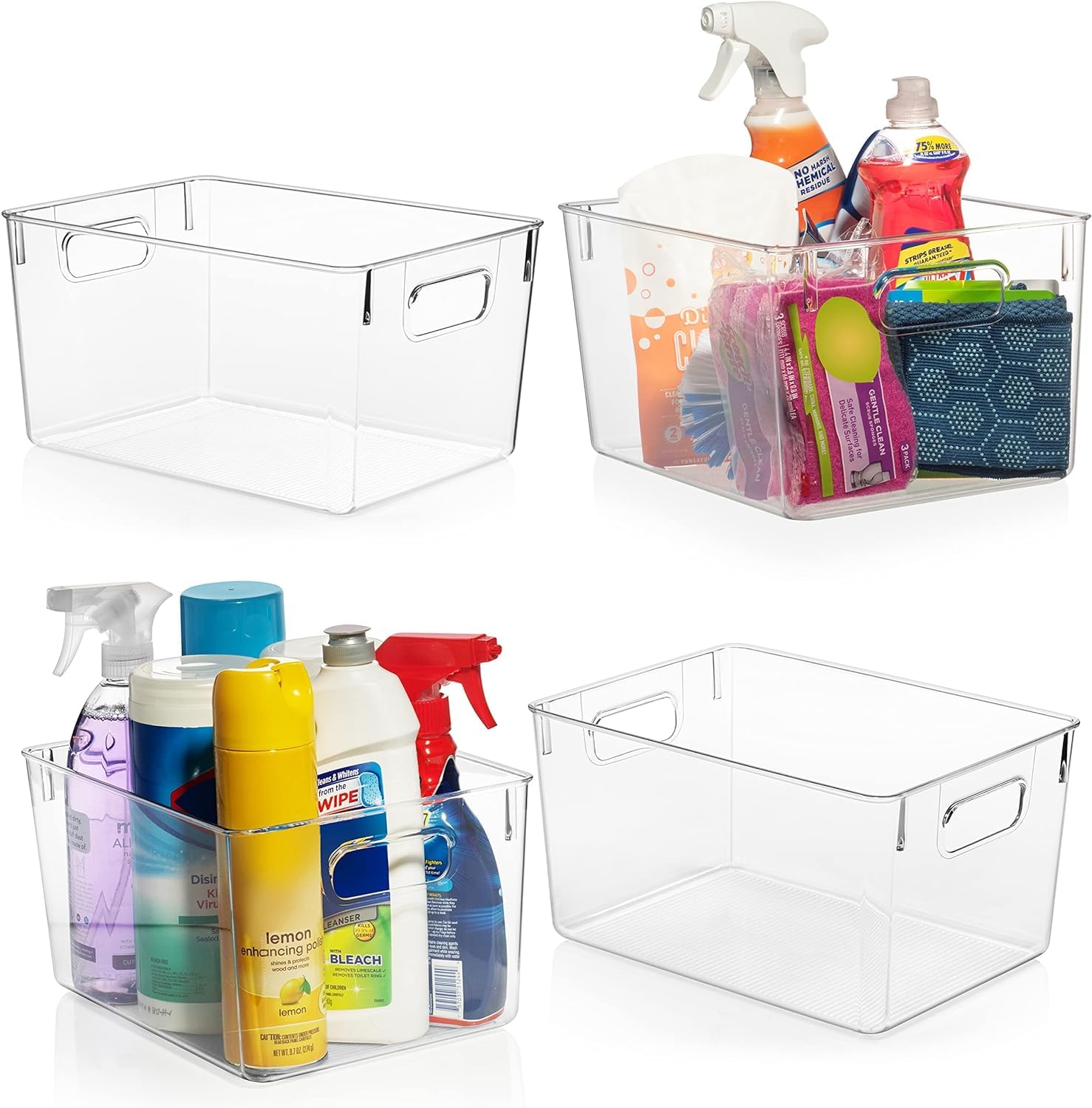
I rely on these clear bins to create instant, visible organization across pantry shelves and cabinets.
Why I picked it: Large capacity, built-in handles, and crystal-clear sides make inventory obvious at a glance.
Best for: Grouping packets, spices, and oversized pantry items where you need quick identification.
Mid-range pick for big, durable bins.
Pros
- Crystal-clear visibility
- Sturdy, shatter-resistant plastic
- Built-in handles for transport
- Large capacity for bulky items
Cons
- Can feel heavy when fully loaded
- May break if dropped from height
My take
These bins made my pantry feel like a small grocery aisle. I set them side by side so I could immediately see what I had — spices, snack packets, and overflow cans all became much easier to manage.
The handles are genuinely useful when I move things between the pantry and counter; I also appreciate that they’re made of BPA- and chlorine-free plastic so I feel comfortable storing food items directly inside. Cleaning is straightforward with soap and water.
They do hold a lot, so I avoid over-stuffing them to keep the bins easy to lift. For anyone who wants a clean, consistent look and quick visual access, these are a simple foundation for an organized pantry.
3. mDesign Kitchen Organizer Bins (4-Pack) – Best for Deep Shelves
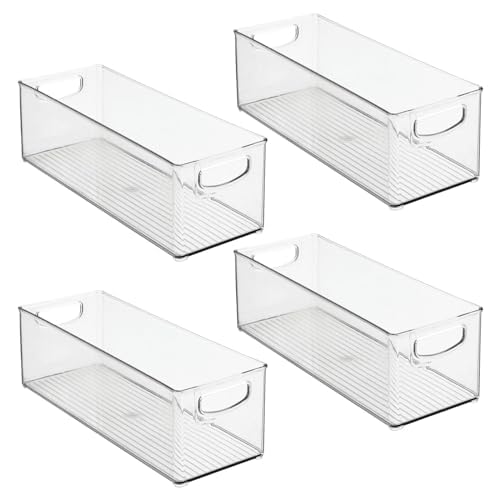
I use these clear mDesign bins on deep shelves and in the fridge to prevent items from getting lost at the back.
Why I picked it: Slim, slide-out design fits deep shelving and keeps small items accessible.
Best for: Snack packs, small drinks, yogurt cups, and narrow pantry shelves.
Practical mid-range organizers.
Pros
- Slim profile fits deep shelves
- Transparent for fast identification
- Sturdy, easy-to-clean plastic
- Can be used on fridge shelves
Cons
- Not truly stackable when full
- May be narrow for bulk items
My take
These slim bins solved my problem of reaching into the very back of deep shelves. I slide one out, take what I need, and slide it back — no more digging under taller boxes.
They’re sturdy enough for frequent handling and make small things look organized instead of scattered. I’ve used them for single-serve snacks and also in the fridge to group yogurts and condiments so the kids can grab their own.
One caveat: they’re best used single-stacked. Marketing calls them stackable, but in daily use I found they work best as individual pull-out trays unless mostly empty.
4. mDesign 3-Compartment Food Storage Bin (4-Pack) – Best for Small Items
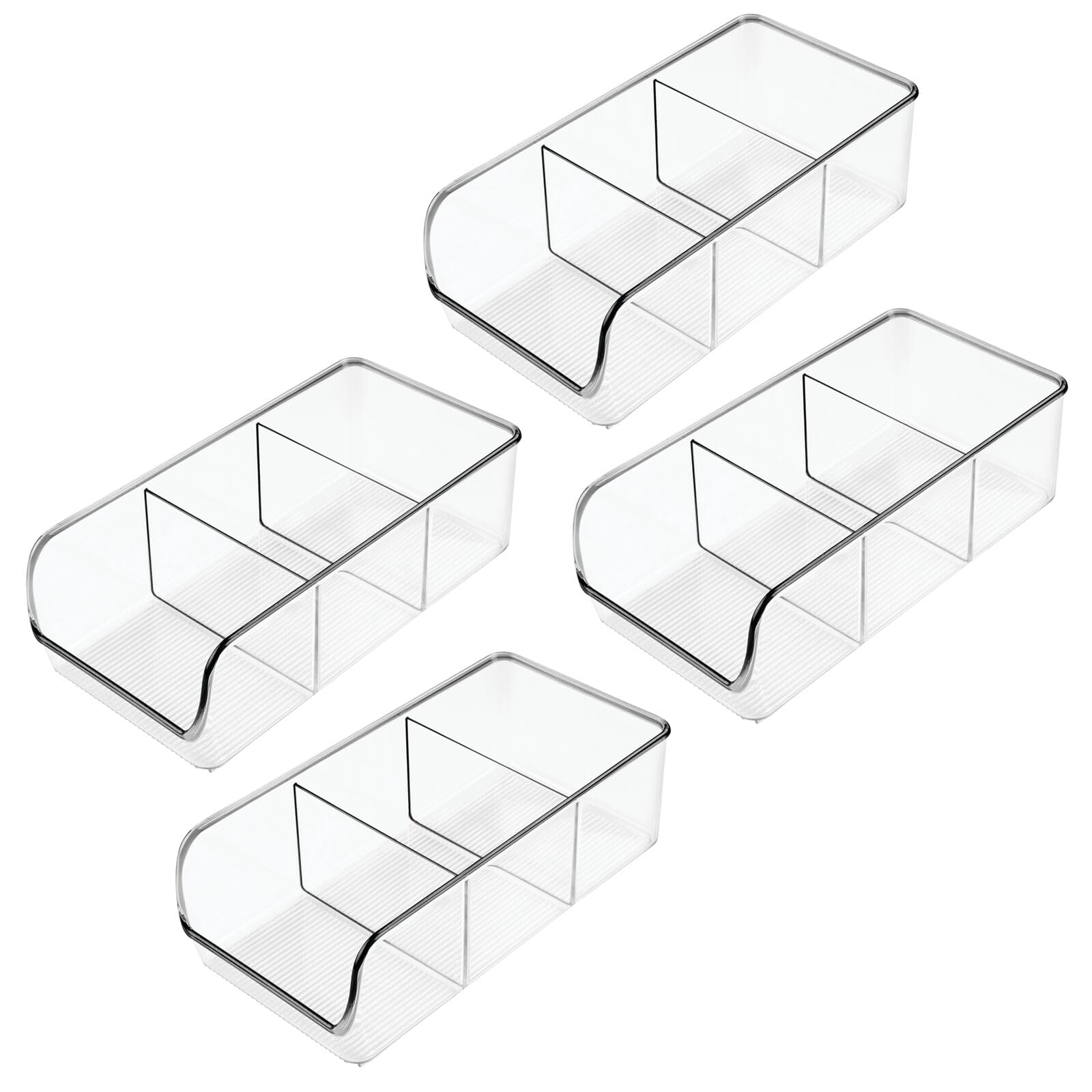
I keep one of these caddies for mix packets and another for medication — the compartments make grabbing single items effortless.
Why I picked it: Three thoughtful compartments and a low-front opening for quick access.
Best for: Individually wrapped snacks, tea packets, seasonings, and small pantry odds-and-ends.
Affordable, versatile set.
Pros
- Three useful compartments
- Low front opening for easy access
- Lightweight and easy to move
- Durable, shatter-resistant plastic
Cons
- Front compartment a little low for tiny items
- Dividers are fixed, not removable
My take
These three-compartment caddies became an instant go-to in my kitchen. I put tea and coffee packets in one, single-serve oatmeal in another, and small snack bars in the third. The front slope means my hands don’t fumble when grabbing one item.
They’re the perfect size for upper cabinets where space is limited and the rounded edges make them comfortable to lift. I’ve also used one as a portable medicine carrier — it’s light enough to move from cabinet to countertop without hassle.
If you want a simple way to separate several small categories without buying multiple bins, these caddies are one of the most flexible pieces I own.
5. Ziploc Twist ‘n Loc Small Containers (18-Pack) – Best for Meal Prep
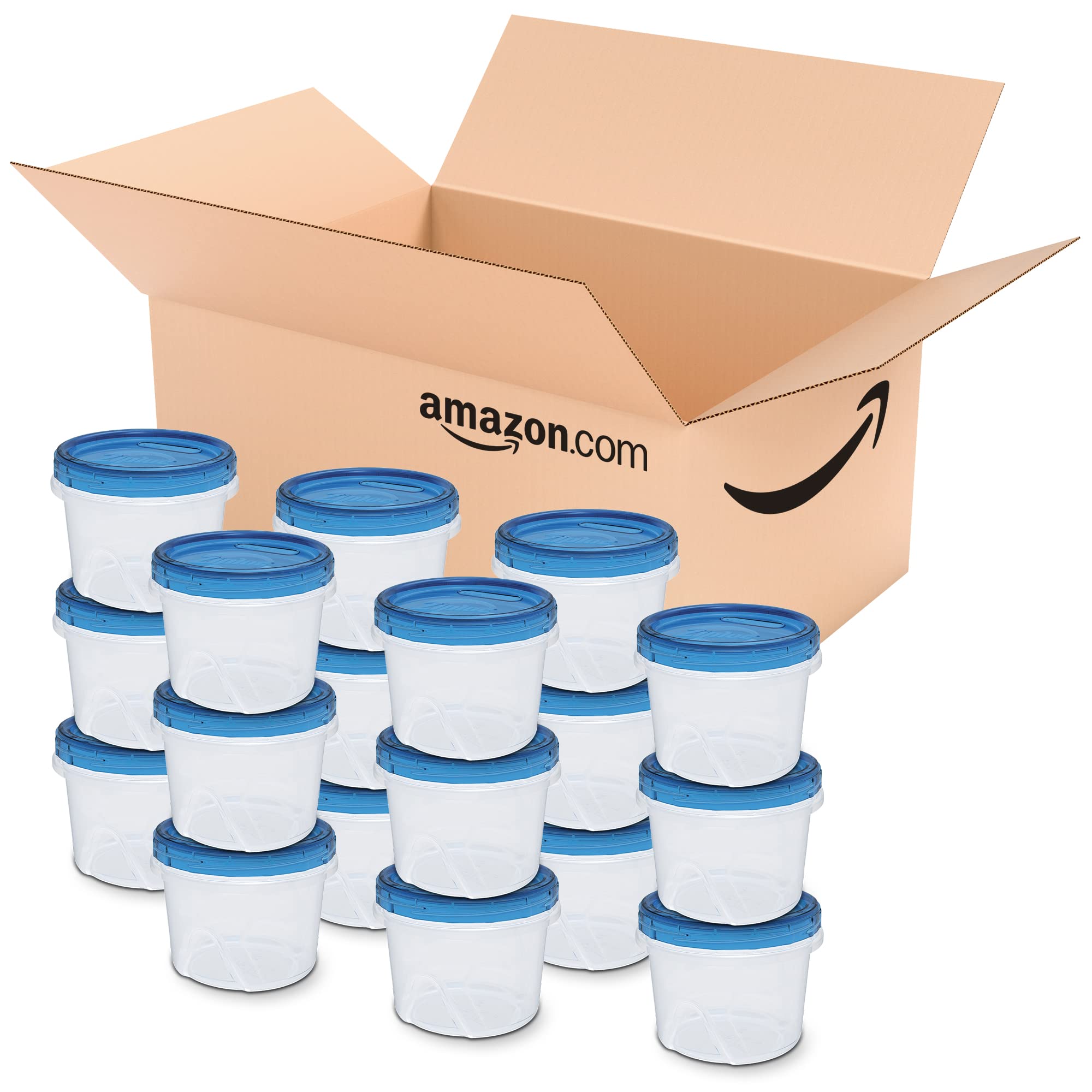
I use these twist-lock jars for sauces, portioned meals, and freezer portions that need a leakproof lid.
Why I picked it: Screw-top lids are genuinely leakproof and stackable for compact storage.
Best for: Sauces, small meal portions, frozen single servings, and on-the-go snacks.
Economical and durable for frequent use.
Pros
- Leakproof screw-top lids
- Measurement lines for portions
- Dishwasher, microwave, freezer safe
- Stackable lids save space
Cons
- Cups can teeter if heavily stacked
- May become brittle after many freeze cycles
My take
I reach for these twist-lock containers whenever I need liquid-tight storage. The wide rims and ridged lids make opening easy, and I trust them when transporting soups, sauces, or salad dressings without fear of spills.
They stack well on the lids which saves shelf space, and the measurement markings help when I portion for meal prep or freeze individual servings. I’ve used mine in the freezer for soups and sauces with great results — no freezer burn and lids stayed secure.
They’re thicker than thin snap-on cups, and while I avoid reheating in plastic out of habit, they tolerate dishwasher cleaning and repeated use. For reliable, leakproof small containers, these are a staple in my rotation.
6. Stackable Refrigerator Organizer Bins (Set of 10) – Best for Fridge Organization
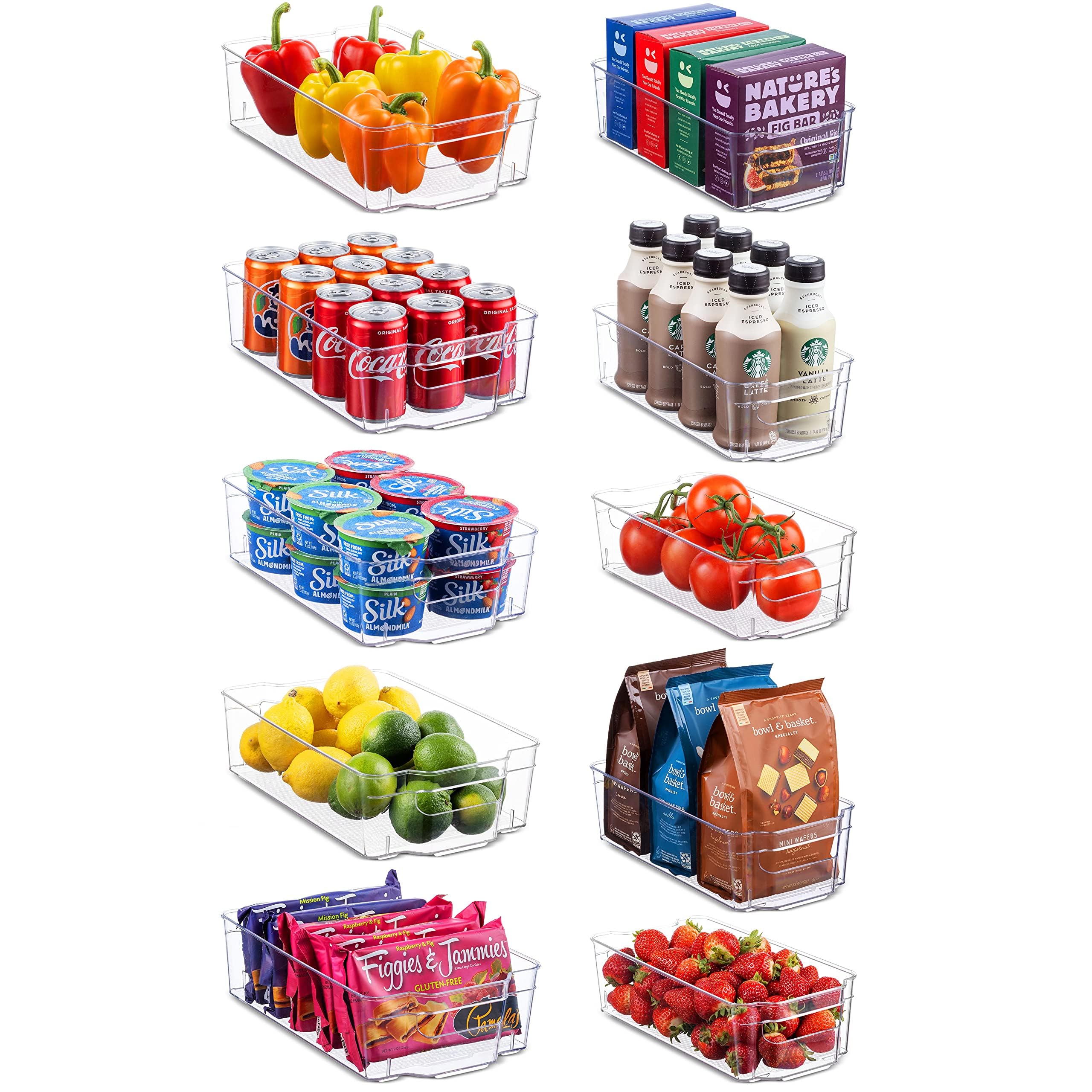
I use this mix of wide and narrow bins to create a modular fridge and pantry zone system that I can pull out to clean or serve from.
Why I picked it: Combination of wide and narrow sizes covers many fridge and pantry needs.
Best for: Grouping condiments, cheeses, yogurt, and snack items in the fridge and pantry.
Good value for a full set to outfit a fridge.
Pros
- Mix of wide and narrow sizes
- Interior non-slip texture
- Food-safe, shatter-resistant plastic
- Practical carry handles
Cons
- A couple may arrive damaged in transit
- Handle area can be snug on tight shelves
My take
This ten-piece set was the change-my-fridge moment I needed. I group condiments in one narrow bin, cheeses in another, and use wide drawers for meal-prep packs. When something spills, I only clean the affected bin instead of wiping the whole shelf.
They’re easy to grab and carry thanks to the molded handles, which also makes unloading groceries or transporting items to the table quick. The non-slip interior keeps bottles from sliding when I open the door.
I’ve put a set in my pantry as well; the two widths give flexibility for jars and packets. A small number of customers reported breakage in shipping, so I handle mine carefully, but otherwise they’ve been a major improvement in daily fridge management.
How I Choose Kitchen Organizers
Materials and Durability
I prioritize food-safe plastics and shatter-resistant construction for anything that will hold pantry items or go inside the fridge or freezer.
If I expect frequent freezer cycles or heavy handling, I choose thicker plastics or simple mechanical solutions (like sliding sticks) that don’t rely on springs or clips.
- Look for BPA-free, food-safe labeling.
- Avoid organizers with tiny, breakable handles if you move bins often.
- Thicker plastic lasts longer under freezer stress.
Visibility and Size
Clear bins let me inventory quickly; opaque containers hide clutter and can be useful for unattractive storage, but I reach for transparent options most days.
Measure your shelves before buying: a slim, tall bin can be perfect for deep shelves while a short caddy is better for upper cabinets.
- Measure shelf depth and door clearance.
- Choose widths that work side-by-side for a tidy look.
- Get a mix of small and large bins for flexibility.
Functionality and Use Case
Think about what you’ll grab most: bag sealers for opened packages, twist-lock jars for liquids, and divided caddies for single-serve snacks or packets.
I favor multi-pack solutions so I can create zones (breakfast, snacks, meal prep) rather than one-off pieces that don’t coordinate.
- Use bag sealers for opened dry goods and freezer items.
- Use screw-top containers for liquids and portioned meals.
- Use narrow and wide bins for flexible fridge layout.
Cleaning and Maintenance
I choose items that clean easily with warm soapy water or are dishwasher-safe when possible.
Avoid dishwasher use for any organizer that explicitly says not to; repeated dishwasher cycles can warp some plastics.
- Hand-wash delicate bins to extend life.
- Stack lids and containers thoughtfully to avoid warping.
- Wipe spills quickly to prevent lingering odors.
Frequently Asked Questions
Can I use these bins in the freezer?
Yes — I use the GripStic sealers and several clear plastic bins in the freezer. I avoid dishwasher cycles for freezer-only bins if the manufacturer advises against it, and I keep heavy frozen items from dropping to prevent cracking.
Are the Ziploc Twist ‘n Loc containers truly leakproof?
In my experience the screw-top lids are reliably leakproof for soups, sauces, and dressings. I still transport any very liquid-y contents upright as an extra precaution, but I trust the twist lock for commute and freezer storage.
Do the clear bins make it harder to keep things looking neat?
Quite the opposite — I find transparency forces me to group like items and maintain order. If you want a uniform look, use matching clear bins and label the front or the shelf edge.
Final Take
I built this kit of organizers so I can grab, seal, and serve with minimal fuss. Between GripStic sealers, clear bins for visibility, slim mDesign trays for deep shelves, compartment caddies for small items, Twist 'n Loc jars for liquids, and a versatile ten-piece fridge set, I removed most of the daily friction from my kitchen routine.
Start with the one or two pieces that solve your biggest pain point — sealing opened packages or preventing lost items on deep shelves — and scale from there. Small changes add up fast.
