
I tested compact bar sets, counter-height tables, and full dining sets to find kitchen tables that balance style, sturdiness, and real-world usability.
I spent time assembling and living with a range of kitchen tables so I could tell you which ones actually work in real homes. I focused on pieces that fit tight spaces, handle daily use, and bring something useful to different layouts.
This roundup covers a compact bar set for two, a long counter-height table, a four-seat dinette, a glossy modern rectangle, and a glass-top dining set. I explain where each one shines and where you might compromise.
If you need a small footprint for a studio or breakfast nook, I lean toward the compact bar set. If you want a narrow island-style surface, the long counter-height table is my pick. For family meals, the 55" four-seat sets give the most usable tabletop without overwhelming a room. The white lacquer table delivers a high-end, modern look, while the glass set offers a minimalist, easy-to-clean surface that reads lighter in a small space.
1. VASAGLE Bar Table & 2 Stools – Best for Small Spaces
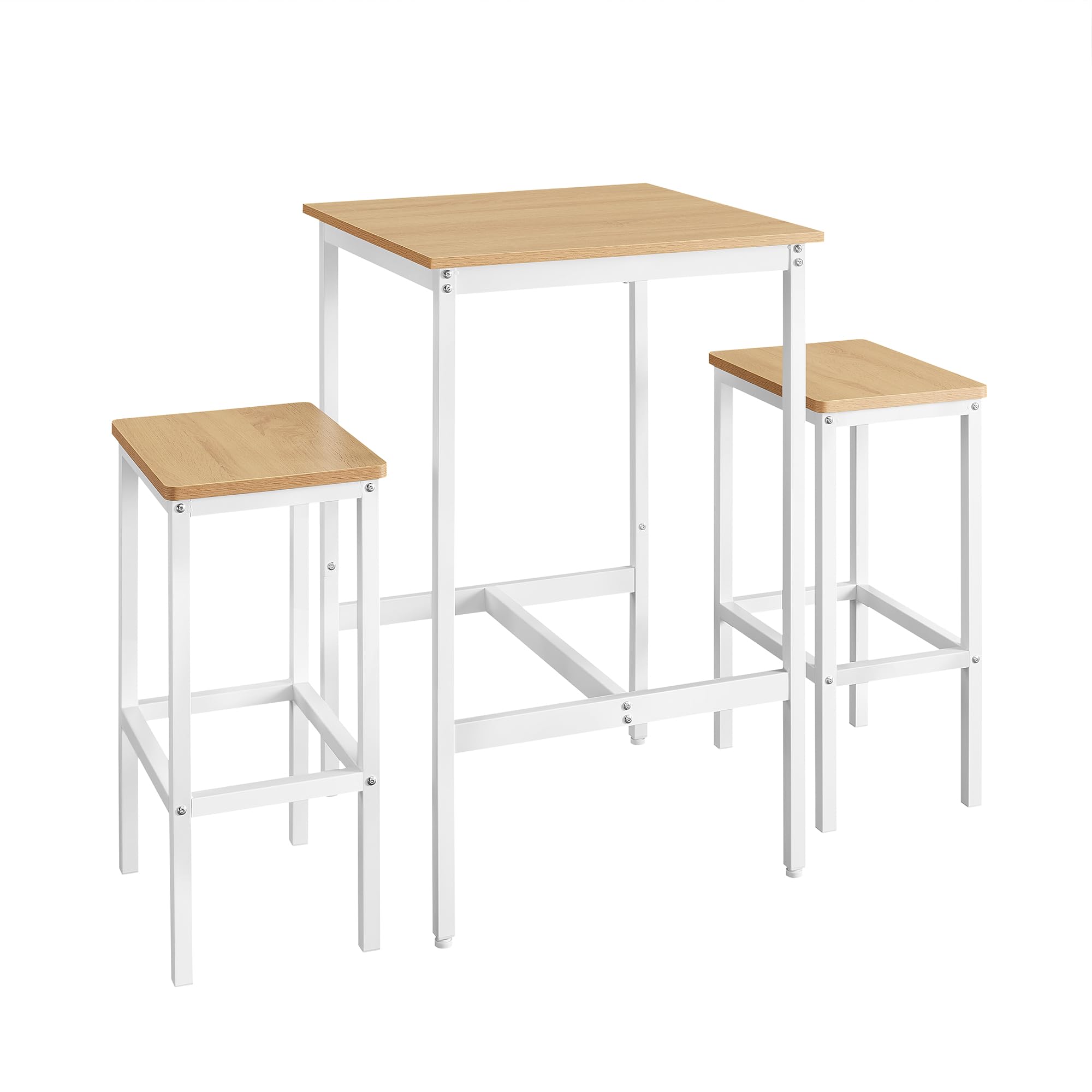
A compact bar-height set that tucks into tight kitchens and doubles as a small workspace or bar.
Why I picked it: I found it both versatile and stable for tiny kitchens and multipurpose use.
Best for: Couples, studios, or anyone who needs a compact dining spot.
Very affordable; strong value for small spaces.
Pros
- Truly space-saving footprint
- Sturdy steel frame and crossbars
- Chairs tuck neatly under table
- Built-in footrests for comfort
- Quick, labeled assembly
Cons
- Particleboard top can show wear over time
- Stools lack back support for long sits
My take
I used this VASAGLE set in a small kitchen and appreciated how little floor space it took. The 23.6" square top is just big enough for two place settings and it fits against a wall or in a corner without feeling cramped.
Assembly was straightforward—parts were labeled and the instructions were clear—so I had the table and stools ready in under an hour. The steel frame with crossbars gives the set surprising steadiness, and the adjustable feet helped when my floor wasn’t level.
The stools are lightweight and easy to move; I like that they slide under the table to clear a walkway. Comfort is fine for typical meals, thanks to the footrests, though the stools aren’t designed for long sessions since they don’t have backs.
Overall, this is a practical, good-looking option when space is at a premium and I want something affordable that still feels solid.
2. Ashley Torjin Long Counter-Height Table – Best Long Counter
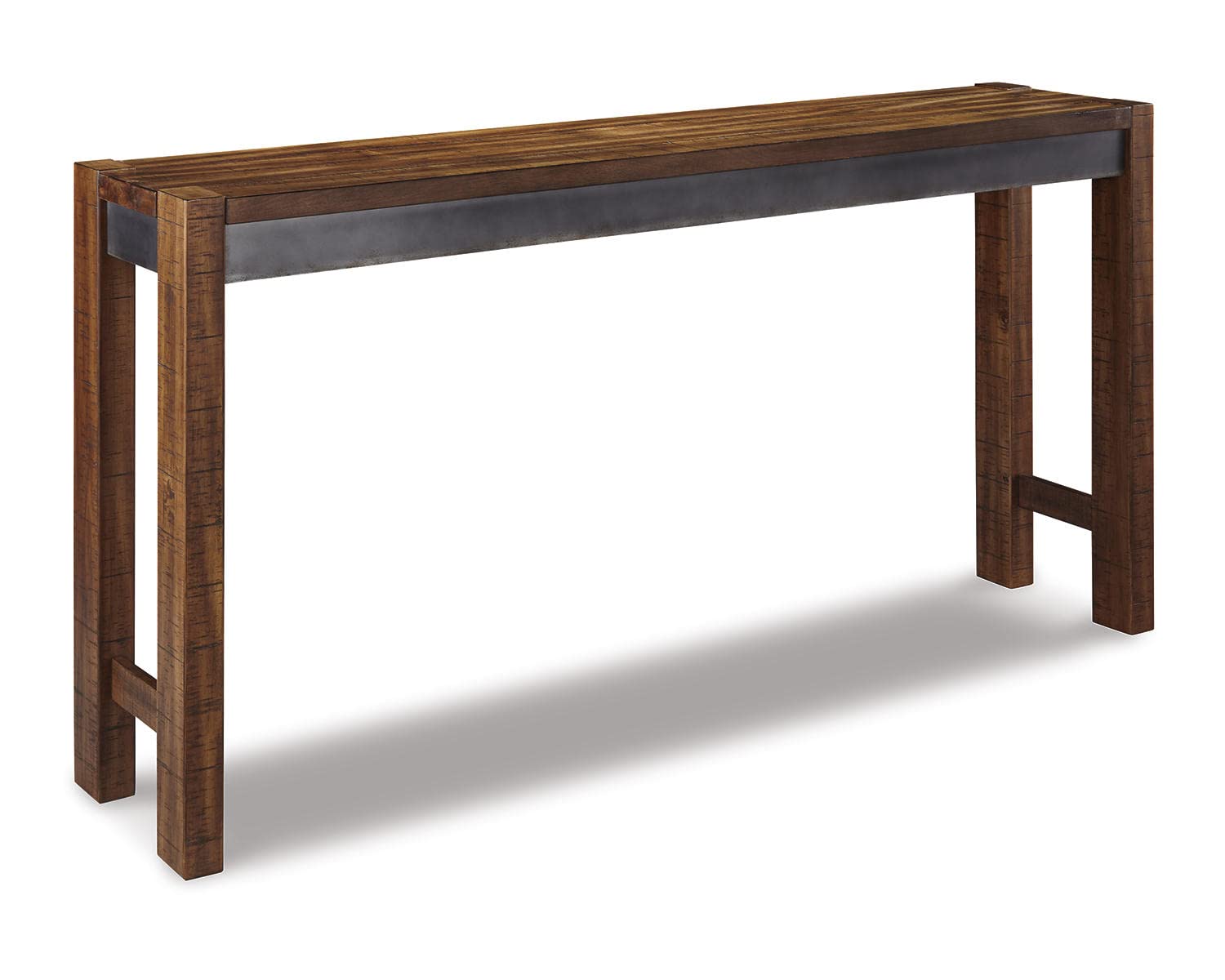
A slim, counter-height table with a two-tone, industrial look that works well as a narrow island or bar.
Why I picked it: I chose it for narrow spaces where a long, sturdy work surface is needed without bulk.
Best for: Small kitchens that need an island-style surface or extra seating behind a sofa.
Mid-range; heavier construction than budget options.
Pros
- Slim depth fits tight walkways
- Handsometwo-tone, industrial finish
- Solid veneers and engineered wood
- Counter-height for bar stools
Cons
- Limited prep space due to narrow depth
- Heavy to move once assembled
My take
I put this Ashley Torjin table behind a couch as an extra prep surface and it worked perfectly—the shallow 16" depth keeps traffic flow open while still providing usable tabletop space.
The two-tone finish (distressed warm brown top with aged gunmetal base) adds character that fits both urban and farmhouse interiors. Construction feels solid; the table is heavier than the small sets and that weight translates to stability.
Assembly was manageable with the included instructions, though I used a screwdriver to speed things up. If you want a slim counter-height table that reads like a purposeful piece of furniture rather than a temporary solution, this one delivered.
3. MUUOKY 55″ Dining Table Set (Seats 4) – Best for Families
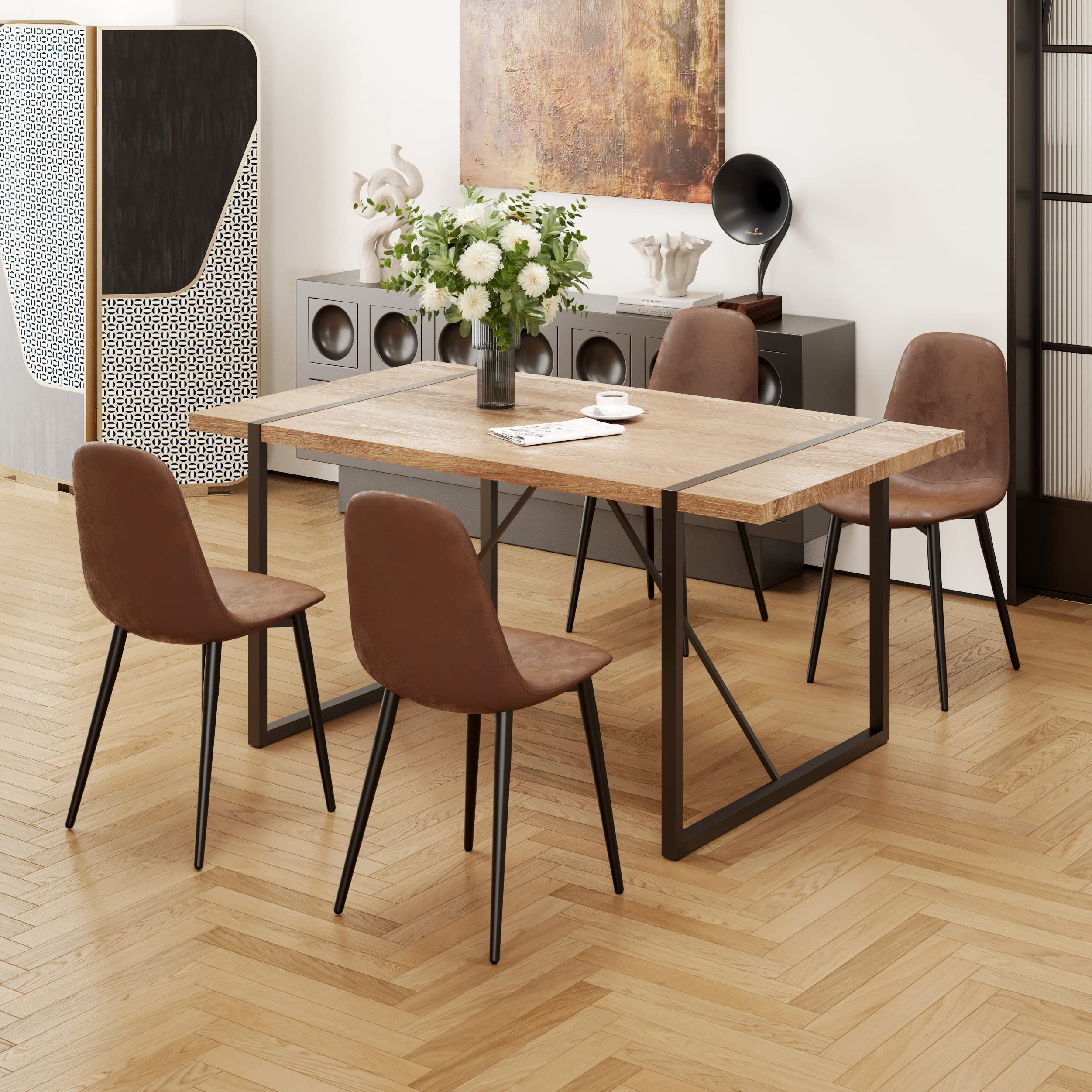
A practical four-seat dinette with a thick tabletop and comfortable linen chairs for daily family use.
Why I picked it: I liked the thick, high-density tabletop and the comfort level of the fabric chairs.
Best for: Families or households that need a compact but solid four-seat dining setup.
Good value for a full 5-piece dining set.
Pros
- 1.5-inch thick high-density tabletop
- Comfortable linen-upholstered chairs
- Black metal legs add modern contrast
- Easy to clean and maintain
Cons
- Occasional fitment hiccups during assembly
- Table is fairly heavy to move
My take
I set this MUUOKY set in a small dining area and found the 55" top gives enough space for four without taking over the room. The 1.5" thick board looks substantial and resists everyday knocks.
The linen chairs are pleasantly ergonomic; I can sit through a meal without shifting. Assembly was straightforward for the most part, though I did run into a small alignment issue with holes on one piece—customer support walked me through a fix quickly.
This set balances a minimalist look with real durability. It’s the kind of dining set I’d pick when I want something that feels more substantial than an entry-level table but still fits limited square footage.
4. Ebullient 55″ White Dining Table – Best Modern White
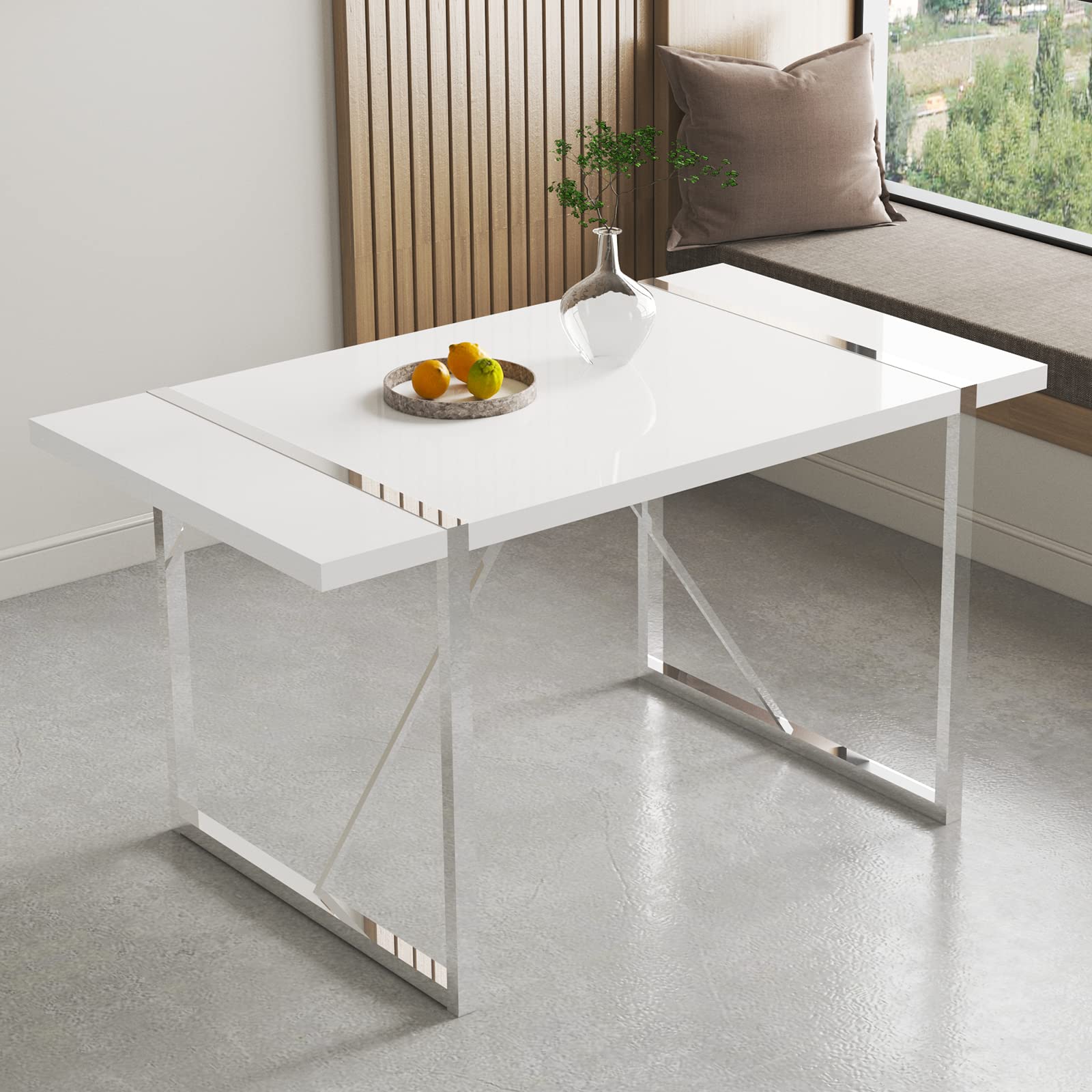
A high-gloss rectangular table that brings a clean, modern aesthetic and a thick lacquered top to the room.
Why I picked it: I picked it for the polished lacquer finish and solid-feeling tabletop that elevates a dining space.
Best for: Anyone who wants a modern, high-gloss table that looks high-end.
Reasonable for a lacquered, thicker-top design.
Pros
- High-gloss lacquered MDF top
- Thick 1.57-inch tabletop
- Chrome-plated metal legs
- Adjustable feet for uneven floors
Cons
- Gloss shows fingerprints easily
- Heavier than similar-sized tables
My take
I tested the Ebullient white table in a dining alcove and the glossy finish instantly brightened the room. The 1.57" thick MDF top looks and feels solid—much more polished than thinner tabletops.
Chrome legs pair well with the white lacquer for a modern, slightly mid-century vibe. The adjustable feet are a practical touch that kept the table stable on my old hardwood floors.
Assembly was straightforward and the finished piece has a high-end look. Cleaning is simple, but I did notice fingerprints and smudges show up, so a microfiber cloth becomes part of the routine.
5. 51″ Tempered Glass Dining Table with 4 PU Chairs – Best Glass Set
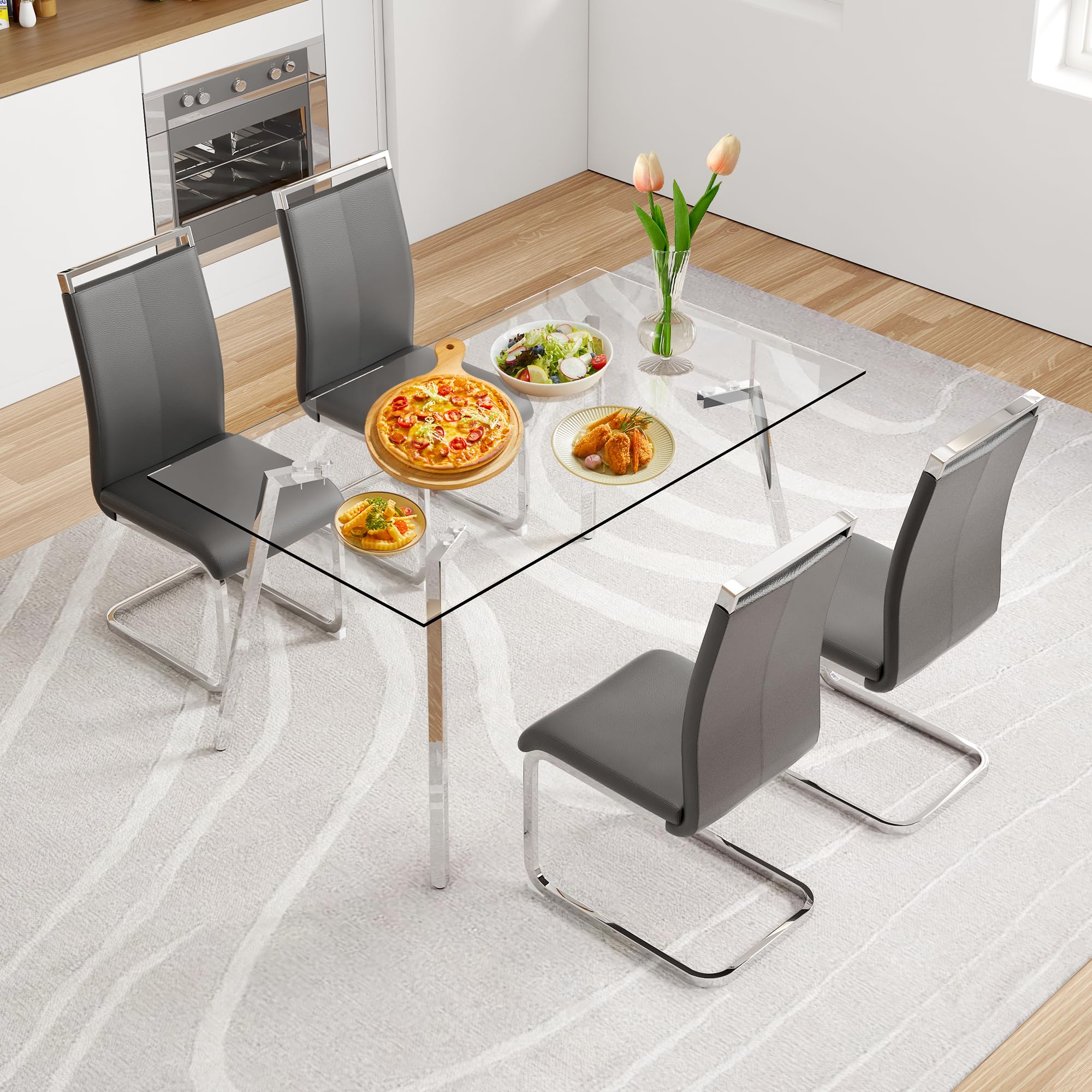
A minimalist glass-top dining set with tempered glass and faux-leather chairs for a sleek, easy-to-clean look.
Why I picked it: I valued the tempered glass top for its clean lines and durable feel.
Best for: Small to medium dining areas where a light, modern look is desired.
Premium look for a moderate premium.
Pros
- 0.31" tempered glass top
- Stainless steel legs resist rust
- PU leather chairs are easy to wipe
- Feels visually light in small rooms
Cons
- Glass needs careful handling
- Shows fingerprints and smudges
- Delivered in multiple boxes at times
My take
I brought this glass set into a compact dining nook and appreciated how visually open it made the area feel. The tempered glass top has a solid weight to it and reads higher-end than most tabletops in the same footprint.
The PU leather chairs are surprisingly comfortable for everyday use and wipe clean easily after meals—handy when I’m dealing with spills. The stainless steel frame looks modern and has required little maintenance.
Assembly was straightforward, though the set arrived in multiple boxes across different days. I’d recommend gentle handling during setup and a routine of quick wipes to keep the glass looking pristine.
How I Pick Kitchen Tables
Measure first, then shop
I always measure the floor area where the table will live and leave at least 30" of clearance on each side for comfortable movement. Door swing and appliance placement can steal usable space quickly, so I plan those paths before choosing a shape.
Rectangular tops work well in narrow rooms; square or round tops keep circulation open in tighter footprints.
- Measure width, depth, and path clearance before buying
- Allow 30"–36" clearance for chairs to move comfortably
- Pick narrow or slim tables for walkways and islands
Decide on height and seating
I match table height to the chairs or stools I want to use—standard dining chairs need a lower table, while counter-height stools pair with 34"–36" surfaces. Think about whether you want casual bar seating or formal dining height.
Consider how many seats you actually use daily versus occasional seating for guests; this guides whether a 4-seat or 6-seat table is the right footprint.
- Counter-height = casual, bar stool seating
- Standard dining = traditional chairs and longer sits
- Choose a table that fits daily use first, occasional guests second
Materials and upkeep
I evaluate tabletop materials by how I live: glass and lacquer look crisp and clean but show fingerprints; laminate or veneer hides wear; solid wood dents and ages differently. Tempered glass is more forgiving than ordinary glass for everyday dining.
Leg and frame materials affect stability—metal frames often provide better long-term rigidity in smaller tables.
- Glass: sleek, easy to wipe, show smudges
- Lacquer/MDF: high-gloss look, moderate care
- Wood/veneers: durable, can be refinished
Assembly and delivery expectations
I check how a table ships—large singles or multiple boxes affect delivery timing and handling. Many pieces require some assembly, so I plan for 30–90 minutes and have basic tools handy.
If a table is heavy, enlist help for setup to avoid damage or injury.
- Expect partial assembly for most tables
- Check for included tools and ask for help if heavy
- Inspect packaging on arrival for damage
Frequently Asked Questions
What table height should I choose for bar stools?
I pick counter-height (around 34"–36") when I want bar stools and a casual feel. Measure stool seat height and allow 10"–12" of knee clearance beneath the table for comfortable seating.
Are glass tabletops practical with kids?
I use tempered glass when I want easy cleaning and a lightweight visual. It’s durable for everyday use but I avoid rough play at the table and keep felt pads for serving pieces. Smudges show, but they wipe away quickly.
How much assembly time should I plan for?
I generally budget 30–90 minutes depending on complexity. Compact sets assemble fastest; larger tops and multi-part sets take longer and sometimes arrive in multiple boxes.
Final Take
I narrowed the list to pieces that actually work in real homes—small footprints that don’t skimp on stability, and four-seat sets that fit family routines without overwhelming a room.
If you need advice for your layout, tell me the room dimensions and seating needs and I’ll help you pick the best fit.
