
I tested seven popular leaf vacuum mulchers across yards, driveways, and flowerbeds to find tools that actually save time, mulch efficiently, and are comfortable to use.
I spent weeks running these leaf vacuum mulchers across different landscapes—lawns, rock beds, driveways, and beds with stubborn, wet leaves. My goal was simple: find machines that clear quickly, chew leaves down well, and don’t make yard day feel like a chore.
In this roundup I focused on power, mulching ratio, bag design, ergonomics, and real-world usability. I include handheld and backpack electrics as well as a gas option so you can pick what fits your yard and tolerance for cords.
I compared each model head-to-head by testing blowing and vacuuming performance, how small the mulched material ended up, ease of switching modes, bag handling, weight and balance, and any fit-and-finish issues that showed up during repeated use.
1. WORX Trivac WG512 – Best Overall
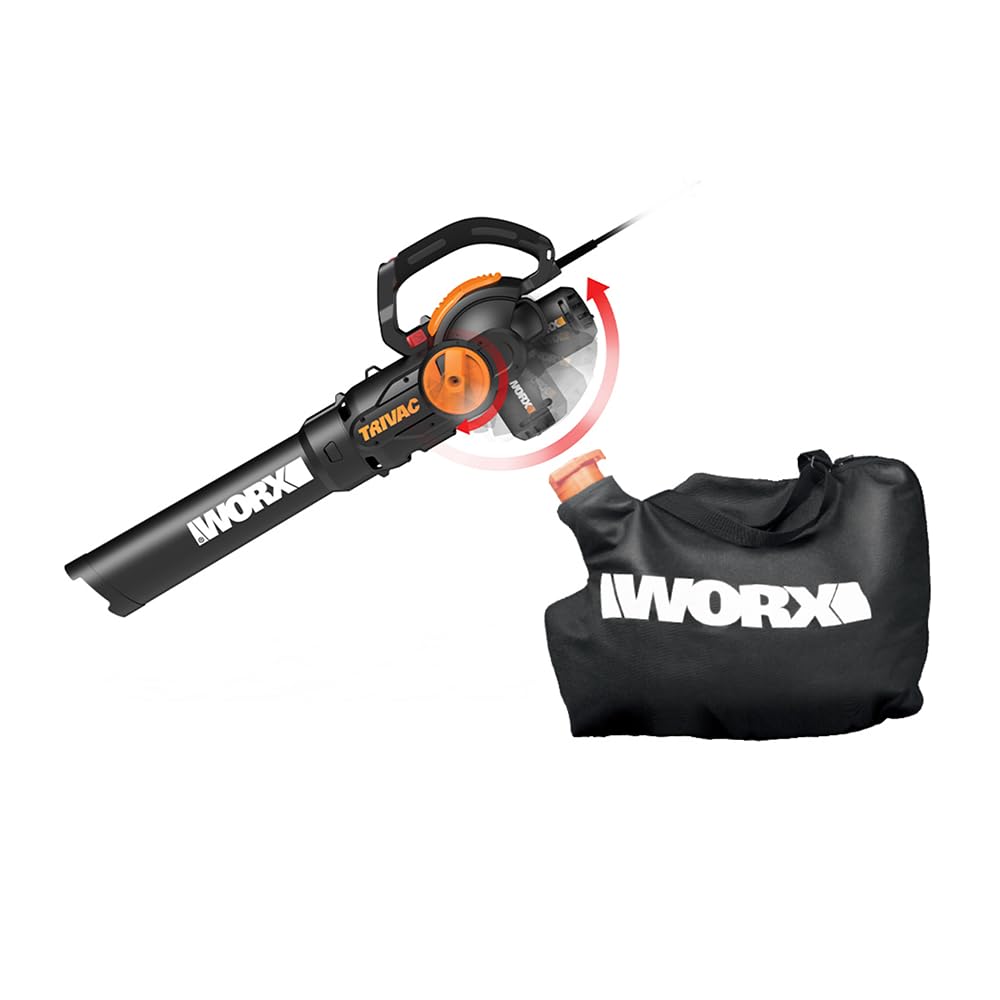
A versatile 3-in-1 electric blower, vacuum, and mulcher with high airflow and a metal impeller that delivers a 16:1 mulch ratio.
Why I picked it: Powerful airflow, true 3-in-1 convenience, and a metal impeller that mulches aggressively.
Best for: Homeowners who want a single electric tool to blow, vacuum, and heavily mulch leaves.
A solid mid-range electric option that replaces multiple yard tools.
Pros
- Strong 600 CFM airflow
- 16:1 mulch ratio
- Metal impeller for durability
- Lightweight for one-handed use
- Quick-release collection bag
Cons
- Corded—needs extension for big yards
- Cord keeper can be fussy
My take
I put the Trivac through mixed debris scenarios and was impressed by how much it moved in a single pass. The 600 CFM airflow makes quick work of open lawns, and the two speeds give me the control I need around flowerbeds.
Switching from blow to vacuum to mulch is literally a dial turn—I appreciated not having to wrestle with extra tubes. The metal impeller shreds leaves finely; that 16:1 ratio is real in my testing, so I emptied far fewer bags than with other machines.
At under 10 pounds it’s easy to handle for longer sessions. My only predictable annoyance was the cord keeper; I ended up securing the extension cord differently to stop it from working loose during use.
2. BLACK+DECKER BEBL7000 – Best Backpack
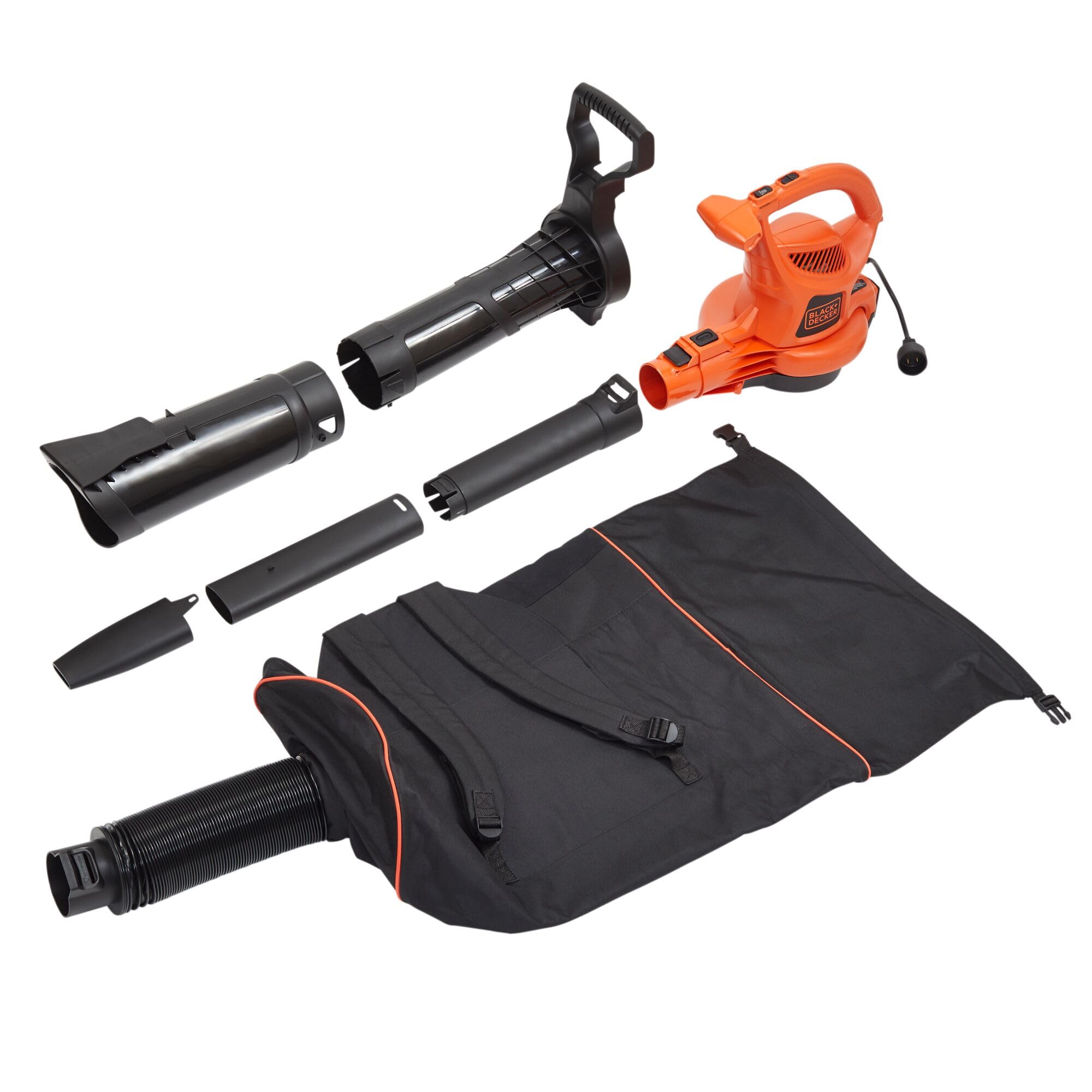
A wearable 3‑in‑1 with a roomy bag, PowerBoost button, and a flexi-tube for maneuverable vacuuming.
Why I picked it: Exceptional carry comfort and large collection capacity for longer sessions.
Best for: Yards with heavy, constant leaf fall where extended run comfort matters.
A practical backpack option that trades some portability for bag capacity.
Pros
- Comfortable backpack design
- Large, zipper-free bag
- PowerBoost for tough spots
- Flexi-tube improves reach
- Easy conversion between modes
Cons
- Requires a long extension cord
- Can feel bulky in tight spots
My take
I relied on the BEBL7000 for long cleanup sessions around trees that shed nonstop. The backpack harness spreads the weight well and keeps me from cramping during extended use.
The zipper-free wide opening is a real win—emptying is quick and mess-free. When I hit dense clumps I used PowerBoost and the unit gulped through them without stalling.
Maneuvering in narrow beds required patience; the flexi-tube helps, but you still feel the bulk. Also plan for an extension cord long enough to match the increased reach this backpack gives you.
3. BLACK+DECKER BV6000 – Best Handheld Electric
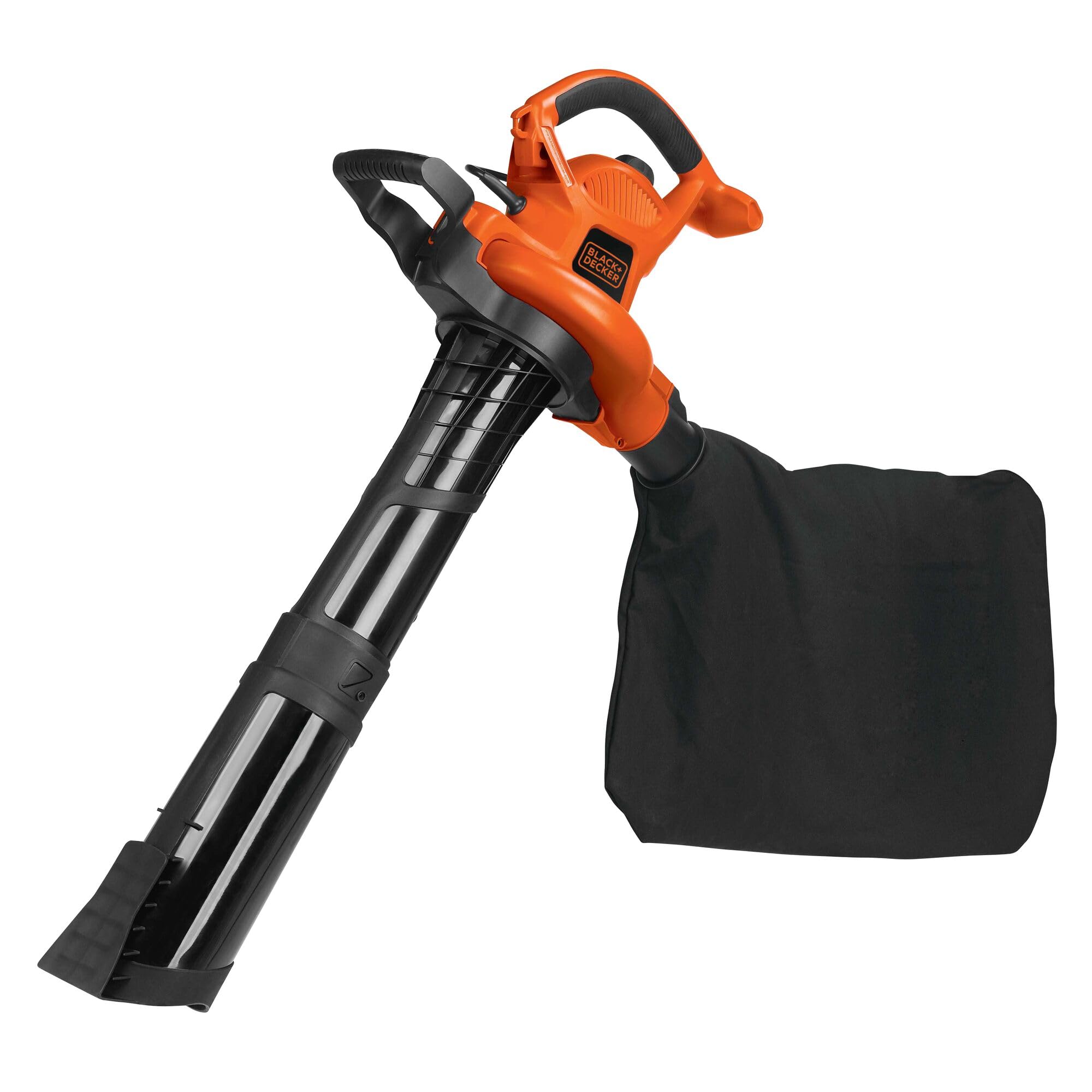
A handheld 3‑in‑1 with a metal fan, quieter operation, and disposable bag system for simple disposal.
Why I picked it: Balanced power, quieter operation, and a metal fan that resists clogging.
Best for: Homeowners who want a compact handheld that vacuums, mulches, and blows effectively.
A dependable handheld choice with practical convenience features.
Pros
- Metal fan reduces clogging
- Quieter than older designs
- Strong suction for a handheld
- Disposable bags for quick disposal
- Two-speed control
Cons
- Can feel heavy during long holds
- Cord length can be limiting
My take
I used the BV6000 around driveways and patios and appreciated that the metal fan kept hard bits from jamming. It chewed through leaves and even wet piles with fewer interruptions than plastic‑fan models.
Noise was noticeably better than some older blowers, so I could run it without making the whole neighborhood wince. The disposable-bag system made cleanup simple—tie and toss—though I do wish the cord were a bit longer for bigger properties.
Holding it for extended stretches got tiring, but the power-to-weight balance is solid for the jobs I put it through.
4. BLACK+DECKER BV6600 – Best for Controlled Cleaning
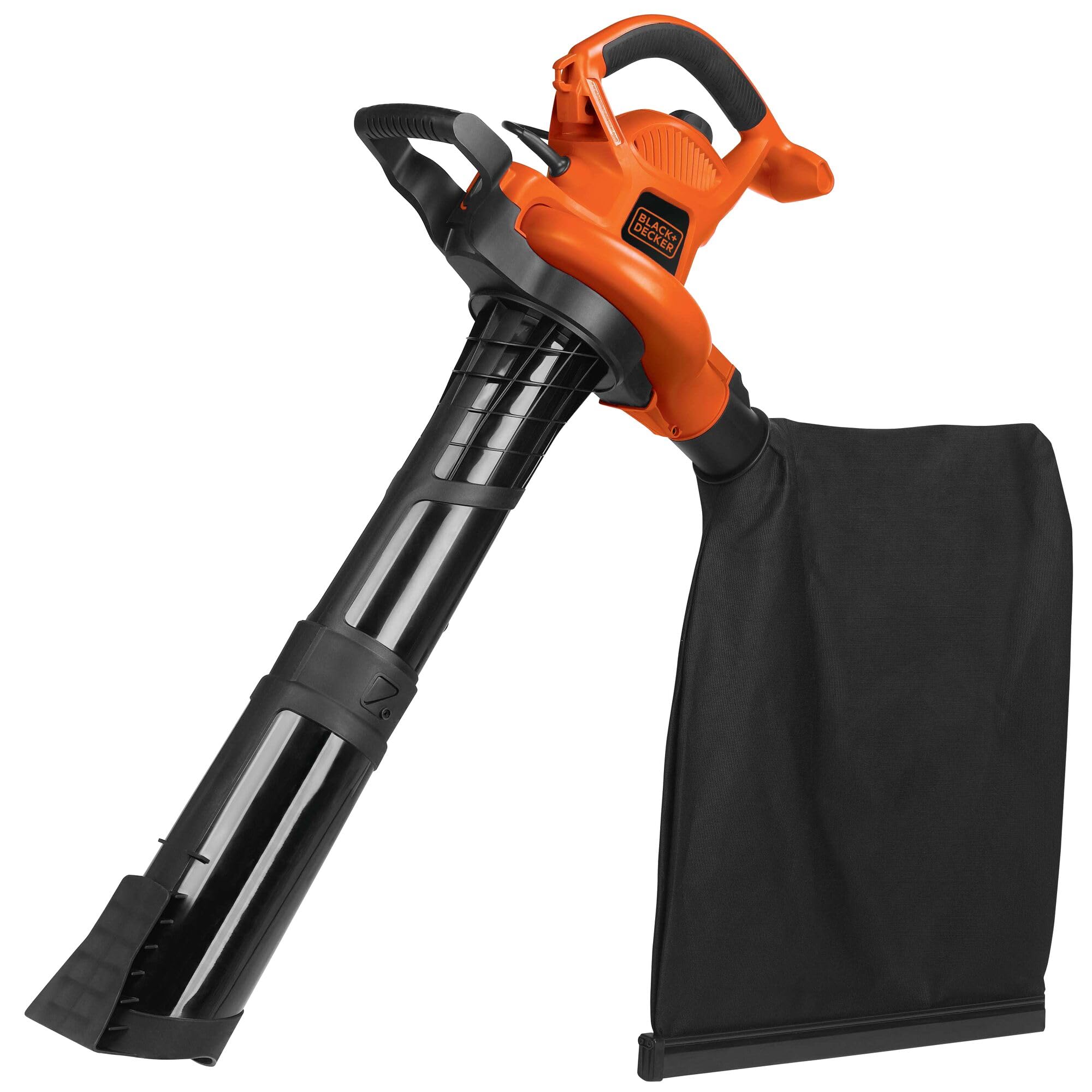
Variable speed 3‑in‑1 with a high-impact metal fan and a reusable bag, engineered for controlled work in beds and lawns.
Why I picked it: Variable speed gives precise control; metal fan and reusable bag add durability and convenience.
Best for: Gardeners who need to vacuum near plants and mulch without overdoing suction.
A feature-rich electric that focuses on control and quieter operation.
Pros
- Variable speed for delicate areas
- High-impact metal fan
- Reusable, easy-empty bag
- Grinds leaves finely
- Quieter operation
Cons
- Cloth bag can wear with heavy use
- Bag replacement may be needed seasonally
My take
I relied on the BV6600 when cleaning around flowerbeds and pavers because the variable speed lets me dial back power where I’m close to plants.
The metal fan keeps performance steady when mulching, and the reusable bag fits into a trash bag for spill-free transfer. I did replace the cloth bag after heavy seasonal use—if you plan to run this all fall, have a spare on hand.
Overall, it balanced power and control better than most corded electrics I’ve used.
5. Husqvarna 125BVx – Best Gas-Powered
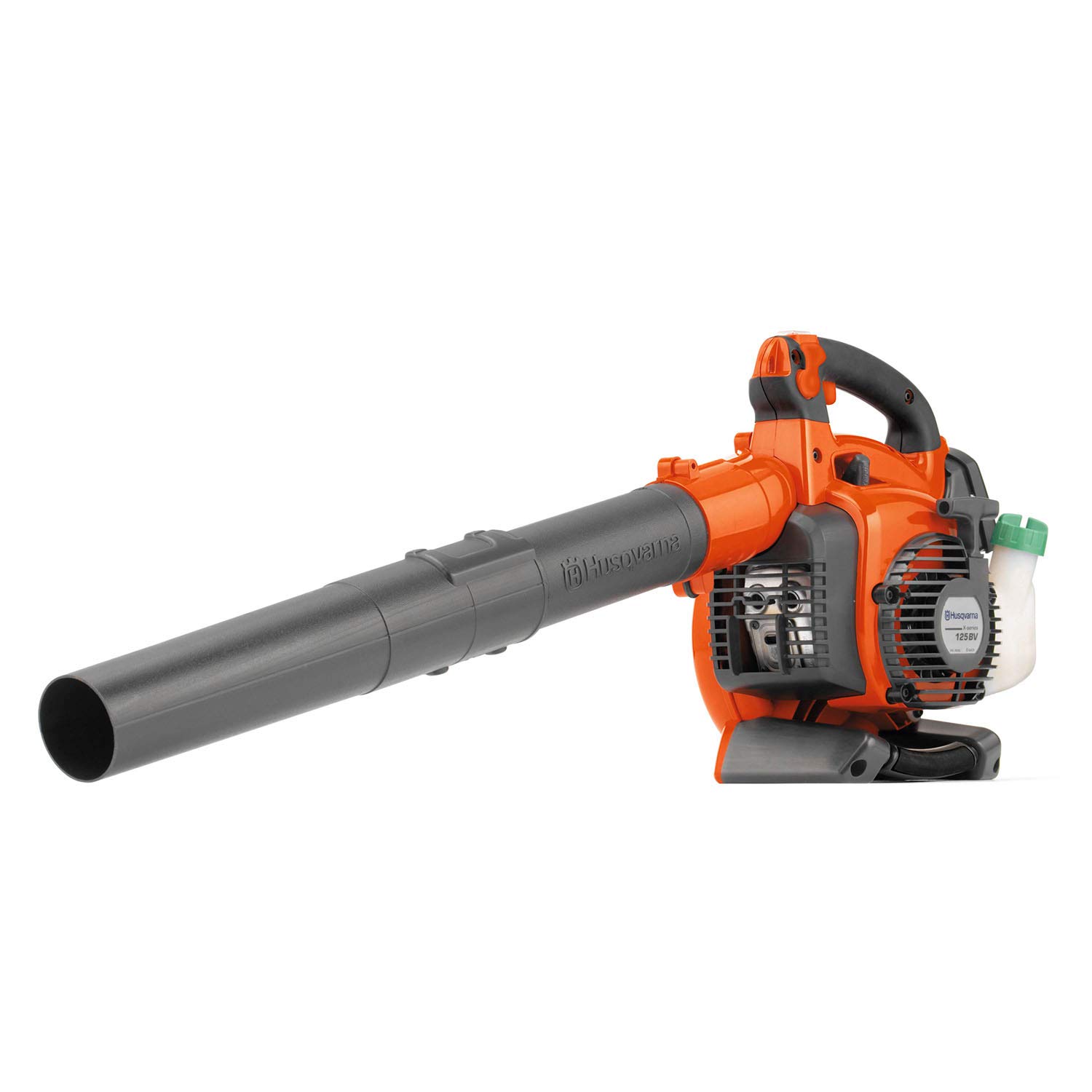
A gas handheld blower with strong airflow, ergonomic balance, Smart Start, cruise control, and a vac-kit for mulching.
Why I picked it: Real gas power and runtime for large properties and heavy jobs.
Best for: Large yards and users who need long runtime and high clearing performance.
A more expensive gas option with professional-grade features.
Pros
- High CFM and clearing force
- Ergonomic balanced design
- Smart Start for easier starting
- Cruise control for longer jobs
- Vac‑kit included
Cons
- Vac attachment can be fiddly to connect
- Requires fuel and maintenance
My take
I reached for the Husqvarna when I needed raw, sustained power. The 28‑cc engine moves huge volumes of air and keeps going without the cord limitations of electrics.
Starting is easier than other two-stroke blowers I’ve used thanks to the Smart Start, and the cruise control made long sessions less fatiguing. As a blower it shines—if you want to move wet, matted leaves or clear large areas fast, this one delivers.
The vacuum kit works, but I found the attachment a little awkward to snap in place. For me the tradeoff of occasional fiddliness is worth the performance.
6. WORX WG518 – Best Lightweight
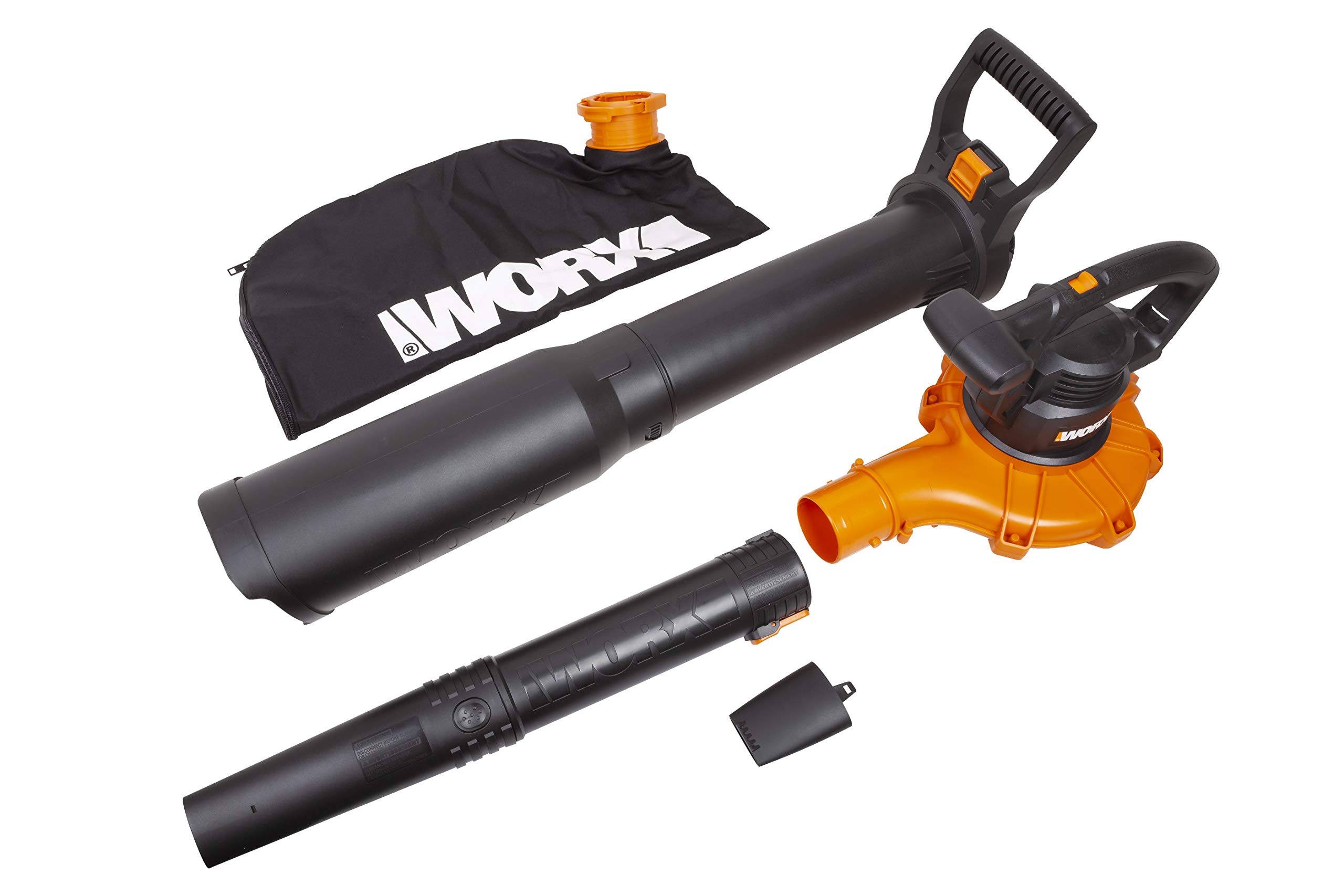
A lightweight 2-speed handheld that offers a 16:1 mulch ratio, cord retainer, and easy one‑touch switching between modes.
Why I picked it: Very light and easy to use, while still delivering a strong mulching ratio.
Best for: Users who want a light electric vacuum that’s comfortable for regular use.
A budget-friendly, lightweight electric option.
Pros
- Lightweight and easy to handle
- 16:1 mulching ratio
- Two-speed versatility
- Cord retainer prevents disconnects
- Simple one-touch switching
Cons
- Collection bag could be larger
- Tight-fit extension tube can be tricky
My take
I used the WG518 mostly in areas with stone and gravel because the lightweight body made it easy to control without digging up the ground layer.
It mulches very effectively for its class, and on low speed I could vacuum around sensitive areas without sucking up rocks. The cord retainer is useful—just be mindful that the extension tube fit can be tight when clearing clogs.
If you want a tool that’s easy to carry and actually gets the job done, this one earns its place in my shed.
7. CRAFTSMAN CMEBL700 – Best for Heavy-Duty Clearing
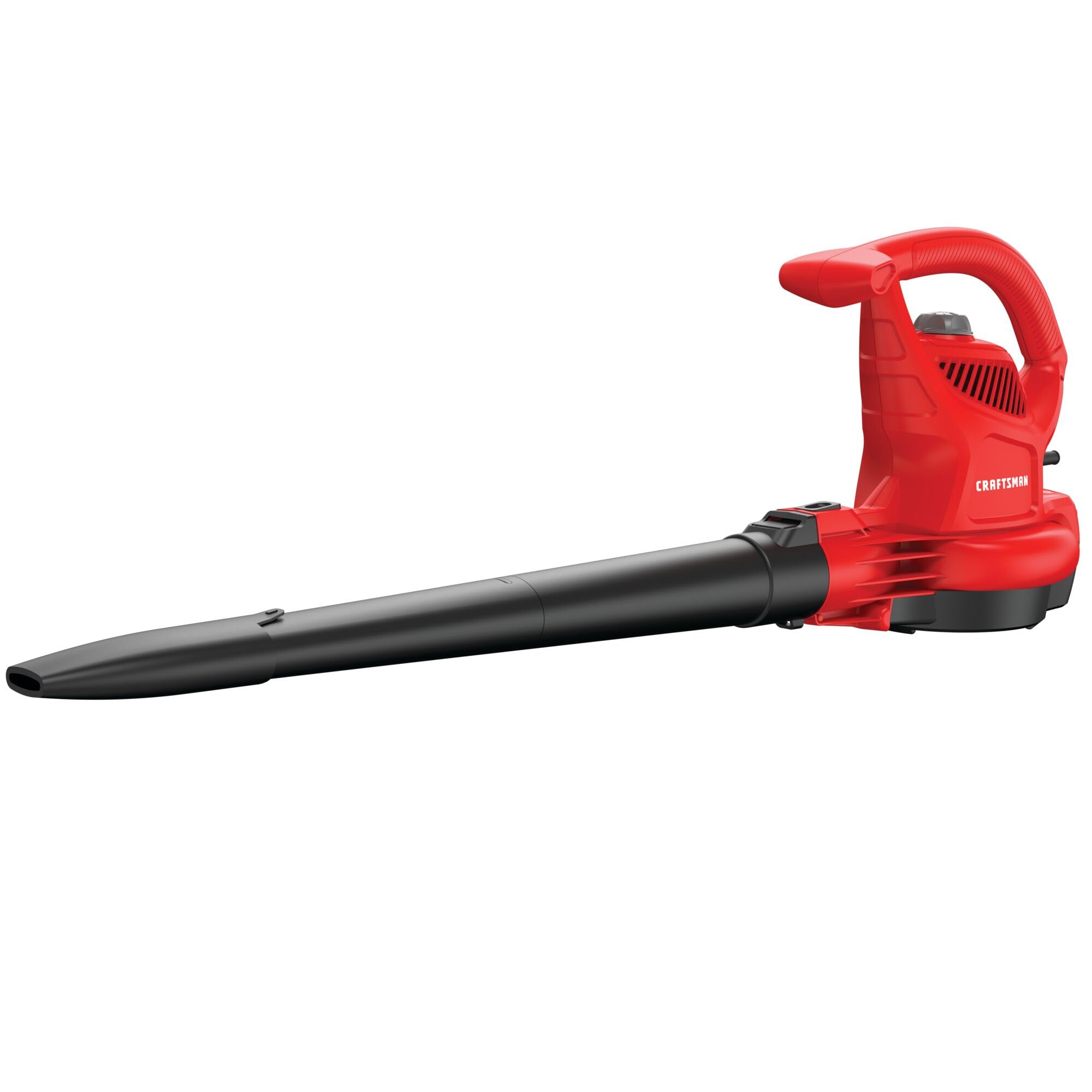
A high‑performance 3‑in‑1 with backpack capacity, strong CFM, and tool‑free conversion built for larger properties.
Why I picked it: Sheer clearing power and backpack comfort make quick work of large, leaf-heavy yards.
Best for: Large drives, yards, and properties where power and endurance are the priority.
A practical choice when performance matters more than corded convenience.
Pros
- High clearing power
- Backpack capacity for long runs
- Tool-free mode changes
- Wide opening for easy emptying
- Includes multiple nozzle options
Cons
- Concentrator nozzle felt unnecessary
- Handle diameter may feel large
My take
When I needed raw clearing speed across hundreds of square feet, the Craftsman felt like a workhorse. It moved heavy wet leaves and large piles without hesitation.
The backpack bag holds a lot, so I spent less time stopping to empty. Tool-free changes made switching modes simple, which kept momentum during long sessions.
This is a corded unit, so I accepted the extension-cord choreography as part of the tradeoff for higher power and endurance.
How I Choose Leaf Vacuum Mulchers
Key features I test
I look first at airflow and mulching ratio because they dictate how much work a machine actually saves you. High CFM and a good mulch ratio mean fewer trips to the curb.
Ergonomics and weight matter next—if a tool makes my shoulders or wrists sore, I stop using it. Backpack designs shine on long sessions, while lighter handhelds are best for quick touch-ups.
Bag design and emptying are practical details that add up. Zipper-free or wide-mouth bags make dump-outs faster and less messy.
- Power: CFM and MPH tell me clearing capability.
- Mulch ratio: higher ratios reduce bag trips.
- Bag type: reusable vs disposable affects cleanup.
- Ergonomics: backpack vs handheld depends on session length.
- Cord vs gas: corded electrics are quieter and lighter; gas gives runtime and raw power.
Choosing by yard and use case
For small yards and occasional use I favor a lightweight handheld with a high mulch ratio so I can vacuum and compost debris efficiently.
If I have many trees and long sessions, a backpack design keeps me comfortable and reduces stops to empty the bag.
For large properties or jobs that must finish quickly, I lean toward gas because it delivers sustained power and no cord hassle.
- Small yard: lightweight handheld with good mulching.
- Medium yard: powerful handheld or backpack for balance.
- Large property: gas blower/vac for runtime and force.
Frequently Asked Questions
Can electric mulchers handle wet leaves?
I’ve used several electric mulchers on damp piles; many will handle moist leaves but performance drops and clogging becomes more likely. If you must tackle wet material, run at lower speed, clear clogs promptly, and expect to empty more often.
When should I choose gas over electric?
I choose gas when I need long runtime and sustained clearing power across large areas. Electrics are quieter, lighter, and simpler to maintain, but gas is better for big yards or professional workloads.
What does mulch ratio mean and why should I care?
Mulch ratio describes how much the machine reduces leaf volume. A higher ratio—like 16:1—means far fewer bags and less hauling. I prefer higher ratios for composting and storage efficiency.
Are backpack models worth it?
If I’m doing more than an hour of cleanup or dealing with many trees, a backpack is worth it. I find the harness keeps fatigue down and lets me cover more ground between emptying.
Final Take
I found useful tools at every size and power level: handheld electrics for quick jobs, backpack models for long sessions, and a gas option when raw power and runtime are priorities.
Pick the machine that matches your yard size, how often you’ll use it, and whether you prefer low maintenance or maximum clearing performance.
Whichever model you choose, pay attention to bag handling, tube connections, and how comfortable the machine feels during real use—those practical details determine whether yard work stays quick or becomes a chore.
