
I spent weeks swapping and testing bulbs across bedside lamps, ceiling fixtures, and decorative pendants. Here are the bulbs I kept and why they work in a bedroom.
I approached this roundup by installing each bulb in real bedroom fixtures—overhead lights, bedside lamps, and a few exposed pendants—so I could judge warmth, glare, and how the light affected sleep and reading.
My picks cover everything from warm, vintage filaments to bright daylight and full smart-color options. I focused on color temperature, usable lumens in a bedroom setting, dimmability or lack of it, and how the bulbs looked in fixtures you actually live with.
If you want cozy ambient light for winding down, crisp task light for reading, or something that plays well with a smart home, I explain where each bulb made the most sense in my bedrooms.
I compared warmth (K), practical brightness (lumens), and special features like color control and app integration so you can match a bulb to your bedroom routine—not just pick the brightest one.
1. Sylvania ECO LED A19 60W Equivalent — 2700K Soft White, 750 Lumens – Best Overall
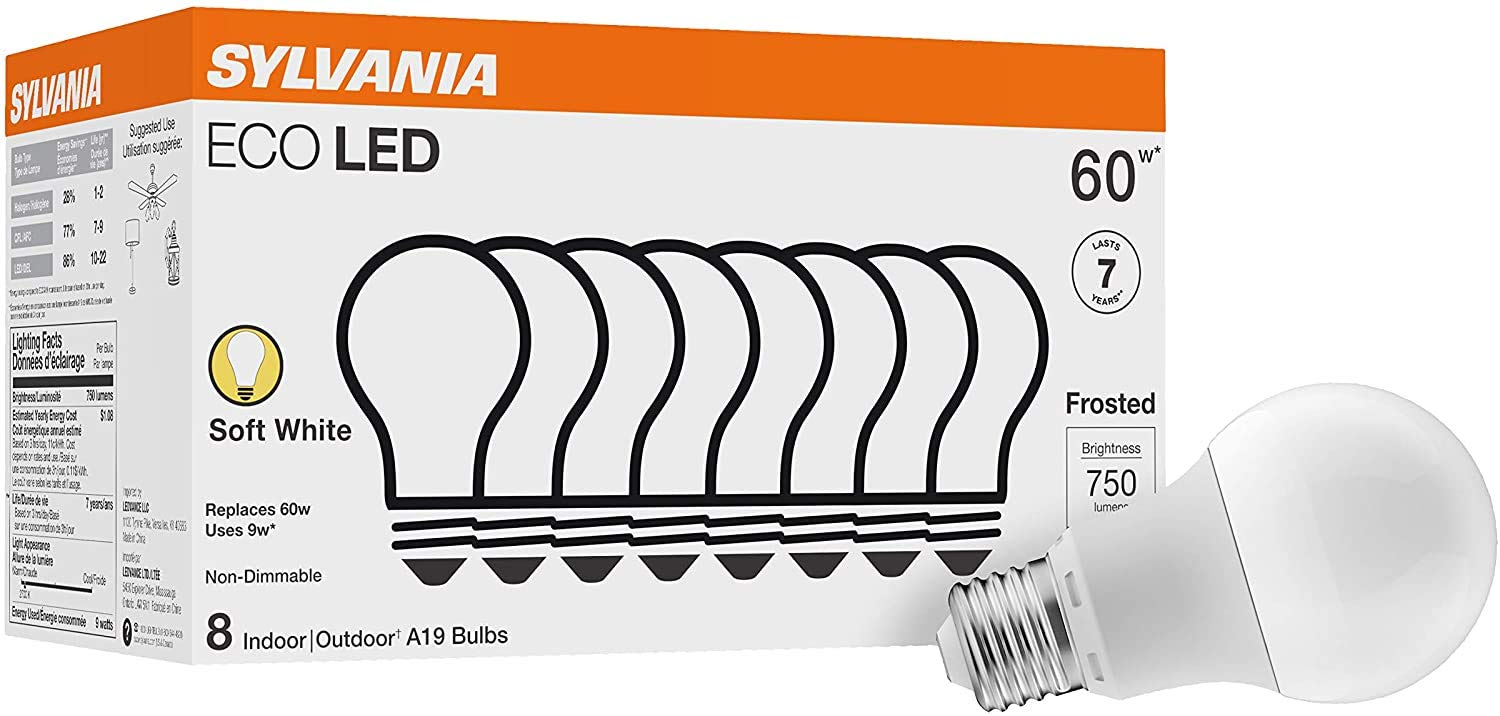
A reliable, soft-white A19 that hit the balance between cozy and functional across bedside and overhead fixtures.
Why I picked it: Consistent warm tone and practical 750-lumen output for bedrooms.
Best for: Everyday bedroom fixtures and lamps where warm, non-harsh light is key.
Affordable multi-pack suited for whole-room swaps.
Pros
- Comfortable 2700K warmth
- Sweet-spot 750 lumens
- No audible hum or flicker
- Long rated lifespan
Cons
- Non-dimmable
- Not for fully enclosed fixtures
- Occasional cosmetic scuff
My take
I converted most of my apartment fixtures to these Sylvania ECO bulbs and appreciated how uniform the 2700K warmth stayed between sockets. The 750-lumen output was bright enough for getting dressed and doing small tasks, but soft enough to read in bed without feeling harsh.
During long evening uses there was no buzzing or flicker, which told me the internal driver is solid. I did find one bulb with a tiny scuff on the frosted finish out of the box, but that didn’t affect light quality.
If you want an easy, predictable soft-white bulb for every fixture in a bedroom, these are the ones I reach for first.
2. Energetic A19 LED 60W Equivalent — 5000K Daylight, 760 Lumens (24-Pack) – Best for Daylight Tasks
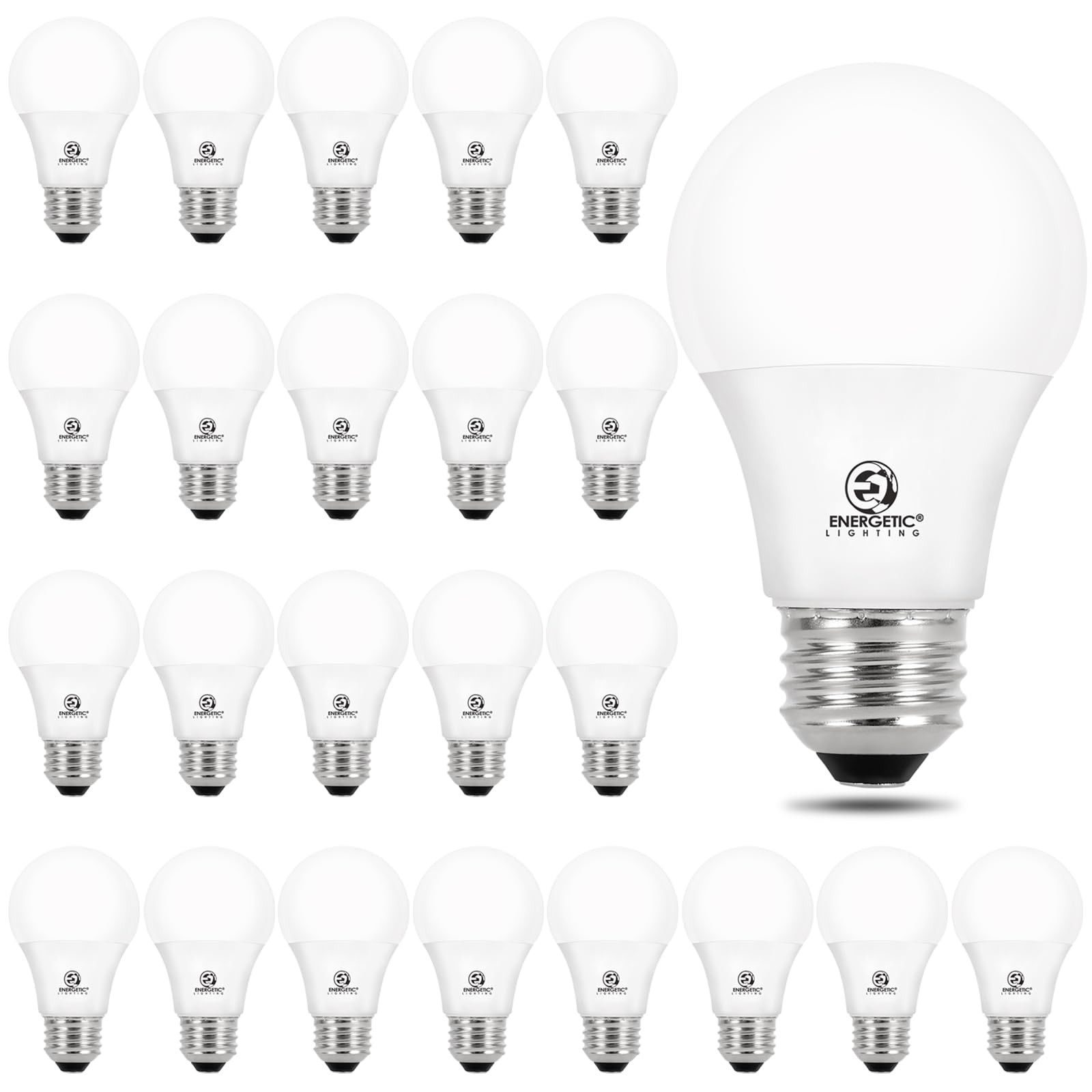
A large pack of daylight A19s that give crisp, high-visibility light—great for task areas in or near the bedroom.
Why I picked it: High 5000K clarity for tasks, plus a large pack for whole-home swaps.
Best for: Study desks, dressing areas, and bedrooms where bright, cool light helps focus.
Budget-friendly when you need many bulbs at once.
Pros
- Very bright daylight output
- Instant-on, even illumination
- Huge 24-pack convenience
Cons
- Non-dimmable
- Cooler color can feel stark
- Some early failures reported
My take
I installed these Energetic bulbs over a dressing table and in a small home office adjacent to my bedroom. The 5000K daylight made tasks and color-checking effortless—faces and fabrics looked crisp under the light.
They turn on instantly and stay cool to the touch, but I did notice that if you prefer softer, sleep-friendly light in the evening, this temperature is too blue for late-night reading.
For me they're ideal where focus matters: makeup, closet lighting, or a bedside workspace. I would avoid them in fixtures you want for winding down.
3. Ascher Vintage LED Edison Bulb — 2700K Warm White, 700 Lumens (12-Pack) – Best Vintage Look
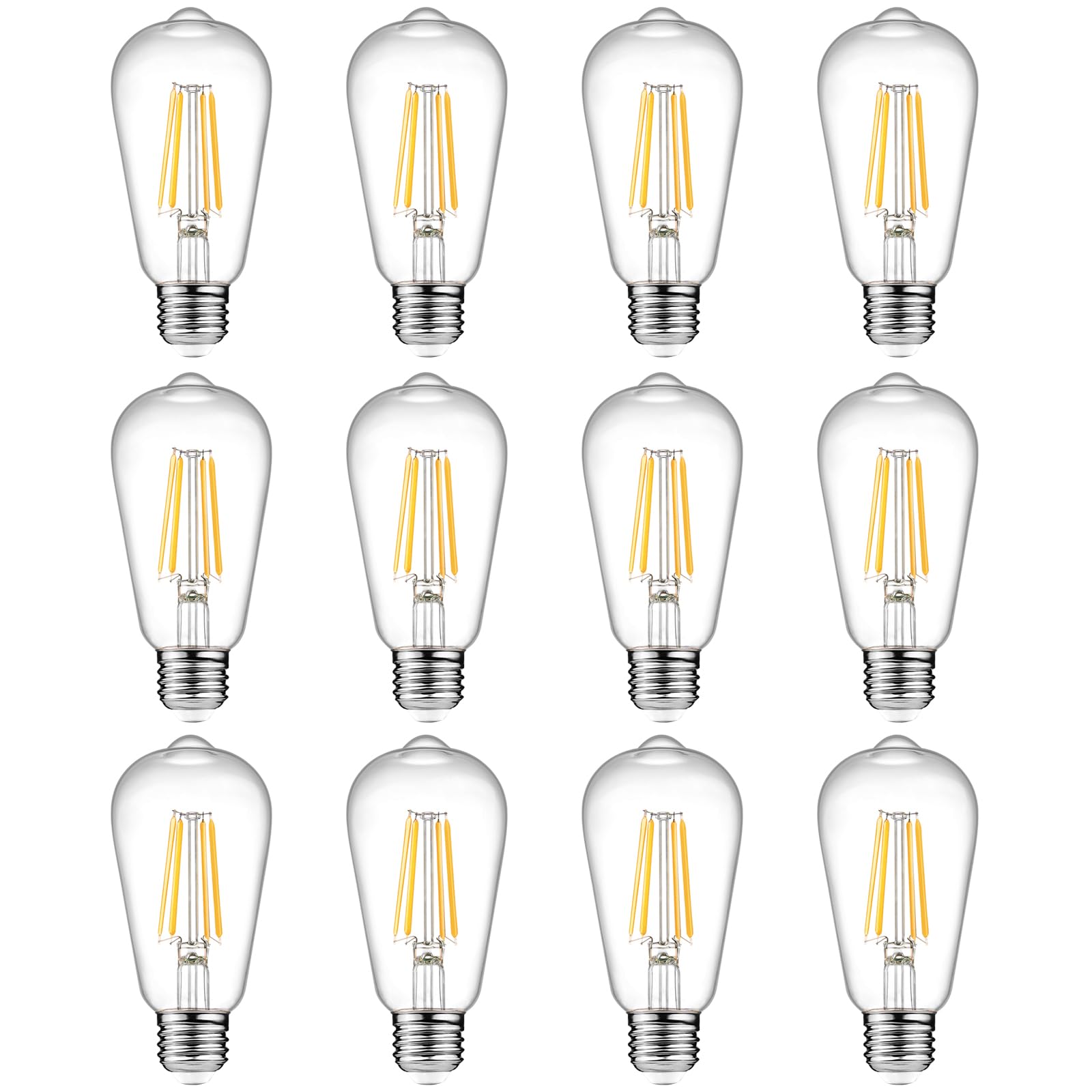
A decorative filament bulb that gives a warm, nostalgic glow while still offering modern LED efficiency.
Why I picked it: Vintage aesthetic with warm, usable light for exposed fixtures.
Best for: Pendant fixtures, bedside exposed bulbs, and mood lighting.
Mid-range decorative option that upgrades a fixture's look.
Pros
- Authentic Edison filament style
- Cozy 2700K warmth
- Good CRI for true colors
Cons
- Non-dimmable
- Glass can arrive fragile
- Slightly lower lumen output
My take
I used these Ascher Edison bulbs in exposed pendant fixtures over my nightstand and loved the way they changed the room’s vibe—the filament design reads like decor while the warm 2700K light stays relaxing.
One box arrived with a broken bulb, so pack protection can be hit-or-miss; the replacement arrived in good condition. The light itself feels cozy and is bright enough for casual reading, though it’s not as punchy as a dedicated task bulb.
If you want the vintage look without the heat or inefficiency of old incandescent filaments, these are a great swap that actually improves ambiance.
4. ILC RGB LED Color Changing Bulb — RGBW, Remote Controlled, 2700K Warm White (4-Pack) – Best for Mood Lighting
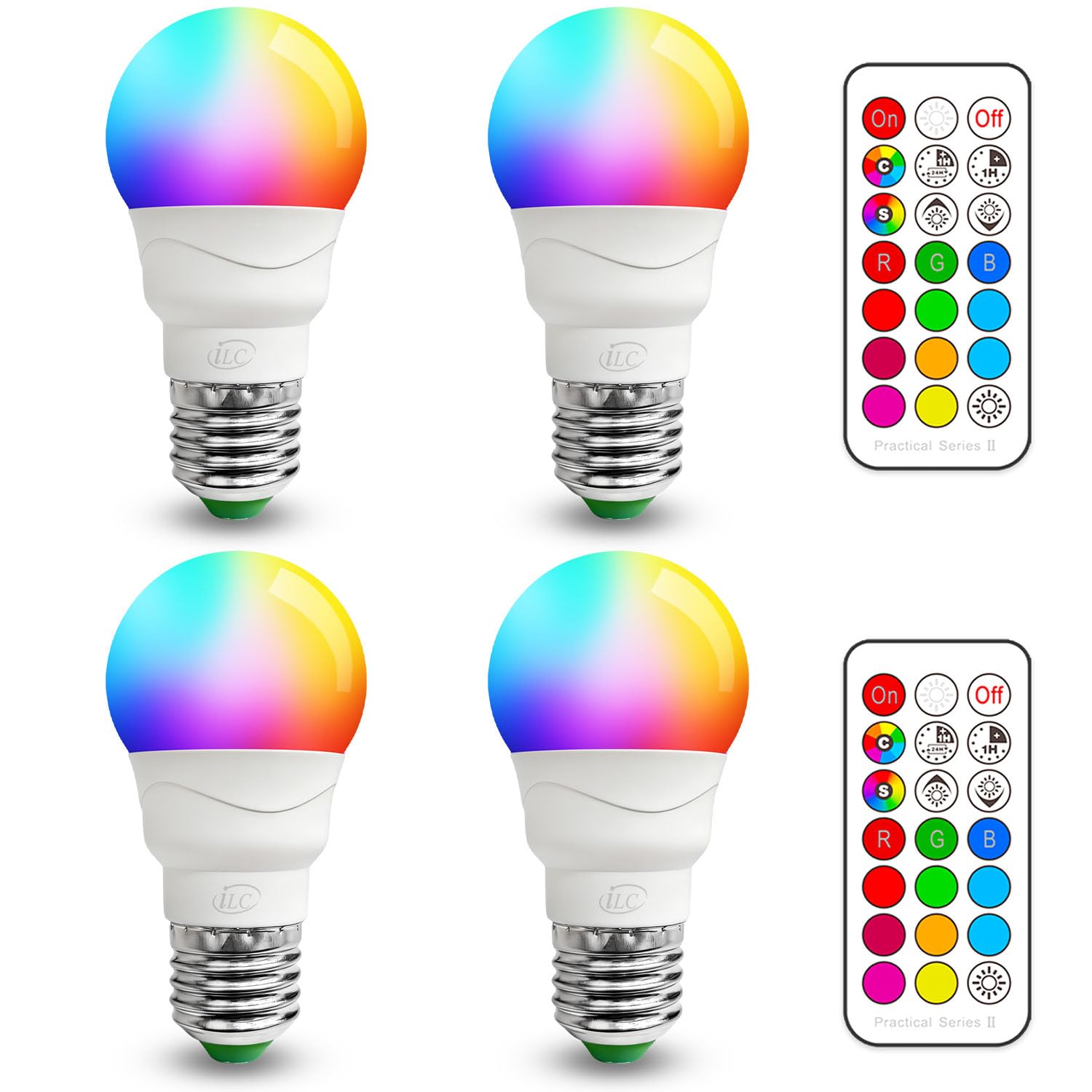
A versatile RGBW bulb with remote, ideal for creating color scenes and subtle nightlight settings in a bedroom.
Why I picked it: Lots of color choices and convenient remote control for quick mood changes.
Best for: Game rooms, guest bedrooms, and bedside mood lighting.
Cost-effective color-changing option versus full smart bulbs.
Pros
- Wide color selection
- Remote control and memory
- Timing function available
Cons
- Lower lumen output (450lm)
- Problems in dimmable fixtures
- Not app- or voice-integrated
My take
I put one of these ILC bulbs into a lamp and used the remote to switch between warm white and several vivid colors. The remote is intuitive, the bulb remembers your last color, and the timing feature is useful as a sleep-friendly nightlight.
Colors are bright and playful—perfect when I want to set a relaxed or party mood without pulling out smart-home controls. That said, the bulb is only 450 lumens so it won’t replace a main overhead light.
I would avoid these in dimmable fixtures; I did notice reduced lifespan and odd behavior when paired with a wall dimmer. For a simple plug-and-play color option, these work well.
5. Philips Hue White & Color Ambiance A19 — Smart, Voice-Controlled, 800 Lumens (2-Pack) – Best Smart Bulb
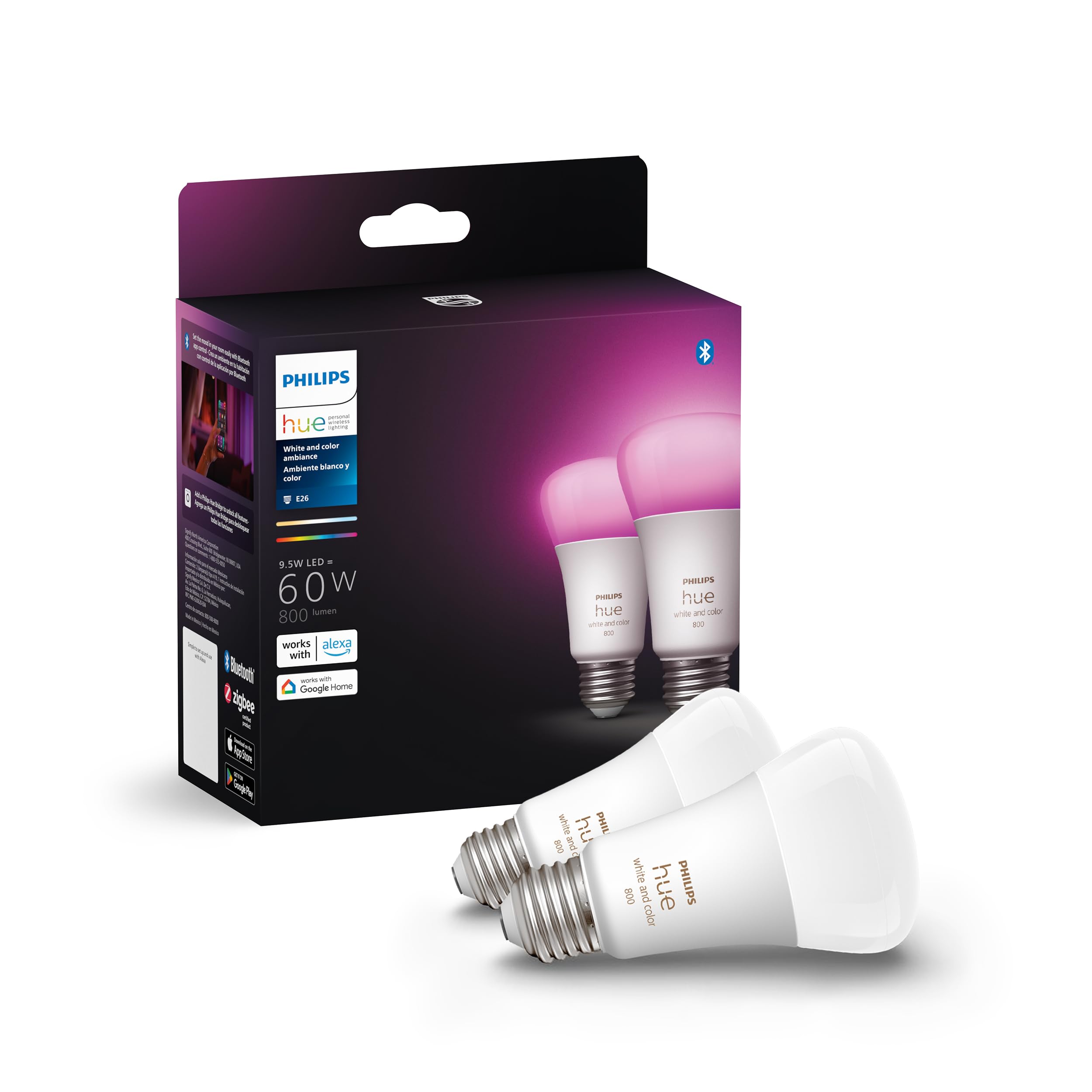
A polished smart-lighting experience with deep color control, smooth dimming, and reliable hub-based operation.
Why I picked it: Unmatched app control and color/dimming smoothness for bedroom automation.
Best for: Anyone building a dependable smart-lighting setup in bedrooms.
Premium option for a long-term smart lighting system.
Pros
- Millions of colors and whites
- Smooth dimming and transitions
- Reliable hub-based control
Cons
- Higher-cost option
- Hub needed for full capabilities
- Requires account for remote features
My take
I’ve built several Hue rooms over the years and rely on the Hue Bridge for consistent performance. With the hub the lights respond instantly and routines work every time—not something I can say for cheaper Wi‑Fi bulbs I tested in the past.
Color rendering and the smoothness of dimming are noticeably better than the generic alternatives. I set a wake-up scene for the bedroom and a warm, low-light unwind scene at night; both perform beautifully.
If you want full automation—voice, schedules, and app scenes—Hue is the system I reached for repeatedly, even though it’s the pricier route.
6. Ascher ST58 Vintage LED Edison Bulbs — 2700K Warm White, 700 Lumens (Pack of 4) – Best Small-Pack Vintage
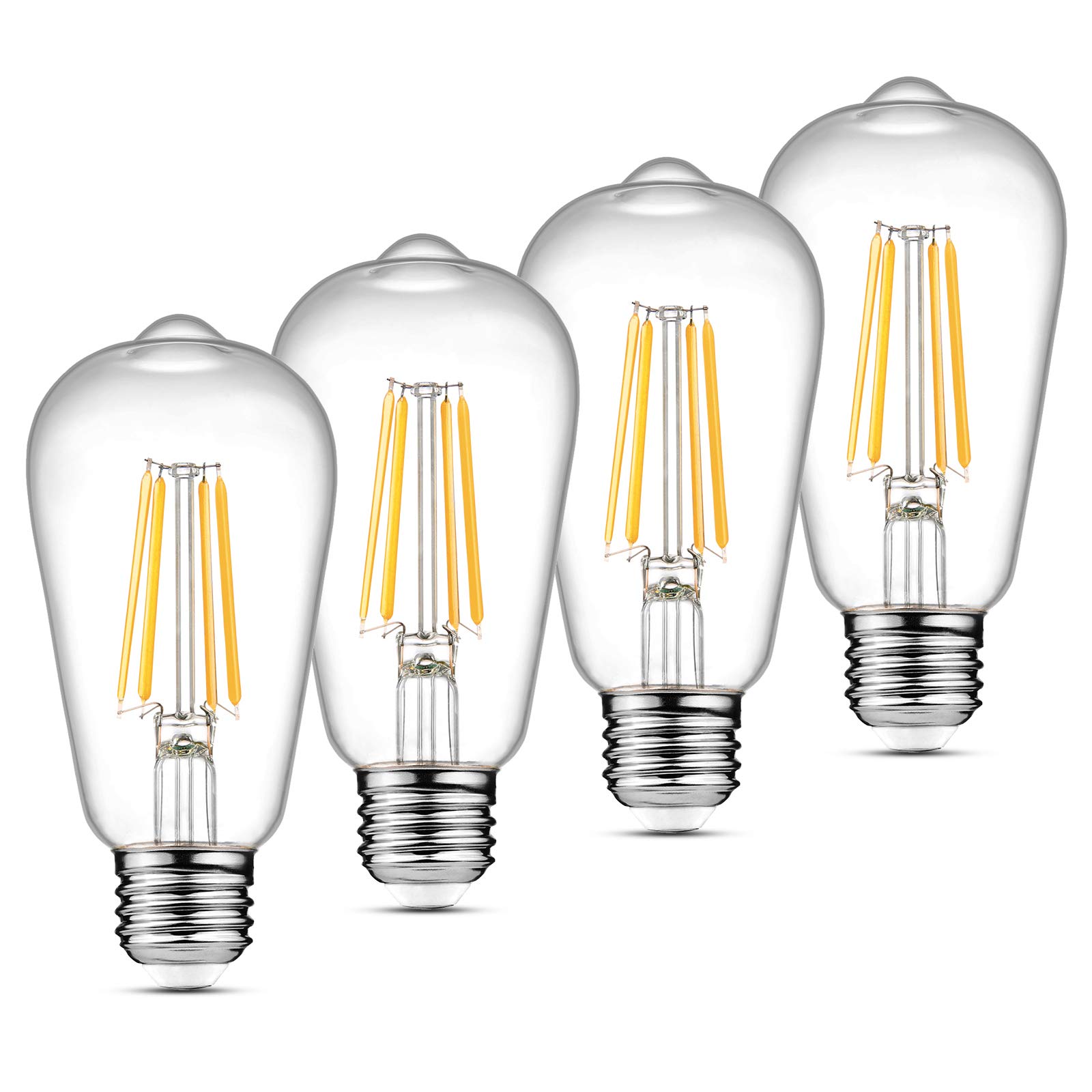
A compact pack of clear-glass vintage bulbs that blend filament charm with efficient LED performance.
Why I picked it: Clear glass filaments for decorative fixtures that need cozy light.
Best for: Porch pendants, vanity fixtures, and small bedroom pendants.
Good value for a small decorative pack.
Pros
- Clear glass showcases filament
- Warm, flattering light
- Energy-efficient 6W consumption
Cons
- Non-dimmable
- Shows dust on clear glass
- Fragile-looking design
My take
I installed these ST58 bulbs on my porch and over a bedroom vanity and loved the visual impact—the clear glass highlights the filament and gives a genuine vintage feel.
They deliver warm, even light at 2700K and render colors pleasantly thanks to a solid CRI. Installation was straightforward and the bulbs stayed consistent over weeks of use.
If you want that antique look but don’t want incandescent heat or waste, these strike the right balance.
How I Choose Light Bulbs for a Bedroom
Color temperature matters more than you think
I prioritize 2700K–3000K for bedrooms because those warm tones help my brain wind down. Daylight bulbs (4000K–5000K) are useful for dressing areas or desks but feel too stimulating at night.
- 2700K–3000K: cozy, sleep-friendly
- 3000K–4000K: neutral, good for multitasking
- 5000K+: best for work areas, not for late-night use
Lumens, not watts, tell you how bright it will feel
I look at lumens to judge usable light. For overhead bedroom fixtures I aim for 700–1100 lumens; bedside lamps can be 300–600 lumens depending on reading needs.
- 300–600 lm: bedside reading and mood lighting
- 700–1100 lm: main overhead bedroom light
- Higher lumens suit tasks, lower work for ambience
Dimmability and compatibility
I always check whether a bulb is dimmable and whether it’s compatible with my fixture’s dimmer. Non-dimmable bulbs can behave unpredictably on dimmer circuits.
- Use dimmable bulbs with wall dimmers
- Color-changing bulbs may not work with dimmers
- Smart bulbs often offer smoother dimming via app
Style and finish
For exposed fixtures I prefer clear-glass filament bulbs; for lamps and recessed fixtures I use frosted bulbs to avoid glare. The finish affects both look and perceived brightness.
- Clear glass: decorative, shows filament
- Frosted: softer, reduces glare
- Filament LEDs: decorative without waste heat
Smart vs simple bulbs
I choose smart bulbs when I want schedules, voice control, or scene automation. For straightforward, budget-conscious lighting, plain LEDs deliver the best value and consistency.
- Smart bulbs: best for automation and scenes
- Remote RGB bulbs: cheap color without hub
- Standard LEDs: longevity and predictability
Frequently Asked Questions
What color temperature is best for bedroom lighting?
I use 2700K–3000K in bedrooms because warm light feels more relaxing and less disruptive to sleep. I reserve 4000K–5000K for task areas like a dressing table or workspace.
Can I use vintage filament bulbs in all fixtures?
I avoid putting non-dimmable vintage filaments into dimmer circuits or fully enclosed fixtures. Clear-glass filaments look great in exposed pendants but can run hotter and show dust more readily.
Are cheap RGB bulbs a good alternative to smart bulbs?
I find RGB remote bulbs are a cost-effective way to add color scenes without a hub, but they lack app integration, voice control, and often have lower lumen output versus smart color bulbs.
How many lumens do I need for a bedroom?
I aim for 700–1100 lumens for an overhead bedroom light and 300–600 lumens for bedside lamps, adjusting based on fixture height and personal preference.
Final Take
I kept bulbs that solved specific bedroom needs: Sylvania for everyday warm light, Energetic where I needed daylight clarity, Ascher Edison bulbs for atmosphere, ILC for color play, and Philips Hue when I wanted a robust smart setup.
Match color temperature and lumens to the task and fixture, and you’ll end up with a bedroom that both looks and feels right for sleep, reading, and daily routines.
