
I tested a range of terminator tools and multi-tool kits so I could open locked CATV terminators and remove F/BNC connectors quickly and safely. This roundup highlights the tools I kept reaching for, who each one is best
I spend a lot of time crawling around utility boxes and behind entertainment centers, so I’ve tried terminator tools that run from tiny stubby keys to full multi-piece kits.
In this roundup I focus on fit, material, reach, and whether a tool survives real-world dirt, corrosion, and tight clearances.
If you need a single inexpensive tool for an occasional job or a kit that covers BNC, F, and terminator sleeves, I’ll walk you through what worked and why.
Across these picks I evaluated build material, tip style (cam vs. spring-ear), reach, and model compatibility. Choose a cam-tip tool if you work on Corning Gilbert terminators, pick a 7-inch spring-ear tool for most RG59/RG6 jobs, and go for the multi-piece kits when you need long reach or multiple connector types.
1. 7-inch Terminator TV Tool (LTT-7 / GTT-7) – Best Overall
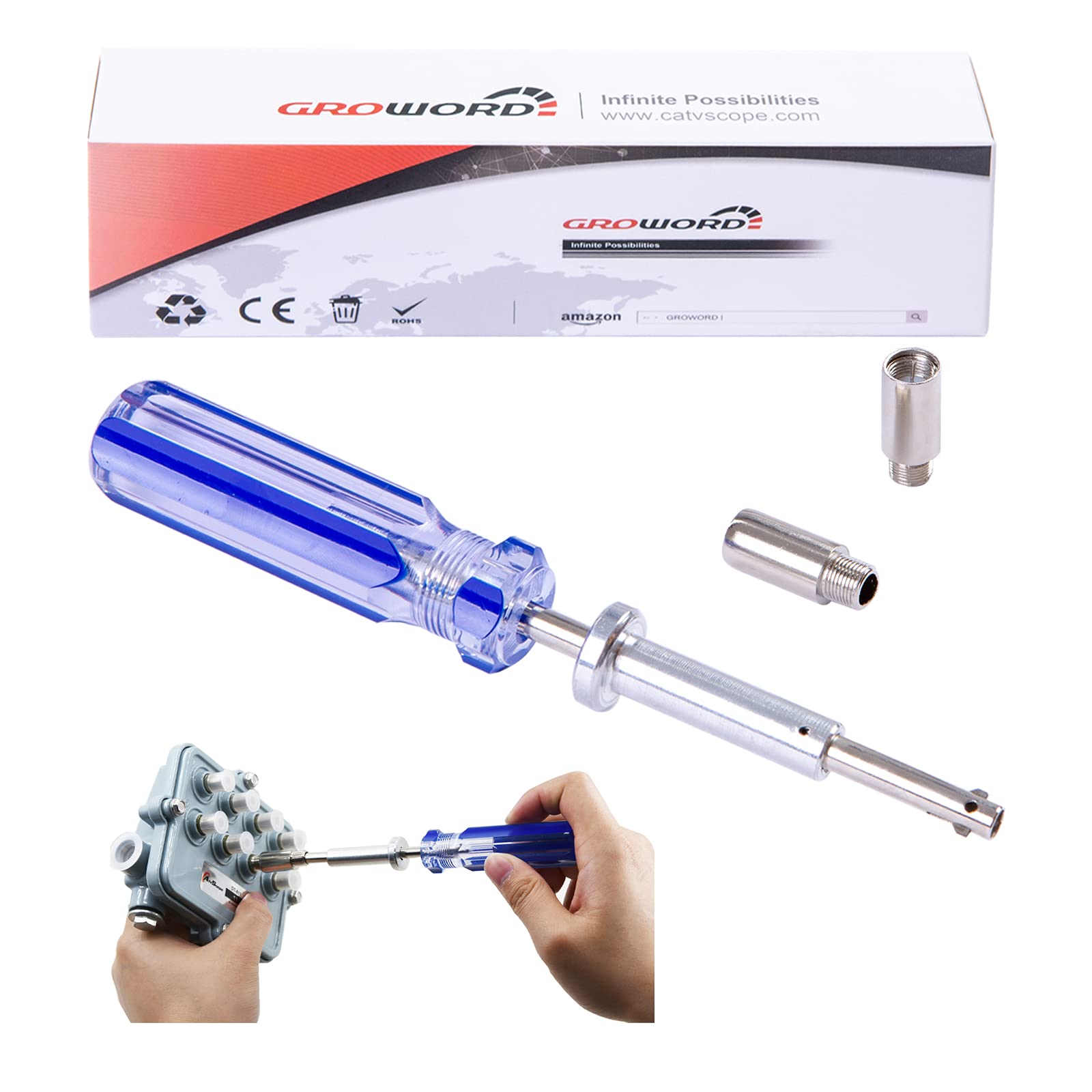
A 7" iron termination tool with ergonomic handle, spring-steel ears, and two spare sockets included. Suits RG6/RG59 and many CATV terminators.
Why I picked it: I liked its balance of grip, leverage, and included sockets for immediate use.
Best for: Homeowners and pros who need a reliable all-purpose 7-inch terminator for RG6/RG59.
Affordable general-purpose tool.
Pros
- Solid iron construction
- Ergonomic handle for good leverage
- Includes two spare sockets
- Works on RG6 and RG59 terminators
Cons
- Specialized use only
- Can bend in heavily crusted terminators
My take
I used this tool to open a weathered outdoor cable access box and it made the job straightforward. The spring-steel ears engage nicely with common locking sleeves, and the handle gives me enough leverage to pop stubborn terminators.
The included spare sockets were handy the first time I needed them. In cleaner, less corroded terminators the tool felt very sturdy; when I forced it into a crusted old sleeve it bent slightly, so I reserve it for most jobs rather than extreme demolition.
2. 7-inch CATV Locking/Unlocking Terminator Tool – Best Budget 7-inch
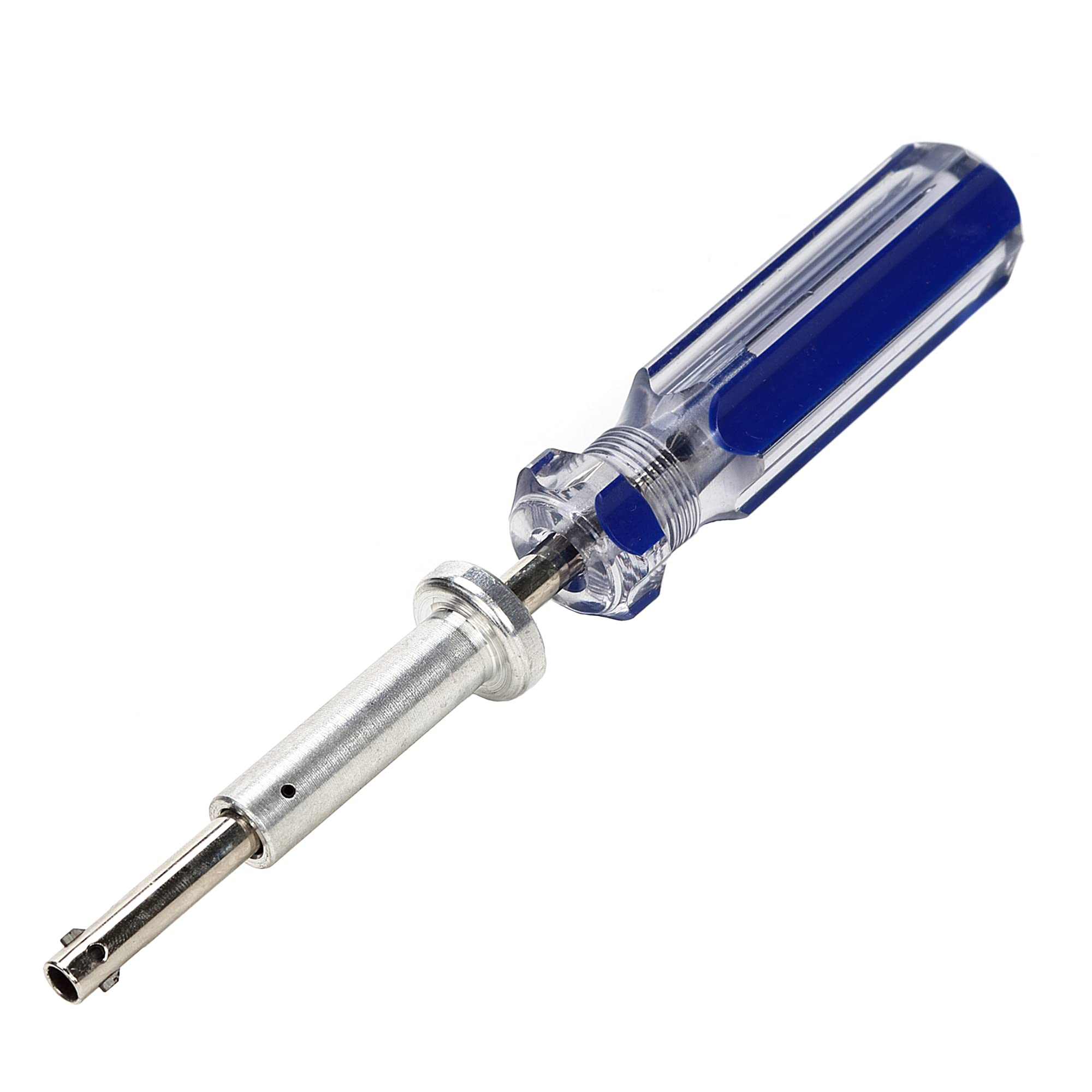
A lightweight nickel-plated copper 7" tool with knurled knob, clip ring, and loop for belt attachment; compatible with several common PTP and GTT style terminators.
Why I picked it: I picked it for its compactness and model compatibility when I needed a quick replacement.
Best for: Occasional maintenance tasks or a backup tool on the belt.
Budget-friendly single tool.
Pros
- Light and portable
- Compatible with many PTP/GTT types
- Knurled grip for control
- Loop for tool belt attachment
Cons
- Feels cheaply built
- Handle can loosen over time
My take
When I lost my primary tool I grabbed this as a low-cost substitute. It handled routine maintenance jobs and fit the PTP/GTT-style terminators I ran into.
It’s light and easy to tuck into a pouch, but I did have to re-seat the handle once after heavier use. For short-term or occasional work it’s an efficient, no-frills option.
3. Cam-style 5-inch Locking Terminator Tool – Best for Corning Gilbert
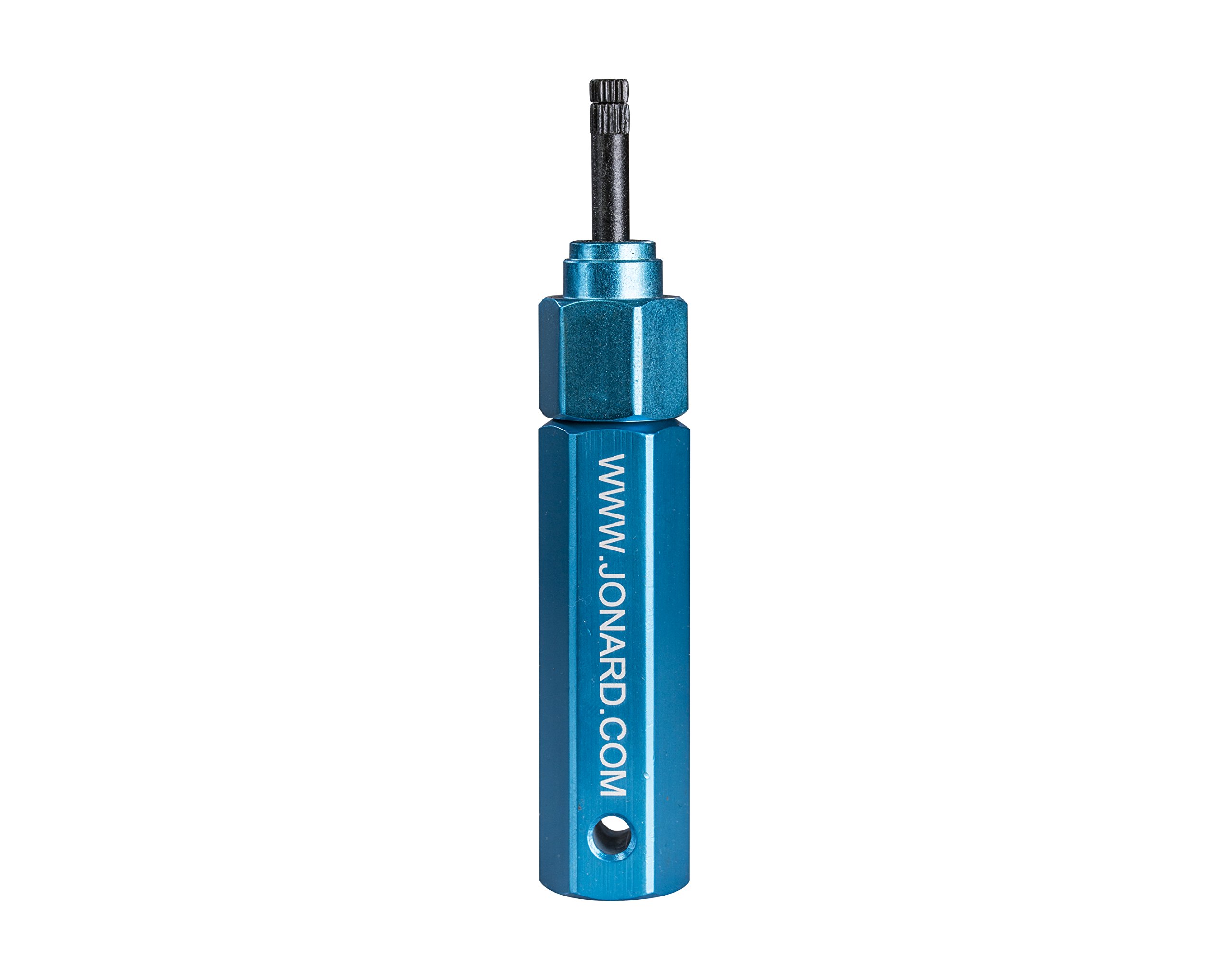
A compact 5" cam-tip tool specifically built for Corning Gilbert NS-5762 series and similar cam-style locking terminators, made from anodized aluminum for durability.
Why I picked it: I picked this for jobs on Gilbert-style terminators where a cam tip is required for a precise fit.
Best for: Technicians who frequently service Corning Gilbert terminators or work in tight spaces.
Higher-end, more durable option.
Pros
- Cam tip fits Gilbert terminators
- Anodized aluminum resists wear
- Short length for tight clearances
- Precise engagement
Cons
- Pricier than basic keys
- Handle has detached for some users
My take
This is my go-to when I encounter Gilbert NS-5762 style terminators. The cam-style tip seats cleanly and the anodized aluminum feels like it will last through repeated use.
It’s compact enough to work inside crowded panels, and I find its fit and finish superior to cheap stamped tools. I did experience one instance where a handle seemed to loosen, so I periodically check fasteners before a job.
4. 4-inch CATV Locking/Unlocking Terminator Tool – Best Compact
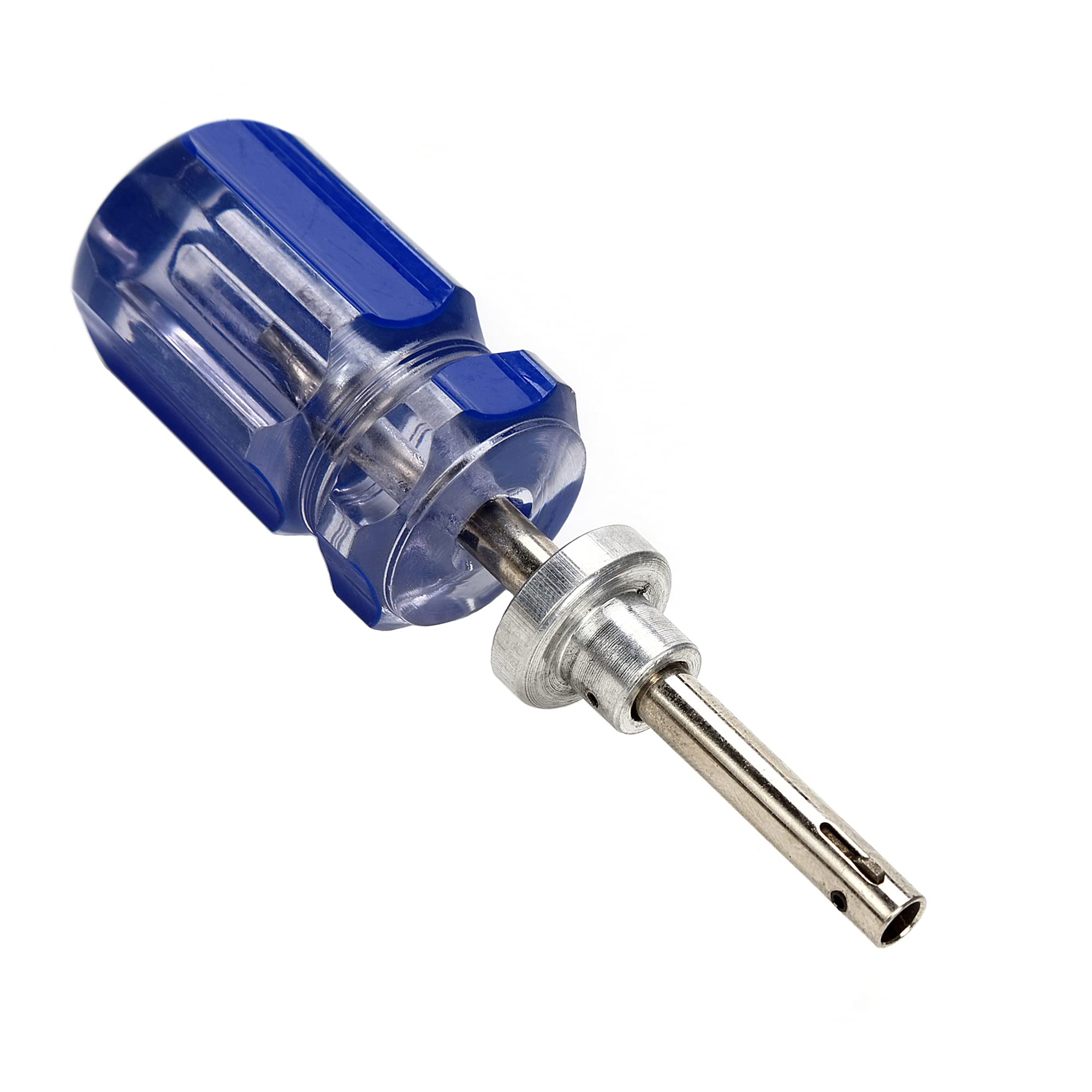
A stubby 4" nickel-plated copper tool designed to remove cable termination locks in tight spaces; compatible with common PTP and GTT styles.
Why I picked it: I kept this around for cramped spaces where a longer tool would be awkward.
Best for: Quick, occasional jobs in tight or confined spots.
Very affordable pocket tool.
Pros
- Very compact
- Easy to carry
- Effective for occasional use
Cons
- Not built for daily heavy use
- Lower overall robustness
My take
This tiny terminator key is exactly what it claims to be: a short, efficient tool for cramped work. I used it behind racks and in cabinets where reach was limited, and it worked every time for light duty.
It’s not the sturdiest option for daily pro work, but for homeowners or occasional use it’s unobtrusive and effective.
5. Glarks 4‑Piece Coax Extraction Tool Kit – Best Kit
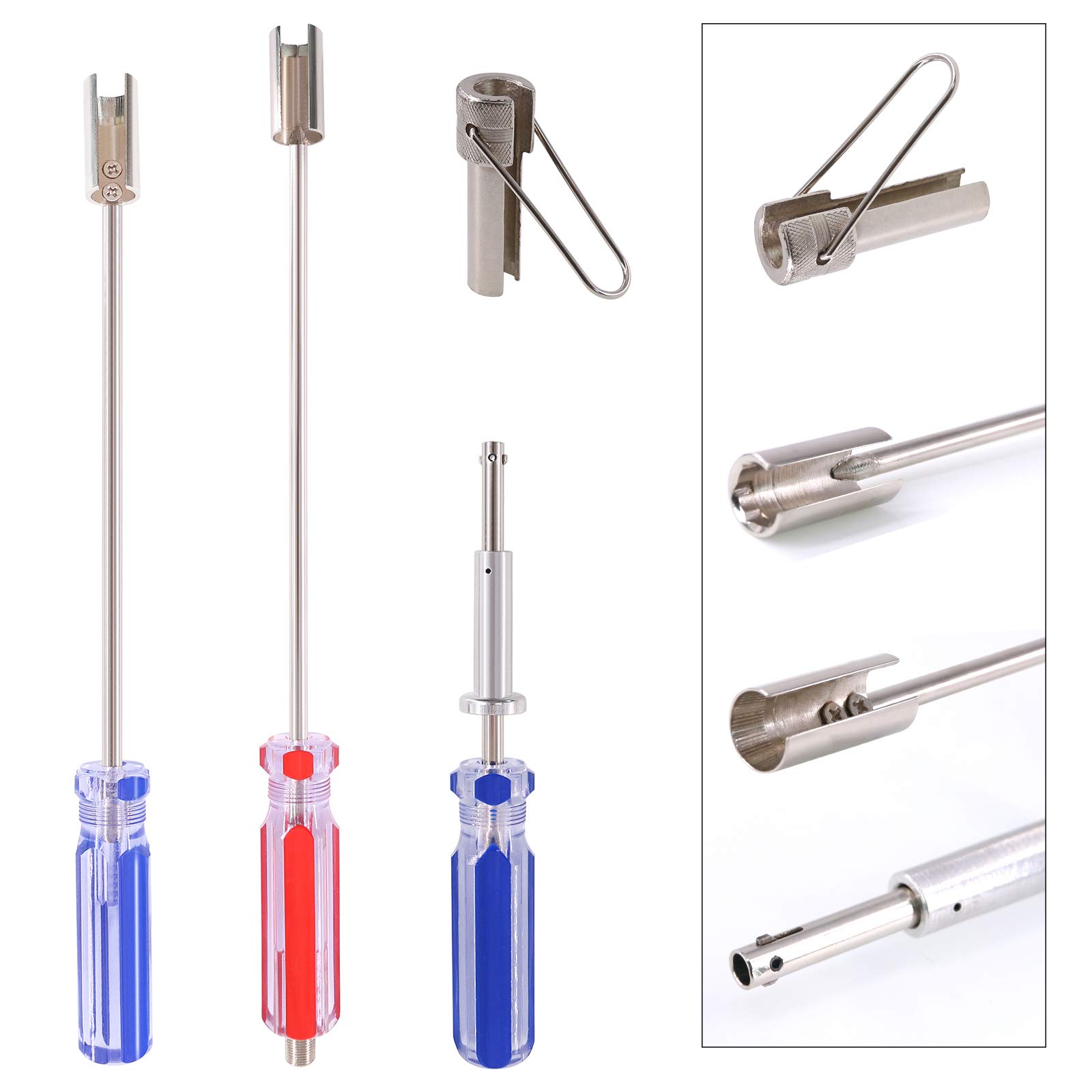
A four-piece set with 11" BNC extractor, 12" F extractor, 7" termination tool, and a small F-removing tool. Mixed metal and plastic construction aimed at reach and versatility for RG59/RG6/RG11.
Why I picked it: I chose this kit when I needed reach plus the ability to handle both BNC and F connectors in one bag.
Best for: Installers and hobbyists who need long reach and multiple connector tools.
Good value mid-range kit.
Pros
- Covers BNC and F connectors
- Long-reach pieces for tight rows
- Good torque on larger extractors
- Useful set for varied jobs
Cons
- Plastic components can be weaker
- Weld or joint failures reported
My take
When I’m working inside tight panels or behind dense BNC rows, the long-handled pieces in this kit beat fumbling with fingers. The 11" and 12" extractors give me the reach I need in crowded installations.
The small F remover is handy for quick sleeve work. I did see one welded joint fail during heavy leverage in a teardown, so I keep this as a go-to for most jobs but carry a metal-only backup for extreme stress tasks.
How I Choose a Lock Terminator Tool
Key things I check before I buy
I look at tip style first: spring-ear tips handle most RG59/RG6 locking sleeves, while cam tips are necessary for Corning Gilbert-style terminators.
Material matters: stamped iron or nickel-plated copper is fine for occasional use; anodized aluminum or machined steel holds up to repeated professional work.
Length determines reach and leverage. Short tools fit in tight spaces; longer tools give more torque and reach obstructed connectors.
- Compatibility: verify the terminator or model family (PTP, GTT, Gilbert).
- Durability: prefer anodized aluminum or solid steel for frequent use.
- Grip and ergonomics: knurled knobs or ergonomic handles reduce hand fatigue.
- Kit vs single tool: buy a kit if you need multiple connector types or long reach.
Practical tips from the field
Carry a small set: a compact 4" tool plus a 7" or kit covers most scenarios I encounter.
Protect tools from corrosion: wipe and store them dry after outdoor work to prevent bending or weld failures over time.
Pre-check fit: if you know the terminator family, pick the matching tip style to avoid damage.
- Keep spare sockets and small metal-only backups for heavy leverage.
- Avoid forcing a cheap plated tool into severely corroded sleeves—use a heavier tool.
Frequently Asked Questions
Do I need a cam-style tool or a spring-ear tool?
I choose a cam-style tool when working on Corning Gilbert NS-series terminators; for most RG6/RG59 locking sleeves the spring-ear 7" or 4" tools work fine.
Will a budget tool survive professional daily use?
From my experience, inexpensive nickel-plated or stamped tools handle occasional maintenance well, but I prefer anodized aluminum or steel tools for daily pro use because they resist bending and wear.
What should I keep in a toolkit for cable work?
I keep a compact 4" key, a 7" terminator, and a long extractor or small multi-piece kit so I can reach deep rows and remove both F and BNC connectors without improvising.
Final Take
I kept reaching for the 7-inch LTT-7 when I needed a dependable all-around tool, but I recommend the cam-style 5" when Gilbert terminators are on the job.
Choose the compact 4" key if you mostly work in cramped spaces, or grab the Glarks kit when you need reach and multiple connector options.
Whichever tool you pick, check tip compatibility and prefer stronger materials if you plan to use the tool regularly.
