
I tested electric splitters, replacement parts, and covers so you don’t have to. Here are the tools and accessories I reach for when I need reliable, safe firewood work.
I’ve spent seasons splitting wood by hand and with machines, so I know which tools actually make the chore faster and safer.
In this roundup I cover two electric splitters I rely on, plus replacement wheels, a weatherproof cover, a heavy-duty hydraulic cylinder, and a base frame that fixes bad working heights.
Each pick is based on hands-on use — setup, daily operation, and how well the product held up over time.
Between the two electric splitters I tested, the WEN felt a touch more refined in build and transportability, while the BILT HARD delivered very similar power and a slightly better value for casual home use.
1. WEN Electric Log Splitter, 6.5-Ton Capacity with Portable Stand (56208) – Best Overall Electric Splitter
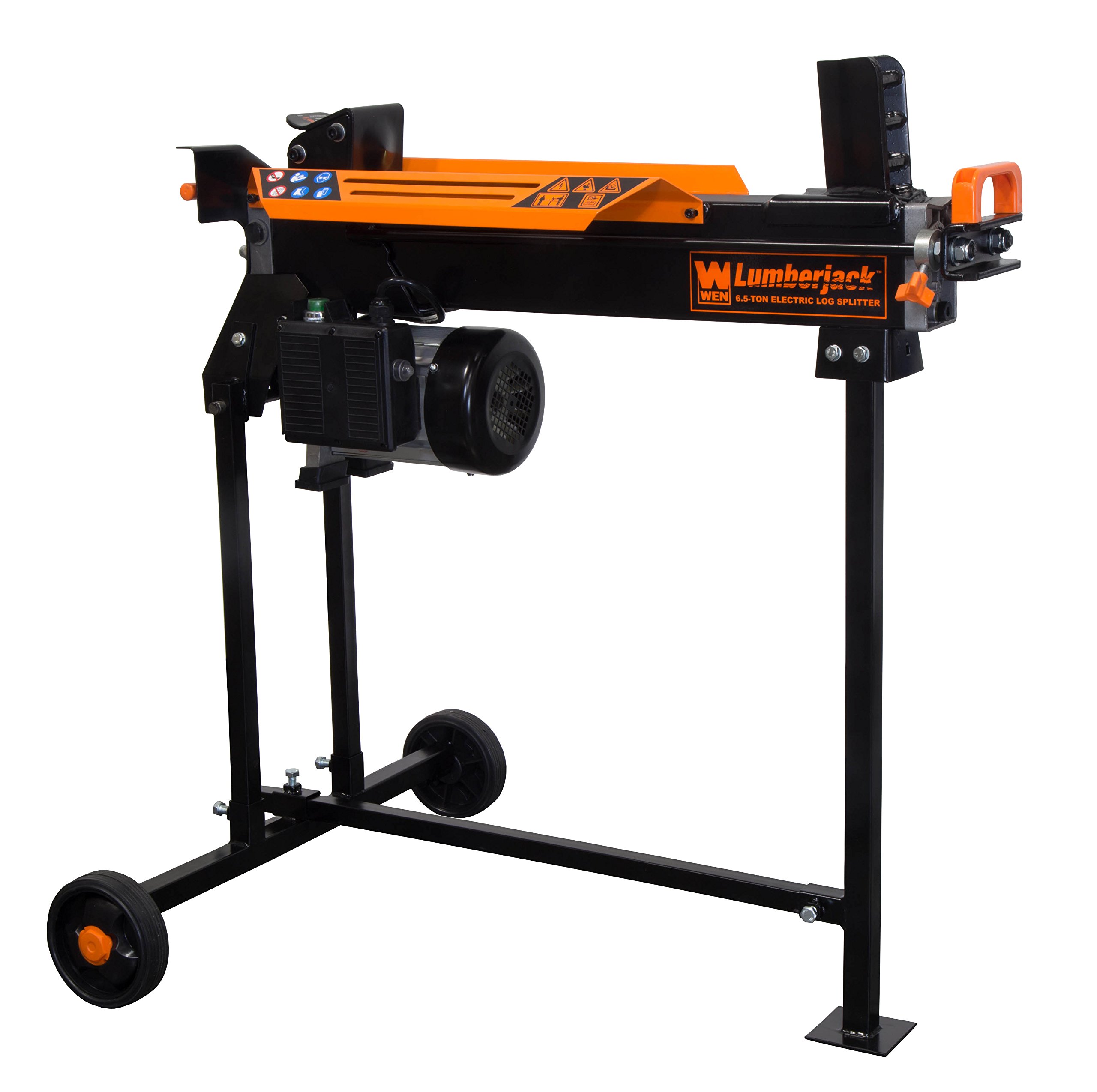
A 6.5-ton electric splitter with a 15A motor, portable wheels or stand options, and a 20-second cycle time that makes routine splitting quick and fume-free.
Why I picked it: I picked it for its combination of solid power, portability, and foolproof two-hand safety.
Best for: Homeowners who want an easy-to-move electric splitter that handles most backyard logs.
Good midrange value for an all-electric, low-maintenance splitter.
Pros
- Powerful 15A motor
- Portable with never-flat wheels
- Use with or without stand
- Fume-free electric operation
- Relatively fast 20-second cycle
Cons
- Thin rear shroud plate
- Stopper ring needs strong tightening
- Some assembly required
My take
I put a lot of hours on the WEN 56208 and it earned a permanent place in my shed. The 15-amp motor delivers the kind of cracking pressure that makes quick work of seasoned hardwoods up to about ten inches in diameter.
I like the flexibility of mounting it on the included 34-inch stand for waist-height work, or leaving it low to the ground when I need a compact footprint. The never-flat 5.5-inch wheels and pull handle made towing the unit around my yard trivial compared with full-size gas machines.
Two-handed operation took a minute to get used to, but I appreciate the safety it enforces when others are helping. The 14.75-inch stroke and 5-inch wedge split stubborn rounds without the fuss of gasoline maintenance or cold starts.
Assembly was straightforward overall, though I did find the thin metal plate that supports rear tipping to be the least robust part of the machine. I also had to crank the stopper ring hard to avoid it scraping the rod during cycles—once adjusted, it behaved fine but it’s an annoying nuance out of the box. Pay attention to placement relative to a power source; I keep my extension cords under 50 feet for reliable performance.
2. 1″ Bearing Log Splitter Wheel with Tire 4.8″ wide X 8″ diameter. – Best Replacement Wheel
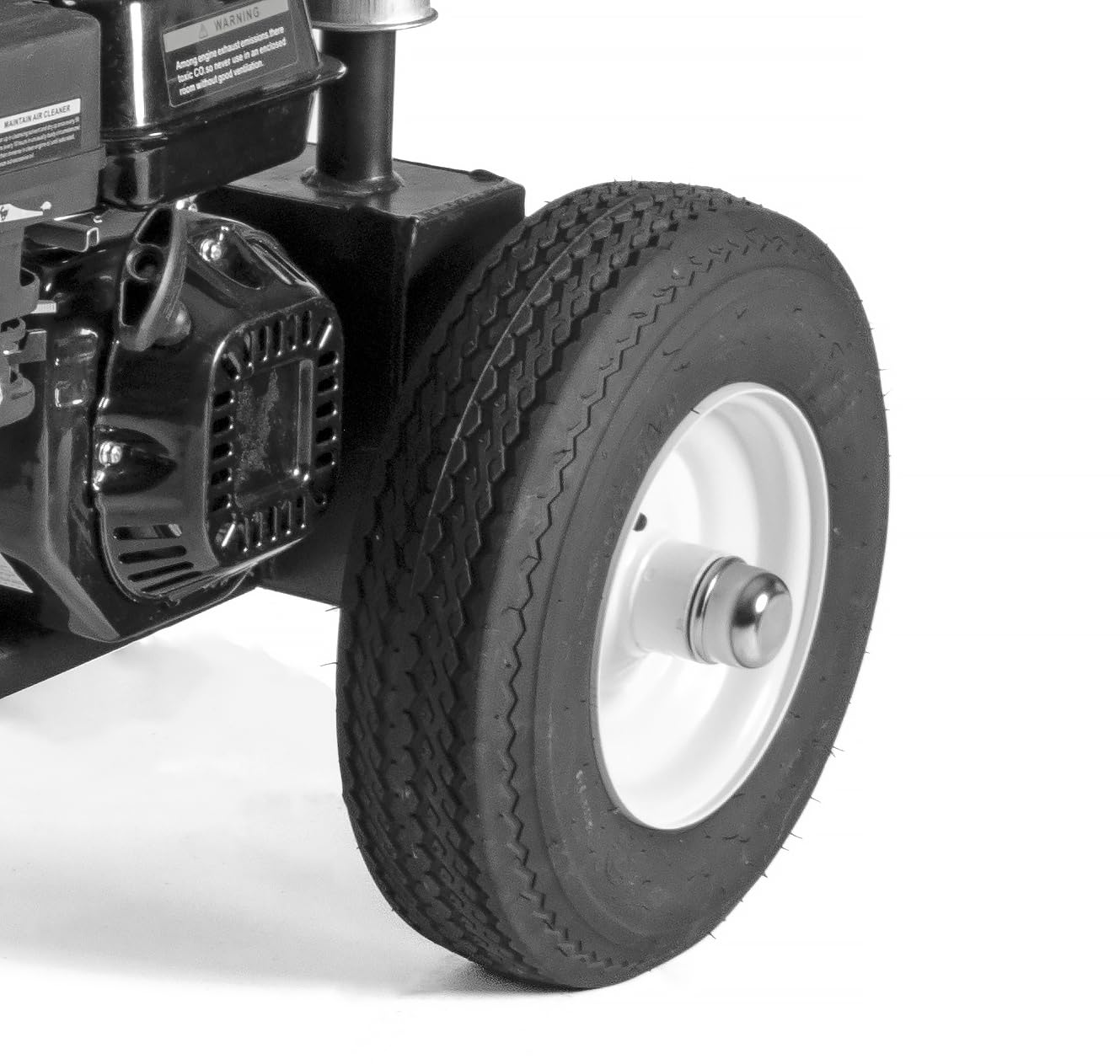
A full wheel and tire assembly built for log splitters and other equipment, with tapered roller bearings for 1-inch spindles and a useful load capacity.
Why I picked it: I chose it when an OEM wheel failed — it fit well and arrived with bearings installed.
Best for: Replacing worn or damaged splitter wheels and upgrading older equipment.
Affordable and typically cheaper than buying a tire-only replacement.
Pros
- Includes bearings and hub cap
- Pre-greased bearings
- Quick to install
- Good OEM fit
Cons
- Center cap may not stay on
- May need extra bearing washer
- Confirm axle diameter first
My take
When my splitter wheel showed wear I swapped in this 4.8×8 assembly and was back in business in minutes. The bearings come greased and the tire arrived inflated with a small amount of sealant already inside, which saved me a step.
Installation took under a minute per side once I confirmed the axle diameter. I logged a lot of miles towing my splitter and utility cart with these wheels and they held up well.
A couple of small gripes: the center cap didn’t seat perfectly on my machine and I needed to add an extra washer under the castle nut on one side to keep the pin secure. None of that affected performance, but plan on doing a quick fit check when you install them.
3. Log Splitter Cover Waterproof 420D Oxford Cloth 83″ x 45″ x 39″ Suitable for 15-45 ton Gas or Electric Log splitters Weather-Resistant Wood Splitter Cover (15-45 Ton – PU) 15-45 Ton – 420D PU – Best Weatherproof Cover
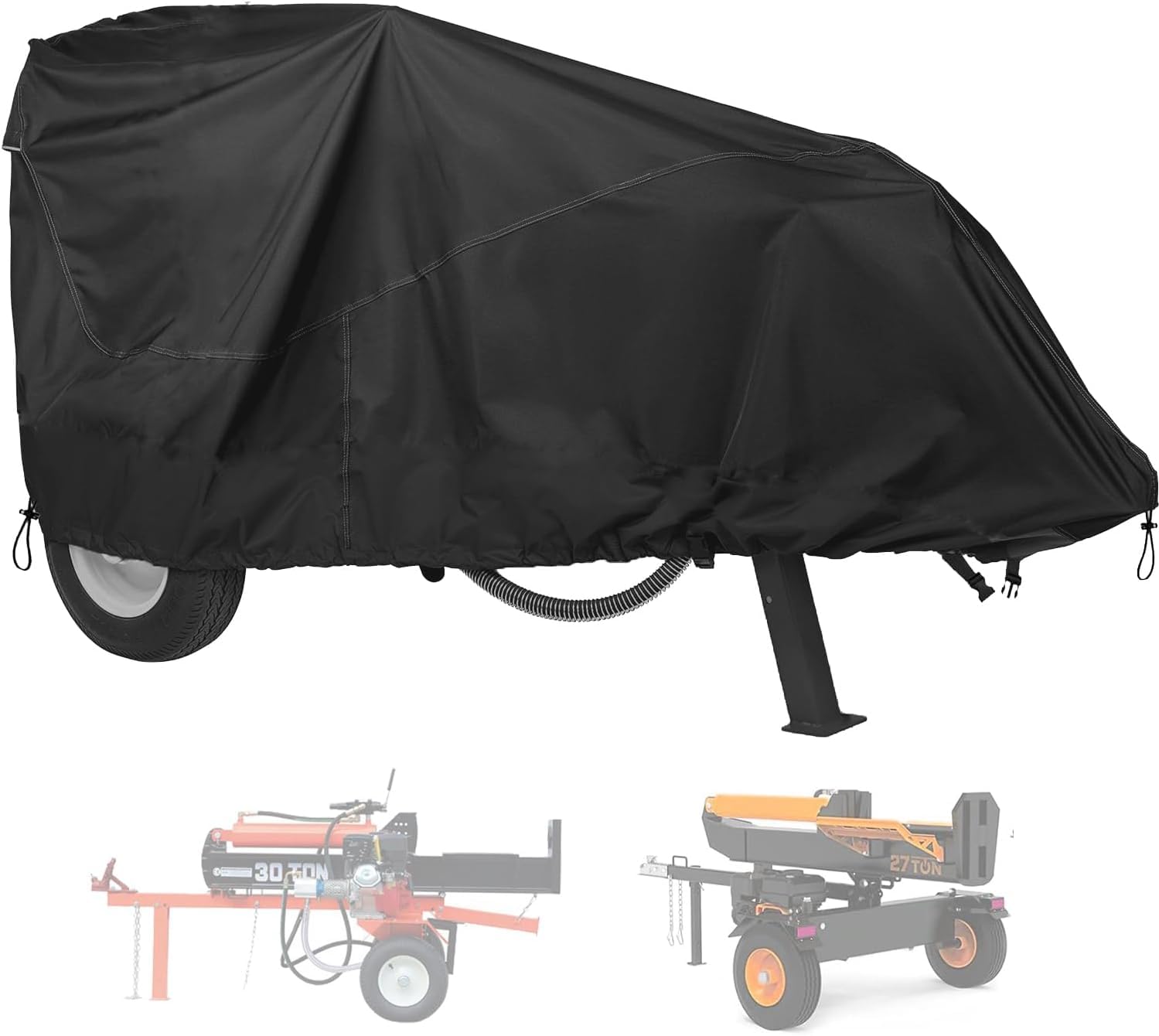
A PU-coated 420D Oxford cloth cover sized for larger splitters, with drawstring, buckles, and a vent to limit condensation.
Why I picked it: I used this cover for over a year and it kept my splitter dry and protected.
Best for: Anyone who stores a log splitter outdoors and wants weather protection without bulky weight.
Lightweight, weather-focused cover that balances protection and ease of use.
Pros
- Heavy 420D fabric
- Drawstring and buckles secure cover
- Back vent reduces condensation
- Fits large splitters
Cons
- Thinner than 600D options
- May fade from sun exposure
My take
I’ve run this cover through a full season of Colorado weather and it performed excellently. The fabric is lighter than 600D but still tough; I’ve seen zero water through the PU coating even after prolonged rain.
Putting it on and taking it off is easy. I particularly like how the straps and drawstring lock it over the wheels so wind doesn’t tug it loose. The vent on the back kept moisture from building up inside, which I’ve found preserves seals and painted surfaces.
After a year the color showed minor sun fading, but structural integrity and waterproofing remained intact. If you want a cover that’s easy to handle and reliably keeps the elements off your splitter, this one works well.
4. Magister Hydraulics Log Splitter Cylinder 4.5 in Bore x 24 in Stroke x 1.75 in Rod – Welded Double Acting Hydraulic Cylinder for Wood Splitter – Heavy-Duty Log Splitter Ram 4.5×24 24″ stroke 4.5″ Bore – Best Hydraulic Cylinder Replacement
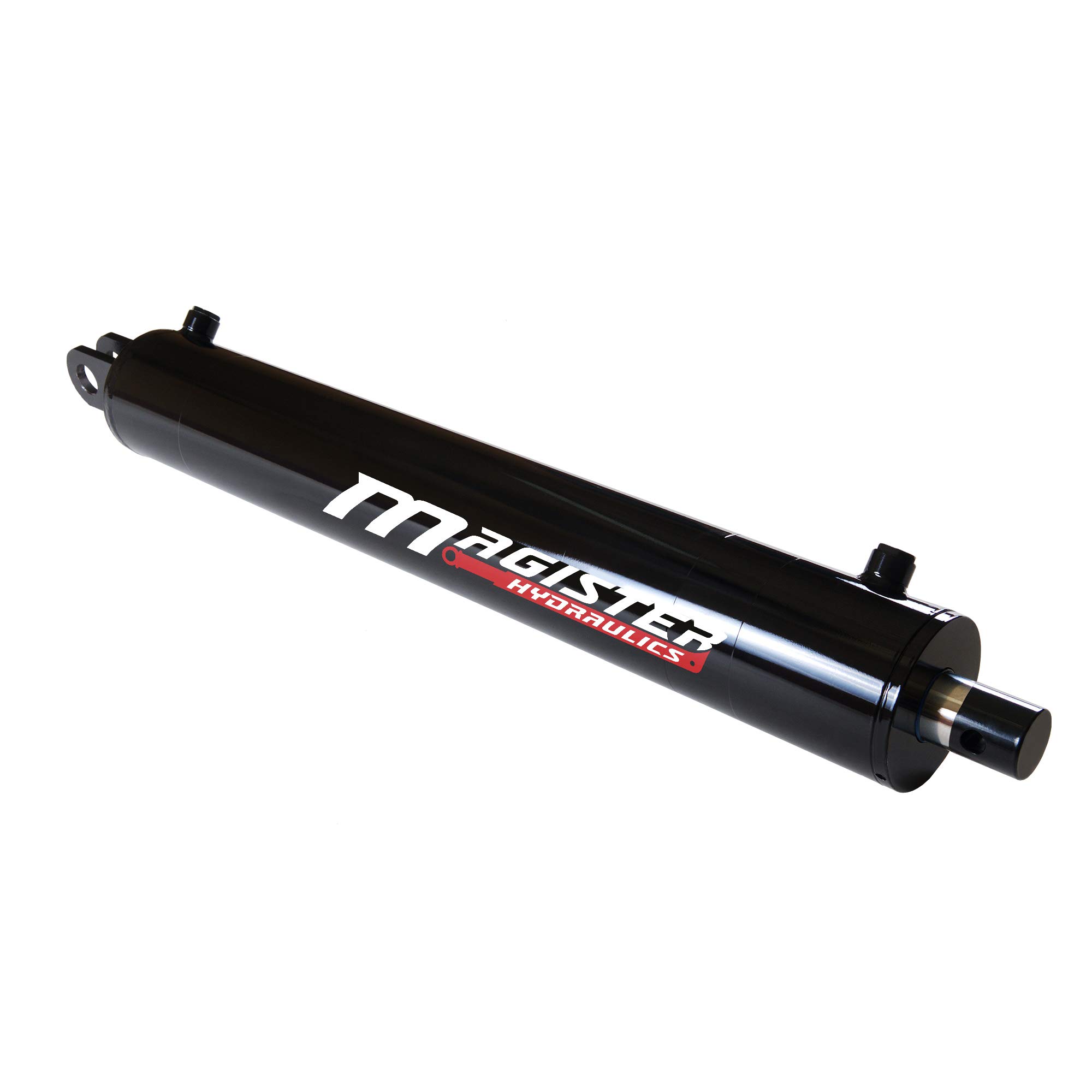
A 4.5" bore, 24" stroke welded double-acting hydraulic cylinder designed as a universal aftermarket replacement with European steel and durable seals.
Why I picked it: I selected it for its heavy construction and broad fit across common splitter brands.
Best for: Replacing a leaky or weak ram on a range of horizontal splitters.
A cost-effective, heavy-duty replacement that favors durability over speed.
Pros
- Rugged European steel construction
- Universal fit for many splitters
- Built for high pressure
- Durable seals
Cons
- May be slow on weak pumps
- Requires cycling to fully bleed
My take
I installed this cylinder on an older splitter that leaked and the difference was night and day — no oil seepage and a much firmer push. It fit cleanly after a few minor tweaks and the first dozen cycles filled the lines and settled the unit.
This ram is built for power rather than lightning speed. On a stout pump it chews through massive rounds; on weaker pumps the stroke can feel deliberate. I ran a 36-inch twisted oak round through it with some frame reinforcement and the cylinder didn’t complain.
If you replace a ram, be ready to top off the tank and cycle the cylinder repeatedly to purge trapped air. Once bled, this unit stayed tight and dependable over many runs.
5. BILT HARD 6.5 Ton Electric Log Splitter with Stand – 15 Amp Motor Wood Splitter with Hydraulic Ram, Electric Firewood Splitting Machine Firewood Processing, Home Heating, and Yard Maintenance 6.5 Ton with Stand – Best Value Electric Splitter
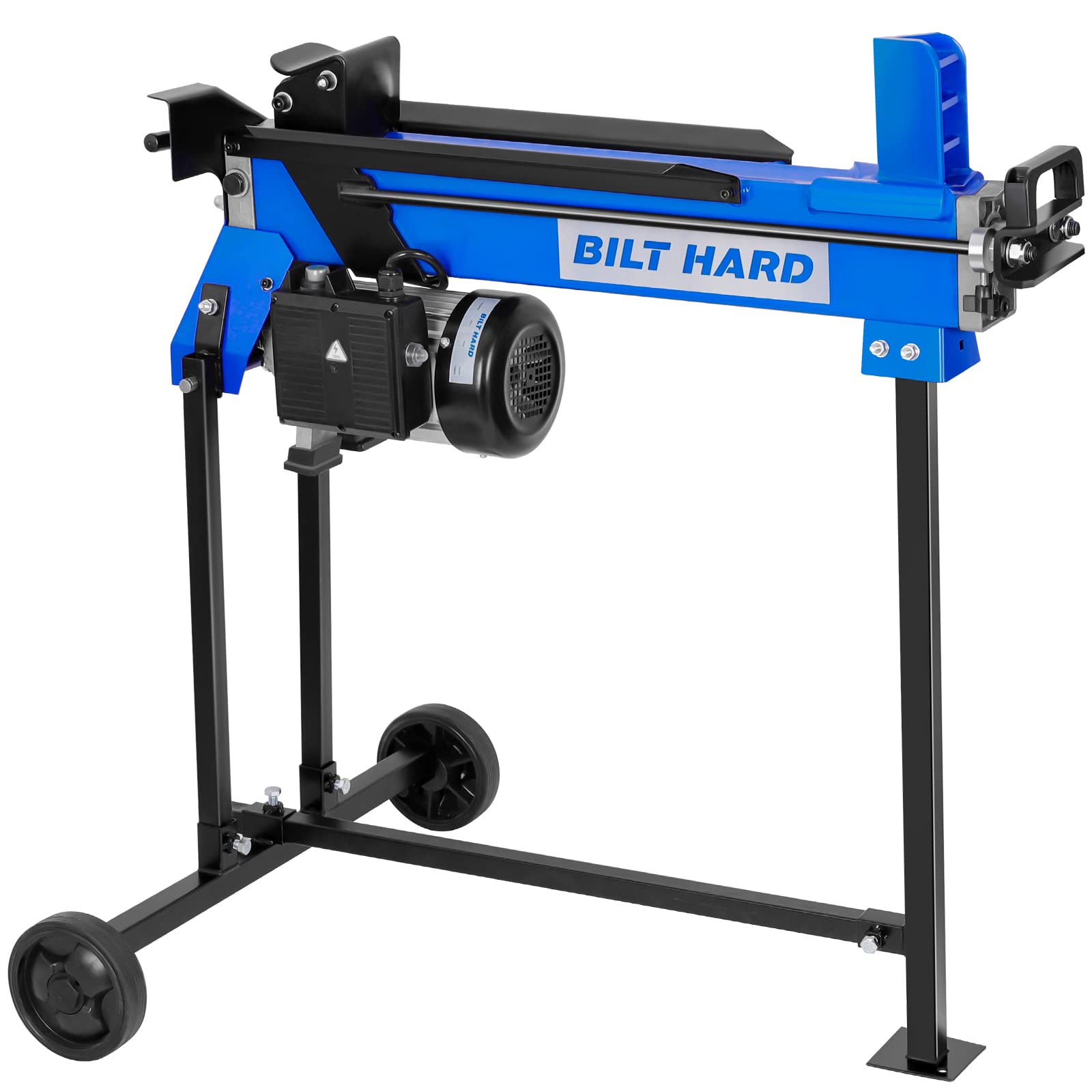
A 6.5-ton electric splitter with a 15A motor, two-hand safety, and an included stand that raises the work height to around 33 inches.
Why I picked it: I appreciated its combination of solid build and straightforward operation for casual home use.
Best for: Home users who split small to medium batches for fireplaces and stoves.
Strong value pick for seasonal home use and small batches.
Pros
- Solid construction
- Fast-cycling hydraulic ram
- Comfortable working height with stand
- Quiet electric operation
Cons
- Safety mechanism slows repetitive splitting
- Not designed for heavy commercial use
My take
I took this splitter out of the box and had it cutting in under an hour. The seller was responsive and the assembly was minimal compared with other machines I’ve owned.
Performance impressed me for home use: it handled seasoned logs reliably and the 33-inch working height saved my back during long sessions. The two-hand safety is very secure, though it can feel slow if you’re trying to process huge piles quickly.
For my situation—occasional batches for a household wood stove—this splitter hits the sweet spot between power, portability, and price. If you plan to split dozens of cords a season, you’ll want a commercial unit, but for typical homeowner needs this is a great value.
6. Scheppach Base Frame for Scheppach Log Splitter HL650 | HL660 | HL760 | Base Frame for Hydraulic Splitter (without Wheels) | 7905203701 – Best Base Frame Upgrade
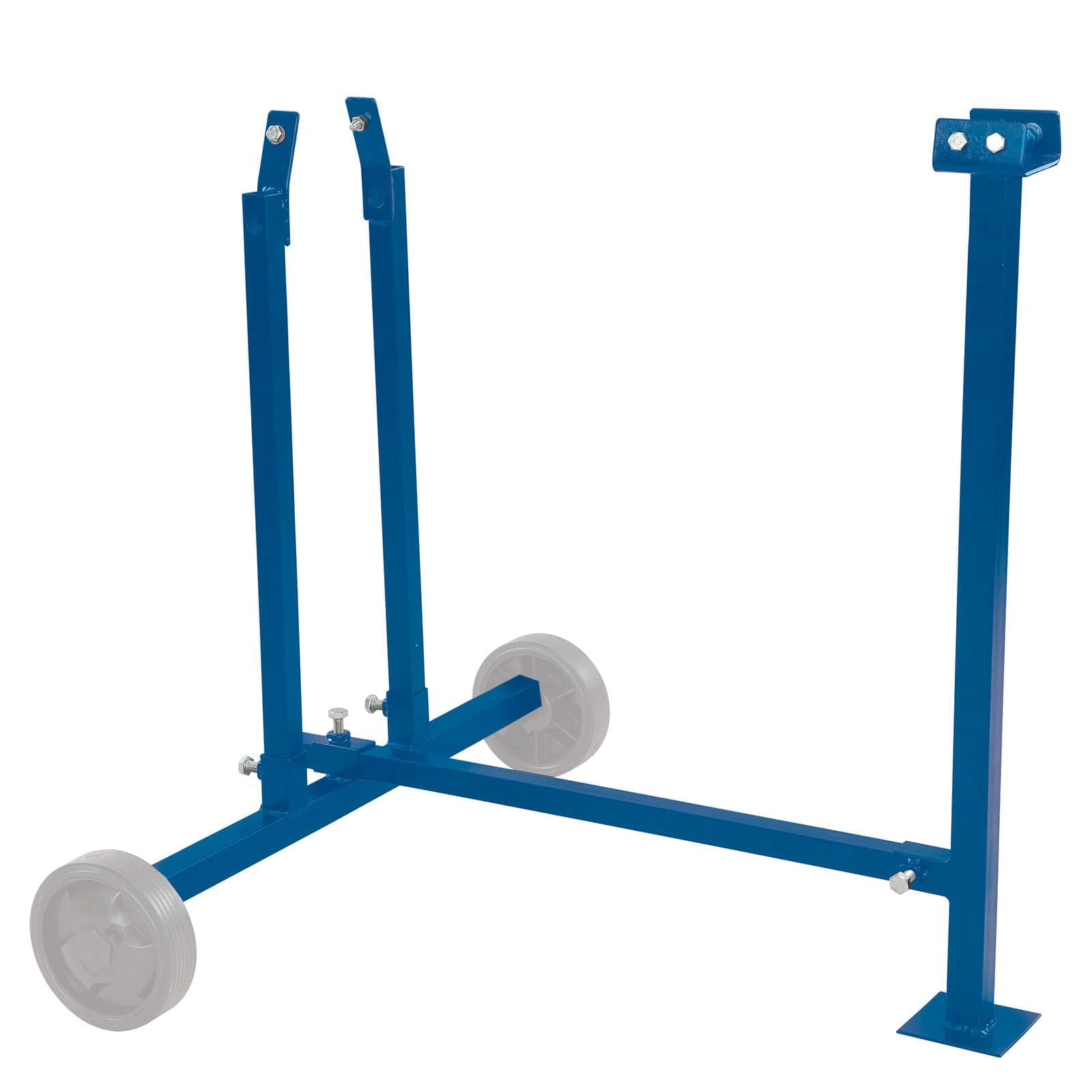
A replacement or upgrade base frame designed to raise Scheppach splitters to a more ergonomic working height.
Why I picked it: I chose the frame when my machine sat too low and hurt my back during long jobs.
Best for: Users with Scheppach models who need a higher, sturdier working platform.
Higher-cost upgrade but worthwhile for improved ergonomics.
Pros
- Raises splitter to comfortable height
- Sturdy construction
- Simple assembly
Cons
- Sold without wheels
- Fits specific Scheppach models only
My take
I bought the base frame for a Scheppach splitter that sat annoyingly low. After bolting it on, the working height was dramatically better and my lower back thanked me immediately.
Assembly was straightforward and the frame felt solid under load. If you do a lot of splitting and your splitter sits too low, this is the ergonomic fix I recommend.
Note that the frame ships without wheels, so plan how you’ll move the unit if you need mobility.
How I Choose a Log Splitter and Accessories
Electric vs Gas: Which I Use
I choose electric splitters for convenience, low maintenance, and indoor-friendly operation when noise and fumes are a concern.
I reach for gas when I need continuous heavy-duty work in remote locations without power access.
- Electric: quieter, no carburetors, ideal for seasonal home use.
- Gas: more portable off-grid and better for many cords per season.
Key Specs I Check
I look at tonnage, log length and diameter capacity, cycle time, and whether the unit includes a stand.
For replacements and parts I verify bore, stroke, rod size for cylinders, and axle diameter for wheels.
- Tonnage tells splitting force; match it to the species of wood.
- Log length and diameter determine what you can feed in without extra cuts.
- Cycle time affects throughput; shorter cycles speed small-batch work.
- Confirm model fit for replacement cylinders and frames.
Accessories I Always Keep
A weatherproof cover, a spare wheel, and basic hydraulic seals or a replacement cylinder are top of my list.
I also keep a sturdy work surface and a base frame if my splitter sits too low.
- Cover: prevents rust and UV damage.
- Wheel kit: quick fix to avoid downtime.
- Cylinder: restores lost force and stops leaks.
- Base frame: fixes ergonomic problems.
Safety and Maintenance I Follow
I always use two-handed controls, wear eye protection, and pick a stable surface for the splitter.
Routine maintenance I perform includes checking hydraulic fluid, cycling new cylinders to bleed air, and ensuring extension cords are short enough for full power.
- Keep extension cords under recommended lengths for reliable power.
- Cycle new hydraulic components to purge air.
- Store covered and dry to extend machine life.
Frequently Asked Questions
What size logs will a 6.5-ton electric splitter handle?
From my experience, a 6.5-ton electric splitter reliably handles logs up to about 9–10 inches in diameter and roughly 20 inches long, which suits most firewood needs for home stoves and fireplaces.
Do electric splitters need special power or long extension cords?
I plug electric splitters into a standard 120V outlet, but I keep extension cords short—ideally under 50 feet—to avoid voltage drop and reduced performance. For best results, check the manufacturer’s recommended circuit.
Will an aftermarket hydraulic cylinder fit my splitter?
I check the bore, stroke, rod diameter, pinhole sizes, and retracted/extended lengths before ordering. A good universal cylinder will fit many machines, but plan to top off hydraulic fluid and cycle the ram multiple times to purge air after installation.
How do I prevent moisture and rust when storing my splitter outside?
I use a fitted cover with a vent to prevent condensation, secure it with buckles or a drawstring, and store the machine with moving parts clean and lightly oiled to minimize corrosion.
Final Take
I rely on the WEN 6.5-ton as my go-to electric splitter for its blend of power and mobility, while the BILT HARD is a smart value pick for lighter home workloads.
Replacement wheels, a solid cover, a durable cylinder, and a proper base frame are inexpensive upgrades that keep a splitter working comfortably and reliably.
Pick the combination that matches your workload and workspace, and you’ll spend more time enjoying a warm house and less time wrestling firewood.
