
I tested buckets, cans, and pantry staples to build a practical long-term food supply. Here are the items I keep on my shelves and why they earn a spot in my rotation.
I assemble long-term food kits for real-life scenarios—power outages, multi-day outings, and pantry gaps. Over months of kitchen testing and field use I focused on shelf life, ease of prep, taste, and versatility.
This roundup collects the products I actually use and rotate. I aim to give you clear reasons to add each item to your storage plan, plus quick notes on what to expect when you open the can or bucket.
I chose these items to cover breakfasts, mains, baking, staples, and flavor components—so your kit feels like a functioning pantry instead of an emergency-only box.
1. ReadyWise Organic 90-Serving Meal Bucket – Best Overall
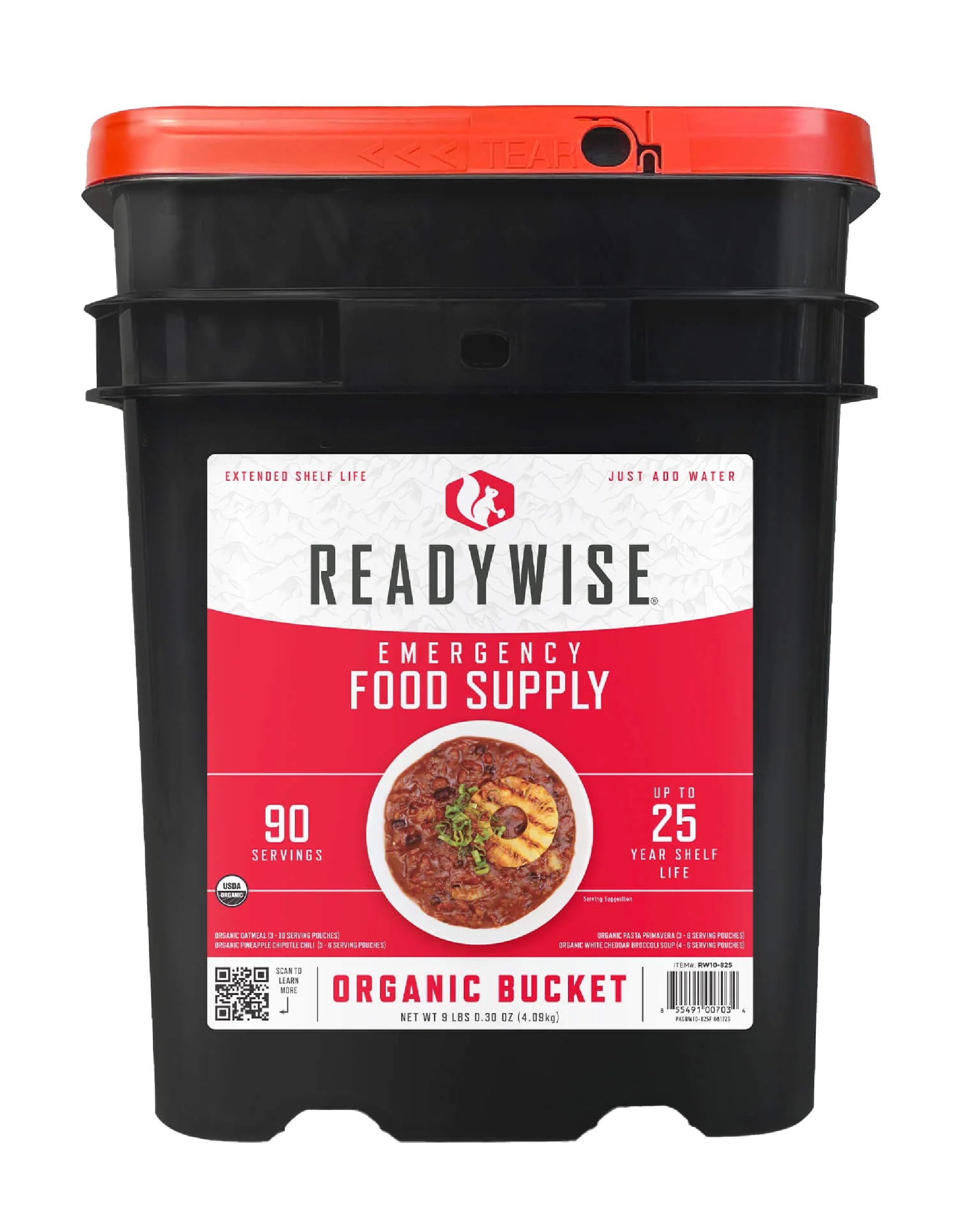
I rely on this ReadyWise bucket when I want a ready-to-go organic meal supply with long shelf life and quick prep.
Why I picked it: High serving count, organic meals, and a useful split lid for serving.
Best for: Building a multi-day emergency kit or stocking a car for long trips.
Midrange bucket that's heavy on servings and convenience.
Pros
- Up to 25-year shelf life
- 90 servings in one stackable bucket
- Split lid doubles as a tray
- Organic, varied meal options
Cons
- Large bucket needs storage space
- Some meals require hot water
My take
I bought this ReadyWise bucket to simplify my home emergency food plan, and it's become my go-to starter kit. The 90 servings are a real advantage when I want an organized supply without buying dozens of separate pouches.
The split bucket lid is genuinely useful: I use it as a serving tray when I prepare pouches, which keeps things tidy during outages or campsite meals. The pouches rehydrate predictably—just add water and heat for most entrees.
I appreciated the organic menu choices, from soups to pasta-style dishes. Flavor and texture were better than I expected for freeze-dried meals, and the variety stopped me from getting tired of the same thing over several days.
If you need a compact, stackable, long-life kit that you can deploy quickly, this bucket covers the bases without a lot of fuss.
2. Augason Farms Buttermilk Pancake Mix – Best Breakfast Mix
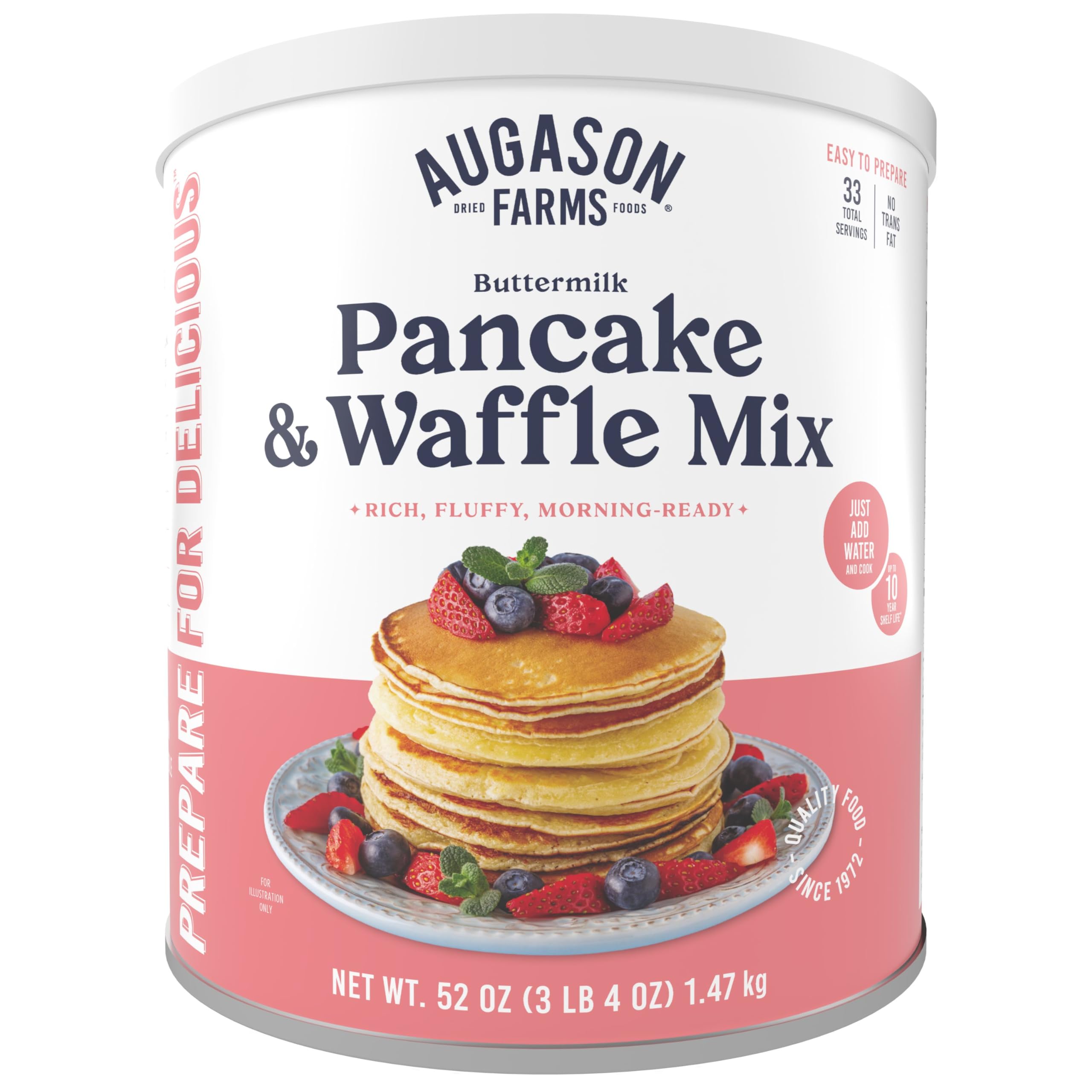
I keep this canned pancake mix for easy breakfasts, camp stoves, and for baking substitutions when fresh supplies run low.
Why I picked it: Just-add-water prep, long shelf life, and surprisingly good pancake results.
Best for: Quick hot breakfasts and flexible baking uses on the trail or at home.
Affordable pantry staple that stretches across multiple meals.
Pros
- 10-year shelf life
- Makes many servings
- Just add water
- Versatile for other recipes
Cons
- Measuring needs care for consistent results
- Requires cooking equipment
My take
I tested this pancake mix across several mornings and in different kitchens. When measured correctly it produces fluffy pancakes that taste far better than typical emergency mixes.
Beyond pancakes, I used the mix to make muffins and quick pizza crust when I needed fresh-baked items without fresh flour. That flexibility makes it one of the most useful cans I own.
On the practical side, the mix compacts in the can—so I learned to spoon level rather than scoop to avoid dense batter. Once that small habit is fixed the mix performs very reliably.
I recommend keeping this can with your breakfast rotation; it’s fast to prepare and comforting when options are limited.
3. Palouse Brand Chickpeas, 25 lb – Best Bulk Legume
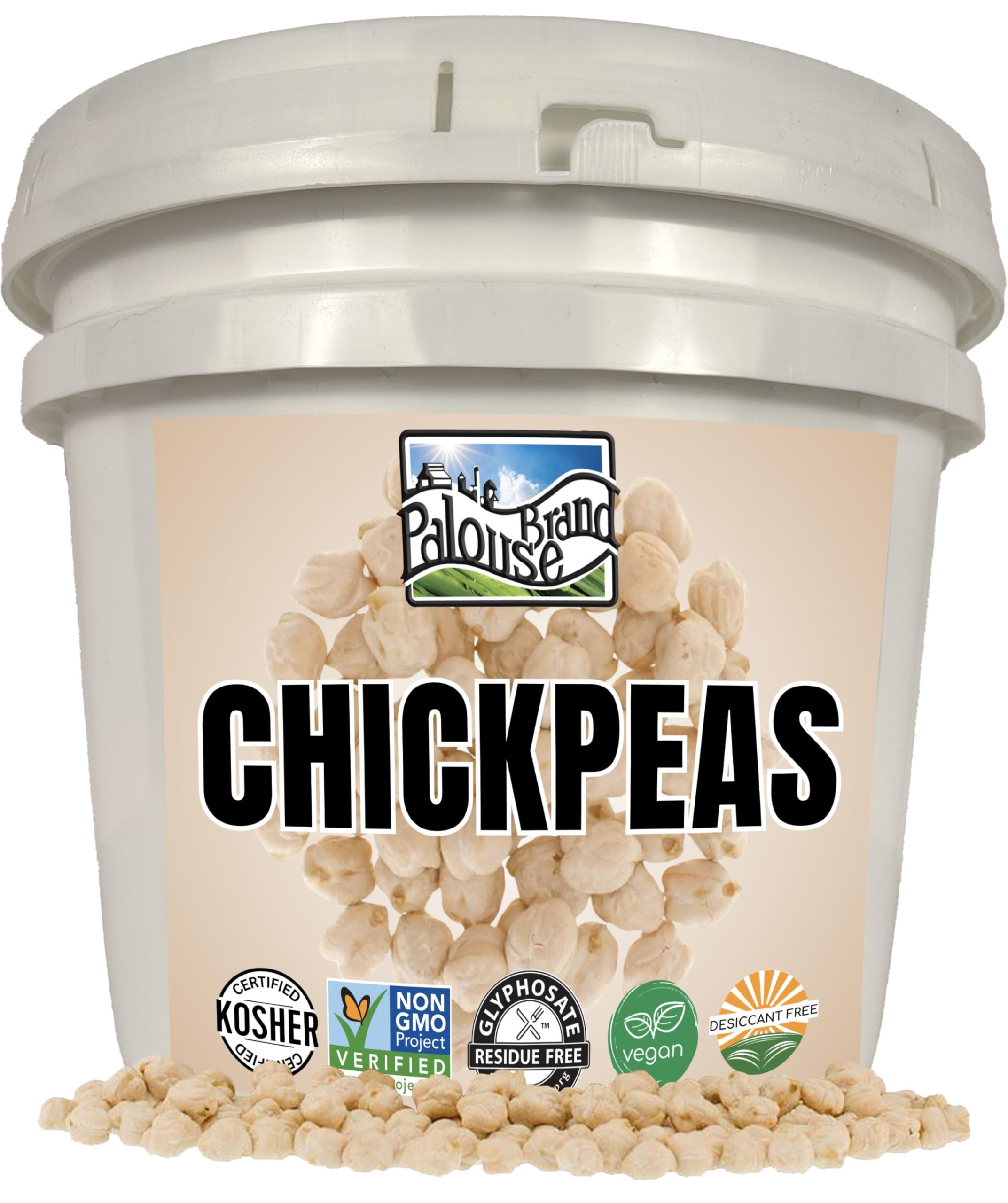
I store Palouse chickpeas for filling plant-forward meals that take up very little shelf space for the calories they provide.
Why I picked it: Certified glyphosate residue free, non-GMO, and farm-cleaned in bulk packaging.
Best for: Long-term pantry protein for hummus, stews, and grain bowls.
A cost-effective bulk option for serious pantry builders.
Pros
- Large 25 lb supply
- Certified glyphosate residue free
- Non-GMO and Kosher
- Cooks faster and tastes clean
Cons
- Bag lid can be tight for frequent access
- Needs soaking or pressure cooking
My take
I bought the 25-pound Palouse chickpea bucket to consolidate pantry staples, and the quality stood out immediately. These chickpeas rehydrated faster than other brands I’ve used and kept a pleasant texture after cooking.
Because they’re certified glyphosate residue free and Non-GMO, I feel better about using them frequently in salads and hummus. The beans hold up well in a pressure cooker and make a dense, satisfying hummus with less bitterness than cheaper dried chickpeas.
Storage is straightforward: I transferred a portion to a smaller jar for daily use and kept the rest sealed in a cool, dry place. If you plan to access them often, keep a secondary container handy for convenience.
For bulk protein that performs well in a variety of recipes, this is one of the first staples I stock.
4. Augason Farms Honey & Sugar Powder Blend – Best Sweetener Alternative
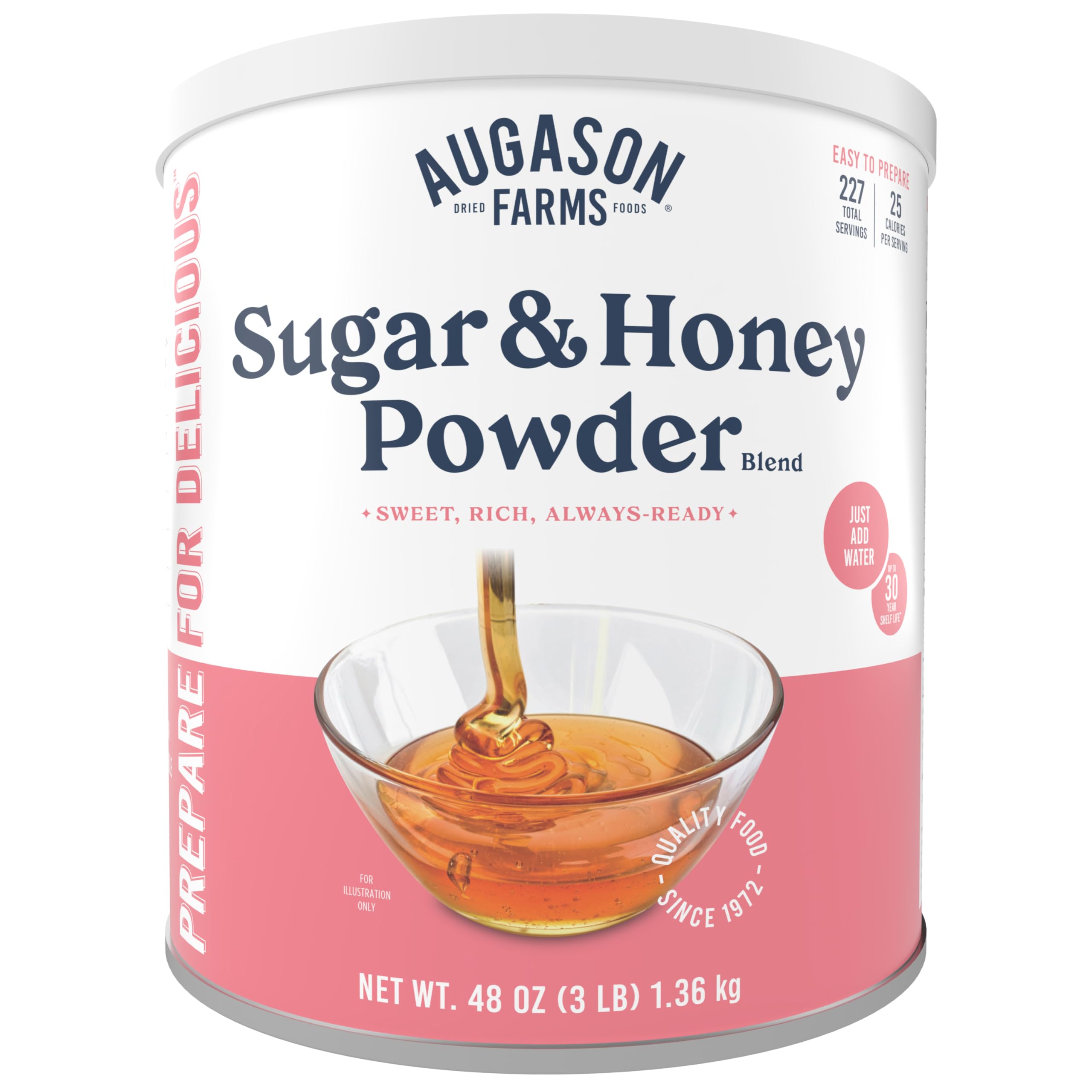
I use this powdered honey-and-sugar mix when I want a long-lasting sweetener that can be reconstituted or used dry.
Why I picked it: Extremely long shelf life and dual-use as dry or liquid sweetener.
Best for: Coffee, baking, and sweetening without sticky jars in long-term kits.
Practical, long-life sweetener for everyday and emergency use.
Pros
- 30-year shelf life
- Use dry or rehydrate
- Many servings per can
Cons
- Fine powder can clump
- Harder to measure precisely
My take
I keep a can of this honey-and-sugar blend with my coffee and baking supplies. Rehydrated it behaves like liquid honey in sauces and tea, and used dry it sprinkles evenly over cereal.
Be aware that the powder is very fine—when I first used it I over-sweetened a cup of tea until I adjusted to the density. A light hand and a shaker solved that.
The convenience of not storing sticky jars is a real advantage for long-term kits and camping, and the long shelf life means I don’t worry about frequent replacement.
If you want an easy-to-store sweetener that doubles as a baking ingredient, this is a reliable choice, just measure carefully.
5. Augason Farms Dehydrated Potato Slices – Best Versatile Side
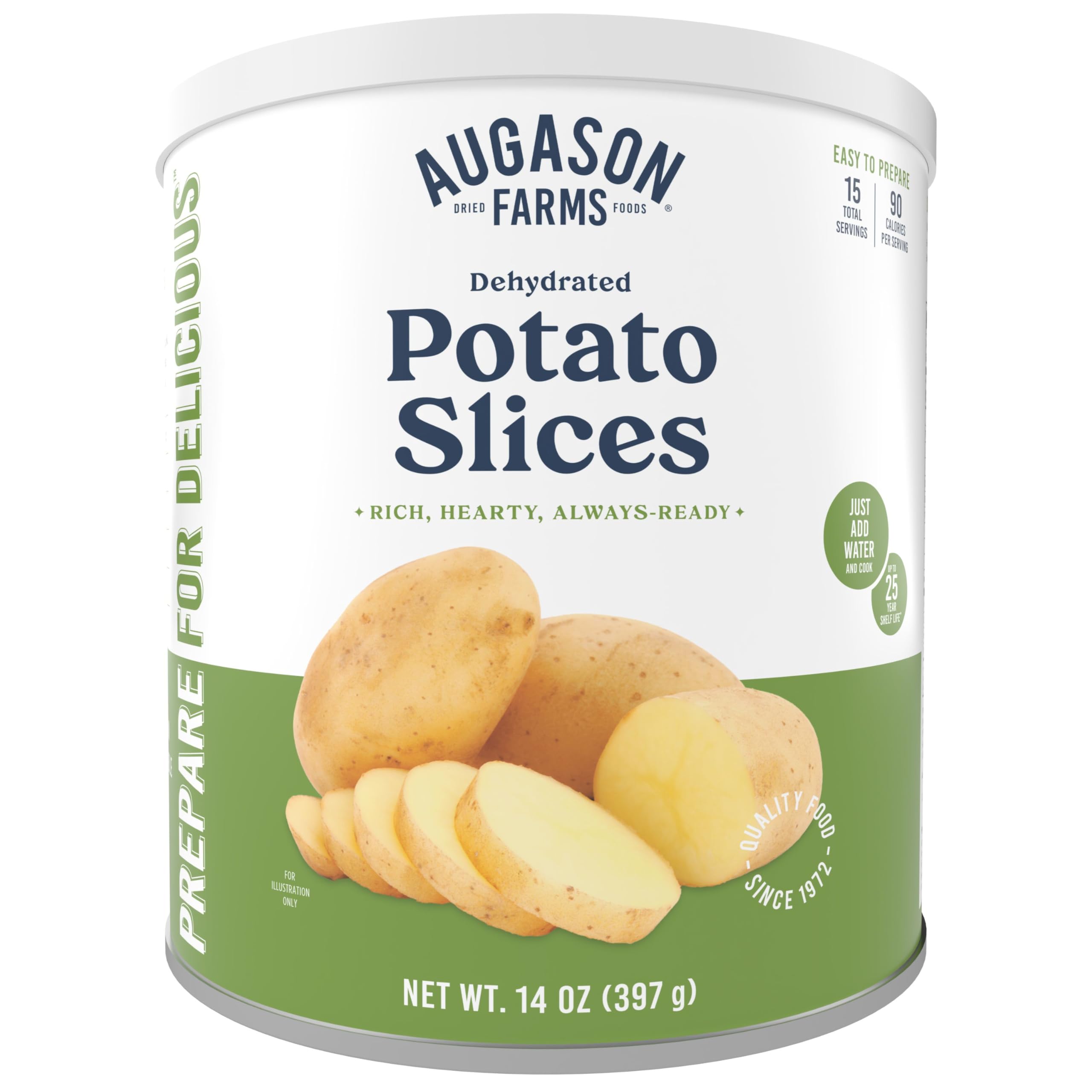
I turn to these potato slices when I want a neutral, filling side that cooks quickly and works in many recipes.
Why I picked it: Certified gluten-free, long shelf life, and ready to rehydrate into many dishes.
Best for: Hash, soups, casseroles, and quick camping sides.
Good-value, multi-use side that covers many recipes.
Pros
- 25-year shelf life
- Certified gluten-free
- Rehydrates quickly
- Great for casseroles
Cons
- Sliced thin—texture differs from fresh slices
- Requires rehydration before use
My take
I used these potato slices in soups, hashes, and a quick au gratin-style skillet. They rehydrated well and provided the familiar potato texture I needed without the prep of fresh spuds.
The thin slicing makes them ideal for casseroles and quick stews; they absorb flavors and cook through fast. For roasted textures I add a little oil and pan-sear after rehydrating.
For long-term storage, I like that they’re certified gluten-free and that a single can supplements many meals. They’re one of the cans I’m most likely to reach for during a multi-day grid-down drill.
6. Augason Farms Dehydrated Chopped Onions – Best Flavoring
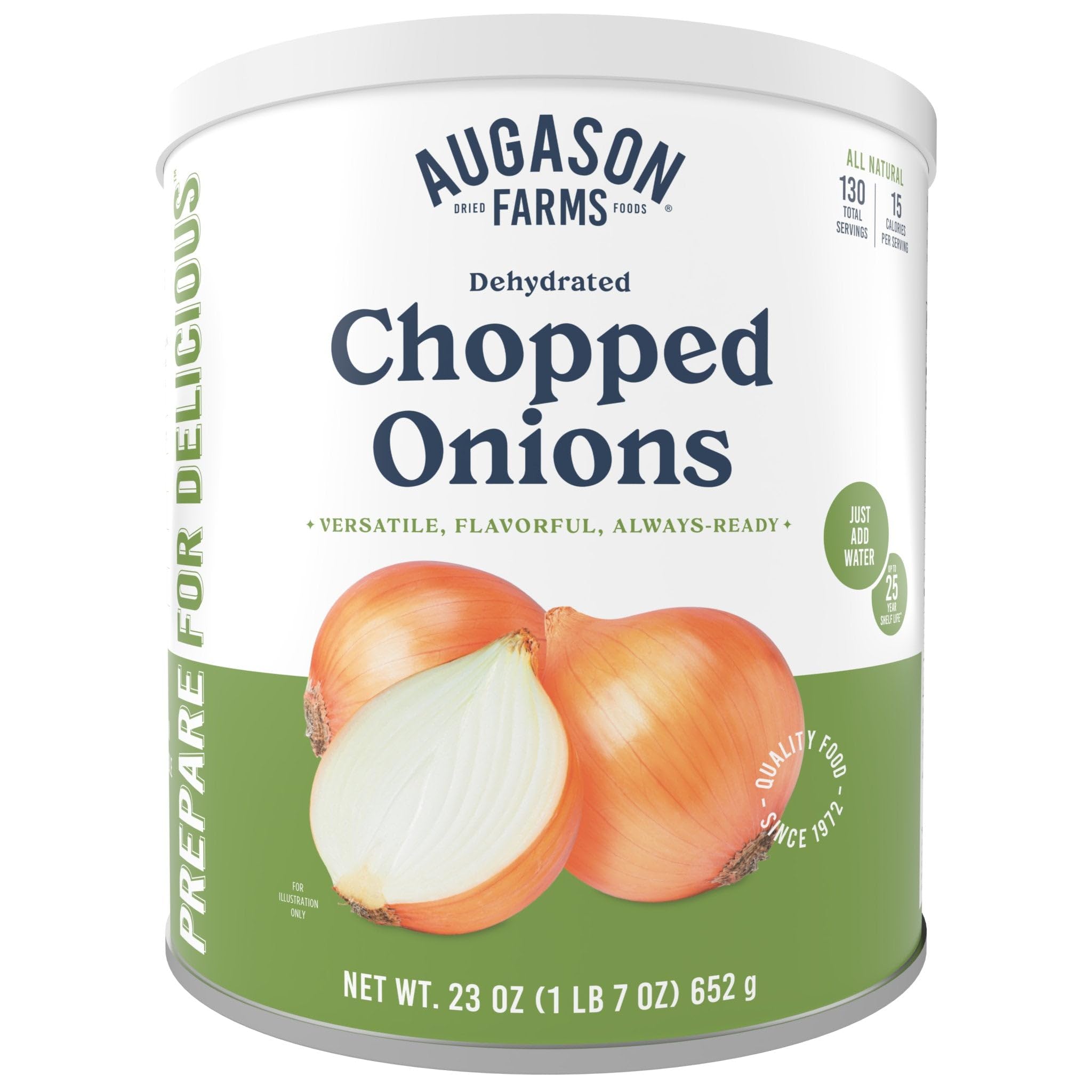
I stock these chopped onions to add instant aromatics to soups, stews, and gravies without fresh produce.
Why I picked it: High serving count and fast rehydration for flavor boost.
Best for: Soup bases, gravy, camping meals, and spice jars.
Very affordable way to keep aromatics on hand long-term.
Pros
- 25-year shelf life
- 130 servings per can
- Rehydrates quickly
- Pre-caramelized flavor
Cons
- Strong aroma when opened
- Texture not identical to fresh onions
My take
I use these dehydrated onions whenever I want to add instant flavor without chopping produce. They rehydrate fast and bring a sweet, almost pre-caramelized note to sauces and stews.
The can goes a long way—130 servings means a little sprinkle adds consistent flavor across many meals. For quick gravies and chili, they save time and eliminate the tears.
Opened cans are fairly pungent, so I decant a portion into a shaker jar for everyday use and keep the main can sealed for long-term storage.
7. Augason Farms Instant Nonfat Dry Milk – Best Dry Milk
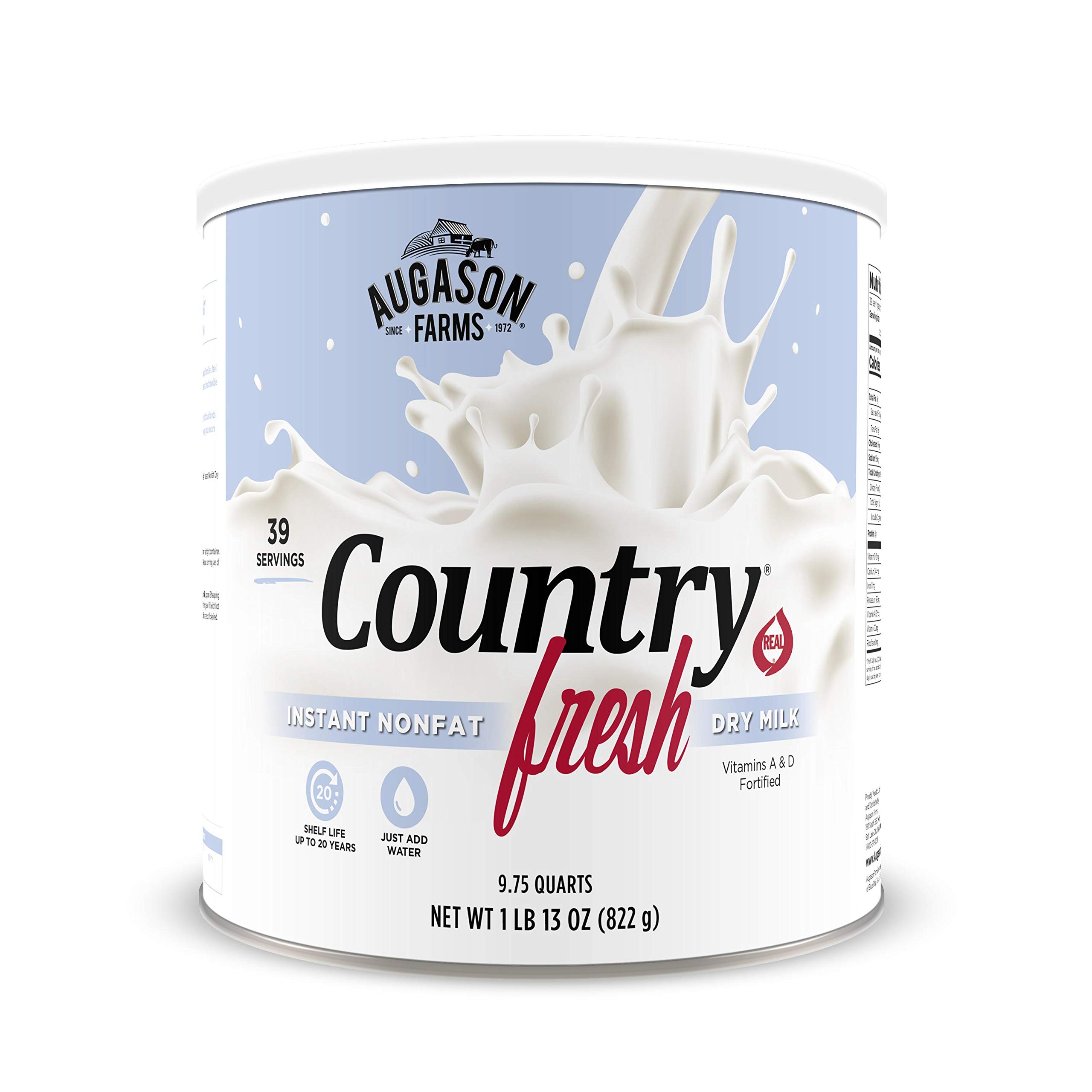
I rely on this dry milk for baking, cooking, and drinking when fresh milk isn’t available; it mixes into a surprisingly natural-tasting milk.
Why I picked it: 20-year shelf life, vitamin-fortified, and mixes into usable milk.
Best for: Baking, cereals, and as a milk substitute in recipes.
Practical, long-life dairy option with good flavor.
Pros
- 20-year shelf life
- Fortified with vitamins A & D
- Makes many quarts of milk
- Smooth mixing, minimal clumps
Cons
- Needs chilling after mixing
- Not a full-fat milk substitute
My take
I mixed this dry milk following the directions and was impressed by the flavor—it's close to fresh milk for cereal and baking. I used a shaker bottle and avoided clumps with a short whisk.
For recipes that need milk the powder performs reliably, and for drinking it chilled it works well as a nonfat option. I keep a can in my baking shelf and one decanted for daily use.
Because it's vitamin-fortified, I like keeping it as a nurse-your-immune system option during long stretches without fresh groceries.
8. Augason Farms Bread & Roll Mix – Best Baking Mix
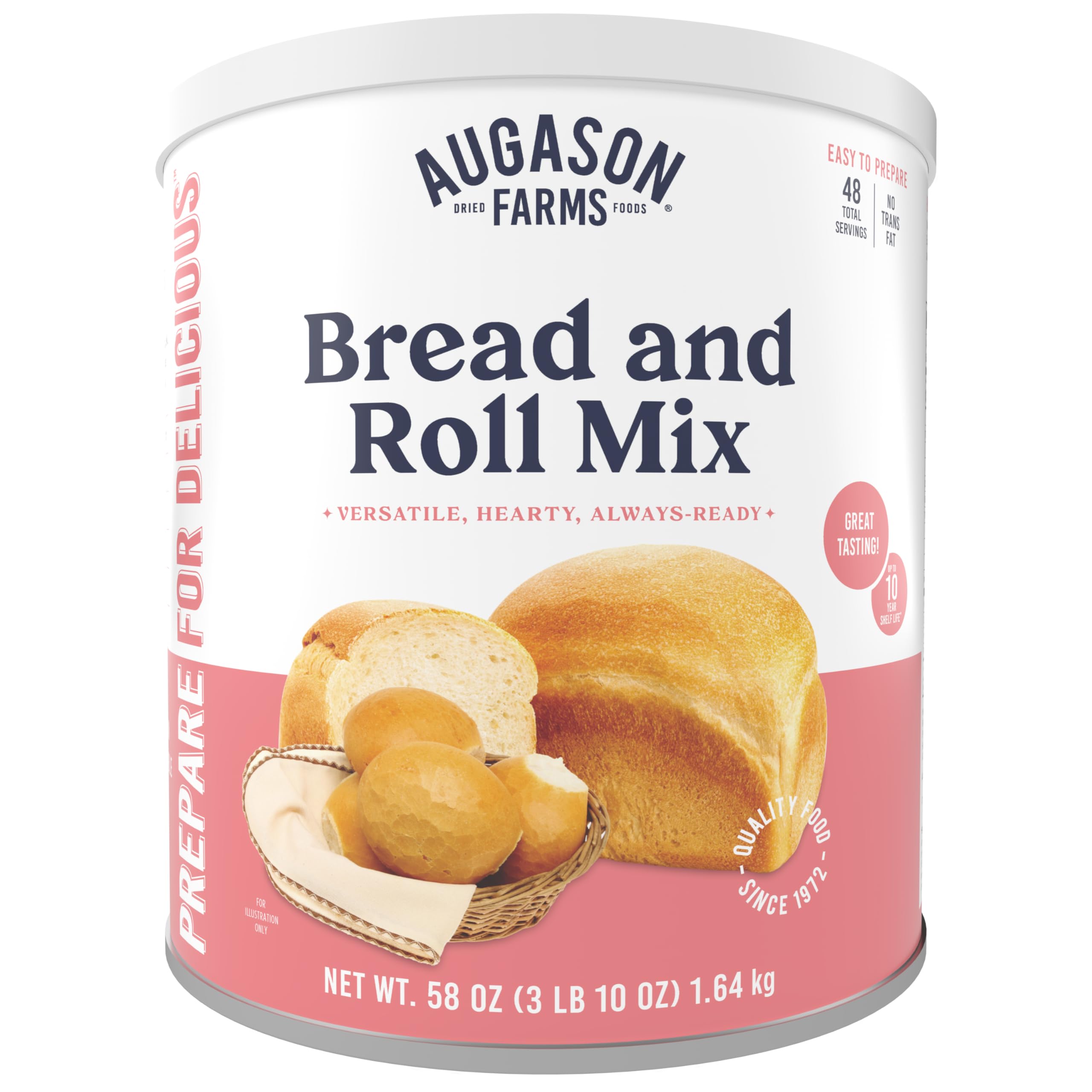
I store this bread mix for the comfort of fresh bread without buying flour sacks; it bakes well in machines or ovens with a few pantry extras.
Why I picked it: Makes many loaves and rolls with a straightforward bake process.
Best for: Fresh-baked bread during emergencies and weekend baking projects.
Low-cost way to maintain fresh-bread options in a long-term pantry.
Pros
- 10-year shelf life
- Makes multiple loaves
- Bakes into soft, fluffy bread
- Works in bread machines
Cons
- Requires yeast and oil
- May need slight mix adjustments
My take
I tested a loaf from this can in a bread machine and in the oven. The loaf developed a crunchy crust and a soft interior—exactly the comfort-food result I wanted from a stored mix.
Some batches benefited from a small extra handful of mix to get the dough consistency right, but the end crumb and flavor were worth the tweak.
Remember to store yeast and a small bottle of oil with the can if you plan to use it in an emergency; those extras make the mix usable anywhere.
How I Choose Long-Term Storage Foods
Shelf Life and Storage
I prioritize products with clear multi-year shelf-life claims and packaging that seals well. A can or bucket that promises decades of storage only works if I store it cool and dry.
I rotate stock: I place newly purchased items behind older cans so I use older cans first and avoid waste.
- Store in a cool, dark place to maximize longevity
- Use airtight secondary containers for frequent-access portions
- Label open dates on decanted jars
Prep Ease and Equipment
I factor in how much cooking gear I’ll have during an emergency. Instant mixes and rehydrating pouches are easier when you only have a camp stove.
For long-cook items like dried beans, I keep a pressure cooker or plan for soaking time.
- Choose ‘‘just add water’’ meals for minimal gear
- Stock yeast, oil, and sweeteners to use baking mixes
- Keep an electric or manual can opener accessible
Nutrition and Variety
I balance calories with nutrients—mix protein sources, carbs, and fats so meals feel satisfying over several days.
Flavor variety matters: different spice profiles and textures prevent palate fatigue.
- Include legume buckets, baking mixes, and flavoring cans
- Rotate breakfast, main meals, and side dishes
- Add powdered milk or protein powders for nutrition
Frequently Asked Questions
How long will these foods last if stored properly?
I follow the manufacturers’ shelf-life guidance—cans and buckets commonly range from 10 to 30 years. In my experience, items stored airtight, cool, and dry can remain usable beyond the printed date, but I still rotate stock.
Can I rehydrate and eat these foods cold?
I usually rehydrate with hot water for best texture, but some items like powdered milk or certain mixes work fine with cold water if you allow extra time to dissolve.
What extras should I keep with my food supply?
I always keep a supply of water, a heat source, basic seasonings, oil, yeast, and oxygen absorbers. A pressure cooker and a reliable can opener make many staples far easier to use.
Final Take
I built this shortlist to give practical options that work in real storage and cooking scenarios. Each product fills a different role—from bulk protein to baking mixes and flavor boosters—so your pantry stays functional under strain.
Start with one or two items that address your biggest needs, rotate them regularly, and add variety over time. That's how I keep my shelf ready and stress-free.
