
I tested a range of manual weeders — from compact hand tools for dandelions to long-handled push-pull models and vinyl craft scrapers — and picked the ones that performed best in real garden and craft tasks.
I spent time using these manual weeders across lawns, raised beds, paving joints, and craft tables so you get practical, hands-on recommendations.
My picks focus on durability, ergonomics, and the specific jobs each tool does best — I avoided one-size-fits-all claims and matched tools to real tasks.
Below you'll find why I chose each tool, what I used it for, and the trade-offs I ran into while working outdoors and at my craft bench.
I compared materials, ergonomics, leverage, and specialty performance (patio joints, deep taproots, vinyl weeding) to choose tools that excel at specific tasks.
1. Fiskars Ergo Weeder – Best Overall
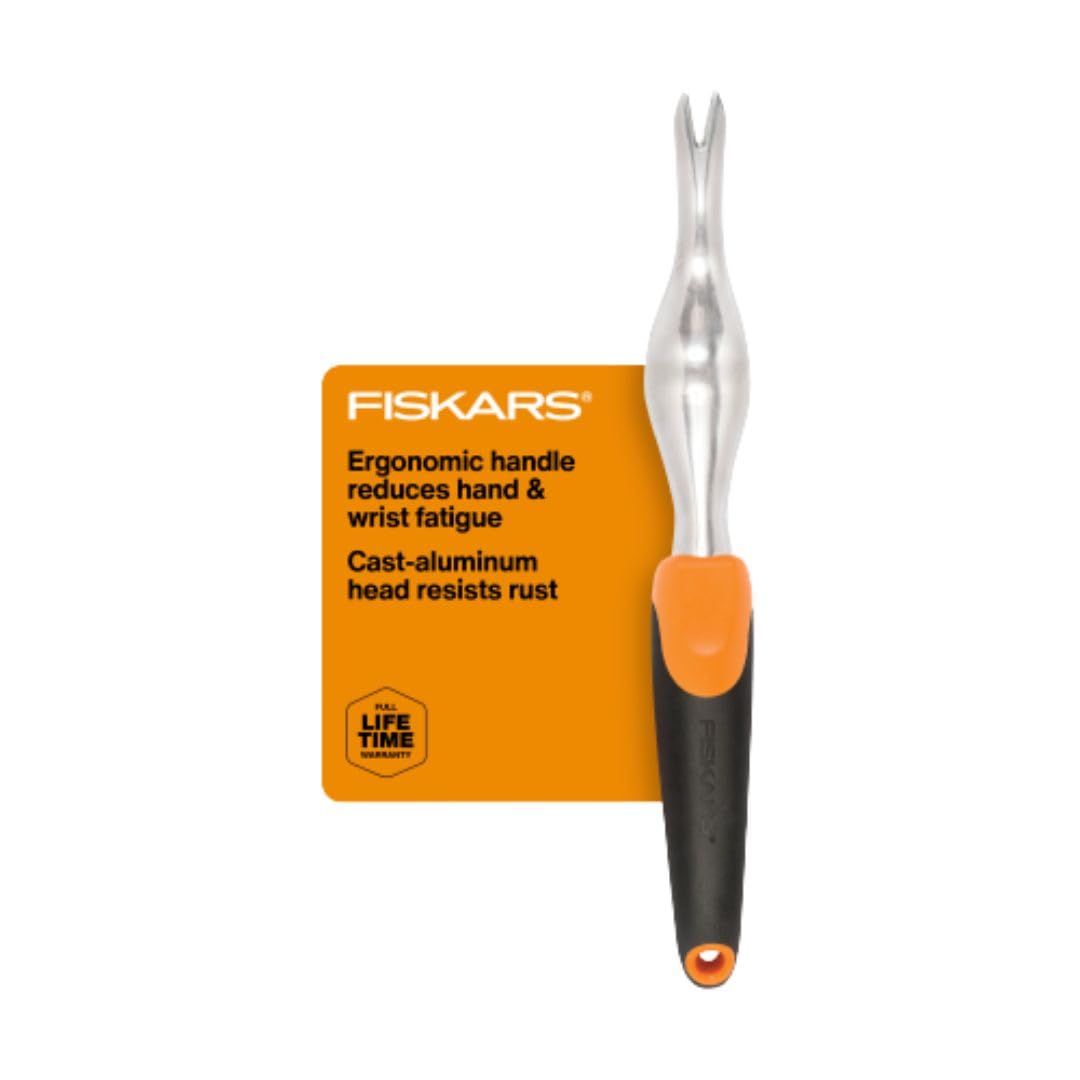
A compact, ergonomic hand weeder with a cast-aluminum angled head and SoftGrip handle for strong leverage and lasting use.
Why I picked it: Balanced leverage and comfort with a rust-resistant aluminum head that holds up to repeated use.
Best for: Dandelions, thistles, small garden beds, and general hand weeding.
Moderately priced and built to last.
Pros
- Ergonomic SoftGrip handle
- Cast-aluminum rust-resistant head
- Excellent leverage for stubborn roots
- Lifetime warranty
Cons
- Requires bending for deep roots
- Not intended for paving joints
My take
I rely on this as my go-to hand weeder for lawns and small beds. The angled, cast-aluminum head gives me solid leverage to pry out taproots when I center the two prongs around the stalk and push a little before levering.
The SoftGrip handle reduces wrist fatigue during long sessions, and the aluminum head resists rust so it stays serviceable after wet weather and heavy use. I appreciate the hang hole for quick storage in my shed.
If you want a single handheld tool that combines comfort, durability, and real pulling power for common garden weeds, this is the one I reach for.
2. Gardena Patio Weeder (combisystem) – Best for Patios
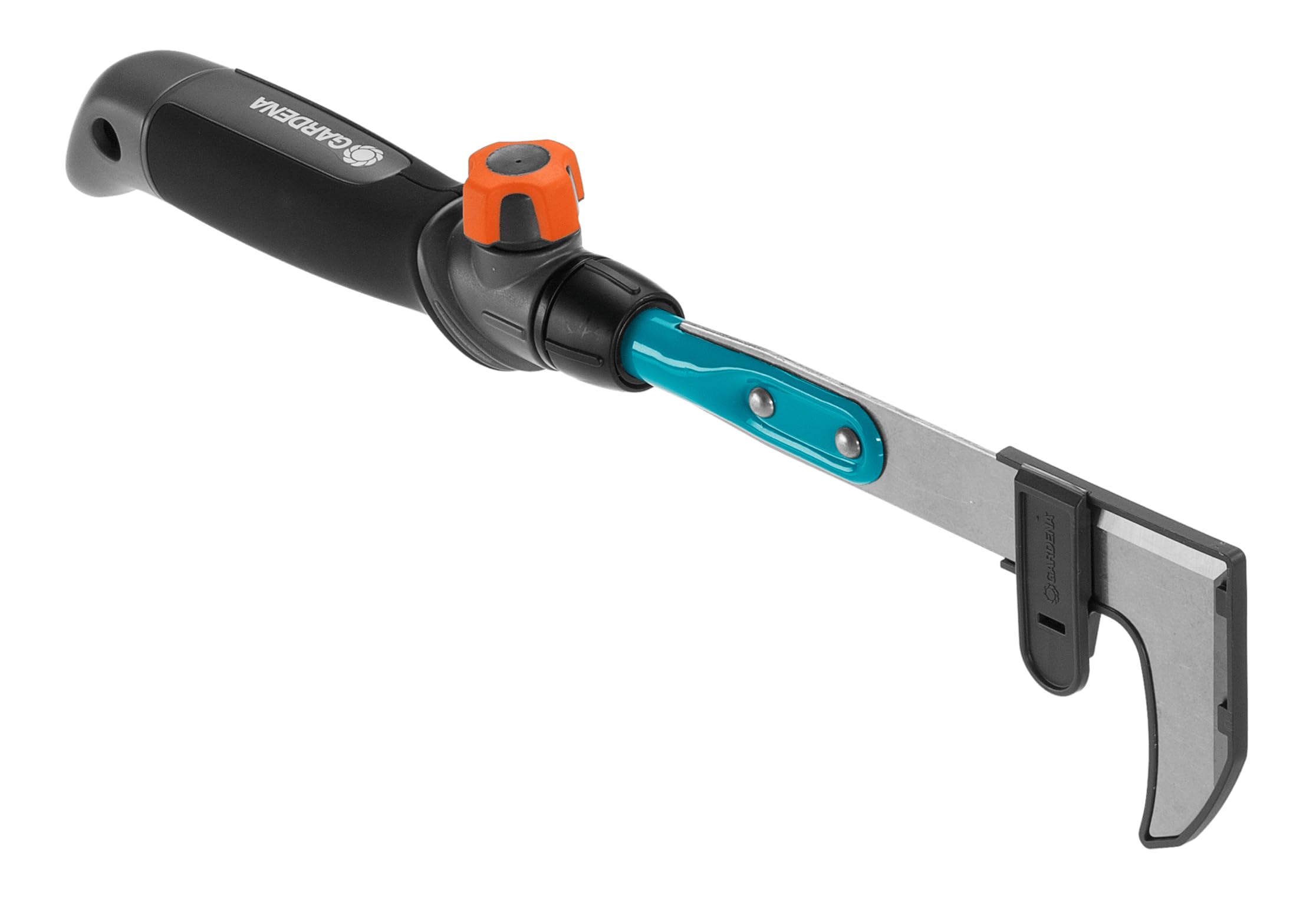
A slim, hardened stainless-steel blade ground on both sides that cleans paving joints and wall edges and accepts combisystem handles.
Why I picked it: Double-ground stainless blade and compatibility with extension handles for standing work.
Best for: Removing moss and weeds from paving joints and tight edges.
A premium patio tool that pairs with extendable handles.
Pros
- Double-sided hardened stainless blade
- Attaches to combisystem handles
- Ergonomic non-slip grip
- Blade protection for storage
Cons
- Handle often sold separately
- Takes effort on heavy clay
My take
This is my tool of choice when I need to clear weeds from between pavers. The thin blade gets into narrow joints and the double-sided grinding cuts and scrapes without folding.
I like that it fits the Gardena combisystem handle so I can work standing up — the soft components make prolonged use comfortable and wobble-free once tightened.
The stainless steel resists corrosion, and the craftsmanship feels solid. Just be aware that the tool head is usually sold by itself, so plan for a handle if you want full reach.
3. Xinart Vinyl Weeding Tools (2-piece) – Best for Vinyl Crafts
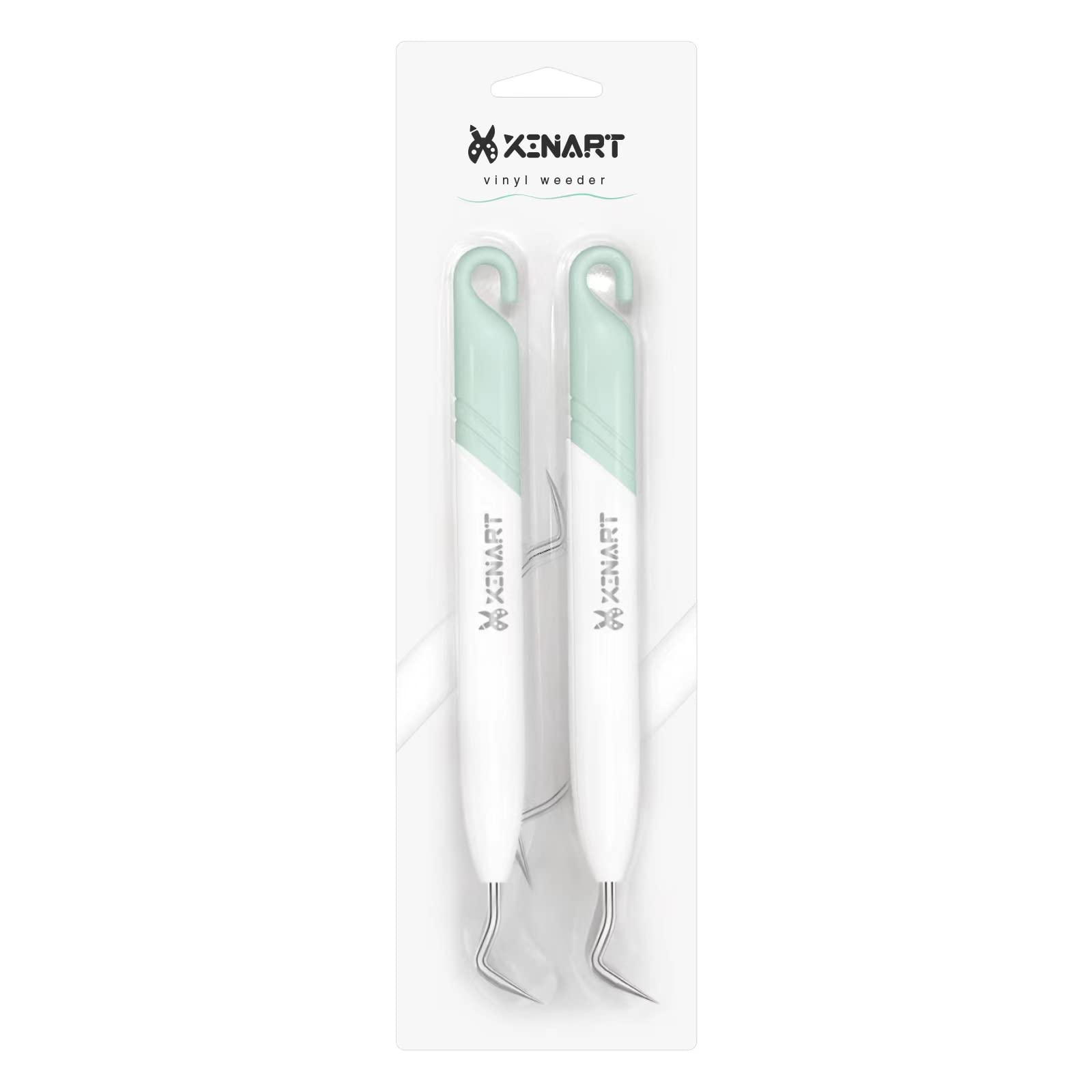
Two compact weeding tools with a pointed tip and hook tailored for heat-transfer vinyl and fine craft work.
Why I picked it: Sharp points and a hook give precise control for delicate vinyl detail work at an affordable price.
Best for: Heat-transfer vinyl, small vinyl details, and general crafting weeding.
Budget-friendly option for crafters.
Pros
- Sharp pointed tip for tiny pieces
- Hook tool for precise lifting
- Sturdy feel for the price
Cons
- Tip can dull with heavy use
- Not intended for outdoor weeds
My take
I keep these in my craft kit for HTV and vinyl lettering. The pointed tip lifts the smallest bits cleanly, and the hook lets me remove excess material without nicking the design.
For multiple projects the set held up well — no bending and a comfortable grip — though I've noticed the finest points can lose a touch of sharpness over long sessions.
If you want an inexpensive, capable alternative to name-brand craft tools, these are what I reach for at my table.
4. Fiskars Xact Push-Pull Weeder – Best Long-Handle
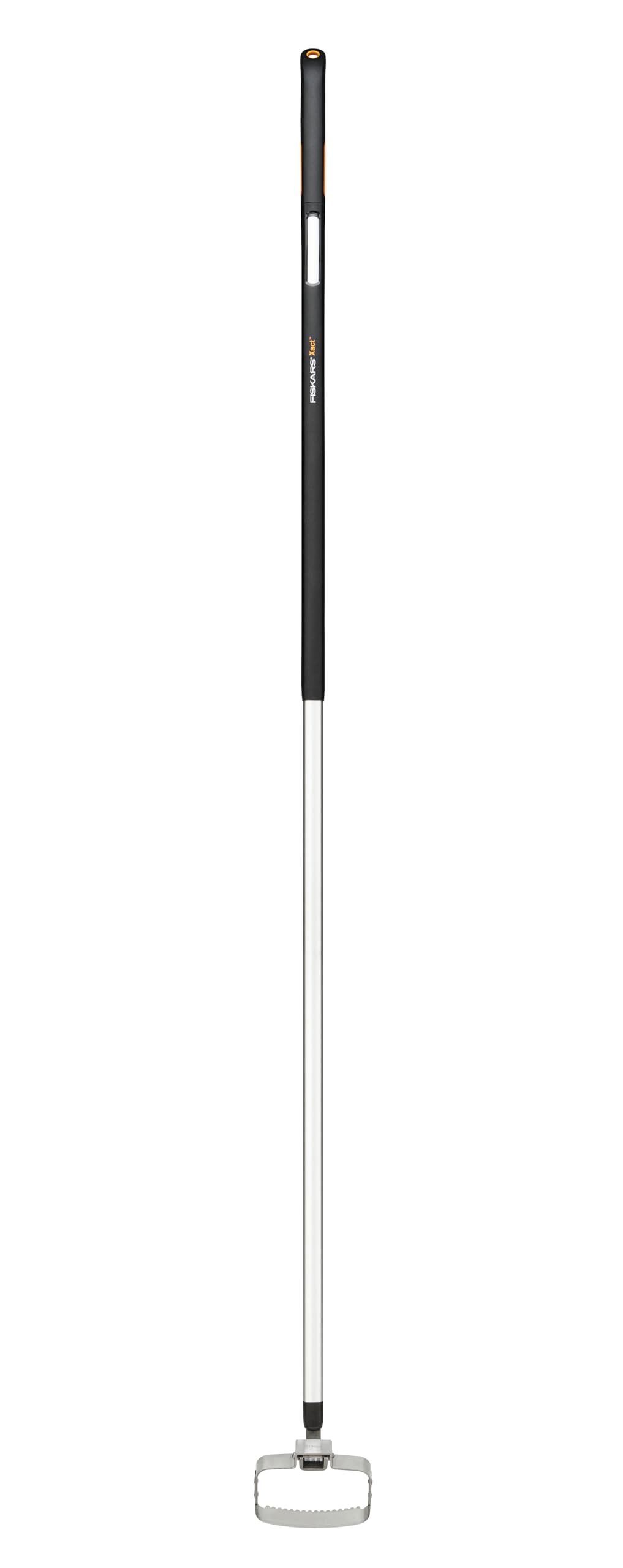
A lightweight long-handle weeder with a movable double-edged stainless blade and SoftGrip handle for standing weeding.
Why I picked it: Long reach and a push-pull cutting action that handles roots without constant bending.
Best for: Standing weeding in beds, paths, and larger areas with long-rooted weeds.
Higher-end long-handle option for frequent use.
Pros
- Push-pull double-edged blade
- Lightweight hardened aluminum shaft
- Comfortable SoftGrip handle
Cons
- Higher cost than short hand tools
- Plastic parts feel less like wood
My take
I use this when I need to work standing up across rows and paths. The double-edged blade cuts on both push and pull motions, and the serrated teeth grab roots so they come out cleanly.
The aluminum shaft keeps the tool light without sacrificing strength, which makes repeated passes less tiring. I’ve hit stony patches and the blade held up sharp.
If you prefer a long handle and efficient rhythm-based weeding, this tool delivers performance that justifies choosing a long-handle design.
5. CobraHead Original Weeder & Cultivator – Best Versatile Hand Tool
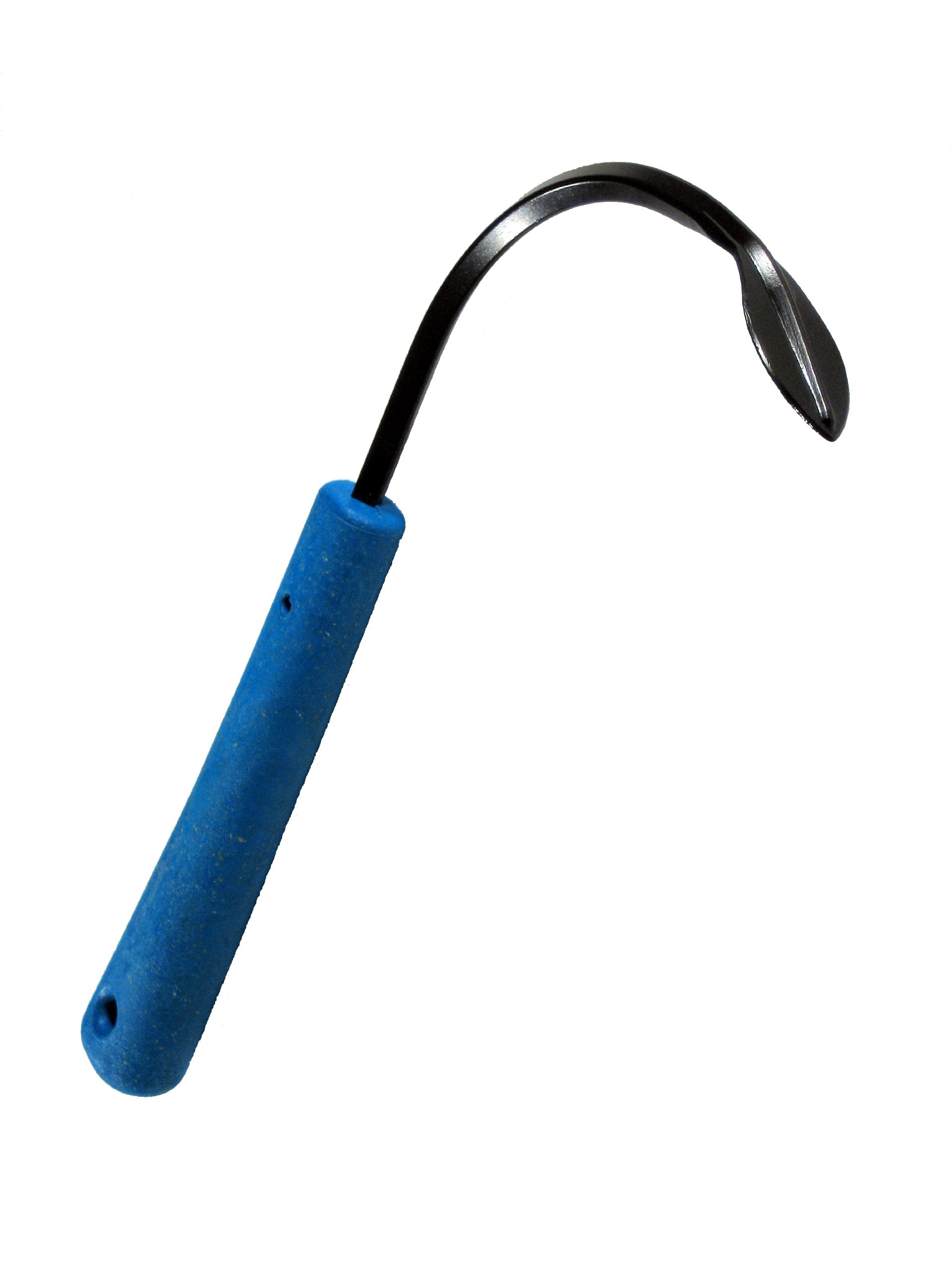
A forged, curved steel head designed to plow through soil for weeding, digging, edging, and planting in close-in garden work.
Why I picked it: Versatile, indestructible-feeling forged head that handles digging and stubborn roots alike.
Best for: Raised beds, vegetable gardens, and heavy-rooted weeds.
Midrange, built for long-term use.
Pros
- Tempered forged steel blade
- Multi-use: weed, dig, edge
- Comfortable universal grip
Cons
- Requires bending to use
- Plastic handle instead of wood
My take
This is the tool I toss in my bucket whenever I head into the garden. The curved, tempered-steel head plows through soil and grabs taproots effectively — it’s saved me time on stubborn dandelions.
I also use it for quick trenches and edging; it’s surprisingly good at planting lines for small seeds and bulbs. The handle is molded for either hand, so it stays comfortable during repetitive work.
It demands a bit of bending compared with long-handled options, but in close quarters it’s my most-used tool for versatility and durability.
6. Scraper Craft Vinyl Weeder Set – Best Craft Scraper Budget
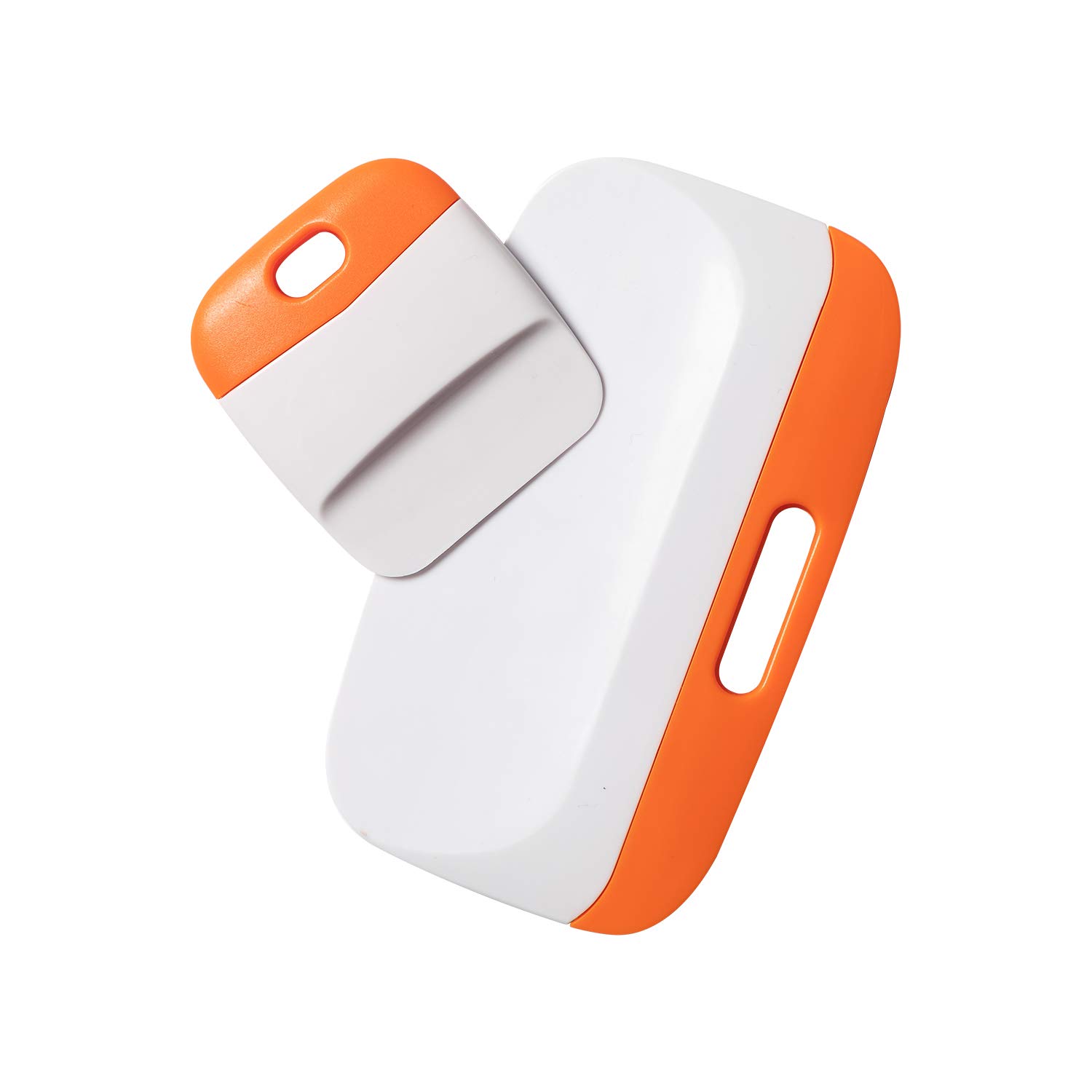
Two plastic scrapers in different sizes for removing vinyl remnants, smoothing films, and cleaning cutting mats.
Why I picked it: Very affordable, durable plastic scrapers that match pricier brand performance on craft tasks.
Best for: Removing vinyl pieces, smoothing films, and scraping cutting mats.
Very affordable craft scraper set.
Pros
- Lightweight durable plastic
- Two useful scraper sizes
- Good for mat and vinyl cleanup
Cons
- Plastic edge not as sharp as metal
- Not for heavy prying or garden weeds
My take
I keep these scrapers by my cutting machine for mat cleaning and small vinyl jobs. The larger scraper smooths bubbles and removes residue, while the smaller piece works well around tight lettering.
They feel comparable to more expensive brand scrapers for everyday craft use, and I find them durable for repeated mat scraping and film smoothing.
If you need inexpensive, effective tools for vinyl and paper projects, these do the job without fuss.
7. Wolf-Garten Push-Pull Weeder RF-M – Best Classic Push-Pull
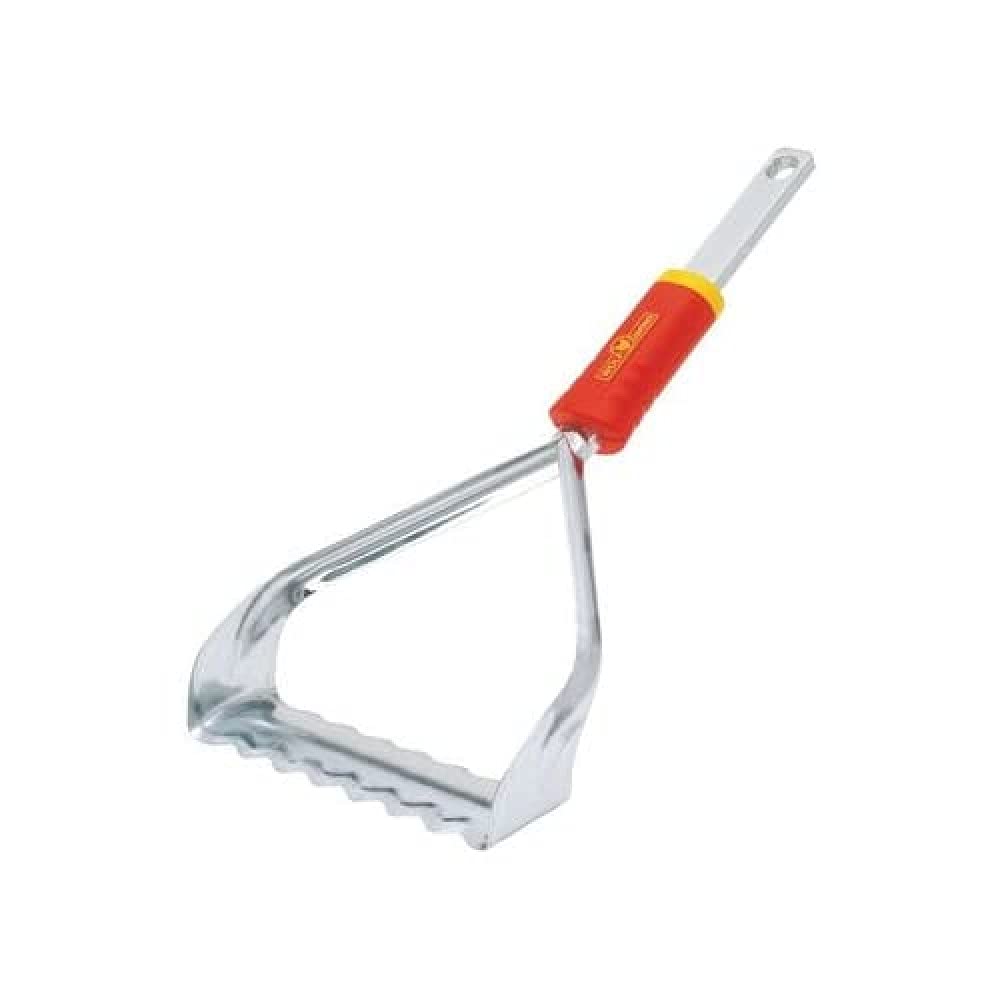
A thin, serrated cutter made for push-pull action on firm and sandy soils — a classic European-style weeder head.
Why I picked it: Thin serrated cutter excels in firm or sandy subsoils and supports push-pull technique.
Best for: Firm or sandy soil, scraping small weeds without disturbing surrounding beds.
Classic attachment-style head; confirm handle inclusion before purchasing.
Pros
- Thin serrated cutter for firm soil
- Effective push-pull action
- Solid European construction
Cons
- Handle may be sold separately
- Requires arm strength in clay
My take
I used the serrated cutter on both loose loam and firmer ground. It shaves and pulls weeds well when the soil is friable, and the thin profile disturbs less surrounding soil.
On heavy clay I had to put more effort into the motion, so it’s not the easiest option for compacted sites. Also, check whether your purchase includes the handle — I’ve seen versions that require a separate handle purchase.
When matched with the right handle and soil type, this head performs like a classic, reliable garden weeder.
How I Picked and Use Manual Weeders
Key features I prioritize
I look for durable materials (stainless or forged steel) first, because a sharp edge and corrosion resistance determine long-term performance.
Ergonomics matter: handles with SoftGrip or contoured shapes reduce wrist strain during extended weeding sessions.
Match the tool to the task — slim serrated blades for paving joints, long shafts for standing weeding, and compact scoops or hooks for garden beds.
- Blade material: forged steel or hardened stainless for longevity.
- Handle type: long handle for standing work, short ergonomic handle for close-up tasks.
- Specialty heads: choose patio-specific blades for joints and craft tools for vinyl work.
- Storage and maintenance: blade protection and rust resistance lengthen tool life.
Practical tips I use in the garden
I loosen soil slightly with water before using a hand weeder for deep taproots — it makes extraction easier.
When using push-pull tools, I plant my feet and use steady, controlled thrusts rather than jerky motions to keep the blade from bouncing or snagging.
For craft weeders, I clean and store points in a small pouch to protect tips and keep them sharp.
- Water compacted soil a short time before weeding for easier root removal.
- Center prongs around a dandelion’s stalk and push a short distance before levering out.
- Use extension handles for patio heads to avoid stooping and keep a steady grip.
Frequently Asked Questions
Will a hand weeder remove deep taproots effectively?
In many cases yes — I remove deep taproots by pushing prongs around the base, driving the head 1–2 inches, then levering upward. For very deep taproots, a long-handle push-pull weeder or loosening the soil with water first makes the job easier.
Which tool should I use for weeds between paving stones?
I use a slim, hardened stainless blade designed for joints — the Gardena patio weeder is purpose-built for that job and pairs well with an extendable handle when I want to work standing.
Are vinyl weeding tools interchangeable with garden weeders?
No — I keep craft tools separate. Vinyl tools have fine points and delicate hooks suited for small adhesive pieces, while garden weeders require sturdier metal heads and different leverage.
Do long-handle push-pull weeders reduce back strain?
Yes. When I use a long-handle push-pull model I stay standing and use the tool’s thrust-and-pull action, which reduces bending. Proper handle length and a comfortable grip are essential for preventing strain.
Final Take
I chose these seven tools because each excels at a particular job — lawn dandelions, patio joints, vinyl crafts, long-reach weeding, or versatile bed work.
Use the guide above to match a tool to the task you face, and maintain blades and grips so the tools continue to perform season after season.
If I had to recommend one starting point, I’d pick a solid hand weeder plus a patio head or craft set depending on whether you’re tending a garden or a craft table.
