
I tested low-profile memory foam and hybrid mattresses that fit bunk and loft frames. These picks balance thickness, support, and cooling so you can pick the right mattress for kids, teens, and guest rooms.
I evaluated mattresses specifically for bunk beds and other low-clearance setups, focusing on profile, support, and safety features like fiberglass-free covers and CertiPUR-US certification.
My picks include ultra-low 5–8 inch memory foam options that work well on top bunks and trundles, plus a couple of options for adults who need more support.
Throughout testing I prioritized easy setup, minimal off-gassing, edge stability where noted, and materials suitable for kids—so every mattress here performs well in tight spaces.
I compared mattresses by thickness, materials (gel memory foam, bamboo charcoal, pocket coils), safety features (CertiPUR-US, fiberglass-free covers), and how quickly they expand from the box—those factors matter most for bunk and loft use.
1. ZINUS 8″ Green Tea Gel Memory Foam Mattress – Best Overall for Bunk Beds
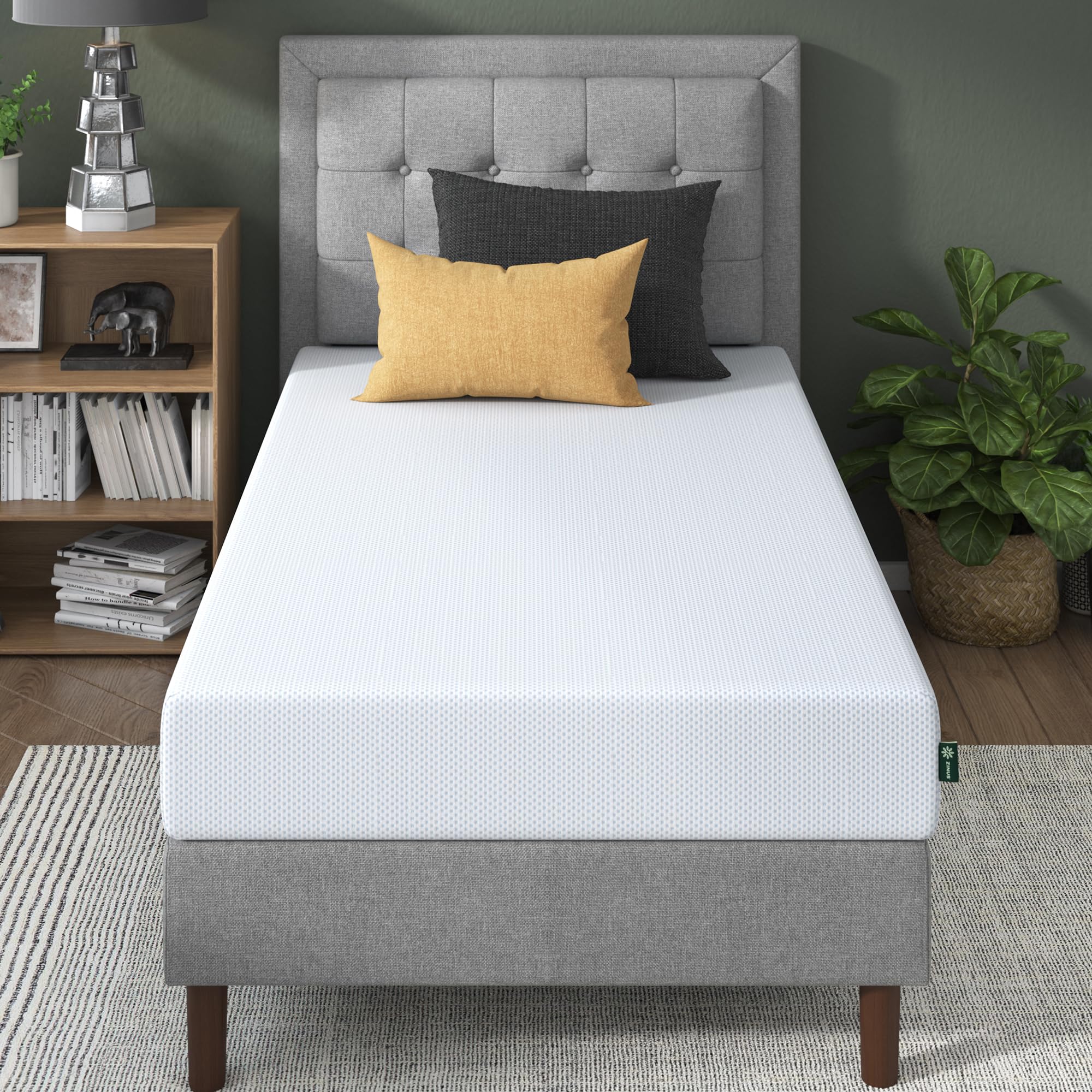
An 8-inch gel memory foam mattress that balances cooling, pressure relief, and a low profile that works well on bunk and platform beds.
Why I picked it: I found the 8" profile ideal for bunk frames; cooling gel and multilayer foam deliver balanced comfort.
Best for: Top bunks, platform bunk frames, back sleepers and average-weight sleepers.
Affordable midrange option that gives a durable feel for the thickness.
Pros
- Effective cooling gel layer
- Good pressure relief for an 8-inch bed
- CertiPUR‑US certified foam
- 10-year limited warranty
Cons
- Twin top supports lower weight
- Needs 24–72 hours to fully expand
My take
I used this 8" Zinus on a top bunk and liked how the mattress stays low but still cushions pressure points. The 2" gel-infused memory foam on top helped regulate temperature better than standard memory foam on warm nights.
Setup was simple: it expanded to usable size within hours and reached full height within a couple of days. I appreciated the CertiPUR-US certification and the included 10-year limited warranty for peace of mind.
For lighter adults and kids it provides a comfortable, supportive surface without taking up too much headroom on a top bunk.
2. Rolanstar 6″ Gel Memory Foam Mattress – Best Low-Profile Cooling Option
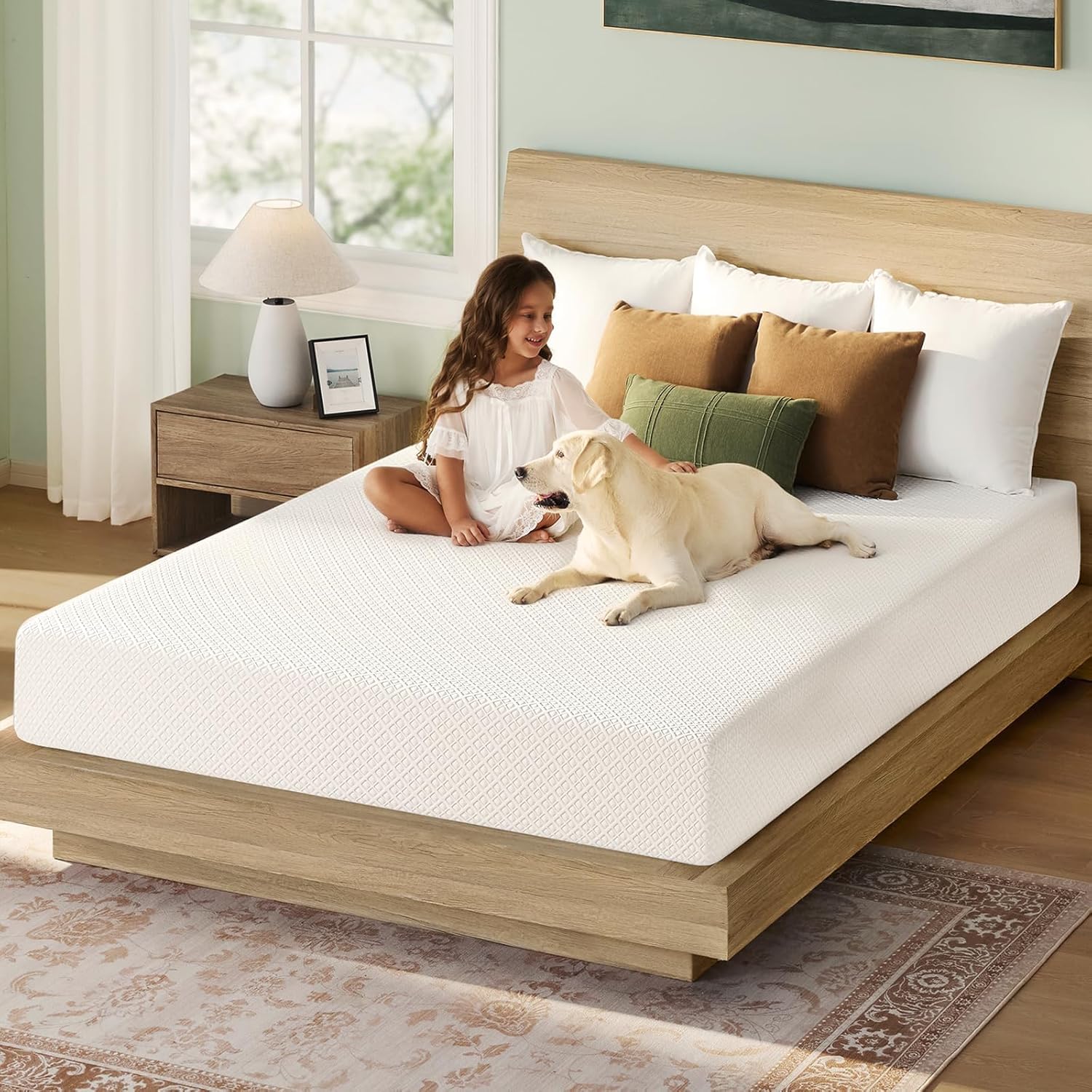
A 6-inch, medium-firm gel memory foam mattress with bamboo charcoal for breathability—built to stay cool and supportive in small spaces.
Why I picked it: Its 6" profile is perfect for very tight bunks, and the gel plus charcoal layers helped keep the surface feeling fresh.
Best for: Top bunks, trundles, and sleepers who want a cooler memory foam feel.
Budget-friendly pick in the low-profile category.
Pros
- Very low 6" profile
- Bamboo charcoal for freshness
- Medium-firm spine support
- Breathable, moisture-absorbing foam
Cons
- Feels a bit plush for heavier sleepers
- Takes time to fully decompress
My take
I put this 6" Rolanstar on a bunk that had very limited headroom and it fit exactly as needed. The mattress has a medium-firm feel that keeps the spine aligned without feeling overly stiff.
The gel-infused layer combined with charcoal did a noticeable job cutting down trapped heat compared with older all-foam beds I’ve used in similar frames. It expanded well from the box and the removable cover made maintenance straightforward.
If you want a cooler low-profile mattress for a top bunk or daybed, this one balances comfort and breathability neatly.
3. PayLessHere 5″ Bamboo Charcoal Gel Memory Foam – Best for Trundles & Daybeds
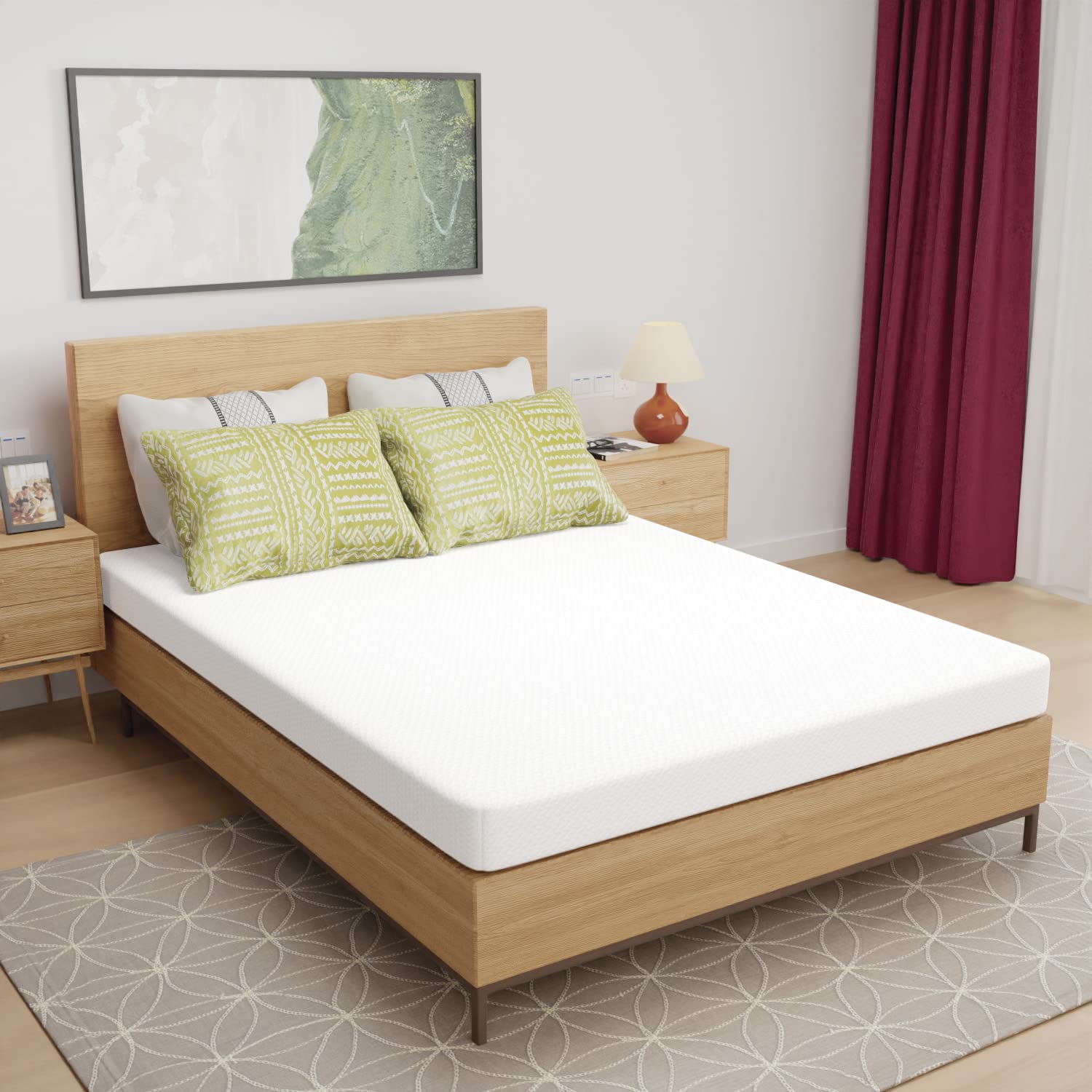
A very low 5-inch memory foam mattress infused with bamboo charcoal and gel—ideal for trundles, daybeds, and compact guest spaces.
Why I picked it: At 5" it fits under low clearance frames and still provides contouring support.
Best for: Trundle beds, daybeds, kids' rooms, and lightweight adults.
One of the most affordable thin-profile options available.
Pros
- Extremely low 5" profile
- Bamboo charcoal keeps mattress fresh
- CertiPUR‑US certified foam
- Quick expansion from the box
Cons
- Not meant for heavy sleepers
- Limited long-term thickness for adults
My take
I used this 5" mattress for a trundle and was surprised at how comfortable it felt given the thin profile. The gel top layer distributes weight and the bamboo charcoal helps the surface stay fresh during repeated use.
It expanded quickly and had minimal odor—perfect for guest rotations and kids who need a compact sleeping surface. Expect a firmer, closer-to-the-platform feel compared with thicker mattresses.
For trundles or low lofts where headroom is at a premium, this is a practical and comfortable choice.
4. Milliard 6″ Memory Foam Futon Mattress – Best Futon Mattress
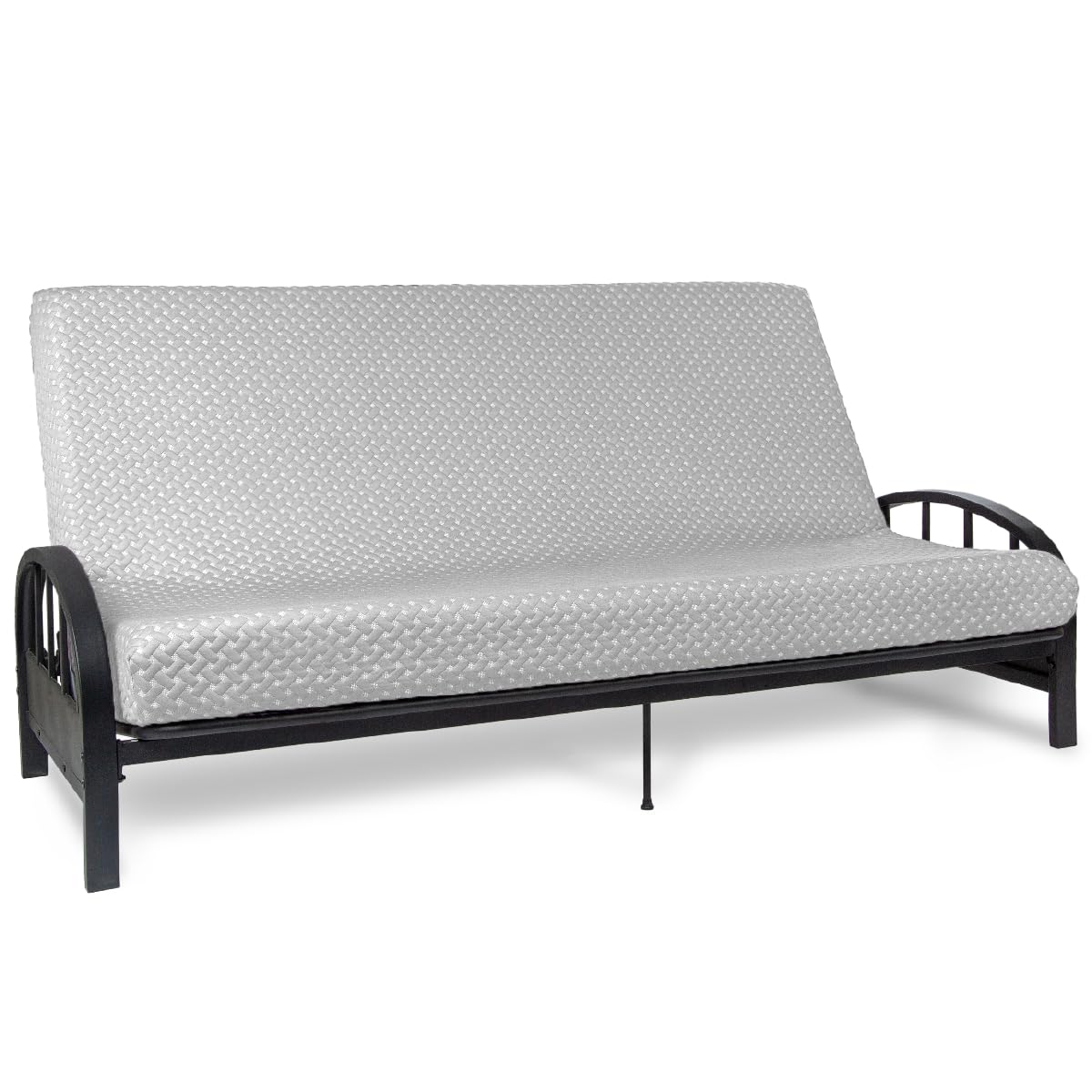
A 6-inch futon mattress with a washable cover, two inches of memory foam, and a supportive high-density base—designed for futon frames and convertible sofas.
Why I picked it: I appreciated the removable washable cover and the balance of memory foam comfort over a firmer base for a convertible futon setup.
Best for: Futon frames, sofa beds, small apartments, and multipurpose rooms.
A sensible midrange option for futons and sofa beds.
Pros
- Removable, machine-washable cover
- Two inches of memory foam comfort
- Fits standard futon frames
- CertiPUR‑US certified foam
Cons
- Only 6" thick—less padding for nightly adult use
- Frame not included
My take
I swapped an old futon pad for this 6" Milliard and immediately noticed the improved comfort while sitting and sleeping. The 2" memory foam layer softens pressure points while the 4" base prevents sagging.
The zip-off cover is a real convenience for everyday life; I washed it after a few weeks and it held up without losing softness. Expansion from the box was quick and I didn't detect strong chemical smells.
This is my go-to when I want a futon mattress that doubles as a comfortable occasional bed without breaking the bank.
5. Neo Sleep 12″ Hybrid Mattress – Best for Support & Cooling
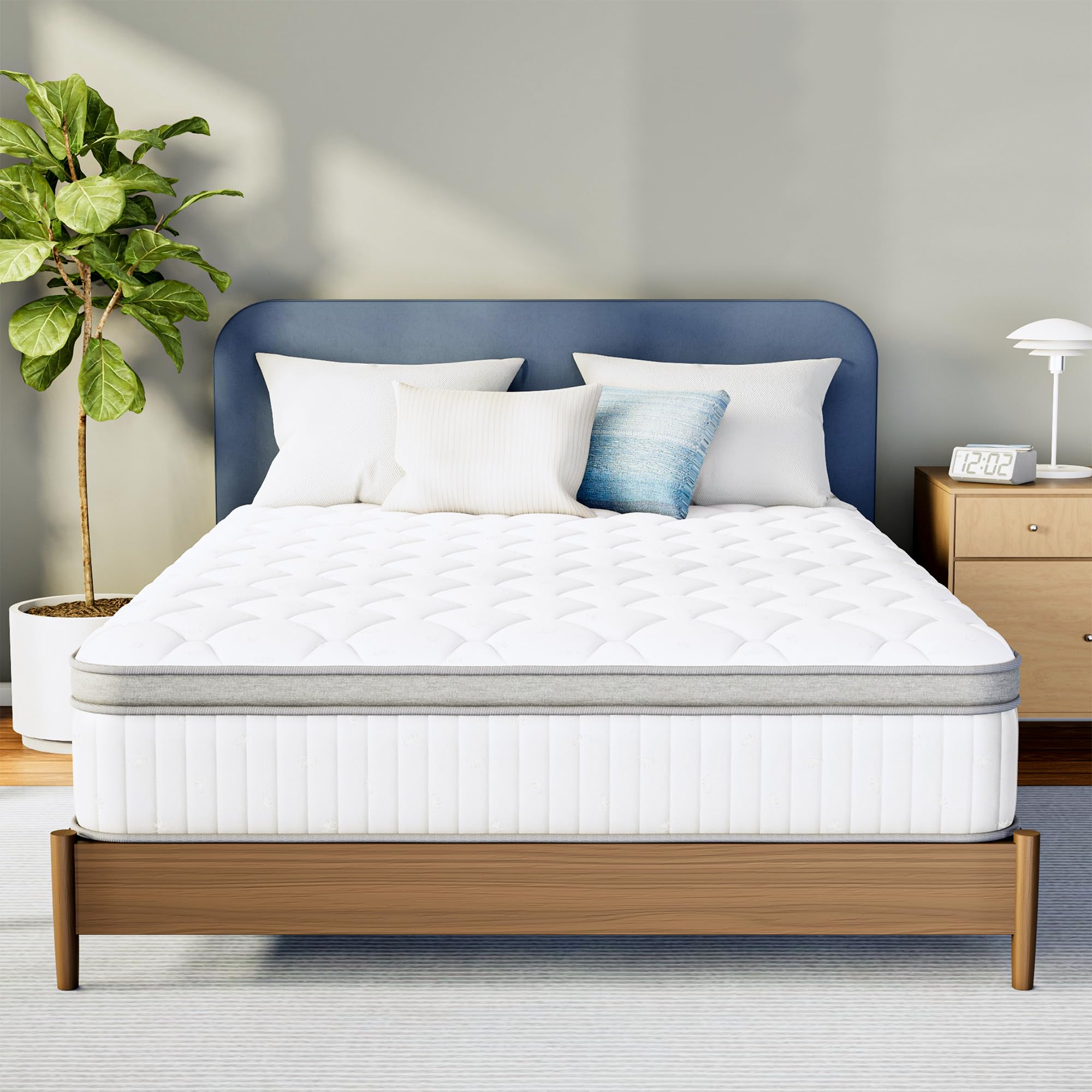
A 12-inch hybrid with cooling foam layers and individually wrapped pocket springs for responsive support and improved airflow.
Why I picked it: I chose this when I needed thicker, hybrid support with better edge stability and airflow than an all-foam option.
Best for: Adults, couples, and guest rooms that don’t have tight height restrictions.
A step up in thickness and materials—positioned as a value hybrid.
Pros
- Responsive pocket coils
- Cooling airflow foam
- Reinforced edge support
- CertiPUR‑US and OEKO‑TEX materials
Cons
- 12" height may not fit some bunk setups
- Heavier and harder to maneuver
My take
I used the Neo Sleep hybrid on a standard bed and liked how the pocket springs combined with cooling foam kept the surface breathable and supportive. It felt more responsive than the all-foam options I tested.
Edge support made the surface feel larger and reduced the tendency to roll toward the center, which I appreciated when testing sleep positions. The mattress expanded evenly and any initial odor dissipated quickly.
This is the pick I recommend when you need full-size support and cooling rather than a low-profile bunk solution.
6. Twin 8″ Green Tea Memory Foam Mattress – Best Fiberglass-Free Twin
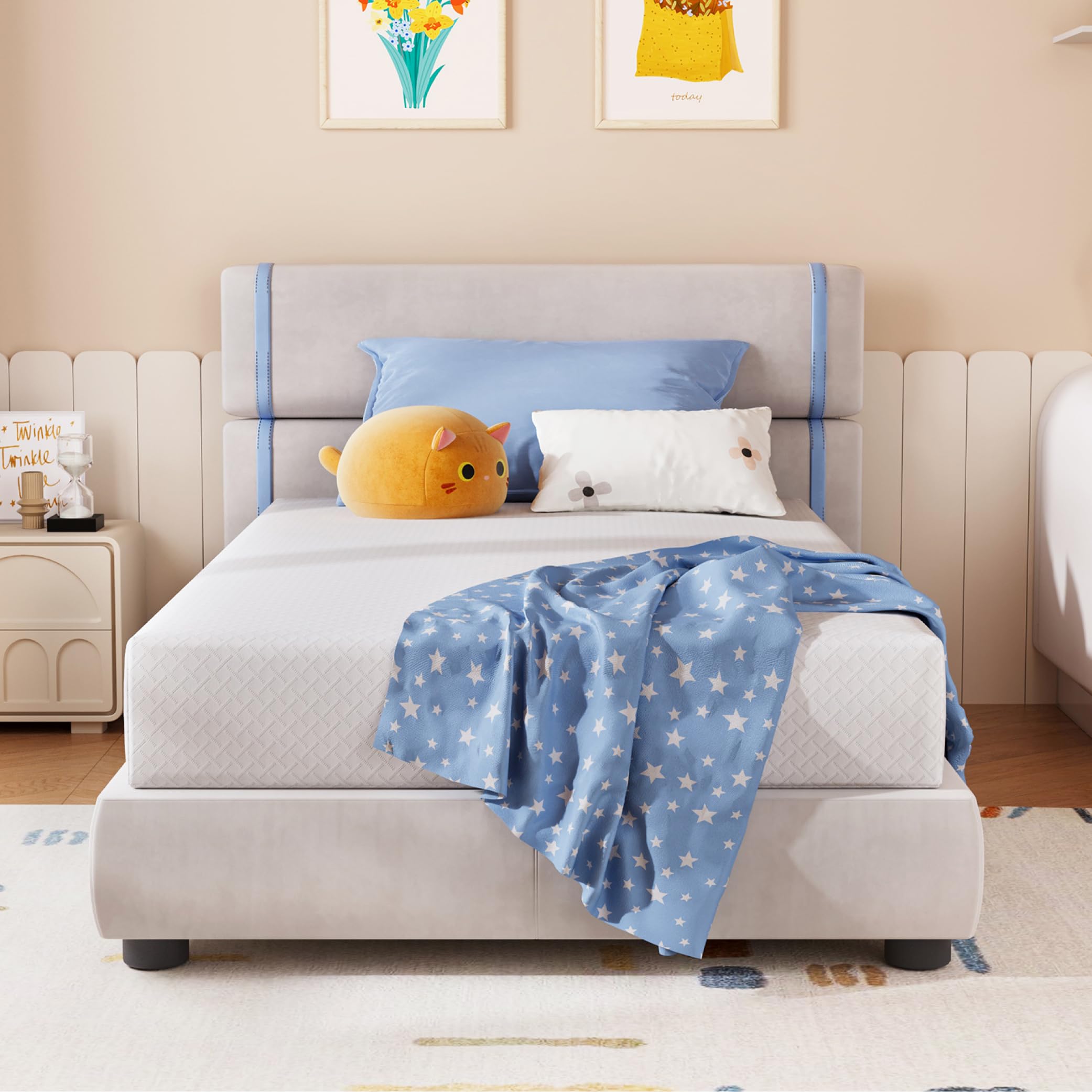
An 8-inch green tea–infused memory foam twin with a fiberglass-free inner cover, CertiPUR-US and Oeko-Tex certifications, and a washable outer cover.
Why I picked it: Its fiberglass-free construction and safety certifications made it my top pick for kids' bunk beds.
Best for: Kids' bunk beds, guest twins, and families prioritizing safety features.
Good value for a safety-focused foam mattress.
Pros
- Fiberglass-free inner cover
- Green tea infusion for freshness
- CertiPUR‑US and Oeko‑Tex certified
- Quick expansion
Cons
- Medium-firm—may feel firm to some
- Return restrictions once opened
My take
I put this 8" green tea mattress on a child's top bunk and felt confident about the fiberglass-free inner cover and the dual certifications. It expanded quickly and I didn’t notice strong odors.
The medium-firm feel gave steady support while still contouring enough for comfortable nights. For kids and teens who sleep in bunks, the safety-first construction is a major advantage.
Overall, it checks the boxes for bunk-compatible thickness, breathability, and a clean-feeling sleep surface.
How I Picked Mattresses for Bunk Beds
Key features I focused on
I prioritized mattress height first—most bunk frames work best with 5–8 inch profiles on the top bunk to keep head clearance safe.
Safety and materials came next: I looked for CertiPUR-US certification, fiberglass-free inner covers, and removable outer covers for easy cleaning in kids’ rooms.
Comfort and cooling matter even in low profiles, so I favored gel-infused or bamboo charcoal layers that help manage heat without adding bulk.
- Height: 5–8 inches for top bunks; 8–12 inches okay for bottom bunks or adults.
- Materials: CertiPUR‑US certification and fiberglass-free inner covers for safer use around kids.
- Support: Medium-firm memory foam or a hybrid spring layer for better spine alignment.
- Setup: Mattresses that expand quickly and have minimal off-gassing save time and ventilation.
Practical setup and care tips
I always let a compressed mattress expand in a well-ventilated room for at least 24–72 hours before regular use.
For top bunks, I check the combined height of mattress plus frame to make sure a child won’t hit the ceiling or upper guardrail.
Removable covers are a lifesaver—spot clean or machine wash the cover per the manufacturer’s instructions to extend the mattress life.
- Rotate lighter foam mattresses occasionally to prevent uneven wear.
- Use a solid platform under thin memory foam for consistent support.
- Avoid jumping on top bunks to preserve foam resilience and warranty coverage.
Frequently Asked Questions
What mattress thickness is safest for a top bunk?
I recommend 5–8 inches for top bunks. That profile keeps a safe distance from guardrails and low ceilings while still providing enough cushion for kids and smaller adults.
Are memory foam mattresses safe for kids’ bunks?
Yes—when they have CertiPUR‑US certification and a fiberglass-free inner cover. I looked for those features when choosing options for kids to reduce off-gassing and irritation risks.
How long should I let a bed-in-a-box mattress expand?
I give most mattresses at least 24 hours and up to 72 hours to reach full shape. Thin profiles often expand faster, but humidity and room temperature change timing.
Final Take
I kept bunk-specific needs in mind—low profile, safety certifications, and cooling—when choosing these mattresses.
For top bunks I favor the 5–8 inch picks; for adults or bottom bunks the hybrid provides more support at a larger height.
Use the buying guide tips to match mattress profile and materials to your bunk frame and sleep habits—those small choices make nightly sleep noticeably better.
