
I tested popular foam and folding mattresses to find the best fits for daybeds, trundles, and small-space sleeping. These picks balance thickness, support, and cooling so a daybed can feel like a proper bed.
I spent time unpacking, sleeping on, and living with eight different mattresses to see which work best on daybeds and trundles. Daybeds need a specific balance of profile, support, and breathability, and I focused on options that fit low frames, bunk setups, and spare-room needs.
Below I explain which mattresses performed best for different daybed uses — from kids and teens to adult guests — and what to watch for during setup and fit.
I grouped choices by intended use: low-profile foam for trundles and bunk beds, mid-thickness cooling foam for everyday daybeds, and a foldable option for very small spaces or temporary setups.
1. PayLessHere 6-Inch Twin Gel Memory Foam – Best Overall
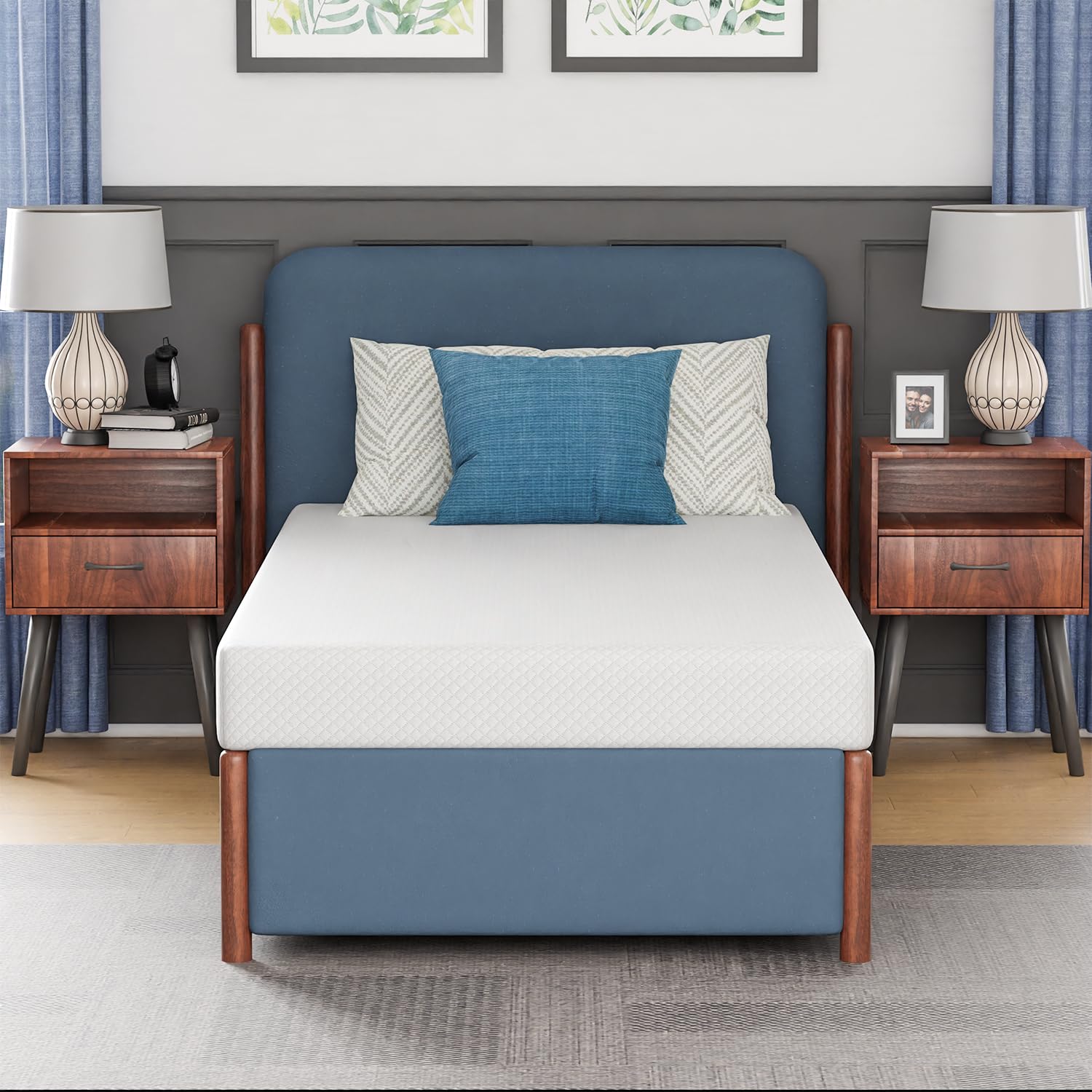
A balanced 6-inch gel memory foam that works well on daybeds and bunk frames thanks to its modest profile, cooling gel layer, and CertiPUR-US certified foam.
Why I picked it: Balanced feel and low profile that fits most daybeds without losing support.
Best for: Daybeds, trundles, and bunk frames where a thinner mattress is required.
Affordable midrange option for short- to medium-term use.
Pros
- Low 6-inch profile fits trundles
- Gel layer helps with temperature
- CertiPUR-US certified materials
- Good contouring without too much sink
Cons
- Can be heavy to move
- Top layer is relatively thin
My take
I used this 6-inch PayLessHere on a daybed and appreciated how quickly it made the frame feel like a real bed. The 1-inch gel memory layer gives a gentle contour while the 5-inch base keeps the surface supportive — a useful combo for a low-profile mattress.
Setup was straightforward: I unboxed it and allowed the mattress 24–72 hours to fully expand. In my experience it expanded faster in a warm room; colder conditions stretched that timeline. Outgassing was minimal and faded quickly.
The feel lands between soft and firm, which I liked because it prevents the overly sinking sensation memory foam sometimes gives. For kids, teens, and lightweight adults on a daybed, it provides the right mix of pressure relief and stability.
Knowing the foam is CertiPUR-US certified and fiberglass-free gave me peace of mind when putting this on a daybed used by family. If you need a slightly plusher top, I added a thin topper for extra cushioning, but the base support is solid as-is.
2. Zinus 8-Inch Green Tea Cooling Gel Memory Foam – Best Cooling
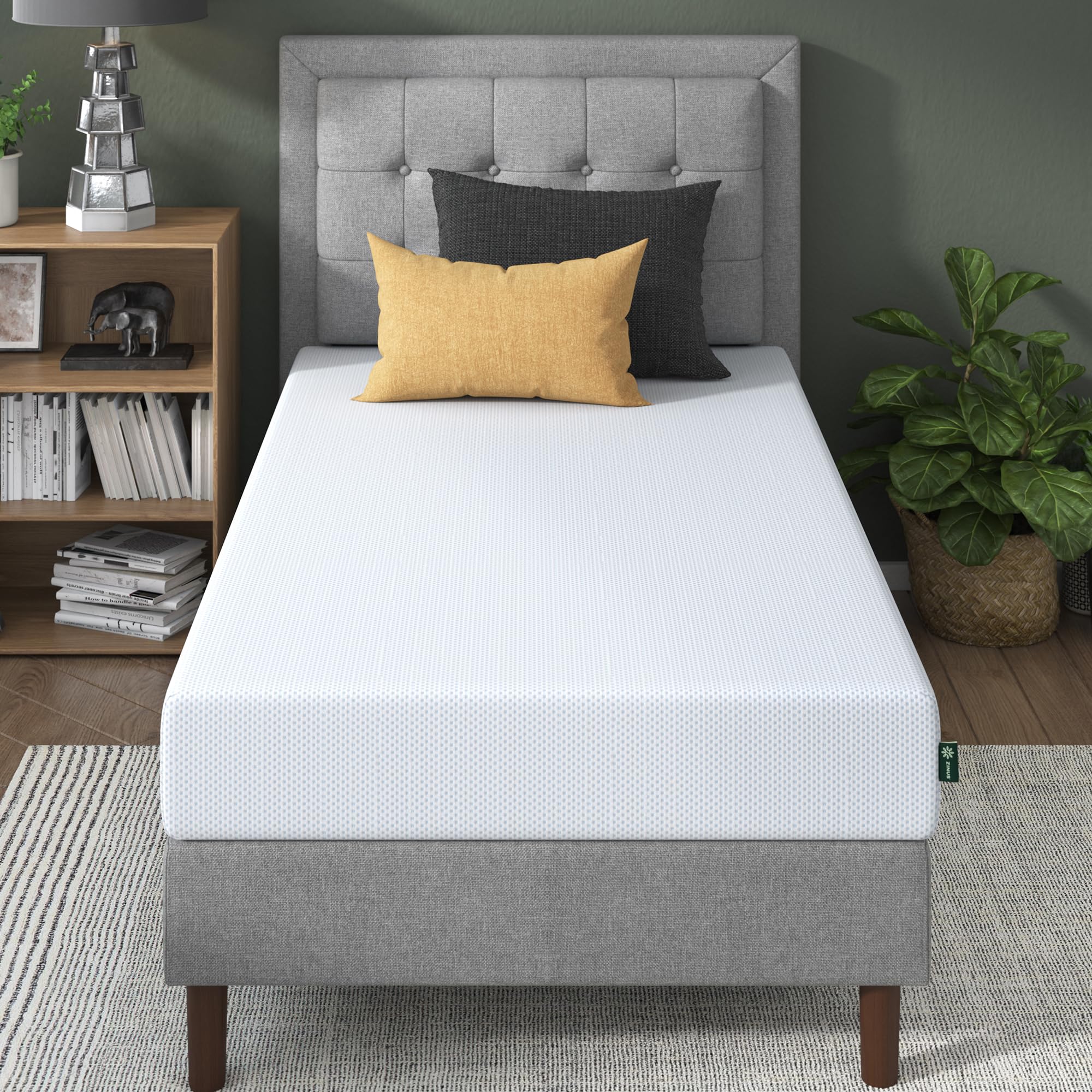
An 8-inch foam mattress with a cooling gel top and green tea infusion; I found it to expand quickly and sleep noticeably cooler than plain memory foam.
Why I picked it: Strong cooling performance and a slightly taller profile for more cushion.
Best for: Daybeds used nightly or by adults who want extra cushioning.
Good value for a thicker cooling foam mattress.
Pros
- Effective cooling gel layer
- Comfortable medium feel
- Expands fast out of the box
- Includes a long limited warranty
Cons
- Twin model weight limit applies
- Needs a solid deck for best durability
My take
I put the Zinus 8-inch on a low daybed frame and noticed the biggest win was temperature control. The gel-infused memory foam and green tea infusion helped the mattress feel cooler overnight compared with older foam models I tested.
The layer structure — cooling gel, comfort foam, and a dense support base — creates a balanced medium feel that works well for back and side sleepers. It also proved forgiving for light sleepers who move around.
Unboxing was fast: the mattress reached near full size in a few hours in my warmer room and within 72 hours it settled completely. I did use a solid platform under it rather than wide slats, which I recommend to protect the foam over time.
For a daybed that doubles as a regular bed, the extra thickness and cooling are worth the trade-off if your frame has the clearance. On low trundles I prefer a thinner option, but for standard daybeds this gave me noticeably better nightly comfort.
3. EGOHOME 8-Inch Twin Memory Foam – Best Value
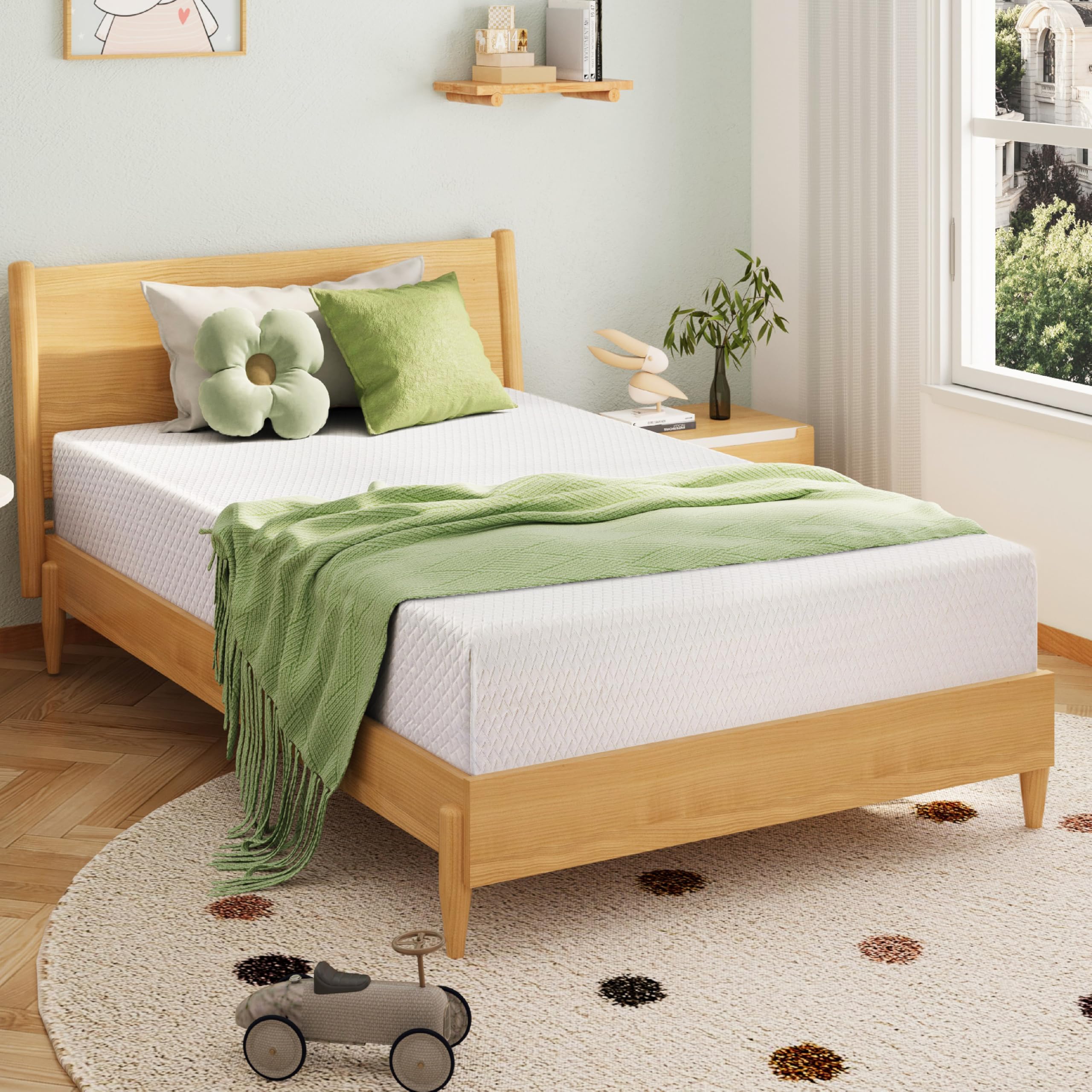
A medium-firm 8-inch mattress with green tea gel and a breathable structure that kept nights cool and supportive in my testing.
Why I picked it: Solid medium-firm feel and strong breathability at an economical price.
Best for: Everyday daybeds and kids’ or teen rooms where durability matters.
Excellent budget-to-performance balance.
Pros
- Medium-firm support
- Good breathability
- Green tea cooling infusion
- Comfortable for multiple sleep positions
Cons
- Some size variance reported
- May need a solid surface
My take
The EGOHOME 8-inch felt like the sweet spot between support and pressure relief on my daybed. It has enough structure to keep my spine aligned while offering a plush surface I didn’t sink through.
That bubble-hole airflow and green tea gel made a real difference — nights stayed cooler than with older memory foam beds I’ve used. It also showed minimal odor right out of the box.
I used it for a kid’s daybed and then flipped it into a guest setup; it handled both duties well. The mattress expanded to usable height within hours, though I allowed a couple of days before heavy use.
If you need a reliable everyday mattress for a daybed without a premium price, this one delivered consistent comfort and breathability in my experience.
4. 12-Inch Green Tea Full Memory Foam – Best for Full Size Daybeds
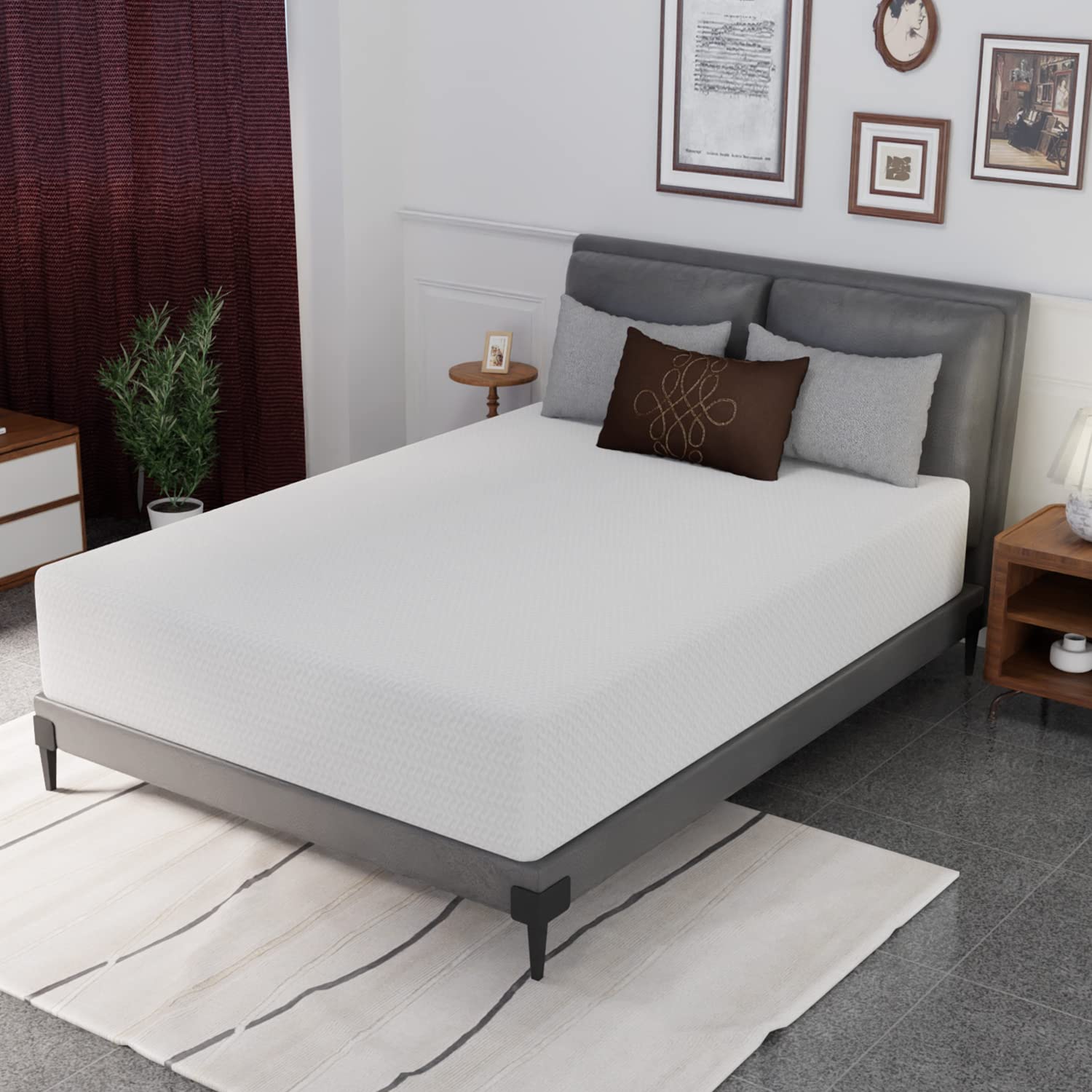
A thicker full-size green tea gel mattress that offers more cushion and pressure relief — a good choice when a daybed is used as a main sleeping surface.
Why I picked it: Higher profile and strong pressure relief for adult sleepers.
Best for: Full-size daybeds that will be used nightly by adults.
More substantial, mid- to upper-range choice.
Pros
- Thicker comfort layers
- Good pressure relief
- CertiPUR-US certified
- Breathable gel infusion
Cons
- Higher profile may not fit some frames
- Can feel firm initially
My take
I tested this 12-inch green tea mattress on a full-size daybed that serves as both seating and a bed. The extra height and cushioning made evenings on the daybed feel much more like a standard bed.
It distributes pressure well across hips and shoulders, so I woke up with less stiffness than on thinner daybed mattresses I tried. The cooling gel and ventilation also reduced hot spots during the night.
Setup was the usual box-to-bed routine; I left the mattress 24–72 hours to reach full loft. If your daybed’s frame has low clearance, measure first — the thicker profile can crowd low rails or trundle mechanisms.
For a daybed that’s a primary sleeping surface, I prefer the extra support and comfort this mattress provides.
5. Zinus 6-Inch Green Tea Gel Memory Foam – Best for Bunk Beds
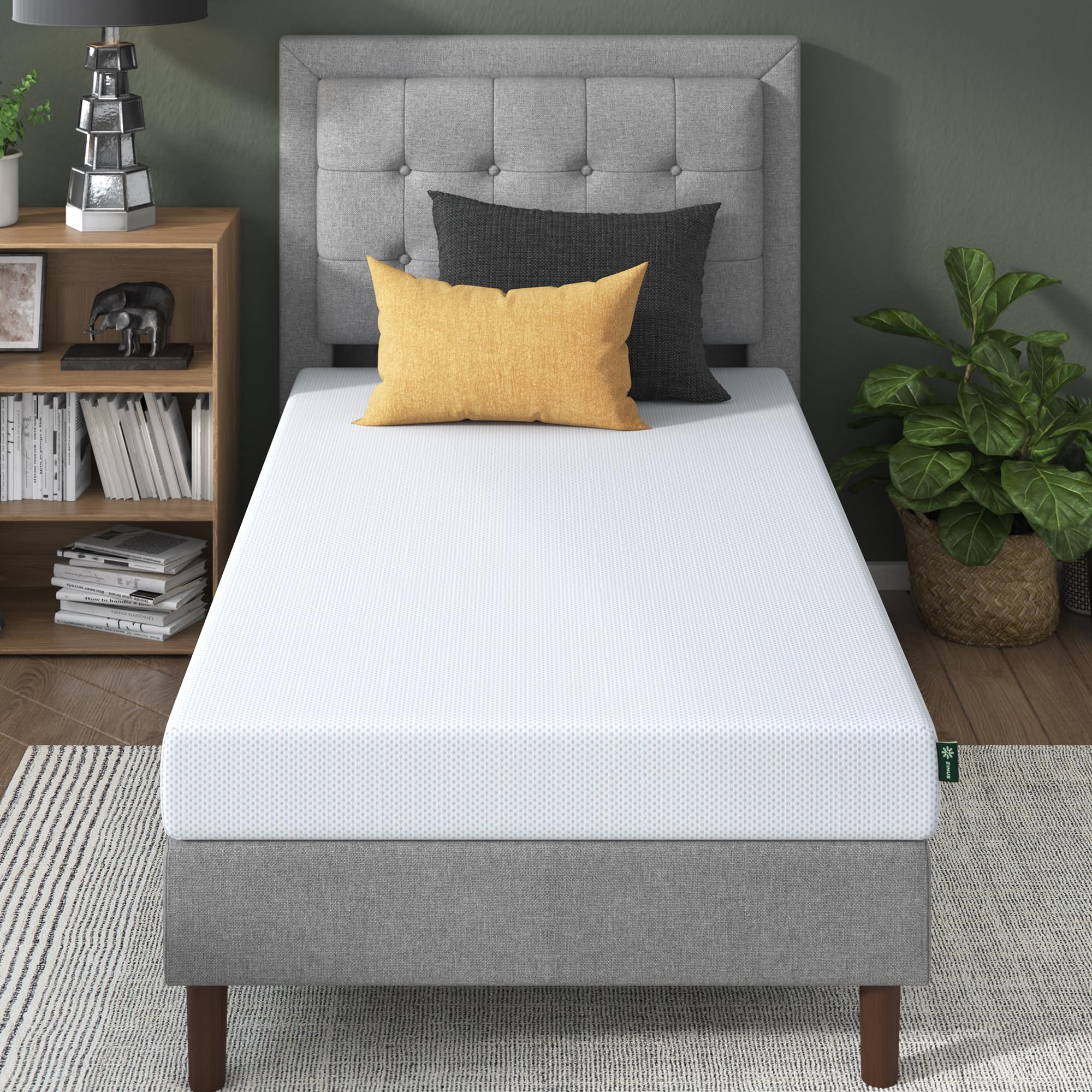
A reliable 6-inch option that fits bunk beds and trundles; it’s firm enough to support kids while offering a comfortable memory foam feel.
Why I picked it: Low profile specifically suited for bunk and trundle applications.
Best for: Bunk beds, top bunks, and low-clearance daybeds.
Budget-friendly and practical for kids' rooms.
Pros
- Perfect 6-inch height for bunks
- Comfort without excessive sink
- CertiPUR-US certified foam
- Compact shipping
Cons
- May take longer to fully expand
- Less cushioning for heavier adults
My take
This 6-inch Zinus proved ideal for bunk and trundle setups in my house. It’s thin enough for safety and clearance but still comfortable for kids and small adults.
I found it to be supportive and quick to settle into a usable shape. Where I used it on a low-loft frame, the mattress performed well with a solid supporting deck underneath.
It’s not the plushest option, but that’s the point — a firmer 6-inch foam protects bunks and trundles from feeling top-heavy. For a spare bed or children’s daybed, this is a sensible economical pick.
6. Milliard 10-Inch Memory Foam Twin – Best for Firm Support
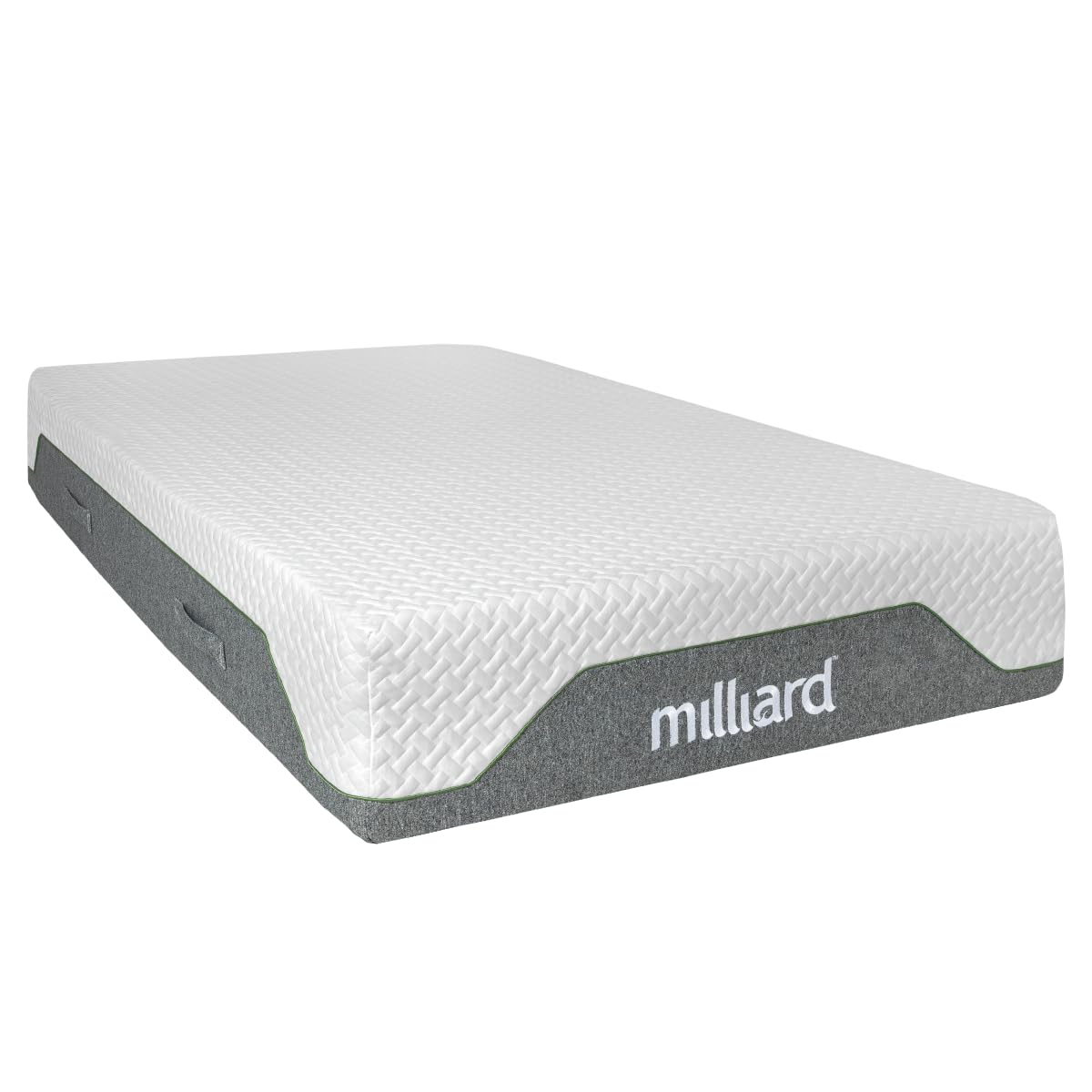
A firmer 10-inch construction with a shallow memory foam top and deep high-density base; I found it excellent for back support and long-term durability.
Why I picked it: Firm, stable support with a washable cover — great for adults needing spinal alignment.
Best for: Daybeds used by adults who prefer firmer support or have back pain.
Durable choice for longer-term daily use.
Pros
- Firm, supportive core
- Removable, machine-washable cover
- Durable high-density foam
- Good motion isolation
Cons
- Takes adjustment if coming from soft beds
- Thicker profile may be too tall for some daybeds
My take
I chose the Milliard 10-inch for a daybed that doubles as a full-time bed and appreciated how supportive it felt from night one. The 2.5-inch comfort layer cushions without excessive sink, while the 7.5-inch base maintains upright support.
It improved my morning stiffness compared with my older spring mattress, and the mattress isolates motion well — useful when the daybed shares space with seating.
The washable cover is a practical touch for a daybed that gets a lot of daytime use. If you prefer a firm sleep surface or need better spinal alignment, this one earned its spot in my rotation.
7. BestMassage 5-Inch Twin Gel Memory Foam – Best Thin Option
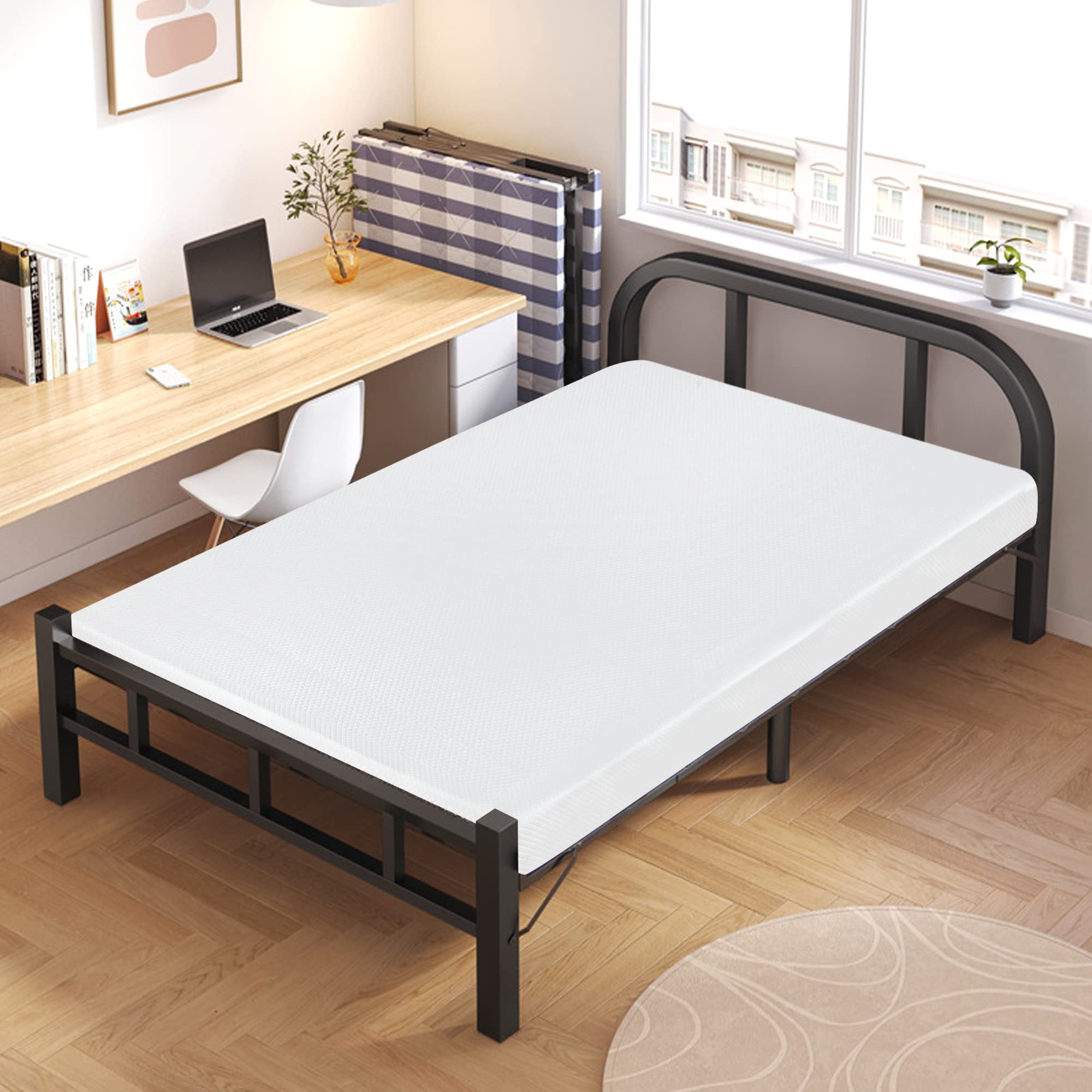
A 5-inch medium-firm foam mattress that I found to be a compact, breathable choice for trundles, RVs, and guest daybeds.
Why I picked it: Very low profile with cooling gel — ideal where height is limited.
Best for: Trundles, slim daybeds, and dorm setups needing a thin mattress.
Very budget-friendly for short-term or occasional use.
Pros
- Very low-profile 5-inch height
- Cooling gel layer
- Diamond-knit breathable cover
- CertiPUR-US certified
Cons
- Limited cushioning for larger adults
- Shorter lifespan under heavy daily use
My take
I used the BestMassage 5-inch on a daybed with low rails and was pleased with how it fit and performed. The 1-inch gel layer tops a denser base that keeps the surface supportive without being too soft.
It inflated quickly and the breathable knit cover helped wick away warmth. For guest daybeds, dorms, or RV conversions, this mattress is a sensible no-fuss choice.
If you plan to use your daybed nightly and you’re an adult of average or higher weight, I’d consider a thicker option. For constrained spaces or occasional guests, this one balances profile and comfort well.
8. Inofia 6-Inch Tri-Fold Twin Mattress – Best Portable
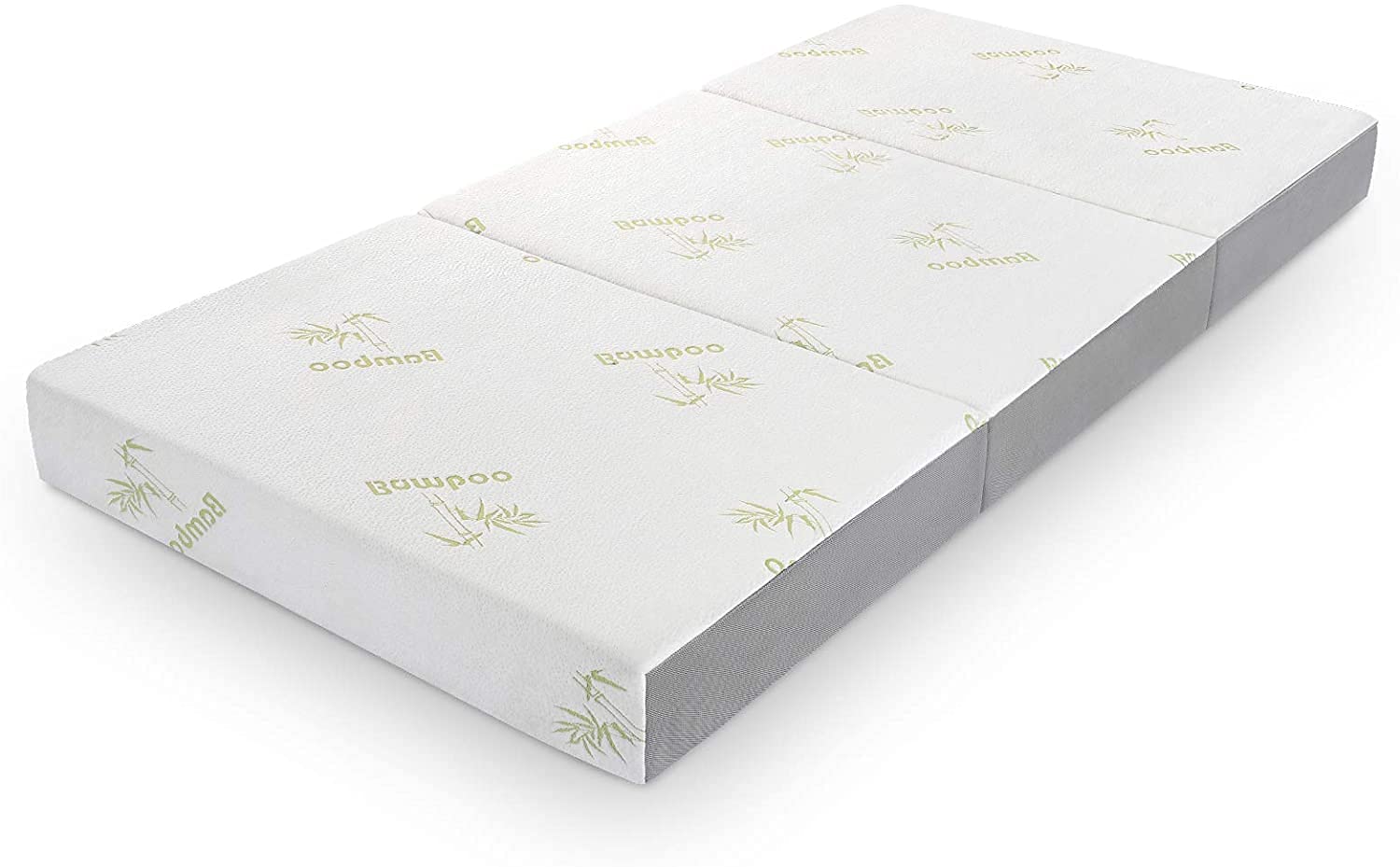
A tri-fold, portable 6-inch memory foam mattress with a removable cover and non-slip bottom — I found it excellent for temporary daybeds, guest use, and small apartments.
Why I picked it: Tri-fold convenience and a washable cover make it the best portable daybed solution.
Best for: Small spaces, temporary guest setups, and places needing easy storage.
Practical choice for portability and storage.
Pros
- Tri-fold for easy storage
- Removable, washable cover
- Non-slip bottom
- Good support for a portable mattress
Cons
- Can feel firm without a topper
- Not intended as a permanent primary mattress
My take
I put the Inofia tri-fold on a daybed that also acts as a sofa and appreciated the instant convenience. Folding and storing it is effortless, and the removable cover makes maintenance simple.
The foam gives firm support right away; I added a topper for extra plushness when using it for more than a night or two. For camping, dorms, and spare rooms where you need to stash sleeping gear, this trifold design is a real space saver.
It expands after unboxing but benefits from 72 hours in a warm, ventilated room. In short, I recommend it when mobility and storage are priorities over long-term plush comfort.
How I Choose a Daybed Mattress
Thickness and Fit
I always measure my daybed frame and any rail or trundle clearance before buying. Daybeds used as seating need a lower profile (5–6 inches) while those used nightly can handle 8–12 inches.
If the daybed has a trundle or top bunk above it, prioritize a thinner mattress to maintain safety and visual proportion.
- 5–6 inches: best for trundles, bunks, and low-rail daybeds
- 8 inches: good all-around choice for occasional nightly use
- 10–12 inches: pick for full-time sleeping on a daybed
Support and Firmness
I match firmness to who will sleep on the daybed. Kids and lightweight sleepers do well with medium feel; adults who need back support benefit from a firmer base layer.
High-density base foam prolongs life and prevents sagging on daybeds that get regular use.
- Medium: comfortable for mixed sleep positions
- Medium-firm/firm: better for back support and adults
- Look for a thick support core if the daybed will be used nightly
Cooling and Materials
I prefer gel-infused or ventilated foams for daybeds because they reduce heat buildup during daytime naps and overnight use.
CertiPUR-US certification is important to me for indoor air quality and compositional transparency.
- Gel-infused foam for temperature control
- Breathable covers and airflow channels help cooler sleep
- CertiPUR-US indicates independent foam testing
Setup, Expansion, and Care
I always allow 24–72 hours for compressed foam to reach full loft and recommend a warm, ventilated room to speed expansion.
Removable covers and washable fabrics make daybed care simple when the mattress doubles as seating.
- Unbox in a ventilated area and allow full expansion
- Use a solid deck under foam for longevity when possible
- Consider a thin topper if you want extra plushness without a taller mattress
Frequently Asked Questions
What mattress thickness should I choose for a trundle daybed?
For trundles I go with 5–6 inches so the mattress clears the frame and the pull-out mechanism closes properly. Thicker mattresses can prevent the trundle from stowing or make guard rails too low on bunks.
Will memory foam sleep hot on a daybed?
Some memory foam can trap heat, but gel-infused foams, breathable covers, and ventilated foam structures helped me stay cooler. I prioritized those features when daytime use or naps are common.
Do I need a box spring or platform with these mattresses?
Most of the foam mattresses I tested work best on a solid deck or closely spaced slats. A box spring isn’t necessary for foam beds and can raise the overall height beyond daybed limits.
How long until a boxed mattress is ready to use?
I typically allow 24–72 hours. Many mattresses are usable sooner, but giving them a couple of days ensures full expansion and minimal impressions.
Final Take
I picked these mattresses to cover the full range of daybed needs: low profiles for trundles, cooling mids, thicker full-size options, and a portable tri-fold for tight spaces.
Measure your frame first, decide how often the daybed will be used, and choose the profile and firmness that match the sleeper. With the right fit, a daybed can feel just as comfortable as a regular bed.
