
I tested hybrids and all-foam mattresses that balance pressure relief for side sleepers with the lift stomach sleepers need. These five models stood out for support, cooling, and real-world comfort.
I spent weeks sleeping on and comparing hybrid and memory-foam mattresses aimed at side and stomach sleepers. I focused on pressure relief around the hips and shoulders, spinal alignment for stomach sleeping, cooling, and real-world setup behavior.
Across these picks I prioritized mattresses that keep my spine neutral when I’m on my side but still provide the surface support stomach sleeping requires. I also paid attention to edge support, motion isolation, and how fast each bed expanded after unboxing.
If you sleep mostly on your side but sometimes on your stomach, I prefer a medium-firm hybrid for a balance of contouring and lift; for tight budgets or small beds, a medium-firm all-foam twin can be surprisingly effective.
1. Neo Sleep 12-Inch Hybrid Queen – Best Hybrid Balance
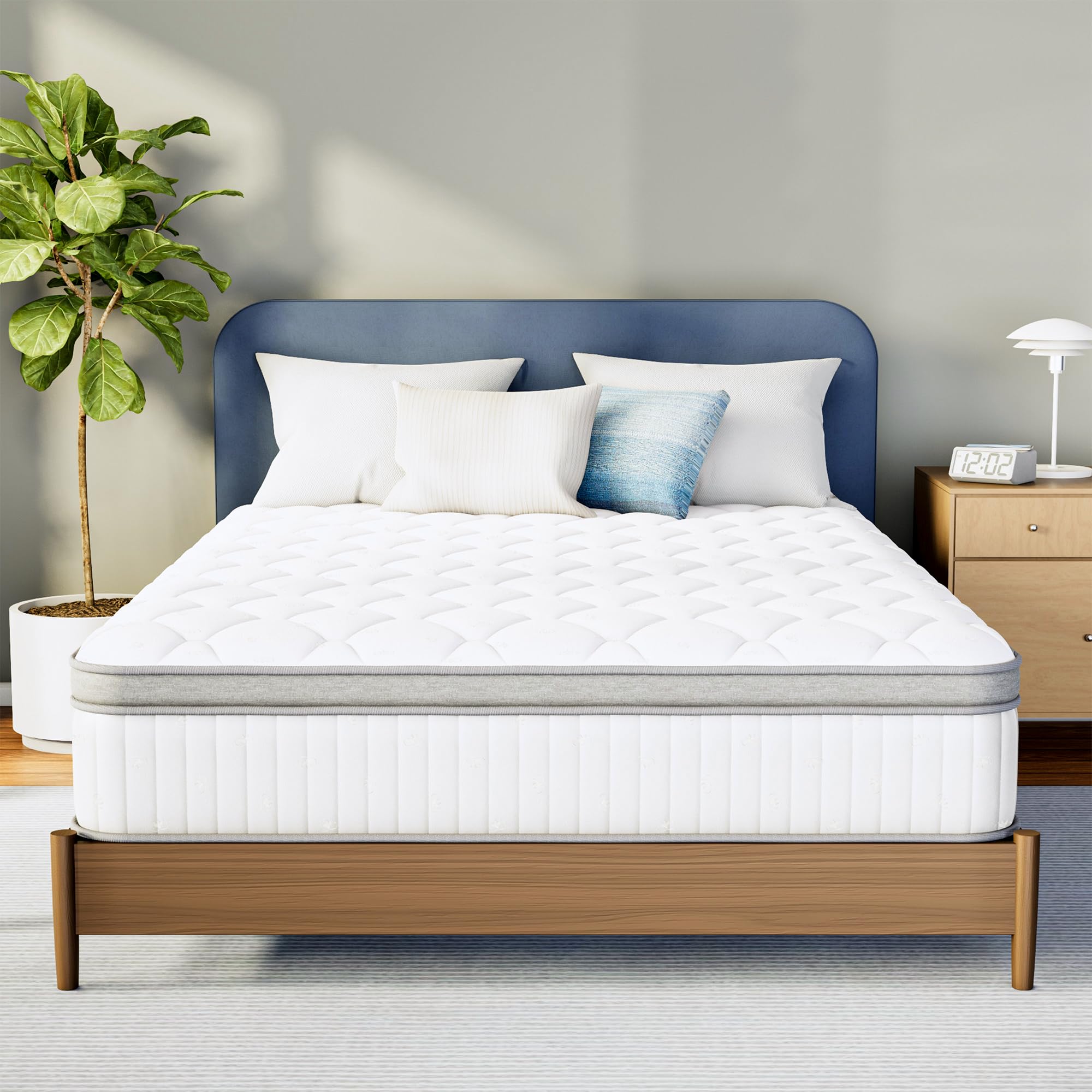
I chose this hybrid as my top pick because it blends pressure-relieving gel memory foam with responsive pocket springs so I get contouring at the shoulders and enough lift for stomach sleeping.
Why I picked it: Balanced cushioning plus pocket springs for spinal alignment.
Best for: Side sleepers who occasionally sleep on their stomachs.
Good value for a hybrid mattress.
Pros
- Balanced memory foam and pocket-spring feel
- Cooling airflow foam reduces overheating
- Individually wrapped coils minimize motion
- Reinforced edge support
Cons
- Takes up to 72 hours to fully settle
- May be heavier to maneuver
My take
This Neo Sleep hybrid gave me the best of both worlds: the top gel memory foam layer softens my shoulders on side nights while the pocket springs provide the lift my hips and stomach need to stay aligned. I immediately noticed more comfort switching positions overnight compared with a basic all-foam bed.
Temperature control mattered to me and the breathable cover plus cooling airflow foam genuinely help; I didn’t feel trapped by heat on warm nights. Motion isolation is solid thanks to the individually wrapped coils, so sleeping with a partner felt less disruptive.
Setup was straightforward — the mattress expanded evenly and the initial odor was minimal. If you want a hybrid that cushions pressure points without letting you sink, this one hit that balance in my experience.
2. Green Tea Memory Foam Twin – Best Budget Twin
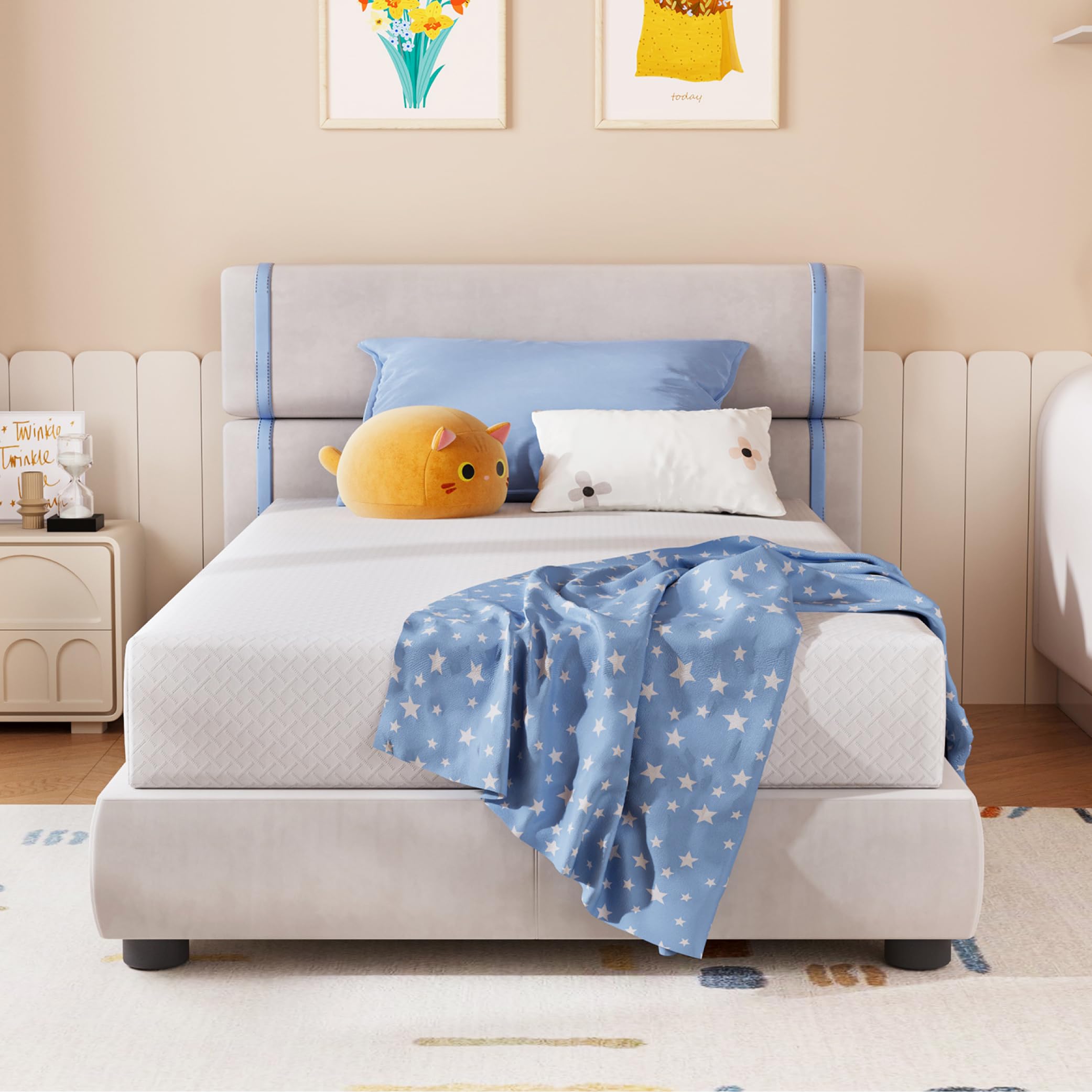
I picked this twin memory foam for affordability and consistent medium-firm support that works well for side-sleeping kids or adults who switch to stomach sleeping occasionally.
Why I picked it: Affordable, breathable green-tea foam with safe, fiberglass-free construction.
Best for: Kids' rooms, guest beds, or budget-conscious sleepers.
Very affordable option for a twin mattress.
Pros
- Comfortable medium-firm feel
- Green tea infusion for freshness
- Fiberglass-free inner cover
- CertiPUR-US and Oeko-Tex certified
Cons
- Lower profile than thicker mattresses
- Less edge support than hybrids
My take
For the price, this twin surprised me with consistent support and a true medium-firm feel. The green tea-infused memory foam keeps the surface feeling fresh, and I didn’t notice any strong chemical odor after unpacking.
I appreciate the fiberglass-free inner cover for peace of mind when using it on a child's bed. It expanded quickly and felt supportive without being overly firm — a reliable budget option when you need pressure relief at the shoulders and support for the hips.
If you sleep hot or need heavy-duty edge support, a thicker hybrid might serve better, but as a compact, affordable twin this mattress performed very well in my tests.
3. 6-Inch Twin XL Memory Foam – Best Small-Space Pick
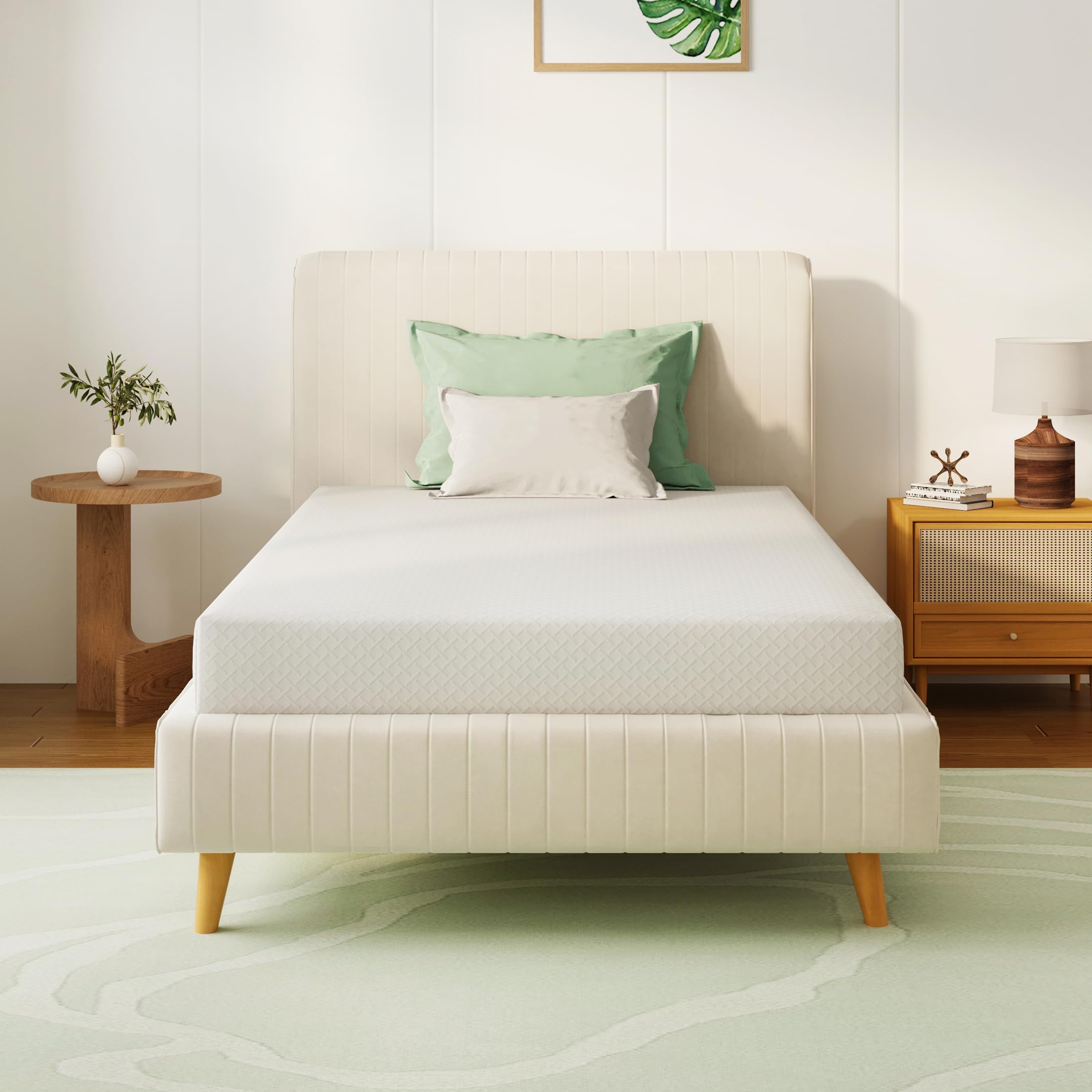
I recommend this low-profile Twin XL when space is tight but you still want zoned pressure relief and a washable cover for easy maintenance.
Why I picked it: Low profile with zoned pressure relief and washable cover.
Best for: Tiny bedrooms, bunk beds, and kids transitioning to a bigger bed.
Budget-friendly, compact design.
Pros
- Zoned pressure relief
- Removable, machine-washable cover
- Fiberglass-free and certified foams
- Quick expansion out of the box
Cons
- Thin depth limits long-term durability
- Less contouring for heavier sleepers
My take
This 6-inch twin XL won me over for small spaces. The zoned memory foam gives better support where the hips and shoulders need it most, and the removable cover makes spot cleaning a no-brainer.
It expanded fast with minimal odor and felt supportive for a lightweight adult or a child. I liked that it was CertiPUR-US and Oeko-Tex certified and fiberglass-free, which makes it an easy choice for a kid’s bed or a compact guest setup.
Because of the low profile, I wouldn’t recommend it if you’re heavier or want a mattress to last a decade, but for its intended use it performed exactly as I expected.
4. LoadEase 12-Inch Hybrid Queen – Best for Support & Edge Stability
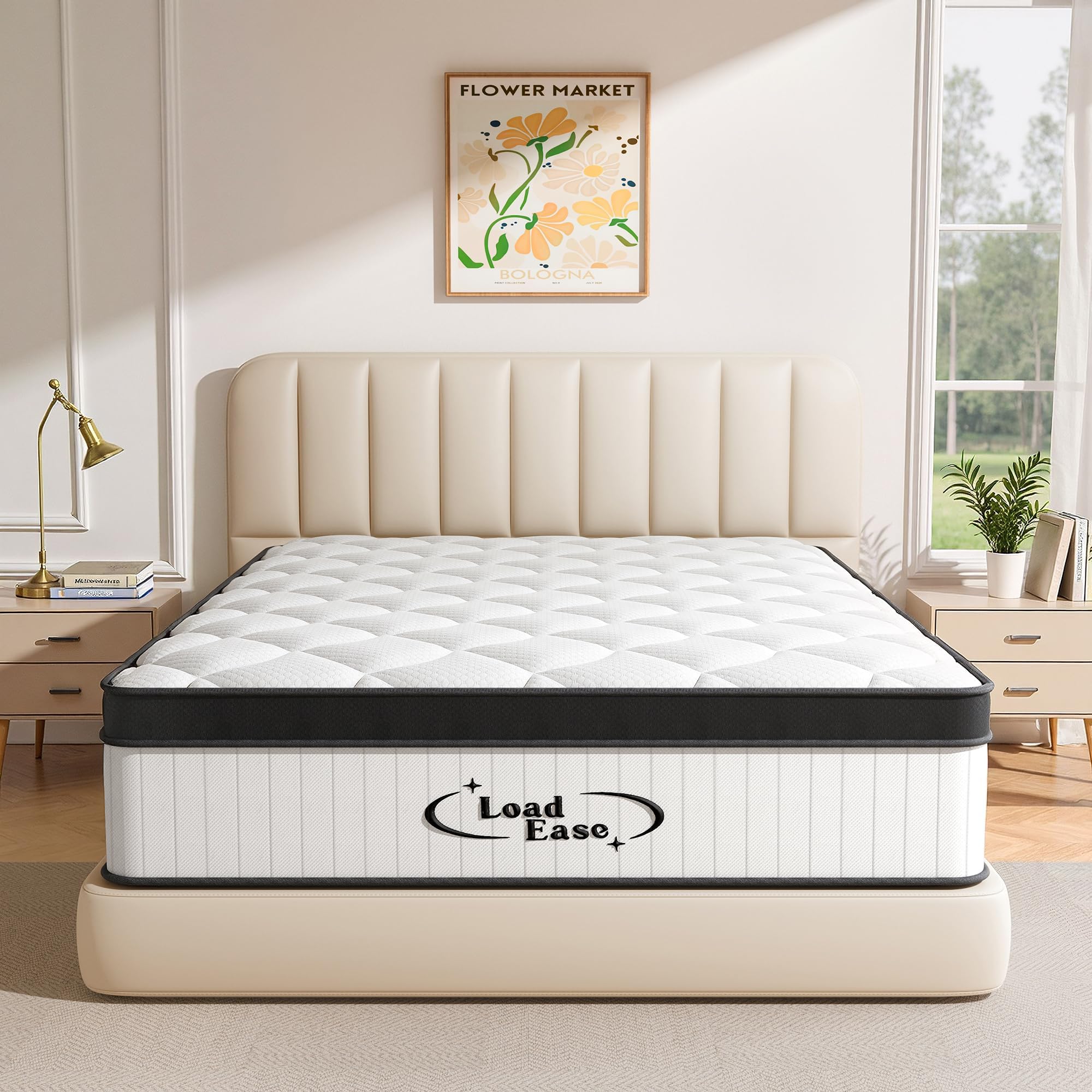
I chose this queen hybrid for heavy-duty support: multi-layer foam plus a high-count pocket spring system that delivers strong edge support and motion isolation.
Why I picked it: Robust pocket-spring system and firm, stable feel.
Best for: Sleepers who need pronounced edge support and firm lift.
Midprice hybrid with strong support.
Pros
- 768 independent pocket springs
- Excellent motion isolation
- Breathable, odorless surface
- Versatile frame compatibility
Cons
- Can feel firm to some sleepers
- Heavier to move and rotate
My take
This LoadEase hybrid impressed me with immediate stability. The independent pocket springs—quite numerous—give a lift that keeps my hips from collapsing when I roll onto my stomach, and I slept with less lower-back strain as a result.
Edge support here is noticeably better than basic foam mattresses; I could sit on the side without feeling like I’d roll off. The surface fabric is breathable and arrived with little to no odor, which I appreciated.
If you prefer a softer, sinking sensation you’ll want a topper, but for firm, reliable support that handles changing sleep positions, this mattress worked very well in my experience.
5. Fathom 10-Inch Medium Gel Foam King – Best Cooling Memory Foam
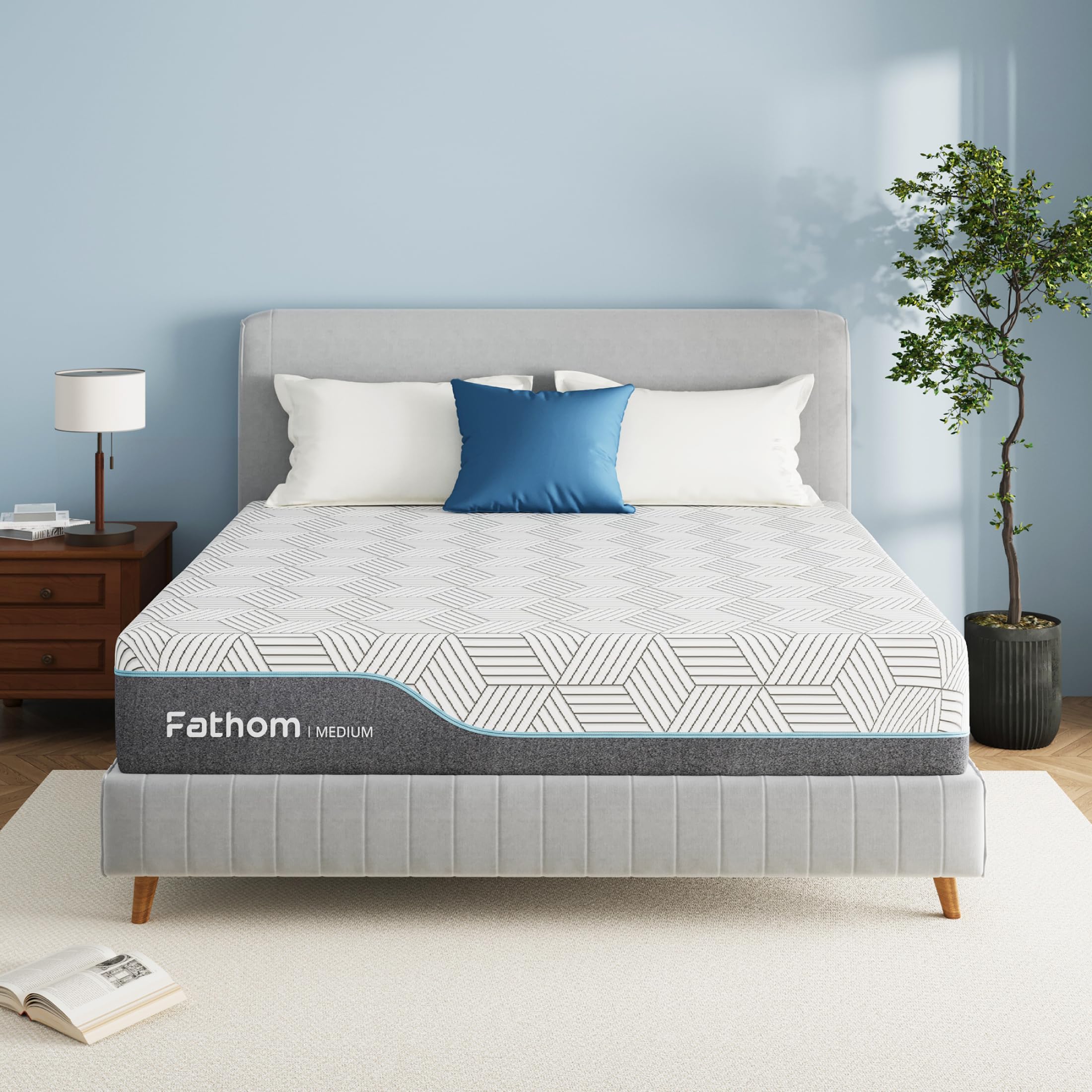
I recommend this gel-infused memory foam mattress when cooling and pressure relief are your priorities; the removable fiberglass-free cover is a real convenience.
Why I picked it: Cool-sleep gel foam with a removable, washable cover.
Best for: Warm sleepers who want contouring without excess sink.
Premium-feeling all-foam option.
Pros
- AeroFusion gel for better airflow
- Removable, fiberglass-free cover
- Good motion isolation
- CertiPUR-US and Oeko-Tex certified
Cons
- May lack the lift of a hybrid
- Medium firmness might not suit heavy stomach sleepers
My take
This Fathom gel memory foam sleeps noticeably cooler than many all-foam beds I’ve tried. The AeroFusion layer dissipates heat and the surface felt breathable through the night.
It contours nicely, relieving pressure at my shoulders when I lay on my side, and the motion isolation makes it quiet and undisturbed. The removable cover is a practical detail I used often for spot cleaning.
For people who sleep primarily on their stomachs and need pronounced lift, I’d suggest a hybrid, but for a cool, supportive memory-foam experience that reduces pressure points, this one worked very well for me.
How I Choose Mattresses for Side and Stomach Sleepers
Firmness and Support
I look for medium-firm to firm feel for side and stomach sleepers: medium-firm lets the shoulders sink enough while maintaining hip and pelvic lift; firmer options suit heavier stomach sleepers who need more spinal support.
- Side sleepers benefit from targeted pressure relief at shoulders and hips.
- Stomach sleepers need enough top support to prevent the lower back from sagging.
- If you’re between body types, a hybrid often balances contour and lift.
Cooling and Breathability
I prioritize cooling layers and breathable covers if I tend to sleep warm. Gel-infused foams, airflow foams, and pocket-spring cores improve temperature regulation in my experience.
- Look for cooling gel or airflow foam in the comfort layers.
- Pocket springs increase air circulation versus dense all-foam cores.
- Removable, washable covers help keep the sleep surface fresh.
Edge Support and Motion Isolation
I evaluate edge reinforcement and how much motion transfers when a partner shifts. Strong edge support matters if you sit on the bed or use the full surface.
- Hybrids typically offer better edge stability than thin foam beds.
- Individually wrapped coils reduce partner disturbance.
- All-foam beds excel at isolating motion but sometimes sacrifice edge strength.
Practical Setup Considerations
I always check expansion time, odor, and compatibility with bed frames. Most boxed mattresses need 24–72 hours to fully expand; I keep that in mind when planning setup.
- Expect some expansion time — allow up to 72 hours for full recovery.
- Check for removable covers if you have pets or kids.
- Confirm CertiPUR-US or Oeko-Tex if low-emission materials matter to you.
Frequently Asked Questions
What firmness works best if I switch between side and stomach sleeping?
I recommend a medium-firm hybrid. It gives enough contour at the shoulders for side sleeping while the coil support prevents your hips from sinking too far when you roll onto your stomach.
How long should I wait after unboxing before sleeping on a new mattress?
I typically wait 24–72 hours for full expansion and any initial odor to dissipate; many mattresses are comfortable within hours but reach their final feel over the first few days.
Are hybrids always better than all-foam for stomach sleepers?
Not always, but I find hybrids give more lift and edge support, which helps stomach sleepers keep a neutral spine. A firmer all-foam mattress can work if it’s dense enough to prevent excessive sinking.
Should I worry about fiberglass in boxed mattresses?
I avoid mattresses with fiberglass inner liners for safety concerns. Several options here explicitly advertise fiberglass-free construction, which I prefer, especially for children’s beds.
Final Take
After testing, I narrowed the field to hybrids and foams that handle both side and stomach sleeping without compromising support or cooling. The Neo Sleep hybrid gave the best balance, while the LoadEase impressed me with edge stability and support.
If you’re on a tighter budget or furnishing a smaller room, the green-tea twin and the 6-inch twin XL are practical, comfortable choices. For cooler, contouring sleep, the Fathom gel foam is an excellent all-foam option.
Pick the mattress that matches your primary needs — pressure relief, lift for stomach sleeping, or cooling — and give it a few days to settle. I expect any of these five to improve sleep quality when matched to your sleeping style.
