
I tested replacement mica waveguide covers, grease filters, and a tempered glass turntable plate so you can quickly fix sparking, restore vent performance, or replace a broken tray.
I spent time replacing and testing common microwave parts so I could recommend reliable, easy fixes. My focus was on items that actually solve the most common problems: sparking from a damaged waveguide cover, clogged vent filters that reduce airflow, and broken glass turntable plates.
In this roundup you'll find DIY waveguide sheets, several sizes of aluminum mesh grease filters for over-the-range vents, and a heavy-duty tempered glass turntable plate. I explain what each part does, who it suits best, and what to watch for when installing.
I organized these parts by function — waveguide mica to stop arcing, mesh grease filters to restore venting, and a tempered glass plate for a broken turntable — so you can pick the exact replacement you need quickly.
1. Mica Waveguide Cover Sheets (DIY Cut) – Best Value Waveguide Replacement
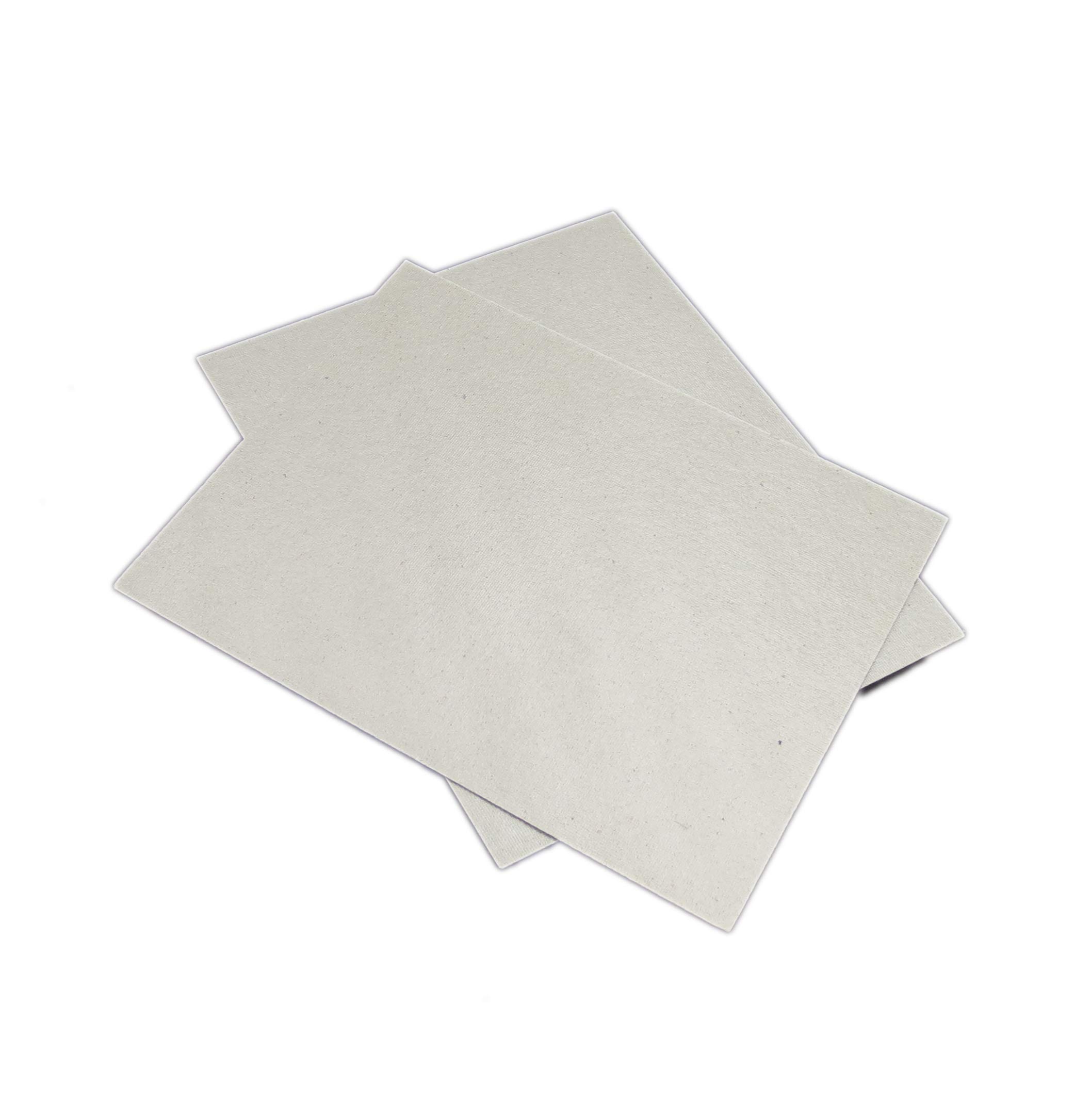
Two thick mica sheets you cut to fit your microwave's waveguide cover; a low-cost fix for sparking and arcing.
Why I picked it: I chose these because they’re thick, DIY-cut to match old covers, and saved me from replacing a whole microwave.
Best for: People repairing sparking or burnt waveguide covers on older microwaves.
Very affordable DIY repair option that can delay a full appliance replacement.
Pros
- Thicker-than-average mica sheets
- Enough material for multiple covers
- Easy to cut to exact shape
- Simple drop-in installation
Cons
- You must cut to match your original
- Needs flat storage to avoid bending
My take
When my microwave started arcing I measured the old cover, traced it onto one of these sheets, and cut it with an X-Acto knife. The replacement popped into place and stopped the sparking immediately.
The material is noticeably thicker than some waveguide covers I’ve handled, which gives me confidence it’ll last. Because the sheets are generic, you do need to trace and cut to match holes or notches, but that only took a few minutes.
A word of caution: store the sheets flat before installation. If they bend they can be harder to seat properly. Overall, this was the fastest, cheapest way I found to keep an old microwave working instead of buying a new unit.
2. Aluminum Mesh Grease Filters (5.78 x 12.91″) – Best for Whirlpool Vents
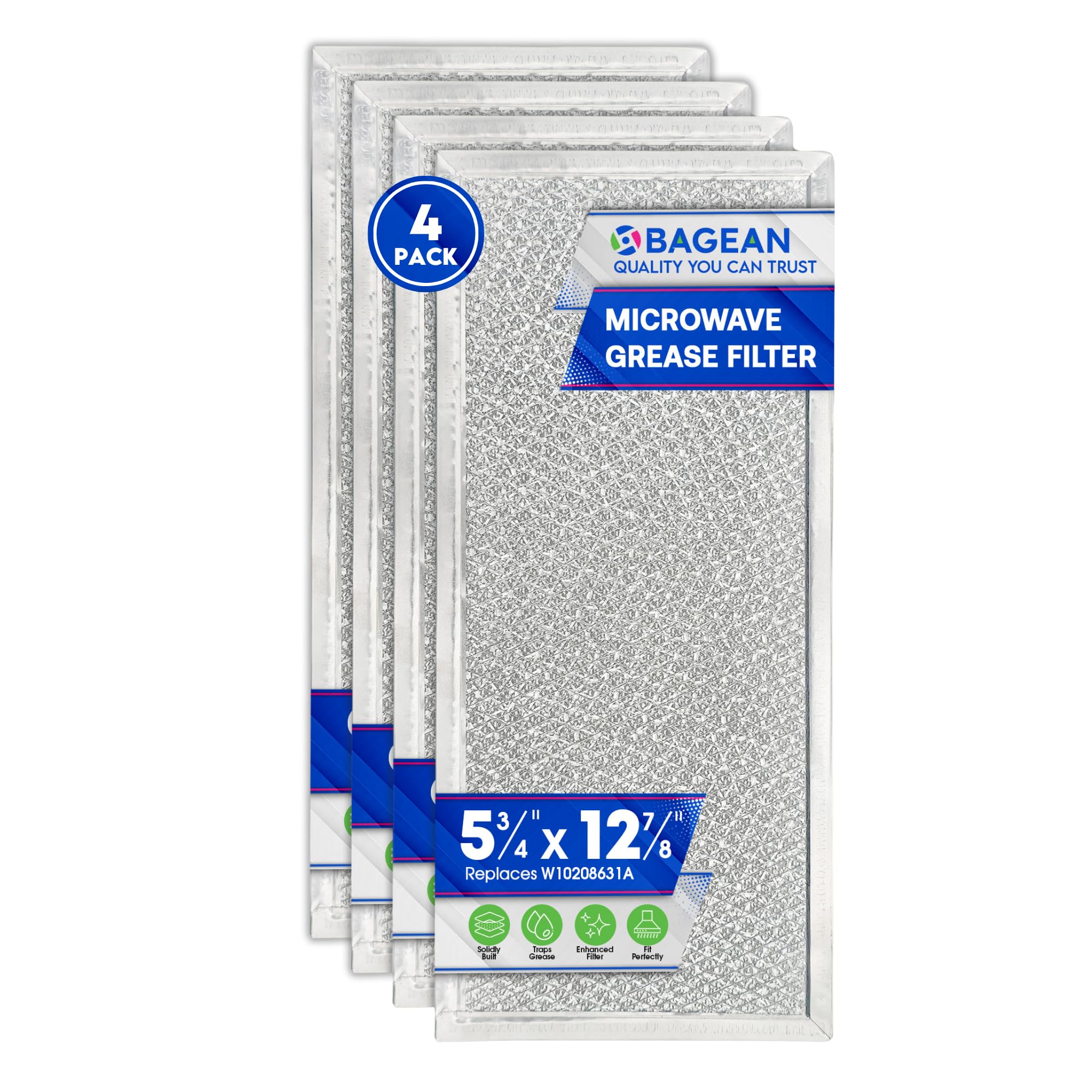
Four reinforced aluminum mesh filters sized to replace W10208631A and similar over-the-range vent filters.
Why I picked it: I picked this pack because it matches the Whirlpool part number, has a reinforced frame, and traps grease effectively.
Best for: Over-the-range microwaves that use the 5.78 x 12.91" vent filter size.
Good value multi-pack for routine filter maintenance.
Pros
- Reinforced frame resists bending
- Thicker mesh than many generic filters
- Fits W10208631A replacement spec
- Pack of multiple filters
Cons
- Must confirm exact model fit
- Frame edges can feel stiff
My take
I swapped one of these into my over-the-range vent and noticed the fit was exact for the Whirlpool slot. Installation was straightforward — slide it into the grille and it stays put.
The frame is sturdier than the flimsy filters I’ve replaced in the past, and the thicker mesh seems to catch oil and grease without collapsing. That thicker construction makes it easier to handle during install.
Because these are a multi-pack I keep extras on hand for scheduled replacements. I recommend double-checking your vent’s required dimensions before ordering, but once sized correctly these filters restore airflow and help protect the vent fan.
3. Aluminum Mesh Grease Filters (13.3 x 5.85″) – Best for GE/Maytag/Samsung
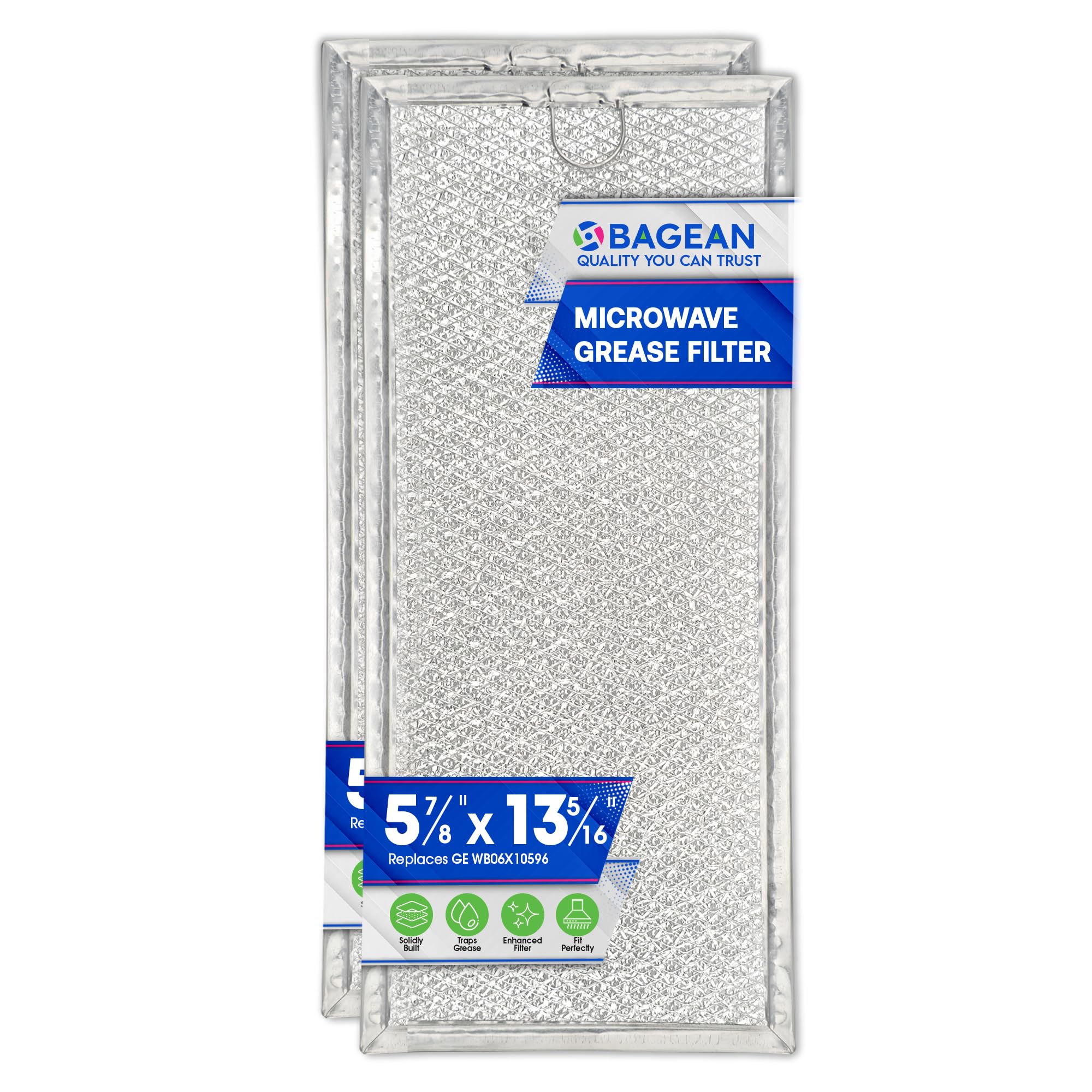
Two wide aluminum mesh filters designed to replace WB06X10596 and fit several major-brand over-the-range vents.
Why I picked it: I picked these for their compatibility with GE part WB06X10596 and reinforced construction that resists deformation.
Best for: Owners of GE, Maytag, Samsung, or Whirlpool over-the-range microwaves needing this filter size.
Economical two-pack suited for scheduled replacements.
Pros
- Exact replacement for WB06X10596
- Good build quality for handling
- Thicker mesh traps grease well
- Easy, tool-free install
Cons
- Measure to confirm fit first
- Two-pack may be more than one unit needs
My take
I installed one of these filters in an older range hood and noticed the vent motor ran cleaner afterward; the mesh captured oily particles that had been slowing airflow.
The frame felt solid while I handled it, so I didn’t worry about it bending when I pushed it into the grille. Fit was true to the stated dimensions — it slid in without forcing.
If you’re replacing a GE WB06X10596 or an equivalent OEM part, this is a straightforward swap that keeps your microwave venting properly between professional cleanings.
4. Aluminum Mesh Grease Filters (5.12 x 7.64″) – Best Small Frigidaire Filter
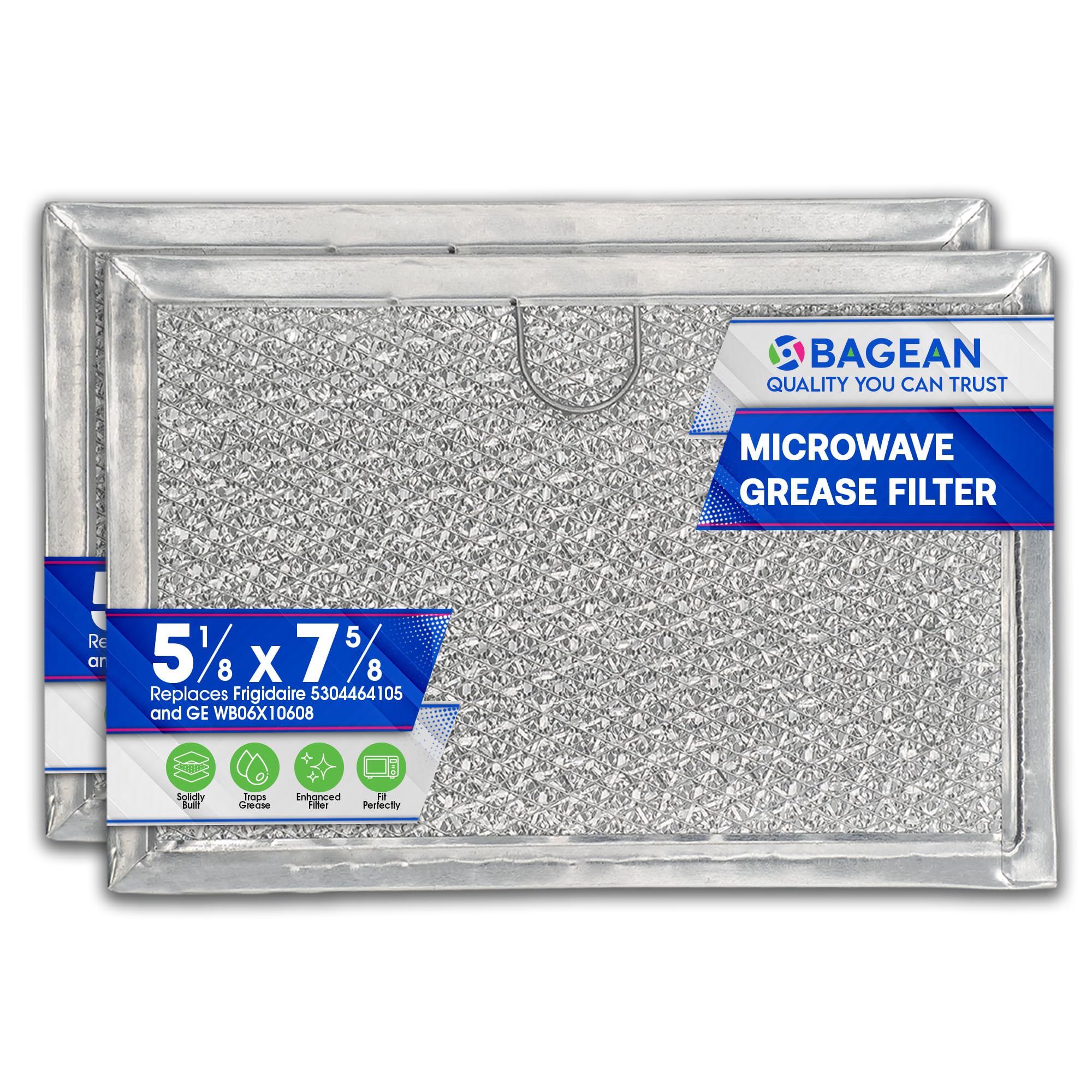
Two compact aluminum mesh filters that replace multiple Frigidaire and GE part numbers for smaller vent openings.
Why I picked it: I liked this pair for compact vents—the size matches common Frigidaire and GE part numbers and the build is reinforced.
Best for: Smaller over-the-range microwaves and compact vent hoods.
Affordable option for smaller, less common filter sizes.
Pros
- Fits several Frigidaire and GE part numbers
- Sturdy frame, holds shape
- Compact size for tight vents
- Simple installation
Cons
- Requires exact size match
- Less surface area than larger filters
My take
I used these in a compact over-the-range unit and they fit perfectly into the small grille. Installation was plug-and-play with no trimming required.
Because they’re smaller they’re easier to handle during cleaning, and the reinforced frame made them feel like they’d survive normal maintenance cycles.
If your vent requires the 5.12 x 7.64" specification, these make a tidy replacement and keep grease from reaching the fan housing.
5. 13.5″ Tempered Glass Turntable Plate – Best Turntable Glass Plate
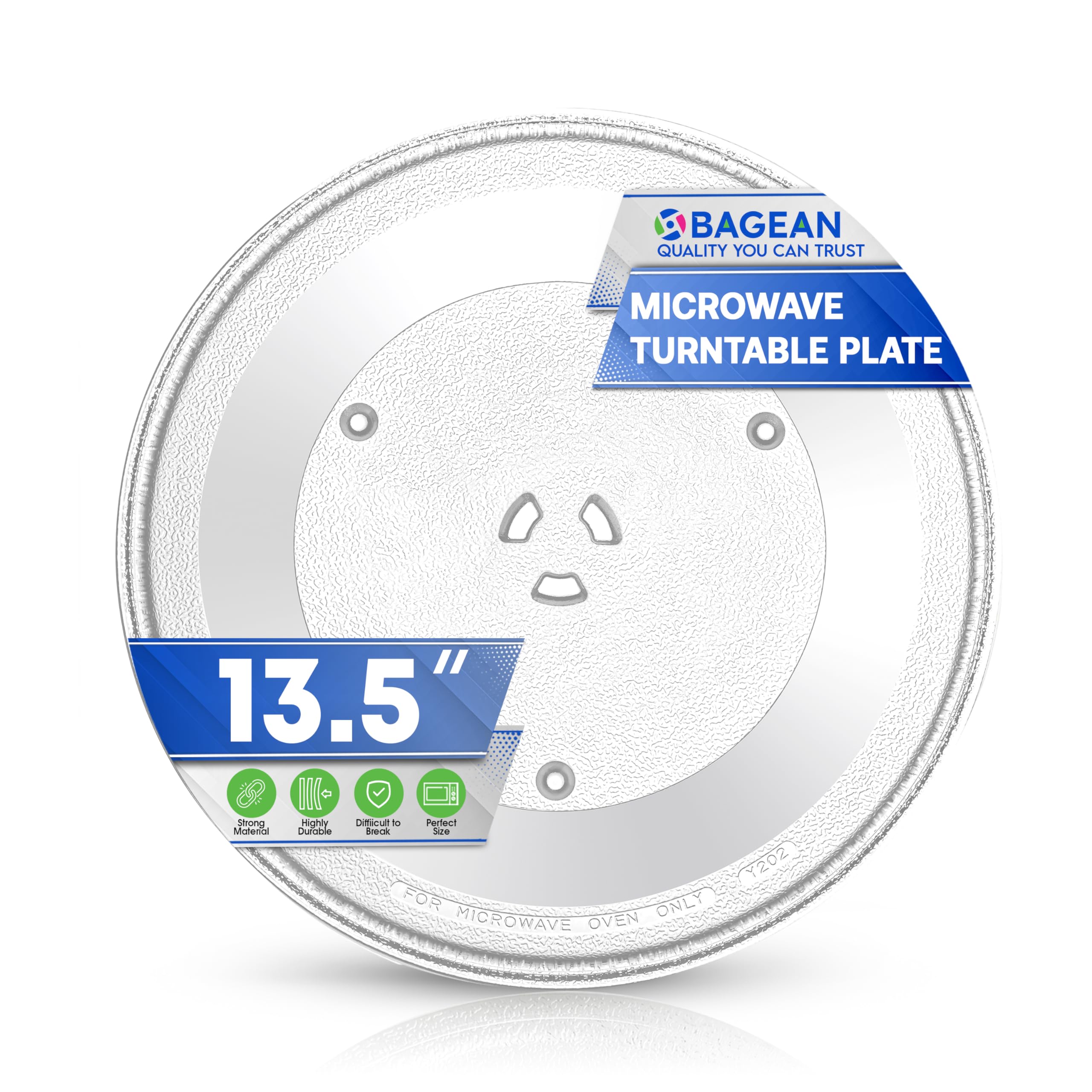
A tempered glass microwave turntable plate sized at 13.5" that replaces common GE model plates and withstands high cooking temperatures.
Why I picked it: I picked this plate because it matched the diameter and notch layout of OEM GE plates and felt solidly manufactured.
Best for: Anyone replacing a cracked or broken 13.5" microwave glass plate.
A reliable mid-range replacement that matches OEM specs.
Pros
- Tempered glass resists heat and impacts
- Dishwasher-safe and easy to clean
- Solid, sturdy feel
- Matches GE OEM notch layout
Cons
- Heavy compared with plastic trays
- Confirm notch pattern before buying
My take
My original glass tray snapped cleanly and this tempered replacement fit my microwave perfectly once I checked the three-notch layout. It felt like an OEM match.
After running a few heat cycles the plate showed no warping and cleaned easily in the dishwasher. The tempered construction reassured me that it wouldn’t shatter into dangerous shards.
If your turntable has a specific notch or support ring, measure both diameter and notch spacing before ordering. When the dimensions match, this plate restores even spinning and reheating performance.
How I Choose Microwave Turntable Parts
Types of Parts and When I Replace Them
I separate parts into three groups: mica waveguide covers (prevent arcing), grease/mesh vent filters (protect the fan and preserve airflow), and glass turntable plates (replace broken trays).
For sparking or visible burn marks near the microwave interior I replace the mica cover first. For reduced vent performance or greasy smells I replace the mesh filter. For broken trays I match the diameter and notch layout.
- Waveguide mica: Replace if charred, cracked, or sparking.
- Mesh grease filters: Replace when clogged or every few months depending on use.
- Glass plates: Replace if cracked, chipped, or no longer seating correctly.
Measuring for a Correct Fit
I always measure both diameter and notch positions for turntable plates and measure the slot or list the OEM part number for filters. For mica sheets I trace the old cover or carefully copy hole locations.
If you’re unsure, I recommend removing the old part and laying it on a ruler or taking a phone photo with a tape measure next to it for reference.
- Measure diameter across the widest point for plates.
- Record notch count and spacing for turntable compatibility.
- Compare filter frame dimensions to the vent opening.
Installation and Safety Tips
I always unplug or cut power to the microwave before accessing internal parts like the waveguide area. For mica covers I clean the area and avoid touching the magnetron or high-voltage components.
For filters and plates, installation is usually tool-free, but verify everything seats correctly before restoring power.
- Unplug microwave before internal work.
- Trace and cut mica carefully to avoid over-trimming.
- Confirm filters slide securely into the vent slots.
Maintenance Advice
I clean mesh filters and glass plates regularly. Mesh filters can be rinsed or gently brushed; glass plates are dishwasher-safe for easier cleaning.
For mica covers, avoid getting heavy oil or food deposits on them. Replace if they become discolored, brittle, or burnt.
- Clean glass plates in the dishwasher or with warm soapy water.
- Rinse or replace mesh filters if greasy buildup reduces airflow.
- Store spare mica sheets flat to prevent bending.
Frequently Asked Questions
How do I know the right size filter or plate for my microwave?
I remove the existing part and measure it or note the OEM part number from the old unit. For plates I measure diameter and notch layout; for filters I measure the frame dimensions that sit in the vent.
Can I cut a mica waveguide cover to fit my microwave?
Yes. I trace the original cover onto the mica, use a sharp blade to cut, and transfer any holes or slots before installing. Take care to store and handle flat so the material seats correctly.
How often should I replace over-the-range grease filters?
I replace or thoroughly clean mesh filters every few months if I cook frequently with greasy foods. Filters that are saturated or damaged should be replaced immediately to protect the vent motor.
Is tempered glass safe for microwave turntables?
From my experience tempered glass turntables handle normal microwave heat cycles well and are safer than standard glass because they break into less dangerous pieces if they fail. Still, check for chips before use.
Final Take
I recommend the mica waveguide sheets as the quickest, cheapest fix if your microwave is arcing. For vent problems, choose the filter size that matches your OEM part number — those reinforced aluminum mesh options restored airflow in my tests. If a glass tray breaks, the 13.5" tempered plate matched OEM fit and cleaned up easily in the dishwasher.
Measure carefully, keep spare filters on hand, and follow the safety tips I shared when working inside your microwave. With the right replacement parts, you can extend the life of your appliance without an expensive repair.
