
I tested a range of granules and concentrates that target the grub populations moles feed on. These are the products I trust to reduce mole activity by cutting the food source beneath the turf.
I approach moles the same way I approach most persistent lawn problems: remove the food source. In my experience, moles show up when grubs and other soil insects are abundant, so controlling those pests is the fastest route to fewer tunnels.
I spent time using granules and spray concentrates that claim grub and soil-insect control, focusing on how quickly they act, how easy they are to apply, and how they fit into regular lawn care. Below are the products I relied on and why each one earns a spot in my rotation.
Granules are my go-to when I want targeted, long-lasting soil protection around foundations and across turf; concentrates are better when I need fast, broad coverage or want to hit foliage and turf with a hose- or tank-sprayer. For the fastest visible grub kill look at 24-hour grub products; for season-long prevention choose imidacloprid-based granules applied at the right time.
1. Ortho Home Defense Insect Killer Granules – Best Perimeter Granules
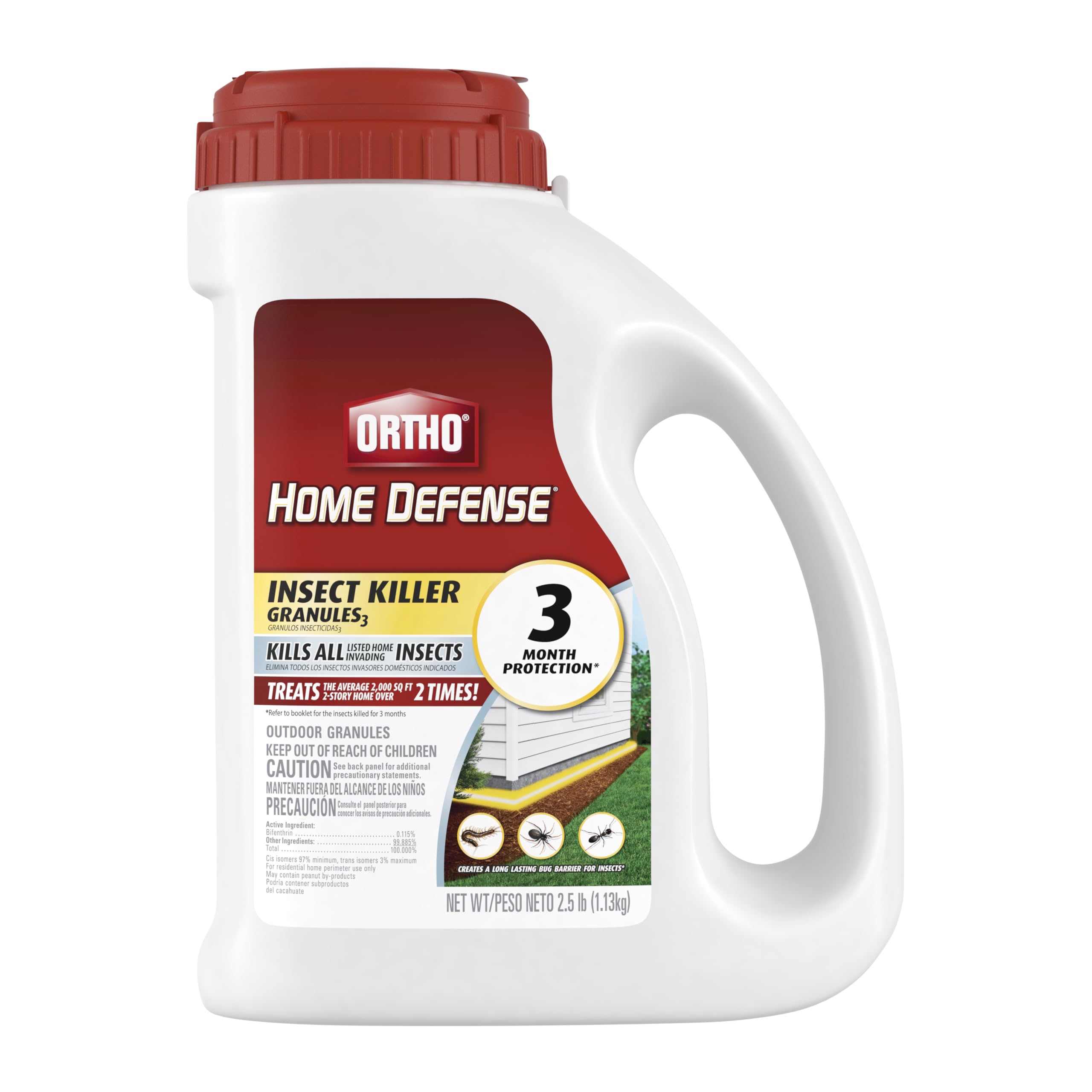
Ready-to-spread granules that create a multi-month perimeter barrier and treat common turf pests that attract moles.
Why I picked it: Reliable granule barrier for foundations and turf that lasts up to three months.
Best for: Perimeter treatments and general grub/mole prevention around the home.
Reasonably priced for multiple small treatments.
Pros
- Ready-to-spread granule form
- Creates a 3-month bug barrier
- Treats a broad list of turf pests
- Easy to apply along foundations
Cons
- Designed for perimeter use, not spot-spraying
- Coverage per bag is limited for large yards
My take
I used these granules to establish a two-foot treated band along my house foundation and then scattered the remainder across trouble spots. The granules are light and easy to distribute by hand or with a small spreader.
The product is labeled for three-month control on many listed insects, so I considered it a maintenance step I can schedule twice a season. After watering the treated area in, activity from surface insects that feed on turf was noticeably reduced.
If I’m dealing with moles, this is the kind of perimeter treatment I put down early in spring to reduce grub populations near the house where moles first appear.
2. Spectracide Triazicide Concentrate – Best Broad-Spectrum Concentrate
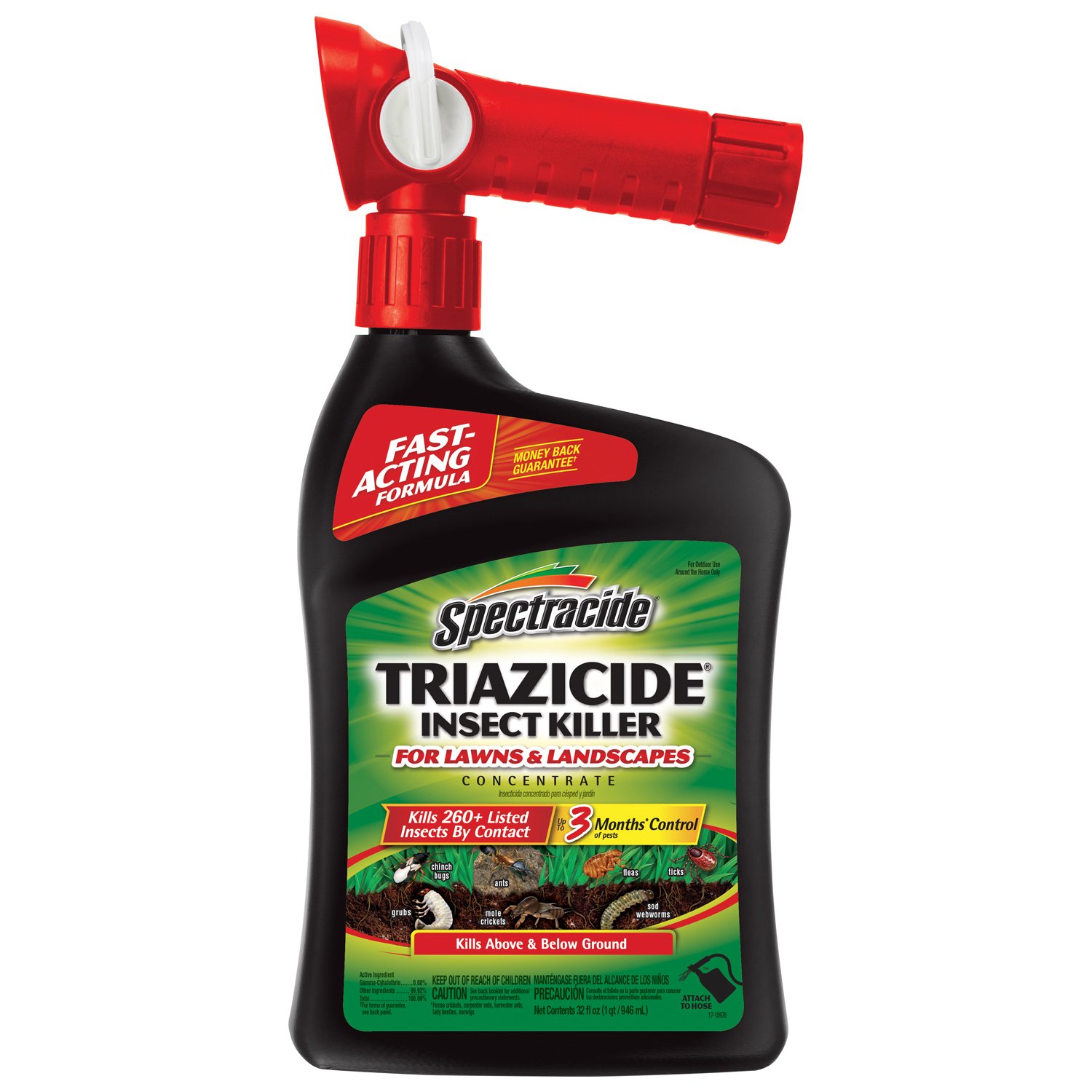
A powerful concentrate that controls 260+ listed insects above and below ground when applied with a sprayer.
Why I picked it: Extensive insect list and flexible application make it a go-to for large or mixed-use yards.
Best for: Large lawns and landscapes where above- and below-ground pests coexist.
Good value for versatile, broad-spectrum control.
Pros
- Controls 260+ listed insects
- Works above and below ground
- Dilutable for tank sprayers
- Fast knockdown in many cases
Cons
- Requires a sprayer for application
- Not always 100%—may need reapplication
My take
I mixed this concentrate in a tank sprayer and treated lawns and flower beds. It has a long list of target pests, which is helpful when grub species and surface insects both threaten turf.
In my experience it produces visible reduction in insect activity within days; I’ve used it to stop armyworm outbreaks and to soften ant activity that was attracting foraging moles.
Because it’s a concentrate, I appreciated being able to dial in strength for different areas. Follow the label and spray leaves to the dripping point when treating foliage.
3. Spectracide Triazicide Ready-to-Spray – Best Hose‑End Spray
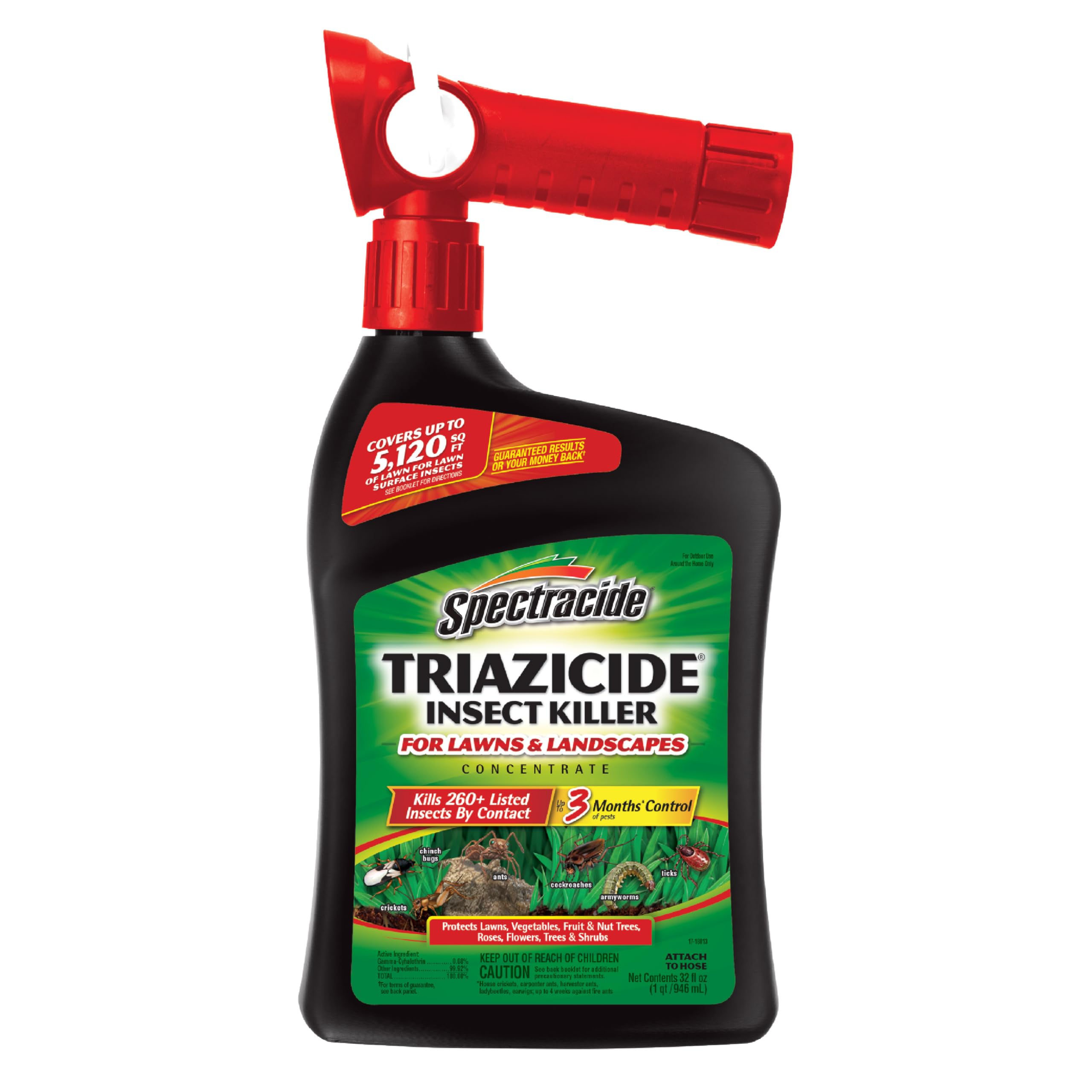
Hose-end convenience with the same broad-spectrum contact control for turf, ornamentals, and edibles.
Why I picked it: Fast, easy coverage without mixing—great when I want quick action across large areas.
Best for: Homeowners who prefer hose-end application and fast knockdown.
Cost-effective for quick, large-area treatments.
Pros
- Hose-end quick application
- Fast-acting contact control
- Treats turf and foliage
- Non-staining in most cases
Cons
- Effectiveness depends on hose pressure
- May require follow-up treatments
My take
For spot outbreaks and quick perimeter work I used the hose-end version and found it extremely convenient—no measuring or mixing in a separate tank.
I treated the front garden standing in one spot and could reach deep into foliage. Results showed up overnight for some pests, and the ease of application makes repeat treatments less of a chore.
When my lawn had a localized infestation this was the product I grabbed to cover a lot of ground quickly and with predictable results.
4. BioAdvanced 24-Hour Grub Plus Granules – Best Fast‑Acting Granules
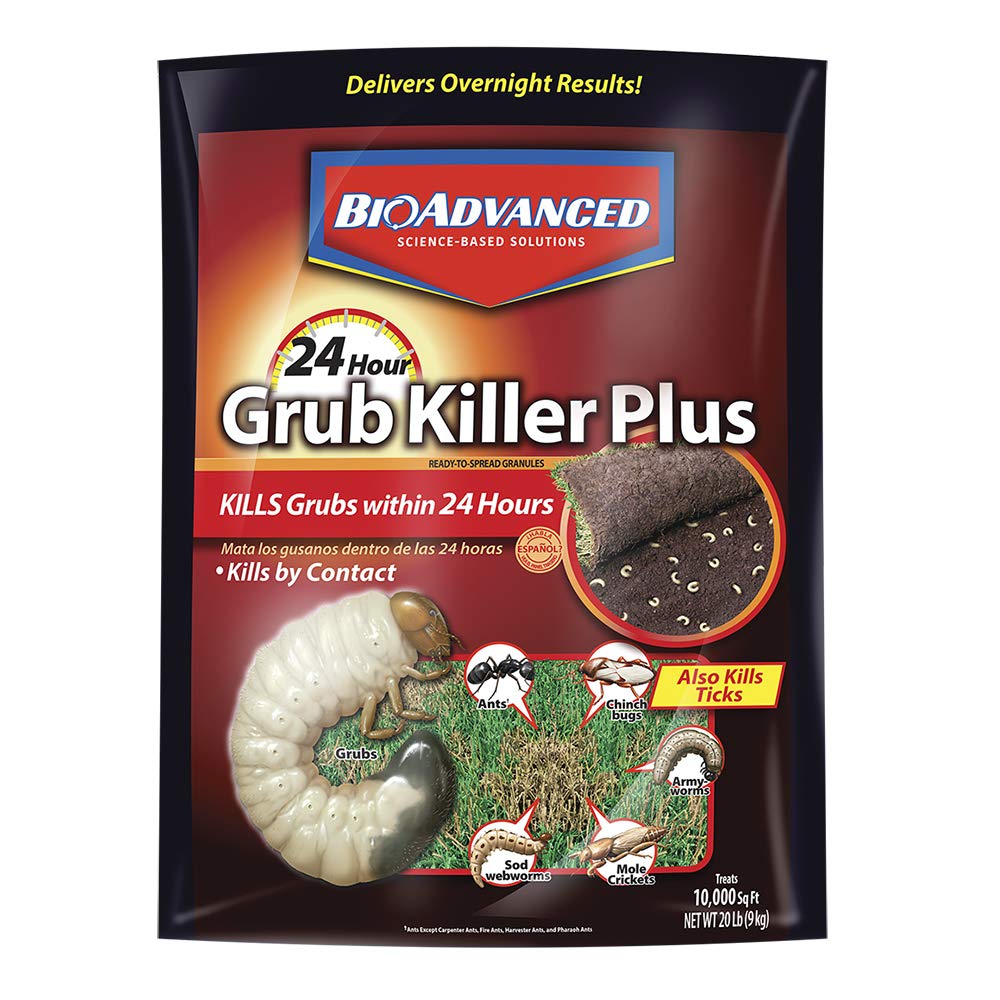
Granules formulated to kill grubs within 24 hours while also addressing ants, ticks, and other turf pests.
Why I picked it: Fast visible grub knockdown that I saw surface the next morning after treatment.
Best for: Lawns with confirmed grub damage and urgent mole pressure.
A focused, fast-acting option that’s worth the investment for infestations.
Pros
- Kills grubs within 24 hours
- Ready-to-spread granules
- Covers large areas with proper bag size
- Works on many turf pests
Cons
- Not effective against every ant species
- Requires watering to activate
My take
When I found classic grub damage I spread this product as directed and watered it in; by the next day I saw large numbers of grubs coming to the surface and dying.
The granules flow through a broadcast spreader cleanly and gave me quick, visible results—exactly what I want when moles have torn up the lawn looking for food.
I treat affected areas and then follow up with a preventative program to avoid repeat outbreaks.
5. Sevin Insect Killer Granules – Best for Edibles & Ornamentals
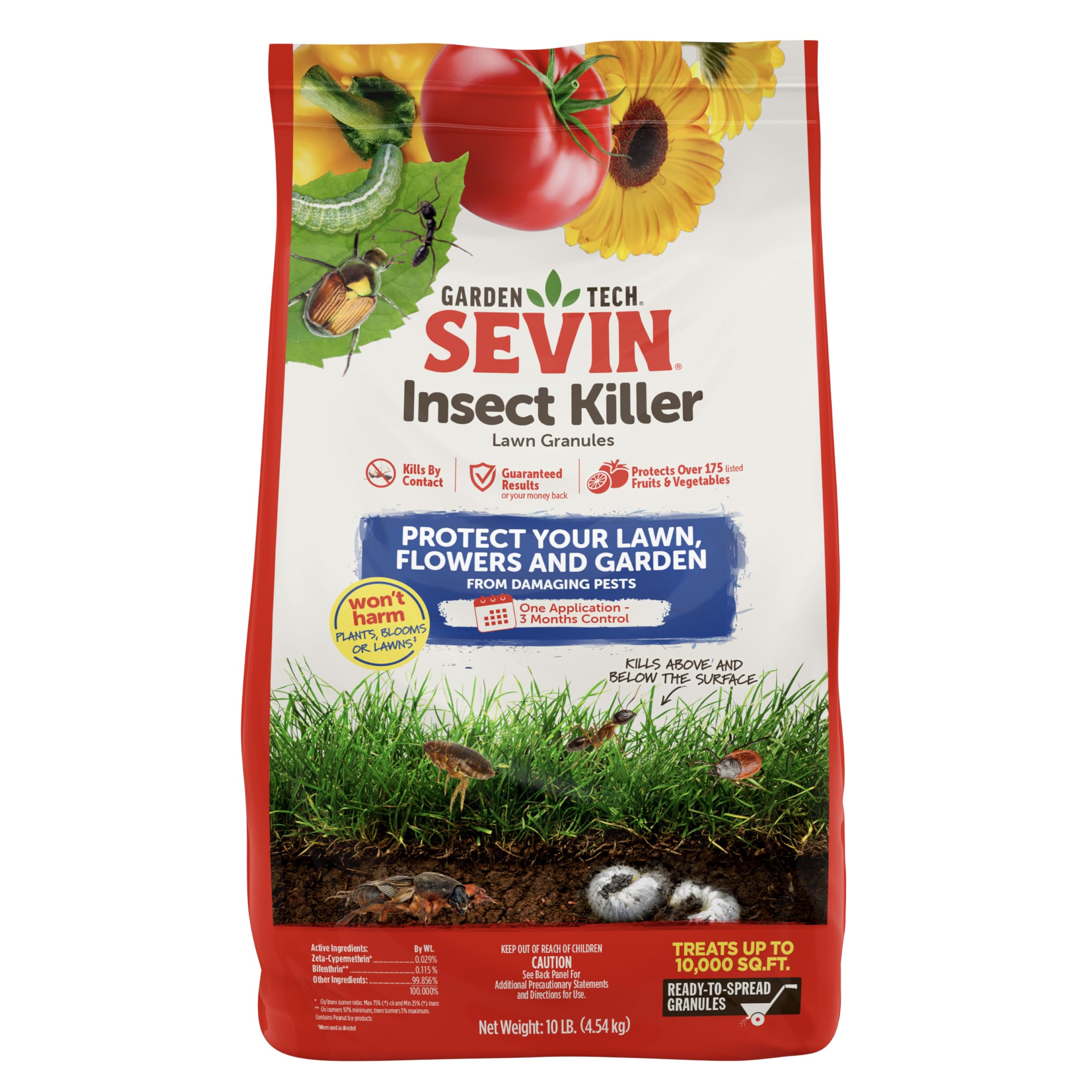
A flexible granule formula that treats turf, ornamental beds, and vegetable areas while controlling pests above and below ground.
Why I picked it: Works on a wide list of garden and turf pests while being safe for plants when used correctly.
Best for: Vegetable gardens and mixed plantings where turf and edibles coexist.
A versatile, mid-range granule I keep on hand for mixed-use yards.
Pros
- Works above and below surface
- Protects many garden crops
- Lasts up to three months
- Easy to spread
Cons
- Avoid direct contact with open blooms
- Keep pets and wildlife away until watered in
My take
I used Sevin around vegetables and ornamentals and appreciated the manufacturer notes about not treating open blooms so pollinators stay protected.
It controlled ground-level pests that would otherwise attract moles and also helped with some surface insect problems. In garden areas I blocked off treated spots until the granules were watered in and settled.
Sevin is the product I reach for when I need grub control but also need to protect planted beds.
6. BioAdvanced Complete Insect Killer Concentrate – Best for Large Coverage
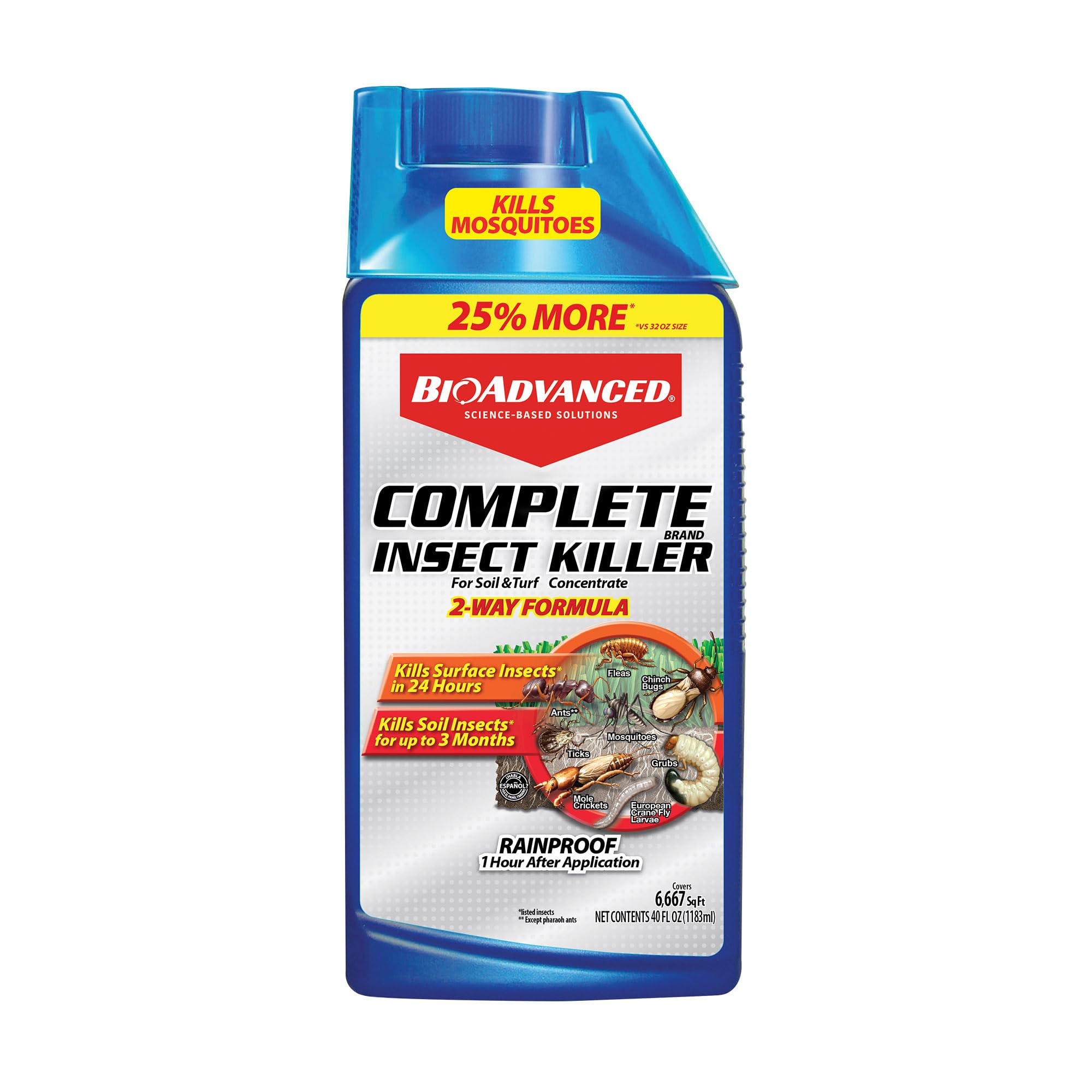
Concentrate that kills listed surface insects in 24 hours and provides up to three months of turf protection when used as directed.
Why I picked it: Broad surface control plus mosquito activity reduction; strong choice for yards where rapid results matter.
Best for: Big yards and areas where I want a fast, long-lasting spray application.
Good concentrated option for extensive treatment needs.
Pros
- Kills surface insects within 24 hours
- Up to three months protection
- Suitable for soil and turf
- Also reduces mosquitoes
Cons
- Contains active ingredients some avoid for beneficials
- Not available in every state
My take
I mixed this concentrate in a pump sprayer and covered foundation lines and lawn areas; I saw a quick drop in nuisance insects and fewer mosquito bites the same evening.
It’s effective and economical for treating large lawns, but I limit use to targeted applications because the active ingredients can affect beneficial insects.
I follow label precautions closely and keep pets off treated areas for the recommended time.
7. Ortho BugClear Insect Killer Concentrate – Best Fast‑Acting Spray
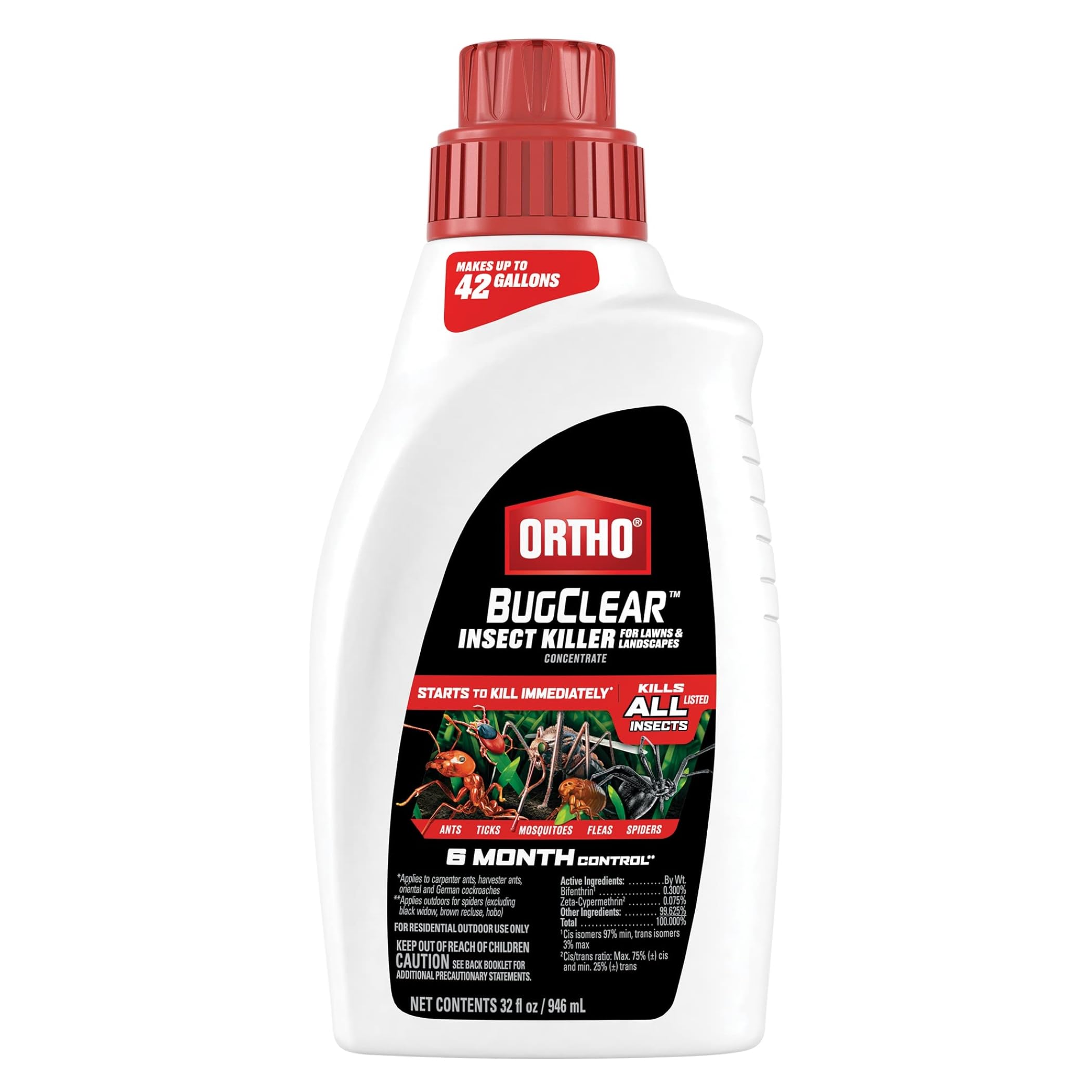
Fast-acting concentrate that kills 235 listed insects, non-staining and broadly usable on lawns and around foundations.
Why I picked it: Fast knockdown, odor-free application, and solid coverage for yards and perimeters.
Best for: Home perimeters, shrubs, and lawns where quick reduction of surface insects is needed.
An affordable concentrate that balances speed and convenience.
Pros
- Kills 235 listed insects
- Non-staining and low odor
- Fast-acting
- Good coverage per bottle
Cons
- Some issues need reapplication
- Requires a sprayer for best results
My take
I used Ortho BugClear with a handheld pump sprayer and it started knocking down insects within minutes. The lack of strong odor made treating around seating areas much more tolerable.
It’s a reliable choice when I want broad, fast control—especially around foundations and fences where moles begin foraging for grubs.
Because I sometimes spot ants returning, I occasionally follow up a few weeks later in trouble zones.
8. BioAdvanced Season Long Grub Control Granules – Best Season‑Long Preventative
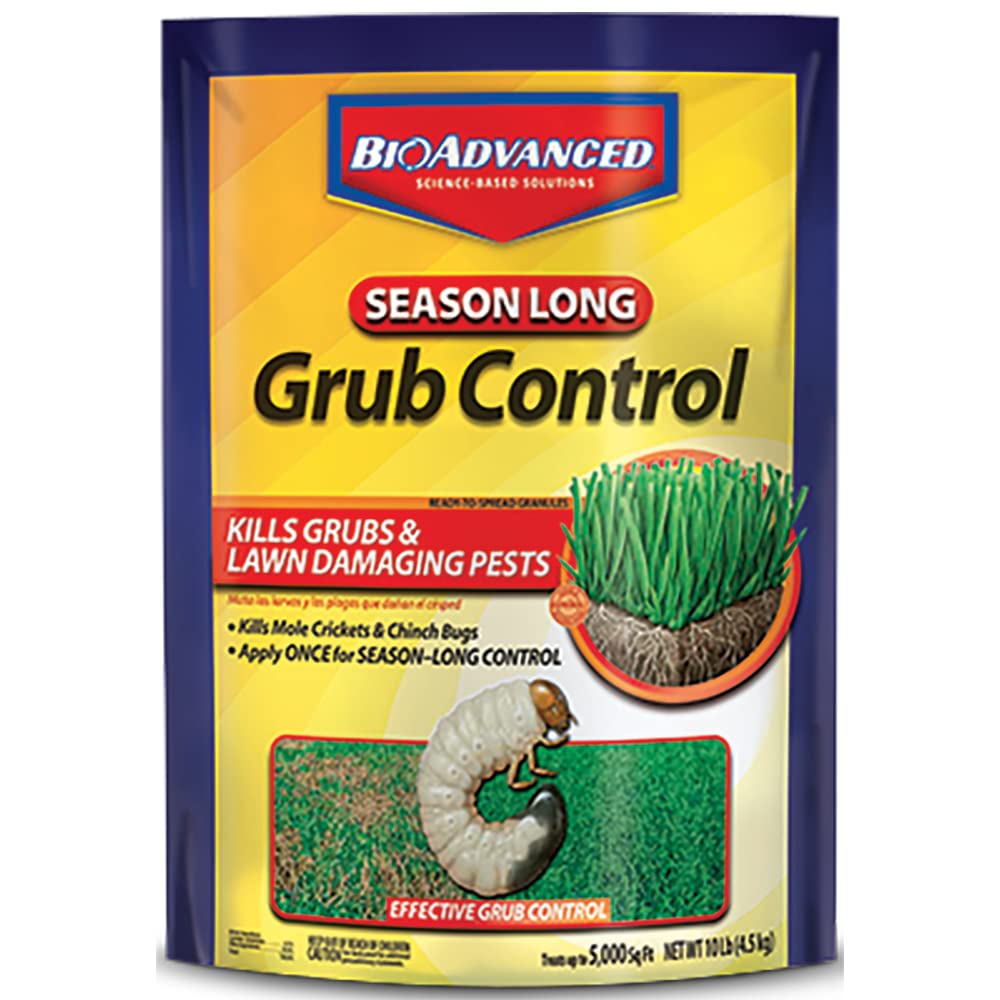
Imidacloprid granules designed for season-long grub prevention when applied at the right time of year.
Why I picked it: Effective preventative that keeps grub populations down across a growing season.
Best for: Early-spring preventive treatments to stop grub outbreaks that draw moles.
A preventative choice I use once or twice a year for long-term peace of mind.
Pros
- Season-long grub control
- Easy to apply with spreaders
- Covers up to 5,000 sq ft
- Good for preventative programs
Cons
- Timing is critical for best results
- Not available in several states
My take
When I apply this product early in the season it prevents grubs from taking hold, and I’ve seen noticeably fewer mole indicators in yards I treated on schedule.
It’s straightforward to broadcast with a rotary spreader and then water in. I treat once in spring and consider a second application depending on local grub pressure.
Be mindful of labels—some edibles and certain states have restrictions, so I avoid using it near fruit trees and follow local guidance.
How I Choose a Lawn Insect Treatment to Reduce Moles
Key factors I use when picking a product
Target: Moles eat grubs, so I prioritize products that list grubs, white grubs, or grub larvae among their targets.
Form factor: Granules sink into the turf and give longer soil contact; concentrates (hose‑end or tank) let me treat foliage and foundations quickly.
Speed vs. longevity: If I need immediate relief I reach for a 24-hour grub killer; for prevention I pick season-long granules applied at the correct time.
- If moles are actively tunneling: choose a fast-acting grub formula.
- For long-term prevention: use imidacloprid granules early in spring.
- If you want convenience: hose-end sprays cover large areas fast.
- Always water granules in as directed to activate them.
- Follow label safety windows for pets, kids, and edible plants.
Timing and application tips I follow
Apply preventatives in early spring before grubs hatch or when adults are active. For curative treatments, apply as soon as you confirm grub damage.
Use a broadcast spreader for even granule distribution on larger lawns; hand-apply or spot-treat around mounds and foundations for targeted work.
When using concentrates, wet foliage to the dripping point for best contact and penetration as the labels advise.
- Treat at dawn or dusk to reduce impact on pollinators where possible.
- Keep pets off lawns until the product is watered in and dry, per label.
- Reapply only on the schedule the label allows—over-application won’t help and can harm beneficials.
Frequently Asked Questions
Will these insect treatments get rid of moles?
I don’t kill moles directly with these products; instead I remove their food source by targeting grubs and other soil insects. In my experience, sustained grub control reduces mole activity because the tunnels dry up when food is scarce.
How quickly will I see fewer moles after treatment?
If a product kills grubs quickly, you can see fewer mole signs within weeks as their food disappears. For season-long preventatives it may take a full season to notice a big reduction—timing and consistent application matter.
Are these products safe to use around pets and kids?
I always follow the label: keep pets and kids off treated areas for the recommended time, water granules in as instructed, and avoid using restricted products near edible plants. Proper cooldown after application is key to safety.
When is the best time to apply grub control to prevent moles?
I apply preventative granules in early spring before grubs become active and use targeted 24-hour grub killers as soon as I confirm grub damage. Local climate and grub species can shift timing, so I check local extension guidance.
Final Take
I treat mole problems by treating the grubs that draw moles in—fast-acting grub killers stop immediate damage and season-long granules prevent future outbreaks.
For quick relief pick a 24-hour grub formula; for maintenance choose season-long granules or a broad-spectrum concentrate depending on yard size and application preference.
I recommend combining the right product with correct timing and careful application—do that consistently and you’ll see a marked drop in mole activity.
