
I tested a mix of baits, glue boards, and exclusion materials to find what actually works around homes, outbuildings, and tight entry points. Here are the options I reach for first.
I’ve spent seasons battling mice, rats, crickets, roaches, fleas, and the small invasions that make a house feel less like a home. This roundup pulls together the approaches I use most: targeted bait for heavy rodent pressure, sticky traps for monitoring and capture, and steel-wool-style fill fabric to stop pests before they get inside.
Across these picks I focused on safety around people and pets, practicality in placement, and real-world durability. I’ll tell you where I use each product, what it’s best for, and any precautions I take.
I separate products by role: lethal baits for severe outdoor infestations, glue boards for monitoring and quick capture indoors, and exclusion materials to prevent future problems. I prefer non-toxic glue traps when pets or kids are present, and I use the stainless steel blend to seal entry points as a long-term fix.
1. Farnam Just One Bite II Rat & Mouse Bar 8pk 8lb – Best for Heavy Outdoor Infestations
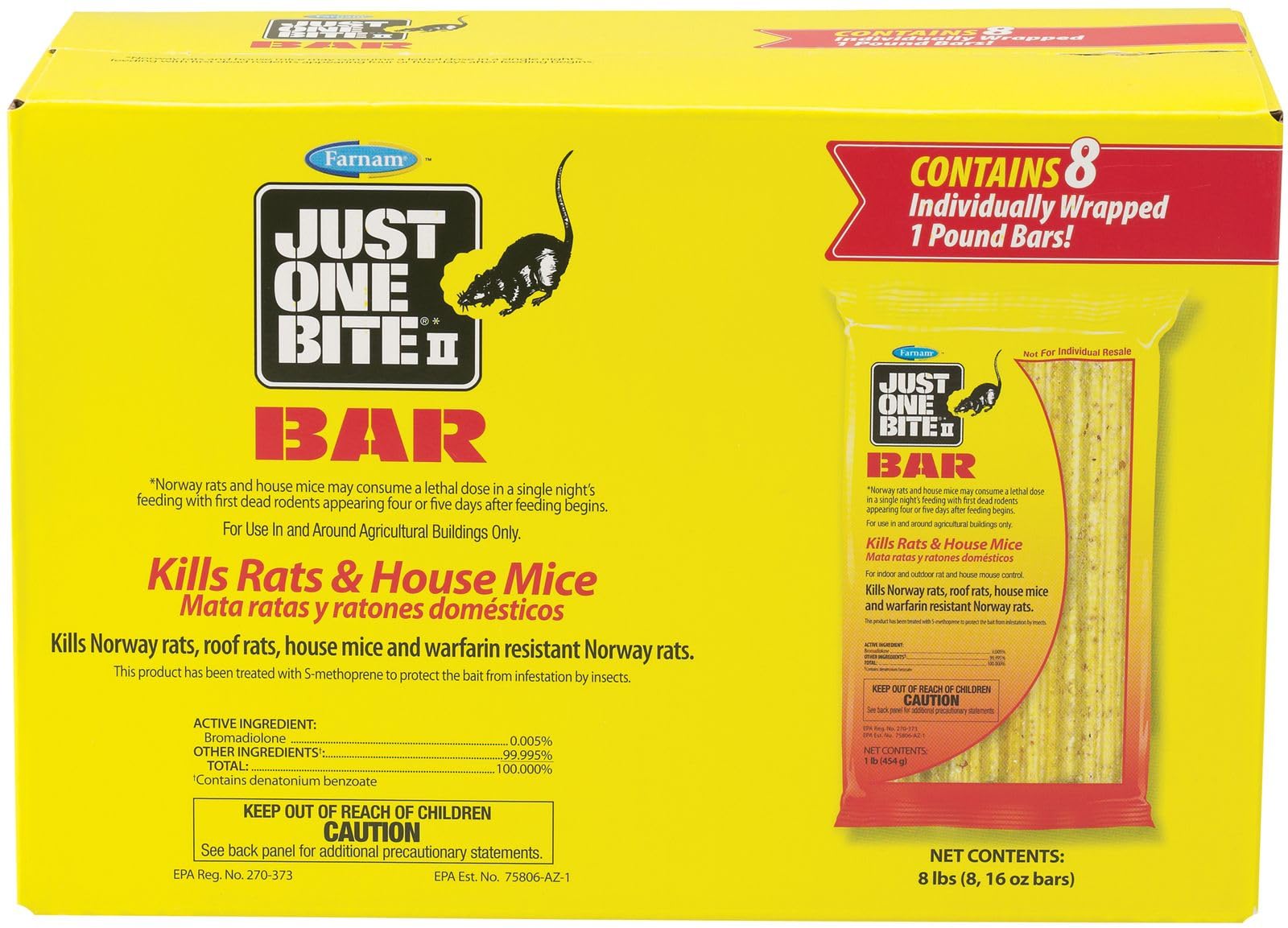
A powerful, slow-acting rodent bait in large, individually wrapped bars that handled massive rodent pressure around my outbuildings.
Why I picked it: Massive bait blocks that kill warfarin-resistant rodents and reduce bait shyness.
Best for: Large outdoor infestations around barns, garages, and agricultural buildings.
Higher upfront cost but heavy bricks stretch across many placements.
Pros
- Kills warfarin-resistant rats
- Delayed action reduces bait shyness
- Individually wrapped heavy bars
Cons
- Not intended for indoor household use
- Requires strict pet safety measures
My take
I used these bars around my barn, under crawl spaces, and along foundation lines where roof rats and Norway rats were active. The bricks are dense and break into usable chunks, so one box covers a lot of ground.
What stood out was the delayed mortality: rodents ate freely and stopped avoiding the bait, which is exactly why I set these in secure, out-of-reach placements. I always keep them away from pets and people and prefer to place pieces inside tamper-resistant bait boxes or in locations clearly labeled and blocked off.
If you want something that quickly shifts a heavy rodent problem outdoors, these are among the most effective baits I’ve used—but I treat them as an agricultural/outbuilding solution, not a pantry or basement interior product.
2. HOY HOY Trap A Roach – 10 Traps [2 Pack] Baited Glue Traps – Best for Homes with Kids & Pets
![HOY HOY Trap A Roach - 10 Traps [2 Pack] Baited Glue Traps](https://kinrossresearch.com/wp-content/uploads/2026/03/81eho-hjul.jpg)
Pre-baited, super-sticky glue traps that I rely on for roach monitoring and low-to-moderate indoor control around kitchens and sinks.
Why I picked it: Pre-baited, kid-and-pet-friendly monitoring with a tacky wavy glue surface.
Best for: Indoor monitoring and capture near appliances, under sinks, and behind fridges.
Midrange — good value for pre-baited, ready-to-use traps.
Pros
- Pre-baited and ready to place
- Super-sticky textured glue
- No strong odors
Cons
- Not a standalone for heavy infestations
- Assembly can be fiddly at first
My take
I put these traps under the sink, behind the fridge, and by the trash area. In a few nights they caught small and medium roaches that I hadn’t noticed during the day, and the bait packet seems effective without an offensive smell.
The wavy adhesive holds legs and bodies well, and the traps stay intact when I pick them up for disposal. For homes with kids or pets, I appreciate that they’re a non-spray, contained option that I can tuck into tight gaps.
For severe infestations I pair these with targeted sanitation and, if needed, professional treatment, but for light-to-moderate roach activity they’re one of my go-to, low-risk tools.
3. MaxGuard Extra Large Cricket Traps (8 Traps) – Best for Crickets and Spiders
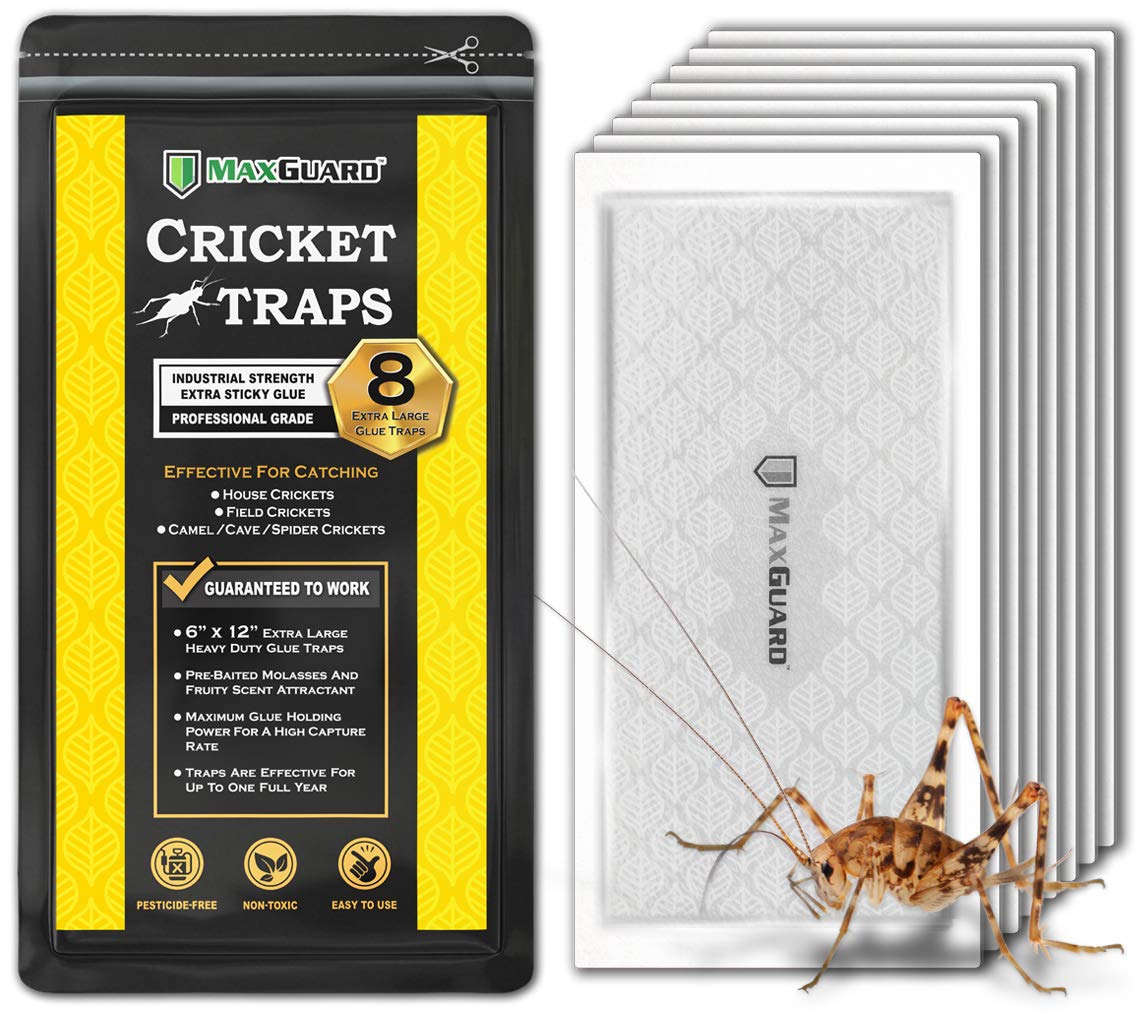
Extra-large, non-toxic glue boards pre-baited with a molasses/fruity attractant that pulled in camel crickets and other nocturnal invaders in my basement.
Why I picked it: Large surface and timed-release attractant designed specifically for crickets.
Best for: Basements, garages, and other damp spaces with crickets or camel crickets.
Affordable and effective for long-term placement.
Pros
- Large 6" x 12" capture area
- Molasses attractant lures crickets
- Non-toxic, insecticide-free formula
Cons
- Very sticky — handle with care
- Attractant may degrade if left too long
My take
I spread these across my basement and garage along baseboards where camel crickets were most active. Within hours I had dozens stuck, and overnight placement produced the clearest results.
The molasses-scented attractant clearly draws crickets and keeps them moving onto the pad. Because the boards are large, they last longer between replacements than smaller traps.
I caution pet owners: the glue is extremely tacky, so place them where pets can’t reach or in areas I can block off until I replace the pads.
4. Trapper Max Mouse & Insect Glue Boards – 72 Boards – Best Bulk Glue Boards
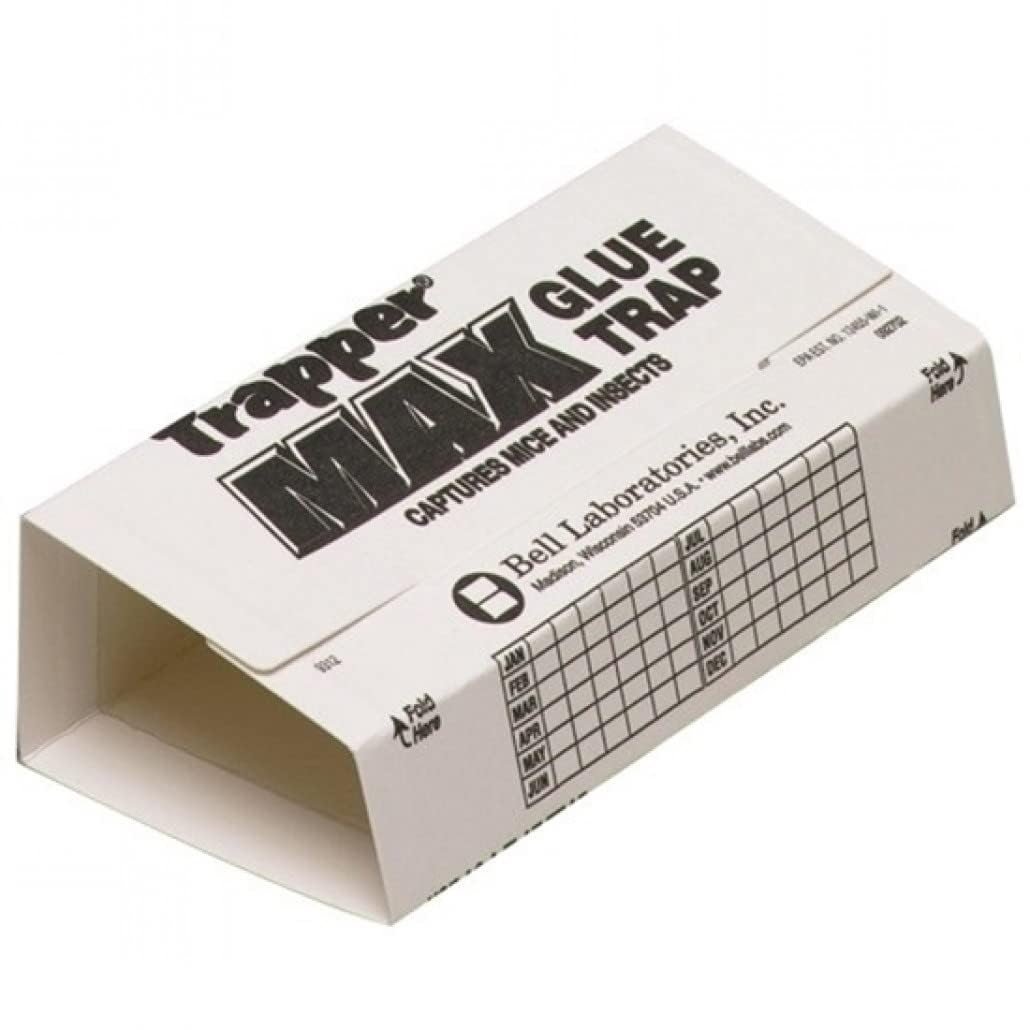
A high-count pack of scented glue boards I depend on for ongoing monitoring and rapid capture after sanitation and exclusion work.
Why I picked it: Large quantity and cost-effective for repeated monitoring or multi-room deployment.
Best for: Routine monitoring in homes, RVs, and seasonal spaces.
Very economical when you need many boards.
Pros
- 72 boards — great supply
- Multi-pest capture (mice, insects, scorpions)
- No chemical sprays required
Cons
- Scented — may be noticeable to some
- Not the stickiest for very large mice
My take
I used these in an RV and throughout closets and utility rooms after an initial infestation. They’re easy to cut or position and do a solid job catching smaller mice and lots of insects.
Because the pack is so large, I can replace traps frequently and keep a continuous monitoring program going. I sometimes fold the boards flat in tight spots and keep larger ones folded for areas out of reach of pets.
They’re a practical, no-frills way to keep tabs on activity while I work on sealing entry points and cleaning attractants out of the area.
5. 20 Pack Flea Trap Refill Discs Replacement Glue Boards – Best Flea & Small-Insect Refills
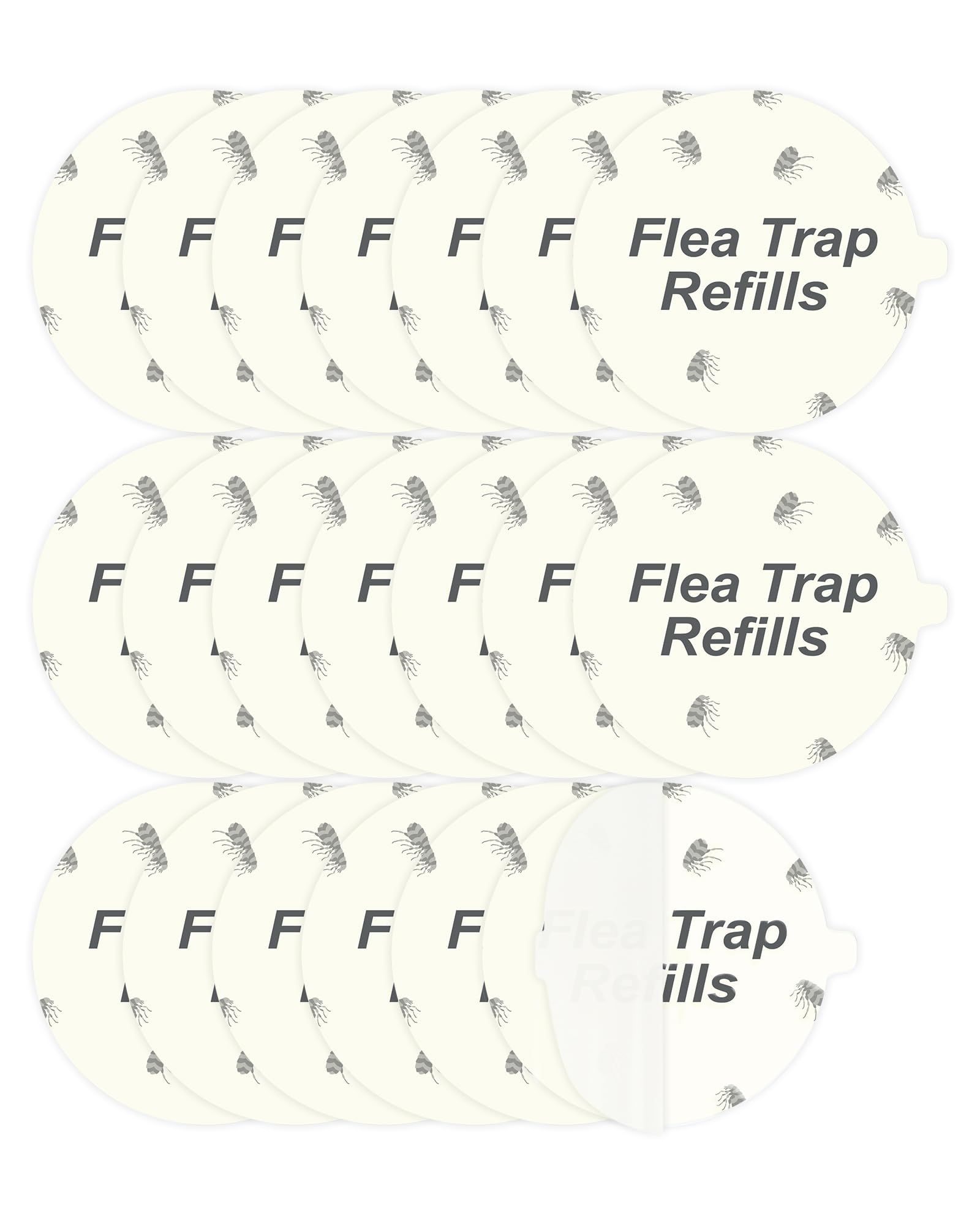
Universal 7.1" sticky discs that fit most light-trap devices — I change these monthly to control fleas, gnats, and tiny pests.
Why I picked it: Universal size and strong adhesive for small flying pests.
Best for: Flea traps, light-based devices, and small-insect capture indoors.
Low-cost refills that stretch existing devices further.
Pros
- Universal fit for many traps
- Very sticky — captures tiny insects
- Non-toxic and odorless
Cons
- Not a standalone solution
- May need trimming to fit some holders
My take
I keep these refill discs on hand for the spring and summer when fleas and gnats spike. The light in my flea trap draws them in and the sticky disc does the rest.
They’re simple to swap: peel, place, and run. I usually replace monthly or when I see heavy loading. Cutting the tab slightly solved fit issues on some devices.
These are a handy, low-effort complement to vacuuming, pet treatments, and sanitation when small pests are the problem.
6. Xcluder Rodent Control Fill Fabric – 6 Rolls – Best for Sealing Entry Points
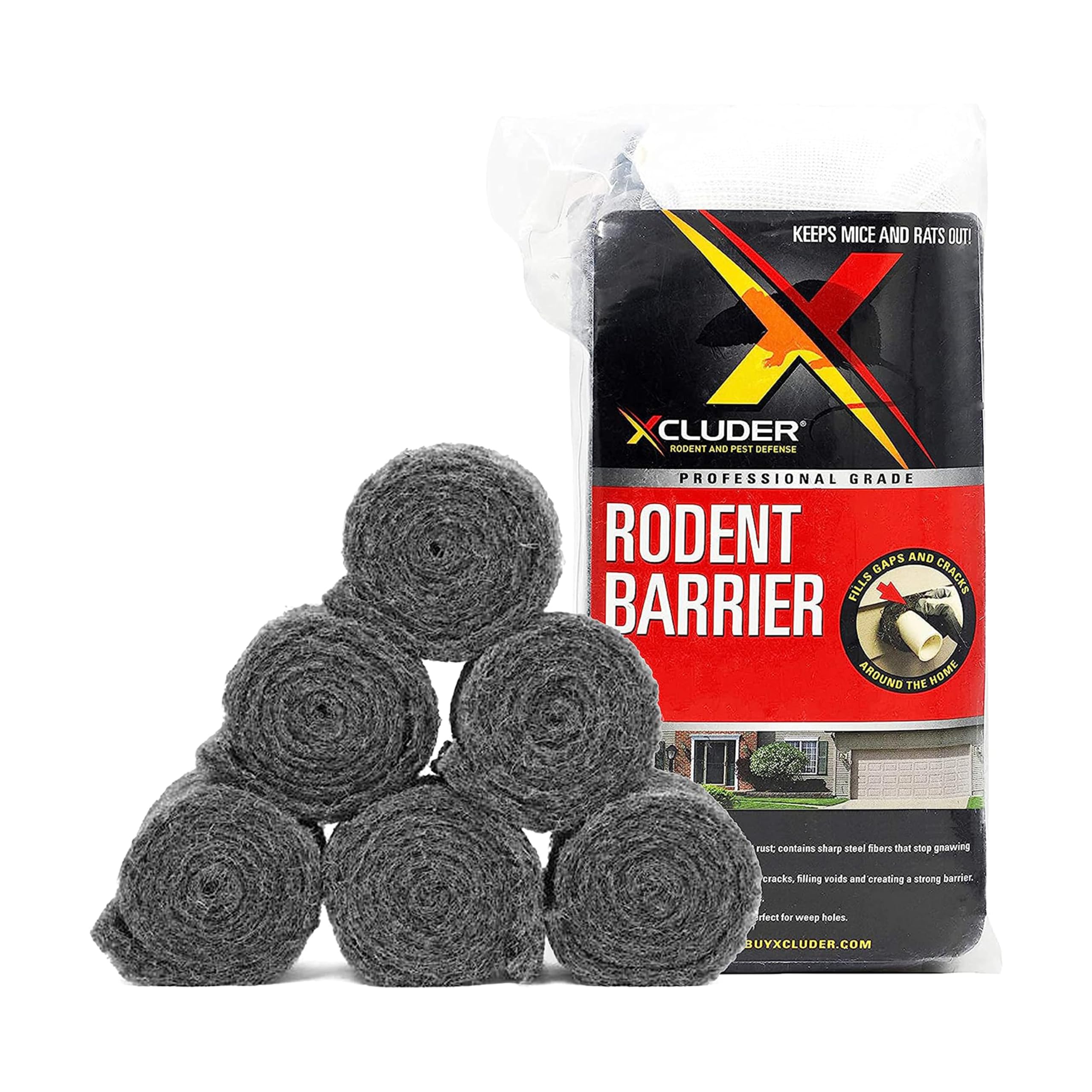
A stainless steel wool blend that I use as a permanent, rust-resistant barrier to block gaps rodents try to chew through.
Why I picked it: Durable stainless blend that rodents won’t gnaw through; long-term exclusion.
Best for: Sealing gaps around pipes, foundations, vents, and AC housings.
An investment that prevents repeat infestations and service calls.
Pros
- Rust-resistant stainless steel blend
- Compresses to fit odd gaps
- Long-lasting, permanent barrier
Cons
- Sharp — handle with gloves
- Material can be more costly than regular steel wool
My take
When I finally stopped relying only on traps and treated exclusion as prevention, this fill fabric became indispensable. I stuffed it into holes around the AC unit, pipe chases, and foundation gaps where mice had been entering.
It expands to fill crevices and doesn’t rust, so once I capped it with a little cement or sealant the entry points stayed closed. I wear puncture-resistant gloves because the fibers are sharp and grabby.
For anyone who wants to stop the next generation of rodents from getting inside, combining a product like this with traps and good sanitation is the clearest path to long-term control.
How I Choose Traps and Exclusion Materials
Identify the pest and tailor the tool
I start by confirming what I'm dealing with — mice, rats, crickets, roaches, or fleas — because each pest needs a different tactic.
Glue boards and light-based sticky discs work best for small, crawling or flying insects and for monitoring. Large rodent baits are for heavy outdoor rodent pressure, and fill fabric is for stopping entry points.
- Use targeted bait for persistent outdoor rat problems.
- Choose non-toxic glue traps when children or pets share the space.
- Deploy large adhesive boards where crickets and camel crickets hide.
Placement, safety, and sanitation
Where you place a trap matters more than which brand you buy. I place bait in tamper-resistant boxes outdoors and glue traps along baseboards, behind appliances, or in dark corners.
I also remove food sources and clutter — traps are far more effective when the environment isn’t inviting.
- Keep baits out of reach of pets and people.
- Position glue boards along walls and in narrow travel lanes.
- Clean up crumbs, seal food, and store trash securely.
Combine tactics for lasting results
I rarely rely on a single method. Trapping or baiting reduces current populations, exclusion prevents re-entry, and monitoring shows whether the problem is resolved.
For homes, non-chemical glue traps and exclusion work well together. For agricultural or outbuilding infestations, targeted baits plus exclusion is my routine.
- Use fill fabric or steel wool blends at obvious entry points.
- Rotate monitoring traps to confirm activity is gone.
- Replace adhesive pads and bait on a schedule.
Frequently Asked Questions
Are glue traps safe around pets and kids?
I prefer placing glue traps where pets and children cannot reach them. Many glue traps are non-toxic, but the adhesive is extremely sticky and can injure paws or fur, so I put traps in cabinets, behind appliances, or in pet-free rooms.
When should I use poison bait versus glue or exclusion?
I use poison bait for heavy outdoor rodent infestations and where tamper-resistant bait boxes or agricultural settings allow safe placement. For indoor problems, I favor glue boards for monitoring and exclusion materials to eliminate long-term entry points.
How often should I replace sticky pads and glue boards?
I check sticky pads weekly during peak season and replace them when they’re visibly loaded or after about four weeks. Larger glue boards may last longer, but I don’t leave heavily populated pads in place for hygiene reasons.
Can I use the stainless steel fill fabric indoors?
Yes — I use the stainless steel blend in wall cavities, around pipes, and under siding, but I always wear gloves while installing because the fibers are sharp. After packing the fabric, I finish openings with sealant or cement for a permanent fix.
Final Take
I approach pest control with a three-part plan: reduce current populations, block entry points, and monitor to confirm success. The products I’ve listed cover those steps.
If you’re dealing with a severe outdoor rodent problem, start with the heavy bait blocks and follow with exclusion. For indoor monitoring and smaller pests, glue boards and refill discs are a safe, low-effort choice.
Use these tools together and you’ll see faster, longer-lasting results than relying on any single product alone.
