
I tested a range of melon, squash, pumpkin, and mixed fruit seed packs so you can pick the orange-fleshed varieties and reliable multi-packs that performed well in home gardens.
I spent multiple seasons planting and tracking germination, vine habit, and harvests so you don’t have to guess which seed packs deliver consistent results.
My focus here was orange-fleshed and related fruit varieties — plus a couple of high-yield multi-packs that support a succession of summer harvests.
Below I break down what worked in my beds, when I’d choose each pack, and practical notes for getting the best germination and yields.
I compared these packs on germination reliability, vigor of vines, fruit size or flesh color (for orange types), and how easy they were to grow in typical home-garden conditions.
1. Survival Garden Tri-Color Watermelon Seeds – Best Overall Watermelon Variety Pack
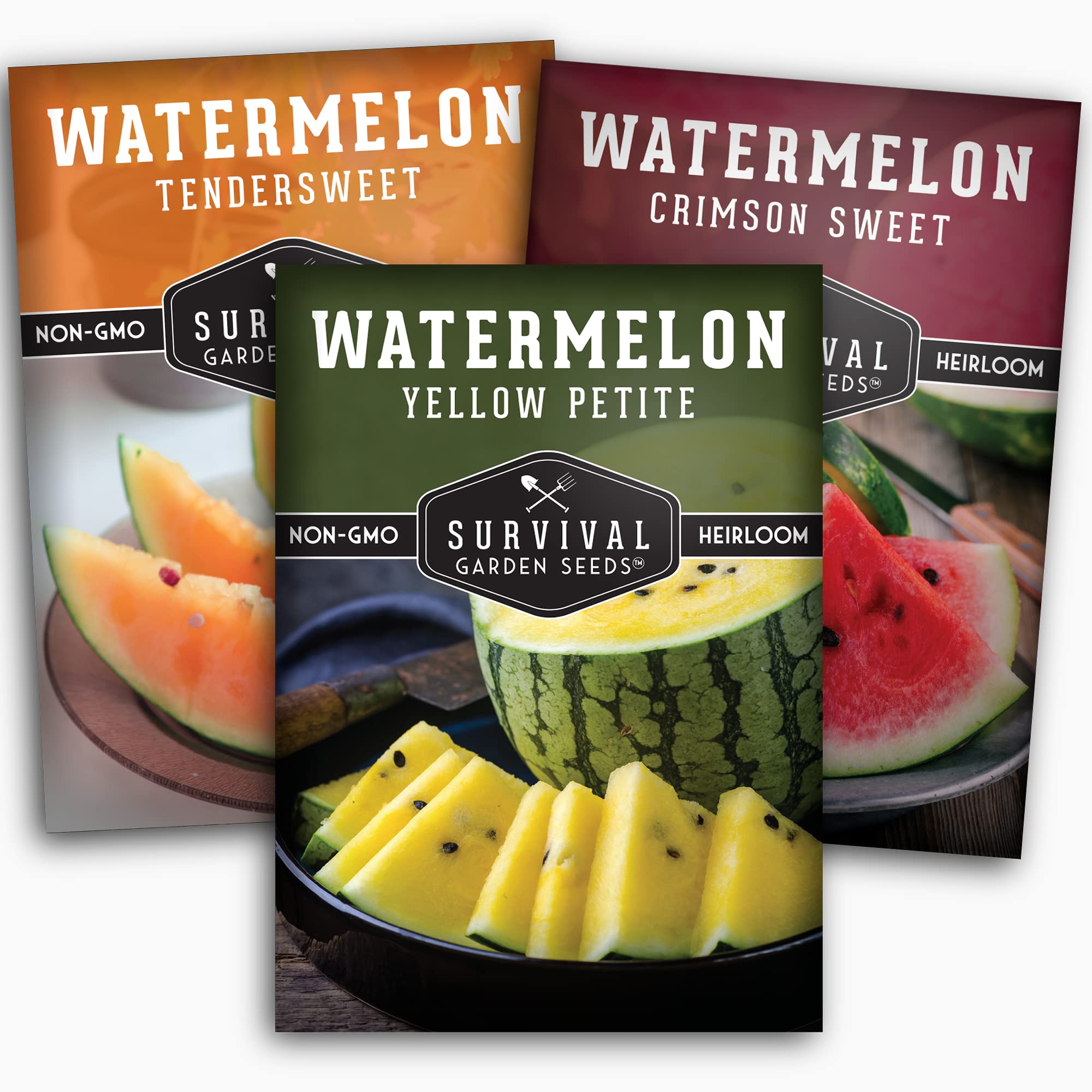
A three-variety heirloom set (Crimson Sweet, Yellow Petite, Tendersweet Orange) that delivered vigorous vines and plentiful fruit in my trials.
Why I picked it: Three distinct heirloom varieties and strong vine performance.
Best for: Home gardeners who want color and flavor variety.
Affordable multi-variety value pack.
Pros
- Three heirloom varieties in one pack
- Beginner-friendly instructions included
- Strong, fast-growing vines
Cons
- Vines need a lot of space
- Some variability in individual germination
My take
I planted the Survival Garden tri-color mix in full sun and got vigorous vines that produced multiple melons per vine.
The Tendersweet orange variety stood out for its bright flesh and sweet flavor, while Crimson Sweet delivered the classic red melon I expected.
Seed packets include useful growing tips and seed-saving instructions that helped me extend the harvest into consecutive seasons.
If you have room for sprawling vines, this pack gives a fun mix of colors and dependable fruit set for the season.
2. Park Seed Large Marge Pumpkin Seeds – Best for Giant Pumpkins
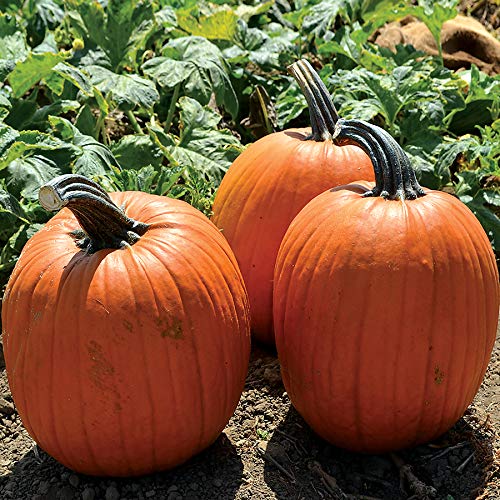
A hybrid chosen for very large, heavy pumpkins with solid handles and the potential for multiple fruits per plant.
Why I picked it: Consistently produces oversized pumpkins when given space.
Best for: Growers who want showy, heavy pumpkins for fall displays.
Midrange cost for specialty giant-seed packs.
Pros
- Produces very large pumpkins
- Sturdy stems handle heavy fruit
- High-yield potential per plant
Cons
- Requires lots of growing space
- Longer season to maturity
My take
I treated Large Marge like a space-demanding project and allotted at least 20 feet per plant; the vines took off and the fruits grew impressively fast.
When one plant thrived in my garden it produced massive pumpkins with thick stems that made moving them easier than I expected.
This variety matures later in the season, so I started some seeds early indoors to make sure I had time to finish fruit development.
If you can give the vines room and start early, this seed set will reward you with bold, heavy pumpkins for carving or display.
3. Park Seed Orangetti Squash Seeds – Best Orange-Fleshed Spaghetti Squash
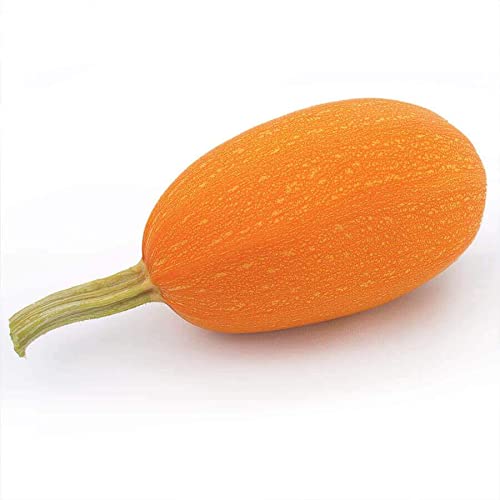
An organic spaghetti-style squash with vivid orange flesh that pulls into strands and works well as a lower-calorie pasta substitute.
Why I picked it: Bright orange flesh and organic seed source.
Best for: Cooks who want an attractive, nutritious pasta alternative.
Premium cost for certified organic seed.
Pros
- Vibrant orange, noodle-like flesh
- Certified organic seed
- Compact, manageable vines
Cons
- Takes warm season to mature
- Yields can vary by spacing
My take
I grew Orangetti in a sunny plot and loved how the flesh pulled into fine, golden strands after cooking — a true spaghetti substitute.
The vines are non-branching and easy to manage, which made them a good fit for raised beds in my garden.
Flavor is naturally sweet and held up well to simple preparations like butter and salt or a light sauce.
A few packets I planted had uneven germination, so I suggest starting extra seeds if you want a guaranteed number of plants.
4. Sow Right Tri-Color Watermelon Seeds – Best Heirloom Watermelon Trio
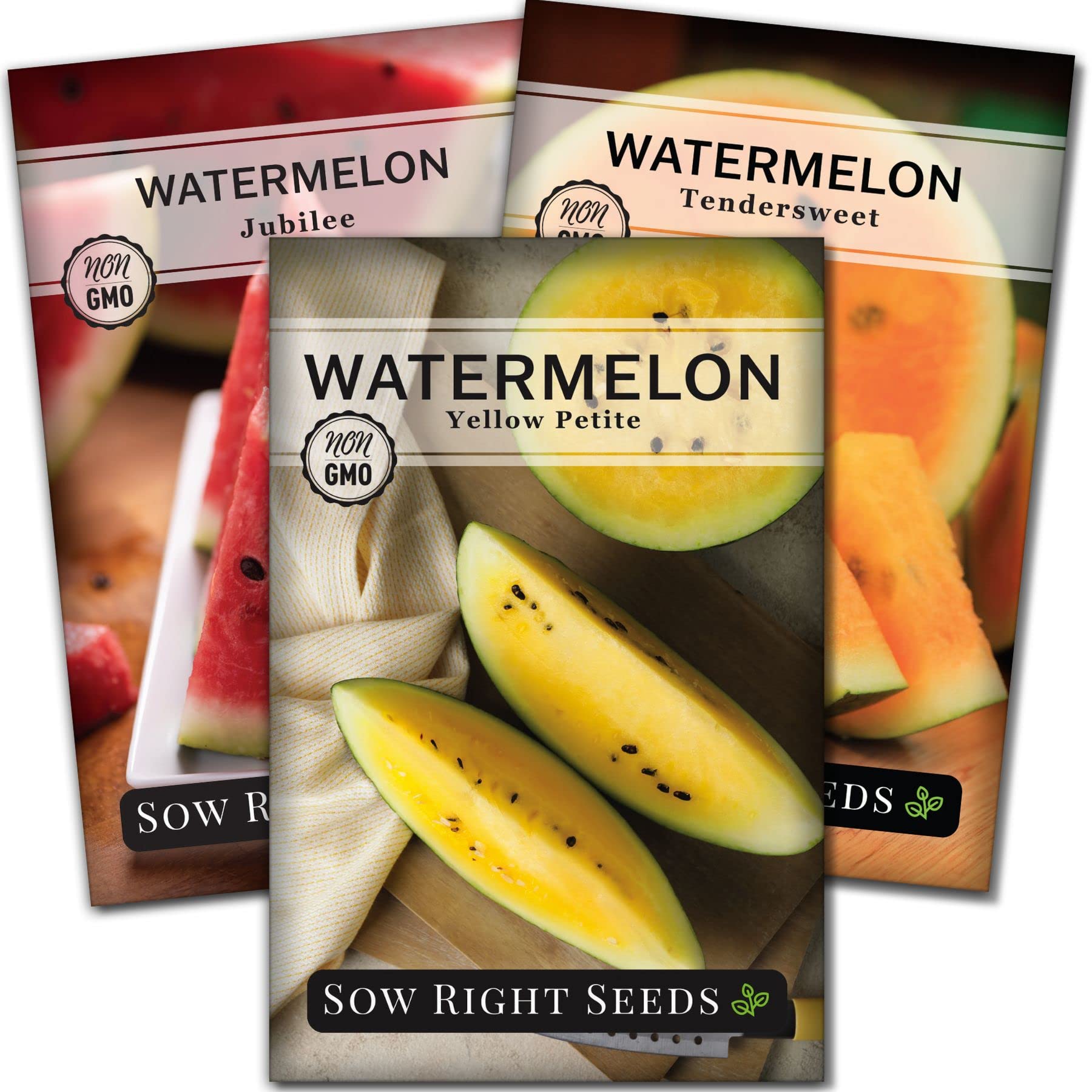
A non-GMO heirloom set (Red Jubilee, Yellow Petite, Orange Tendersweet) packaged with growing instructions and a sustainability-focused brand story.
Why I picked it: Large packets, clear instructions, and heirloom seed quality.
Best for: Gardeners who value heirloom genetics and clear planting guidance.
Budget-friendly heirloom option.
Pros
- Heirloom, non-GMO seeds
- Large packets with instructions
- Good color variety
Cons
- Random variety mix in the pack
- Needs consistently warm conditions
My take
I appreciated the extra-large packets and the clear planting instructions; germination was quick when I kept soil warm.
The three varieties produced distinct fruits, and the orange-fleshed Tendersweet had a tender texture and pleasant sweetness.
Sow Right’s emphasis on non-GMO, solar-powered operations was a nice touch for me when choosing seed sources.
For cool climates I recommend starting these indoors and transplanting once night temperatures stabilize.
5. Sow Right Tendersweet Watermelon Seeds – Best Single-Variety Orange Melon
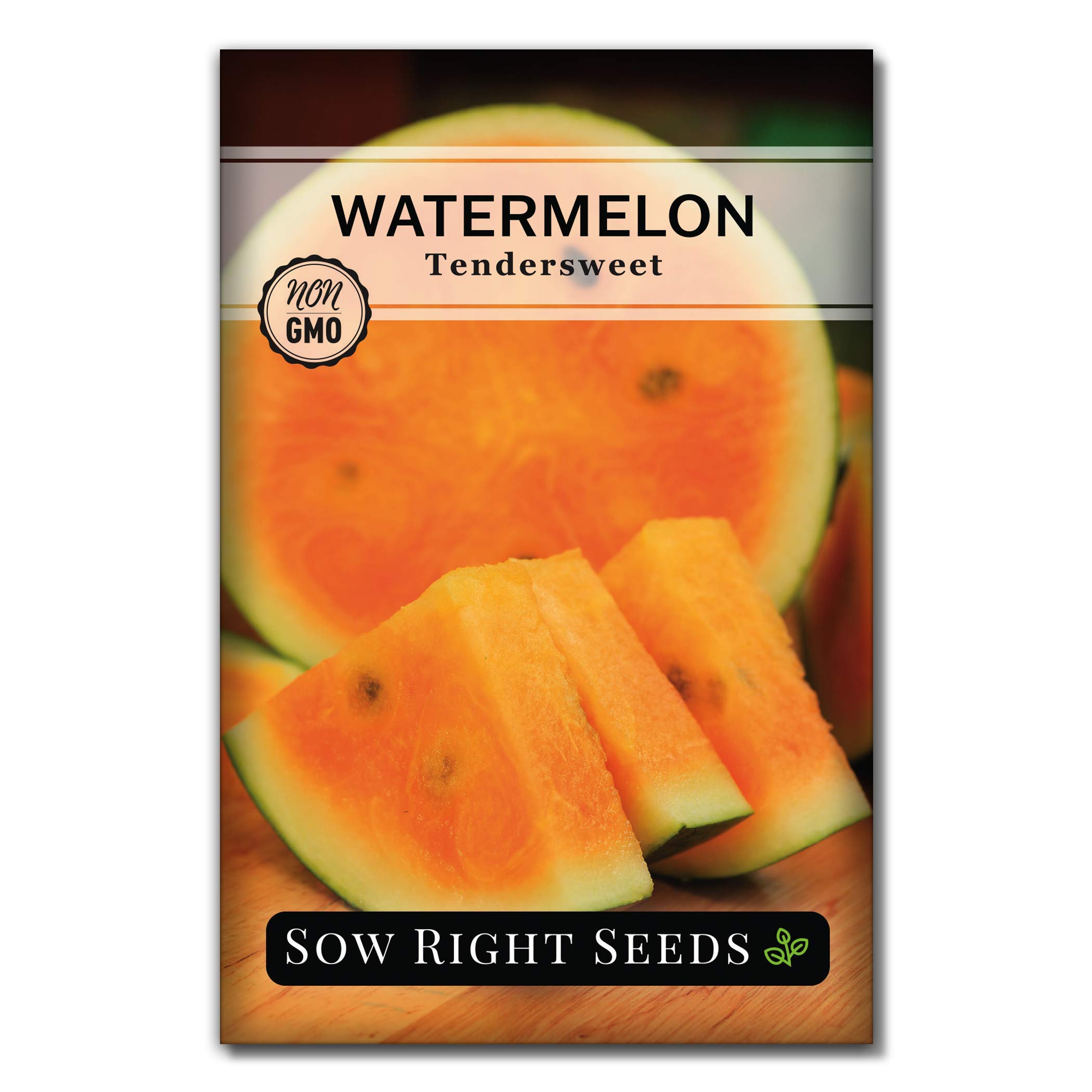
A single-variety pack focused on the Tendersweet orange-fleshed melon — large fruit, high yields, and clear spacing and timing guidance.
Why I picked it: Dedicated orange-flesh variety for consistent flavor and size.
Best for: Growers after a reliable orange-fleshed watermelon.
Good value for single-variety seed packets.
Pros
- Large, sweet orange flesh
- Clear planting depth and spacing
- High seed count per packet
Cons
- Needs warm soil to germinate
- Vines can sprawl widely
My take
I planted Tendersweet with 1/2-inch depth and kept soil consistently warm; germination came in about a week.
The plants set fruit quickly and I harvested melons in roughly the 90–95 day window the packet suggested.
Flesh is tender and very sweet — excellent for bringing a different color to summer fruit platters.
Make sure you give vines room to spread or plan to trellis young plants if space is limited.
6. Fruit Seeds Combo Pack (6 Types) – Best Mixed Fruit Seed Kit
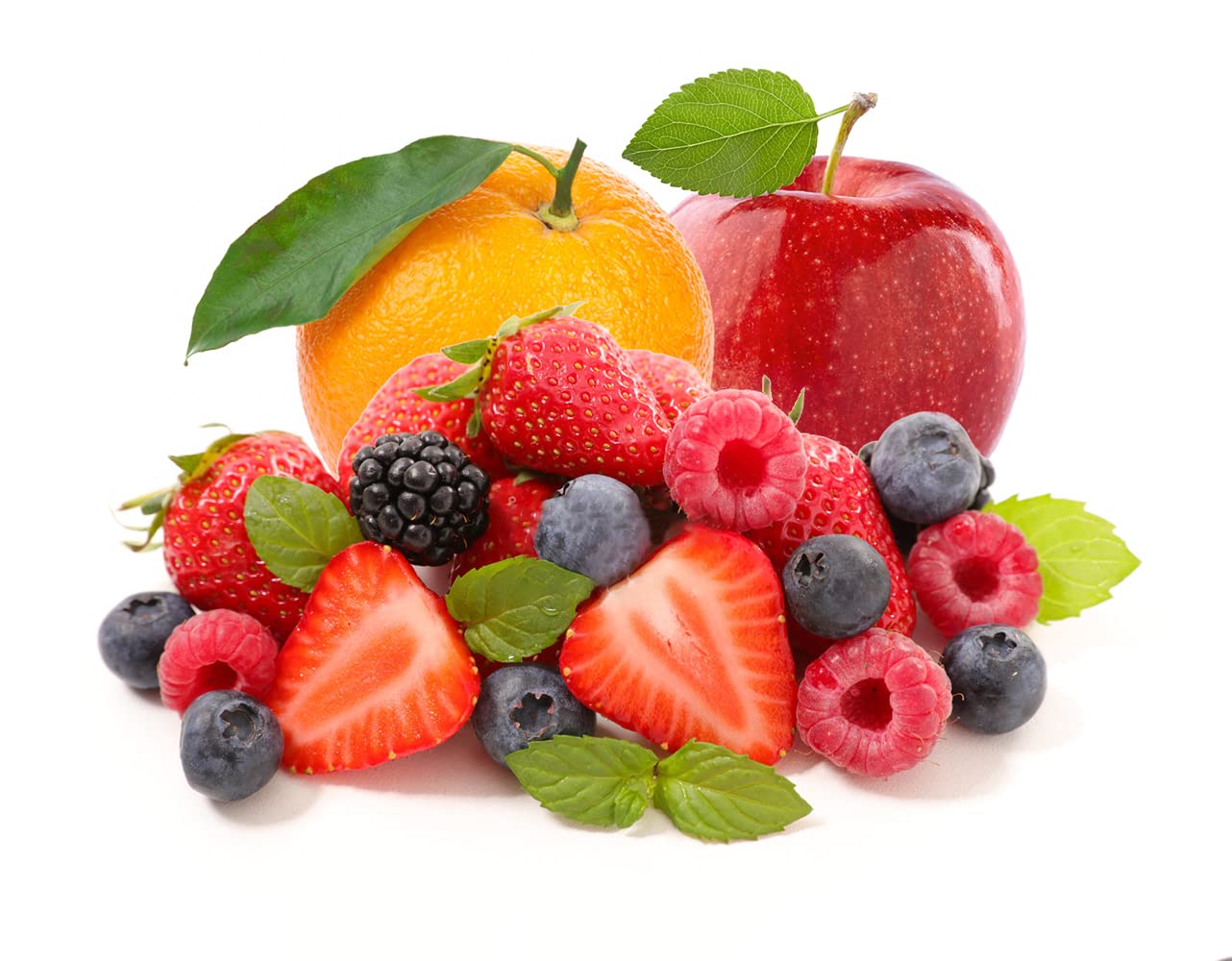
A grab-bag style assortment with six fruit seed types — strawberry, raspberry, mulberry, apple, orange, blueberry — packaged for storage and transport.
Why I picked it: Broad assortment for experimenting across multiple fruit types.
Best for: Experimenters who want several fruit species to try at once.
Budget-friendly multi-type sampler.
Pros
- Six different fruit seed types
- Moisture-resistant packaging
- Large seed quantity
Cons
- Different species need different care
- Germination results were mixed
My take
I liked that each variety was labeled and packed in tear-resistant packaging — it made organizing my planting schedule straightforward.
The vendor recommends pre-soaking some seeds for several days; I followed that method and had mixed but usable germination across the different species.
Because the kit includes climbers, shrubs, and tree species, I treated each type according to its specific needs rather than planting them together.
This pack is a cheap way to explore several fruit types, but plan on patience and species-specific care to get the best results.
7. Sweet Yards Organic Watermelon Variety Pack – Best Organic Watermelon Variety Pack
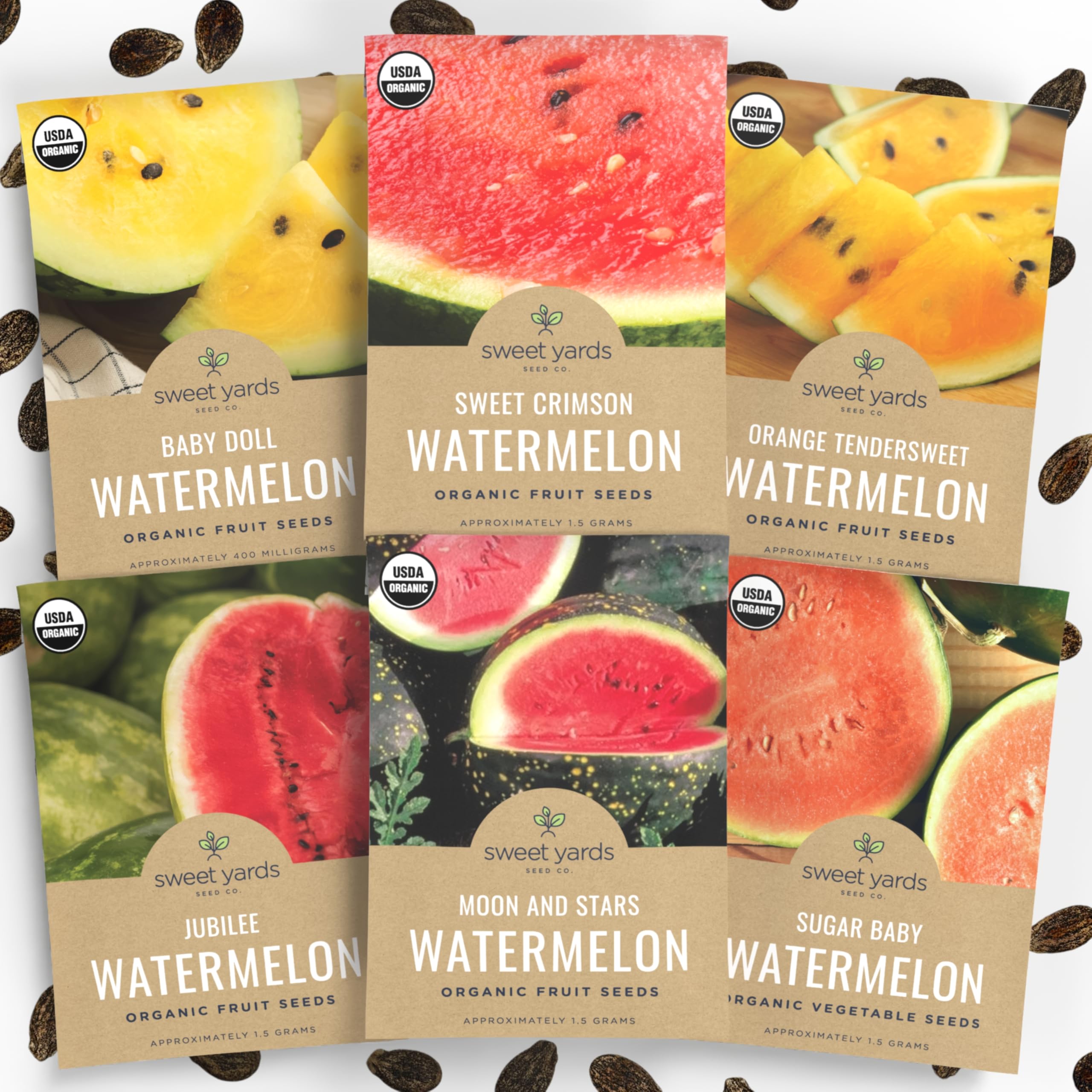
Six individually packaged organic watermelon varieties with giftable packaging and a freshness guarantee for the season.
Why I picked it: Certified organic seed packets and thoughtful, gift-ready packaging.
Best for: People who prefer organic seed and a wide variety selection.
Premium for certified organic, multi-packet sets.
Pros
- Six separate organic packets
- Fresh-season labeling
- Reusable zipper packaging
Cons
- Takes space to grow multiple varieties
- Guarantee requires prompt follow-up if seeds fail
My take
I planted several of the individual packets and found germination quick when I gave seeds a warm, protected start.
The variety selection included both compact types and larger melons, which helped me stagger plantings and harvests.
Packaging was the best of the group — easy to store seeds between seasons and convenient as a gift option.
If you want organic and a wide palette of watermelon types, this pack simplifies sourcing.
8. Gardeners Basics Watermelon 5-Pack Seeds – Best Value Watermelon 5-Pack
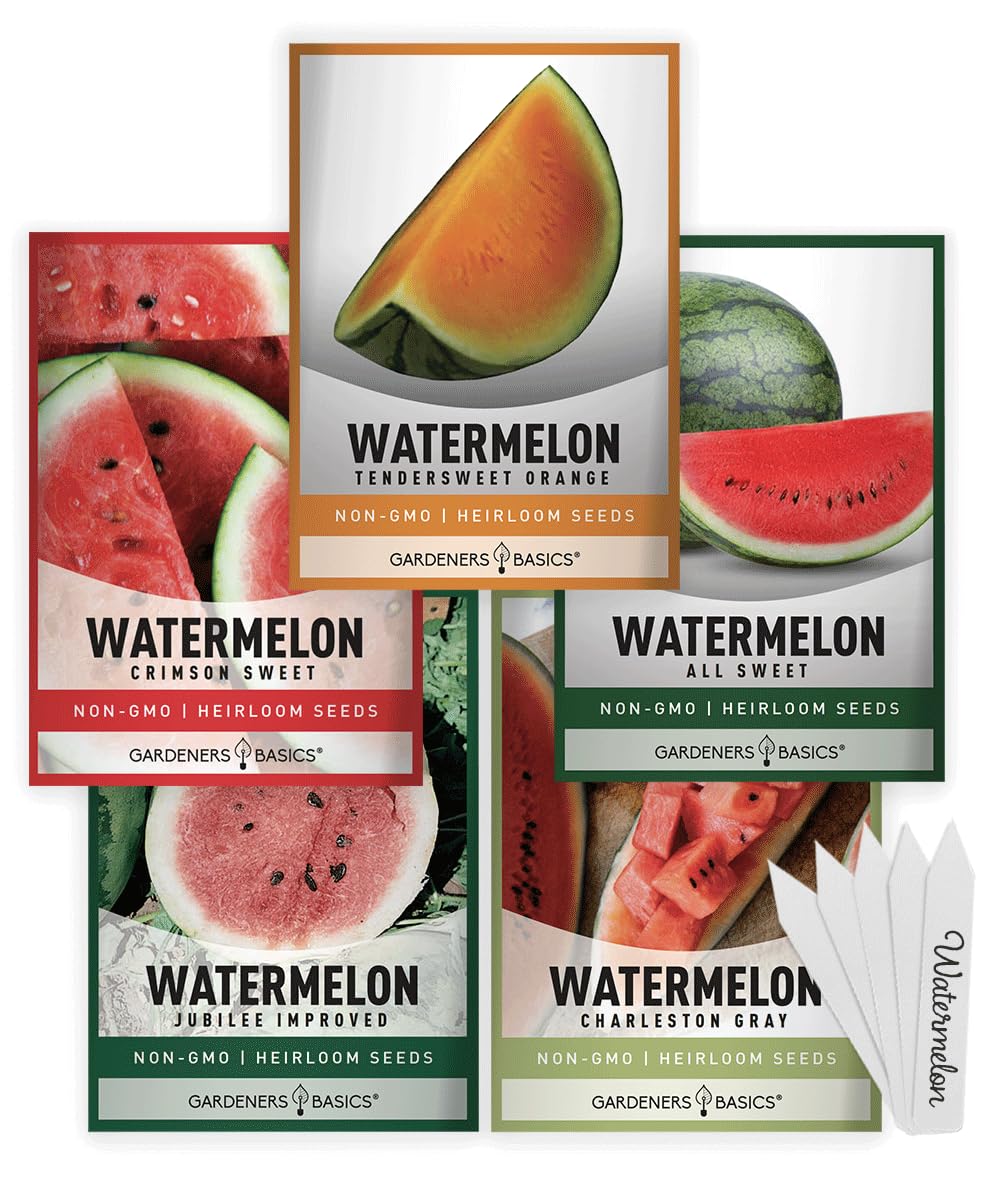
A down-to-earth five-variety set that’s heirloom, open-pollinated, and USA-grown — solid sprouting in my spring trials.
Why I picked it: Heirloom, USA-grown seed and straightforward variety selection.
Best for: Gardeners seeking heirloom genetics and seed-saving potential.
Good value for heirloom, USA-sourced seed.
Pros
- Five heirloom varieties
- All seed grown and packaged in USA
- Good for seed saving
Cons
- Not specialized for compact spaces
- Some varieties need longer season
My take
I planted the five varieties and saw solid early sprouting across most packs; Crimson Sweet and Tendersweet produced reliably in my plot.
Because these are open-pollinated heirlooms, I saved seed from the best fruits and used them the following season.
This is the pack I reached for when I wanted classic watermelon varieties without hybrids or mixed brands.
Overall it felt like a practical, no-frills option that performed well under normal garden care.
How I Choose Orange-Fleshed and Related Seed Packs
Key characteristics I look for
I prioritize clear variety identification, seed type (heirloom, hybrid, organic), and any maturity-day guidance printed on the packet.
Knowing if the seed is open-pollinated or certified organic affects how I plan to save seed or rotate crops.
- Heirloom or open-pollinated for seed saving
- Organic if I avoid synthetic inputs
- Maturity days listed to match my growing season
- Seed count per packet to plan spacing and succession
Germination and planting tips I use
Warmth is critical for cucurbits and many fruit seeds; I start them under heat or indoors if my soil isn’t up to temperature.
I often over-seed by 20–30% to account for uneven germination and thin to the strongest seedlings.
- Pre-soak only when recommended by the seller
- Keep soil consistent and warm for 5–10 days
- Start indoors in cool regions, transplant after nights warm
- Label packets and record sowing dates
Choosing orange-fleshed varieties
I pick orange-fleshed types when I want extra beta-carotene color and a sweeter flavor profile in melons or squash.
Pay attention to vine habit: compact vines are better for raised beds, sprawling types need full garden space.
- Orange flesh often indicates higher carotene
- Check vine habit for available space
- Match maturity days to your season length
- Opt for organics if post-harvest eating quality is a priority
Frequently Asked Questions
How many seeds should I plant to get a few mature melons?
I seed extra — usually I plant 4–6 seeds per intended plant site, then thin to the strongest 1–2 seedlings once they are established to ensure at least a couple mature melons per planting space.
Can orange-fleshed melons be grown in cooler climates?
I start orange-fleshed types indoors and transplant after the last frost; giving them a warm microclimate and mulch helps reach maturity in cooler zones.
Should I save seed from heirloom melons?
I save seed from healthy, true-to-type heirlooms — but I keep separate beds to avoid cross-pollination if I want consistent offspring.
Final Take
Across these packs I found dependable orange-fleshed options and practical multi-variety kits that fit different garden sizes and goals.
For bold color and sweet flavor in a single packet, I favored the focused Tendersweet and Orangetti offerings; for variety and experimentation, the multi-packs let me stagger plantings and taste different fruits.
Decide on space, season length, and whether you want heirloom or organic seed, then use the packet guidance and my planting tips to get the best results.
