
I tested a range of outdoor-friendly fabrics so you can pick the right material for cushions, covers, or reupholstery. Here’s what worked best for durability, weather resistance, and ease of use.
I spend a lot of time reupholstering seats, making covers, and repairing patio gear, so I chose fabrics I actually use on projects. This roundup focuses on materials that stand up to sun, rain, and everyday wear while still being straightforward to cut, sew, or staple.
Below I compare heavyweight canvas, waterproof PVC-backed canvas, faux leather, dust-cover cambric, marine vinyl, and faux linen upholstery fabric. Each pick reflects hands-on experience with the product’s feel, handling, and performance in outdoor situations.
I compared each fabric by weather resistance, thickness/weight, ease of sewing or stapling, width/yardage practicality, and overall value for common outdoor projects.
1. Waterproof Canvas Fabric – 59″ Wide 600D Heavy Duty PVC-Coated Canvas – Best Heavy-Duty Canvas
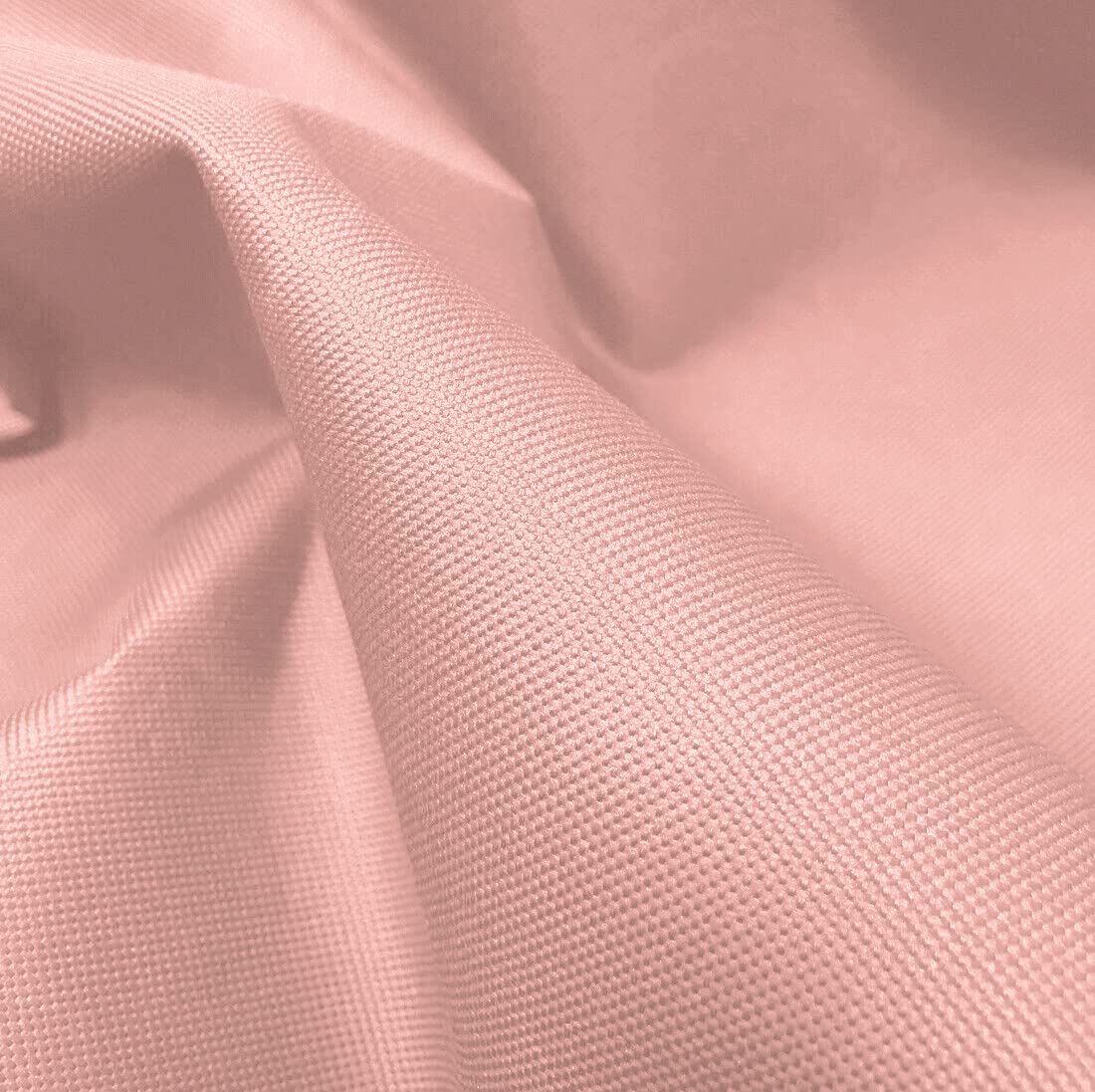
A 600D PVC-coated canvas that balances serious weather protection with sewability for DIY covers and cushions.
Why I picked it: Sturdy 600D construction plus PVC coating for reliable rain and wind resistance.
Best for: Outdoor furniture covers, cushions, awnings, and heavy-duty DIY projects.
A heavy-duty, workhorse canvas that leans toward the affordable side for its performance.
Pros
- Very durable 600 denier weight
- PVC coating keeps water out
- Easy to cut and sew
- Wide 59" width for larger pieces
Cons
- Thicker weight needs a heavy needle
- Less breathable than lighter fabrics
My take
I used this 600D canvas to reupholster kitchen chairs and make cushion covers, and it handled the job without fuss. The PVC backing sheds water immediately and the fabric didn’t fray much after cutting, which sped up my workflow.
Working with it required a stiffer needle on the machine and a bit more force when hand-stitching, but that’s expected for this class of material. The 59-inch width meant fewer seams on wider cushions and a cleaner finished look.
For outdoor covers, pergola shades, or anything that needs to stay dry in bad weather, this canvas is a reliable, tough option that I keep in my supply bin.
2. Ottertex Canvas Fabric Waterproof Outdoor 60″ Wide 600 Denier – Best Value Canvas
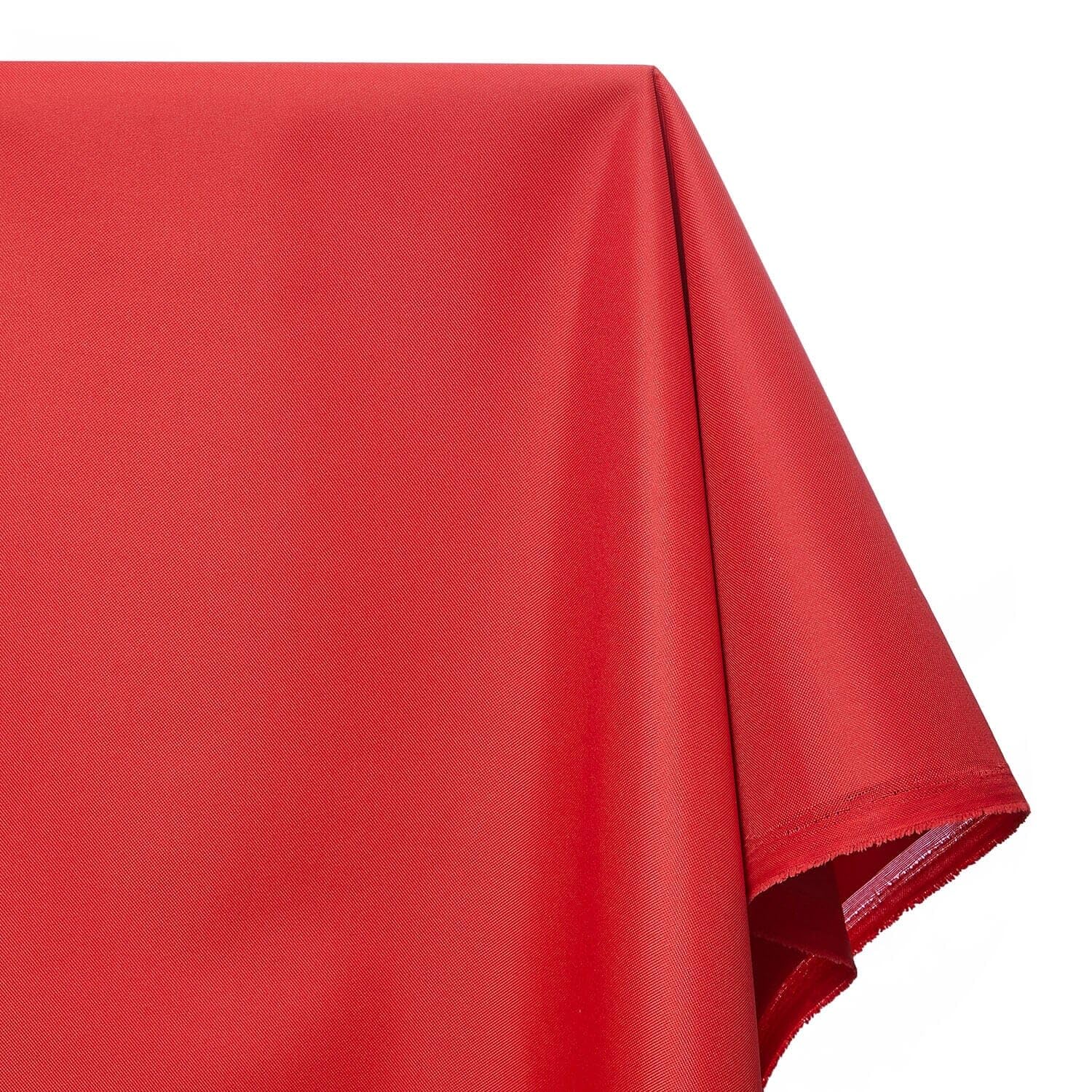
A versatile polyester canvas with PVC backing that’s stiff enough for bags and durable enough for outdoor cushions.
Why I picked it: Stiff hand makes it great for structured projects without extra interfacing.
Best for: Tote bags, chair pads, cushions, and light upholstery where shape matters.
Excellent value for a PVC-backed canvas that performs like a more expensive fabric.
Pros
- Stiff, holds shape well
- Good waterproofing from PVC backing
- Wide enough for furniture panels
- Sewable without heavy interfacing
Cons
- Color may fade under prolonged sun
- Can feel stiff for soft cushions
My take
I keep Ottertex in my toolkit when I need material that stays shaped—zippered bags, structured cushions, and utility covers all came out clean. The fabric’s stiffness meant I rarely added interfacing for bag projects.
It’s waterproof thanks to the PVC backing, though I did notice some color fading after constant sun exposure on an outdoor cushion left facing south. For shaded patios or indoor/outdoor pieces that see occasional sun, it’s a smart, durable pick.
If you need something that behaves predictably on the sewing machine and holds honest structure, Ottertex has the right balance of workability and protection.
3. Wento Thick Faux Leather Fabric Soft Skin Grain PU Leather for Furniture – Best Faux Leather
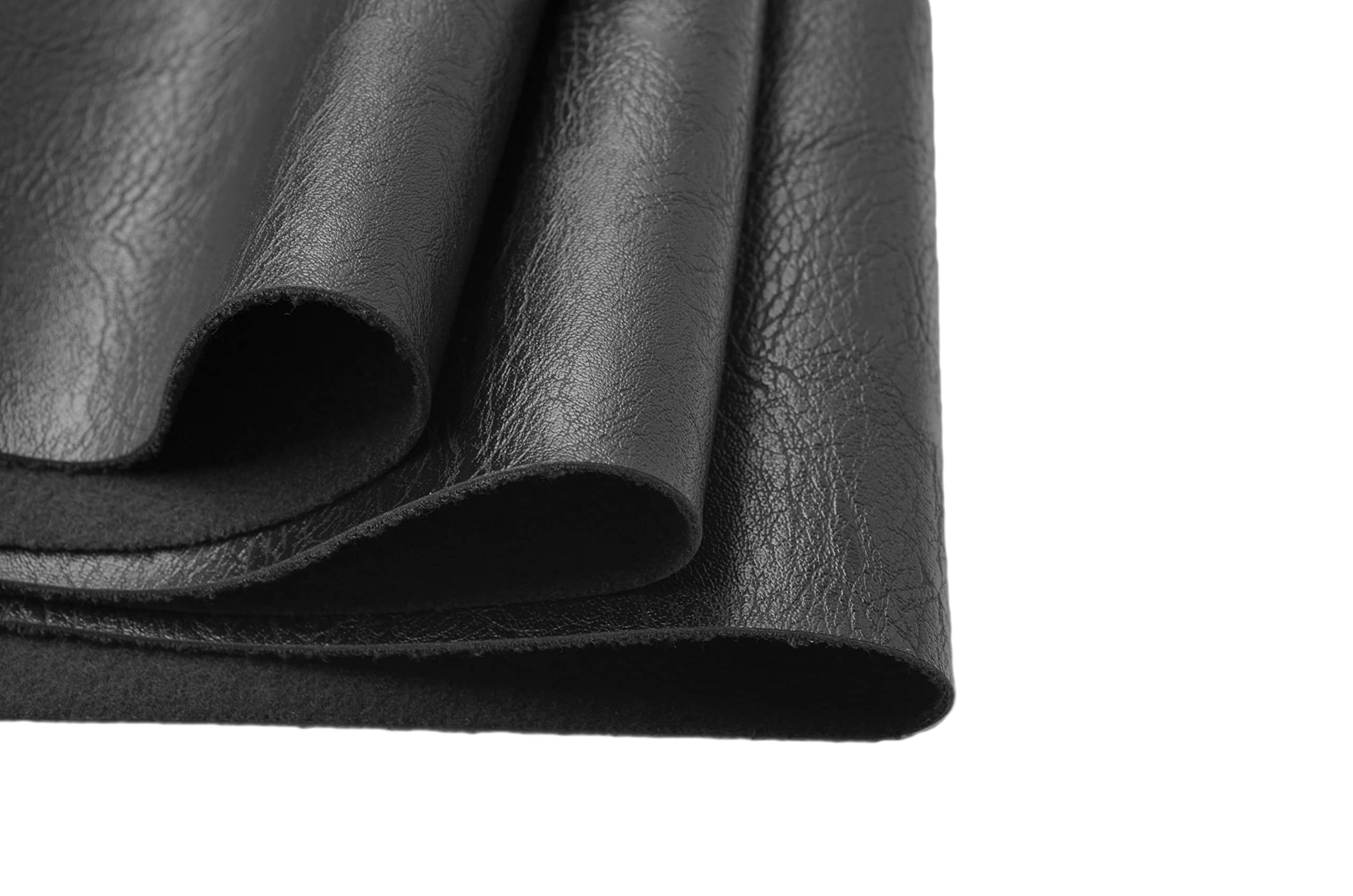
A soft, pliable PU leather with a cotton backing that gives a leather look without the maintenance.
Why I picked it: Realistic grain and a breathable cotton back make it easy to upholster seats and stools.
Best for: Bar stools, chair seats, headboards, and indoor/outdoor seats with light exposure.
A cost-effective way to get a leather look without leather care needs.
Pros
- Soft, attractive grain finish
- Doesn't fray when cut
- Breathable cotton backing
- Cleans easily with a damp cloth
Cons
- Fold creases may arrive with smaller cuts
- Not as UV durable as marine vinyl
My take
I re-covered a set of bar stools with this PU leather and was impressed by how neatly it stretched over curved edges. The cotton backing makes stapling predictable and the surface wipes clean, which is handy for kitchen seating.
If the vinyl arrives folded, I removed creases with a damp towel and gentle heat; that fixed the lines without harming the texture. Sewing or hand-finishing went smoothly and the material didn’t fray when I trimmed edges.
For indoor seating or covered outdoor spots, this faux leather gives that clean, leather-like look without complicated maintenance.
4. House2Home 36″ x 3 Yard Upholstery Cambric Dust Cover Fabric – Best Dust Cover
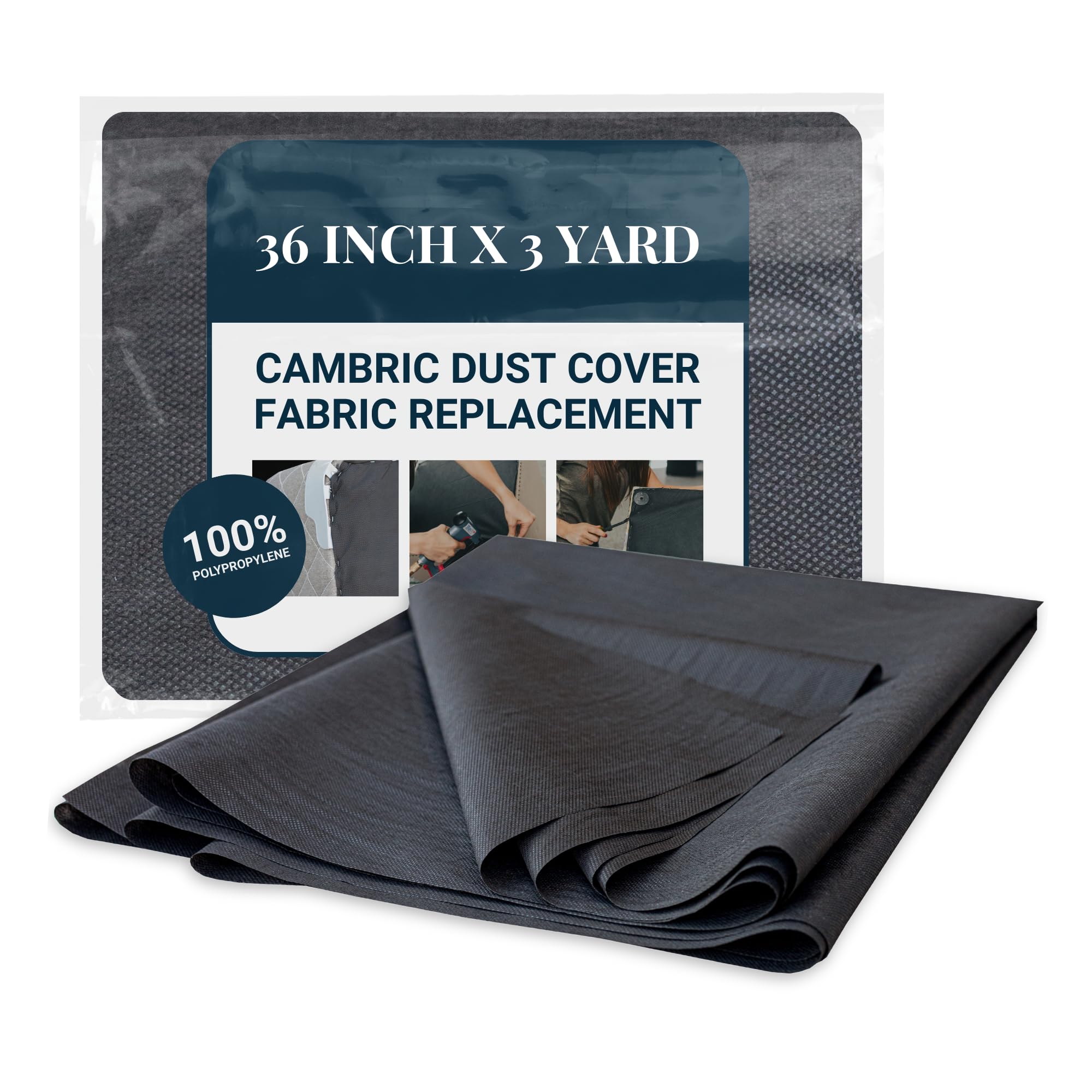
A lightweight non-woven cambric dust cloth designed to restore a professional finish under sofas and chairs.
Why I picked it: Thin, stretchable non-woven that provides a neat underside finish without bulk.
Best for: Replacing torn dust covers, backing headboards, and concealing frames.
Very affordable way to finish upholstery projects and hide open frames.
Pros
- Professional underside finish
- Thin and slightly stretchable
- Easy to staple and trim
- Covers lots of frames at once
Cons
- Not a structural fabric
- Can tear if pulled too hard
My take
When I needed to replace the torn dust cloth on a sofa, this cambric made the piece look factory-fresh again. It’s lightweight but has enough give to pull tight and staple cleanly.
Because it’s non-woven polypropylene it won’t fray at the edges, which speeds up installation. I also used a strip at the back of a headboard to protect the wall and it worked perfectly.
If you want a low-cost finish that conceals frames and stuffing, this dust cover fabric does the job without fuss.
5. Plum Marine Vinyl Fabric — Waterproof, UV-Resistant, 54″ Wide – Best Marine Vinyl
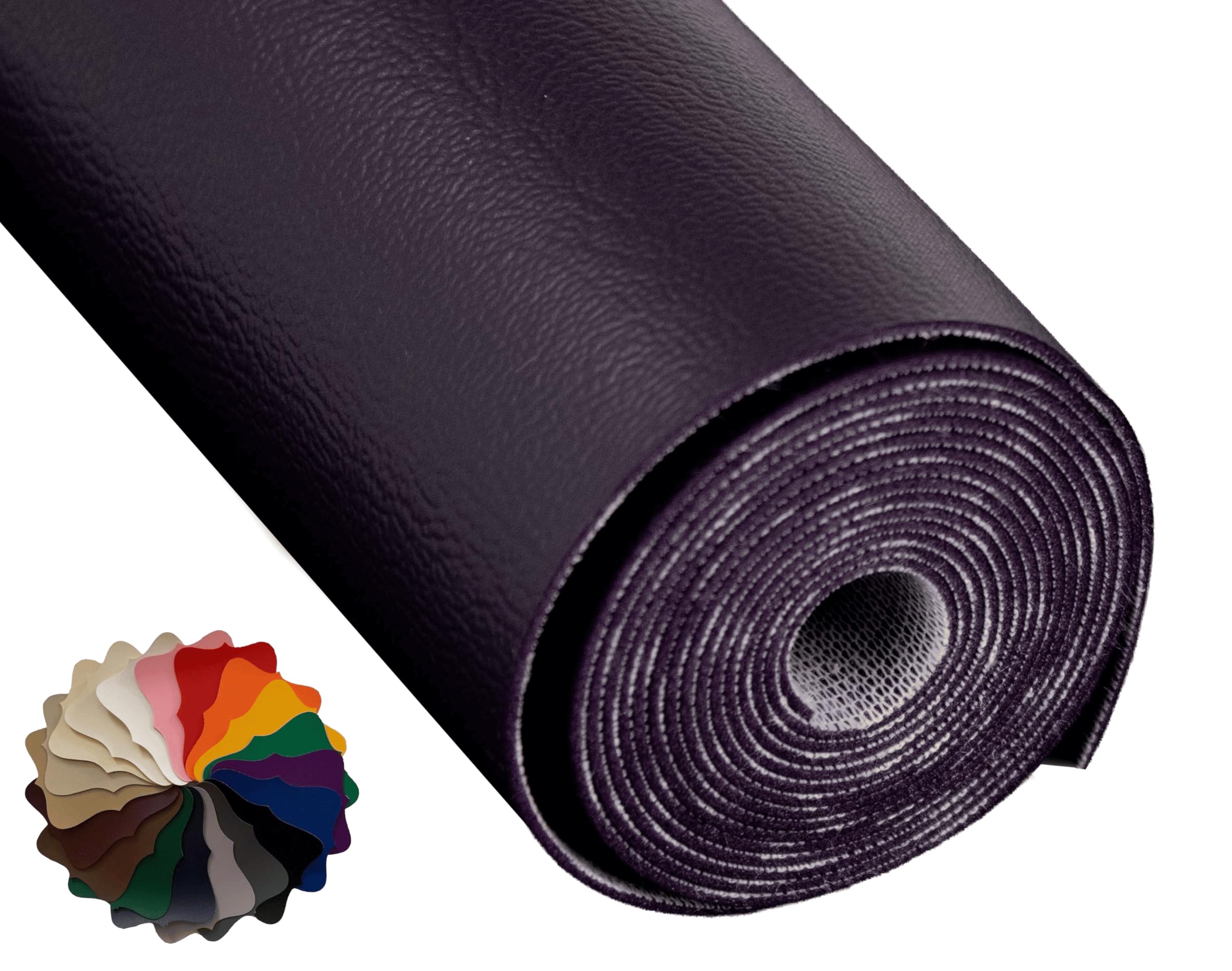
A marine-grade vinyl available in many colors and textures, built for direct exposure to sun and water.
Why I picked it: Designed for boats and outdoor seating where waterproofing and UV resistance matter.
Best for: Boat seats, golf cart cushions, outdoor furniture, and automotive upholstery.
Premium-feeling vinyl with wide color and texture choices—priced as a pro-grade option.
Pros
- Marine-grade waterproof performance
- Wide color and texture selection
- Flexible yet strong for stapling
- Clears clean with simple wipe-down
Cons
- Smaller cuts may ship folded
- Requires low heat to relax fold lines
My take
I used this marine vinyl on a set of boat cushion tops and liked how it resisted splashes while keeping color and texture consistent. The vinyl cleaned easily and looked professional once installed.
When my smaller cuts arrived folded, I relaxed the creases with sunlight and a low-heat dryer; larger cuts shipped rolled and were crease-free. The variety of textures let me match a modern or vintage look without compromise.
For anything that must resist sun and water while still being easy to work with, this marine vinyl is my top pick.
6. TinaKim Upholstery Fabric — Faux Linen Polyester, Heavy Duty – Best Upholstery Fabric
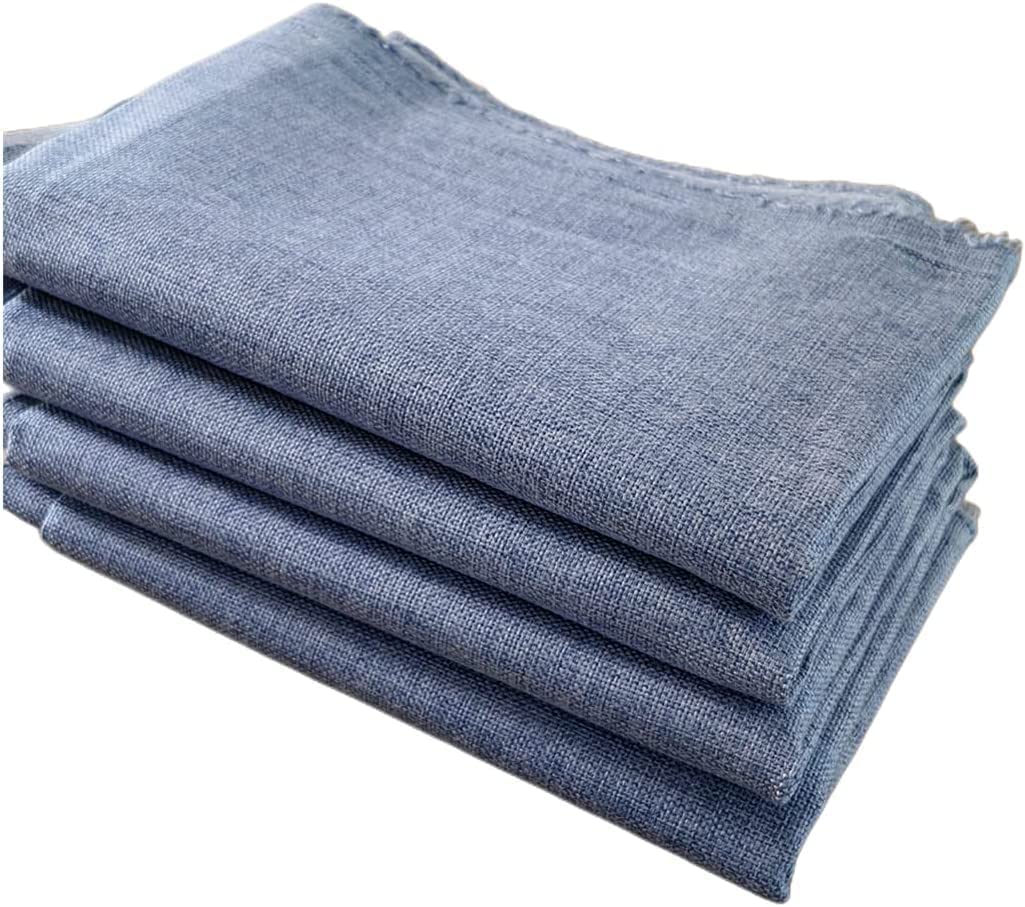
A faux linen polyester that balances durability, washability, and a natural look for indoor and covered outdoor use.
Why I picked it: Sturdy weave and color range make it a go-to for dining chairs and camper seats.
Best for: Dining chairs, travel trailer cushions, and everyday upholstery projects.
An accessible, reliable upholstery textile for larger projects and bulk yardage.
Pros
- Sturdy, non-fraying weave
- Multiple colors and yard options
- Easy to clean and washable
- Pliable enough for curves
Cons
- Not suited for prolonged direct weather
- Color can be duller in some batches
My take
I used TinaKim faux linen for dining chair covers and a travel trailer seat; it cut and sewed cleanly and resisted stains from everyday spills. The fabric is dense enough to hold up but still pliable for curved upholstery.
Color matched the photos on some orders but came a touch duller on others, so I order a small sample when color matching matters. For interior use and protected outdoor seating, it’s a dependable, washable choice.
When I needed bulk yardage, the available lengths made planning straightforward and minimized seams on wide projects.
How I Choose Outdoor Fabric
Match material to use
I always start by asking how the piece will be used: constant sun and splashes (marine vinyl), heavy rain exposure (PVC-coated canvas), or indoor/upholstery wear (faux linen or PU leather).
- Boat seats and open-air cushions: marine-grade vinyl
- All-weather covers and tarps: PVC-coated canvas
- Indoor seating and stools: faux leather or faux linen
- Undersides and finishing: cambric dust cover
Durability, breathability, and weight
Heavier deniers and PVC backings offer superior water resistance but need stronger needles and tools. Lighter upholstery fabrics are easier to sew but won’t handle direct weather as well.
- Look for denier or GSM to judge toughness
- Expect heavier fabrics to require industrial needles
- Choose breathable options where users sit for long periods
Workability and installation
I pick fabrics that match my tooling—if a material needs stapling, I confirm it staples cleanly; if it’s being sewn, I verify needle size, thread, and machine capability.
- Check if the fabric frays when cut
- Use a PVC needle and heavy-duty thread for vinyl/canvas
- Relax fold creases with gentle heat or sunlight before final installation
Color, finish, and maintenance
Colorfastness matters for outdoor-facing pieces, so I prefer UV-resistant options for direct sun. For marine or heavy-use items, choose textures that hide wear and clean easily.
- Order a swatch if precise color matching is required
- Pick textured finishes to disguise light scratches
- Remember that folded shipments may show temporary creases
Frequently Asked Questions
Is canvas fully waterproof or just water-resistant?
In my experience, PVC-coated canvas (like the 600D options here) is effectively waterproof for covers and cushions, shedding rain well. Plain canvas without a coating will be more water-resistant than nothing, but won’t stand up to prolonged exposure without treatment.
How do I remove fold lines from vinyl or faux leather?
I relax fold lines by laying the material flat in sunlight, using a low-heat dryer for a few minutes, or gently steaming over a damp towel. Test a small area first to avoid overheating the backing.
Which material is best for boat seats?
I pick marine-grade vinyl for boat seating because it’s built for UV exposure and moisture. It’s also easy to wipe clean and comes in textures that match boat interiors.
How much extra fabric should I buy for upholstery projects?
I generally add 10–20% extra to account for seams, pattern matching, and mistakes. For curved seats or patterned materials, I err toward the higher end of that range.
Final Take
I keep a mix of these fabrics in my workshop because each has a clear role: marine vinyl for direct sun and water, PVC-coated canvases for heavy covers, faux leather for a clean indoor look, and faux linen for everyday upholstery.
Decide what the piece will face—rain, sun, rubbing—and choose the material that meets that test. With the right fabric and a few simple installation tricks, you’ll get durable, professional-looking results.
