
I tested a mix of watercolor, bristol, and marker papers to find versatile surfaces that handle acrylics, washes, markers, and mixed media. Here are the papers I reach for depending on the project.
I spend a lot of time switching between acrylics, markers, and wet washes, so I chose papers that can take multiple techniques without falling apart. In this guide I focus on durability, texture, and how each surface handles paint and markers.
My picks cover everything from travel-friendly marker pads to heavyweight watercolor sheets and premium cotton paper for finished pieces. I explain when I use each one and what to watch for before you buy.
When I'm deciding between pads, I prioritize paper weight (140lb/300gsm or higher for wet acrylic work), surface texture for brushstroke retention, and whether the book is bound or in a tear-away pad. Heavyweight marker pads are great for acrylic markers and mixed dry media, while 100% cotton watercolor sheets give the best results with heavy, layered acrylic washes.
1. Fuxi Watercolor Sketchbook 10×12 (140lb coldpress) – Best All-Round Watercolor Sketchbook
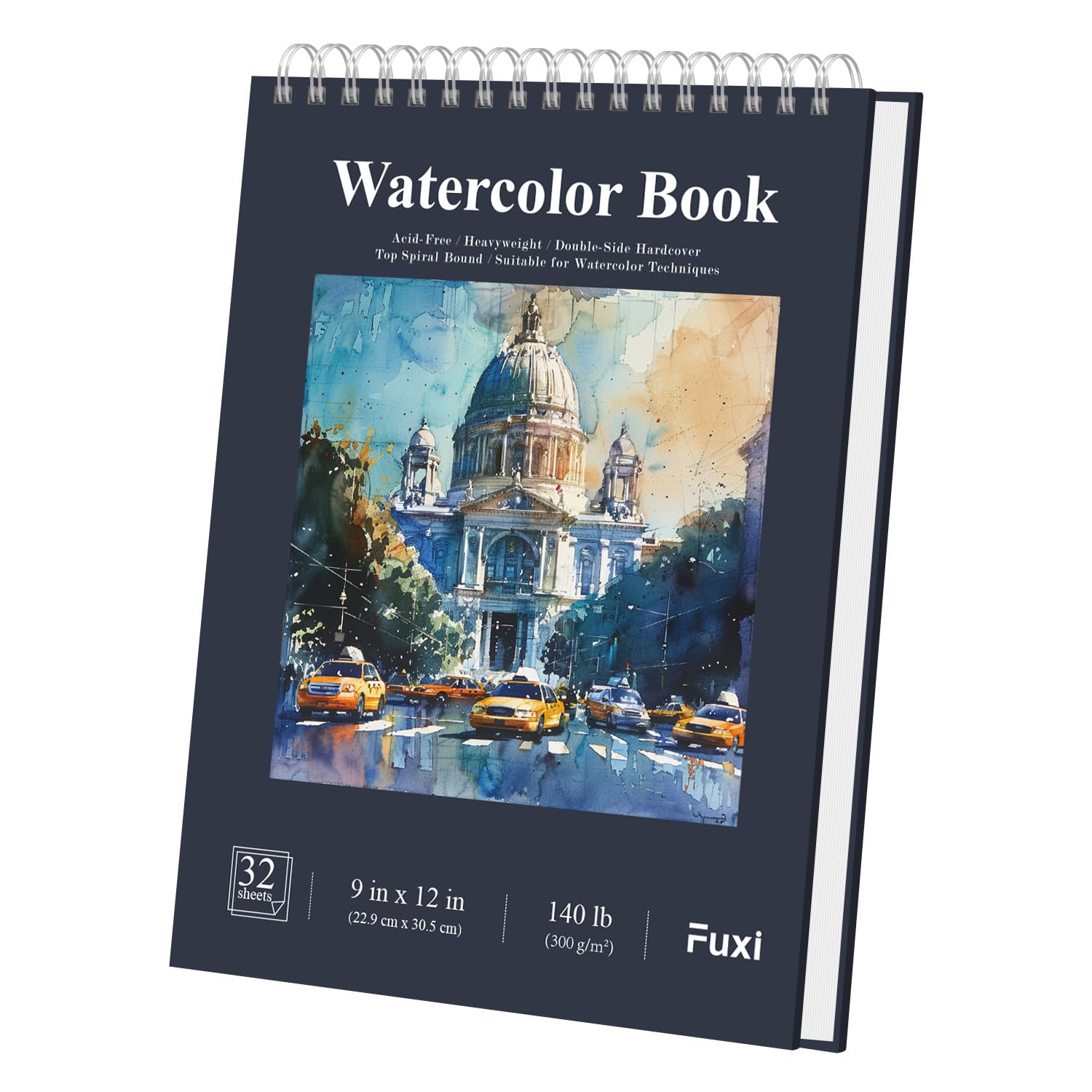
I keep this spiral hardcover sketchbook on my desk for quick acrylic experiments and wet studies. The 140lb coldpress sheets are sturdy, slightly textured, and perforated for clean tear-out.
Why I picked it: Reliable coldpress texture and a protective double hard cover make it good for wet media on the go.
Best for: Sketching, watercolor techniques, light acrylic washes, and marker work.
Solid mid-price sketchbook with protective covers.
Pros
- Dual hard covers for a solid work surface
- 140lb/300gsm coldpress texture
- Top spiral lets pages lay flat
- Perforated pages for clean removal
Cons
- Spiral can tangle if handled roughly
- Not true multimedia for very heavy solvents
My take
This sketchbook is one of the first pads I grab when I want a sturdy portable surface. The two hard covers give me a reliable board to work on without clamping it to an easel.
The coldpress texture on both sides holds paint and pigment nicely; I’ve used light acrylic washes and watercolor techniques with little buckling when I moderate water. For marker and pen work it takes layers well, too.
Be mindful with very heavy saturating markers or solvent-based inks—I've seen some bleed-through to the back of a sheet, but the perforation and included plastic divider make it easy to protect adjacent pages.
The top spiral binding makes cropping and scanning easier, though the spiral can get misshapen if the book is packed loosely. Overall, this is a versatile, portable sketchbook for studies and finished tests.
2. Strathmore 300 Series Smooth Bristol 11×14 (100lb) – Best for Pen & Ink Detail
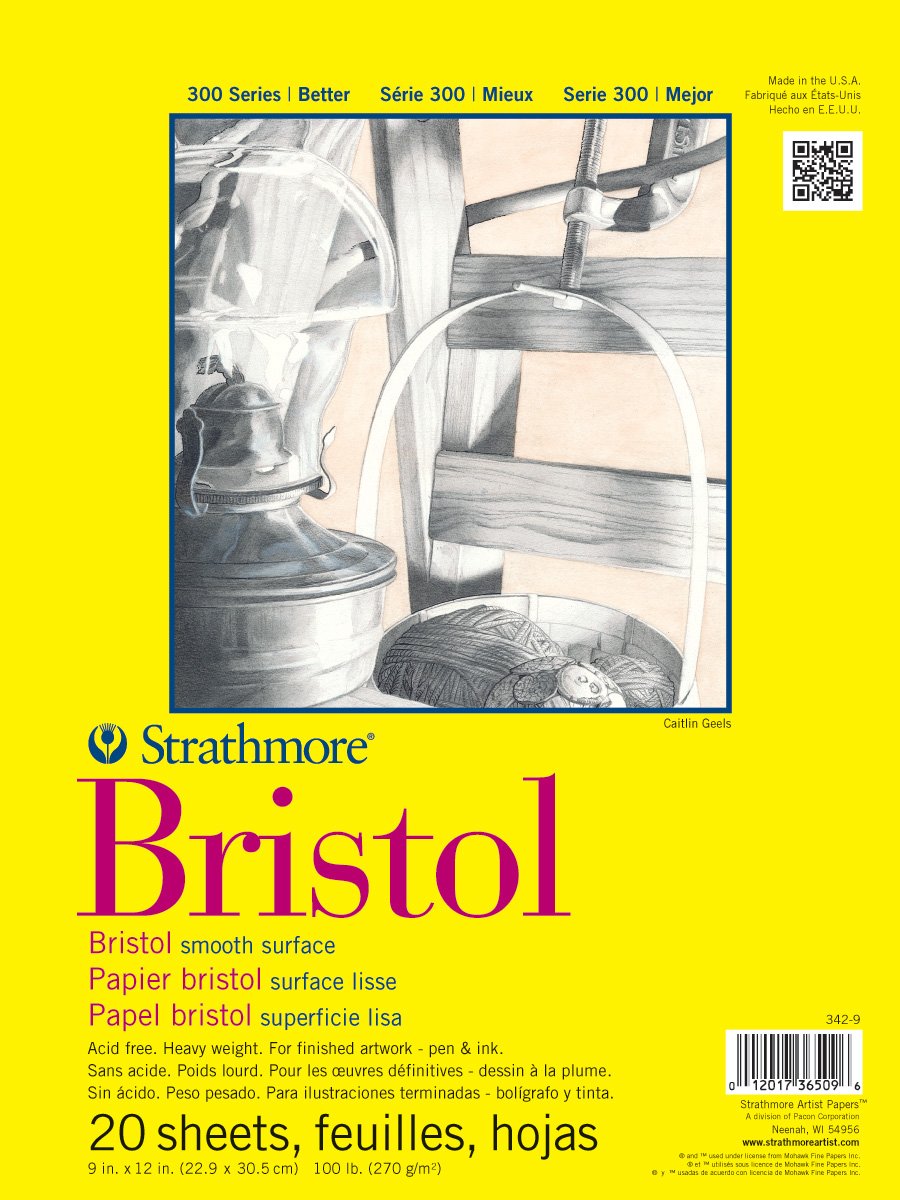
I turn to Strathmore Bristol when I want a perfectly smooth surface for fine line work and marker layering. It’s a dependable pad for ink, markers, and light brush washes.
Why I picked it: Exceptionally smooth surface for crisp lines and marker blending without feathering.
Best for: Pen, ink, markers, airbrush work, and detailed mixed-media pieces.
Good value for a professional-grade smooth bristol pad.
Pros
- Ultra-smooth surface for fine detail
- Heavy bristol weight, very durable
- Holds ink without feathering
- Tape-bound for clean edges
Cons
- Too smooth for heavy textured brushwork
- Not ideal for repeated heavy wet washes
My take
When I need razor-sharp lines and predictable marker behavior, this Bristol is my go-to. The 100lb weight resists buckling and lets me layer ink and markers cleanly.
I’ve used it for mechanical pen work and airbrush accents; ink sits on the surface rather than wicking into fibers, so colors stay vibrant and edges remain crisp.
For acrylics I use this pad only for detail work or thin washes—if you plan heavy glazing or multiple wet layers, a textured watercolor sheet will perform better.
3. Ohuhu Marker Sketchbook 8.3×8.3 (120lb) – Best Portable Marker Pad
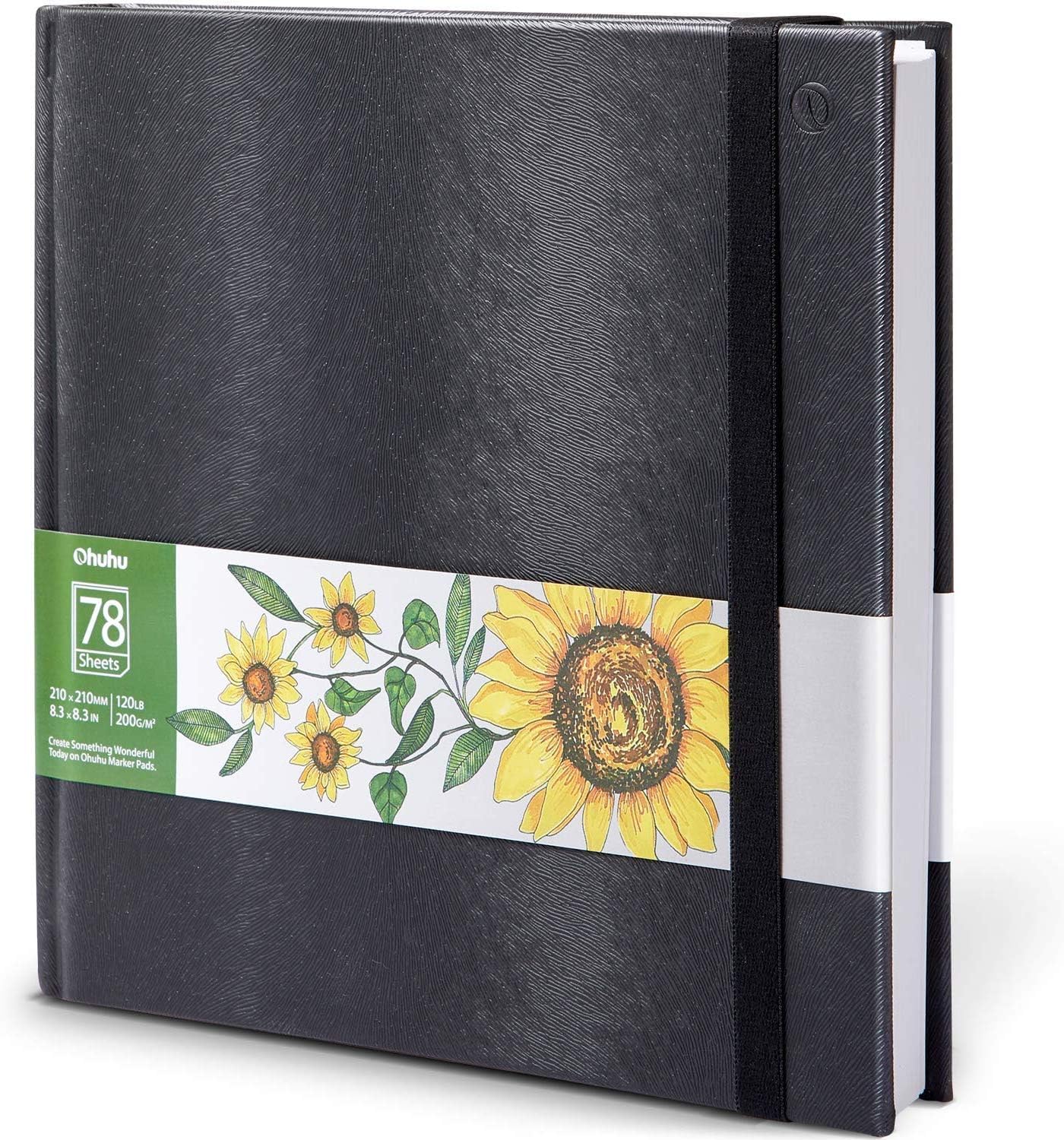
This compact square sketchbook is what I pack for marker sessions and travel studies. The 120lb pages are smooth, double-sided, and come with a plastic protector that prevents bleed-through to the next sheet.
Why I picked it: Portable square format and paper optimized for marker blending make it ideal for quick marker and mixed-media work.
Best for: Alcohol markers, colored pencils, ink, and light acrylic marker use.
Affordable, well-made option for marker artists.
Pros
- Portable square format
- 120lb/200gsm heavyweight paper
- Double-sided sheets maximize space
- Plastic protector reduces bleed-through
Cons
- Perforations can tear unevenly
- Some ink can show on the back side
My take
I like this pad for sketching with alcohol markers; colors blend smoothly and feathering is minimal. The pages open flat and the sewn binding feels robust.
The included plastic sleeve is a practical touch—when I work very wet or with permanent markers it prevents bleed from reaching the next page, though you can still see ink on the back side of a sheet.
Perforated edges are handy, but I’ve occasionally mangled a corner when tearing a sheet out. For travel, though, it’s a compact, dependable sketchbook that handles most dry and marker-based techniques.
4. Soucolor Watercolor Pad 9×12 (140lb coldpress) – Best Student Watercolor Pad
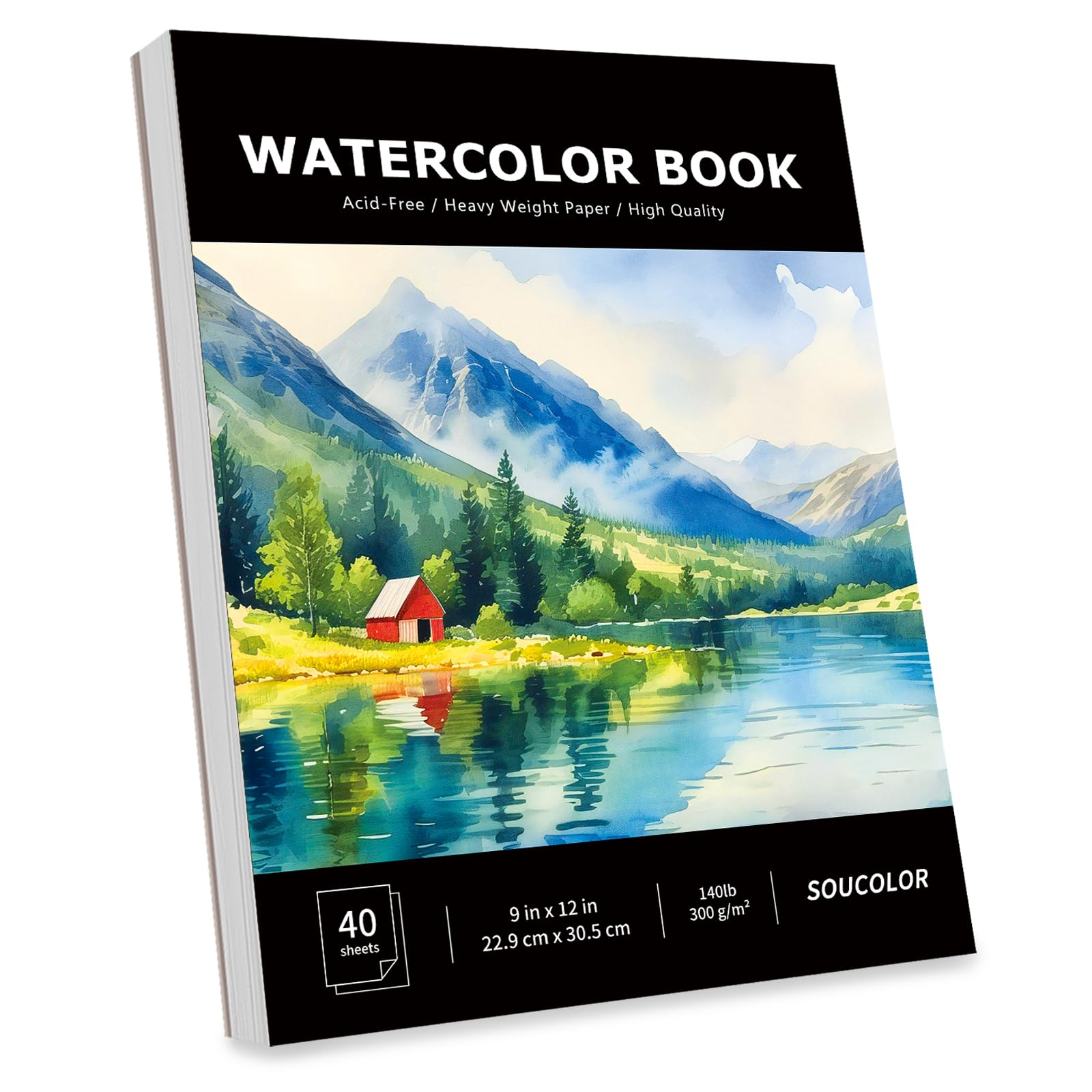
I recommend this pad when I need a larger supply of heavyweight cold-press paper that’s friendly for students and everyday practice. The glue binding makes clean page removal easy for framing.
Why I picked it: Affordable 140lb cold-press sheets with a sturdy backing and neat tear-away pages.
Best for: Watercolor and light to medium acrylic work, mixed media, and classroom use.
Budget-friendly pad that performs above basic notebook paper.
Pros
- 40 heavyweight 140lb sheets
- Cold-pressed texture for brushwork
- Tear-resistant glue binding
- Sturdy backboard protects sheets
Cons
- Not as archival as cotton rag paper
- May warp with very heavy washes
My take
This pad is my practical choice for everyday painting and for student projects. The 140lb cold-press surface handles washes well and gives enough tooth for textured brushwork.
The glue binding lets me remove pages cleanly for framing or sharing, and the thick backboard means I can work without an easel and trust the sheet to stay stable.
It’s a step up from basic craft paper—sturdy and portable—though I wouldn’t expect the same archival performance as premium cotton rag sheets for gallery-grade pieces.
5. Arches Watercolor Paper 9×12 Cold Press (100% cotton) – Best Premium Watercolor Paper
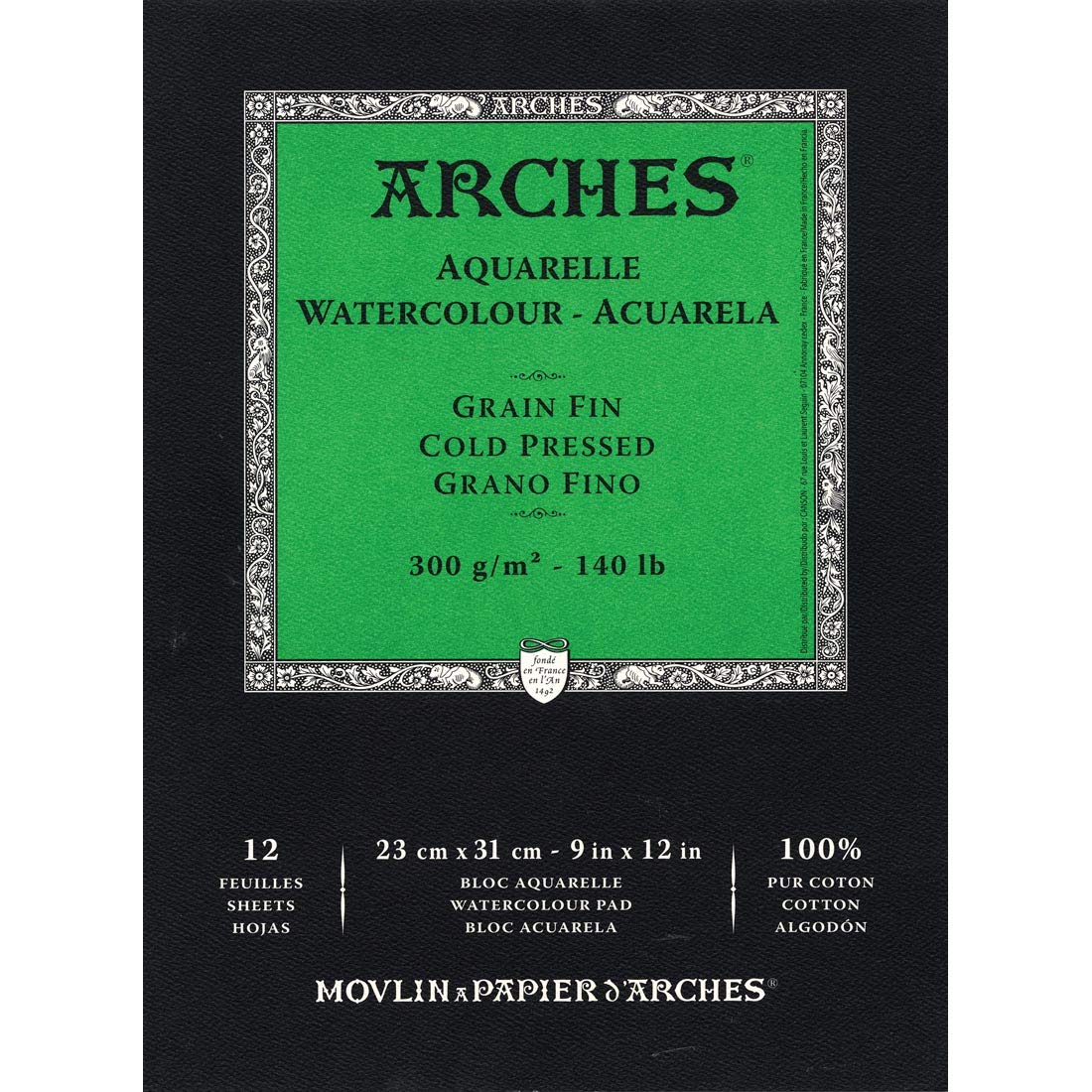
When I want the absolute best surface for layered acrylic washes or complex watercolor techniques, I reach for Arches. The 100% cotton sheet gives superior pigment handling and durability.
Why I picked it: Unmatched fiber length and absorption for multiple wet layers and lifting.
Best for: Serious watercolor and acrylic wash work where archival quality matters.
Premium, professional-grade option for finished artwork.
Pros
- 100% cotton, archival quality
- Excellent absorbency and pigment lift
- Handles multiple washes without tearing
- Lays flatter after drying
Cons
- Higher-cost premium option
- Can warp initially with heavy water
My take
Arches is the paper I use when I want my colors to sing and my washes to behave. The long cotton fibers absorb pigment beautifully and still allow for color lifting when I need to correct.
Heavier applications can cause some initial waviness, but once dry the paper relaxes and flattens. For multi-layered acrylic glazing or extended watercolor sessions this paper outperforms cellulose pads every time.
It’s a premium choice—worth it for final pieces and commissions, less practical for day-to-day sketching because I try to preserve sheets for work I plan to keep.
6. Ohuhu Marker Pad A3 16.5×11.7 (120lb) – Best Large Format Marker Pad
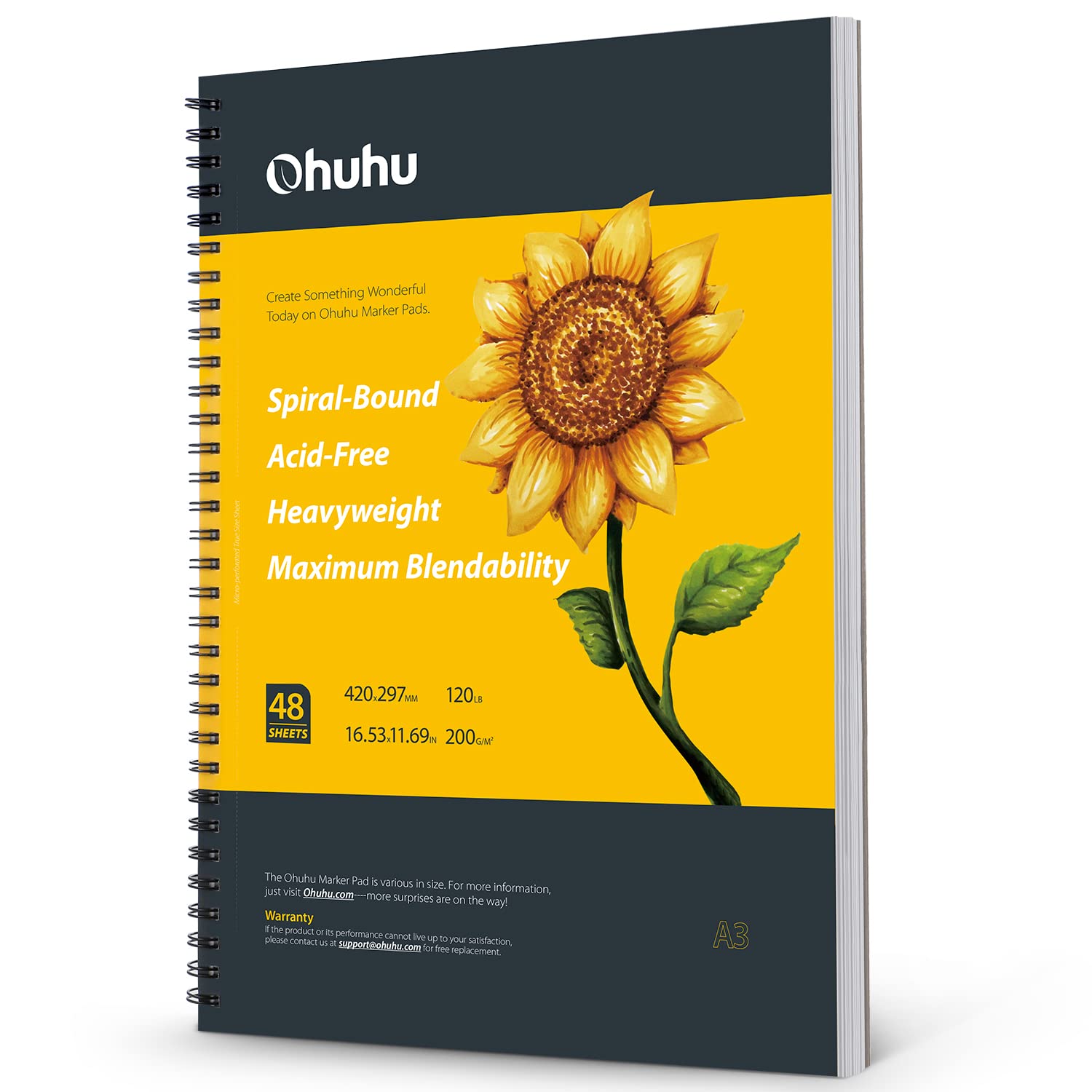
For big marker layouts and mixed-media compositions I use this A3 Ohuhu pad. The large size gives room to build layers, and the heavyweight 120lb paper resists bleed and warping.
Why I picked it: Big format and heavy paper make it ideal for marker and mixed-media projects.
Best for: Large marker illustrations, alcohol markers, and work that needs lots of surface area.
Larger-format pad, good value for scale.
Pros
- Large A3 working surface
- 120lb paper resists bleed-through
- Spiral binding opens flat
- Includes silicone/plastic protector
Cons
- Very large—might not fit small easels
- Can feel bulky to carry
My take
This A3 pad gives me the space to plan bigger compositions and layer markers without worrying about immediate show-through on the following page.
The paper is smooth but toothy enough for pencils and markers to blend well. The included page protector is a thoughtful accessory; it prevents ink transfer to the next sheet even when I push saturation during blending.
If you want a comfortable surface for larger pieces without moving to stretched canvas, this pad does the job. Just be aware of the physical size when packing for travel.
7. Strathmore Black Chalk Paper 9×12 – Best for Chalk & Opaque Pens
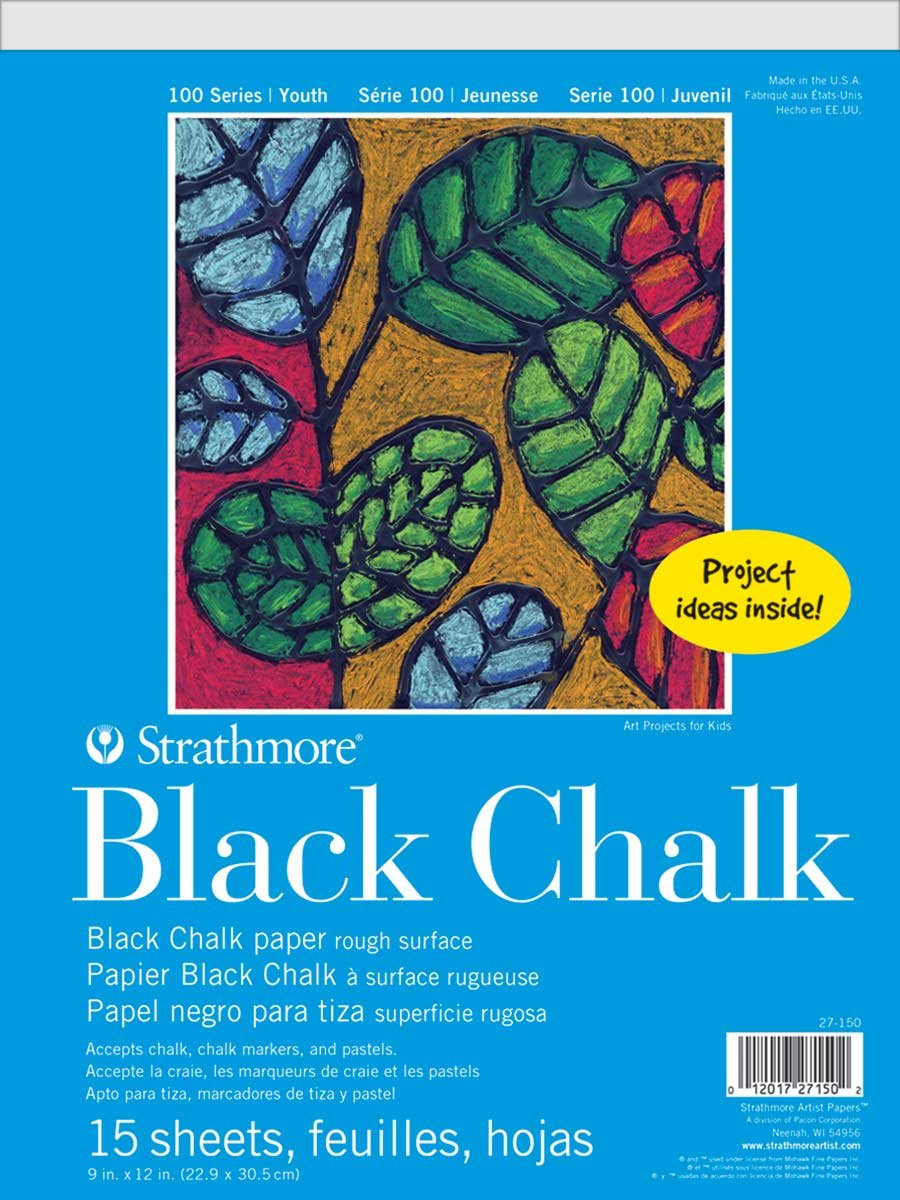
I use this black pad when I want bold highlights and opaque pen effects. The rough black surface is forgiving for chalk markers, pastels, and light charcoal.
Why I picked it: Unique black surface that makes opaque media pop and is reusable with a damp cloth.
Best for: Chalk markers, opaque pens, pastels, and kid projects.
Affordable specialty pad for creative contrast work.
Pros
- Striking black surface for opaque media
- Takes chalk, pastel, and opaque pens
- Can be wiped clean for reuse
- Tape-bound for easy removal
Cons
- Only a few sheets per pad
- Not suitable for heavy wet paint
My take
This black pad is a fun change of pace when I want high-contrast drawings or to demo opaque markers. The surface holds pastel and chalk well and lets highlights pop.
Because most dry media can be wiped away with a damp cloth, I’ll reuse pages for practice or demos with kids. It’s perfect for classroom or craft use but not a choice for acrylic washes.
How I Choose Paper for Acrylic Paint
Weight and Support
I always start by checking paper weight. For acrylic paint I prefer at least 140lb/300gsm for light washes and mixed work; heavier wet work benefits from 300gsm and up or 100% cotton.
- 140lb/300gsm — good for light acrylic washes and mixed media
- 200–300gsm — safer for layering and heavier wet techniques
- 100% cotton — best for archival, heavy washes, and liftability
Surface Texture
Texture dictates brush marks and pigment behavior. Cold-press gives tooth for textured brushwork; hot-press is smoother and better for detailed line work and markers.
- Cold-press — holds pigment and brushstrokes well
- Hot-press — smoother, better for detailed pen/ink
- Bristol/smooth — ideal for markers and fine detail, not heavy washes
Binding and Format
I choose the binding based on workflow. Spiral or sewn bindings let sheets lay flat; pads with backboards let me work without an easel. Blocks glued on all sides prevent warping during washes.
- Spiral — portable and flat working surface
- Glue-bound pads — clean tear-outs for framing
- Blocks — best for minimizing warping during wet work
Specialty Papers and Protectors
For marker and alcohol-ink work I look for paper with a plastic protector or included interleaving—this prevents bleed from ruining adjacent pages. For opaque media, try black pads or chalk paper.
- Use interleaving or plastic protectors for markers
- Choose black chalk pad for opaque highlights
- Keep archival needs in mind for finished pieces
Testing Before Commitment
I always test a new paper with the exact media and brushes I plan to use. That quick test tells me whether the sheet will buckle, how pigments lift, and whether inks will bleed through.
- Test a corner with your heaviest wash
- Try lifting color after drying to check absorbency
- Check back-side for any show-through
Frequently Asked Questions
Can I use acrylic paint on watercolor paper?
Yes—I use acrylics on 140lb cold-press quite often for washes and mixed-media pieces. For heavy impasto or many wet layers I prefer a heavier paper or 100% cotton to avoid tearing and excessive warping.
Will markers bleed through marker pads?
Marker behavior depends on paper weight and a protector. On 120lb marker pads I still see ink show on the back of a sheet, but a plastic interleaver prevents it reaching the next page. For zero bleed to following sheets, use a heavier pad or separate protectors.
Is Arches worth it for acrylic work?
I reserve Arches for final pieces and heavy glazing; the cotton fibers take washes superbly and let me lift pigment when needed. It’s a premium choice when archival quality matters.
Which pads are best for kids or classroom use?
Pads like the Soucolor watercolor pad or the Strathmore youth options strike a balance between affordability and performance. They take wet media without falling apart and are easy to cut or share.
Final Take
I choose paper based on the project: premium cotton for finished acrylics, 140lb cold-press for everyday wet work, and heavyweight marker pads for alcohol markers and mixed-media layouts.
If you want one versatile pick, a 140lb cold-press sketchbook with sturdy backing covers most needs. For serious glazing or archival work, upgrade to a cotton rag sheet.
Try a sheet from each category first to learn how your tools interact with texture and weight—those quick tests save time and frustration when you start a big piece.
