
I tested a range of pads and sheets to find paper that holds oil pastel layers, resists smudging, and feels good under the stick. These are the papers I reached for repeatedly.
I spend a lot of time working with oil pastels and mixed media, so choosing the right paper matters to me more than most supplies.
For this roundup I focused on weight, tooth, durability, and how each sheet handles layering and blending with oil pastels.
You'll find pads that are great for practice, large-format finished pieces, colored ground studies, and heavy-bodied media where the paper needs to act like canvas.
I compared surface texture, gsm/weight, binding style, and how each paper handled multiple layers of oil pastel and common mixed-media additions like pencil, charcoal, and light washes.
1. Fuxi 9×12 Spiral Sketchbook (68lb/100gsm) – Best Overall
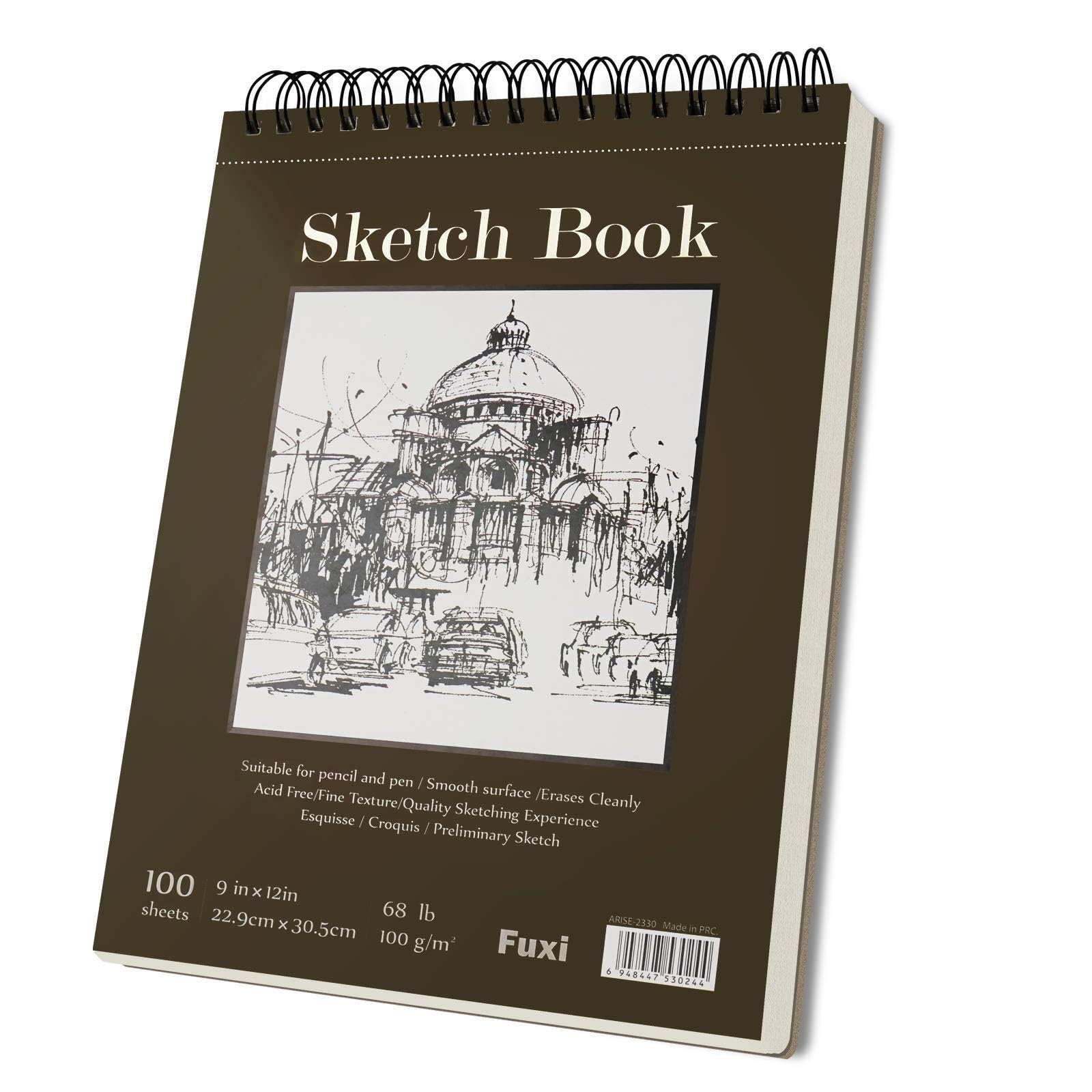
A tough, top-spiral sketchbook with 100 sheets of 68lb/100gsm acid-free paper that stands up to erasing and dry media layering.
Why I picked it: Durable 100-sheet pad with a tooth that takes pastel layering without tearing.
Best for: Daily practice, sketching with oil pastels, and mixed dry media studies.
Affordable everyday pad with a lot of usable pages.
Pros
- Durable paper that tolerates erasing
- Generous 100-sheet count
- Top spiral lies flat for layering
- Acid-free, non-fading paper
- Portable and true-to-size sheets
Cons
- Not designed for heavy wet media
- Top spiral can tangle if handled roughly
- Surface is smoother than heavy pastel paper
My take
I keep this sketchbook on my desk for oil pastel practice because the paper has surprising toughness for 68lb stock. It takes multiple layers and blending without shredding, and I can erase a lot without damaging the surface.
The top spiral binding is a simple convenience — I can flip pages and work across the sheet without my wrist catching on coils, and the perforations make clean removal easy when I want to frame a piece.
It’s not a substitute for heavyweight pastel paper if I’m doing very thick impasto with pastels or adding heavy wet layers, but for studies, classwork, and finished pencil-plus-pastel pieces it’s a great all-around choice.
2. Strathmore 400 Series Drawing Pad (Medium Surface) – Best for Finished Work
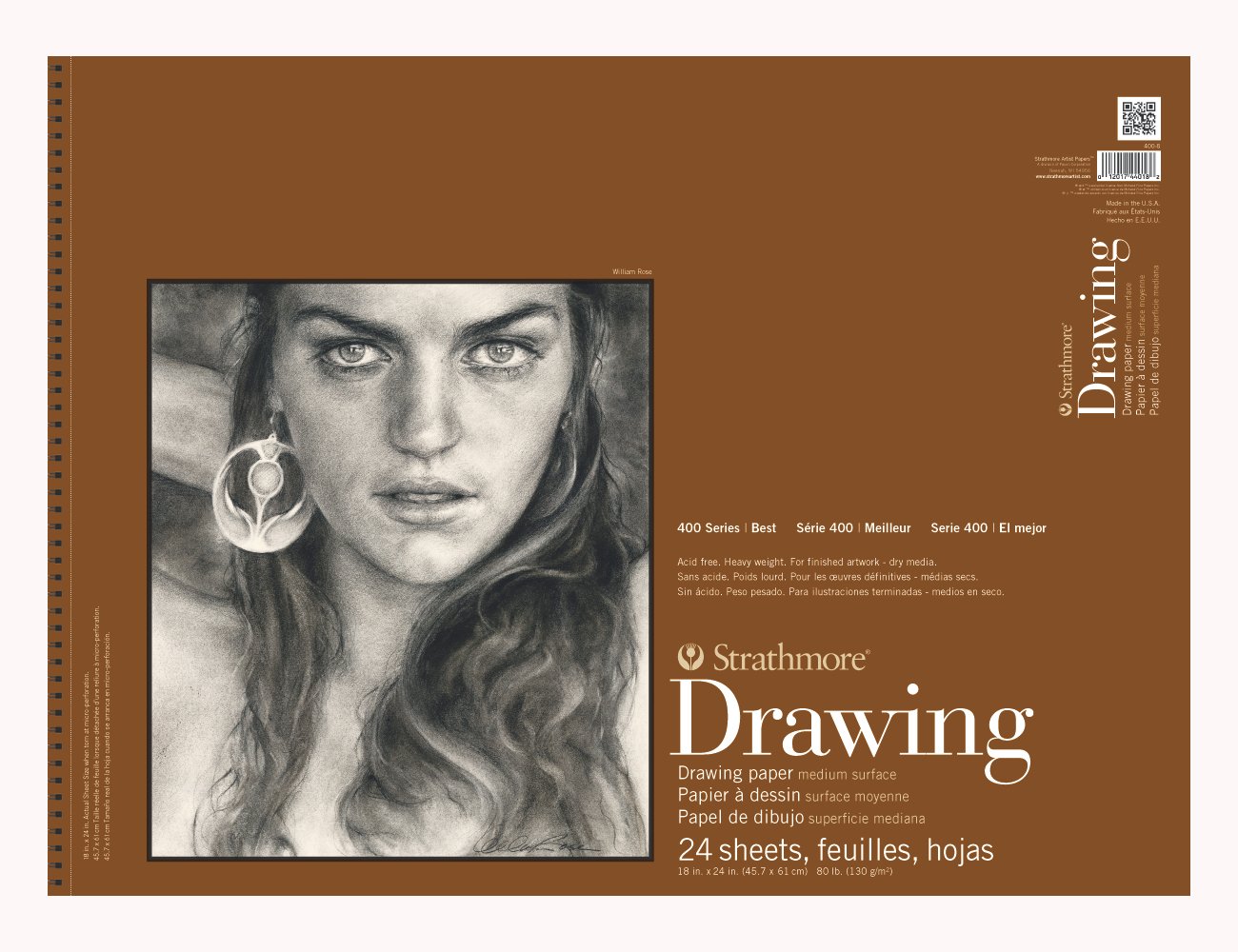
A heavyweight, cream-toned drawing pad with a medium tooth that I use when I need crisp ink lines and refined pastel shading.
Why I picked it: Medium tooth and heavyweight construction give finished pieces a professional look.
Best for: Illustrations, final drawings, and oil pastel pieces meant for display.
Premium option for finished artwork and archival concern.
Pros
- Medium tooth perfect for pastel grip
- Heavyweight, resilient surface
- Excellent erasability for corrections
- Micro-perforated wire bound sheets
- Made in the U.S.
Cons
- Pad is large and can be thin
- Fewer sheets compared to practice pads
My take
When I need a finished result, I reach for this Strathmore pad because it gives me crisp ink and pencil lines alongside reliable pastel hold.
The cream tone provides a warm mid-value that helps highlights pop without feeling washed out, and the surface handles layering from soft to oil pastel without excessive smudging.
It’s the pad I pick for pieces that require careful erasing and subtle gradients — the paper responds well to light blending and retains detail even after multiple passes.
3. Soucolor 9×12 Spiral Sketchbook (68lb/100gsm) – Best for Students
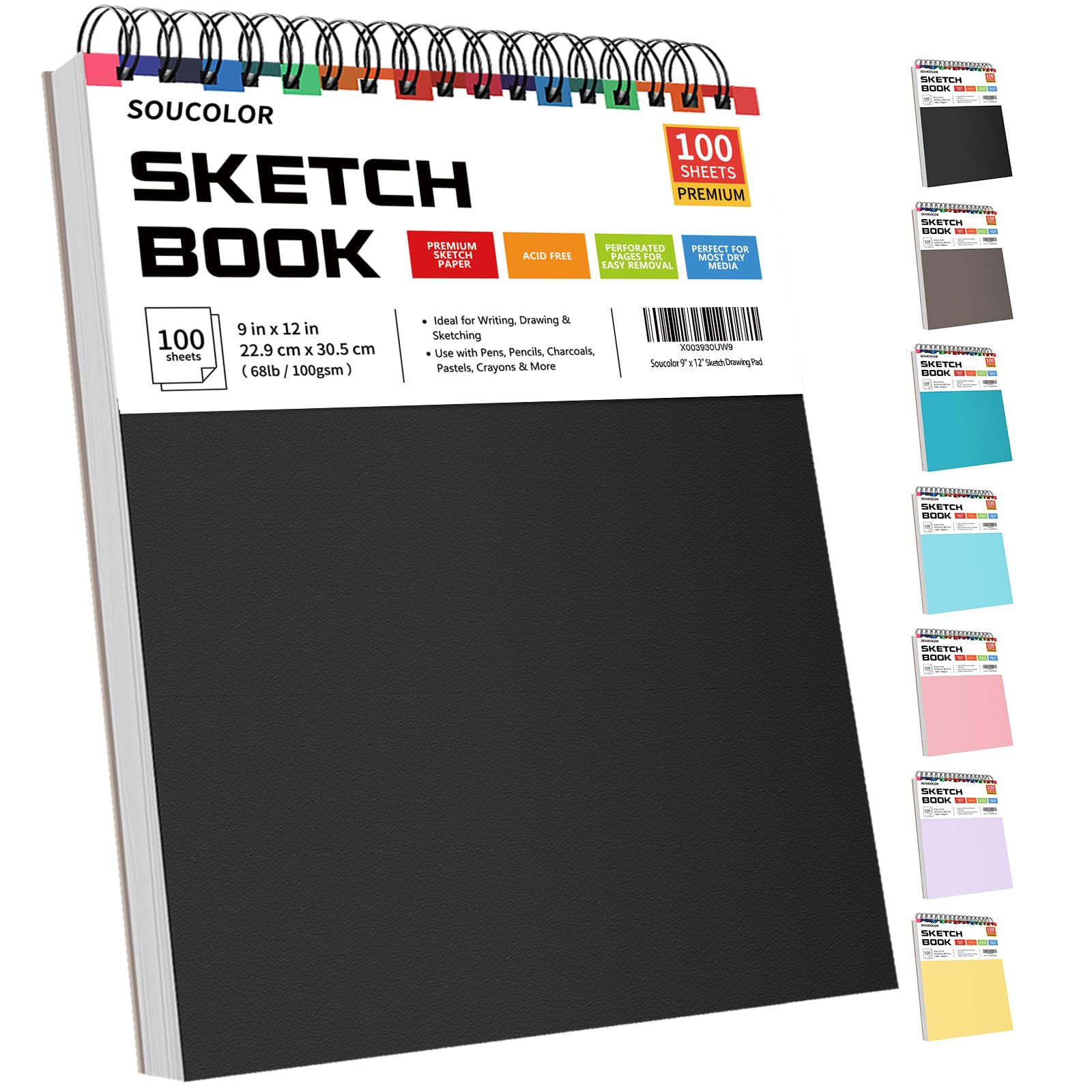
A sturdy 9×12 sketchbook with 100 acid-free sheets that hits a sweet spot between economy and usable tooth for student work.
Why I picked it: Sturdy cover and reliable paper make it ideal for school and practice.
Best for: Class projects, kids learning oil pastel techniques, and gift-giving.
Budget-friendly; great value for classroom supplies.
Pros
- Thick 100-sheet pad
- Durable cover for on-the-go use
- Top spiral sits comfortably
- Good texture for dry media
- Micro-perforated for easy removal
Cons
- Not for alcohol markers or watermedia
- Paper is midweight, not archival heavy
My take
I’ve used this sketchbook for classroom assignments and travel sketches — the pages are thick enough for shading and blending oil pastels without annoying bleed-through.
The back cover is sturdy so I can work without a separate board, and the pad survives being tossed in a bag or backpack.
If you need an inexpensive, dependable place to practice pastel techniques, this is the one I hand to students and gift-givers.
4. Strathmore Assorted Color Pastel Paper – Best Colored Ground
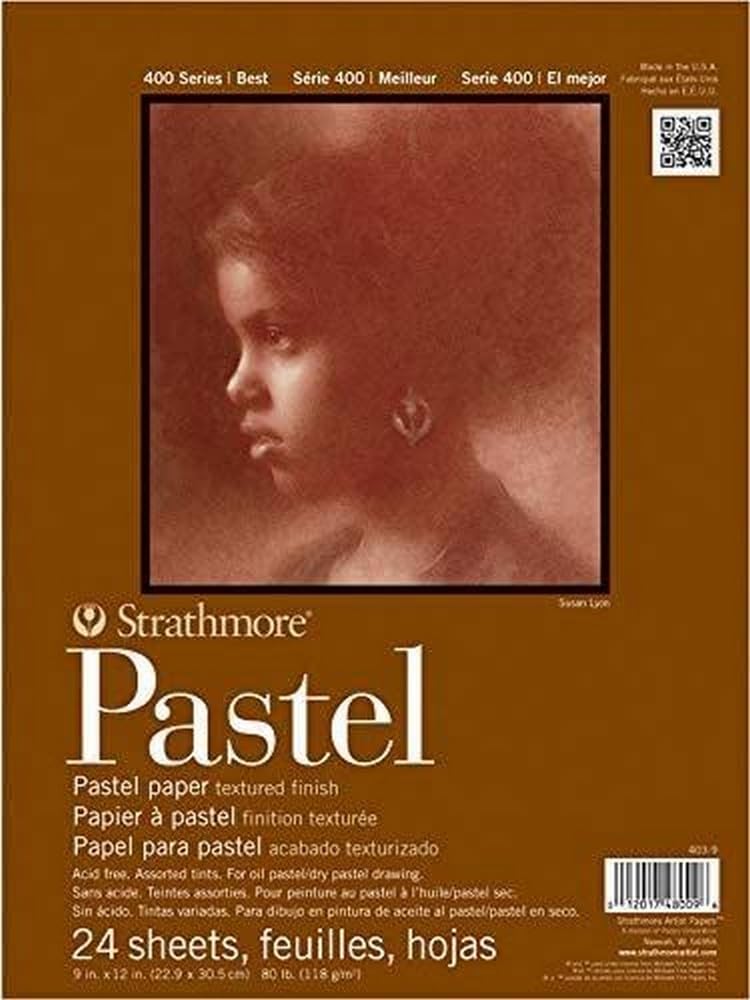
Assorted colored sheets with an ideal texture for pastel work — 80lb/118gsm stock in large 18×24 format for studies and vibrant pieces.
Why I picked it: Colored grounds give pastels an instant mid-tone and change the way colors read.
Best for: Color studies, soft pastel techniques, and pieces that benefit from a colored background.
Specialty pad for palettes and color exploration.
Pros
- Variety of colored grounds
- Texture tailored for pastels
- Acid-free 80lb/118gsm stock
- Large format for studies
- Glue-bound pad stays flat
Cons
- Limited sheet count
- Large size is less portable
My take
I turn to this pad when I want a colored ground to jumpstart a composition — those pre-tinted sheets change my approach to highlights and mid-tones immediately.
The surface has enough tooth to hold soft and oil pastels without losing vibrancy, so I get saturated color with less layering than on white paper.
Because it’s 18×24, it’s best for studio time rather than quick sketches; the color options make it an excellent choice for classroom demos or exploratory work.
5. Canson XL Oil & Acrylic Paper (136lb/290gsm) – Best for Heavy Media
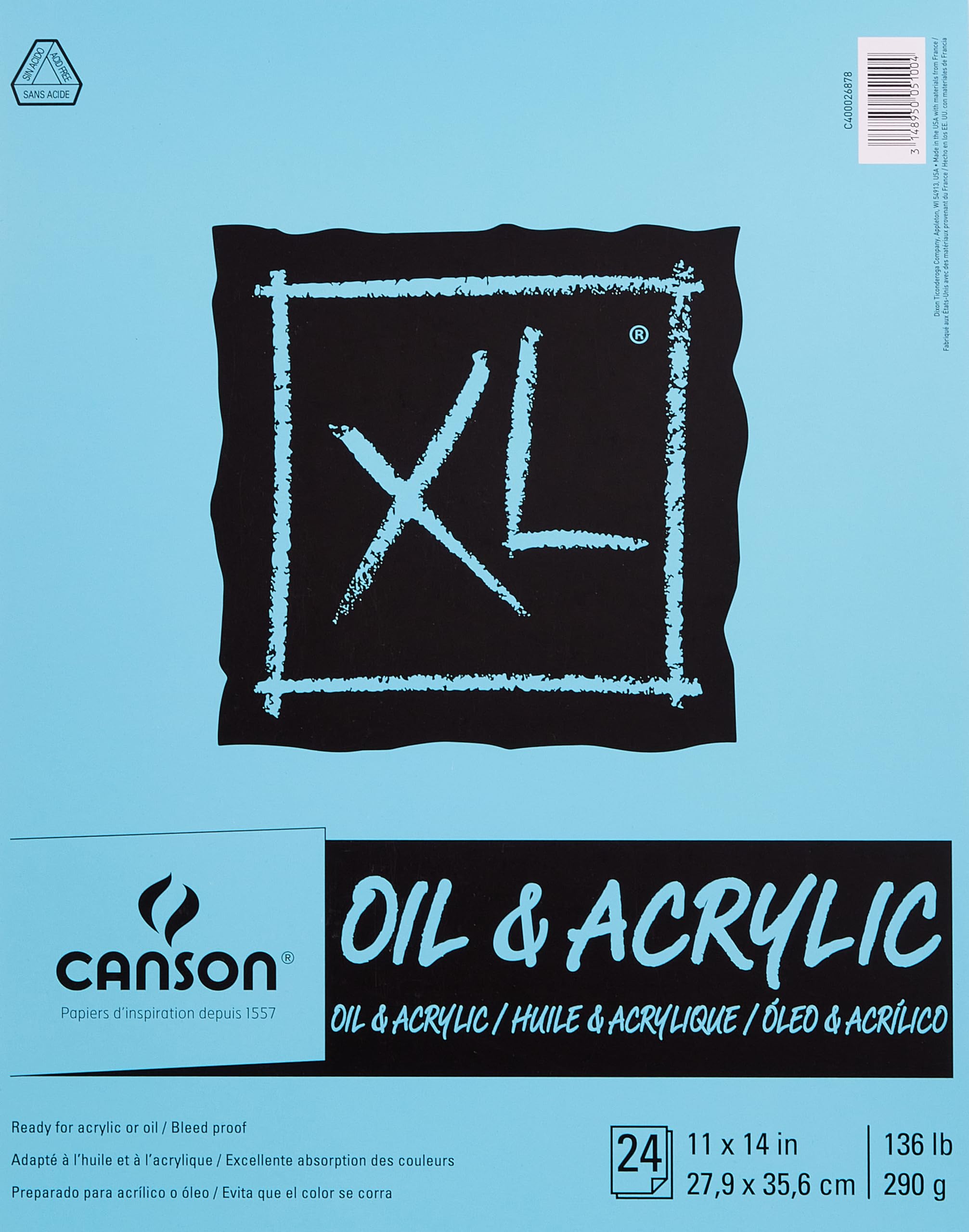
A canvas-like, bleed-proof sheet rated for oils and acrylics — heavyweight 136lb/290gsm stock that accepts oil pastels and mixed-media without priming.
Why I picked it: Heavyweight, canvas-textured surface that holds oil layers and mixed-media well.
Best for: Oil pastels with heavy layering, oil, acrylic studies, and mixed-media work.
More substantial option for heavy-bodied media and canvas alternatives.
Pros
- Canvas-like textured surface
- Very heavyweight 136lb/290gsm paper
- Ready for oil without priming
- Bleed-proof for many media
- Good for mixed-media applications
Cons
- Warps with heavy acrylic applications
- Smaller sheet count per pad
- Not ideal for water-heavy techniques
My take
This Canson pad is my go-to when I need paper that behaves like a stretched canvas — oil pastels sit on the surface beautifully and don’t soak through.
I used it for mixed-media pieces combining gesso, markers, and adhesives; it held up to adhesives and pens without delaminating, and heavier oil work ages well on the sheet.
A caution: heavy, full-coverage acrylic layers will cause warping. For oil pastel and moderate acrylic use it’s excellent; for soaking wet acrylic techniques I still prefer an actual canvas.
How I Choose Paper for Oil Pastels
Key factors I consider
Weight (gsm/lb): I look for paper weight that matches how much layering I plan to do. For light practice, 68lb/100gsm can work; for heavy layering and mixed media I prefer 136lb/290gsm or higher.
Surface tooth: Oil pastels need some tooth to grip pigment. Medium-tooth papers give the best compromise between blendability and color lift.
Acid-free and archival properties: If I plan to keep or sell a piece, acid-free paper helps prevent yellowing and preserves color longevity.
- 68lb/100gsm — good for practice and light pastel work
- 80–118gsm — better for soft pastels and colored grounds
- 136lb/290gsm — ideal for heavy oil pastel, oils, and acrylics
- Top spiral binding for portability; glued pads and larger formats for studio work
Binding and format
I choose spiral-bound pads for sketching on the go because they lie flat and are easy to tear out. For large, finished pieces I favor glued pads or full sheets that stay flat in the studio.
Perforations are a small detail but important when I want clean edges after removing a sheet.
- Spiral top — best for portability and daily practice
- Glue-bound/folio — better for large studio work
- Perforation — useful for clean removal
Mixed-media considerations
If I combine oil pastels with acrylic or gesso, I choose a heavier, canvas-textured paper so it won't buckle. Lighter papers are fine for pencil-plus-pastel work but will warp under significant wet application.
Colored ground papers are a shortcut I use to set a tone quickly and reduce the number of pastel layers needed to achieve depth.
- Use heavyweight textured paper for gesso, acrylic, and oil pastel combos
- Avoid alcohol markers and heavy watercolor on typical sketch pads
Frequently Asked Questions
Can I use 68lb paper for oil pastels?
Yes — I use 68lb/100gsm pads for practice and light layering. They handle several rounds of blending, but for very thick pastel impasto or mixed-media with wet media I prefer heavier stock.
Is colored pastel paper worth using?
Absolutely. I find tinted grounds speed up value decisions and make highlights pop. Colored sheets are especially useful for studies and pieces where mid-tone balance matters.
Will oil pastel bleed through sketchbook pages?
Oil pastels rarely 'bleed' like markers, but heavy applications can transfer or impress through thin sheets. I use thicker or backed pads for heavier work and keep a protective sheet between pages.
Can I use acrylics on oil-and-acrylic pads?
I do use acrylics on heavyweight pads like the Canson XL, but I've seen warping with very heavy acrylic coverage. For full-coverage acrylic painting I still prefer stretched canvas or board.
Final Take
I choose paper based on how I plan to work: Fuxi and Soucolor are my go-to practice pads, Strathmore 400 is my pick for finished pieces, the Strathmore colored pad is perfect for studies, and Canson XL handles heavy oil or mixed-media work.
If you’re unsure, start with a midweight spiral pad to refine technique, then step up to heavyweight or colored sheets as your work demands more layering or presentation quality.
