
I tested a range of paring knives for edge retention, control, and comfort. These six stood out for different reasons—sharpness, value, specialty use, and everyday dependability.
I work through hundreds of prep tasks every month, and a reliable paring knife is one of the tools I reach for most.
In this roundup I focused on blade steel, edge geometry, handle comfort, and real-world usefulness for peeling, trimming, and delicate slicing.
Below are the six parers that earned a spot in my kitchen, each picked for a clear purpose.
I compared blade steel (Japanese high-carbon vs. T420), edge type (straight vs. serrated), blade length, handle materials, and whether a knife is built for delicate work or heavier leverage. The list runs from a premium, high-hardness blade to compact, budget-friendly options and a few specialty picks.
1. imarku Paring Knife – 3.5 Inch Japanese High Carbon Stainless Steel, Pakkawood Handle – Best Overall
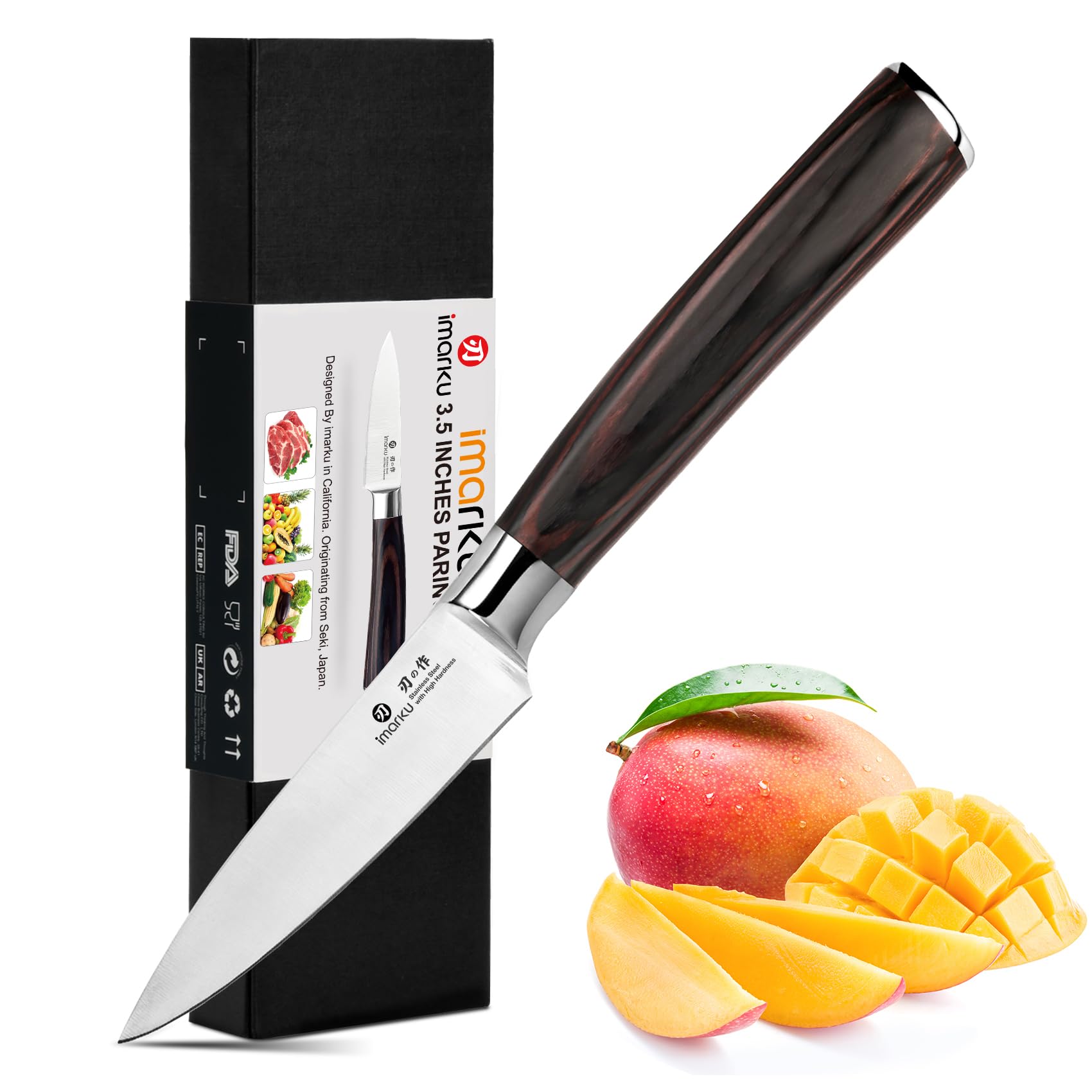
A compact parer with a high-carbon Japanese blade, narrow edge angle, and a comfortable Pakkawood handle that balances sharpness and day-to-day comfort.
Why I picked it: Exceptional edge geometry and build quality for precise work.
Best for: Precision peeling, small-dice, and any task requiring razor control.
Moderately priced for a high-hardness, forged blade.
Pros
- Japanese high-carbon steel, high Rockwell hardness
- Very acute 9°–15° edge per side
- Comfortable Pakkawood handle
- Well balanced for small tasks
Cons
- Not dishwasher safe
- Short blade limits larger tasks
My take
Out of the box this imarku felt like a precision tool — the blade is noticeably hard and keeps a very keen edge. The taper-ground profile and the narrow cutting angles translate into effortless, confident cuts when I pare apples or segment citrus.
The Pakkawood handle makes longer prep sessions comfortable; I didn’t get any hand fatigue during an extended vegetable prep. The knife has a satisfying heft for its size and a steady feel on the wrist.
Maintenance is straightforward: I handwash and dry it immediately and touch up the edge occasionally with a fine stone. If you want a parer that behaves like a small chef’s knife for fine work, this is the one I reach for first.
2. Rada Cutlery Paring Knife Galore Gift Set (S01) — 3-Piece Paring Knives – Best Value Set
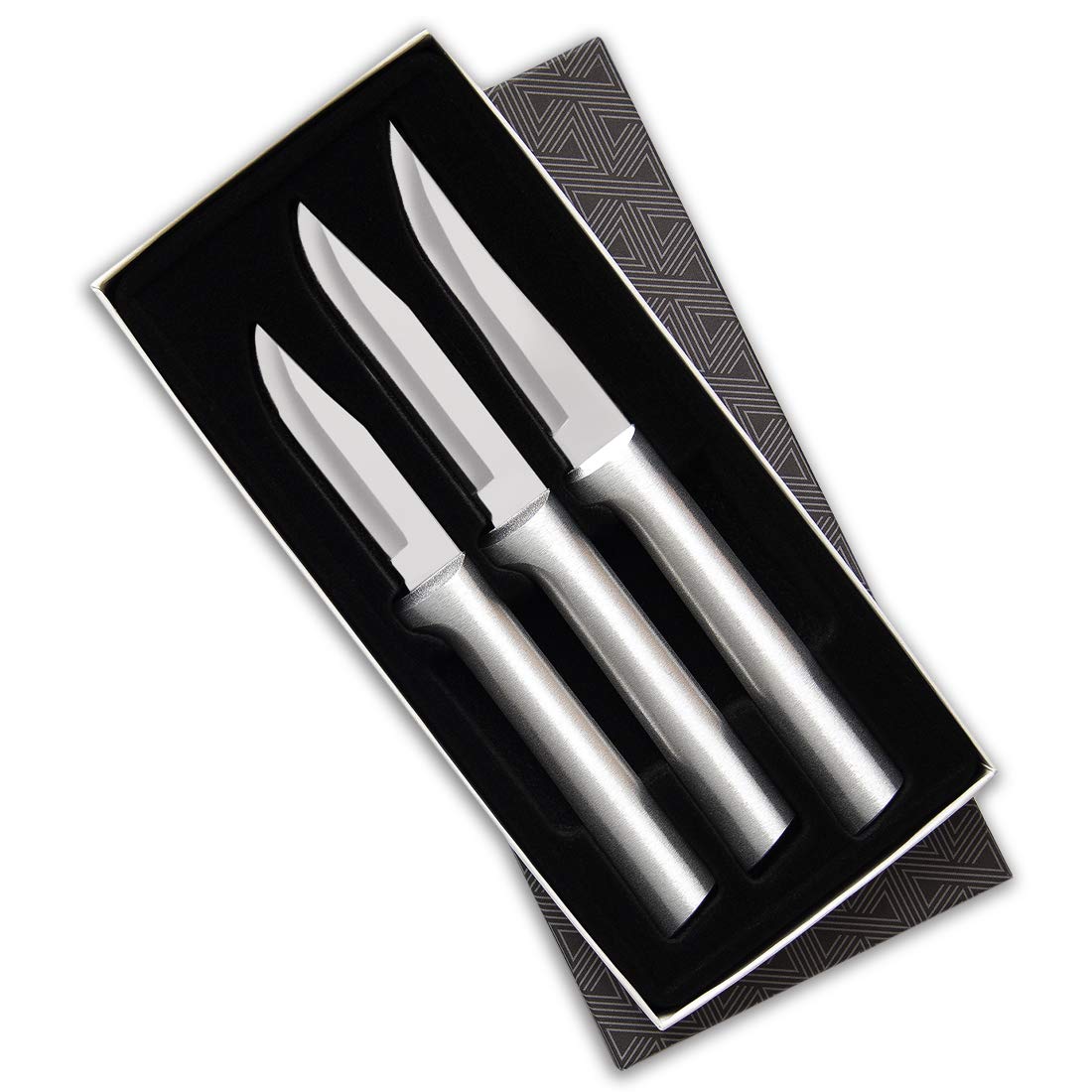
Three hollow-ground T420 stainless blades give you size choices for many small tasks, all made in the USA with durable aluminum handles.
Why I picked it: Versatility and value in a compact set.
Best for: Kitchens that need multiple parers for different jobs or gifting.
Very budget-friendly for a three-piece selection.
Pros
- Three useful blade sizes
- Hollow-ground T420 steel
- Made in the USA
- Lightweight and easy to handle
Cons
- Aluminum handles require handwashing
- Not a premium wood finish
My take
I appreciate having three sizes on hand: the smaller peeling blade for delicate fruit, the regular parer for most tasks, and the heavier one for tougher cuts. The hollow-ground edges slice cleanly and make many kitchen chores faster.
The aluminum handles are tough and low-maintenance, though I treat them as handwash-only to preserve the finish. For routine prep work, these knives are dependable and refreshingly light in the hand.
If you need utility and variety at a low outlay, this set covers the bases better than a single, more expensive parer.
3. Rada Cutlery Regular Paring Knife (R101) — 3.25″ T420 Stainless Steel, Pack of 2 – Best Classic Pair
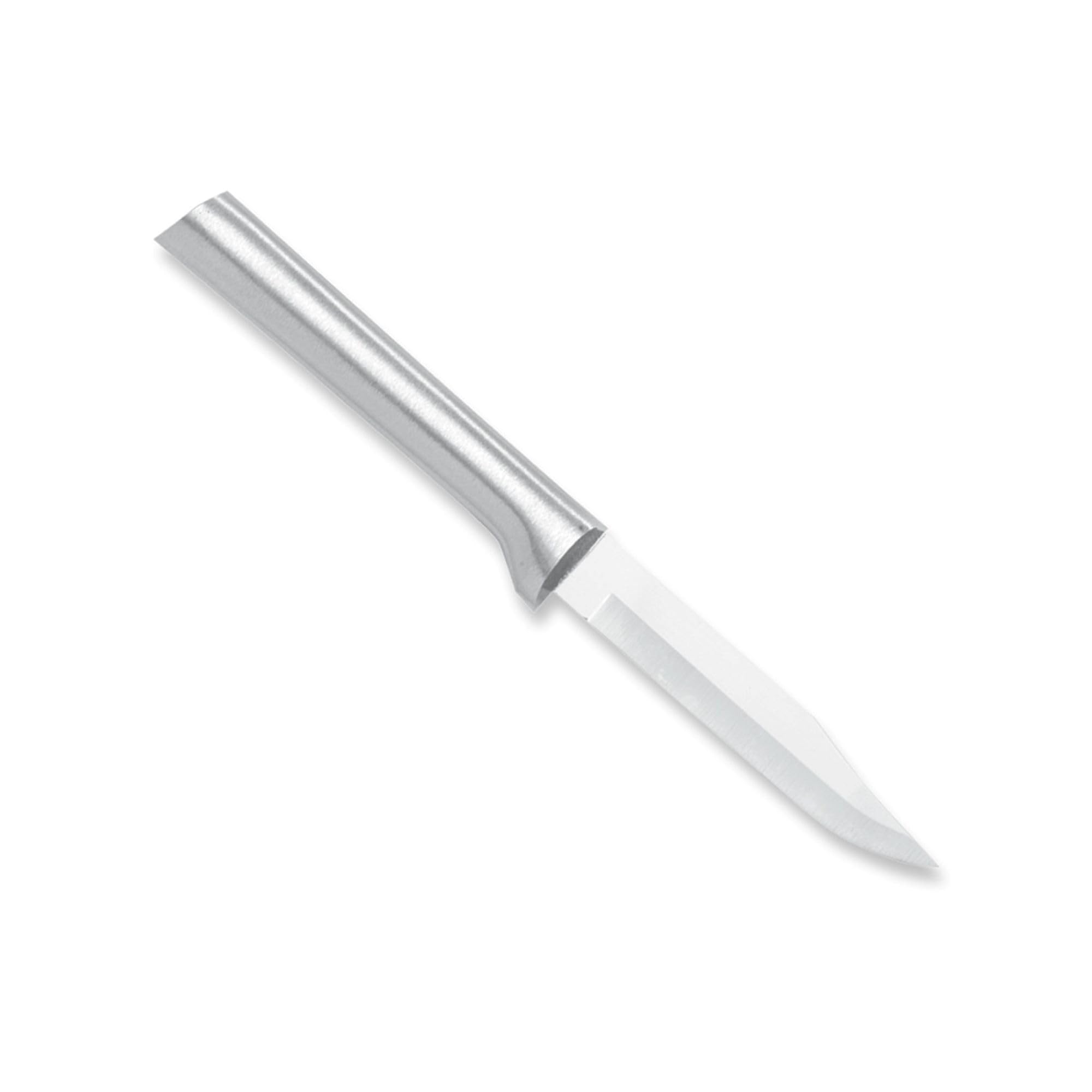
A straightforward, well-sized paring knife with a non-serrated hollow-ground blade that glides through small tasks and comes as a practical two-pack.
Why I picked it: Everyday reliability in a comfortable, easy-to-sharpen blade.
Best for: Daily peeling, coring, and small precision cuts.
Inexpensive and built for long-term use.
Pros
- Ideal everyday 3.25" blade
- Easy-to-sharpen hollow-ground edge
- Comfortable non-slip grip
- Made in the USA
Cons
- Handwash recommended
- Basic handle finish
My take
This 3.25-inch Rada is the kind of parer I keep in active rotation. Its straight, non-serrated edge glides smoothly for peeling and trimming, and the size is just right for controlled work.
The handle fits well and doesn’t slip, so I can keep good control when doing tight cuts around cores and seeds. When the edge softens, a quick pass on a whetstone brings it back easily.
Because these arrive as a two-pack, I’ll usually station one at the prep area and keep another in my utility drawer, which has saved cross-contamination steps during busy cooking.
4. Victorinox 4 Inch Swiss Classic Paring Knife with Serrated Edge, Spear Point – Best Serrated Parer
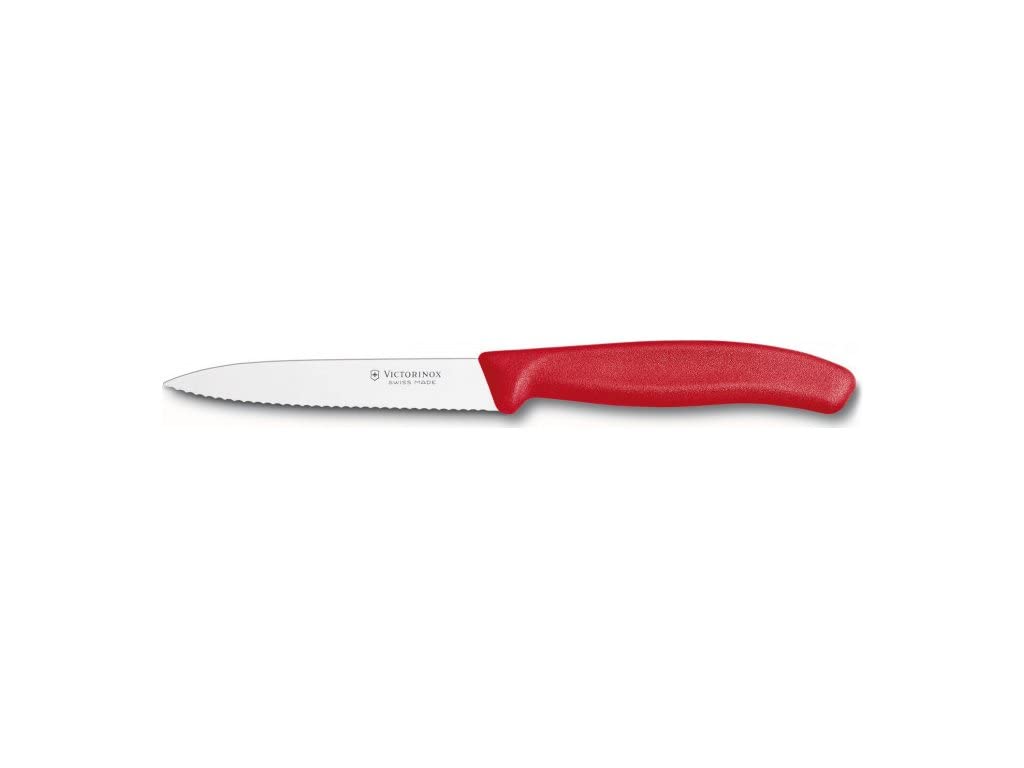
A short, serrated parer with a contoured Fibrox-inspired handle that excels at slicing soft, delicate produce without crushing it.
Why I picked it: Serrated edge for delicate skins and wet hands grip.
Best for: Tomatoes, peaches, and any soft-skinned fruit or veggies.
Affordable professional-grade option.
Pros
- Serrated edge for delicate produce
- Ergonomic Fibrox-style handle
- Good control for precision tasks
- Lifetime warranty
Cons
- Serrations less suitable for fine paring
- Smaller blade for larger jobs
My take
When I need to slice tomatoes or other soft fruits without squashing them, this Victorinox is my go-to. The serrated edge bites cleanly and prevents the skin from slipping away from the blade.
The handle stays secure in wet or soapy hands; I felt confident during quick prep tasks where control matters. The compact blade length gives me the accuracy I need for garnishing and delicate cuts.
I appreciate the practical, workmanlike feel—this is the kind of tool I buy when I want reliable, day-in-day-out performance.
5. Rada Cutlery Heavy Duty Paring Knife (R103) — 3.25″ T420 Stainless Steel, Longer Handle – Best Heavy Duty
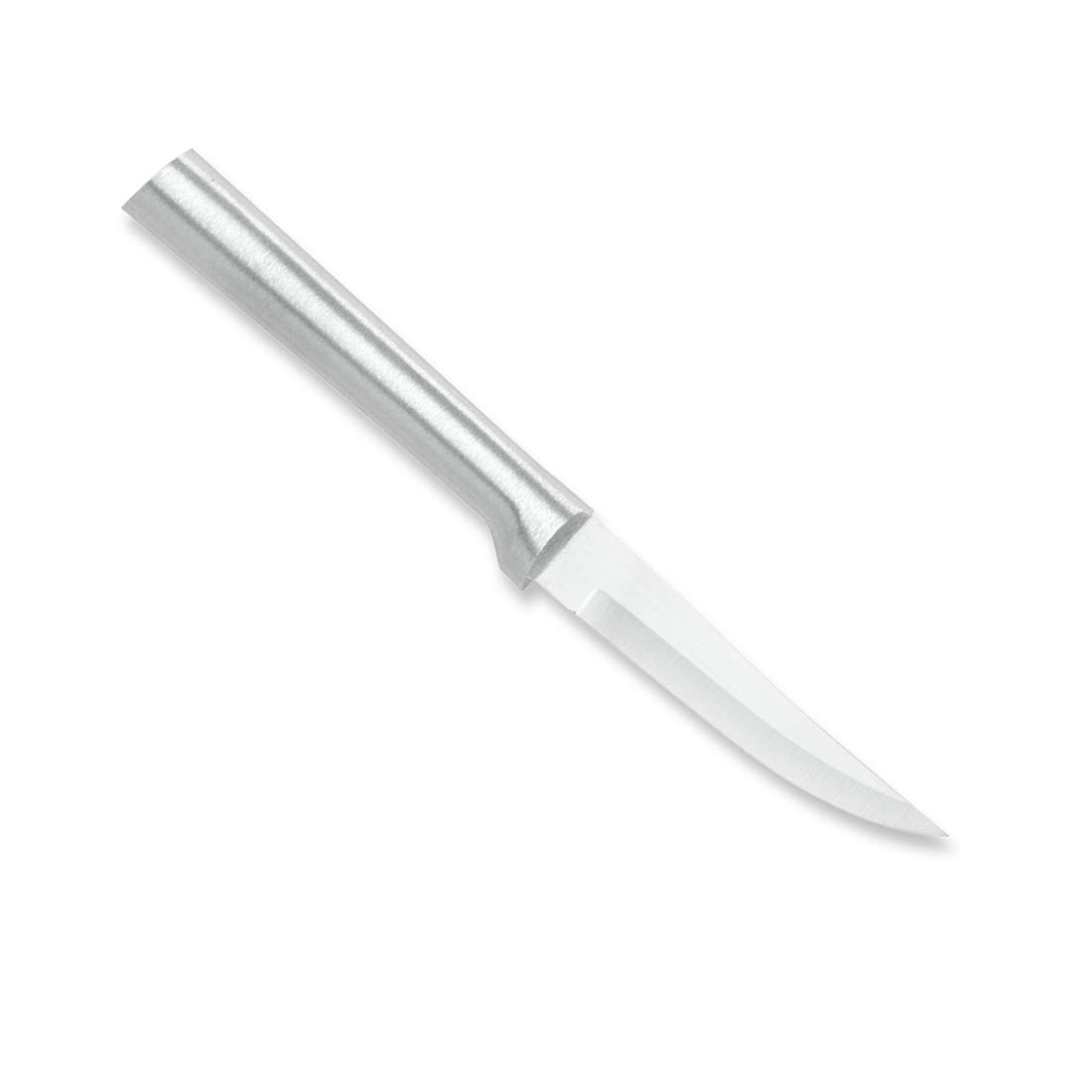
A slightly beefier parer with a longer handle for extra leverage; the same durable T420 hollow-ground blade but built to tackle tougher small jobs.
Why I picked it: Extra leverage and control for tougher trimming tasks.
Best for: Harder vegetables, larger fruit, and tasks needing more wrist power.
Economical heavy-duty choice.
Pros
- Longer handle for leverage
- T420 steel stays sharp
- Handles tougher prep easily
- Made in the USA
Cons
- Handwash only handle
- Less nimble for fine work
My take
This Rada Heavy Duty model is what I reach for when a standard parer feels underpowered. The longer handle gives me more leverage when cutting through dense skins or stubborn produce.
The blade’s hollow grind cuts smoothly and the construction feels durable enough for daily use. I’ve used it on cucumbers, apples, and firmer veggies where a little extra torque helps.
For anyone who does a lot of heavier prep but still needs the control of a paring knife, this one hits the sweet spot between strength and precision.
6. Victorinox Swiss Classic Paring Knife — 3.9″ Straight Blade, Yellow Handle – Best Colorful Option
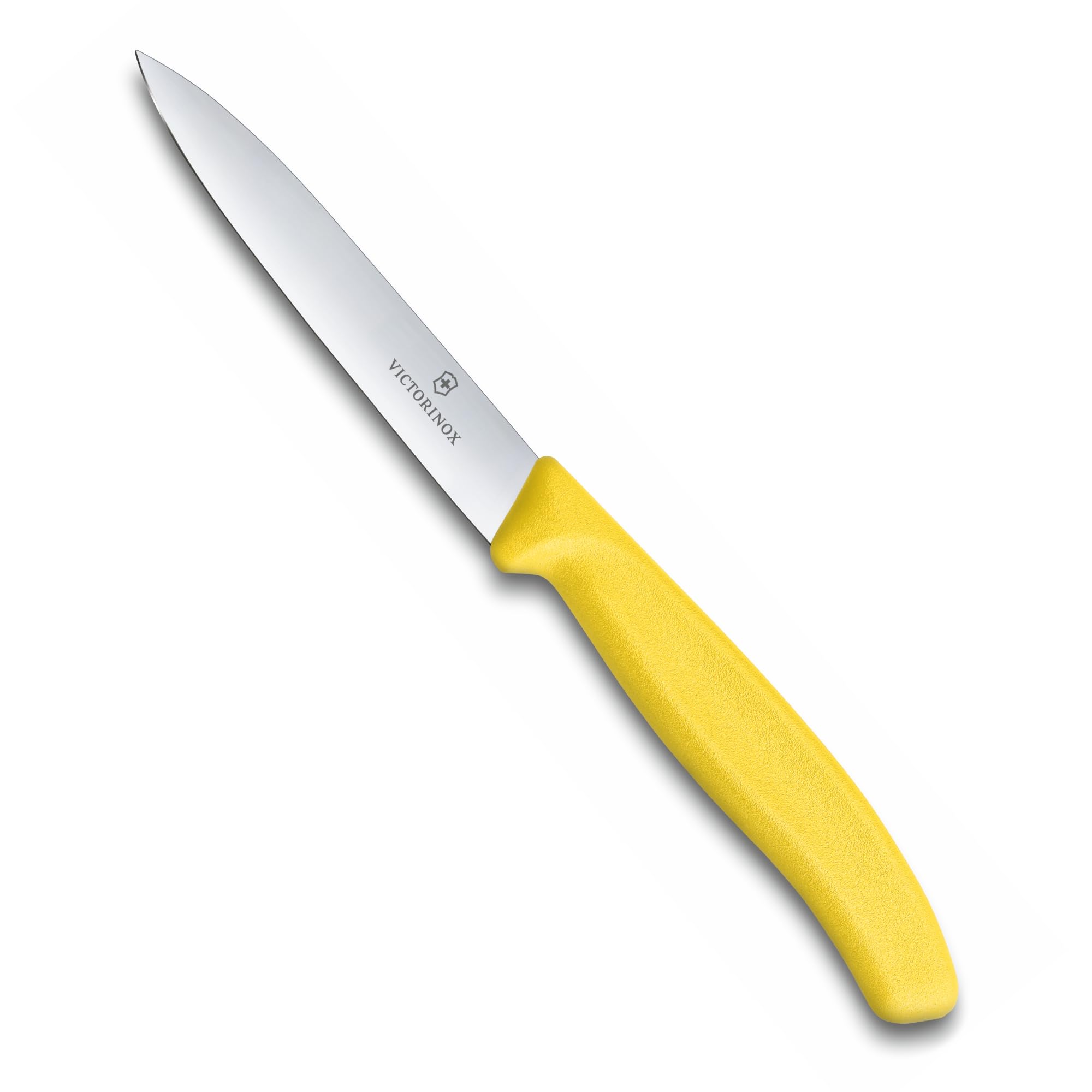
A sharp, straight-edge parer with a textured, non-slip colored handle that’s light, efficient, and easy to keep on hand in multiples.
Why I picked it: Great grip, bright color, and dependable straight edge.
Best for: Daily vegetable prep and quick precision tasks.
Very budget-friendly and replaceable.
Pros
- Sharp straight-edge blade
- Textured non-slip handle
- Lightweight and easy to control
- Available in several colors
Cons
- Not as premium-feeling as forged knives
- May require replacement after heavy use
My take
I like these Victorinox parers when I want a light, exact blade that cuts reliably. The straight edge is ideal for coring apples, cutting strips, and fine dicing without fuss.
The textured handle reduces slippage and the bright color helps me keep track of tools in a busy prep area. For routine kitchen work, they’re efficient, inexpensive, and uncomplicated to maintain.
Because they’re so affordable, I keep a couple on hand and rotate them into service; when one finally dulls beyond easy sharpening for my needs, it’s simple to replace.
How I Choose a Paring Knife
Blade material and edge
I prioritize blade steel and edge geometry because they define how a parer performs. High-carbon stainless offers a harder edge and longer retention, while T420 gives dependable toughness and easier maintenance.
Edge angle matters: a narrower angle cuts cleaner but needs more care; hollow-ground and tapered blades slice with less resistance.
- High-hardness Japanese high-carbon: very sharp, long-lasting edge
- T420 high-carbon stainless: durable, easy to reprofile
- Hollow grind: effortless slicing and good edge feel
Straight vs. serrated
I keep both edge types because they serve different purposes. Straight edges give the best control for peeling and precise cuts; serrated edges excel on soft-skinned fruit.
Match the edge to the task: tomatoes and peaches benefit from serrations, while apples, carrots, and mince work better with straight blades.
- Straight blade = precision and cleaner slices
- Serrated blade = better for soft or slippery skins
- Consider keeping one of each in your drawer
Handle comfort and safety
A comfortable handle reduces fatigue during long prep sessions. I prefer textured or Pakkawood handles that give a secure grip even if my hands are wet.
Balance matters: a well-balanced parer feels like an extension of the hand and increases cutting accuracy.
- Textured or ergonomic handles for secure grip
- Pakkawood: comfortable and warm to the touch
- Aluminum or molded handles: low maintenance, handwash recommended
Care and maintenance
I handwash most quality parers and dry them immediately. Avoiding the dishwasher prolongs the edge life and saves handle finishes.
Keep a small whetstone or fine steel handy for touch-ups; many of these blades respond well to quick honing.
- Handwash and dry immediately to protect the edge
- Sharpen with a fine stone or steel periodically
- Store safely to prevent edge damage
Frequently Asked Questions
Do I need a serrated paring knife?
I keep a serrated parer for soft-skinned fruit and delicate slicing; it prevents squashing where straight edges might struggle.
How often should I sharpen a paring knife?
I touch up regularly with a fine stone or steel and fully sharpen based on use—typically a few times a year for moderate home use.
Are aluminum-handled knives durable?
In my experience aluminum handles are very durable and low-maintenance, though I still handwash them to preserve the finish.
Final Take
I kept these picks focused on real kitchen needs: precision, durability, and purpose-built design.
If you want a single, do-it-all parer, the imarku delivers the best combination of edge performance and comfort in my testing.
For value or multiple tools, the Rada sets and pieces cover everything from delicate paring to heavier trimming, while the Victorinox options give reliable specialty performance at a low cost.
