
I tested four top polyurethanes so you can pick the right finish for your floors, cabinets, and furniture. I focused on clarity, durability, dry time, and ease of application.
I’ve spent time finishing floors, tabletops, and trim with a variety of polyurethanes, and I prioritize crystal-clear protection, realistic dry times, and predictable application behavior. In this roundup I compare water-based and oil-based options I’ve put on real projects so you can choose the right one for your needs.
My testing emphasized how each formula performs during application, how it levels, how quickly I can recoat, and how the finish ages. I’ll highlight where each product shines and where I’d pick something different.
If you want the least color change, I favor water-based products for clarity and fast recoat times. For maximum toughness and a warmer look, I reach for the oil-based poly. I note tradeoffs like dry time, sheen, and whether a product self-levels well during application.
1. Varathane Crystal Clear Water-Based Polyurethane (Satin) – Best for Crystal Clear Finish
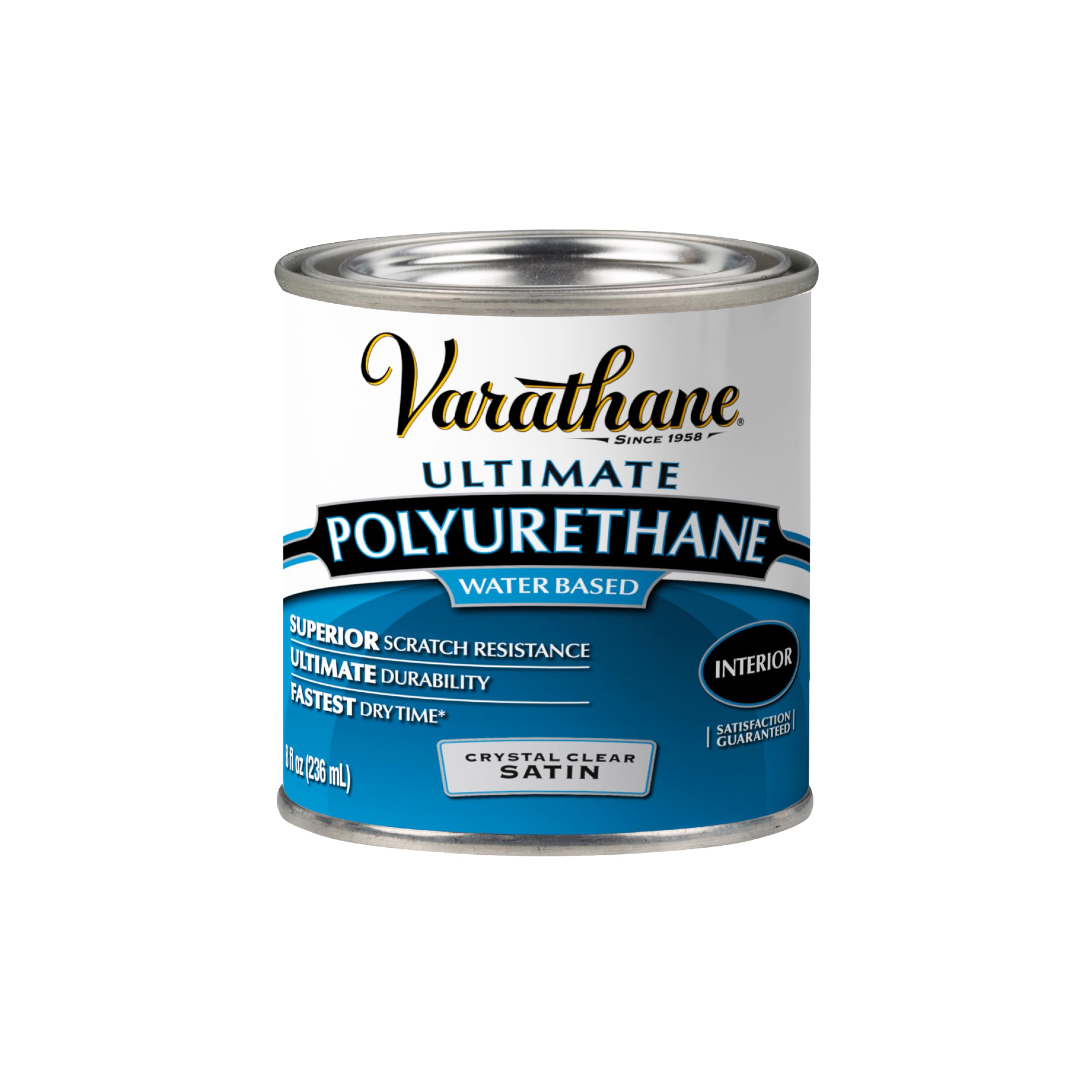
Crystal-clear water-based finish that dries fast and resists yellowing.
Why I picked it: Outstanding clarity and quick dry times that kept my projects moving.
Best for: Interior wood where color fidelity matters—trim, cabinets, and furniture.
Affordable for small- to medium-scale projects.
Pros
- Crystal clear, non-yellowing finish
- Fast dry and quick recoats
- Self-levels for smooth results
- Easy soap-and-water cleanup
- Satin enhances natural grain
Cons
- Small cans require multiple purchases for large jobs
- Not formulated for heavy floor traffic as an oil-based poly
My take
I used this Varathane on cabinet doors and a walnut end table when I wanted the wood grain to show with no ambering. The finish goes on glossy in the can but dries to a clean satin that preserves color and has excellent clarity.
Application was forgiving: it levels nicely and the formula is thick enough to hide minor brush marks without gumming. Dry-to-touch is quick—about half an hour in my shop—and I was able to recoat after a couple hours, which kept the job moving.
Cleanup was trivial with soap and water, and the satin sheen gave me the look I wanted without masking the wood. For projects where color fidelity and fast turnaround matter, this is my go-to water-based choice.
2. General Finishes High Performance Water-Based Topcoat – Best for Heavy Use
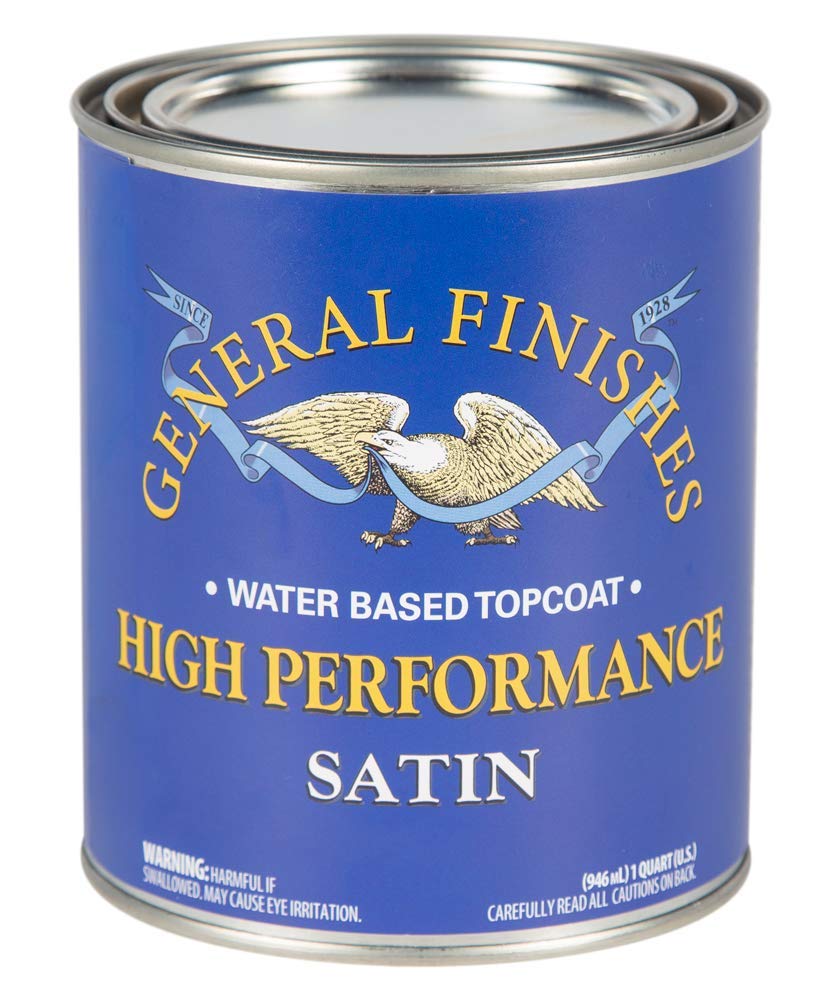
A very hard, water-based topcoat with exceptional durability and leveling.
Why I picked it: Toughest water-based topcoat I’ve used for high-traffic surfaces.
Best for: Butcher blocks, tabletops, and cabinet tops that see daily wear.
Premium option for long-lasting protection.
Pros
- Extremely durable and hard
- Fast recoat window
- Excellent self-leveling
- Water cleanup
Cons
- More expensive than basic polyurethanes
- Satin shows slightly more sheen than expected
My take
I put this General Finishes topcoat over a heavily used maple table and immediately noticed how the finish handled sanding, application, and abuse. The product’s hardness translates to scratch and stain resistance I trust for daily-use surfaces.
I like the short recoat time—about one to two hours in my environment—which let me build four protective coats in a single day if needed. The self-leveling is impressive: I got a smooth, factory-like surface with minimal brush or applicator marks.
It’s pricier, but I reach for it when a project needs lasting protection. For me the extra cost is justified by the longevity and the confidence I have that the surface will stand up to real life.
3. Minwax Fast-Drying Oil-Based Polyurethane (Warm Satin) – Best Oil-Based Warm Finish
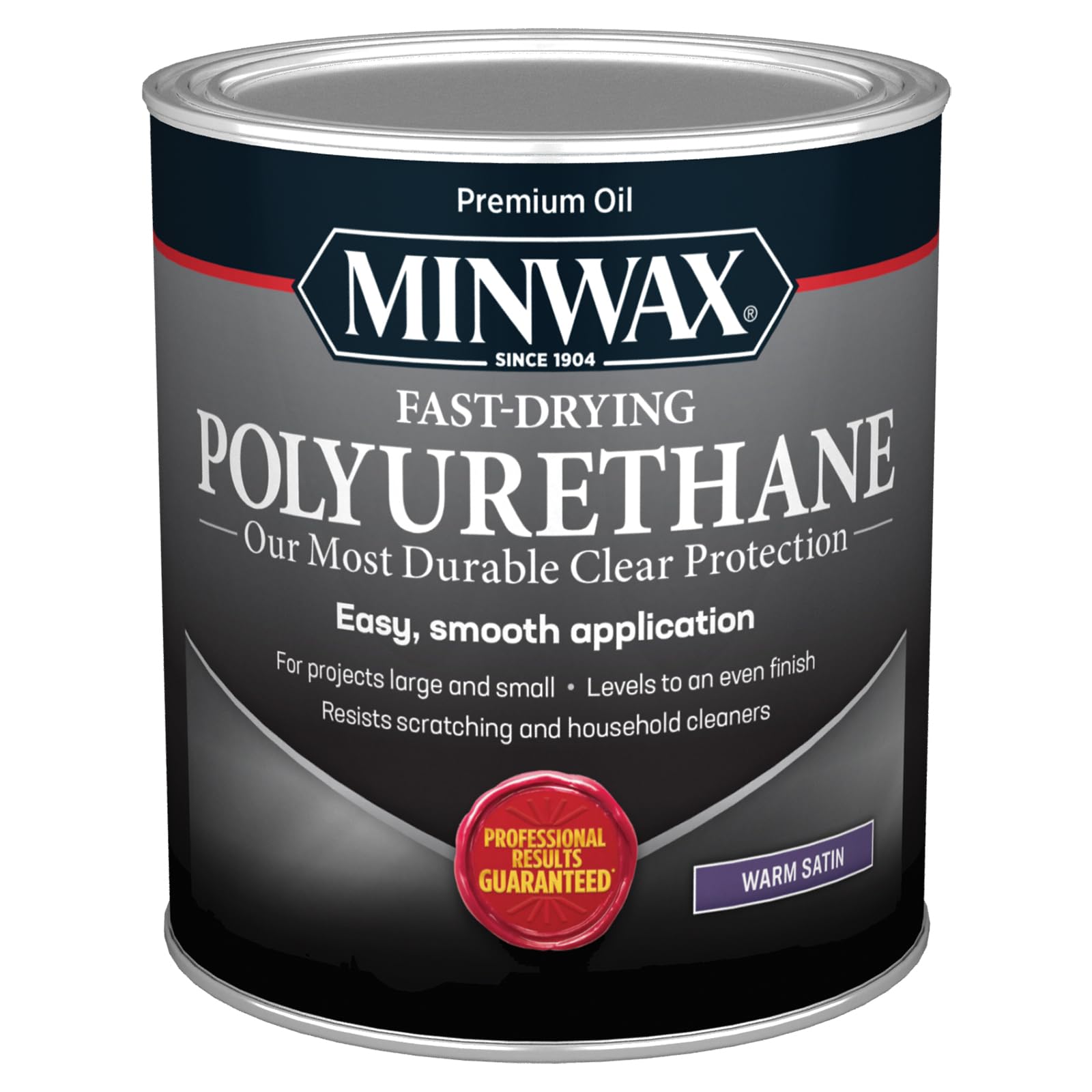
Oil-based poly with warm tones and durable protection for interior wood.
Why I picked it: Reliable oil-based durability and the warm glow I want on floors and doors.
Best for: Floors, doors, and projects where a warmer amber tone is desirable.
Mid-range cost with oil-based performance.
Pros
- Durable oil-based protection
- Adds warm, ambered richness
- Fast drying for oil-based product
- Classic satin sheen
Cons
- Oil base can alter light woods' color
- Longer recoat time than water-based
My take
When I wanted that classic warm look and durable oil-based protection, I chose this Minwax polyurethane for hall doors and a cabinet face. The finish deepened the wood tone in a way I find pleasing on floors and traditional furniture.
Application calls for a good natural-bristle or foam brush, and the product sands and layers predictably. Recoat times are longer than water-based alternatives—plan on several hours between coats—but the toughness and depth of finish are worth it for high-wear applications.
If you prefer a warmer, richer appearance and don’t mind the longer cure schedule, this oil-based poly delivers the protection and look I aim for on more traditional projects.
4. Minwax Polycrylic Protective Finish (Gloss) – Best for Painted Surfaces and Crafts
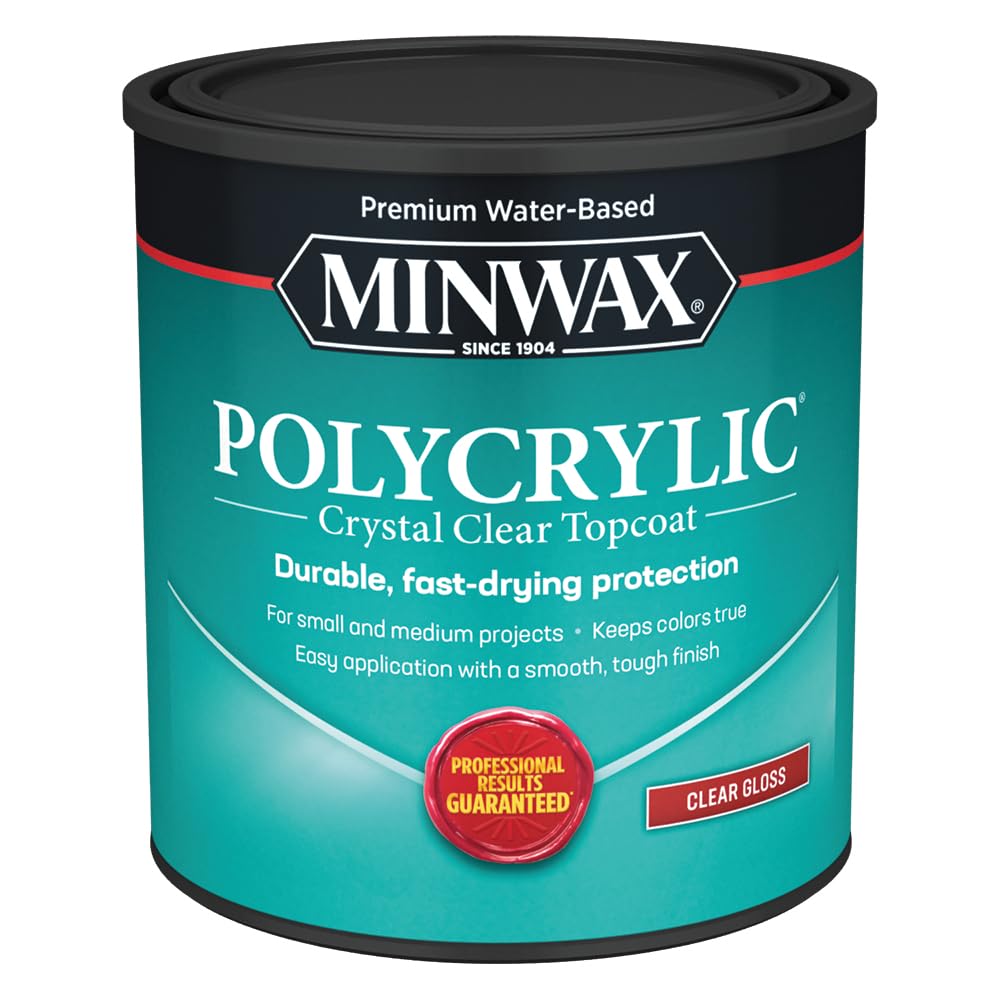
Water-based, crystal-clear gloss finish that’s low odor and quick drying.
Why I picked it: Non-yellowing, fast-drying finish I trust over paint and light woods.
Best for: Painted pieces, light woods like maple, and indoor craft projects.
Cost-effective for frequent small projects.
Pros
- Crystal clear and non-yellowing
- Ultra-fast drying and recoats
- Low odor for indoor use
- Easy water cleanup
Cons
- Can appear milky in the can before use
- Occasional clumping in container if left open
My take
I frequently use this polycrylic on painted furniture and hand-painted wood art because it stays crystal clear and doesn’t amber light colors. That clarity is essential when sealing decorative finishes.
It dries quickly—allowing recoats after a couple of hours—and the low odor means I can work indoors without clearing the house. I clean brushes with water and usually finish multiple coats in a day.
A couple of practical notes: it can look milky in the can but applies clear, and I’ve seen it thicken if left uncovered for long periods. For sealing paint or delicate, light-toned woods, it’s one of my most useful products.
How I Choose Polyurethane for Floors and Woodwork
Water-based vs Oil-based
I choose water-based poly when I need crystal-clear results and fast recoat times. Water-based formulas keep the wood’s original color and dry quickly, which saves time on multi-coat jobs. I reach for oil-based poly when I want extra toughness and a warm, ambered look—oil-based products deepen the wood tone and tend to stand up well to heavy wear.
- Water-based: non-yellowing, fast-dry, easy cleanup
- Oil-based: warmer tone, very durable, longer cure times
Sheen, Yellowing, and Color Shift
Sheen choice impacts the look and how much wear shows. Satin hides imperfections better than gloss, while gloss gives that ‘wet’ look. For light woods and painted surfaces I opt for non-yellowing water-based products; oil-based options intentionally add warmth that suits traditional looks.
- Satin: natural look, hides light wear
- Gloss: brighter and more reflective
- Water-based: minimal color change
Dry Time and Work Scheduling
I plan projects around stated recoat windows. Faster recoat times let me apply multiple coats in one day; slower oil-based recoats mean I schedule work over several days. Consider environmental factors—temperature and humidity affect dry times more than the label suggests.
- Short recoat windows speed projects
- Longer cures increase toughness
Application Tips and Tools
I use high-quality brushes or foam applicators to reduce brush marks. For water-based products I clean up with soap and water; for oil-based poly I use mineral spirits for cleanup. Light sanding between coats with fine-grit sandpaper (220–320) improves adhesion and smoothness.
- Synthetic brushes for water-based poly
- Natural-bristle or foam for oil-based poly
- Light sanding between coats for best adhesion
Durability and Use Case
Match the product to how the surface will be used. For floors and high-traffic tabletops I choose the hardest, most durable topcoat I can find. For art, cabinets, or furniture where appearance matters more than extreme abrasion resistance, I prioritize clarity and low yellowing.
- Heavy traffic: pick the toughest topcoat
- Decorative pieces: favor clarity and non-yellowing
Frequently Asked Questions
Can I use water-based polyurethane over oil-based stain?
Yes—once the oil-based stain is fully cured. I wait the time recommended on the stain label (often 24+ hours) before applying a water-based topcoat to avoid adhesion issues.
How many coats do I need for a floor?
For floors I typically apply three to four coats of a durable topcoat. I start with thinner coats and build to a tougher finish, sanding lightly between coats for adhesion.
Is polycrylic the same as polyurethane?
Not exactly. Polycrylic is a water-based protective coating that behaves like polyurethane in many ways but is formulated to stay crystal clear and have low odor. I use polycrylic for painted pieces and light-colored woods; for the hardest-wearing floors I usually choose a heavy-duty polyurethane.
How do I avoid brush marks and bubbles?
I apply thin, even coats, work with the grain, and use high-quality brushes or foam applicators. I avoid overworking the finish and allow proper open time for leveling, which reduces brush marks and trapped bubbles.
Final Take
I chose these four products because each fills a different practical need: Varathane for clear, fast results; General Finishes for maximum water-based durability; Minwax oil-based for a warm, traditional look; and Minwax Polycrylic for painted or light-toned work.
Think about color shift, dry time, and how much wear the surface will get. Once you match those priorities to the right formula, finishing floors and furniture becomes a straightforward and satisfying step in any project.
