
I tested a range of pump parts — valves, lids, plugs, o-rings, baskets, and adapters — so you can pick the right replacement without guesswork.
I maintain several pools and I keep a stock of the parts I know will actually solve the common problems that interrupt circulation and filtration. In this guide I walk through the replacement parts I reach for first: valves that stop flow, drain plugs and o-rings that stop leaks, lids and baskets that restore proper sealing and suction, plus hose adapters that make odd connections painless.
Each part in this list earned a spot because it fit the applications I use it on, installed without drama, and fixed the specific issue I bought it for. I focus on compatibility, sealing performance, and build quality — the three things that matter when a pump is losing prime or a filter basket is failing.
I compared these parts on fit, sealing ability, and ease of installation. For small pumps I prioritized simple hose and plug solutions; for higher-end pumps I favored OEM or OEM-equivalent lids and baskets that eliminate air leaks and protect the motor.
1. Intex Dual Split Hose Plunger Valve (Part 11872) – Best Multi‑Function Valve
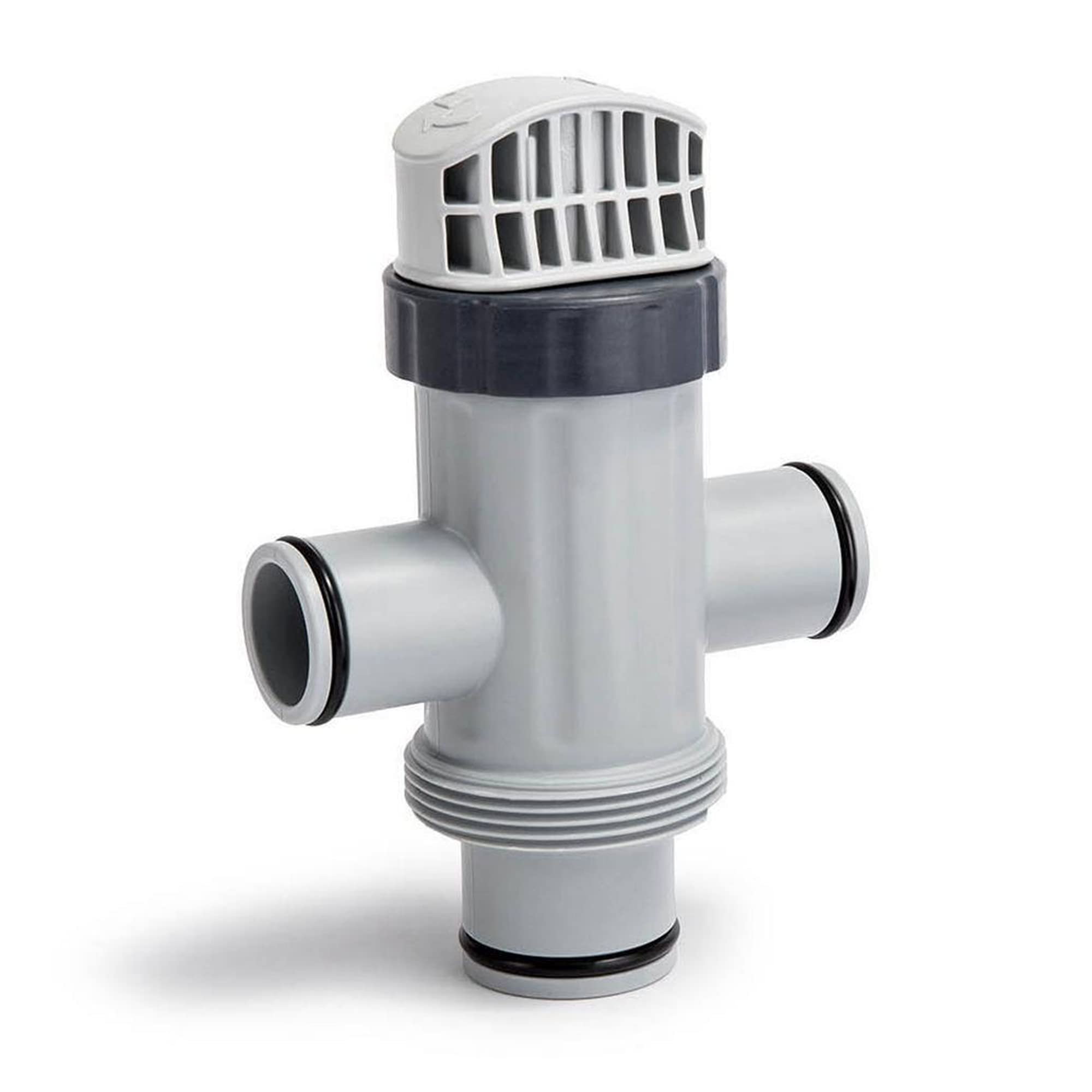
I rely on this dual plunger valve when I need to stop flow to the pump, split hoses, or isolate a line for vacuuming on Intex-style above‑ground setups.
Why I picked it: Stops flow cleanly and converts two hose lines into a single controlled feed.
Best for: Above‑ground pools that need an easy shutoff or hose split for vacuuming.
An affordable, simple replacement part for seasonal maintenance.
Pros
- Simple on/off control for two hoses
- Works with many Intex pool models
- Helps when changing filters or vacuuming
Cons
- O-ring alignment can be fussy
- Plastic feels basic compared to OEM plumbing
My take
When I needed a way to shut off both returns on an above‑ground setup, this Intex dual valve was exactly what I wanted. It turns the two return hoses into a single controllable feed and lets me lock off the pump suction while I change a cartridge or vacuum.
Installation is straightforward, but pay attention to the o‑ring seating. I learned to slide the hose on slowly and wiggle it until the o‑ring drops into the hose indentation; otherwise the seal will pinch and leak. Once seated correctly the valve stops flow reliably.
I used it to adapt a 1.25" pair of return hoses to a larger pump intake and it made maintenance much neater — no more holding parts above water. The plastic is basic, so I treat it as a seasonal replaceable item, but it solves the practical problem every time.
2. SPX1700FG Replacement Drain Plugs (2-Pack) with Gaskets – Best Replacement Drain Plugs
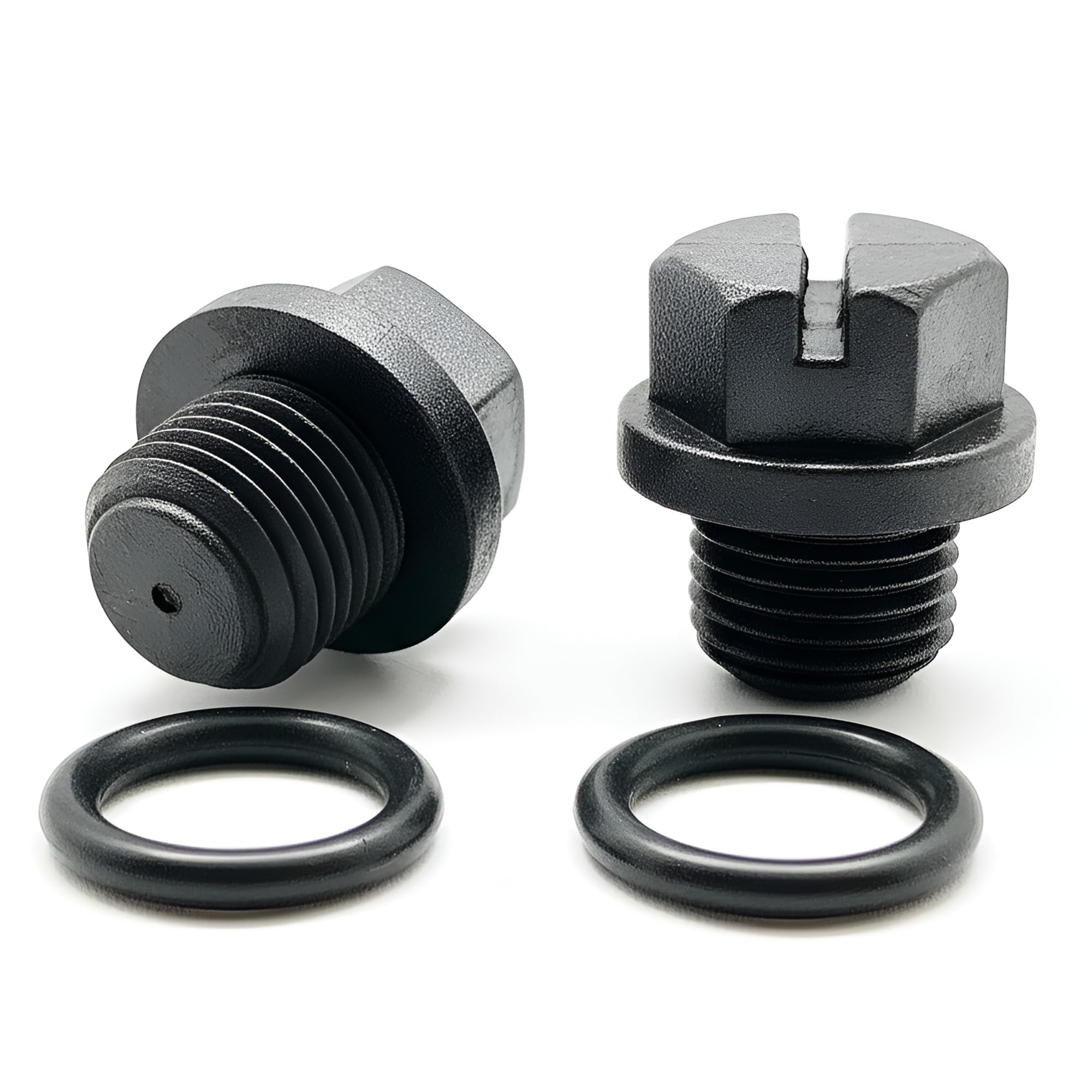
I keep this two‑pack of drain plugs and gaskets on hand for Hayward Super Pump and Power‑Flo series maintenance and winterizing.
Why I picked it: Precise fit and included gaskets simplify leak fixes and prevent stripped threads.
Best for: Hayward Super Pump, Power‑Flo and compatible models needing reliable drain plugs.
A budget‑friendly spare kit so you always have a replacement ready.
Pros
- Includes gaskets for a watertight seal
- Heavy‑duty plastic withstands chemicals
- Two plugs give you a spare
Cons
- Aftermarket screws may differ
- Fit depends on correct model match
My take
These plugs fit Hayward Super Pump and Power‑Flo style units in my shop and sealed leaks that were letting air into the system. The machined feel is good for an aftermarket kit and the included gaskets are the real value — I swapped them into my old plugs and pressure returned to normal.
I appreciated that the plugs are sturdier than the cracked originals I replaced. Hand tightening is easy and the slotted heads resist stripping when I service the pumps during seasonal winterizing.
If you own a compatible Hayward model, having a two‑pack means one goes on the pump and one sits in my parts bin for the inevitable day something gets misplaced.
3. Zodiac/Jandy Lid with Locking Ring and O‑Ring (R0445800) – Best OEM Lid Replacement
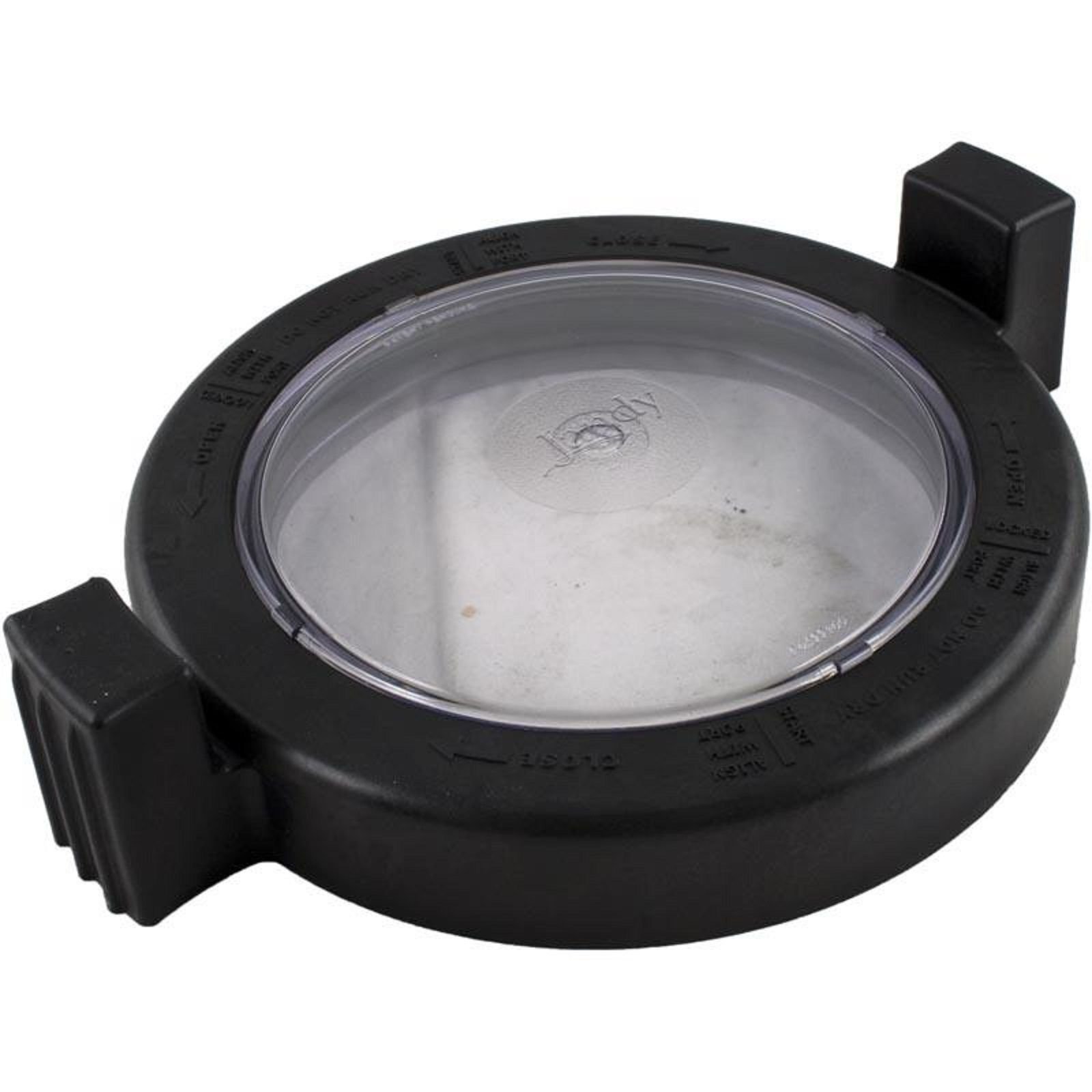
For Jandy and Zodiac Stealth/WaterFall pumps I use this OEM lid and locking ring to stop air infiltration and restore proper suction.
Why I picked it: OEM fit and seal that eliminates air leaks and protects the motor.
Best for: Jandy Stealth, WaterFall series, and Jandy ePump owners needing a true replacement lid.
A more expensive option but worth it to fix persistent air leaks.
Pros
- True OEM fit and finish
- Includes locking ring and o‑ring
- Stops air from entering the pump
Cons
- Higher cost than aftermarket lids
- May be overkill for low‑use pools
My take
I swapped this Zodiac/Jandy lid onto a pump that had been losing prime and introducing air into the system. The difference was immediate — the lid sealed tightly and the air leak vanished. The locking ring engaged with a satisfying snap and I no longer had to hammer the ring tight.
This is the kind of part I buy when I don’t want to gamble with fit. The included o‑ring and ring are matched to the lid so installation is painless and the view window lets me confirm the basket is full of water.
If you have a higher‑end Jandy pump and you’re dealing with recurring suction loss, this lid restores the precise tolerances the pump needs to function reliably.
4. Zodiac Debris Filter Basket (R0445900) – Best Filter Basket
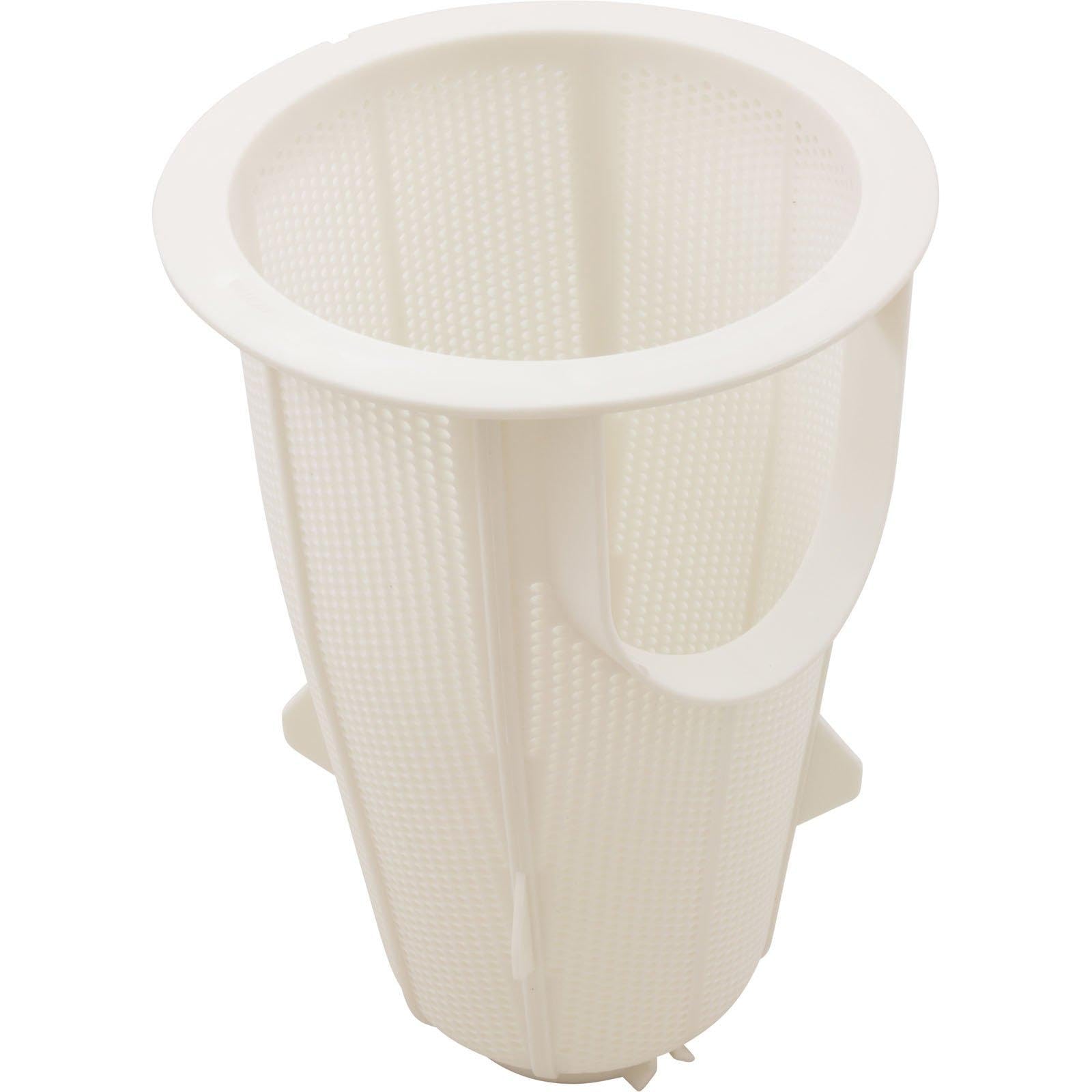
I use this replacement basket in Jandy Stealth and ePump units when the original basket is cracked or letting small debris reach the impeller.
Why I picked it: Redesigned shape and smaller holes keep debris out and seat reliably.
Best for: Jandy Stealth, WaterFall, and ePump models needing a durable basket upgrade.
A mid‑range replacement that improves debris capture and longevity.
Pros
- Better seating guides for easy installation
- Smaller openings trap finer debris
- Durable construction, cleans easily
Cons
- Shape differs from older baskets
- May be pricier than generic options
My take
Replacing a split, worn basket with this Zodiac unit stopped the small twigs and fines from getting past the skimmer and disturbing my filter. The redesigned shape has guidance nubs that seat the basket without the jiggle and fuss the old one required.
I noticed fewer clogs downstream and the basket cleans up easily by hand. The smaller holes mean more gets trapped here instead of the pump inlet, which has extended the time between deeper filter cleanings.
Fit was flawless on the Jandy pump model I used it on; if your pump calls for this number, it’s a straightforward way to get better debris control.
5. Hayward SPX1500P Strainer Cover O‑Ring Kit (2-Pack + Grease) – Best O‑Ring Kit
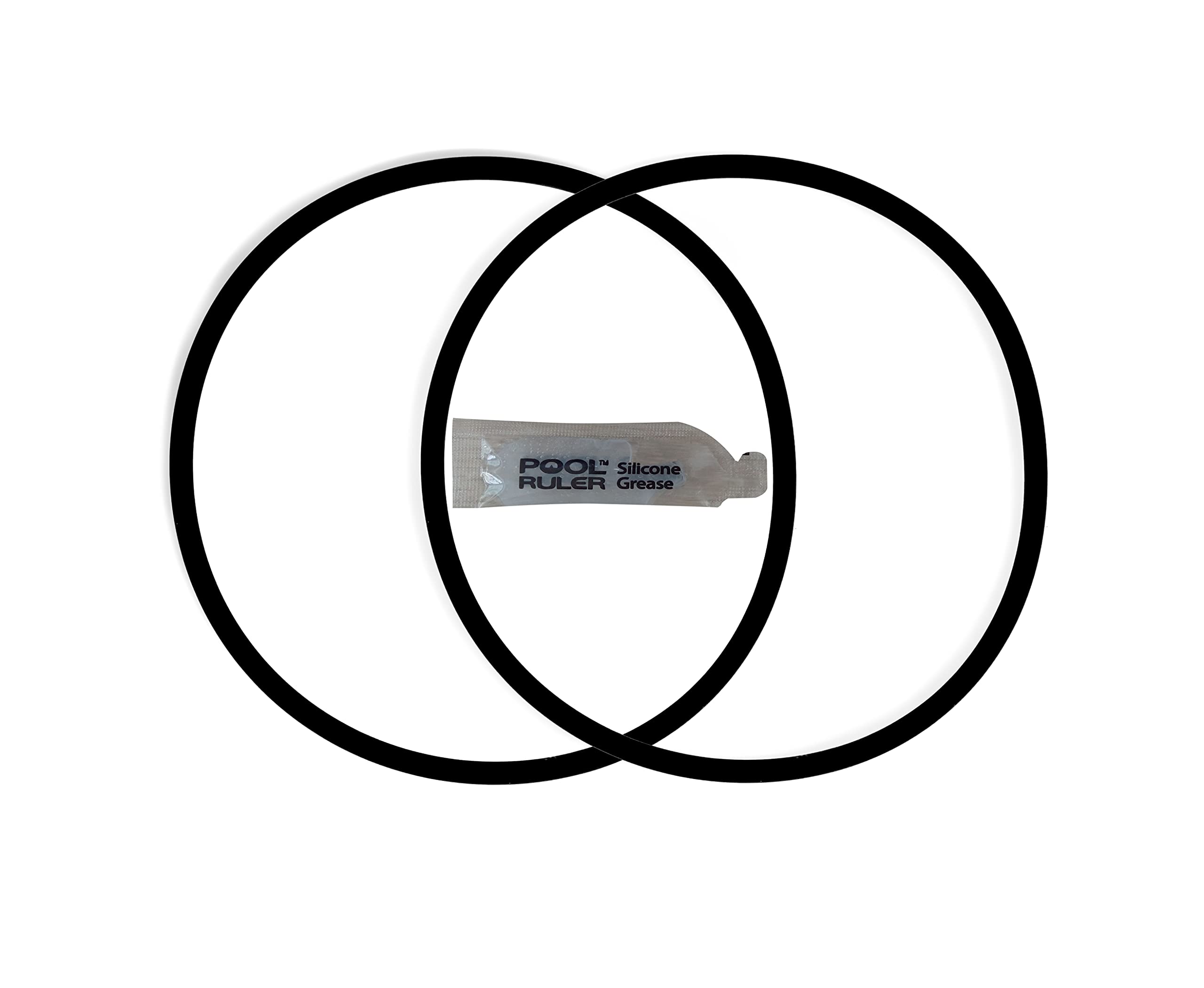
I replace the strainer lid o‑ring on older Hayward Power‑Flo and Turbo‑Flo pumps with this kit to restore an easy on/off lid and a reliable seal.
Why I picked it: OEM‑spec nitrile o‑ring material and included grease make the lid seal like new.
Best for: Hayward Power‑Flo, Turbo‑Flo and similar above‑ground pump strainer lids.
Very cost‑effective way to fix lid swelling and pressure loss.
Pros
- Buna‑N (nitrile) OEM material
- Two o‑rings plus grease tube
- Restores proper lid sealing
Cons
- Size specific — confirm fit first
- Grease tube is small
My take
My older Hayward strainer lid had become tough to remove and was letting air in. After installing this o‑ring kit and a light coating of the included grease, the lid slides on and off smoothly and seals perfectly.
The nitrile material matched OEM feel and compressed correctly; pressure built up properly again and the pump stopped losing prime. I keep a spare in my parts drawer now so I don’t get surprised next season.
This is one of the simplest fixes that yields a big improvement in system performance without swapping major components.
6. Pentair Replacement Lid for SuperFlo and SuperMax (350091) – Best Pentair Lid
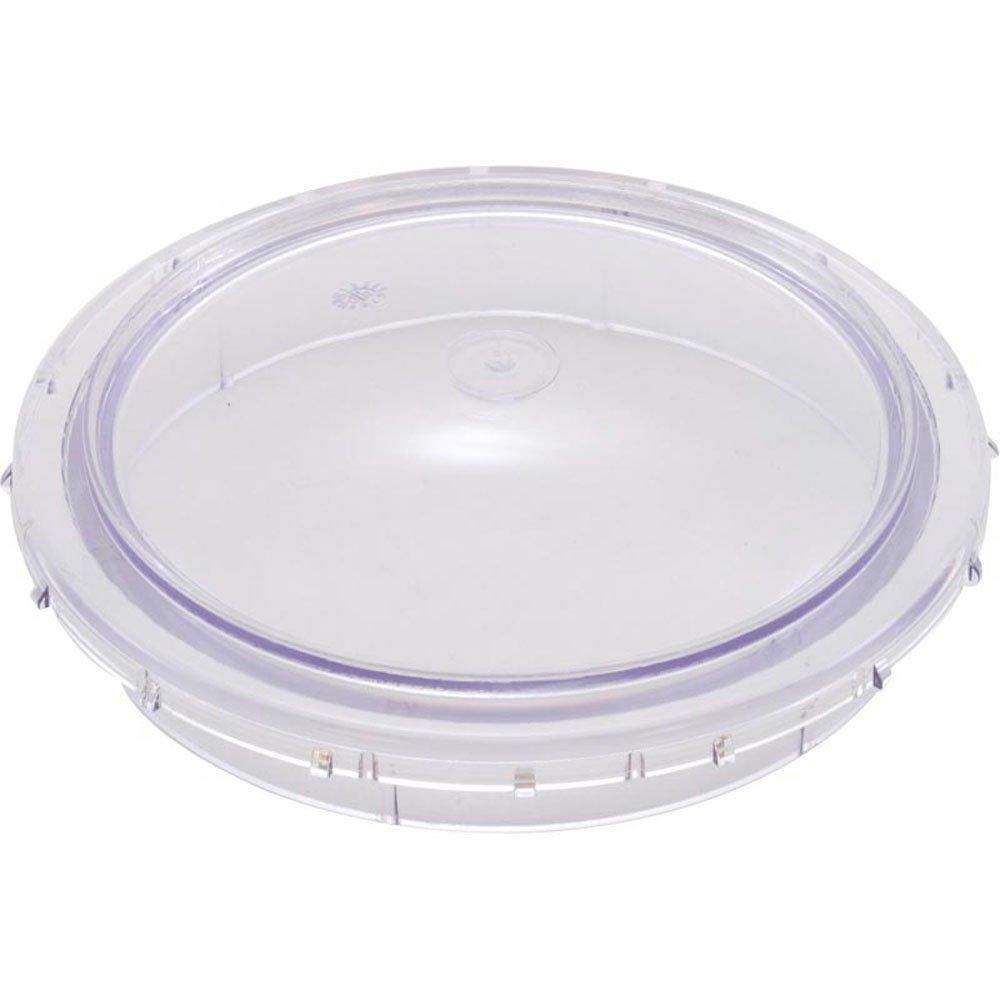
When my Pentair SuperFlo had a hairline crack and sucked air, this genuine Pentair lid stopped the problem and restored reliable operation.
Why I picked it: Genuine Pentair fit that removes air infiltration and restores visible pump monitoring.
Best for: Pentair SuperFlo and Sta‑Rite SuperMax inground pumps needing a precise replacement lid.
A practical OEM fix — pays off by protecting the pump motor.
Pros
- Original Pentair quality and fit
- Eliminates suction loss and bubbles
- Clear window to inspect basket
Cons
- More expensive than generic lids
- Single replacement — no spare included
My take
I replaced a cracked lid on my SuperFlo with this Pentair unit and the air infiltration that had plagued the pump disappeared. The lid fit perfectly and the securing ring tightened cleanly — no more hammering to try to get a seal.
Being an original Pentair part, I trusted the tolerances and the result justified the purchase: quiet operation, no more morning topping up, and a clear view of the strainer basket.
For an inground pump where losing prime risks expensive motor damage, spending a bit more for an OEM lid makes sense to me.
7. TonGass Hayward SPX1700FG Drain Plugs (2-Pack) with O‑Rings – Best Aftermarket Hayward Plugs
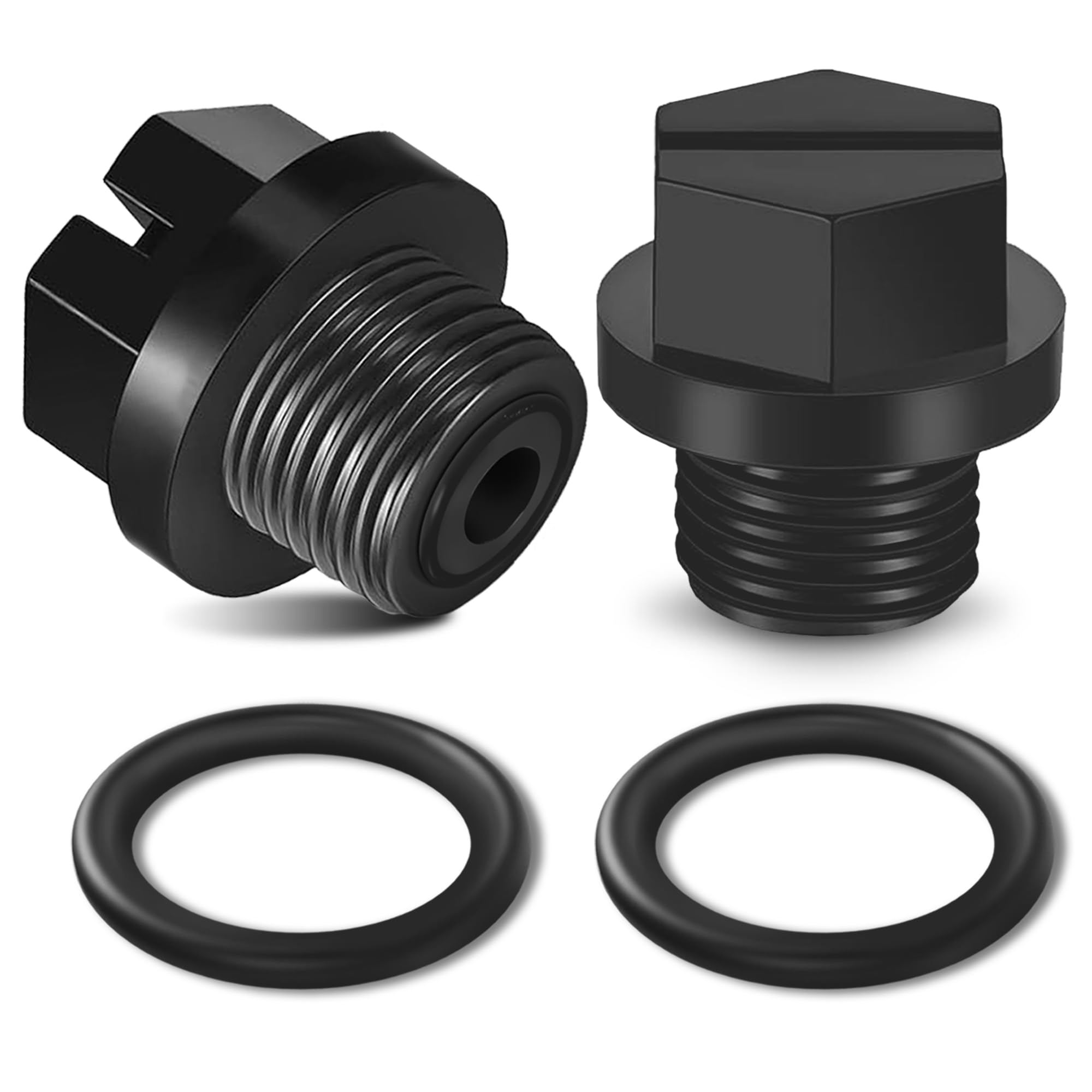
I use this TonGass two‑pack when I need an aftermarket replacement for Hayward Super Pump drain plugs — they’re a reliable, lower‑cost alternative with decent materials.
Why I picked it: Full kit with o‑rings and slotted heads that resist stripping.
Best for: Hayward Super Pump and PowerFlo owners preferring an aftermarket spare kit.
A cost-conscious aftermarket choice that held up for multiple seasons in my experience.
Pros
- Includes o‑rings for sealing
- Slotted top resists stripping
- Two plugs — complete replacement
Cons
- Aftermarket, not manufacturer branded
- Threads need correct sizing
My take
I swapped these TonGass plugs into several Hayward power pumps after the originals either stripped or went missing. They threaded in smoothly and the o‑rings prevented leaks on the first run.
In two seasons of mixed use they held up well on pumps that see regular chemical exposure and sun. The slotted tops make hand tightening simple and reduce the chance of stripping the head.
As an aftermarket option, they deliver solid value when you want a ready spare set without sourcing OEM parts.
8. 1.5″ Pool Hose Adapter / Extender for Intex & Coleman – Best Hose Adapter
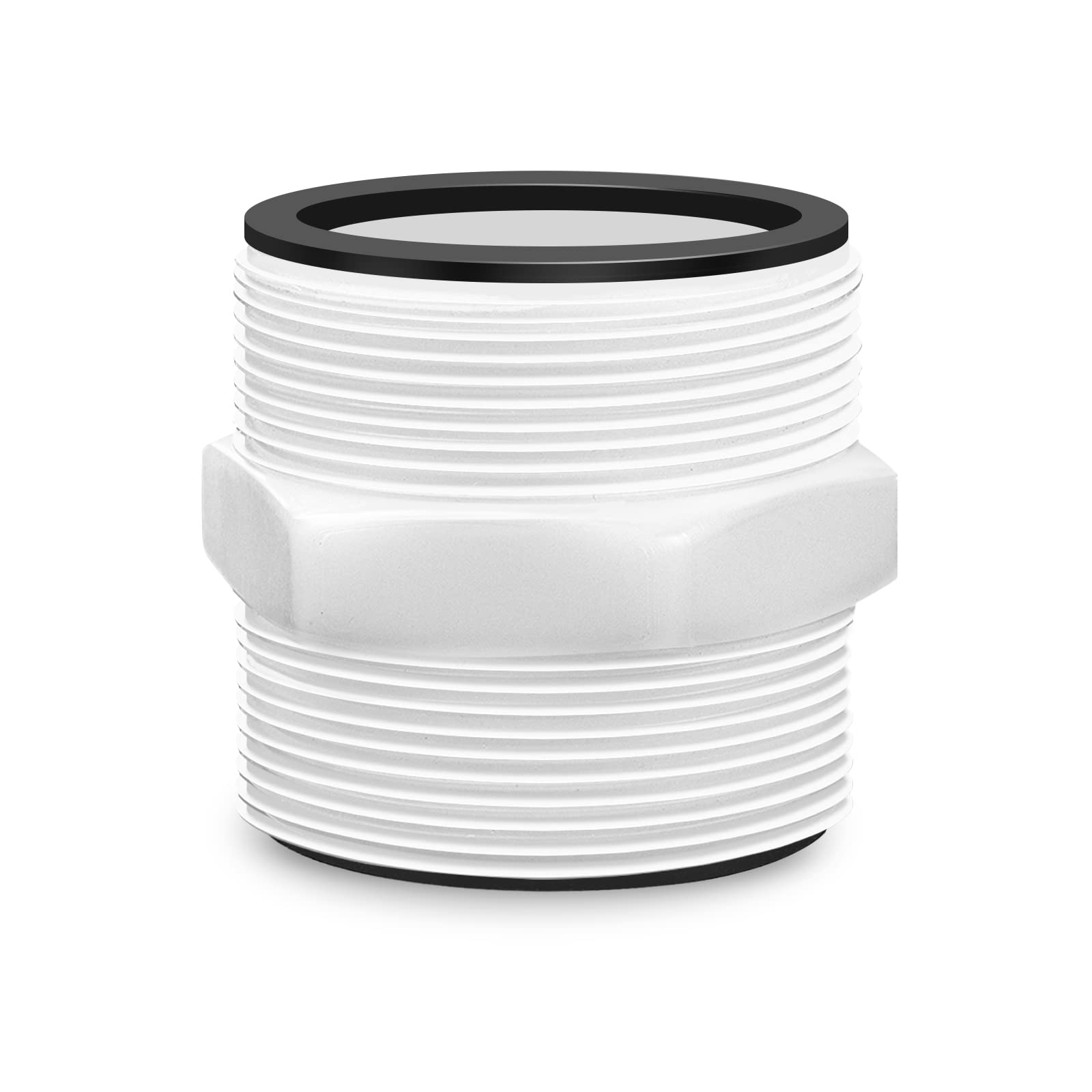
I use this 1.5" threaded pool hose adapter to join two hoses cleanly and prevent leaks when I need extra reach on above‑ground pumps.
Why I picked it: Simple threaded joiner with gaskets that stops leaks and extends hose length.
Best for: Above‑ground hose extensions for Intex and Coleman 1.5" systems.
An inexpensive fix that saves a lot of headaches during setup.
Pros
- Two gaskets included to prevent leaks
- Quick threaded connection
- Lightweight and non‑toxic PP plastic
Cons
- Plastic construction can flex under strain
- Not a permanent plumbing solution
My take
When I needed to extend the intake run for a salt filter I used this adapter to join two 1.5" hoses. It tightened down easily and the included ring gaskets stopped the slow drips I used to get at the coupler.
I put a small amount of silicone grease on the gaskets during installation and got a reassuringly dry connection. It’s a simple, effective part for above‑ground setups where flexibility and speed matter more than rigid plumbing.
If you want to avoid draining or moving the pool to change layout, this adapter is the quickest trick in my toolbox.
How I Choose Pool Pump Replacement Parts
Fit and Compatibility
I always verify the pump model number before buying any part. Many of these items are model‑specific, and a perfect fit is the fastest way to restore proper function.
When listings reference part numbers (for example SPX1700FG, R0445800, or SPX1500P), I cross‑check with the pump housing or OEM manual to avoid returns.
- Confirm pump model and part number from the housing or manual
- Match threaded sizes and hose diameters for adapters and valves
- For lids and baskets, prefer OEM or OEM‑equivalent listings for exact tolerances
Seals, O‑Rings and Materials
I prioritize genuine nitrile/Buna‑N o‑rings for strainer lids and drain plug seals because they resist pool chemicals and compress reliably.
For external plugs and couplers I look for high‑impact plastics that resist UV and chemical exposure.
- O‑rings: Buna‑N (nitrile) is preferred for pump strainer lids
- Lids and plugs: UV‑resistant plastics reduce cracking
- Keep spare gaskets and a small tube of grease on hand for routine service
When to Choose OEM vs Aftermarket
I choose OEM lids and critical sealing components for higher‑end pumps because restoring exact tolerances fixes hard‑to‑diagnose air leaks.
For consumables (drain plugs, hose adapters, o‑rings) I often use high‑quality aftermarket parts that match dimensions and include gaskets at a lower cost.
- OEM for lids, precision parts, and when preventing motor damage
- Aftermarket for hoses, couplers, and spares that need quick replacement
- Keep one OEM spare for critical pumps if budget allows
Installation Tips I Follow
Clean mating surfaces and lightly grease o‑rings before seating to prevent pinching and ensure a long life.
Take time to align hose o‑rings with their indentations — forcing hoses on is the most common cause of leaks I see.
- Use silicone grease on o‑rings to ease installation
- Hand‑tighten slotted or thumb screws; avoid over‑torquing
- Inspect baskets and lids after the first run to confirm no air is being drawn
Frequently Asked Questions
How do I confirm the replacement part will fit my pump?
I check the pump model number stamped on the housing and compare it to the part number listed (or the compatible models list). For hose items I verify the hose diameter; for lids and baskets I look for the OEM part number or explicit fitment for my pump series.
Can I use aftermarket drain plugs and o‑rings?
Yes — I use quality aftermarket plugs and o‑rings for spares and low‑risk repairs. For critical sealing surfaces on higher‑end pumps I prefer OEM parts to guarantee the exact tolerances needed to prevent air leaks.
Why is my pump still drawing air after swapping the lid or o‑ring?
If I still see air it’s usually due to a misseated o‑ring, a cracked housing, or an inlet hose that’s leaking at its connection. I re‑clean the surfaces, re‑seat the o‑ring with grease, and pressure‑check each hose connection until the air stops.
Final Take
I keep a mix of OEM lids and smart aftermarket spares in my parts bin — lids and baskets for precision sealing, and plugs, o‑rings, valves, and adapters for quick fixes. Replacing the right part restores pump performance and prevents more expensive motor damage.
If you’re unsure where to start, replace seals and o‑rings first, then address lids, baskets, or hose connections as needed. Those steps have fixed the majority of issues I encounter without full pump replacement.
