
I put five popular portable air conditioners and evaporative coolers through real-world use so you can pick the right unit for your room, noise tolerance, and climate.
I tested both refrigerant-style portable ACs and windowless evaporative coolers across living rooms, bedrooms, and small offices to see how they perform day-to-day.
This roundup focuses on what matters in actual use: cooling power, noise, installation hassle, run time, and ongoing maintenance.
If you want fast, ducted-style cooling, go for a true portable AC. If you live in a dry climate or need a simple, hoseless option, an evaporative cooler will save energy and add humidity.
I compared full refrigerant portable ACs (including inverter and dual-hose designs) against evaporative or "swamp" coolers. Refrigerant units cool by removing heat and require venting; evaporative models work best in dry air, don’t need hoses, and also add moisture.
1. Gasbye Dual‑Hose Inverter Portable Air Conditioner – Best Overall
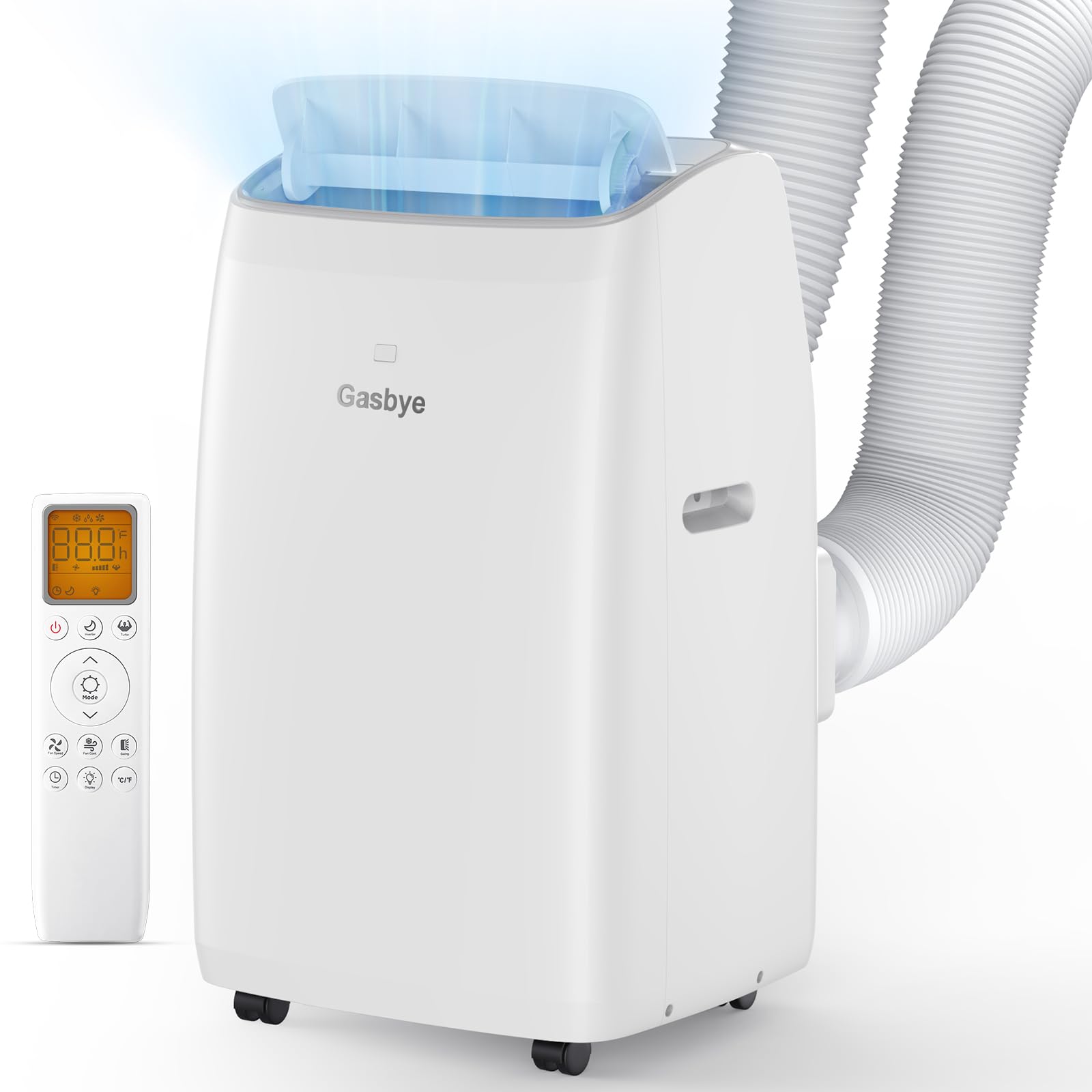
I relied on this dual‑hose, full DC inverter portable AC to cool large spaces rapidly while keeping noise and energy use low.
Why I picked it: Dual‑hose + true DC inverter compressor for fast, efficient cooling.
Best for: Larger rooms up to about 500 sq ft and overnight use where quiet matters.
A higher-end portable AC but built for efficiency and backed by extended coverage.
Pros
- True dual‑hose design for balanced indoor pressure
- Full DC inverter compressor for steady, efficient cooling
- Low noise around 45 dB in inverter mode
- Backlit remote and display‑off for night use
- Three‑year coverage for extra peace of mind
Cons
- Bulkier and heavier than tower coolers
- Needs window access for hose routing
- Two people recommended for initial setup
My take
When I needed something to cool a large living room, this Gasbye unit delivered noticeably faster temperature drops than single‑hose portables I’ve used. The dual‑hose arrangement keeps indoor pressure stable and helps the unit sustain cooling without pulling hot air back into the room.
The DC inverter compressor is the standout — in Turbo mode the room cools quickly, and switching to Inverter mode at night brought the compressor frequency down so the sound level settled near the mid‑40 dB range. That made it easy to sleep with the unit running.
Installation was straightforward but substantial: the unit is full‑size (about 15.5" D × 17.7" W × 29.3" H), and routing the exhaust requires planning. I appreciated the included drain hose and the well‑designed hose connections, but plan on two people for initial placement.
Energy performance felt real: the higher CEER and inverter operation meant I ran it through hot afternoons and then let it coast at lower frequencies overnight without worrying about runaway power use. The backlit remote and a Display Off feature are nice touches for bedroom use, and the three‑year support policy added confidence during longer tests.
2. MEPTY 3‑in‑1 Evaporative Air Cooler – Best 3‑in‑1 Evaporative Cooler
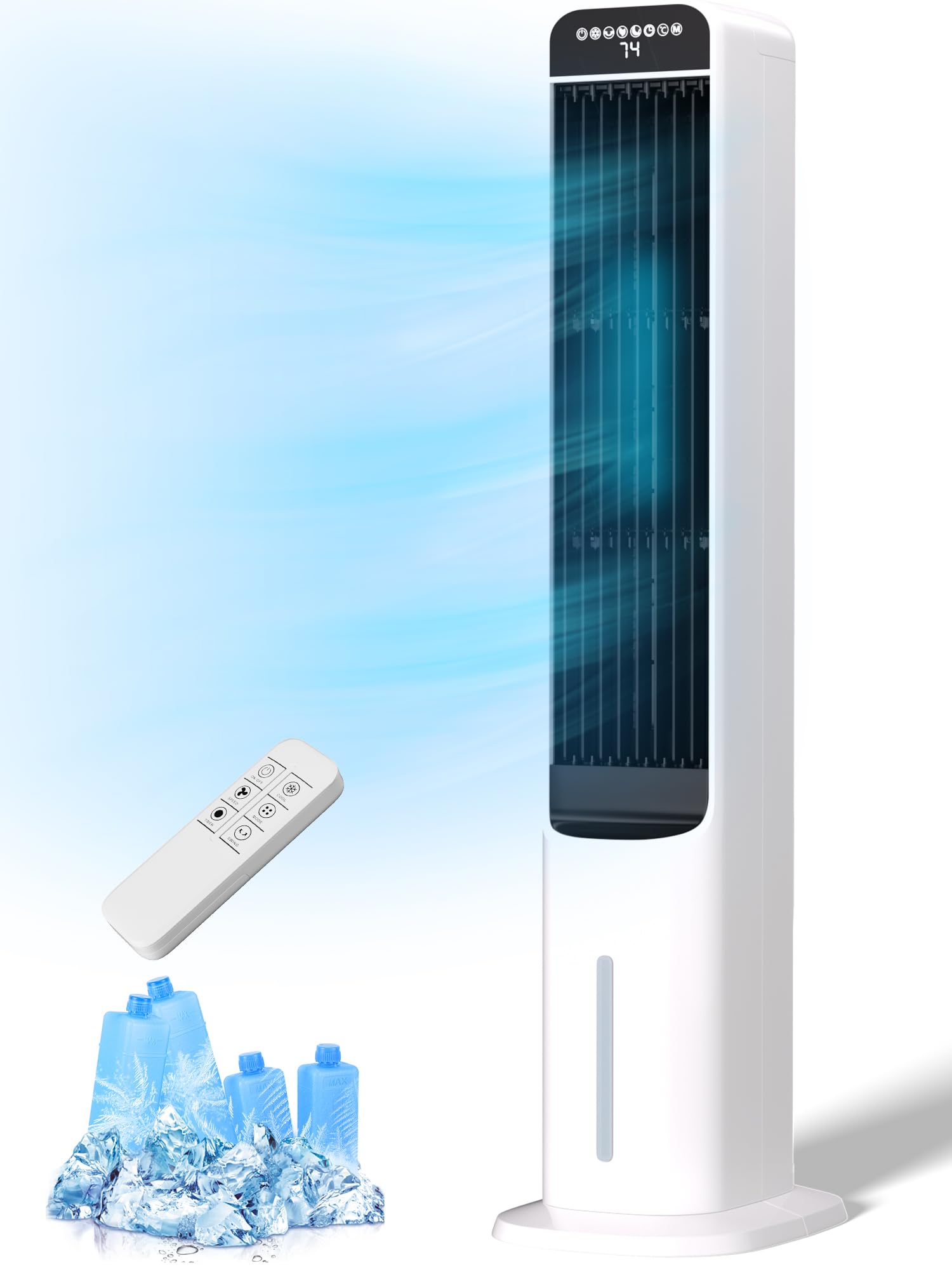
I used the MEPTY tower cooler as a compact, energy‑lean alternative to AC — it cools, humidifies, and circulates air with low power draw.
Why I picked it: Tower form factor that combines cooling, humidifying, and fan modes.
Best for: Bedrooms, small living areas, and dry climates where added humidity is welcome.
An affordable, energy‑efficient tower cooler compared with standard air conditioners.
Pros
- Three-in-one: cooler, humidifier, and fan
- Three modes and three speed settings
- Pull‑out water tank makes refills easy
- Low 80W power draw
- ETL-certified for safety
Cons
- Best performance in dry climates
- Not a refrigerant AC — limited whole-room cooling
- Ice packs required for peak chill
My take
This MEPTY unit quickly became my go‑to when I wanted a chill breeze without running a full AC. The Normal, Natural, and Sleep modes make it flexible for daytime work and quiet nights.
Refilling the pull‑out tank is simple and the included freezer bottles are convenient — I froze them overnight and swapped them in for an extra hit of cold air during peak heat. Expect an immediate local cooling effect rather than whole‑room temperature drops.
Operation is pleasantly quiet and the copper motor felt solid in my testing. At the wattage it uses, it ran comfortably all evening without spiking my power draw, which is exactly what I needed for living‑room circulation and some added humidity in dry weather.
3. 35‑inch Windowless Evaporative Air Cooler – Best for Windowless Rooms
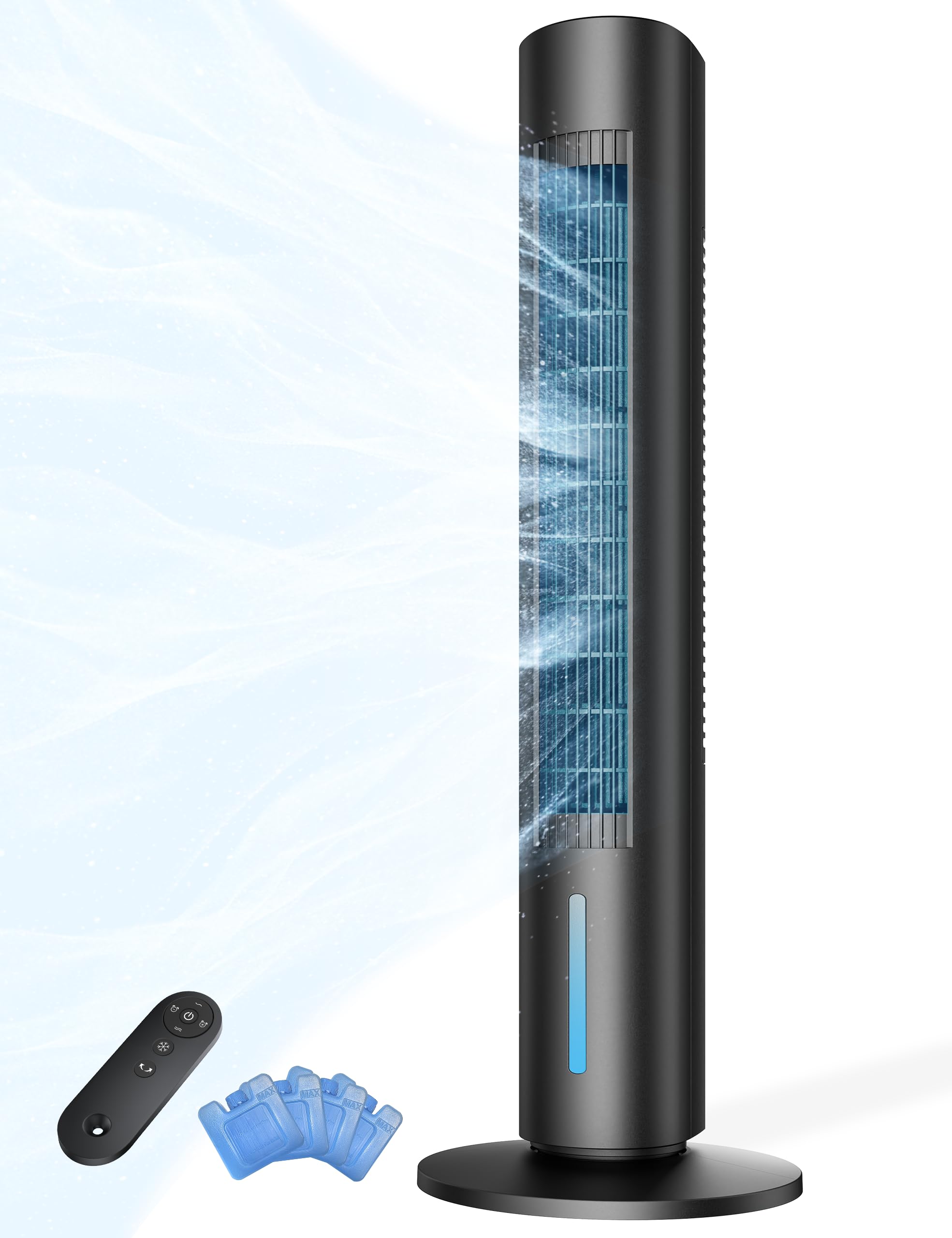
I relied on this tall, hoseless cooler in rooms where venting wasn’t an option — it delivers targeted cool air with wide oscillation.
Why I picked it: No hoses or window installation required for instant setup.
Best for: Dorms, offices, and bedrooms without window access.
A budget‑friendly hoseless solution compared with portable ACs.
Pros
- Works without windows or venting
- Lightweight and easy to move
- Wide 140° oscillation spreads airflow
- Remote control and 7‑hour timer
- Large water tank for extended runs
Cons
- Best as a personal or small‑room cooler
- Needs ice packs for colder blast
- Feels like wet breeze, not true AC
My take
I brought this 35‑inch unit into a small bedroom that had no window access and had it cooling in minutes. The lack of hoses made setup a non‑event — plug it in, fill the tank, and go.
The unit’s oscillation is surprisingly wide and helped spread the airflow across the room so I didn’t have to sit directly in front of it. In my dry climate the cool mode plus an ice pack cut perceived temperature in my immediate zone by several degrees.
It’s light — I could move it between rooms easily — and the remote/timer pair made overnight use convenient. Don’t expect it to replace a refrigerant AC for whole‑room conditioning, but it’s an excellent hoseless option for personal comfort.
4. 37‑inch Evaporative Tower Cooler – Best for Wide Coverage
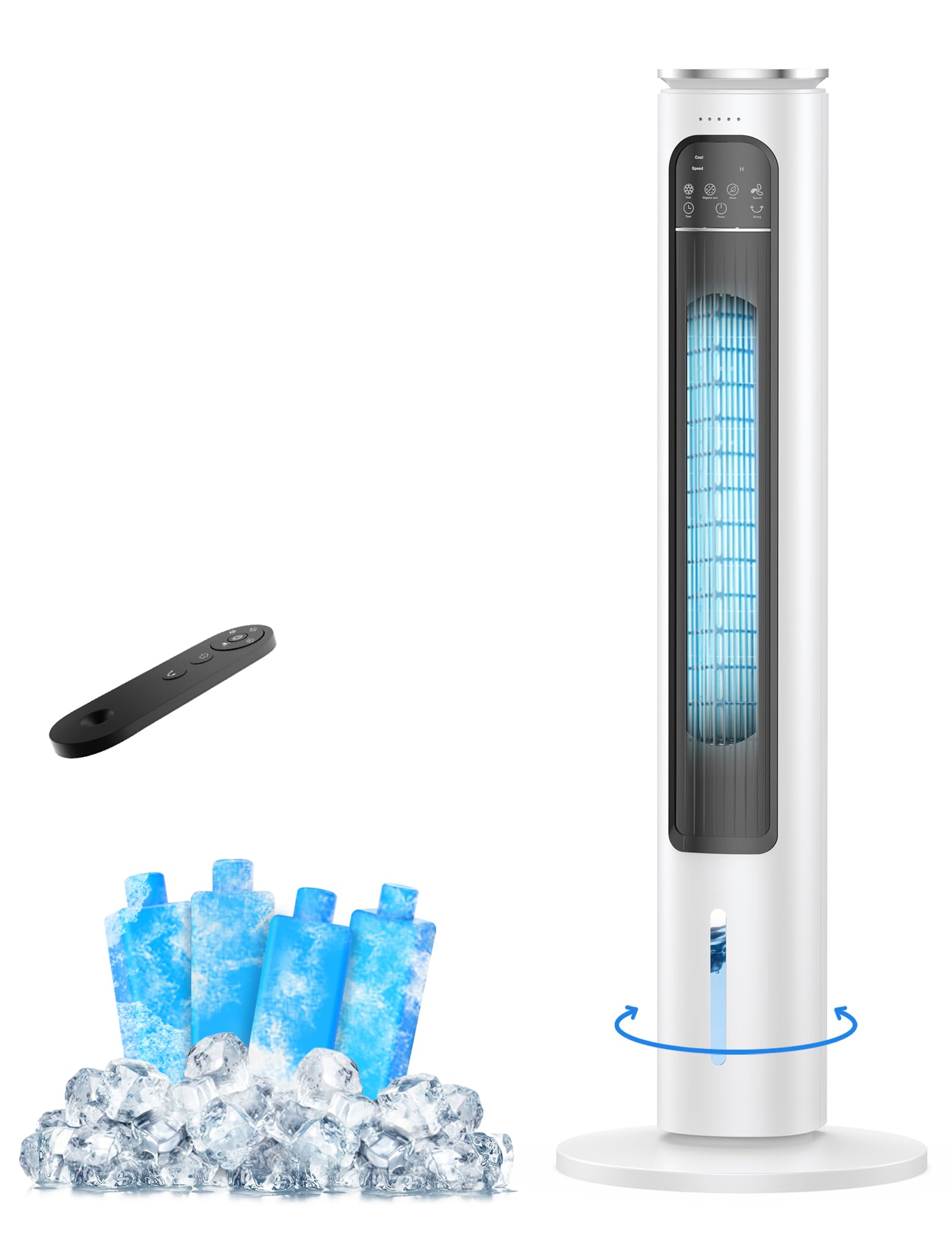
I used this tower cooler when I wanted extended runtime and broader room coverage without installation or hoses.
Why I picked it: Long runtime, strong turbine motor, and 70° swing for spread cooling.
Best for: Open living spaces up to the claimed coverage and users who want easy maintenance.
Midrange hoseless cooler with good runtime and features.
Pros
- Fast initial cooling from upgraded turbine motor
- Long runtime — full tank lasts many hours
- 70° oscillation covers more area
- Remote and top touch controls
- Easy to disassemble and clean
Cons
- Not a refrigerant unit — limited whole‑room cooling
- Tank capacity smaller than some XL models
- Packaging occasionally arrives imperfect
My take
I appreciated how quickly the turbine motor pushed cool air — in my living area the difference between having it on or off was obvious within a couple minutes.
The 1.2L–2.5L style tanks on these tower coolers let me run through evening hours without constant refilling, and adding the reusable ice packs definitely amplified the chill when the room got really hot.
Controls are thoughtful: the touch top is responsive and the remote lets me change modes from the couch. Cleaning is straightforward since the water reservoir and fiber curtain pull out easily for rinsing.
5. FLOWBREEZE Hoseless Evaporative Cooler – Best for Extra Cold Blast
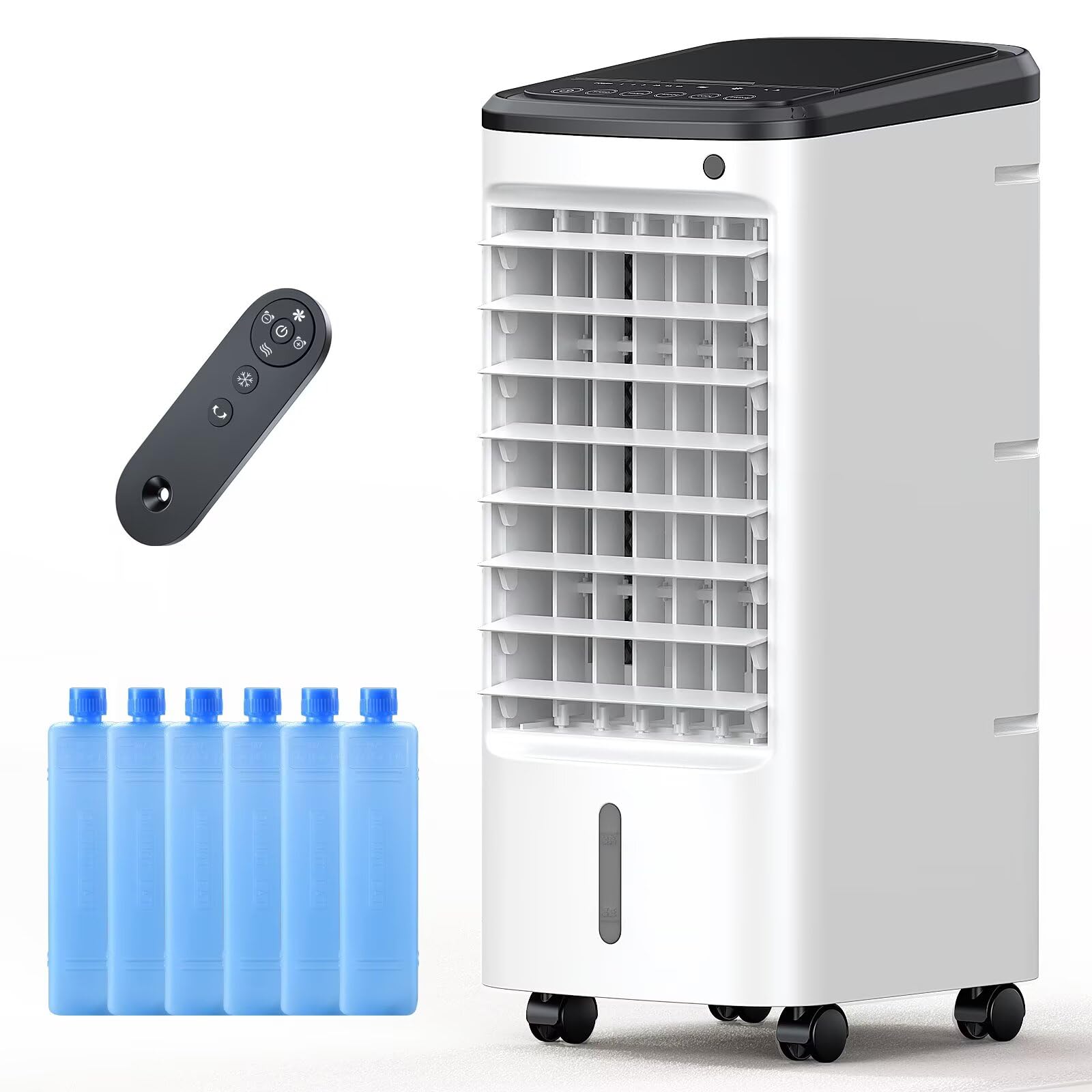
I chose this FLOWBREEZE unit when I wanted longer single‑fill runtime and a serious cold blast from multiple ice packs.
Why I picked it: Large tank plus six reusable ice packs for extended cold bursts.
Best for: Medium bedrooms or workshops where portability and quick chill matter.
A practical hoseless option with premium cooling extras.
Pros
- XL 1.2-gallon tank for long runs
- Six reusable ice packs included
- 65° horizontal swing plus vertical tilt
- Quiet operation and 12‑hour timer
- Wheels make it easy to move
Cons
- Best for smaller to medium rooms
- Performance varies with humidity
- Not a substitute for refrigerant AC
My take
I used FLOWBREEZE in a medium bedroom and a small garage during warm days — the 1.2‑gallon tank let me run for hours between refills, and the multiple ice packs give a real, noticeable cold boost.
The oscillation and vertical tilt helped aim the airflow exactly where I wanted it, and because it’s hoseless I rolled it from room to room without fuss. It’s quiet enough for night use and the timer makes overnight operation worry‑free.
For people who need quick, portable relief in spaces that aren’t suited for venting, this unit hits a good balance of runtime, portability, and intensity when paired with the ice packs.
How I Choose a Portable AC or Evaporative Cooler
Type: Refrigerant Portable AC vs Evaporative Cooler
I pick a refrigerant portable AC when I need true whole‑room temperature control, venting is available, and humidity reduction matters. These units remove heat and moisture but require a hose and window or wall access.
I opt for an evaporative cooler when I want hoseless simplicity, low power draw, and added humidity in dry climates. They create a cold, wet breeze and perform best where ambient humidity is low.
- Refrigerant AC: real temperature drop, needs venting, better in humid climates.
- Evaporative cooler: hoseless, energy‑lean, works best in dry air, increases humidity.
Sizing and Room Fit
I measure the room and choose a unit rated for that square footage — portable ACs list coverage and evaporative units are best for personal or small‑to‑medium rooms.
For refrigerant units, remember they need space for hoses and clearance around the cabinet; check dimensions before buying.
- Match unit capacity to room size for quick cooling.
- Account for unit dimensions and hose routing during placement.
Noise, Modes, and Night Use
I look for inverter compressors or dedicated sleep modes when overnight quiet is important; these reduce compressor frequency and overall noise.
Evaporative coolers tend to be quieter and have sleep modes, but they create a continuous breeze rather than a sealed cool room.
- Seek inverter tech for quieter, more efficient refrigerant units.
- Use "display off" or sleep modes to eliminate panel glow at night.
Installation and Portability
I factor in how often I’ll move the unit. Tower evaporative coolers are light and rollable; refrigerant portables are heavier and often need two people to install properly.
If you can’t run a vent hose, choose a hoseless evaporative model or consider a compact AC designed for minimal routing.
- Plan hose routing for dual‑hose or single‑hose ACs.
- Look for wheels and handles if you’ll reposition frequently.
Maintenance and Runtime
I clean or rinse filters and empty water tanks regularly. Evaporative coolers need fresh water and periodic pad cleaning; refrigerant portable ACs can require periodic condensate draining or drain‑hose routing.
Ice packs help evaporative units but add the chore of freezing and swapping them.
- Empty and dry water tanks between uses to avoid odors.
- Rinse evaporative pads and replace filters per manufacturer guidance.
Frequently Asked Questions
Can an evaporative cooler replace a refrigerant portable AC?
In my experience, evaporative coolers can provide strong local cooling and added humidity in dry climates, but they don’t lower whole‑room temperature like a refrigerant AC. Choose an evaporative model for energy‑lean, hoseless cooling; choose a refrigerant AC when you need steady whole‑room temperature control or live in a humid area.
Do dual‑hose portable ACs actually cool faster?
From my testing, dual‑hose units cool more efficiently than single‑hose portables because they avoid negative pressure and reduce hot air intake. That usually translates to quicker temperature drops and steadier operation over long runs.
How loud are inverter portable ACs at night?
I found inverter models can slip into the mid‑40 dB range in their low‑frequency modes, which is noticeably quieter than fixed‑speed compressors. Look for models with explicit inverter or sleep modes if low noise matters.
How often should I clean the water tank and pads?
I clean evaporative pads and rinse the tank every one to two weeks with regular use, and I let the tank dry between uses to prevent odors. Filters on refrigerant portables should be checked monthly during heavy use.
Final Take
If I had to pick one unit for reliable, whole‑room cooling I used the Gasbye dual‑hose inverter portable AC — it’s efficient, quieter at night, and built for larger spaces.
For portable, hoseless comfort in dry climates I turned to the tower evaporative coolers; MEPTY and FLOWBREEZE offered the best balance of runtime and intensity depending on how much cold‑pack boost I wanted.
Measure your room, decide whether you can vent a hose, and choose based on whether you want true temperature control or a low‑power, easy‑to‑move cooling solution.
