
I tested burlap race sacks, cotton storage bags, mesh produce sacks, and full race kits so you can pick the right potato sack for parties, pantry storage, or zero-waste shopping.
I’ve rounded up the potato sacks I actually used across backyard parties, school field days, and my pantry. Between burlap race sacks, organic cotton storage bags, and mesh produce sacks, each style has a clear purpose.
My goal was simple: find durable kits for games, breathable bags for long-term storage, and washable reusable options for grocery runs. Below I explain which sacks worked best in which setting and why.
I compared carnival-style race kits, burlap sacks, cotton muslin storage sacks, and mesh produce bags for durability, breathability, and real-world usefulness so you can pick a kit for events or a bag for pantry and grocery use.
1. CWLAKON Potato Sack Race Kit – Best Party Pack
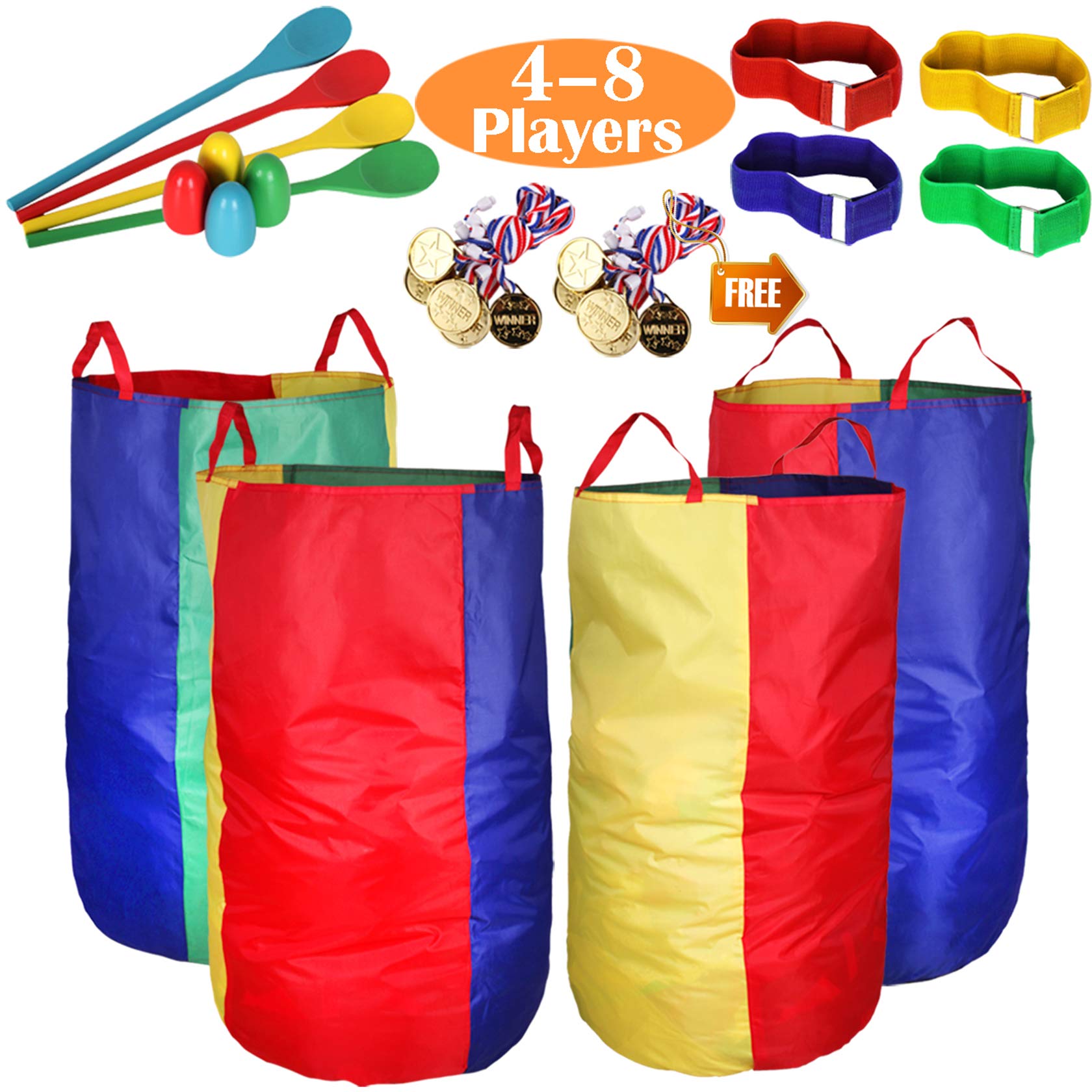
I used this kit for field days and neighborhood parties when I needed a complete set that includes race sacks plus accessories.
Why I picked it: Complete kit with roomy oxford sacks and race accessories for events.
Best for: School field days, family reunions, backyard parties.
Very affordable way to outfit a group.
Pros
- Comes with sacks and race accessories
- Oxford cloth with double-bottom construction
- Sacks large enough for most adults
- Bright, kid-friendly colors
Cons
- Sacks can tear under heavy adult use
- Some accessories feel lightweight
My take
When I set up a school Global Day of Play and a few backyard relays, this kit gave me everything I needed. The 34" x 17" oxford cloth sacks are roomy and the double-bottom stitching held up well for most of the kids and many adults.
I liked that the package includes three-legged race bands and egg-and-spoon pieces—those extras turned a single game into a whole field day rotation. The medals were a nice touch for finishing races and keeping momentum.
I did see a limitation when larger adults used the sacks: in one instance the sack tore under heavy stress. For mostly kid-focused events this kit is excellent, but I’d avoid asking very heavy adults to rely on the sacks alone without supervision.
2. LEAFICO Cotton Drawstring Bags – Best Cotton Storage
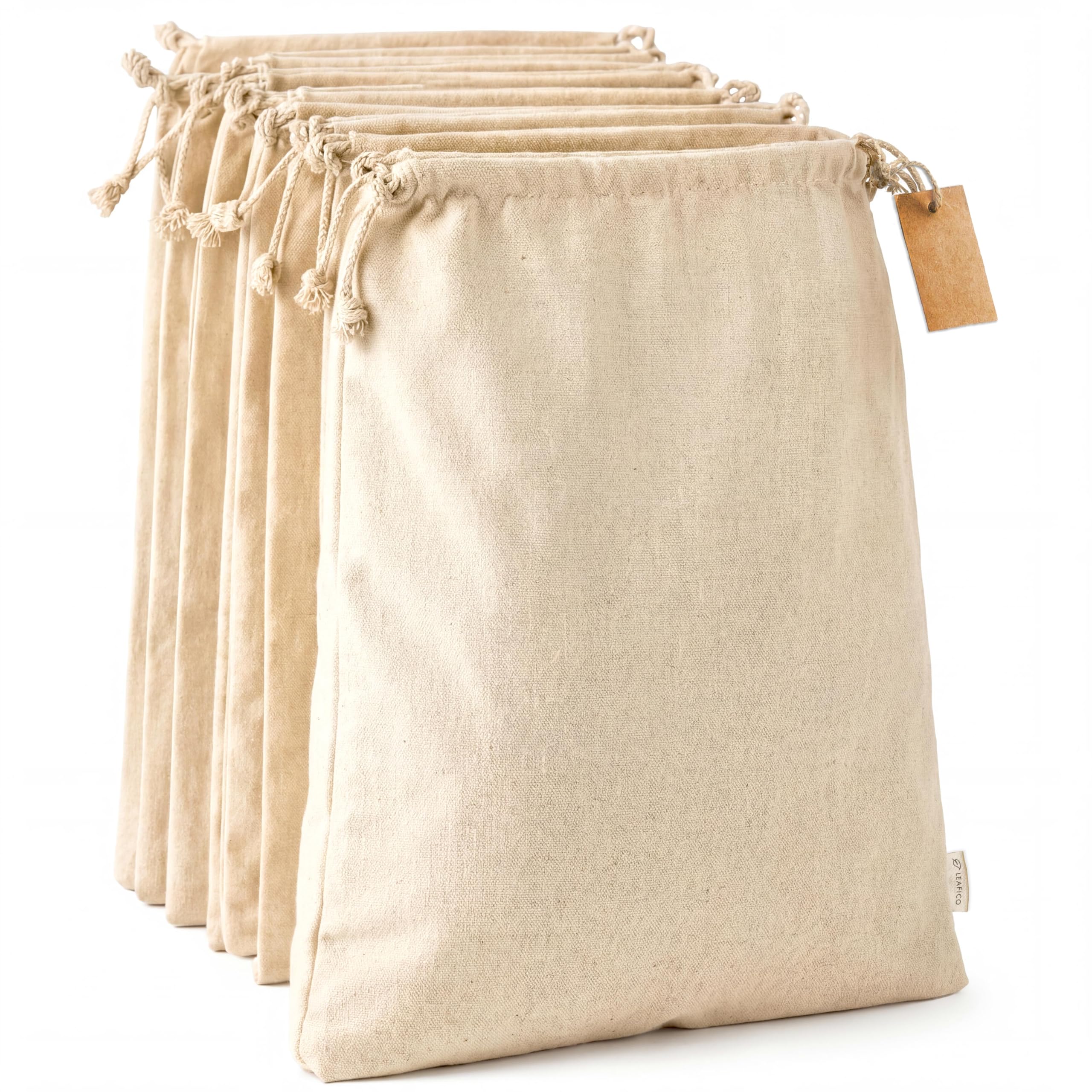
I used these 100% cotton drawstring sacks to store bread and bulk produce; they’re sturdy, breathable, and feel more finished than generic muslin.
Why I picked it: Extra-large cotton with solid construction and a tidy drawstring closure.
Best for: Storing bread, potatoes, onions, and gifting loaves.
A midrange, reusable option that feels premium.
Pros
- 100% cotton; breathable for produce
- Generous 14×17 size
- Neat drawstring closure
- Well made and reusable
Cons
- Not water-resistant
- Can wrinkle after washing
My take
I used these 14×17 cotton bags for homemade loaves and larger root vegetables, and they made the pantry look tidy. The drawstring keeps contents contained and the breathable cotton helps prevent condensation around potatoes and onions.
The fabric has a crisp, high-quality feel that works well for gifting bread—my friends appreciated the presentation. I also appreciated that the material is thick enough to handle repeated use without fraying.
If you need waterproof storage or airtight containers, these won’t replace that, but for reusable, eco-friendly storage and transport they’re a reliable choice.
3. Shop Square Burlap Potato Sacks – Best Eco Burlap
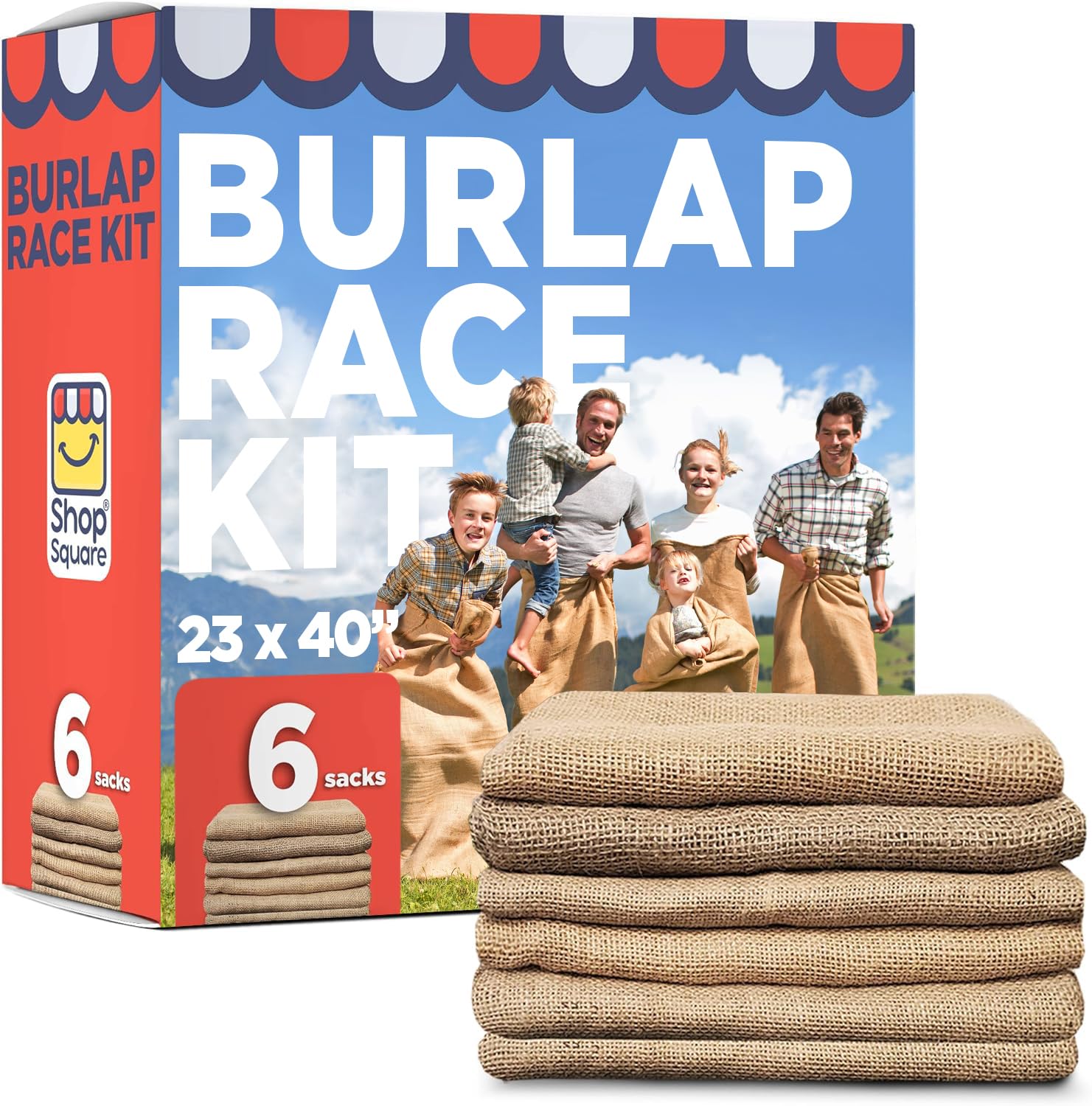
I prefer these jute burlap sacks when I want a classic race experience and an eco-friendly, fully biodegradable option.
Why I picked it: Natural burlap that’s tough and compostable for traditional sack racing.
Best for: Traditional sack races, rustic events, sustainable game gear.
Affordable, earth-friendly choice.
Pros
- Made from natural, biodegradable burlap
- Reinforced edges for durability
- Large dimensions fit most adults
- Authentic rustic look
Cons
- Coarse texture can be rough on skin
- Bands and accessories may loosen
My take
For old-school sack races I reached for these burlap sacks every time. The 23" x 40" size fits up to a 6' adult comfortably, and the material has that classic jute feel that makes the game feel authentic.
I found the reinforced edges held up to repeated hops and tumbles. The sacks are biodegradable, which matters to me when I’m buying event gear that might wear out in heavy use.
A few practical notes from using them: the burlap is coarse against bare legs—so I recommend wearing shorts or a simple liner—and some of the elastic accessories I paired with the set loosened faster than the sacks themselves. For a backyard Easter or community picnic these are my go-to for atmosphere and sustainability.
4. Organic Cotton Mesh Produce Bags – Best For Groceries
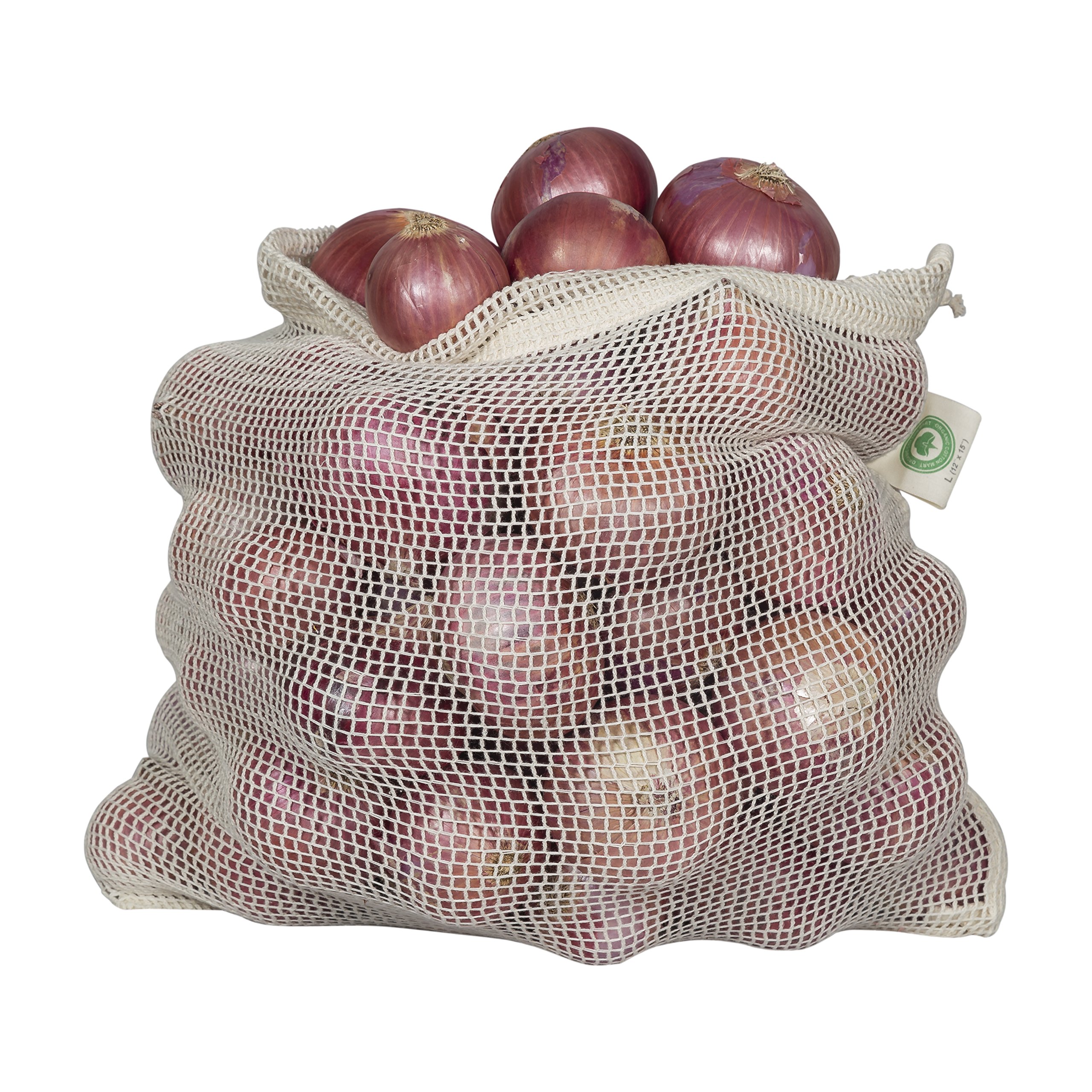
I used the mesh sacks for grocery runs and storing leafy produce; they’re breathable, washable, and include tare-weight tags for easy checkout.
Why I picked it: Certified organic cotton mesh with tare-weight labels and heavy stitching.
Best for: Buying and storing fruits, vegetables, and bulk produce.
A practical zero-waste pick that feels premium.
Pros
- 100% organic cotton mesh
- Breathable, keeps produce fresh
- Tare weight on each tag
- Reinforced double stitching
Cons
- Can shrink slightly after washing
- Not ideal for very heavy bulk above stated weight
My take
I bring these mesh bags to the grocery store and farmers market. The breathable knit slows moisture buildup, which helped my apples and lettuce stay crisper than they did in plastic.
The tare-weight tag made checkout easier—cashiers could deduct bag weight quickly—so I didn’t have to awkwardly unpack a pile of produce at the counter. They’re washable; expect a small amount of shrinkage but the bags stretch back when loaded.
Because they’re made from organic cotton and reinforced stitching, I felt good about using them repeatedly rather than single-use plastic. They’re my everyday choice for zero-waste produce shopping.
5. Organic Cotton Potato Storage Bags – Best Pantry Keeper
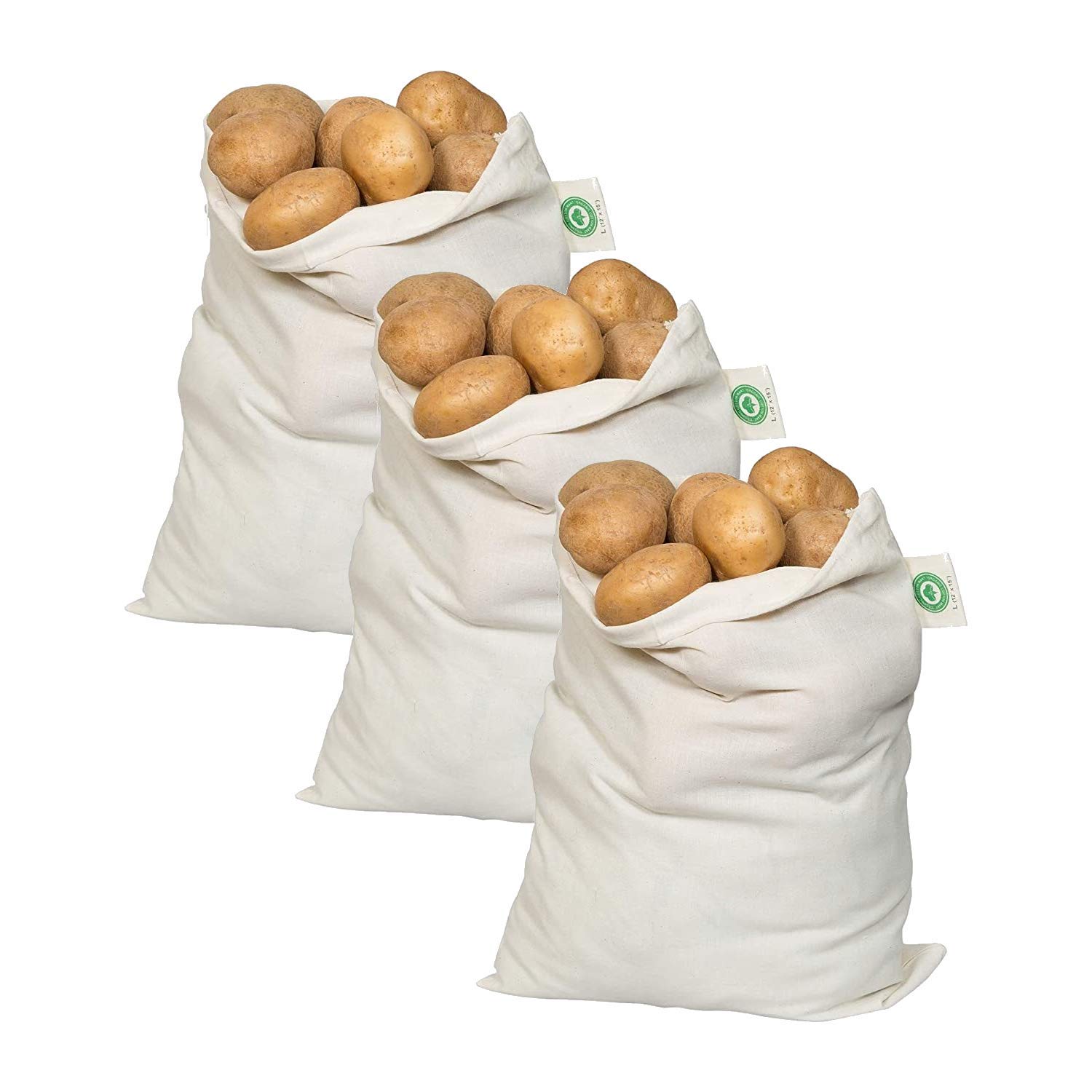
I use these muslin drawstring sacks in the pantry for root vegetables; they breathe well and help potatoes last longer than bagged plastic.
Why I picked it: Breathable organic muslin with drawstring—designed for long-term root storage.
Best for: Pantry storage of potatoes, onions, garlic, and bulk produce.
Cost-effective and practical for pantry use.
Pros
- Organic cotton muslin
- Breathable to reduce rot
- Washable and reusable
- Drawstring for hanging storage
Cons
- Limited pack count in some bundles
- Not moisture-proof
My take
I swapped plastic sacks for these 14×18 muslin bags in my pantry and noticed potatoes stayed drier and firmer longer. The breathability matters: less condensation, fewer soft spots.
The drawstring is handy for hanging the sacks to keep airflow around the vegetables. I also used one to strain yogurt and it worked surprisingly well as a food-prep tool.
These bags feel durable and I expect they’ll hold up through repeated washes and seasons. They’re not a substitute for climate-controlled storage, but they’re a simple, low-effort way to extend shelf life.
How I Choose Potato Sacks
Match the material to the task
I pick burlap for authentic races and compostability, cotton muslin for pantry storage, and mesh for grocery runs. Each material has trade-offs between durability, breathability, and comfort.
If I need a multipurpose bag that survives washing and stores food safely, organic cotton is my default. For a one-day event where atmosphere matters, burlap delivers the right look.
- Burlap/jute: rugged and biodegradable, good for races.
- Cotton muslin: breathable, washable, best for pantry storage.
- Cotton mesh: lightweight and ventilated, best for produce shopping.
Size, construction, and closures
I always check dimensions before use: race sacks need extra height and a roomy opening, while pantry sacks should fit on a shelf or hang by a drawstring. Reinforced seams and double stitching matter when kids hop or you lug heavy produce.
Drawstrings and tare-weight tags add real-world convenience—I’ve saved time at the register and gained better storage options by choosing bags with those features.
- For adults, look for sacks that reach at least waist height on a tall person.
- Reinforced seams and double-bottoms help prevent tears in active use.
- Tare-weight tags simplify grocery checkout.
Durability vs. comfort
I weigh durability against comfort depending on use. Burlap is durable but coarse; I pair it with shorts or liners. Oxford cloth and heavy muslin strike a balance when I expect both kids and adults to participate.
For repeated grocery use, organic cotton with strong stitching gives me longevity without sacrificing feel.
- If skin contact matters, favor softer cotton over raw burlap.
- For repeated heavy use, choose double-stitched or reinforced designs.
Frequently Asked Questions
How do I wash and care for cotton potato sacks?
I wash mine in cold water on a gentle cycle and air-dry. Expect slight shrinkage but the bags usually stretch back when filled; avoid high heat to preserve drawstrings and tare-tags.
Can burlap sacks be reused for pantry storage?
I don’t recommend burlap for long-term indoor pantry storage of potatoes because the coarse weave can let light through and may transfer fibers. I reserve burlap for races and use cotton muslin for pantry storage.
Will mesh produce bags keep potatoes fresh?
I use mesh bags for potatoes and onions when I plan to use them quickly; they’re breathable and reduce moisture buildup. For long-term storage, I prefer muslin sacks in a cool, dark place.
Final Take
I found no single potato sack works for everything. Choose a burlap set for classic races, organic cotton muslin for pantry life extension, and mesh bags for grocery runs.
If you want a single recommendation: pick the style that matches your primary use—party kits for events, muslin for storage, and mesh for shopping—and you’ll be set.
