
I tested a range of indoor potting soils to find mixes that drain, feed, and resist gnats. Here are the blends I keep reaching for and when I use each one.
I spent time repotting, monitoring moisture, and watching plants settle into each mix so I could recommend soils that actually make a difference indoors.
My priorities were drainage, moisture retention, built-in feeding, and how likely a mix is to harbor fungus gnats. I also checked texture and how easy each bag was to work with when repotting multiple plants.
Below I walk through the soils I used most often, how I used them, and which plants I pair them with in my home.
Across these options I noticed a clear split: Miracle-Gro's indoor lines are tuned for fuss-free houseplant care with coir and built-in fertilizer and a focus on being less prone to gnats, while FoxFarm Ocean Forest is a richer, more organic-feeling blend that accelerates growth but can demand a little more attention for indoor pest control. For succulents I preferred the cactus-specific formula for its quick drainage; for large containers I reached for the bulk Miracle-Gro potting mix.
1. Miracle-Gro Indoor Potting Mix, Blended for a Variety of Houseplants, Feeds for up to 6 Months, 6 qt., 2-Pack – Best Overall for Houseplants
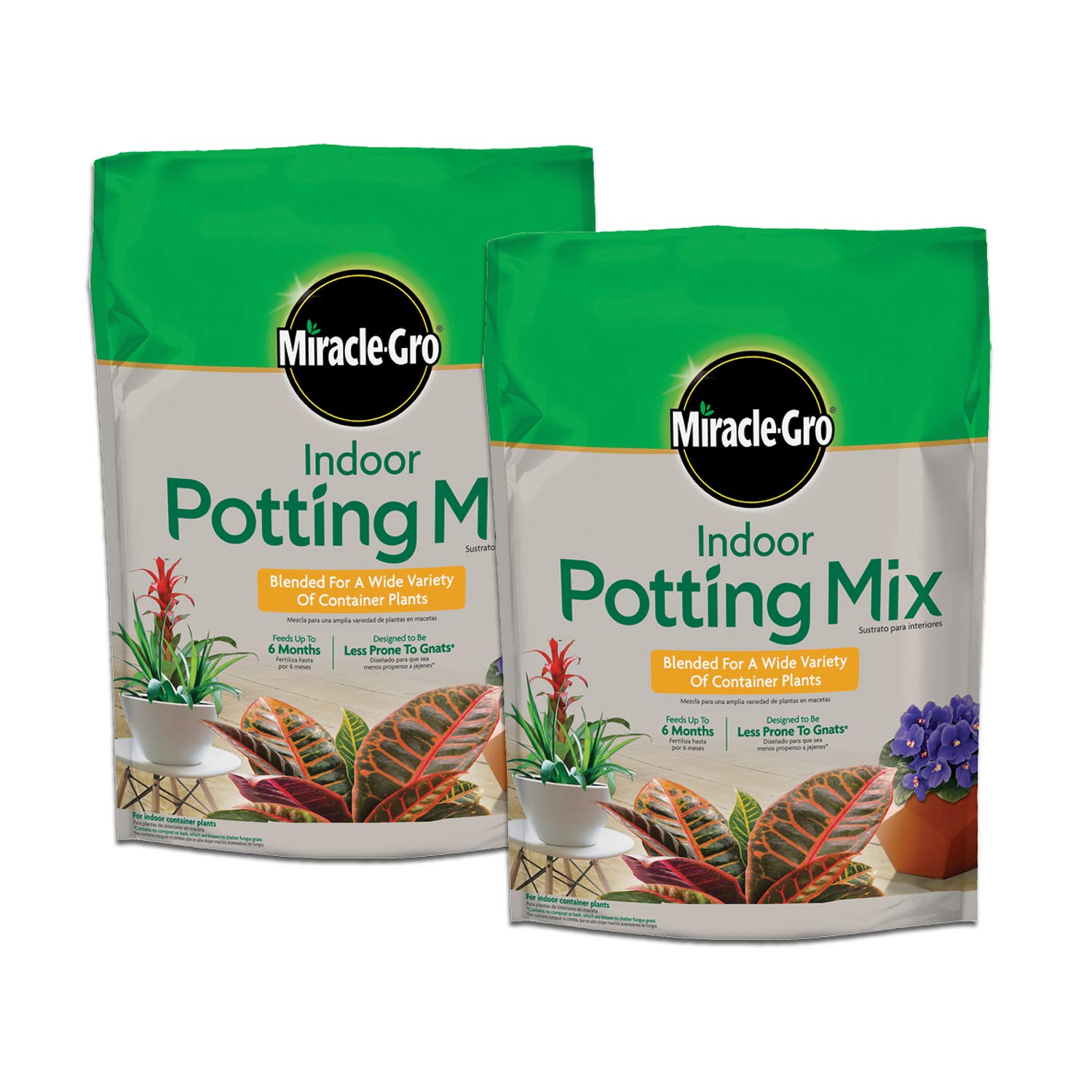
A versatile indoor mix that feeds for months, uses coconut coir for re-wetting, and is formulated to be less prone to fungus gnats.
Why I picked it: Reliable indoor formula, feeds up to six months, coir helps rewetting, two bags for multiple repots.
Best for: Everyday houseplants—tropicals, foliage plants, mixed collections in indoor containers.
Solid value for multiple repots; good quantity for the cost.
Pros
- Feeds plants for up to six months
- Coir helps soil rewet easily
- Formulated to reduce fungus gnat habitat
- Good texture—easy to work with
Cons
- Not a cactus/succulent blend
- Compresses slightly after settling
My take
I reach for this two-pack when I’m refreshing a group of houseplants. The texture is light and workable straight from the bag, and the coconut coir makes it easier to rewet pots that have dried out.
My indoor plants responded quickly after repotting—leaves perked up and root systems settled without a long shock period. I haven’t had persistent gnat problems using this formulation, and I appreciate that it includes feed for about six months so I don’t have to add fertilizer immediately.
For routine repots and for someone who wants a low-fuss indoor soil, this has been my go-to. I do mix in extra perlite for plants where I want faster drainage, but otherwise it performs exactly as advertised.
2. Miracle-Gro Potting Mix, For Container Plants, Flowers, Vegetables, Shrubs, Annuals, Perennials, Feeds up to 6 Months, 1 cu. ft., 2-pack – Best for Large Containers & Outdoor Use
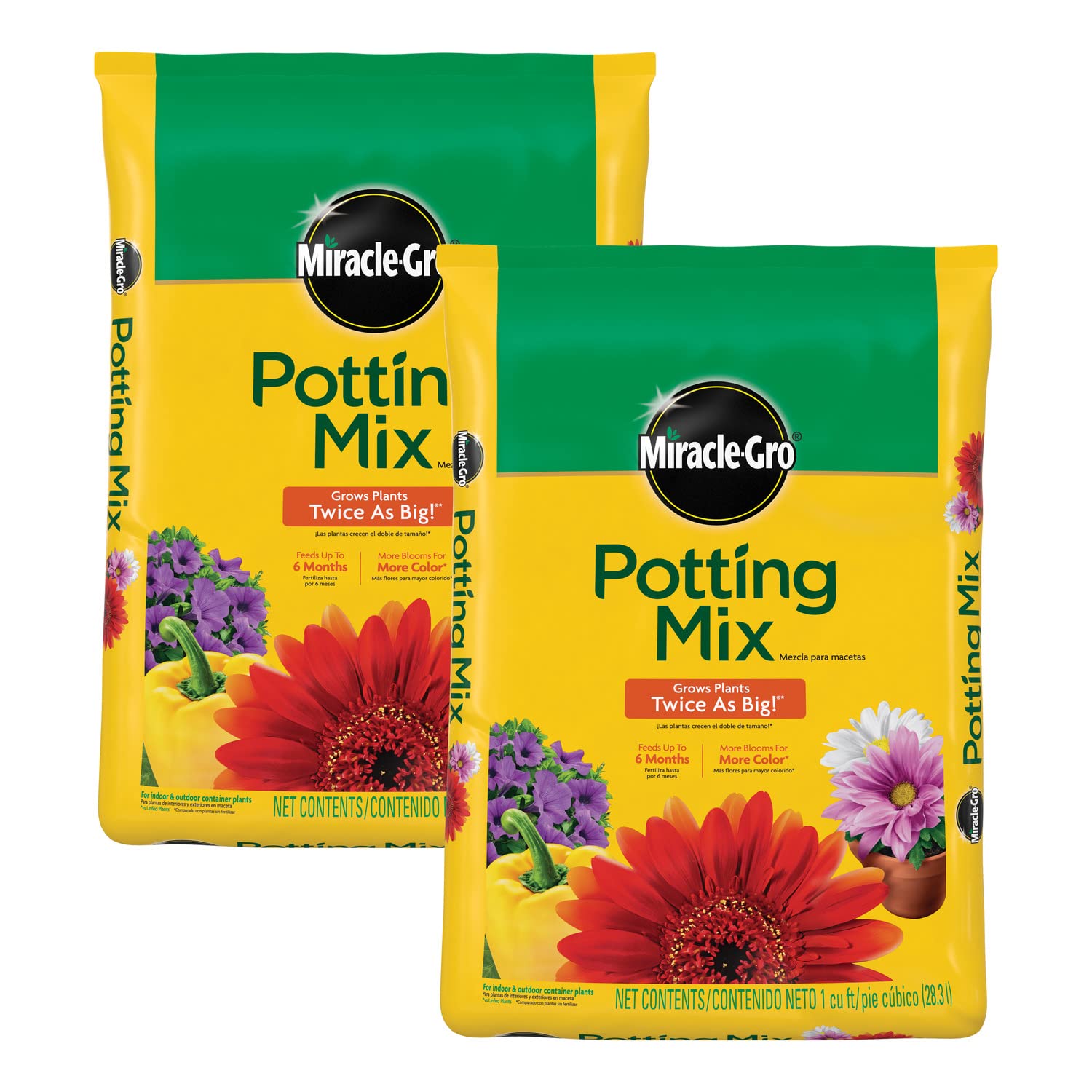
A larger-format potting mix formulated to boost container growth—designed for flowers, vegetables, and big outdoor pots and feeds up to six months.
Why I picked it: Bulk coverage for bigger pots and outdoor container gardening; nutrient-focused for blooms and edibles.
Best for: Large planters, outdoor container vegetables, flower-filled pots that need lots of volume.
Better economics for filling big pots; larger bags are practical if you’re repotting multiple large containers.
Pros
- Feeds up to six months
- Designed to increase blooms and growth
- Large bags cover big pots
Cons
- Takes more storage space
- Can feel pricier than small bags
My take
When I need to fill 12-inch planters or outdoor containers, this larger Miracle-Gro mix is the one I pick. The texture is surprisingly light and fluffy for the volume, which makes it easy to work into big pots.
Plants in these mixes produced visible growth and better flowering compared with unfed soil in my trials. It’s a great option when you want a straightforward, nutrient-forward medium without blending your own amendments.
Be aware that this is a container-focused blend—if you’re potting succulents, you’ll want something grittier. For flowers and vegetables in pots, though, it’s a reliable, space-efficient choice.
3. Miracle-Gro Cactus, Palm and Citrus Potting Mix, For Indoor or Outdoor Potted Plants, Great for Succulents, 8 qt. 1-Pack – Best for Succulents & Cacti
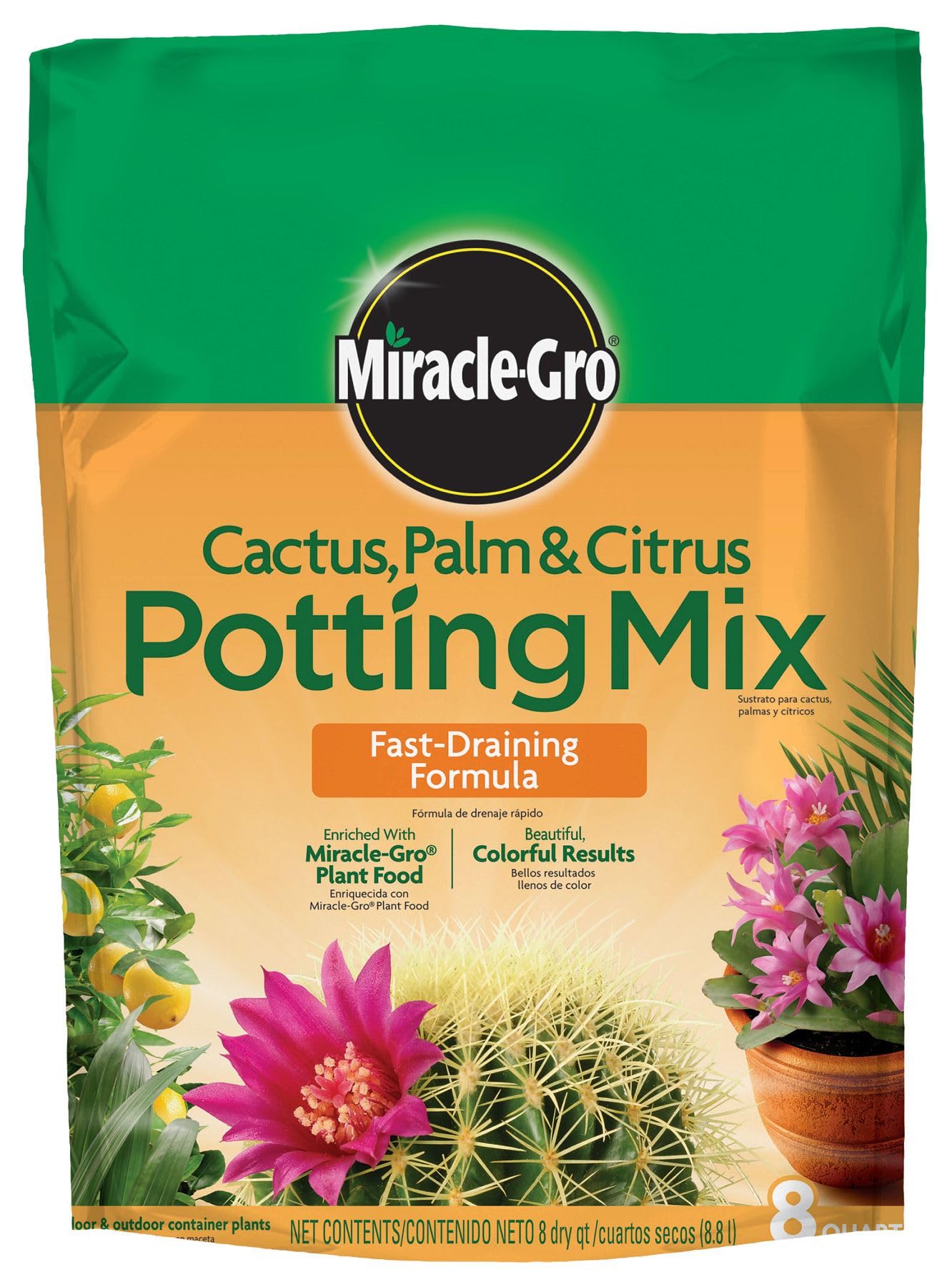
A fast-draining, sand- and perlite-containing mix formulated for cacti, succulents, palms, and citrus, enriched with plant food.
Why I picked it: Fast-draining and fertilizer-enriched—ideal for succulents and drought-tolerant plants.
Best for: Cacti, succulents, potted palms, and citrus trees needing quick drainage.
A cost-effective specialty mix for succulent collections.
Pros
- Fast-draining formula
- Enriched with plant food
- Works indoor or outdoor
Cons
- Can arrive very broken up
- Not for moisture-loving tropicals
My take
For my succulent collection I use this cactus mix almost exclusively. The sand and perlite give it the rapid drainage those plants need, and the added plant food helps young succulents establish quickly after repotting.
I’ve used it indoors and on the patio—both settings produced healthy, compact growth. The one caveat: shipping sometimes breaks the mix down more than expected, so it can be a little dustier on arrival, but the plants don’t mind.
If you’re repotting cacti or anything that needs to dry between waterings, this blend does exactly that without holding excess moisture.
4. Miracle-Gro Indoor Potting Mix, Blended for a Variety of Houseplants, Feeds for up to 6 Months, 6 qt. – Best Single Bag for Indoor Trials
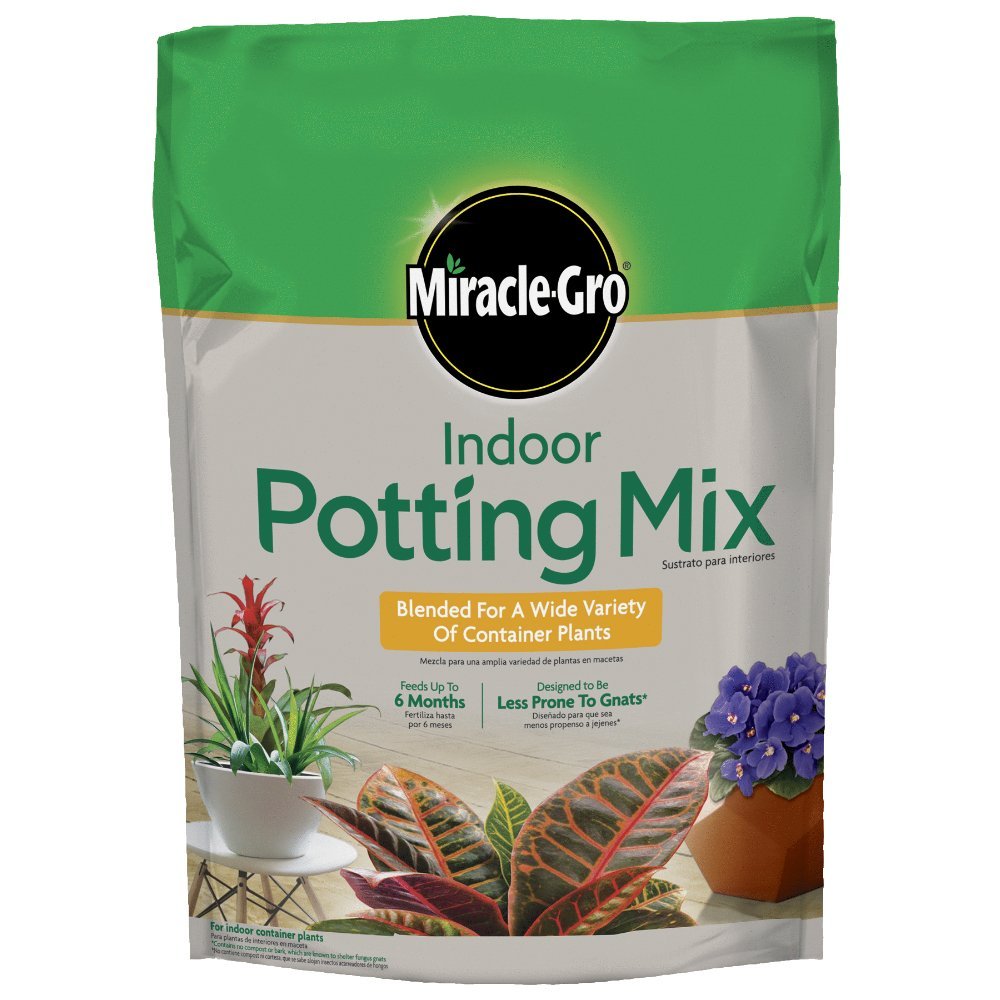
The single-bag version of Miracle-Gro's indoor formula—same feeding and coir benefits in a convenient size for a few pots.
Why I picked it: Convenient single bag of the indoor formula for smaller repotting jobs and testing mixes.
Best for: One-off repots, seedlings, and testing the indoor formula before committing to larger quantities.
Handy single-bag option; a good trial size before buying more.
Pros
- Handy single-bag size
- Feeds for six months
- Pleasant smell and texture
Cons
- Slightly denser than expected
- May need added perlite for extra drainage
My take
I keep a few of these single bags on hand for repotting new purchases or seedlings. It’s the same indoor-focused formula with coir and fertilizer, so plants settle in quickly and I don’t have to top-dress right away.
The mix can feel a touch denser than I prefer for certain pots, so I often blend in some cactus mix or extra perlite for better drainage. That small tweak gives me the best of both worlds—nutrient delivery and fluffier structure.
Overall this bag is convenient for occasional use and gives consistent results for typical houseplants.
5. Miracle-Gro Houseplant Potting Mix – Fertilized Indoor Plant Soil for Containers, Designed to be Less Prone to Gnats, 4 qt. 1 Pack Houseplant – Best Small Bag for Single Repots
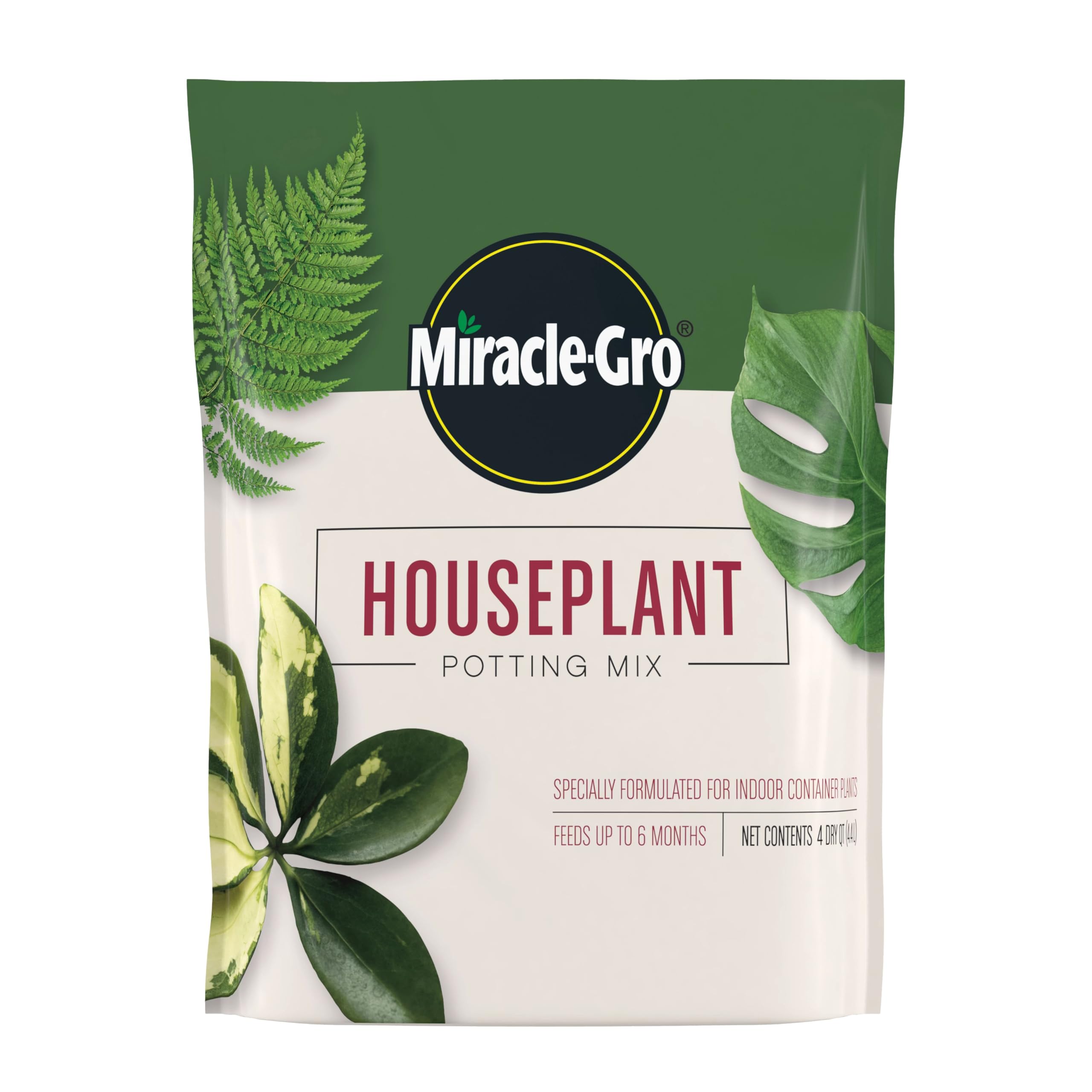
A compact, fertilized indoor mix formulated to be less prone to gnats; combines perlite, peat moss, coir, and fertilizer for quick results.
Why I picked it: Small, fertilized bag perfect for single repots and quick plant rescues.
Best for: Small and medium houseplants like pothos, spider plants, philodendrons, and monstera.
Great for one-off repots—small bag avoids excess storage needs.
Pros
- Fertilized mix; feeds plants
- Includes perlite for drainage
- Designed to be less gnat-prone
Cons
- Small volume—won't fill large pots
- May require multiple bags for big repots
My take
This smaller houseplant bag is one I reach for when a single plant needs fresh soil or a rescue. The built-in fertilizer helped revive a limp ficus in my care, and the perlite keeps the mix from staying soggy.
It’s a compact, no-fuss option—perfect when I don’t want to buy a large bag. Just remember that a 12-inch pot can eat more soil than you expect, so one bag might not be enough for bigger repots.
For bedside plants or single gift repots, this is a convenient and effective choice.
6. FoxFarm Ocean Forest Potting Soil for Container Gardens – Light, Aerated Texture with Fish Meal, Crab Meal, Earthworm Castings – Best for Nutrient-Hungry Plants
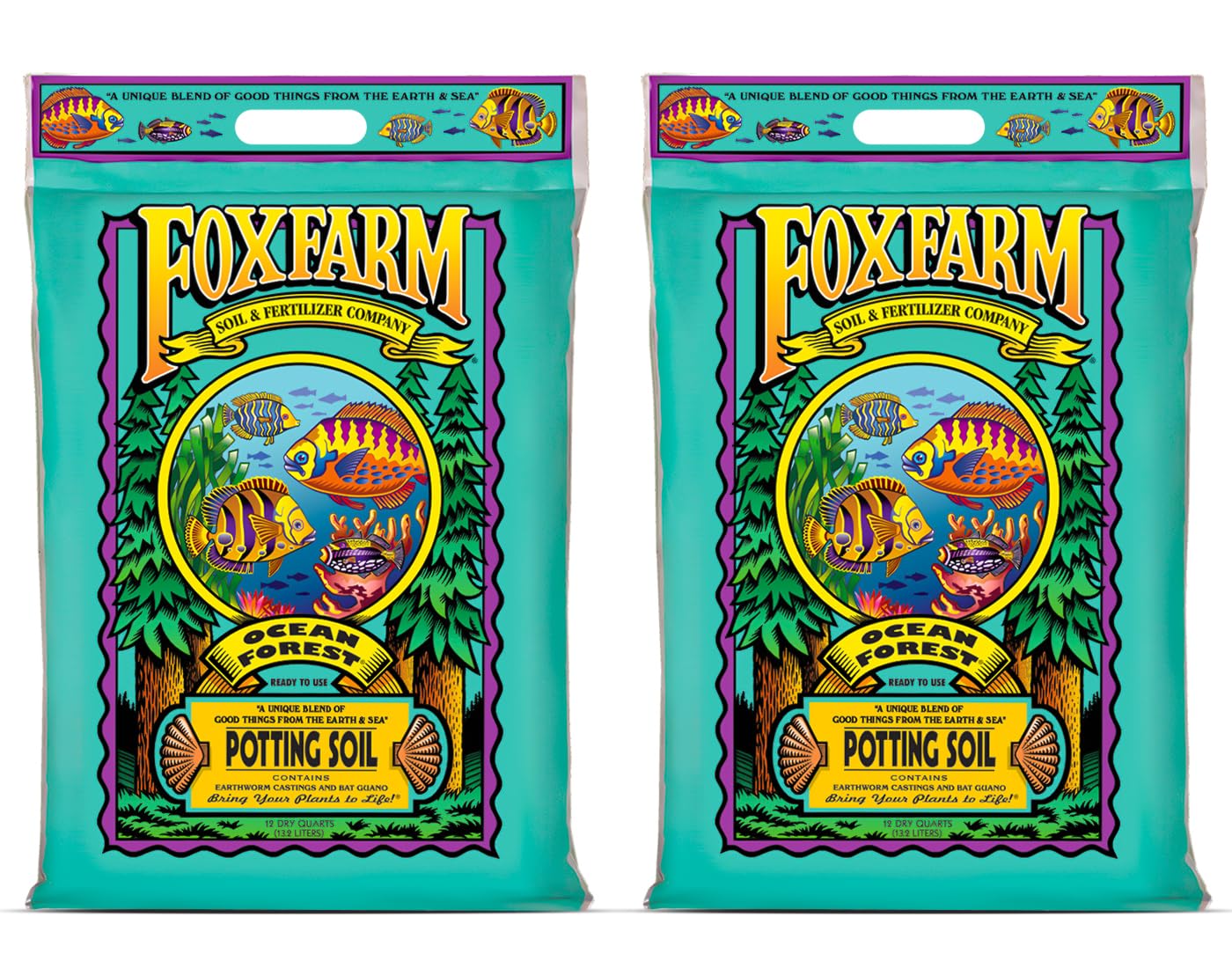
A rich, ready-to-use organic-style blend packed with fish meal, crab meal, and castings—great for vigorous growth and seedlings.
Why I picked it: High nutrient load and airy texture that kickstarts growth for hungry plants.
Best for: Heavy feeders, enthusiastic growers, seedlings, and anyone who wants a nutrient-rich base.
Premium blend—higher price per bag but worth it for vigorous growth.
Pros
- Nutrient-dense, organic-feeling blend
- Light, aerated texture out of the bag
- Ready to use with strong early growth
Cons
- Can attract fungus gnats indoors
- Premium price compared with basic mixes
My take
FoxFarm Ocean Forest is my go-to when I want fast, visible growth. It smells like a well-made organic soil and the texture is chunky and airy, so roots get oxygen and moisture without staying waterlogged.
Seedlings and plant starts pop in this mix. I do exercise caution when using it strictly indoors because the richer organic ingredients can invite gnats if I don’t follow strict watering and hygiene routines.
If you want to push growth and aren’t afraid to feed or manage pests carefully, this is a premium, effective choice that I keep on my shelf.
How I Choose Potting Soil for Indoor Plants
Key features I look for
I prioritize drainage, moisture retention, and whether a mix includes fertilizer. An indoor mix needs to dry to the touch between waterings while still holding enough moisture for roots.
I also consider ingredients: coir or peat helps retain water, perlite or sand improves drainage, and added plant food can eliminate the need to fertilize immediately.
- Texture: light and crumbly, not compacted
- Drainage: contains perlite, sand, or bark
- Moisture retention: coir or peat to rewet pots
- Feeding: built-in fertilizer saves early feedings
- Pest considerations: mixes without compost/bark are less gnat-prone
Choosing by plant type
Succulents and cacti need fast-draining mixes with sand and perlite. I always use a cactus-specific blend for these.
Tropicals and foliage plants benefit from indoor mixes with coir or peat and light feeding. For big container vegetables or flowering pots, a bulk potting mix with more nutrients is ideal.
- Succulents: use cactus mix only
- Tropicals: indoor coir-based mixes work well
- Large containers: choose bulk potting mixes with feed
Repotting and gnat prevention
I always use a pot with drainage and let soil dry to the touch between waterings. Overwatering is the fastest route to gnat problems.
If I suspect gnat eggs, I dry-treat the top layer and add a thin layer of sand or decorative rocks. For a long-term fix I’ll mix in perlite or sand to improve drainage and avoid compost-rich mixes when keeping plants indoors.
- Use pots with drainage holes
- Let soil dry between waterings
- Top-dress with sand to deter gnats
- Mix in perlite for faster drying
Frequently Asked Questions
How often should I repot indoor plants?
I repot most houseplants every 12 months or when they become root-bound. Seedlings and fast growers get checked more often; if roots are circling the pot or growth slows, I move up the schedule.
How do I avoid fungus gnats when using bagged soil?
I let the soil surface dry between waterings, avoid overwatering, and sometimes top-dress with sand. If I spot gnats, I use sticky traps and reduce watering frequency. For persistent infestations I treat the soil and optionally switch to a mix formulated without compost or bark.
Can I use outdoor potting mix indoors?
I avoid outdoor mixes that contain yard compost or bark indoors because they can retain moisture and harbor gnats. For containers I prefer mixes labeled for indoor or container gardening.
When should I use a cactus mix versus an all-purpose mix?
I use cactus mix whenever a plant needs fast drying—cacti, succulents, and some drought-tolerant palms. For tropical houseplants or mixed containers I choose an all-purpose indoor mix with coir and light feeding.
Final Take
I keep at least two types of potting soil on hand: a reliable indoor mix for my foliage and a cactus mix for succulents. For heavy feeders or bulk jobs I reach for a richer, larger bag.
My approach is simple—match the mix to the plant’s water needs, check drainage, and avoid overwatering—and I get consistently healthy indoor plants.
