
I tested the most common potting soils for houseplants, succulents, and container gardens to find mixes that drain well, feed plants, and are easy to use indoors.
I spend a lot of time repotting plants and trying different mixes, so I know how much a good potting soil changes plant health. This roundup focuses on mixes that perform consistently for houseplants, succulents, and outdoor containers.
I evaluated each soil for texture, drainage, nutrient content, and ease of use. Below I explain where each mix shines and how I use them in my own pots.
I compared soils by feel (light vs. dense), drainage speed, fertilizer longevity, and special ingredients like coir, perlite, or organic amendments. My picks favor real-world performance in pots rather than marketing claims.
1. Miracle-Gro Indoor Potting Mix, Blended for a Variety of Houseplants, Feeds for up to 6 Months, 6 qt., 2-Pack – Best for Everyday Houseplants
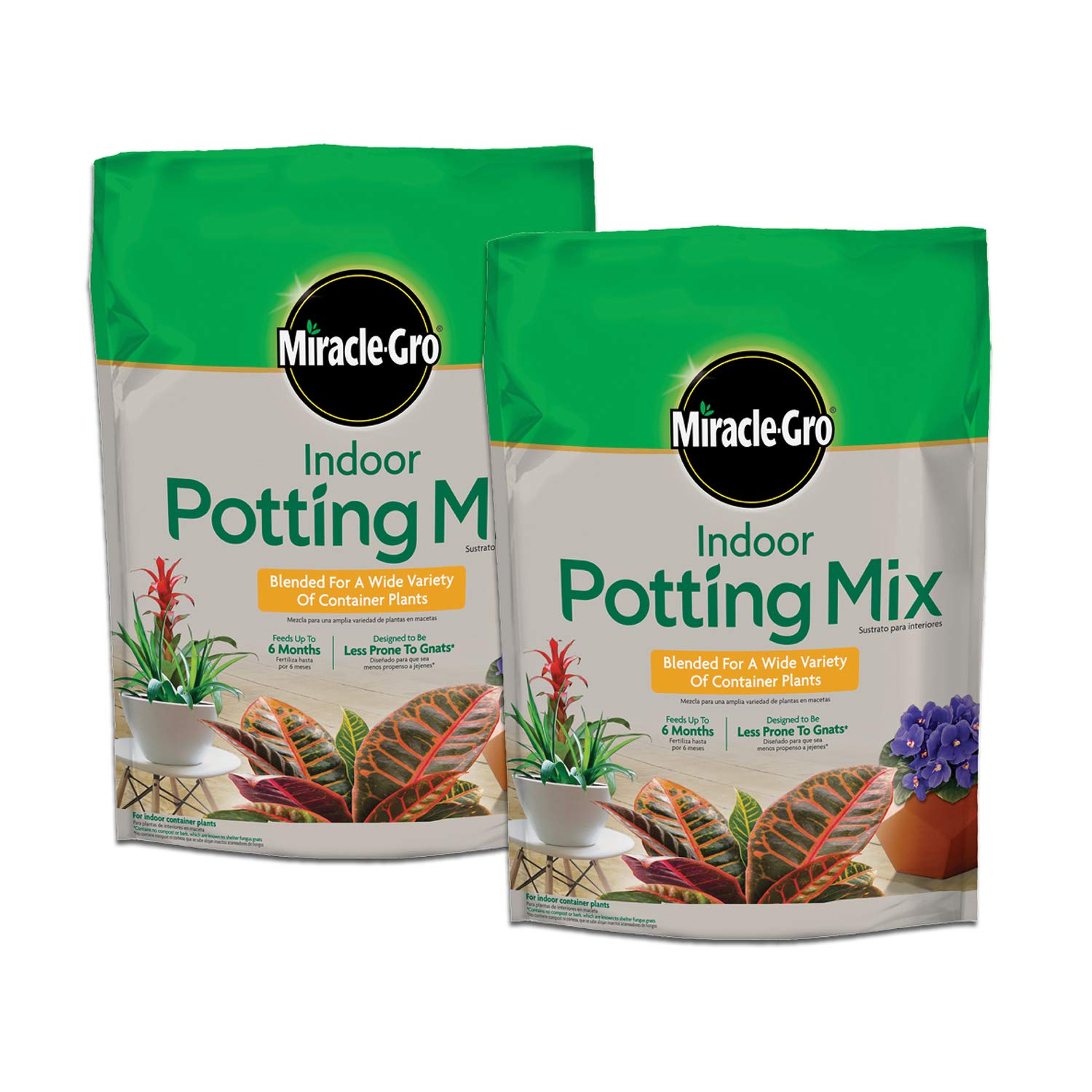
A reliable indoor mix that feeds for months, contains coconut coir, and is formulated to be less prone to gnats.
Why I picked it: Consistent indoor performance, good moisture retention, and easy handling make it my go-to for most houseplants.
Best for: General houseplants, tropicals, and pots where balanced moisture retention is needed.
Good value for multiple small pots in a single purchase.
Pros
- Feeds for up to six months
- Contains coconut coir for moisture control
- Formulated to be less prone to gnats
- Light, easy-to-work-with texture
Cons
- Not ideal if you want an ultra-fast-draining mix
- Bag can smell strong when opened
My take
I use this blend for most of my indoor plants because it hits a useful middle ground: it holds water without going soggy and has enough texture to let roots breathe. The coconut coir helps the soil re-wet after drying, which saved me from overcompensating with constant watering.
After potting, my plants perk up within days. The included fertilizer lasts through the first repotting season, so I delay additional feeding until the label recommends it. I’ve also noticed fewer gnats than with compost-heavy mixes, which makes it a safer option for keeping indoors.
If I want more drainage I mix in perlite or the cactus blend, but on its own this mix is ideal for most pothos, philodendrons, and similar houseplants.
2. Miracle-Gro Potting Mix, For Container Plants, Flowers, Vegetables, Shrubs, Annuals, Perennials, Feeds up to 6 Months, 1 cu. ft., 2-pack – Best for Outdoor & Large Containers
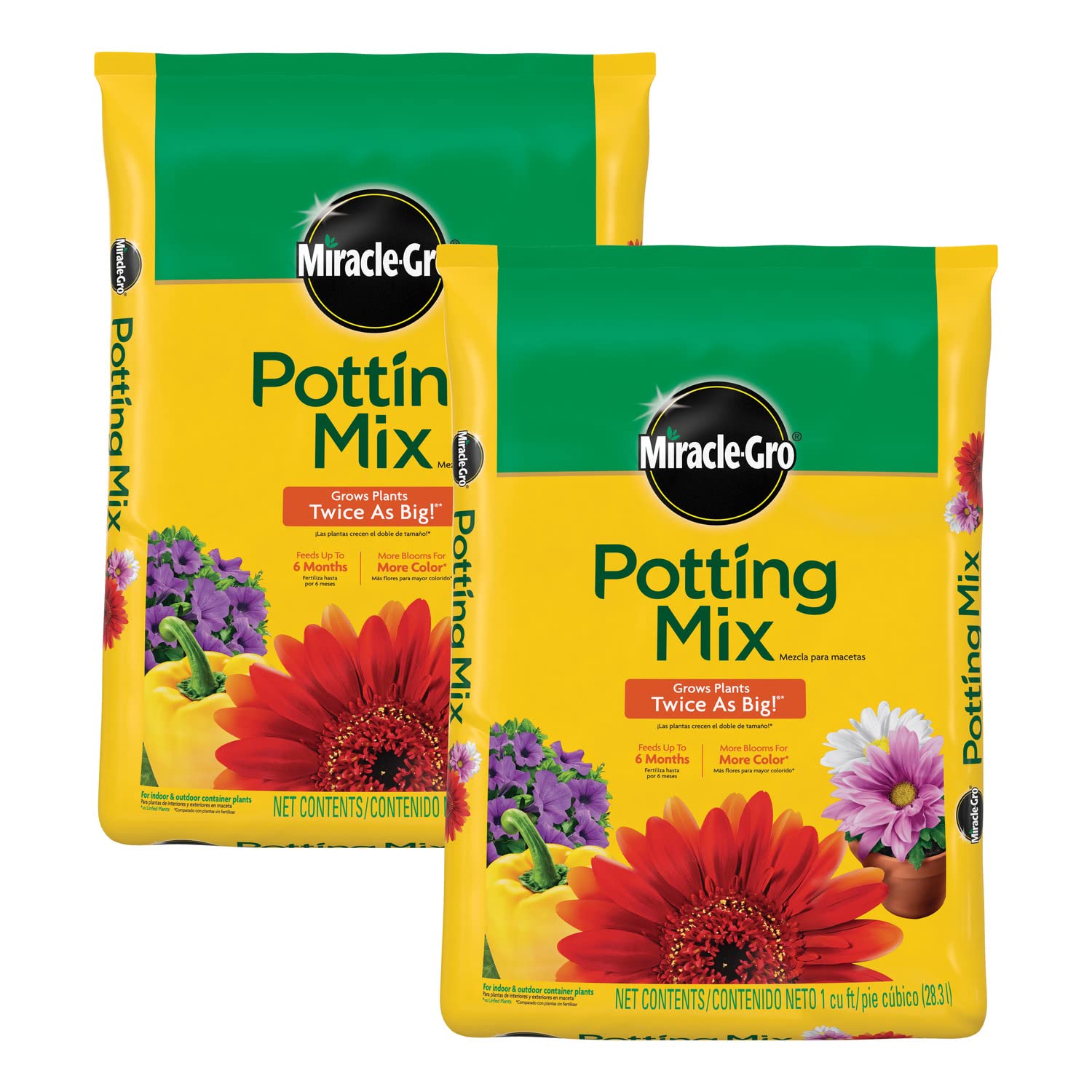
A nutrient-forward potting soil designed to boost blooms and support larger outdoor containers.
Why I picked it: High-volume bags and a fertility profile built for outdoor containers made this my pick for large pots and seasonal planting.
Best for: Outdoor planters, large pots, flowering containers, and vegetables in containers.
A practical choice for big projects; more cost-effective for large containers.
Pros
- Feeds up to six months
- Formulated to boost blooms and growth
- Good for large containers
- Light, fluffy texture
Cons
- Less tailored for delicate indoor plants
- Can be a pricier option per bag
My take
When I’m filling 12-inch pots or bigger, this mix is what I reach for. It’s light and fluffy straight out of the bag, which makes planting and root expansion effortless compared with denser soils.
The built-in fertilizer supports flowers and vegetables for the early stages, so I don’t have to babysit seedlings. On the downside, I treat it as an outdoor product; I prefer a different mix for sensitive indoor houseplants.
For large seasonal containers this is a practical, no-fuss option that simplifies setup and keeps plants productive through the growing season.
3. Miracle-Gro Cactus, Palm and Citrus Potting Mix, For Indoor or Outdoor Potted Plants, Great for Succulents, 8 qt. 1-Pack – Best for Succulents & Cacti
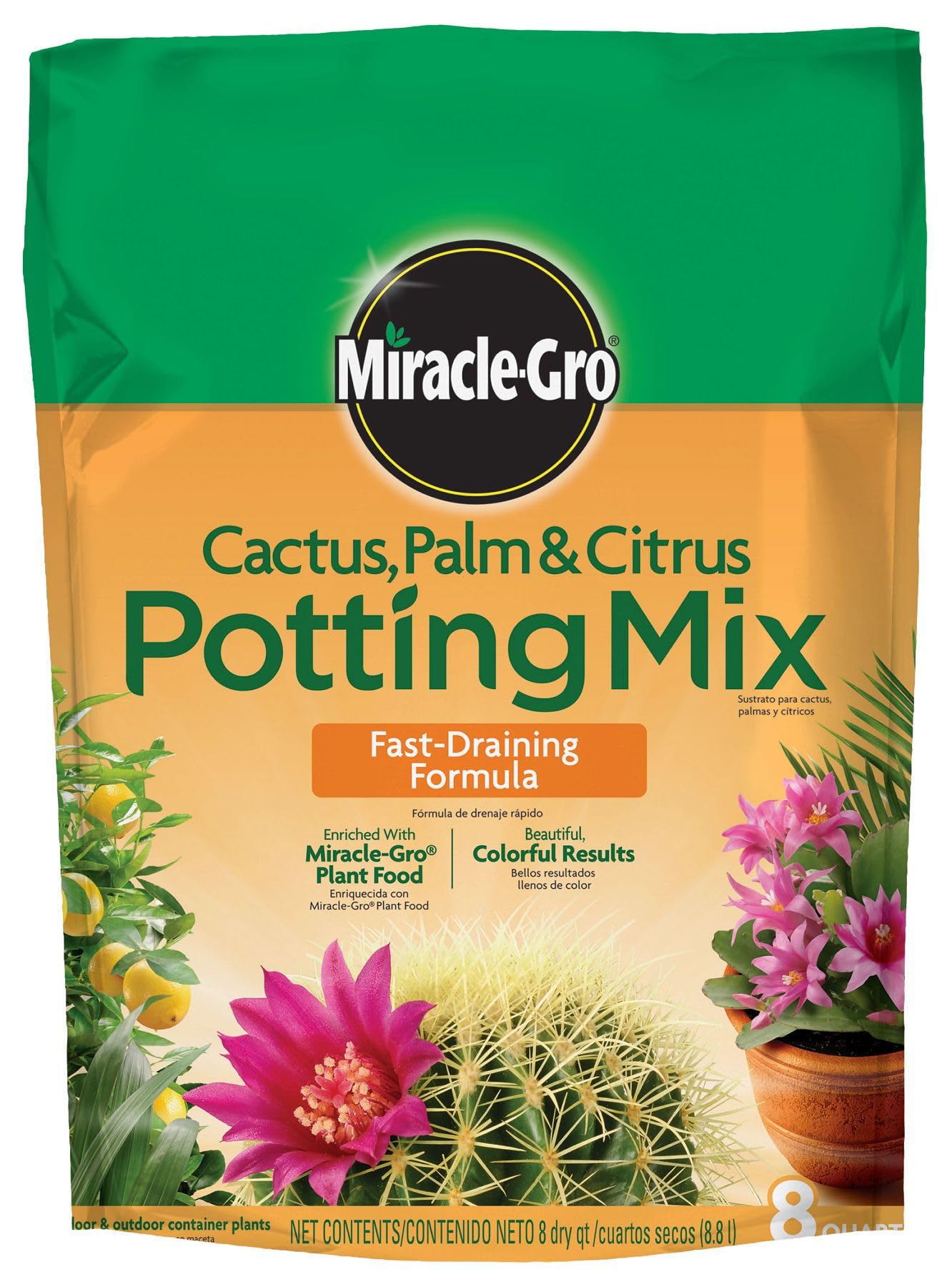
Fast-draining, sandy mix enriched with plant food; built for succulents, palms, and citrus in containers.
Why I picked it: I picked it for its rapid drainage and grit — exactly what succulents and cactus need to avoid root rot.
Best for: Succulents, cacti, potted palms, and container citrus.
A budget-friendly option for drought-tolerant plants and container citrus.
Pros
- Fast-draining formula
- Enriched with plant food
- Good grit for succulents
- Suitable indoors or outdoors
Cons
- Can arrive more broken up from shipping
- Less water retention for thirsty plants
My take
I use this mix when I repot succulents and cacti because it dries quickly between waterings and prevents the soggy conditions that kill roots. The blend of sand, perlite, and peat gives the gritty structure those plants prefer.
It’s enriched with plant food, which gives potted succulents a visible growth boost in spring and summer. Be aware that some bags arrive a bit broken up, likely due to shipping, but that doesn’t affect performance for me.
For anyone moving from a standard potting mix to a succulent mix, expect faster drainage and less frequent watering, which is exactly the point.
4. Miracle-Gro Indoor Potting Mix, Blended for a Variety of Houseplants, Feeds for up to 6 Months, 6 qt. – Best Single-Bag Indoor Mix
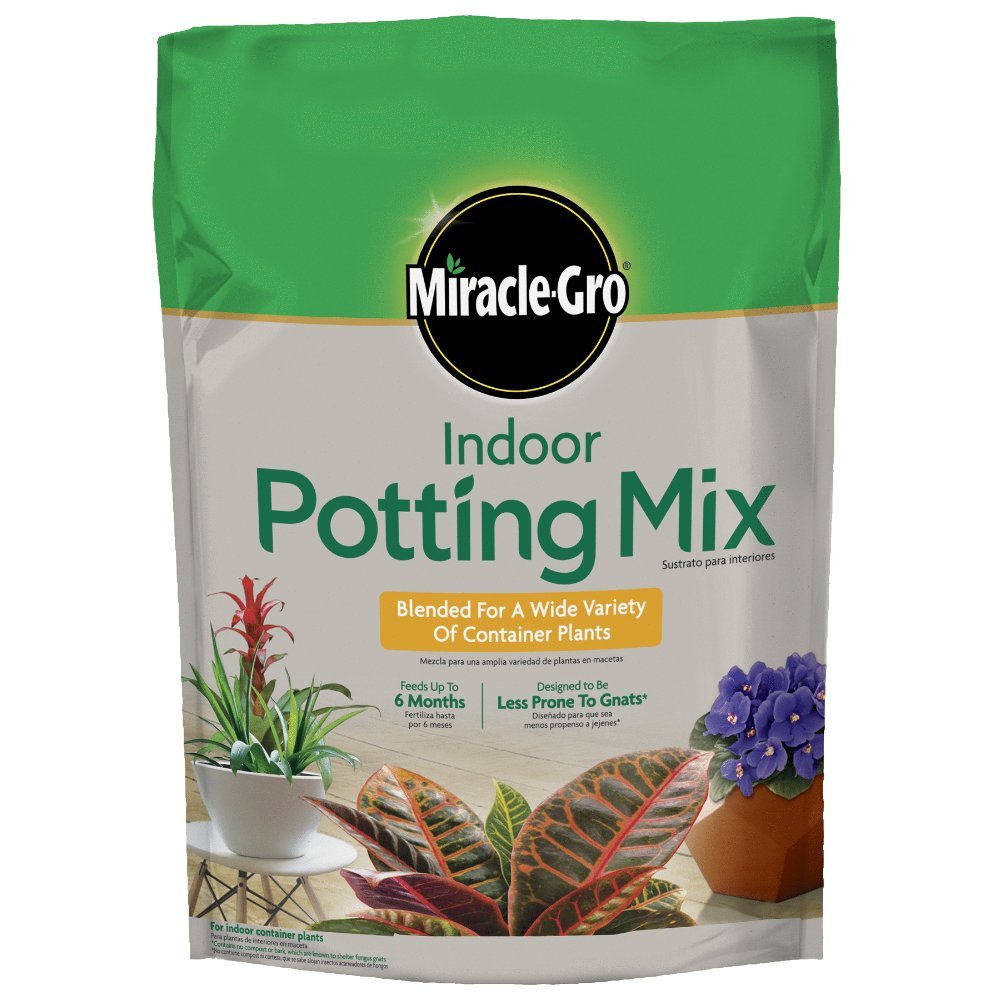
Single 6 qt. bag of the indoor formula, good for smaller repotting jobs and trial runs.
Why I picked it: Handy single bag for occasional repotting; same indoor formula I trust in bulk.
Best for: Small repots, trial plants, and indoor plant parents experimenting with mixes.
Perfect for small batches and one-off repots; no bulk commitment.
Pros
- Feeds up to six months
- Coconut coir aids re-wetting
- Works well straight out of the bag
Cons
- A bit denser than some indoor blends
- Some users report gnats with prolonged indoor use
My take
I keep a single bag of this indoor mix on hand for quick repots and seedlings. It’s convenient and behaves like the larger package: moist but not waterlogged when used correctly.
Because the mix can be slightly denser than a cactus or highly aerated soil, I sometimes blend in perlite or a cactus mix for plants that need extra drainage. That hybrid approach gives me the control I want without buying specialized blends for every pot.
Overall, it’s a dependable all-purpose indoor bag that’s easy to store and use when I don’t need a bulk supply.
5. Miracle-Gro Houseplant Potting Mix – Fertilized Indoor Plant Soil for Containers, Designed to be Less Prone to Gnats, 4 qt. 1 Pack – Best Small Bag for Houseplants
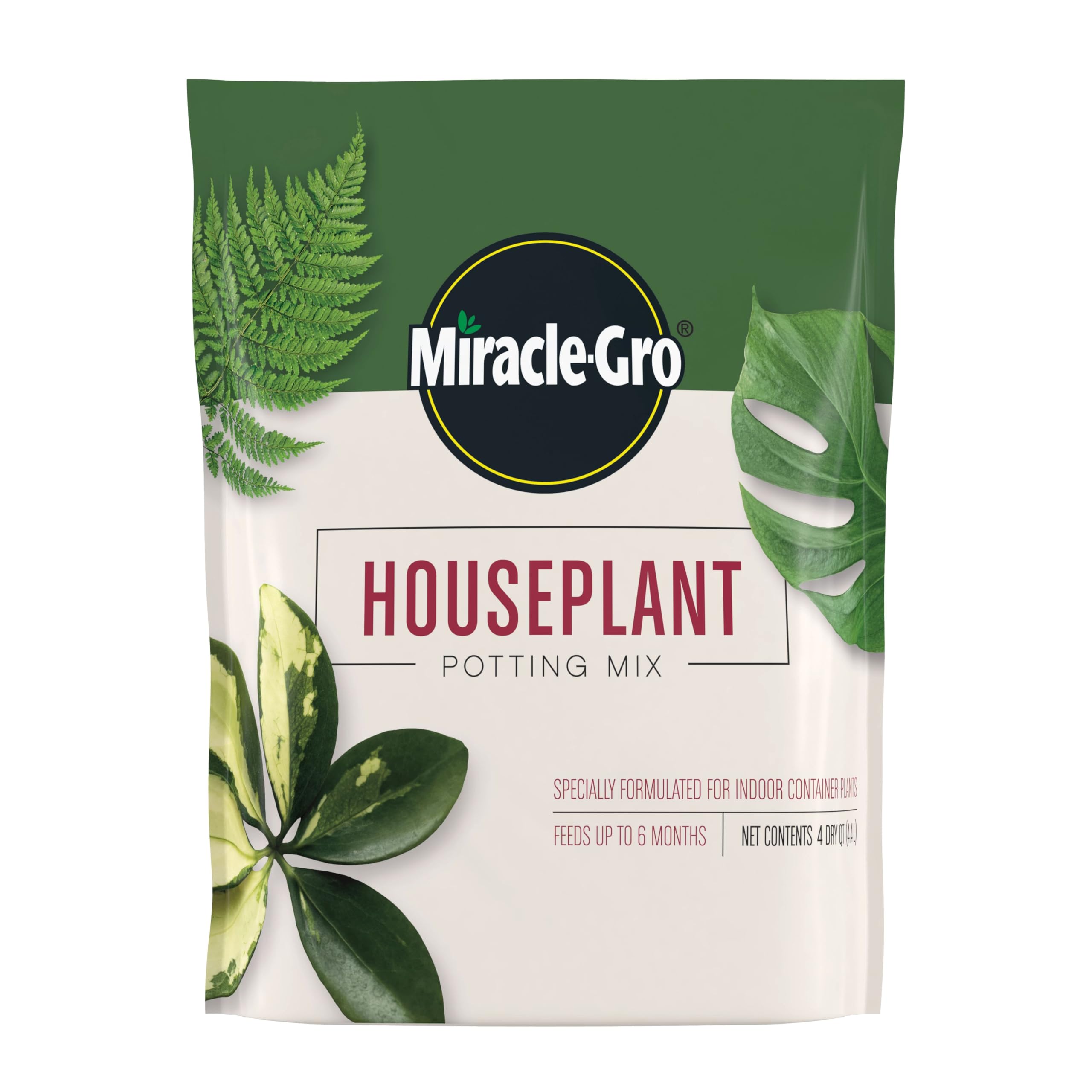
A compact, fertilized indoor mix designed for common houseplants like pothos and monstera.
Why I picked it: Small size and included fertilizer make it my quick fix for rescuing or refreshing a single pot.
Best for: Quick repots, single 8-inch containers, and travel-sized needs.
Compact and convenient; saves buying more soil than needed for small jobs.
Pros
- Pre-fertilized for six months
- Formulated to reduce fungus gnats
- Perlite and coir included
Cons
- Small bag meaning more frequent purchases
- May not fill larger pots
My take
This 4 qt. bag is my go-to when I need just enough soil for one pot. The fertilizer jump-starts recovery for a struggling plant and the perlite keeps the texture airy.
I used it to revive a limp fig and saw faster leaf recovery than with plain soil. For a single repot or to keep in a small apartment, it’s the right size and composition.
If I’m doing multiple repots at once I reach for the larger bags, but for a quick rescue or small plant this bag saves both money and cupboard space.
6. FoxFarm Ocean Forest Potting Soil for Container Gardens – Light, Aerated Texture with Fish Meal, Crab Meal, Earthworm Castings – 2 x 12 Quart – Best Premium Mix for Vigorous Growth
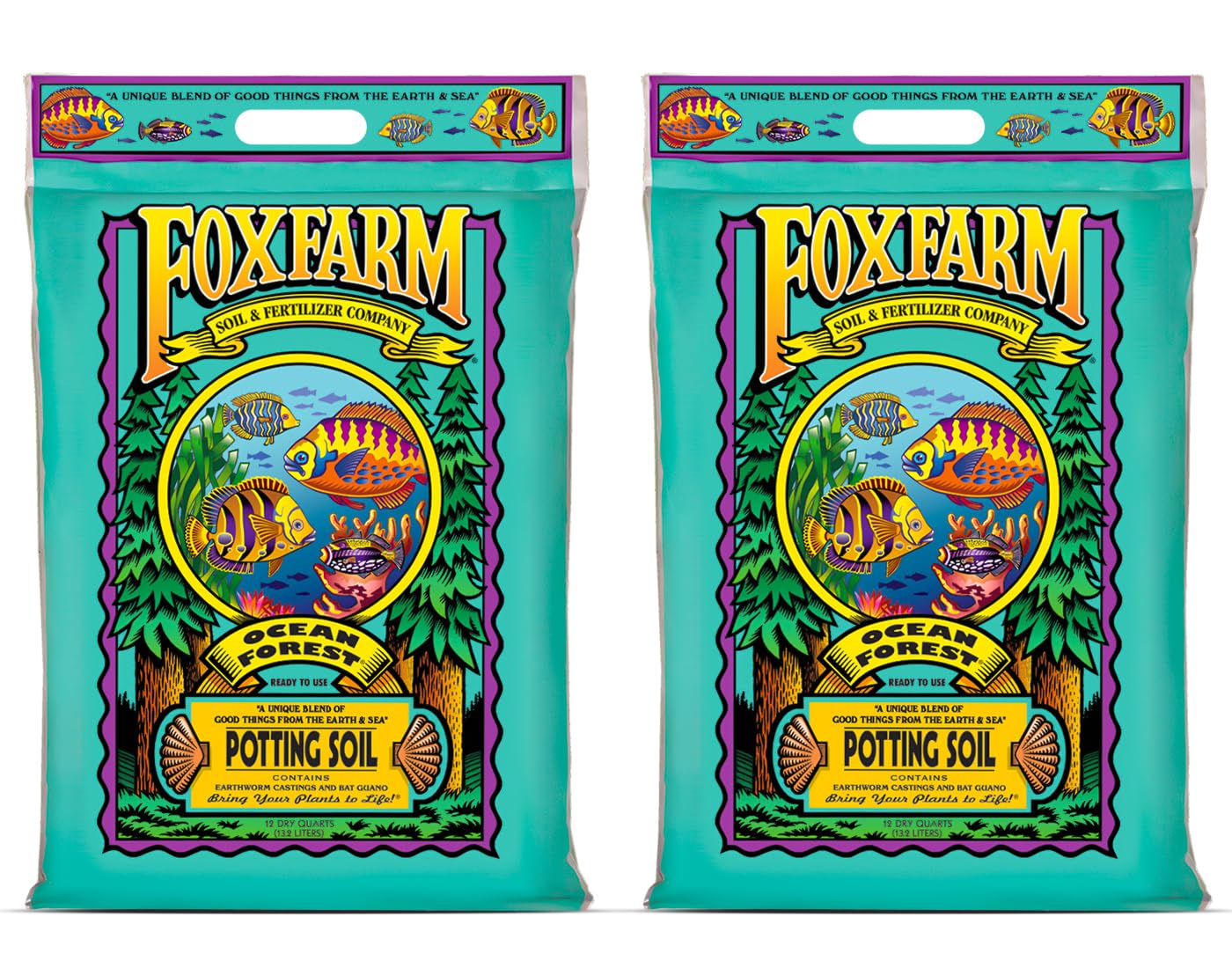
A nutrient-rich, organic-feeling mix loaded with natural amendments for vigorous starts and healthy container plants.
Why I picked it: I rely on this when I want nutrient density and a rich, airy medium for vigorous growth.
Best for: Seedlings, vigorous houseplants, and growers who want a nutrient-forward premium soil.
A premium option — worth it when you want rich, ready-to-use soil.
Pros
- Nutrient-dense with organic amendments
- Light, aerated texture
- Ready to use out of the bag
Cons
- Can attract gnats in indoor setups
- Premium cost compared with basic mixes
My take
When I want a soil that gives plants a fast, healthy start, Ocean Forest is my top choice. It smells rich in a good way and the texture is airy yet substantial, so roots establish quickly.
The mix of fish meal, crab meal, and castings provides a real nutrient boost, so I don’t need to feed heavily for the first stretch. That said, I’m careful using it indoors because organic-rich mixes can bring gnats if pots are overwatered.
For container gardeners who want a premium, ready-to-use medium that consistently produces strong growth, this soil delivers.
How I Pick Potting Soil — A Practical Buying Guide
What to prioritize
I choose potting mixes based on texture, drainage, and the plant’s water habits. Light, aerated soils suit succulents and plants that hate wet feet; richer, coir- or peat-based mixes help tropicals and moisture-loving plants.
Fertilizer longevity matters to me. Many mixes feed for up to six months, which reduces early-season feeding and makes repotting less fussy.
- Texture: chunky and airy for succulents; moisture-retaining for tropicals.
- Drainage: ensure the mix dries to the touch between waterings for indoor pots.
- Feeding: pre-fertilized mixes cut down on early feedings.
Indoor vs. outdoor mixes
I use indoor-specific mixes that avoid compost and bark when I want fewer gnats. Outdoor container mixes can be heavier on nutrients to support blooms and vegetables.
If I repurpose an outdoor mix for indoor use, I always tweak it with perlite or sand to improve drainage.
- Indoor mixes often include coir and perlite.
- Outdoor mixes favor fertility and water retention for bigger containers.
When to mix soils
I often blend soils: adding cactus mix to an indoor mix gives me better drainage, while mixing a premium organic soil into a basic mix boosts nutrients.
A 50/50 approach (e.g., indoor mix + cactus mix) gives balanced moisture control and aeration for many houseplants.
- Mix perlite into dense soil to increase aeration.
- Combine cactus blend with houseplant mix for improved drainage.
- Add compost or worm castings sparingly for extra fertility.
Frequently Asked Questions
How often should I repot with new potting soil?
I repot most container plants every 12 months to refresh nutrients and avoid soil compaction; fast-growing plants sometimes need repotting sooner.
Can I use outdoor potting mix for indoor plants?
I avoid straight outdoor mixes indoors unless I improve drainage and remove compost-heavy components, because they can retain too much moisture or attract gnats.
How do I prevent fungus gnats in potting soil?
I let the surface dry between waterings, use mixes without compost or bark for indoor pots, and top with a layer of horticultural sand or perlite when necessary.
Final Take
I rely on different potting soils for different tasks: a balanced indoor mix for most houseplants, a cactus mix for succulents, and a premium organic blend for vigorous growth.
Start by matching the soil to the plant’s water needs, and don’t hesitate to mix soils for the exact performance you want. With the right potting mix, repotting becomes a reliable way to improve plant health.