
I tested a range of electric pressure washers and accessories so you can pick the right tool for cars, driveways, decks, and garage work. My picks focus on real-world power, mobility, and practical accessories I used in‑
I spend a lot of weekends tackling siding, driveways, decks and cars, so I evaluated these pressure washers and accessories for power, mobility, and everyday usability.
In this roundup I focused on how easily each unit gets work done, how portable and stable it is while I’m using it, and how useful the included accessories are in real cleaning tasks.
I prioritized usable PSI/GPM for typical homeowner jobs, compact designs that move easily around my yard, and accessories that actually make cleaning faster. If you want raw force, pick a high-flow unit and a metal nozzle set; for storage and convenience, go compact with wheels and an onboard soap tank.
1. Westinghouse ePX3100 Electric Pressure Washer — 2300 Max PSI, Anti-Tipping Mobility – Best Overall
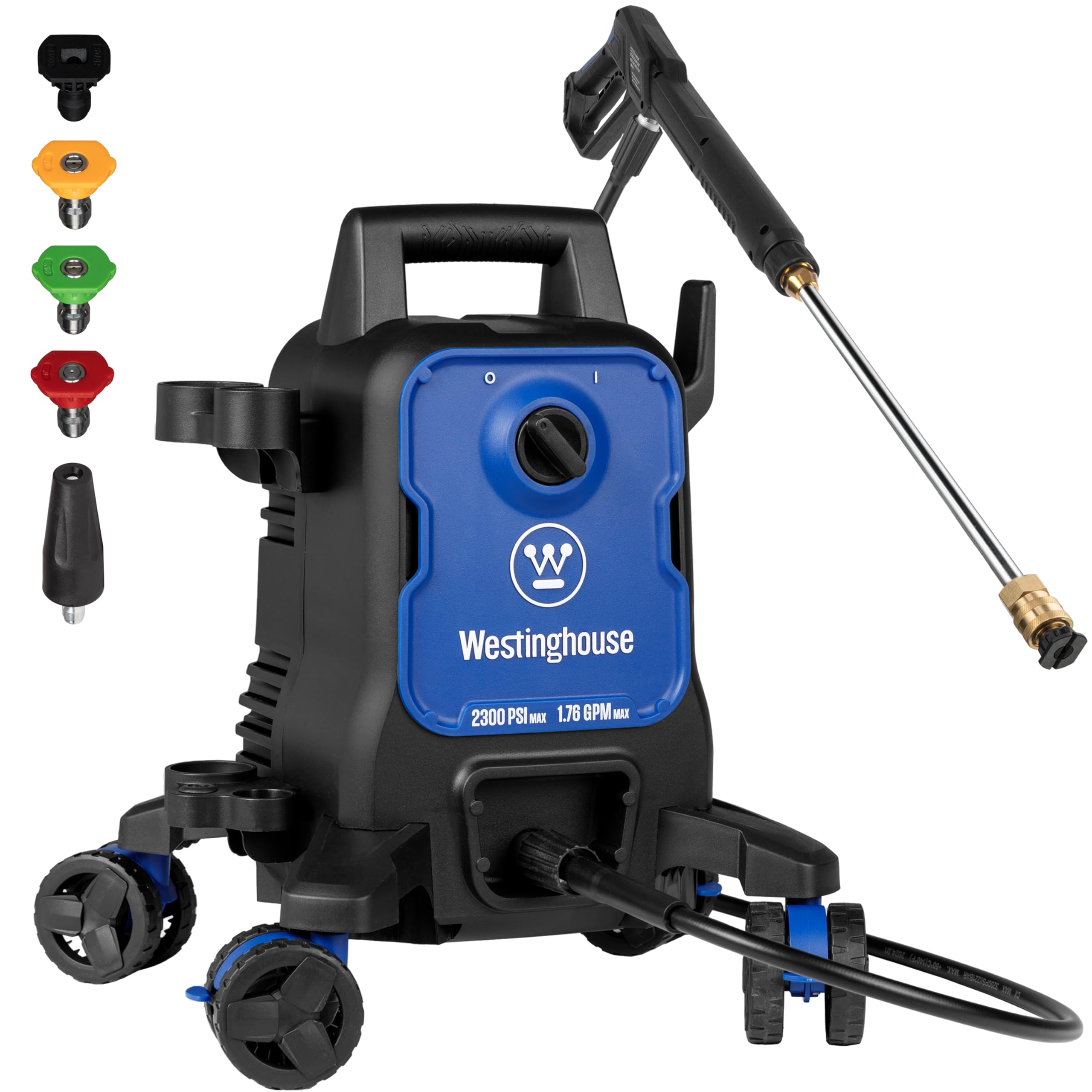
A compact but muscular electric washer with a low center of gravity, four 360° steering wheels, a pro-style steel wand and an onboard soap tank — everything I want for routine home cleaning.
Why I picked it: Powerful yet portable — I could clean large areas without wrestling the unit.
Best for: Driveways, decks, fences, and routine heavy cleaning around the house.
Solid midrange buy for homeowners who want power and convenience.
Pros
- Strong electric pressure for home tasks
- Anti‑tipping 360° wheels for easy movement
- Lightweight and compact for storage
- Onboard soap tank for quick detergent use
- Pro‑style steel wand with five tips
Cons
- Very powerful tips can strip paint
- Occasional early pump hesitation out of the box
My take
I unpacked this and had it together in minutes. The low 16.5" profile and that four‑wheel 360° steering made it effortless to pull around the driveway by the hose — no tipping even when I moved quickly.
On a stained deck and concrete patio the ePX3100 delivered the sort of scouring force I expect from a 2300 max‑PSI machine; the turbo and 15° nozzles cut through mildew and caked‑on dirt without repeated passes.
I appreciated the onboard 20‑ounce soap tank for quick pre‑treats on siding and patio furniture, and the Total Stop System that shuts the pump down when I’m not pulling the trigger gave me peace of mind about longevity.
If you work close to bare wood or old paint, keep the 0° and turbo nozzles away — I watched paint lift when I got too close. Overall the build felt solid, it’s quiet for an electric unit, and stowing it in a tight garage corner was easy.
2. Westinghouse ePX3050 Electric Pressure Washer — 2100 Max PSI, Compact and Easy to Move – Best Lightweight / Budget
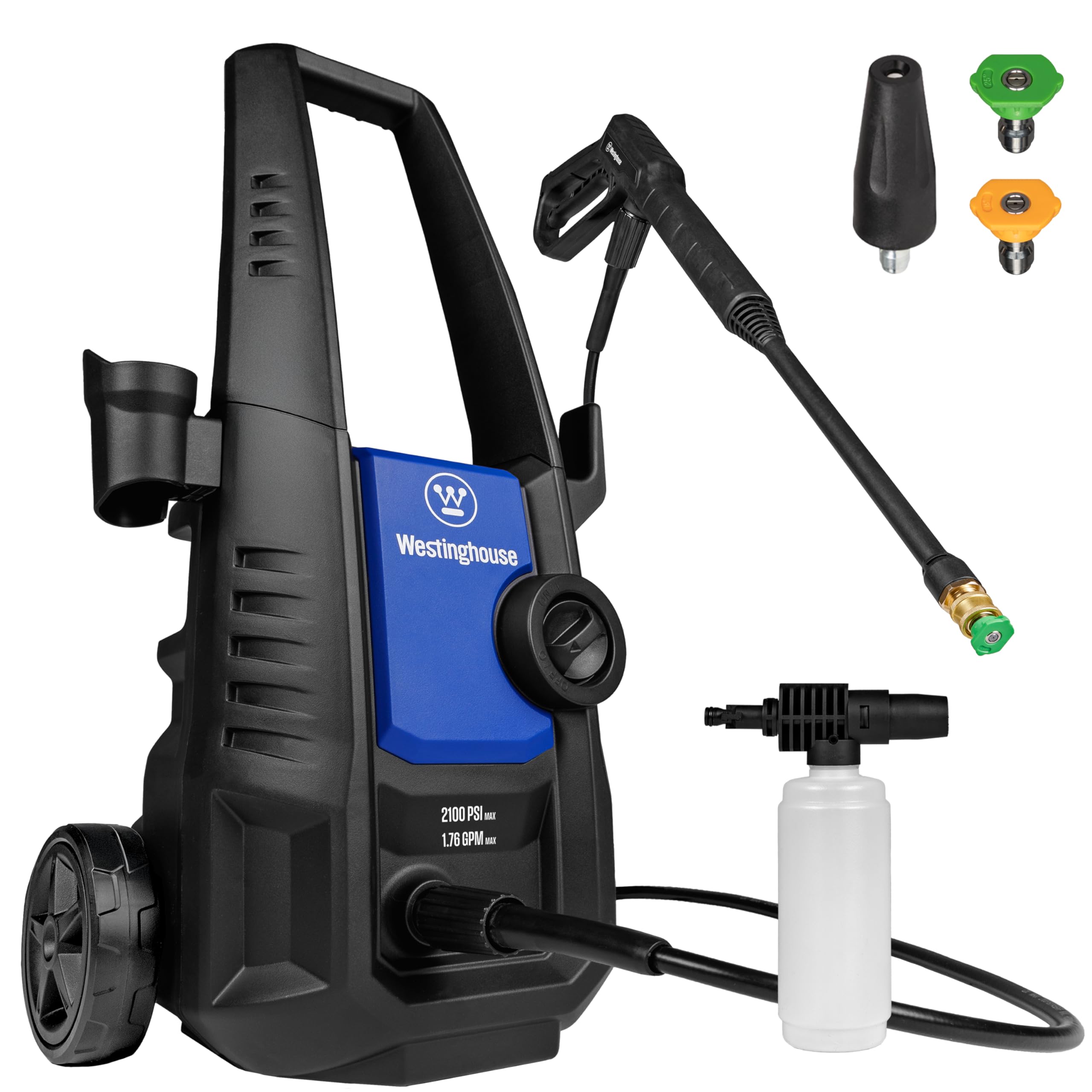
A very light, compact washer that still brings respectable cleaning power and a long safety cord — my go-to when I need mobility without heavy lifting.
Why I picked it: Extremely portable and simple to use for routine home jobs.
Best for: Cars, vinyl siding, sidewalks and smaller deck areas.
Budget-friendly option for homeowners who want portability.
Pros
- Very lightweight and easy to move
- Long 35' GFCI power cord
- Auto‑stop pump to protect motor
- Compact footprint for tight storage
Cons
- Soap dispenser underwhelming for big jobs
- Not as fast as gas units on huge jobs
My take
This is one of those units I pull out when I want a fast car wash or to hit a small deck before staining. At about 2100 max PSI it had enough muscle to clean vinyl siding and wipe grime off my truck without fuss.
The long grounded cord and five‑inch never‑flat wheels made reaching awkward spots much easier than some electric units I’ve used. Setup was straightforward and the quick‑connect nozzles swapped in seconds.
I did find the built‑in soap applicator emptied quickly during a large deck job, so I switched to a separate pump sprayer for heavy detergent work. For routine cleaning and lighter projects, though, it’s a very practical, compact washer that stays out of the way when I’m done.
3. Sun Joe SPX3000-TPS Quick-Connect 5-Tip Set — 0° to 40° Plus Soap – Best Replacement Nozzle Pack
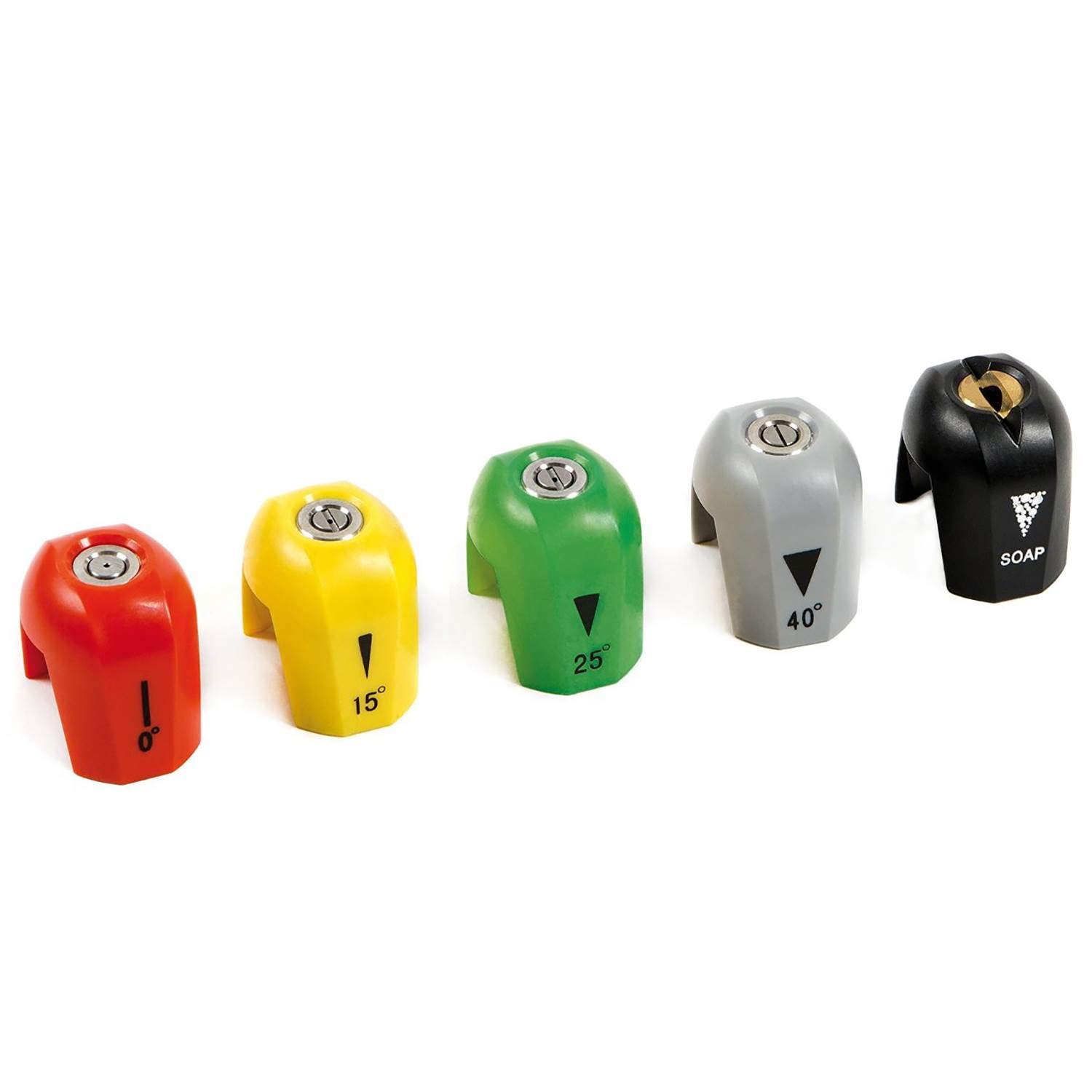
A full set of quick‑connect tips that restores range and precision when original nozzles clog or go missing — handy spares that I keep in my kit.
Why I picked it: Restores full spray range and gets a tired unit operating again.
Best for: Anyone needing replacement nozzles or a full tip range for specific jobs.
Very inexpensive accessory to extend a pressure washer's usefulness.
Pros
- Complete 0°–40° tip range
- Quick‑connect for fast swaps
- Covers intense to gentle cleaning
Cons
- Plastic can be fragile
- Tips can clog in dirty water
My take
When the originals on my old unit clogged, swapping in this set brought the pressure washer back to life — the motor and pump stopped coughing and performance returned to normal.
The variety of angles is exactly what I need on different surfaces: 40° for gentle rinsing, 15° and turbo for stubborn concrete stains, and soap for foaming up a car.
These tips are inexpensive and I treat them as consumables. I take care not to bang them on hard edges because the plastic housings can crack if abused, but for the price they’re a useful, easy fix.
4. Magic Gripper Adjustable Door Clamp (2 Pack) — Stable Door Support for Install and Finish Work – Best Workshop Tool
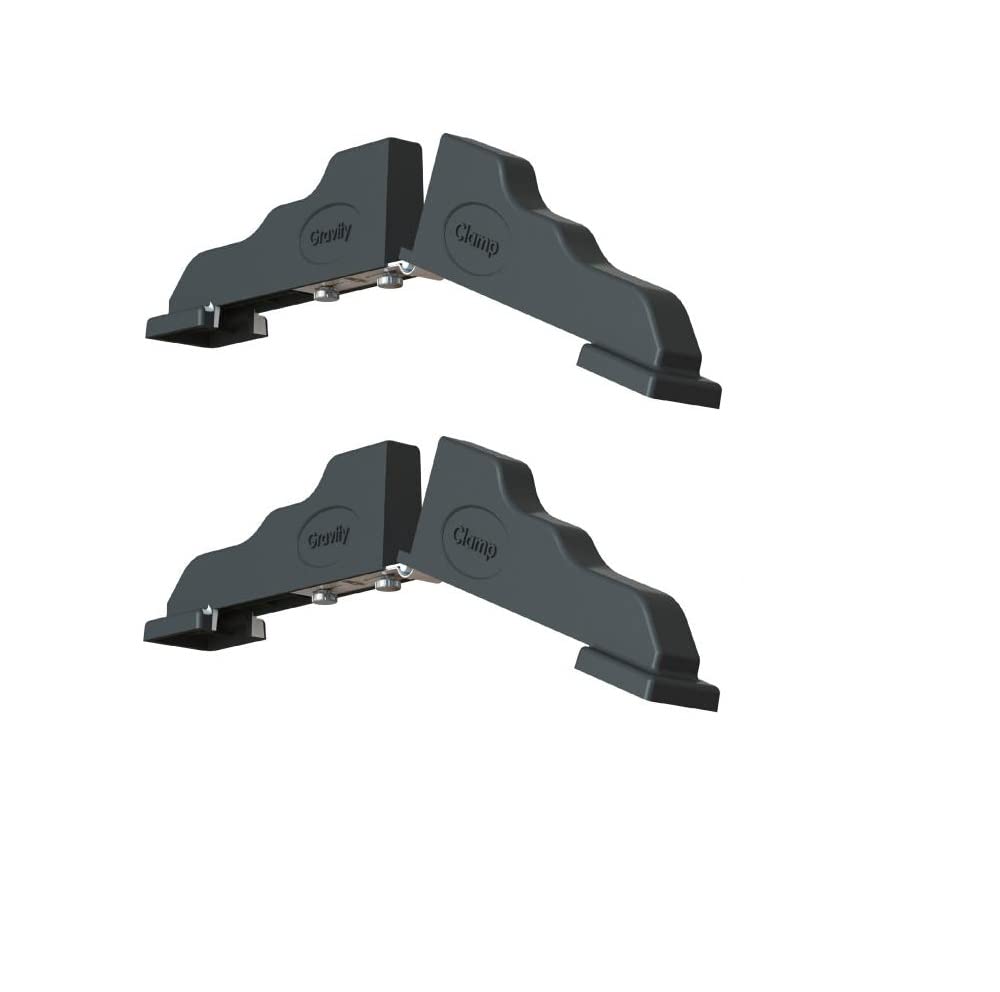
A pair of adjustable door clamps that gives me a stable platform for routing, hinge work and finish tasks — a small workshop upgrade that saves time and backache.
Why I picked it: Makes one‑person door prep and installation practical and tidy.
Best for: Door installation, routing, hinge mortising, and holding heavy panels.
A specialized tool I consider worth the investment for frequent door work.
Pros
- Holds doors securely for routing
- Dial adjustment for precise fit
- Anti‑rock feet for stability
Cons
- A bit bulky to store
- Pair only — you need two for some setups
My take
I used these clamps for trimming and routing an interior oak door and they made the job easier than propping the door on makeshift stands.
The jaws close automatically when the door is set in place, and the heavier the door the firmer the grip — that gravity‑assist behavior is impressively reliable for quick installs.
They’re solidly built and speed up repetitive tasks, though they take up more storage space than a small folding workmate. For anyone doing regular door work, they’re a great addition to the shop.
5. MZK Pressure Washer — High‑Flow Unit with Foam Cannon and Metal Nozzles – Best for Heavy‑Duty Cleaning
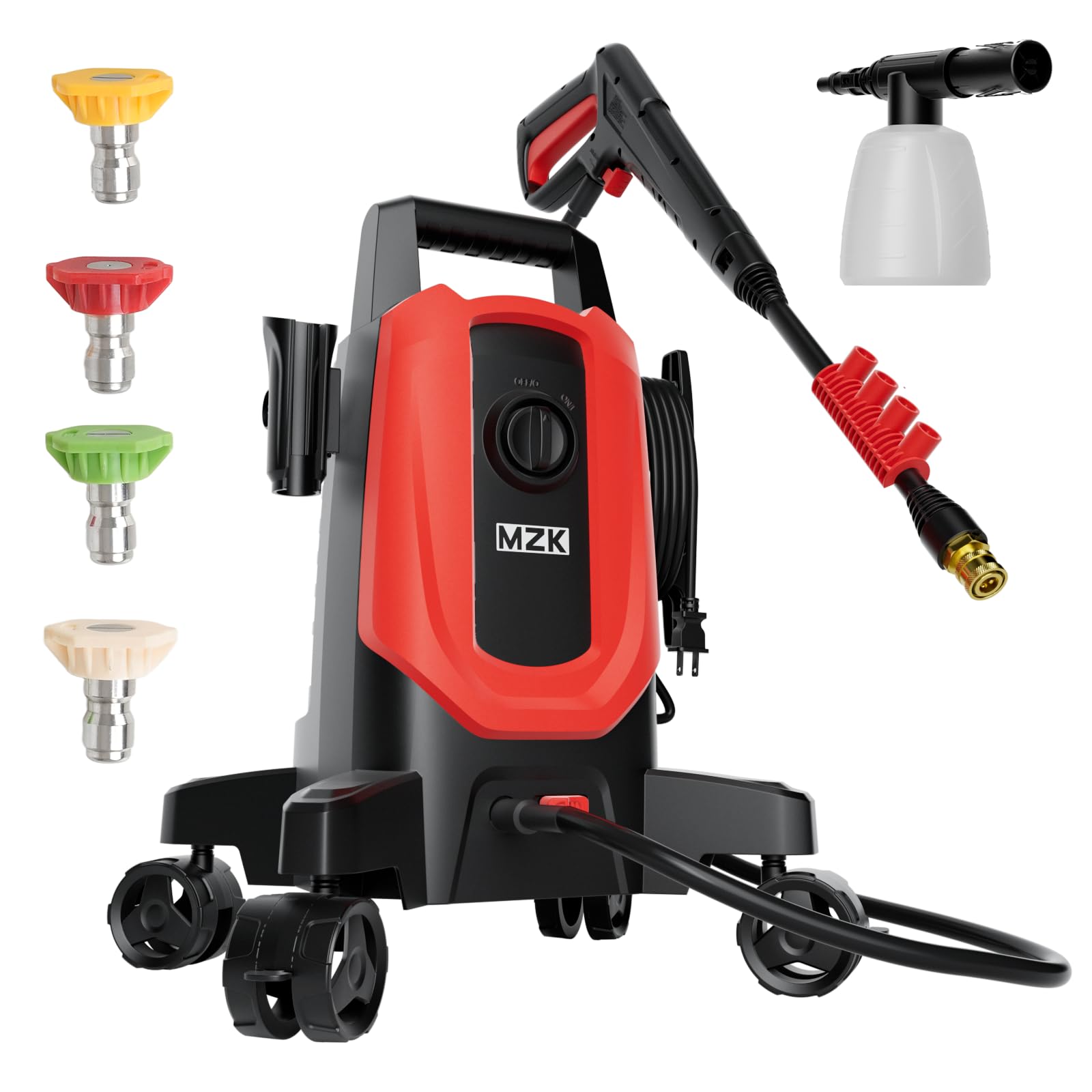
A high‑flow electric washer that felt stronger on heavy grime, equipped with metal quick‑connect nozzles, a foam cannon and lockable swivel wheels — ideal when I need robust cleaning without a gas engine.
Why I picked it: Delivers hard cleaning performance and convenient mobility for big, dirty jobs.
Best for: Driveways, patios, fences, and deep cleaning where more flow matters.
Strong value for a higher‑flow electric model.
Pros
- High water flow for fast cleaning
- Included foam cannon works reliably
- Metal quick‑connect nozzles
- Lockable 360° wheels for stability
Cons
- Larger footprint than compact electrics
- May be overkill for delicate surfaces
My take
When I tackled a winter‑soiled driveway and a very dirty fence, this unit removed grime noticeably faster than the smaller electric machines I usually reach for.
The foam cannon applied a thick blanket of suds for my car and the metal nozzles swapped cleanly without feeling flimsy. Rolling it into place was easy thanks to the swivel wheels and the locks kept it steady while I worked.
Setup was straightforward and the option to draw water from a bucket gave me flexibility on remote jobs. If you want to cut time on large‑area cleaning, this one felt like a step up in capability.
6. PWACCS Pressure Washer Gun & Foam Cannon Holder — Wall or Bucket Mount – Best Organizer
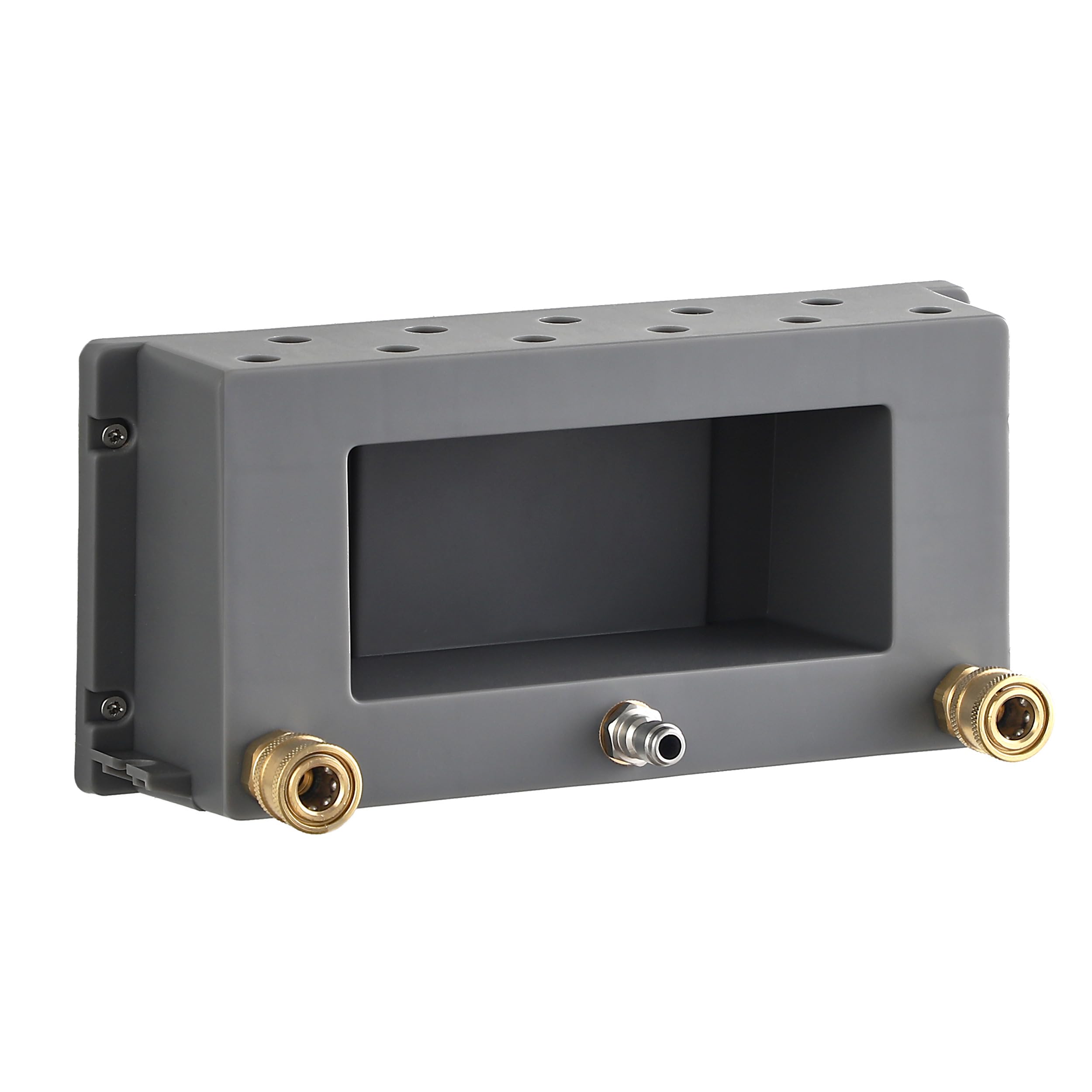
A simple organizer that keeps my foam cannon, wand and nozzles off the floor and easy to reach during a wash session — small change that makes detailing less chaotic.
Why I picked it: Keeps accessories organized and easy to access while I work.
Best for: Detailing trailers, garages, and anyone who wants tidy storage for foam cannons and wands.
Very affordable upgrade to keep tools organized.
Pros
- Stores foam cannons and wands neatly
- Multiple compartments and hooks
- Simple, fast installation
Cons
- Plastic thread can be vulnerable
- Plastic construction not indestructible
My take
I mounted this in my detailing trailer and it instantly cleared clutter — the foam cannon and wand have defined places so I’m not fumbling while washing.
Installation was quick and the fit is snug for most guns and cannons. One kit I handled had a slightly damaged internal thread, so I do check the fittings when I unpack a new one, but otherwise it’s a very useful, low‑cost organizer.
If you value a tidy workspace, this accessory pays for itself in less time looking for gear.
How I Choose a Pressure Washer
Match power to the job
I start by matching PSI and GPM to the tasks I plan to do. For regular car washing, siding and light deck cleaning I find units in the 1800–2300 max‑PSI range are practical. For large driveways and very heavy grime, I prefer higher flow (GPM) for faster coverage.
- Cars and patio furniture: moderate PSI, gentler nozzles
- Decks and siding: mid‑range PSI, avoid 0° on finished wood
- Driveways and concrete: higher flow and turbo or 15° tips
Portability and stability matter
I value low center‑of‑gravity designs and wheels that turn smoothly. Machines with anti‑tipping features and lockable wheels let me work faster and safer without worrying the unit will fall when I give the hose a tug.
- Look for 360° or swivel wheels for tight spaces
- Prefer compact/light units if storage is limited
- Locking wheels or stable bases for one‑person use
Check the accessories
A pro‑style wand, a complete nozzle set, and a usable soap or foam option make jobs easier. Metal nozzles and quick‑connect fittings are more durable for frequent use.
- Onboard soap tanks are convenient for small jobs
- Foam cannons speed up car washing and rinsing
- Keep a spare nozzle set for when tips clog or break
Safety and maintenance
I always use the recommended nozzle at a safe distance and avoid 0° on paint and delicate surfaces. Auto‑stop pumps, safety switches and proper winterization extend the life of an electric washer.
- Use safety switch and auto‑stop when available
- Flush out detergent and drain before storing cold
- Keep replacement tips handy — they wear
Frequently Asked Questions
What PSI/GPM do I need for cars, decks, and driveways?
Based on the machines I tested, a mid‑range electric (around 1800–2300 max PSI) handles cars and siding comfortably, while a higher flow (greater GPM) unit speeds up large concrete and driveway cleaning. For cars stick with wider nozzles and lower pressure to avoid paint damage.
Are foam cannons worth it?
Yes — I find foam cannons make car washing faster and more effective by clinging soap to the surface. They also reduce the amount of scrubbing required. Use a pump sprayer for heavy detergent jobs where onboard tanks are small.
How do I avoid damaging wood or paint?
Keep the wand moving, use a wider spray angle (25°–40°) on finished wood, and never use the 0° or turbo tip extremely close to painted surfaces. Test a small inconspicuous area first.
Final Take
I rely on a compact, capable electric like the Westinghouse ePX3100 for most home tasks because it balances power and portability.
If I need lighter, more convenient cleaning I reach for the ePX3050, and for big driveways or heavy grime the MZK gave me faster results thanks to its higher flow and metal nozzles.
Keep spare nozzles and a simple organizer on hand — small accessories make the whole process smoother. Choose the machine that fits your regular jobs and storage space, and you’ll spend less time cleaning and more time doing other things.
