
I tested seven primers on pine—brush-on, spray, clear, and multi-surface options—to find the best choices for pine furniture, trim, and outdoor pieces. Here’s what worked and when I reach for each one.
I’ve prepped everything from knotty pine trim to reclaimed pine tables, and primer choice makes the biggest difference in coverage, stain blocking, and final finish.
In this roundup I focused on adhesion to raw pine, knot-bleed suppression, drying time, and how easy each product is to apply so you can pick the right primer for your project.
I compared these primers on four practical axes: adhesion to raw pine (including knotty areas), stain-blocking ability, application method (brush/roller vs spray), and drying/working time. I prioritized products that sealed knotholes, kept topcoat colors true, and fit common project sizes from small craft jobs to full cabinet runs.
1. Rust-Oleum Painter’s Touch Latex Primer – Best Overall
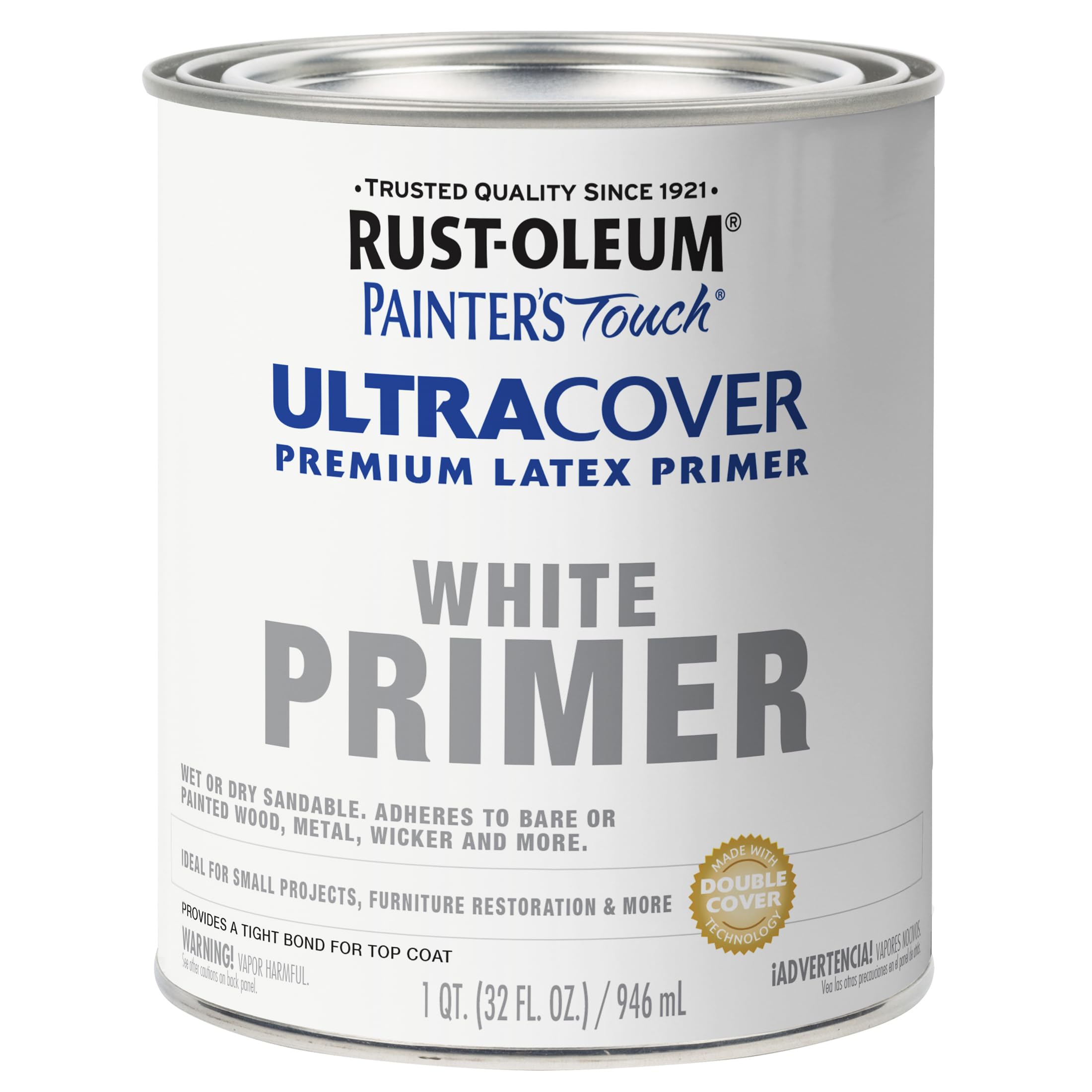
A versatile, water-based acrylic primer that dries quickly and hides surface imperfections on pine.
Why I picked it: Low-odor, quick-dry latex that levels well and provides a reliable base on pine.
Best for: Interior trim, closet doors, small furniture, quick touch-ups on pine.
Good value for small to medium projects.
Pros
- Water-based, low odor
- Dries to touch quickly
- Flat finish hides flaws
- Works on many surfaces
Cons
- May need a second coat for perfect hide
- Not a dedicated knot sealer
My take
I reach for this Rust-Oleum when I want a straightforward, brush-on primer that behaves predictably on pine. The acrylic formula goes on smoothly, dries to the touch in about half an hour, and the flat finish helps mask small surface imperfections before I sand lightly and topcoat.
On medium-grain pine boards I found coverage very good—manufacturer coverage claims matched my experience for small projects—but stubborn knots sometimes required an extra coat or a targeted knot sealer.
Application is easy and cleanup is simple with water. I used it in a small closet and appreciated the muted smell and quick turnaround between coats.
2. Zinsser Bulls Eye 1-2-3 Primer Sealer – Best for Glossy Surfaces
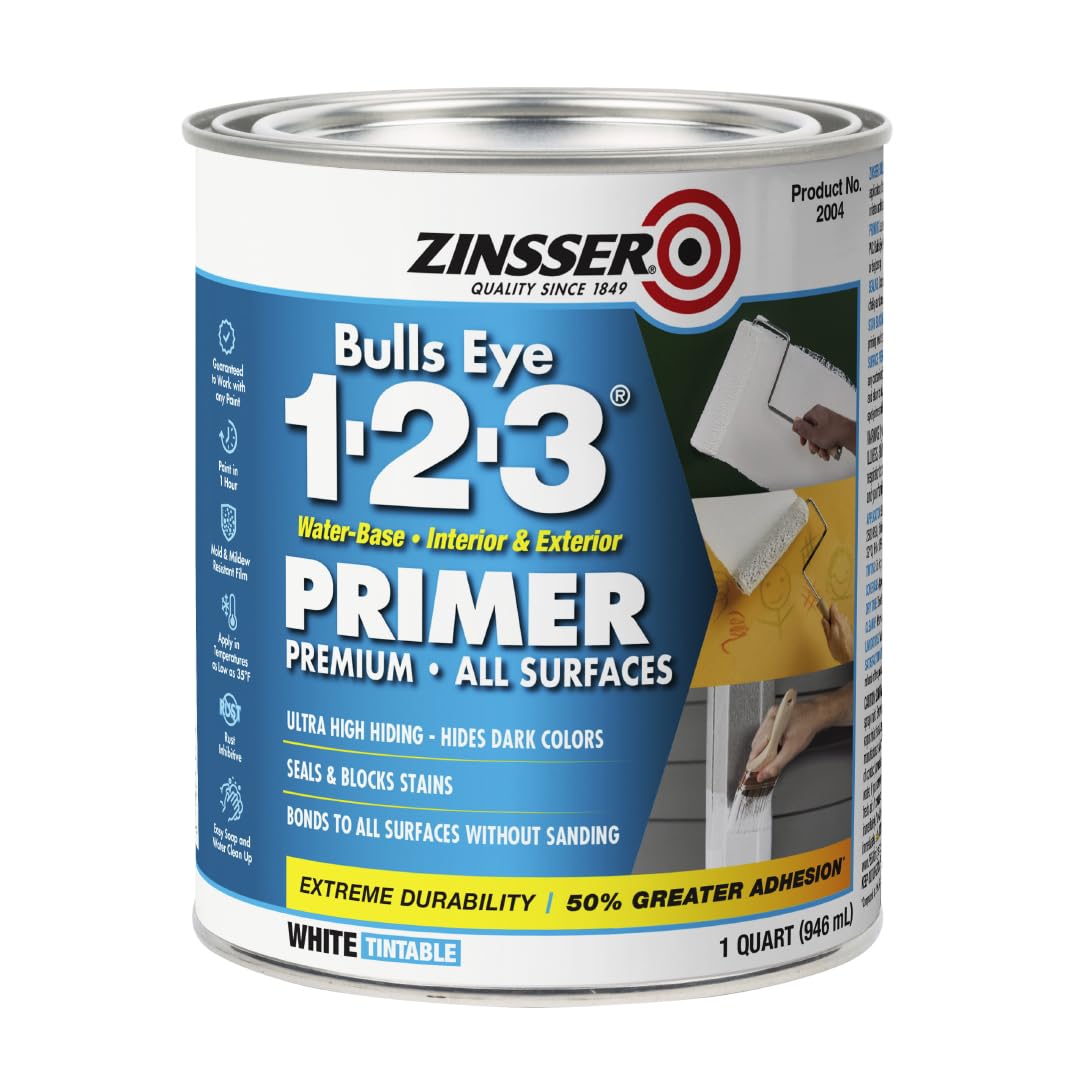
An all-purpose water-based primer that bonds well to slick surfaces and helps block stains on pine.
Why I picked it: Bonds to glossy surfaces without scuff sanding and blocks tough stains.
Best for: Prepping previously painted or glossy pine, and sealing tannin bleed.
Solid mid-range option for interior and exterior use.
Pros
- Bonds to glossy surfaces
- Works in low temperatures
- Stain-blocking resins
- Rust inhibitive
Cons
- Thicker consistency can be hard to spread
- May require two coats for full hide
My take
I used Bulls Eye 1-2-3 when I needed something that would stick to glossy trim without aggressive sanding. It adheres better than ordinary primers and blocks tannins and light stains well.
The formula is fairly thick, so I applied it with a good brush and spread it out rather than trying to force a single thin coat. For heavily stained knotty pine I still followed up with a second pass, but the sealer cut through a lot of color bleed more effectively than generic primers.
I also liked that it’s usable at lower temps and that it’s versatile for both interior and exterior pine pieces.
3. Rustins Quick Drying Primer – Best for Small Jobs
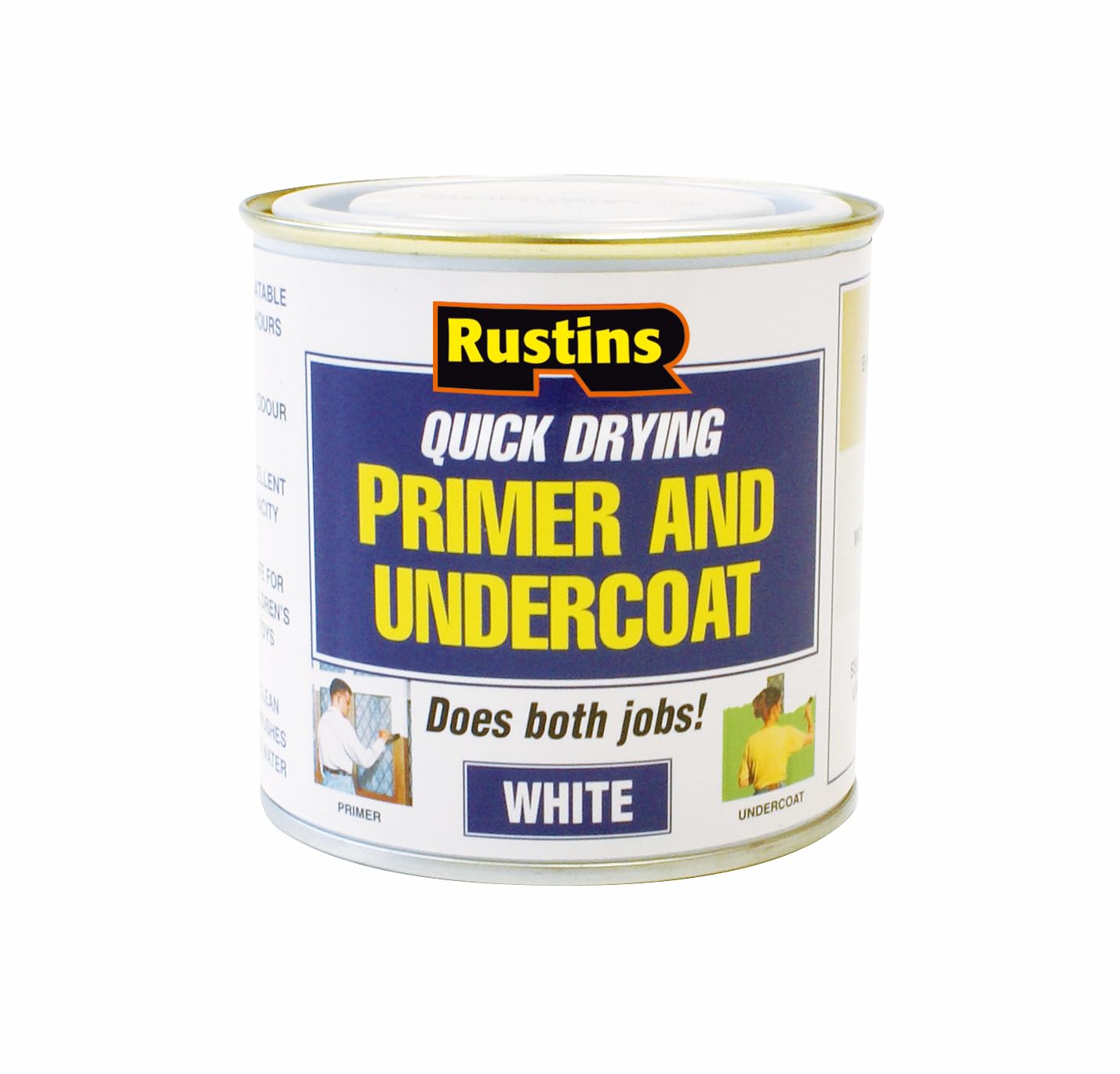
A fast-drying undercoat that levels nicely—excellent for doors and touch-ups on pine.
Why I picked it: Fast dry and good coverage for small repair or door projects.
Best for: Doors, small cabinets, and spot repairs where you need quick turnaround.
Sold in small-sized containers—great for touch-ups.
Pros
- Dries quickly
- Good leveling
- Sometimes one coat is enough
Cons
- Available in small cans only
- Not ideal for large projects
My take
I used Rustins on an old bathroom door that had a lot of surface wear. Two fairly generous coats gave a smooth, even base and, oddly, the primer itself looked almost like paint once applied.
Drying time is short, so I could sand and topcoat without a long wait. If you’re tackling a single door or a handful of pieces, the control and finish are exceptional—just watch the small can sizes so you don’t run out mid-job.
4. Zinsser Bulls Eye 1-2-3 Spray Primer – Best Spray for Details
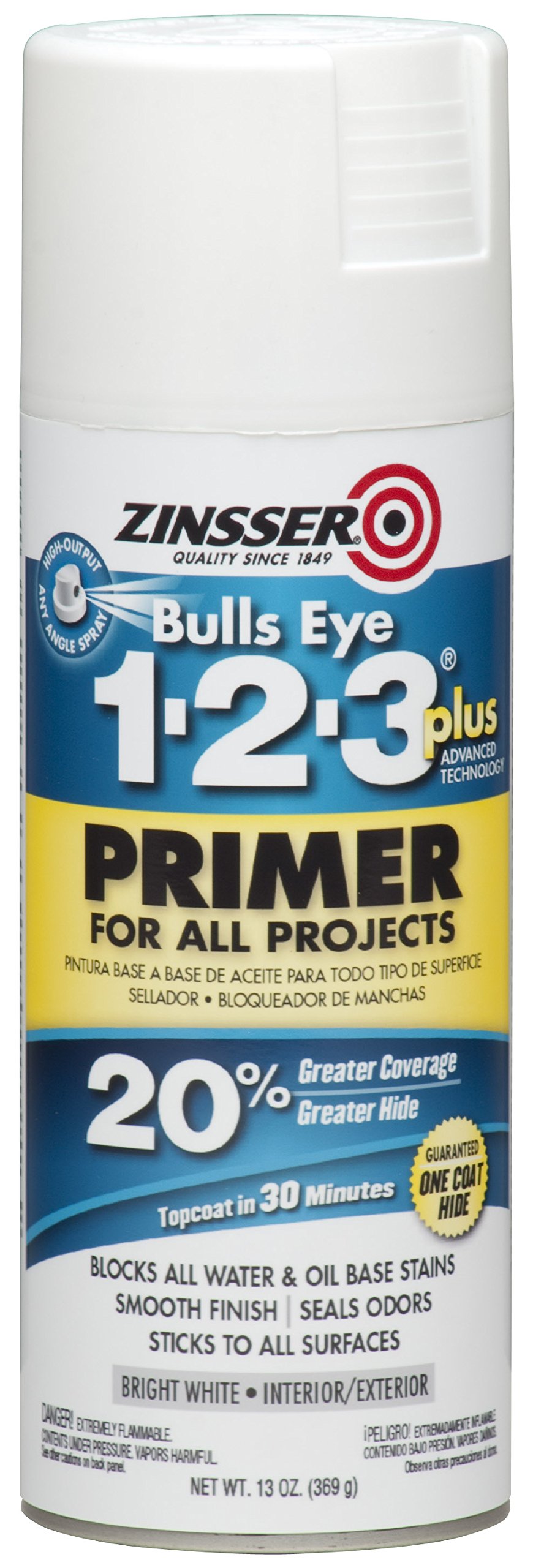
An oil-based spray primer that blocks stains and gets into spindles and slats with ease.
Why I picked it: Spray reach and strong stain blocking for knotty pine and trim.
Best for: Spindles, slats, cabinet interiors, and hard-to-brush details on pine.
Spray cans work best for small to medium detailed work; plan quantity accordingly.
Pros
- Excellent stain blocking
- Oil-based adhesion
- Fast surface drying
- Great for hard-to-brush areas
Cons
- Nozzle can cake
- Cans empty quicker than expected
My take
When I need to prime delicate trim or chair spindles in one pass, this Zinsser spray is my go-to. The oil-based formula sticks without scuff sanding and blocks darker tannins better than many water-based sprays.
It sands down easily, which is useful when I scuff and then topcoat. The wide spray pattern covers well, though the nozzle can clog if you don’t clean it and a can will finish faster than you might guess—so I always have extras on hand for larger projects.
5. Polar All Surface Primer Spray – Best Budget Spray
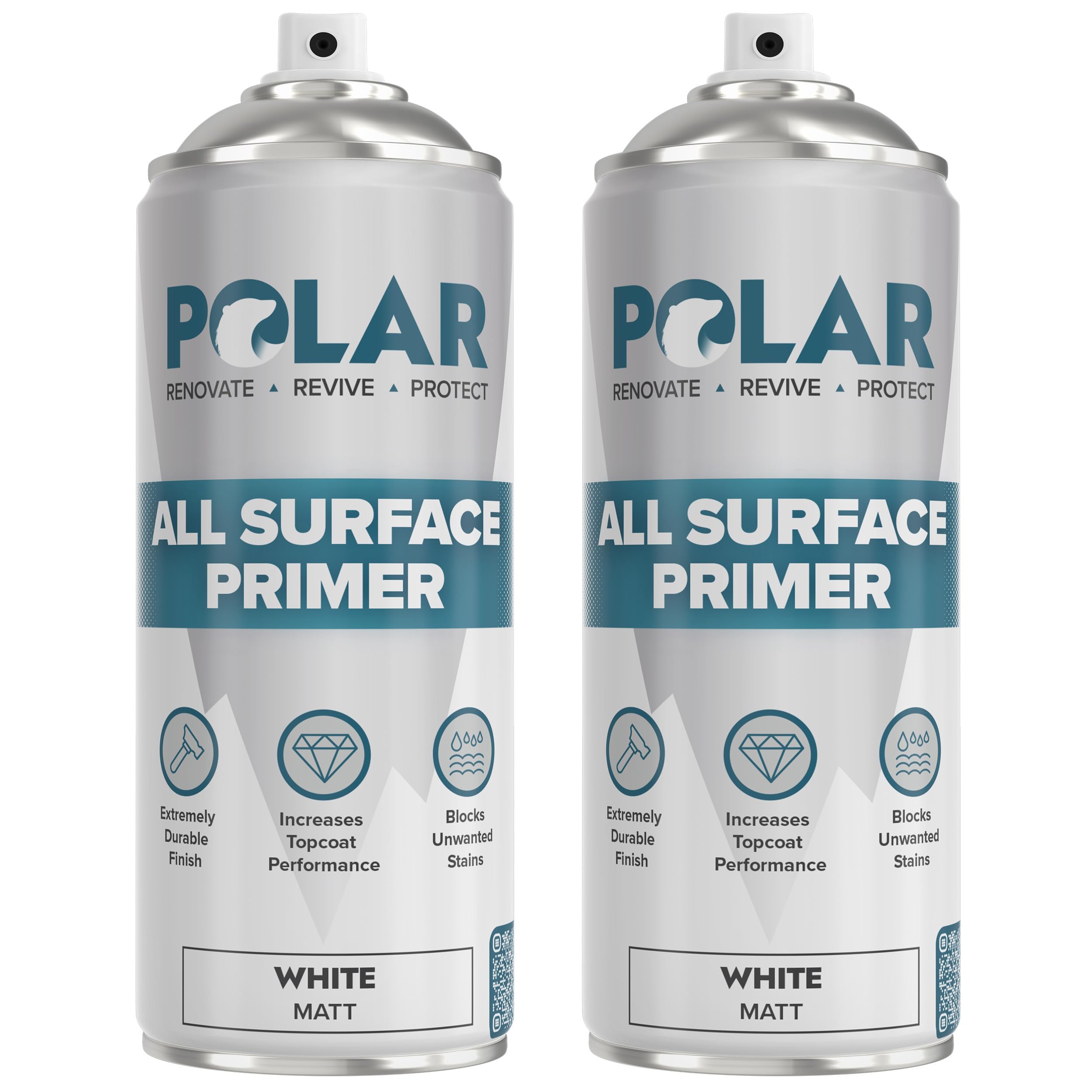
A budget-friendly high-build spray primer that adheres to many surfaces and fills small imperfections.
Why I picked it: Multi-surface adhesion, gap-filling, and fast dry at a budget price.
Best for: Outdoor metal, wooden furniture, and quick refurbishing projects.
Very budget-friendly spray option for larger sprayable projects.
Pros
- High-build filler action
- Multi-surface adhesion
- Quick dry
- Sprays evenly
Cons
- Too heavy for fine miniature work
- Sprayer can put out extra material
My take
I used Polar spray on some yard art and small metal pieces before topcoating; adhesion and coverage were impressive for the price point. The cans sprayed consistently and I didn’t see clogging.
For larger pieces this primer gives a high-build base that fills small dents and sands back nicely. For tiny models or miniatures I recommend very light passes to avoid overspray buildup—this stuff wants to lay down body.
6. INSL-X Prime All Multi-Surface Primer – Best for Whole-House
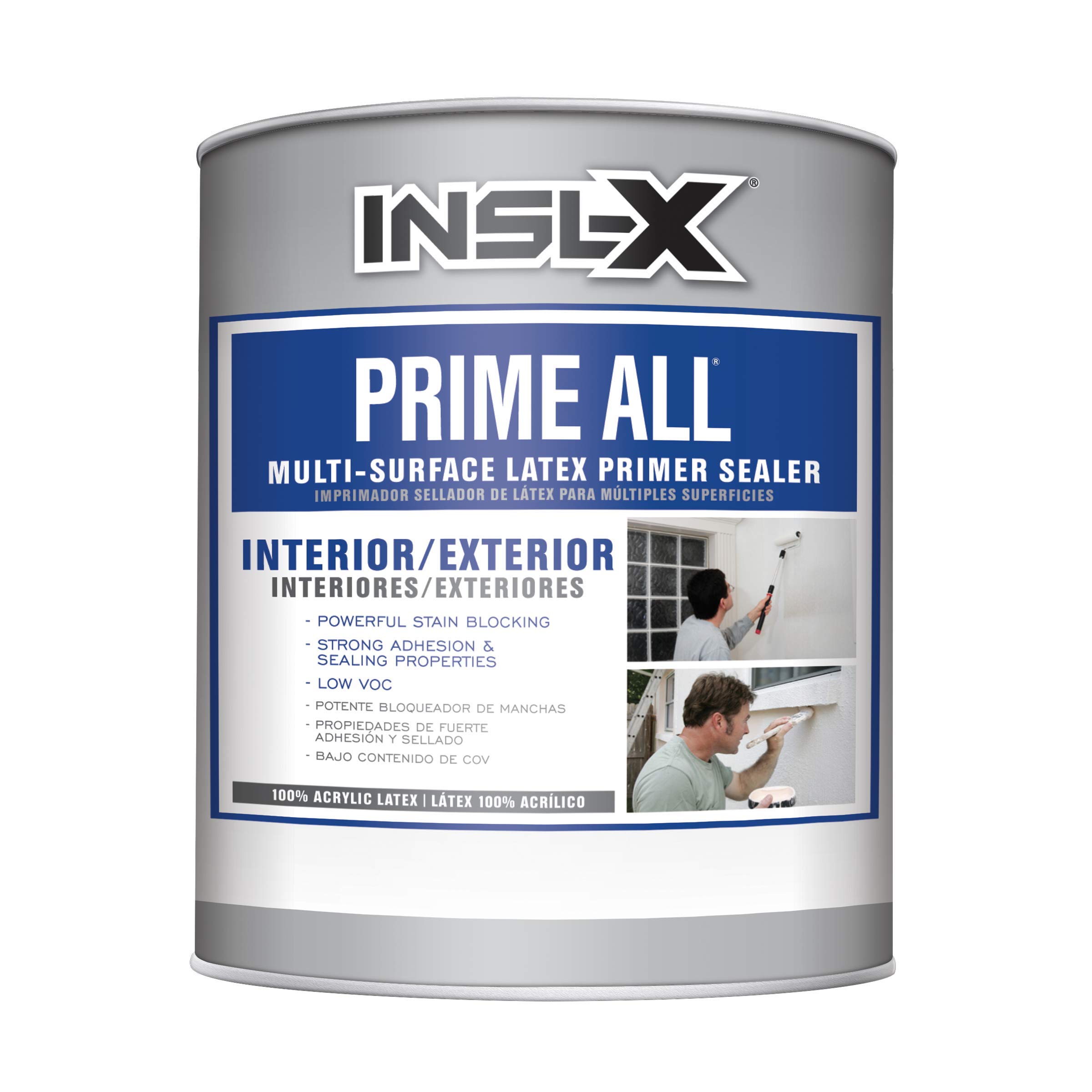
A 100% acrylic primer with strong sealing, stain blocking, and mildew resistance for large pine projects.
Why I picked it: Powerful adhesion, fast topcoat window, and mildew resistance.
Best for: Whole-house priming, cabinets, and surfaces needing mildew protection.
Economical choice when you need gallon coverage for big projects.
Pros
- 100% acrylic sealing
- Fast topcoat time
- Mildew resistant
- Strong adhesion
Cons
- Can be stiff to open the can
- May need thinning for spray equipment
My take
For large pine jobs I consistently reach for INSL-X Prime All. I’ve primed doors, full rooms, and cabinetry with it and appreciated how well it sealed bright colors and tannins before I applied premium topcoats.
It bonds well to a range of surfaces and allows topcoating in as little as an hour—ideal when I’m working on a schedule. Cleanup was straightforward and the coverage on a gallon-size container makes it an economical pick for whole-house work.
7. FolkArt Clear Primer – Best for Crafts
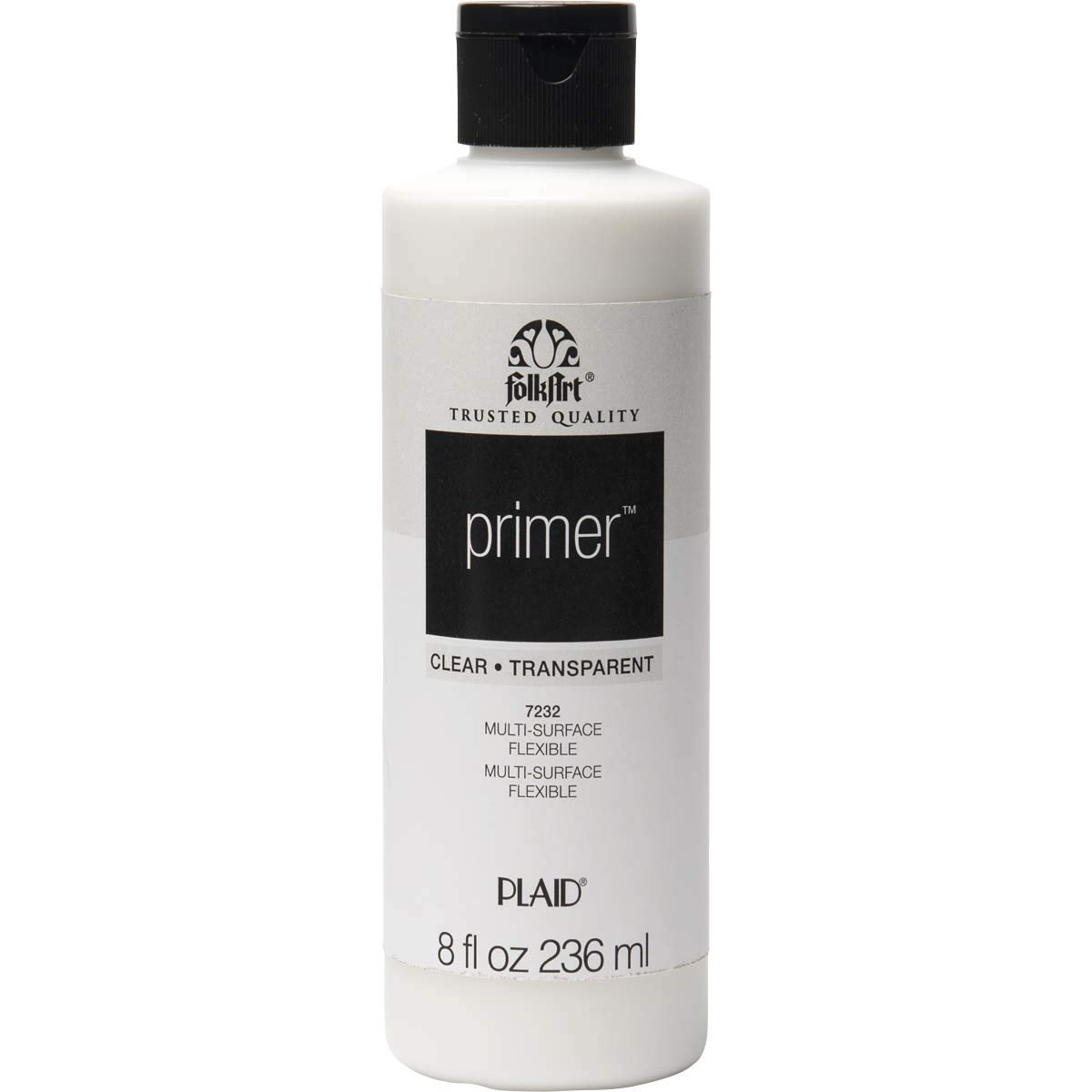
A clear, flexible, water-based primer made for crafts, rocks, and 3D prints where you want to preserve surface texture.
Why I picked it: Dries clear and provides a matte tooth for translucent paints.
Best for: Crafts, rock painting, 3D prints, and mixed-media projects on pine.
Small craft-size bottle ideal for hobbyists.
Pros
- Dries clear
- Water-based and non-toxic
- Leaves a matte paintable surface
Cons
- Small coverage per bottle
- Strong smell—ventilate workspace
My take
I keep a bottle of FolkArt clear primer for projects where I want the natural pine grain or rock texture to show through. It levels into a slightly matte surface that acrylic paints grip very well.
Although it’s described as non-toxic and water-based, I did notice a strong smell during application, so I prime with good ventilation. The finish dries mostly clear and is easy to sand or repaint for layered craft work.
How I Choose a Primer for Pine
Why primer matters on pine
Pine is prone to tannin bleed, knot discoloration, and uneven absorption. I always prime before topcoating because a good primer evens out porosity, blocks stains, and helps the topcoat color read true.
For knotty pine I either use a strong stain-blocking primer or spot-seal the knots before a full prime coat.
- Seals tannins so topcoat color stays true
- Prevents blotchy sheen and uneven absorption
- Adds adhesion for long-lasting finish
Types of primer and when I use them
Water-based (acrylic/latex): Easy cleanup and low odor—my default for interior pine, furniture, and trim.
Oil-based: Strong stain blocking and adhesion—great for knotty pine and heavy tannin issues, and useful in spray cans for detailed work.
Clear primers: Ideal for crafts or when you want texture to show through while still giving paint a bite.
- Choose water-based for low odor and easy cleanup
- Pick oil-based spray for stubborn knots and small detailed parts
- Use clear primers for mixed-media or to keep surface character
Brush/roller vs spray
I use brushes or rollers for flat surfaces and where control matters. Spray cans excel for spindles, slats, and ornate details.
If I’m using a spray primer, I always factor in extra cans—sprays can empty faster than you expect, and multiple light passes prevent drips.
- Brush/Roller: Better control, less overspray
- Spray: Faster coverage and access to tight areas
- For large surfaces, consider contractor-grade cans or a sprayer
Prep and application tips I follow
I sand pine with 180–220 grit, clean with a degreaser or tack cloth, and spot-prime knots if they’re dark.
Apply thin, even coats and sand between primer coats if you want an ultra-smooth finish. Follow the product’s recommended dry times before topcoating.
- Sand and clean before priming
- Spot-seal knots on especially resinous pine
- Allow full cure time for best adhesion
Frequently Asked Questions
Do I need to sand pine before priming?
Yes. I sand pine with 180–220 grit to remove mill glaze and open the pores so primer adheres evenly. After sanding I wipe down with a tack cloth or degreaser before priming.
Which primer is best for blocking knots in pine?
For stubborn knot bleed I reach for an oil-based stain-blocking primer or a heavy-duty multi-surface acrylic primer designed to block tannins—follow up with a dedicated knot sealer for severe cases.
Can I use spray primer on pine furniture?
Absolutely. I use spray primer for furniture with lots of crevices or turned details. Keep coats light and even, and allow proper flash time between passes to avoid runs.
Final Take
For everyday pine work I default to a quality water-based acrylic like Rust-Oleum Painter’s Touch or INSL-X Prime All for larger jobs—both give reliable adhesion and a predictable base for topcoats.
For knotty pine and detailed pieces I’ll pull out an oil-based spray (Zinsser) or a strong stain blocker. And for crafts where I want texture preserved, FolkArt clear primer is my go-to.
Pick the primer that matches your project scale and application method, follow basic prep steps, and you’ll save time and get a far better final finish on pine.
