
I put five quilting fabrics and marking tools through real projects so I could recommend what I actually reach for—everything from solid Kona cotton to precut fat quarters and heat-erasable pens.
I sew and machine-quilt regularly, so I picked these five items to cover the needs I hit most often: marking, solids, precut bundles, strips, and novelty prints.
Across small doll projects, lap quilts, and full quilt tops I stitched, basted, and pressed samples so I could speak directly to how each fabric handles, how colors behave, and how well markers disappear.
If you want a quick path to usable fabric (or a marker that won't haunt your quilt), I explain where each product shines and where I’d use a different option.
When I compared these options I focused on hand (how the fabric feels), prep (prewashed or not), color consistency, and real-world usability—plus for the pens I tested tip fineness and heat removal on pre-washed cotton.
1. Madam Sew Heat Erasable Fabric Marking Pens – Best Erasable Markers
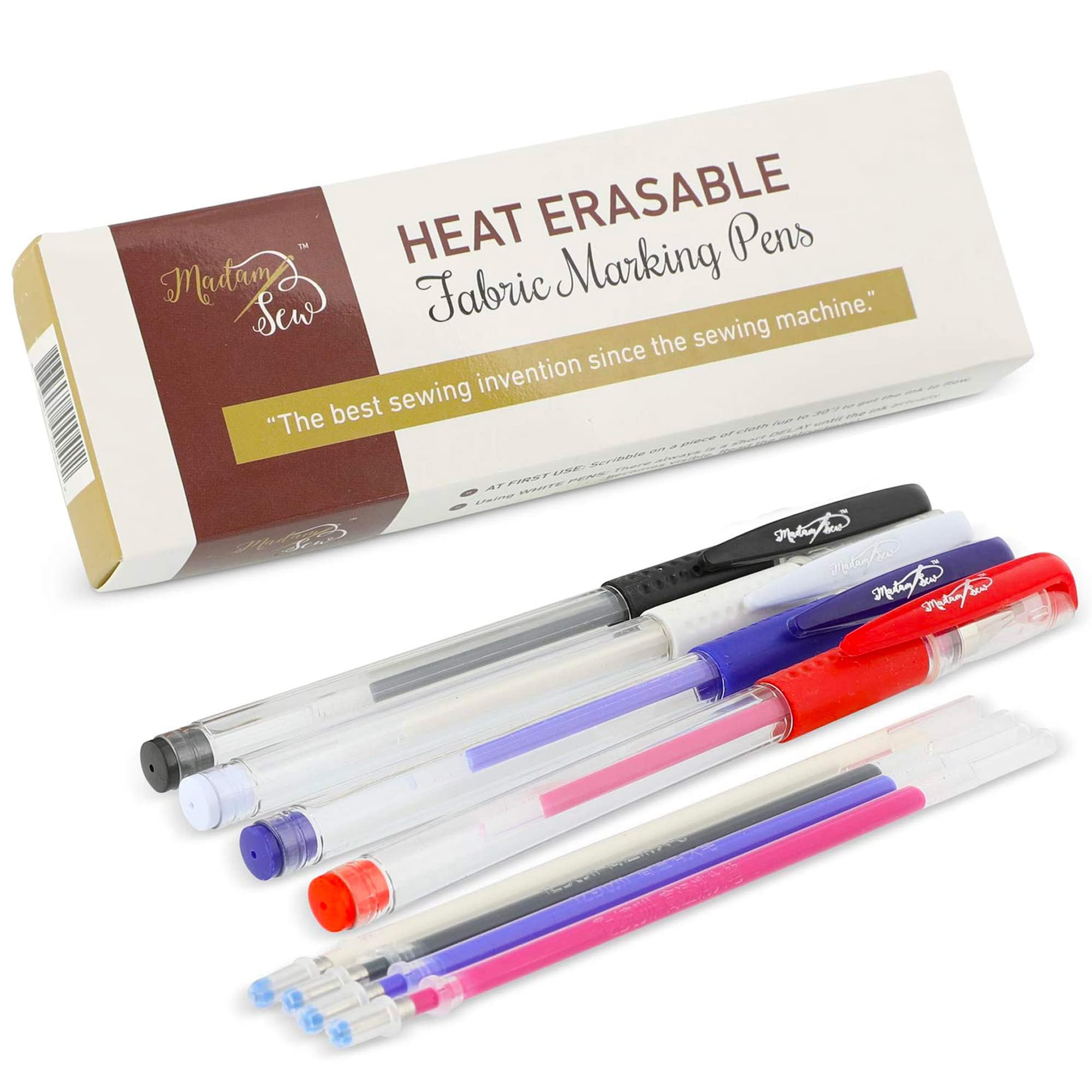
I rely on these heat-erasable pens for precise, fine lines that vanish with an iron. They come in four colors and include refills, which keeps them at my machine.
Why I picked it: Fine 0.7mm tip and heat-disappearing ink with refills included.
Best for: Precision quilting, embroidery placement, and seam allowance marks.
Includes refills—good value for an erasable marker set.
Pros
- Fine 0.7mm tip for detailed lines
- Marks disappear with heat
- Four colors for contrast
- Refills included
Cons
- Ink can bloat if left too long
- Some colors take effort to appear initially
My take
I keep one of these pens at my machine because the 0.7mm tip draws the detailed lines I need for stitch guides and echo quilting. The lines are consistently thin, which matters when I’m marking intricate blocks.
In my testing the ink vanished reliably when I pressed with an iron following the package instructions. On pre-washed 100% cotton I did notice a very faint ghost in one test, but it sat in a seam allowance and wasn’t visible on the finished quilt. When I used the pens right away they removed cleanly; I did see slight bloat when marks sat on fabric for an extended time.
I appreciate the refills—these markers get used quickly at my machine, so refills make the set feel like a longer-term kit rather than disposable pens. A small quirk: sometimes a color (white or the paler shades) needs a few scribbles before it shows up, so I prime them before marking important lines.
2. Tinyspool & Co. Jelly Roll Fabric Strips – Best Jelly Roll Strips
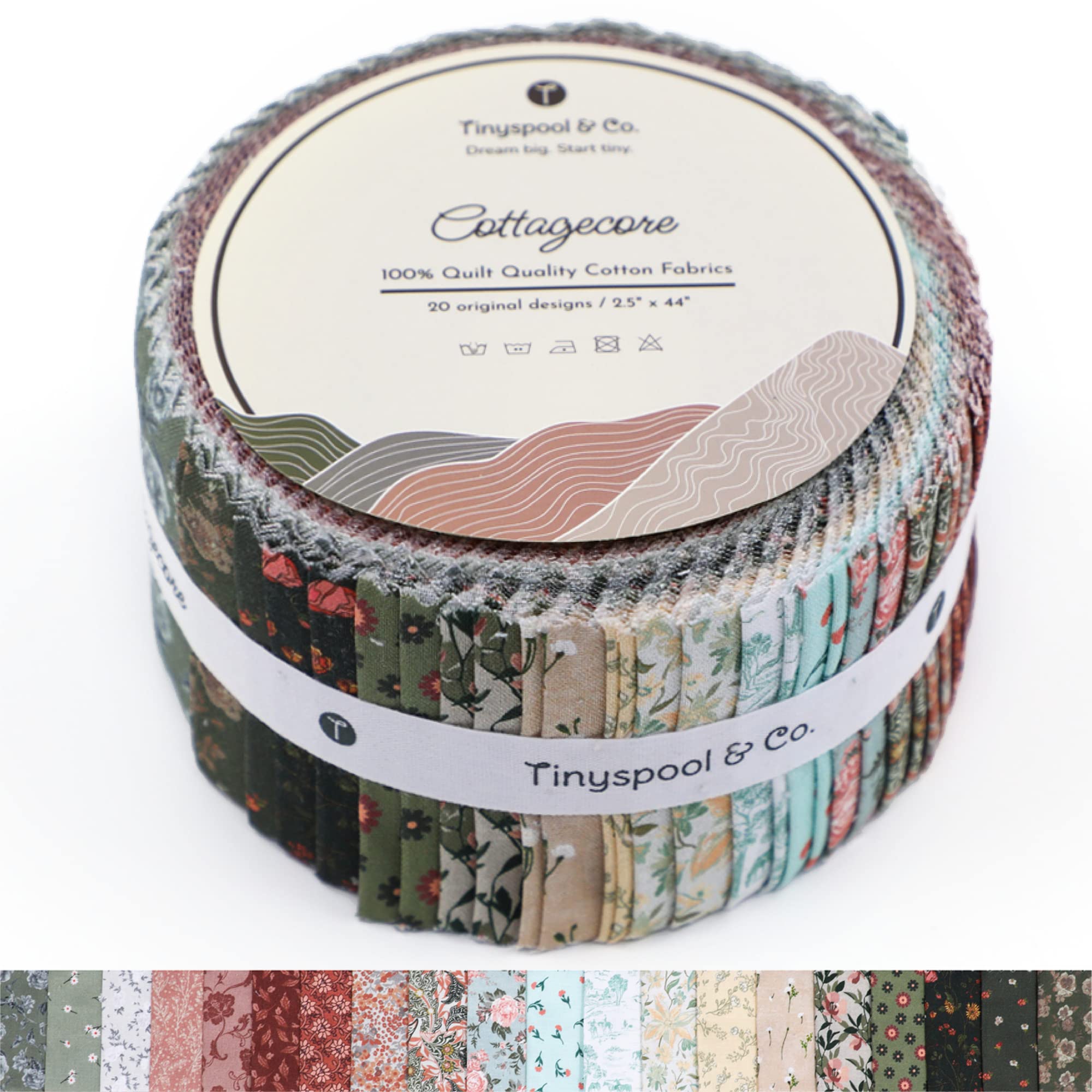
I used this 40-strip jelly roll for a quick rail-fence lap quilt and appreciated the pre-shrunk, pre-washed cotton and cohesive cottagecore palette.
Why I picked it: Forty 2.5" x 44" pre-washed strips in coordinated floral prints.
Best for: Fast quilts, scrap-friendly projects, and beginners wanting matched prints.
Good value for a full jelly roll ready to sew.
Pros
- Pre-washed and pre-shrunk strips
- Coordinated color palette
- Consistent cut measurements
- Soft, washable cotton
Cons
- Some strips vary slightly in texture
- Edges may fray a bit
My take
I cut these strips straight from the roll and started sewing immediately—pre-washing and pre-shrinking saved me a step and helped avoid surprises after quilting. The cuts were uniform, so chain-piecing felt effortless.
Color and print clarity stood out in my project; the florals read true and coordinated across blocks. A couple of strips had a slightly different hand, which I attribute to dye or print variations, but that added subtle contrast rather than a problem.
If you're making a lap quilt or a quick gift I like that this jelly roll gives an entire palette without hunting for yardage. Expect minor edge fray when handling, but sharp shears and good seam allowances keep that from being an issue.
3. Robert Kaufman Kona Cotton Broadcloth – Best Solid Cotton
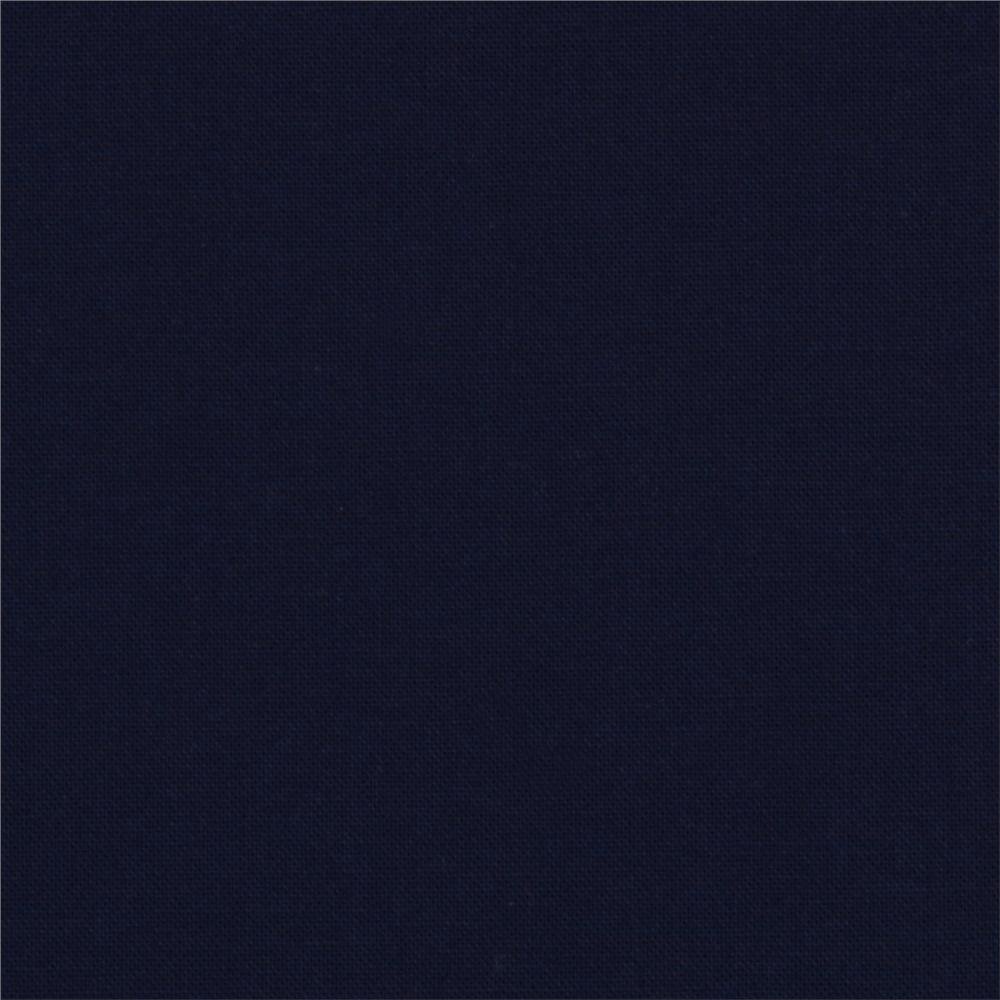
I turn to Kona cotton when I need a reliable, true solid—it has a consistent medium weight, excellent color depth, and a trusted safety certification.
Why I picked it: 100% Kona cotton, consistent weight, and Confidence in Textiles certification.
Best for: Solid blocks, borders, backing, and reliable cutting and quilting.
A dependable, premium solid worth the investment.
Pros
- True-to-photo color consistency
- Stable medium weight for quilting
- 45" width for efficient cutting
- Confidence in Textiles certification
Cons
- Plain weave can feel stiff until washed
- Not the cheapest basic cotton
My take
I’ve used Kona as a go-to solid for blocks and borders because the color stays true across dye lots and it presses nicely. The 45" width is convenient for backing or long border strips without awkward seams.
Handling felt like a classic quilter’s cotton—enough body to hold shapes, but softens after a wash. I noticed consistent performance for piecing and appliqué; the weave takes thread well and feeds predictably through a domestic machine.
Given the fabric’s testing and staple length, I consider this a reliable investment when I want consistent results rather than experimenting with unknown solids.
4. Connecting Threads Chambray Tonals Fat Quarter Bundle – Best Fat Quarter Bundle
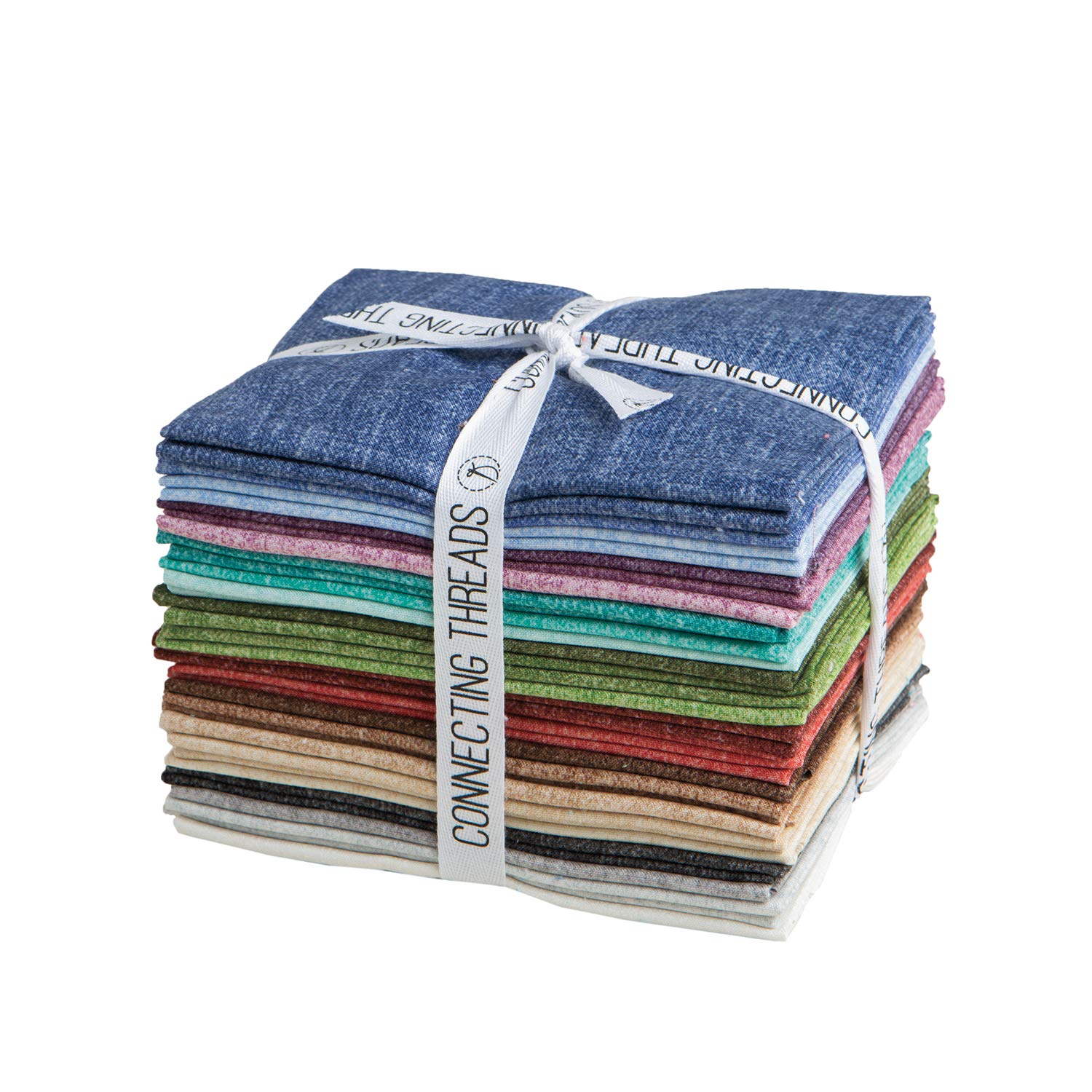
I used several fat quarters from this Chambray Tonals bundle for doll clothes, quilt blocks, and bindings; the LUXE extra-long staple cotton handles tiny cuts and frequent handling well.
Why I picked it: 24 coordinated fat quarters on LUXE extra-long staple cotton, OEKO-TEX certified.
Best for: Scrappy quilts, small projects, and coordinated collections.
Premium bundle suited to projects that need coordinated colors.
Pros
- Coordinated color story
- LUXE extra-long staple cotton
- OEKO-TEX certified
- Perfect scale for small projects
Cons
- Higher cost per yard than single cuts
- Some prints are too pretty to cut
My take
I appreciate that these fat quarters arrive coordinated—pulling matching pieces for doll clothes and small quilt blocks was fast and reliable. The small-scale prints read well even when cut down to tiny pieces.
The LUXE cloth has a finer hand thanks to extra-long staple cotton, so it resists shredding on small seams and takes thread smoothly. I didn't find flaws across the bundle and the pieces folded and stored cleanly.
If I need a ready-made palette for samples, craft fairs, or pattern testing, this bundle saves time and gives a polished, cohesive result.
5. Animal Paw Cotton Fabric – 1 Yard – Best Novelty Print
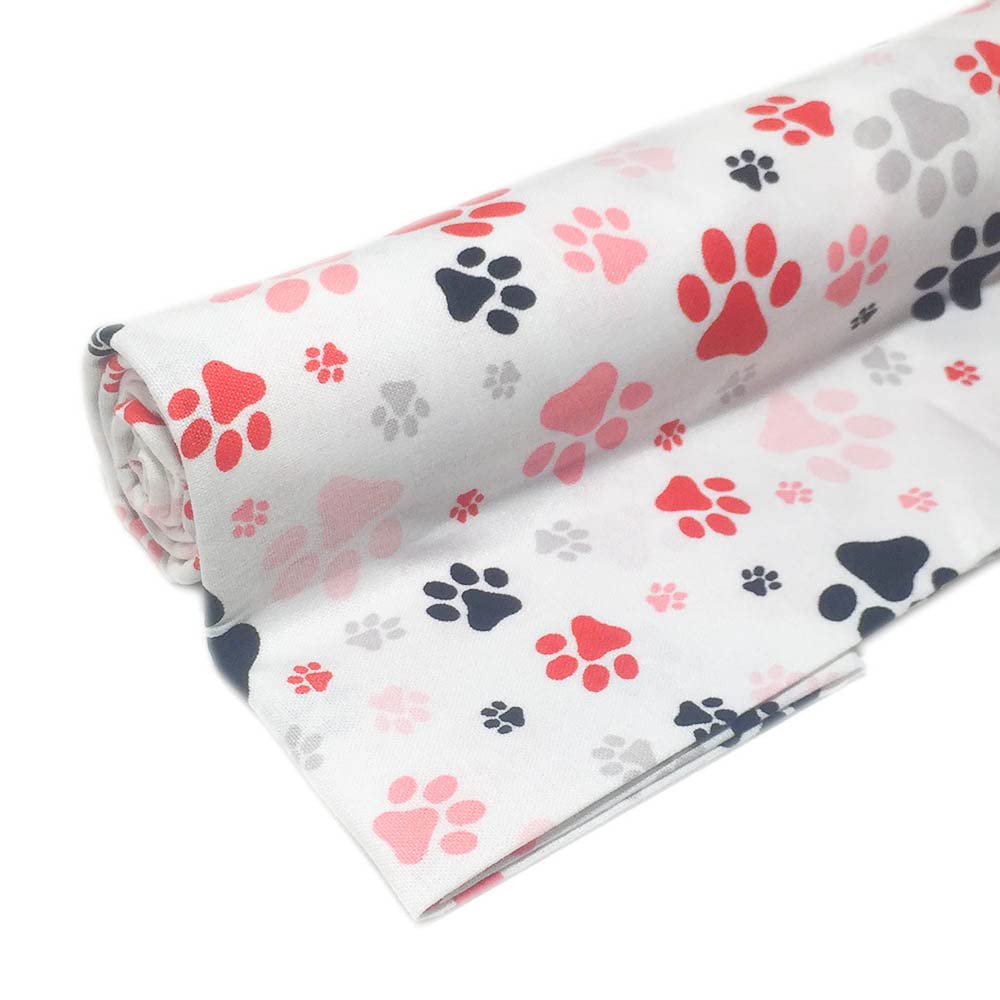
I bought a yard of this cute animal-paw print for a child’s quilt accent and found the colors held up well in washing and the cotton printed clearly.
Why I picked it: Fun novelty print on pre-cut one-yard piece, machine washable.
Best for: Children’s quilts, cushions, and craft accents.
Affordable single-yard cuts for themed projects.
Pros
- Bright, kid-friendly print
- Precut one-yard convenience
- Machine washable
- 100% cotton
Cons
- Limited to one-yard pieces
- Repeat placement matters for larger projects
My take
I used this print as a focal square in a kid’s quilt and the scale read perfectly at one yard. The print stayed bright after washing and the fabric behaved like a typical quilting cotton when piecing.
For small projects and accents I like the convenience of a pre-cut yard. If I needed yardage for a whole quilt I’d order multiple cuts and plan pattern placement carefully to avoid awkward repeats.
Overall, the fabric is cheerful, easy to work with, and held color and hand after normal laundering.
How I Choose Quilting Fabrics and Tools
Fabric Weight and Hand
I always check the weight and feel of fabric before a big project. Medium-weight quilting cottons give me structure for piecing and soften after washing.
Extra-long staple cottons have a smoother hand and fewer loose fibers, which matters on small seams and fine stitching.
- Lightweight: good for garments and drapey finishes.
- Medium-weight: best for most quilt tops and blocks.
- Extra-long staple: superior for binding and detailed work.
Precuts vs Yardage
I use precuts like fat quarters and jelly rolls when I want a ready palette or speed. They’re perfect for scrappy quilts and samples.
For borders, backing, or large projects I prefer yardage to control repeats and avoid seam matching.
- Fat quarters: great for small projects and coordinated bundles.
- Jelly rolls: ideal for strip-based quilts and quick construction.
- Yardage: necessary for consistent backing and large prints.
Color, Prints, and Coordination
When I plan a quilt I test swatches together under good light; prints can shift dramatically from thumbnails to sewn blocks.
Coordinate by value (light-to-dark) first, then choose prints that support contrast and texture.
- Test swatches together before committing.
- Balance busy prints with solid or tonal pieces.
- Pay attention to print scale for block size.
Marking and Prep
I prefer heat-erasable pens with a fine tip for quilting lines; I always test them on a fabric scrap and follow the recommended heat removal method.
Label and date any marking pens or bundles when I receive them so I can track freshness and avoid dried markers.
- Always test markers on a scrap first.
- Use seam-allowance marks for out-of-sight lines.
- Date markers and store capped to extend life.
Care and Washing
I prewash when I need to remove sizing and stabilize shrinkage, especially for mixed-fabric projects.
For precuts I often skip aggressive prewashing but I still do a wet-test if colorfastness is a concern.
- Machine wash cold to protect dyes.
- Tumble dry low or air dry to minimize shrinkage.
- Press with appropriate heat—test marking removal after washing.
Frequently Asked Questions
Can heat-erasable fabric pens be removed with steam only?
In my tests I found that a hot iron following the manufacturer's instructions removed marks reliably. Steam alone sometimes lightened lines but didn't always erase them completely, so I use direct heat for best results.
Do jelly roll strips come ready to sew without shrinking?
The jelly roll I tested was labeled pre-washed and pre-shrunk, and I sewed with confidence right away. If you’re mixing with non-prewashed yardage, do a quick wet-test to check for dye transfer.
When should I choose fat quarters over yardage?
I reach for fat quarters when I need a coordinated palette for small blocks, bindings, or samplers. For continuous pieces like backings or wide borders, I choose yardage to avoid seams and repeat issues.
Final Take
I keep a mix of these items in my sewing room: Kona solids for dependable basics, a fat quarter bundle for coordinated projects, a jelly roll for fast quilts, novelty prints for accents, and heat-erasable pens for precise marking.
Pick based on the project: choose yardage for large pieces, precuts for speed and coordination, and test any marker on a scrap before committing to important lines.
With these five staples I can assemble most quilt projects quickly and confidently.
