
I tested lift recliners, lumbar pillows, accent chairs, and a powered glider to find options that actually help lower-back pain, improve posture, and make daily transfers easier. This roundup focuses on real support, fit
I tried several recliners and lumbar supports with one goal: reduce low-back strain and make sitting and standing less painful. My testing covered power lift mechanisms, built-in lumbar support, portable memory-foam pillows, and compact accent seating.
My approach was practical — I evaluated how each option supports the lumbar curve, how easy it is to get in and out of, how the upholstery feels, and whether convenience features like USB ports or pockets actually matter day to day.
If you need help standing, I leaned toward powered lift chairs with extended footrests and simple controls. For long hours at a desk or in a car, I favored memory-foam lumbar pillows that stay put. And for nursing or living rooms, a powered glider with a fixed lumbar cushion gave the right blend of motion and lower-back support.
1. MCombo Power Lift Recliner (Fabric) – Best Overall
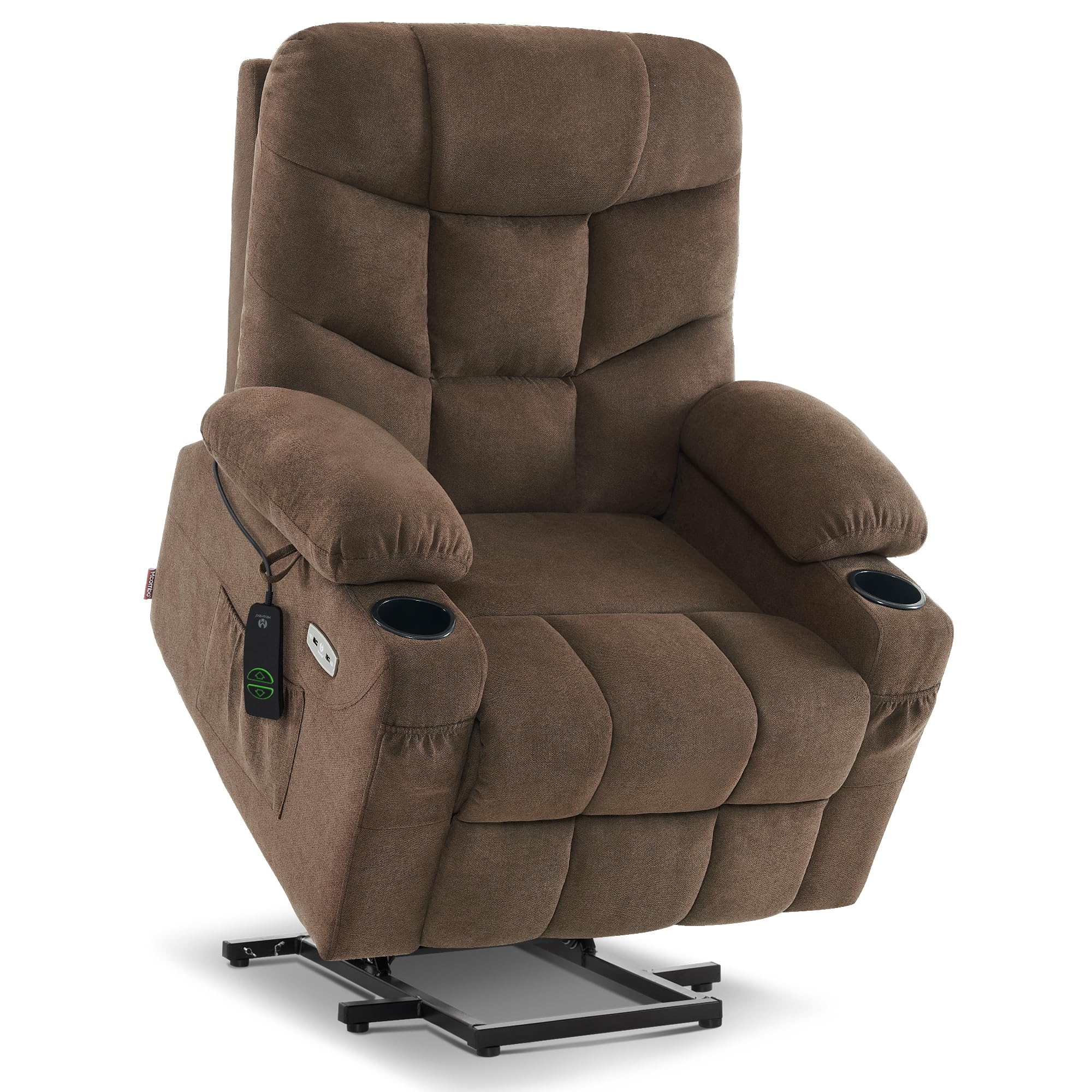
A straightforward power lift chair that helped with transfers, offered an extended footrest, and kept everyday items within reach.
Why I picked it: I picked it for dependable lift assistance, a stretch-friendly footrest, and practical charging and storage features.
Best for: Seniors or anyone who needs powered lift assistance and decent lumbar support in a mid-size chair.
Good value for a powered lift chair with built-in charging and pockets.
Pros
- Counter-balanced power lift
- Extended footrest for full leg support
- USB and Type‑C charging ports
- Easy assembly with no tools
Cons
- Lift raises slower than recline
- Medium size best for 5'1"–5'9"
- Fabric can show wear with pets
My take
I found the MCombo fabric lift chair to be a reliable everyday option when standing and sitting are a challenge. The counter‑balanced lift mechanism eases transfers without jerky motion, and the recline goes to a comfortable angle for napping.
The 4.7-inch extended footrest made a real difference for circulation and leg comfort when I stretched out. It’s worth checking the recommended height range — the medium worked well for my household members between about 5'1" and 5'9".
Convenience features like the deep cup holder, USB and Type‑C ports, and multiple storage pockets actually mattered during daily use. The fabric is soft and cleans up with a damp cloth, and the simplified design (no massage or heat) felt more dependable over time.
Assembly was straightforward; the heaviest pieces arrive in separate boxes and slide together with minimal effort. If you need a dependable lift chair without a laundry list of motors, this one balanced comfort, usefulness, and simplicity well.
2. LumbarPal Memory Foam Lumbar Pillow – Best Budget Lumbar Support
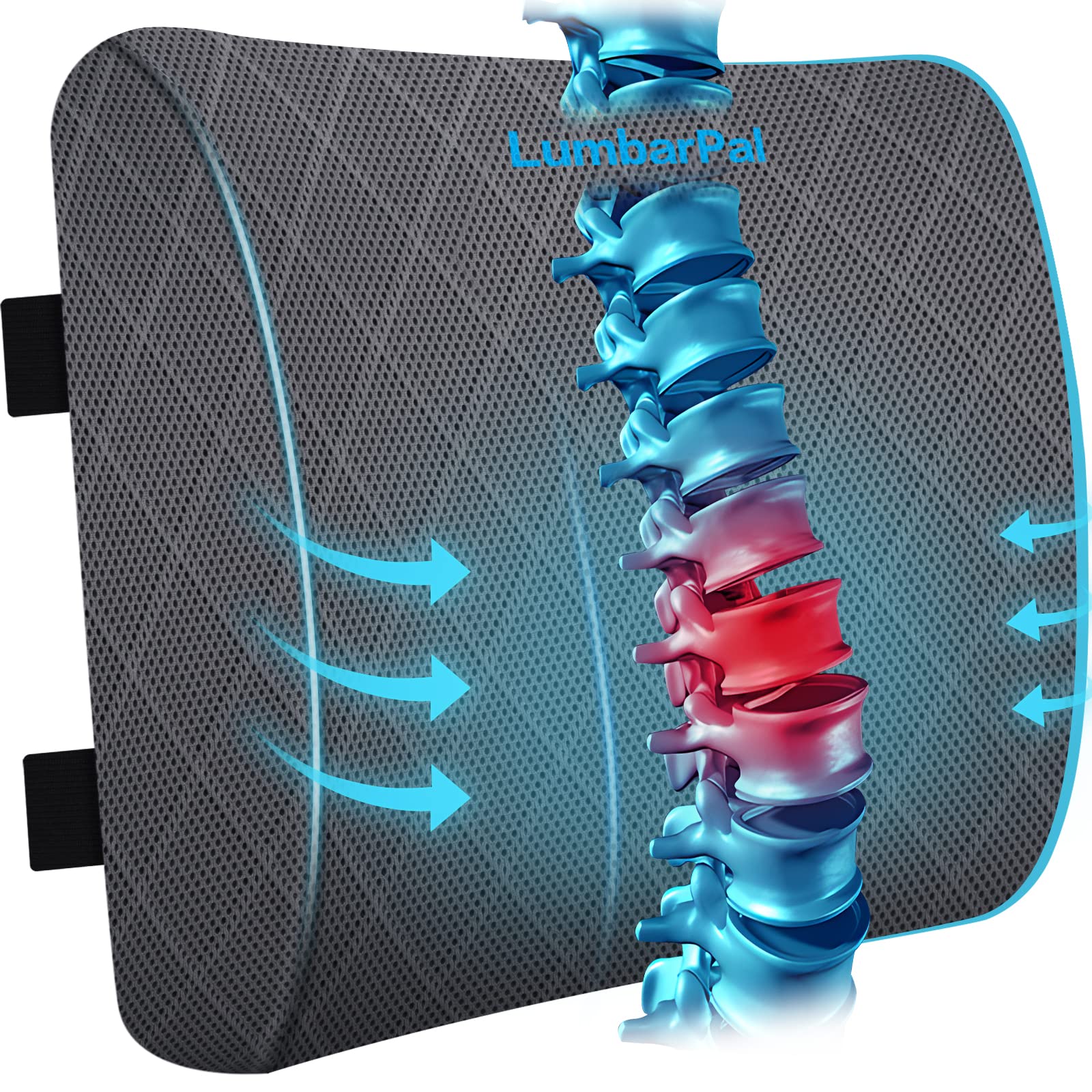
A compact memory-foam lumbar pillow that stays put and gives consistent mid‑to‑low back contouring.
Why I picked it: I wanted a portable, breathable memory-foam solution that adapts to different chairs and won’t flatten over time.
Best for: Office chairs, cars, gaming seats, and anyone who needs quick posture support on a budget.
Extremely affordable for a memory-foam lumbar solution with washable cover.
Pros
- High-density molded memory foam
- Breathable mesh, washable cover
- Adjustable straps hold it in place
- Portable across seats
Cons
- Some users want firmer midsection
- Straps can be short on oversized chairs
My take
I used this little pillow everywhere — my office chair, the car, and even in a recliner — and it reliably filled the lumbar gap without flattening out. The foam has a responsive feel that contours to the lower back.
The removable mesh cover keeps air flowing during long sessions, and I appreciated being able to toss it in the wash. The adjustable straps keep the pillow from sliding, though you may need to tweak them on very large chairs.
Overall, it’s the kind of portable support I reach for first when I don’t want to change my whole chair but do want a noticeable improvement in posture and comfort.
3. Vekkia Lumbar Support Pillow – Best for Recliners & Sofas
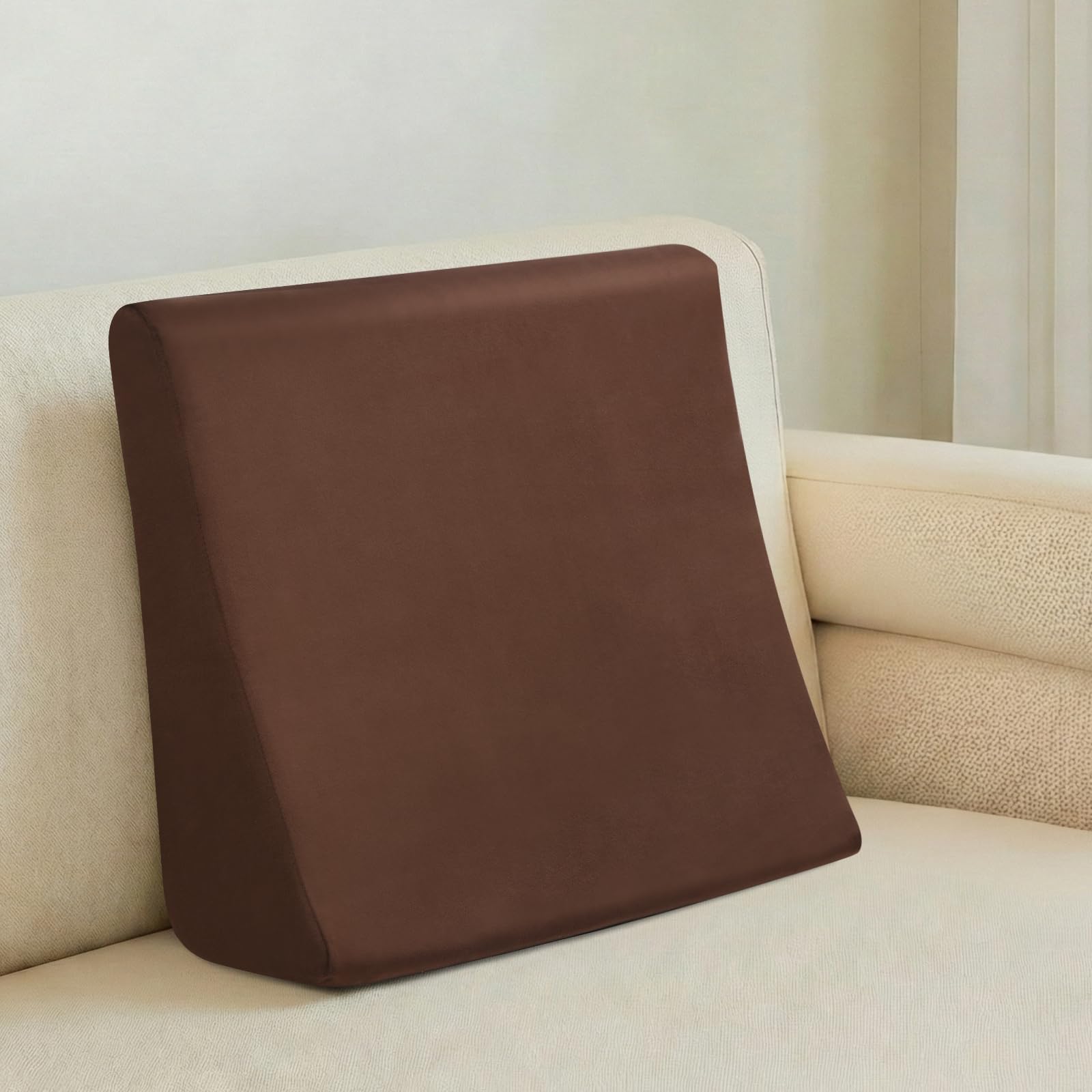
A firmer engineered-foam lumbar wedge that fits most recliners and couches and holds its shape under long use.
Why I picked it: I went with this for long‑lasting firmness and a contoured shape that supports the entire lumbar curve.
Best for: People with soft sofas or deep recliners who need a firmer shaped support to restore posture.
A mid-priced foam lumbar option with a washable cover and larger dimensions.
Pros
- Engineered foam resists sagging
- Ergonomic contour supports spine curve
- Machine-washable removable cover
- Fits most armchairs and sofas
Cons
- Requires at least 20" seat width
- Avoid chairs with hollow or protruding backs
My take
The Vekkia lumbar pillow felt firmer and more durable than typical back cushions. Its contoured profile supported my lower back and tailbone without taking up too much seat space.
I appreciated the removable cover for cleaning — spills and daily wear are easier to handle. The dimensions are generous, so I always check seat width before I place it; it performs best on chairs with at least 20 inches of usable width.
For couches or recliners that are too soft, this pillow restored a supportive base and improved my sitting posture during long TV sessions or reading.
4. Yaheetech Velvet Accent Armchair – Best for Style and Support
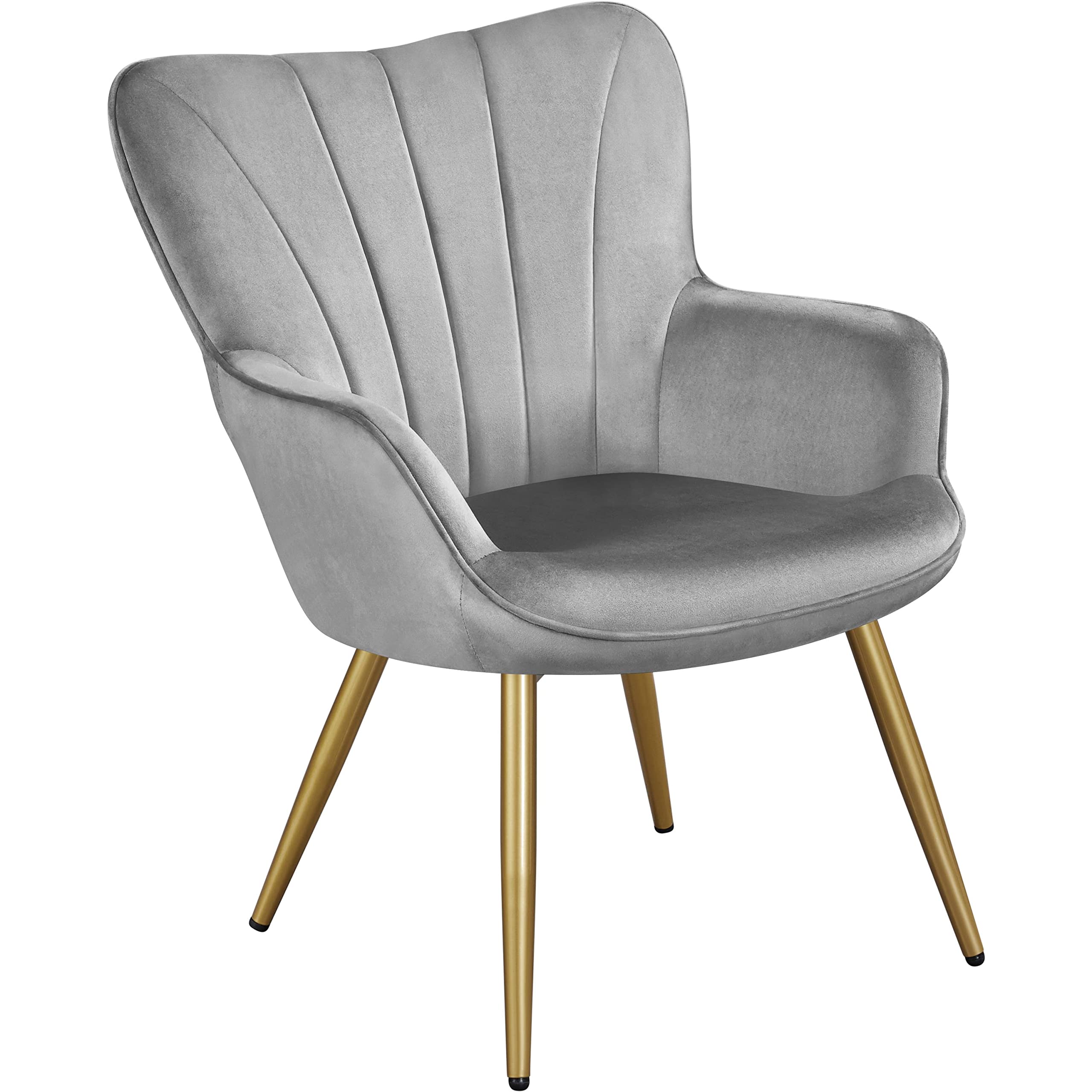
A compact, elegant velvet armchair with a supportive high back and dense foam that helps maintain a straighter posture.
Why I picked it: I wanted an attractive chair that still offered real back support for shorter seating sessions and improved posture.
Best for: Living rooms, bedrooms, or home offices where appearance and steady lumbar support matter.
A competitively priced accent chair that blends design with practical support.
Pros
- Plush velvet with resilient foam
- Sturdy engineered wood frame
- Good seat depth and supportive back
- Quick, simple assembly
Cons
- Lightweight—may shift if bumped
- Shipping issues reported on parts
My take
This Yaheetech armchair surprised me by offering a firmer, posture-friendly seat under a plush velvet cover. The back is wide and supportive, and the 19.7‑inch seat depth felt balanced — not too deep to compromise lumbar contact.
Assembly is basically attaching the legs, which I liked for convenience. The chair's frame felt solid and the foam density gave steady support that encouraged a straighter sitting position during work or getting dressed.
If you want style without sacrificing everyday back support, this chair hits that middle ground. Just be mindful of handling the boxed pieces carefully during delivery.
5. MCombo Power Lift Recliner (Faux Leather) – Best for Petite to Medium
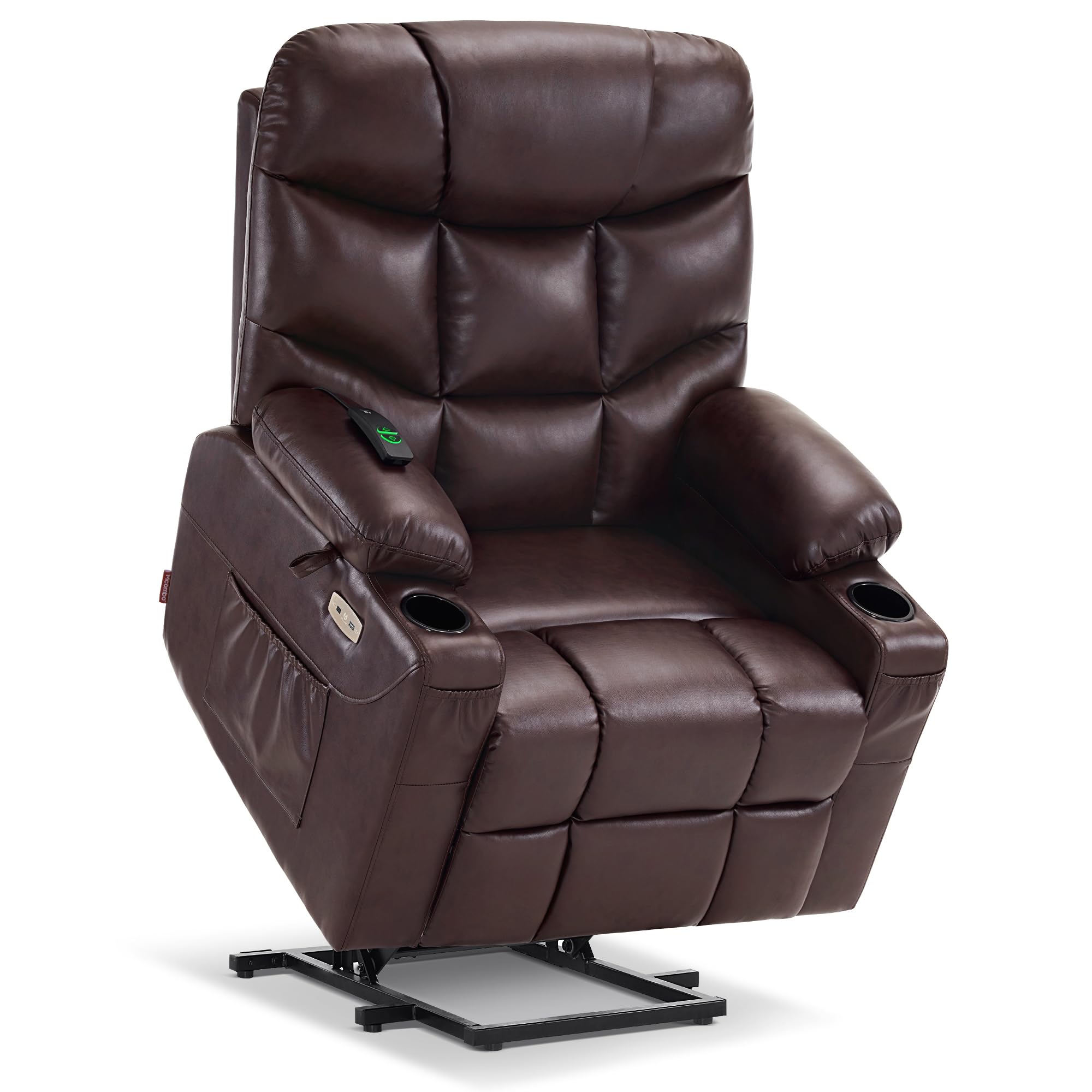
The faux-leather sibling to the fabric lift chair, offering the same lift assistance, extended footrest, and practical pockets with a two‑year parts warranty.
Why I picked it: I wanted the lift functionality with easier surface cleaning and a manufacturer warranty for peace of mind.
Best for: People recovering from surgery or anyone who prefers faux leather that wipes clean and aids standing.
A solid mid-range lift chair with a manufacturer warranty included.
Pros
- Counter-balanced lift helps standing
- Extended footrest for better leg support
- Cup holder, pockets, charging ports
- 2‑year limited manufacturer warranty
Cons
- Limited adjustment options
- Cushions firm out of the box
My take
I used the faux-leather MCombo when someone at home needed a quick recovery seat after surgery. The lift mechanism made standing easier and the extended footrest let them keep legs elevated comfortably.
The faux-leather surface wipes down faster than fabric, which mattered after medication spills and extra care routines. It’s a simple one‑button control system — not a multi‑motor massage chair — and that simplicity translated to fewer issues during extended use.
Assembly was very fast, and the included two‑year limited warranty covered the main reclining and electrical components, which gave me extra confidence for long‑term use.
6. CHITA Power Glider Swivel Recliner – Best for Nurseries & Nursing
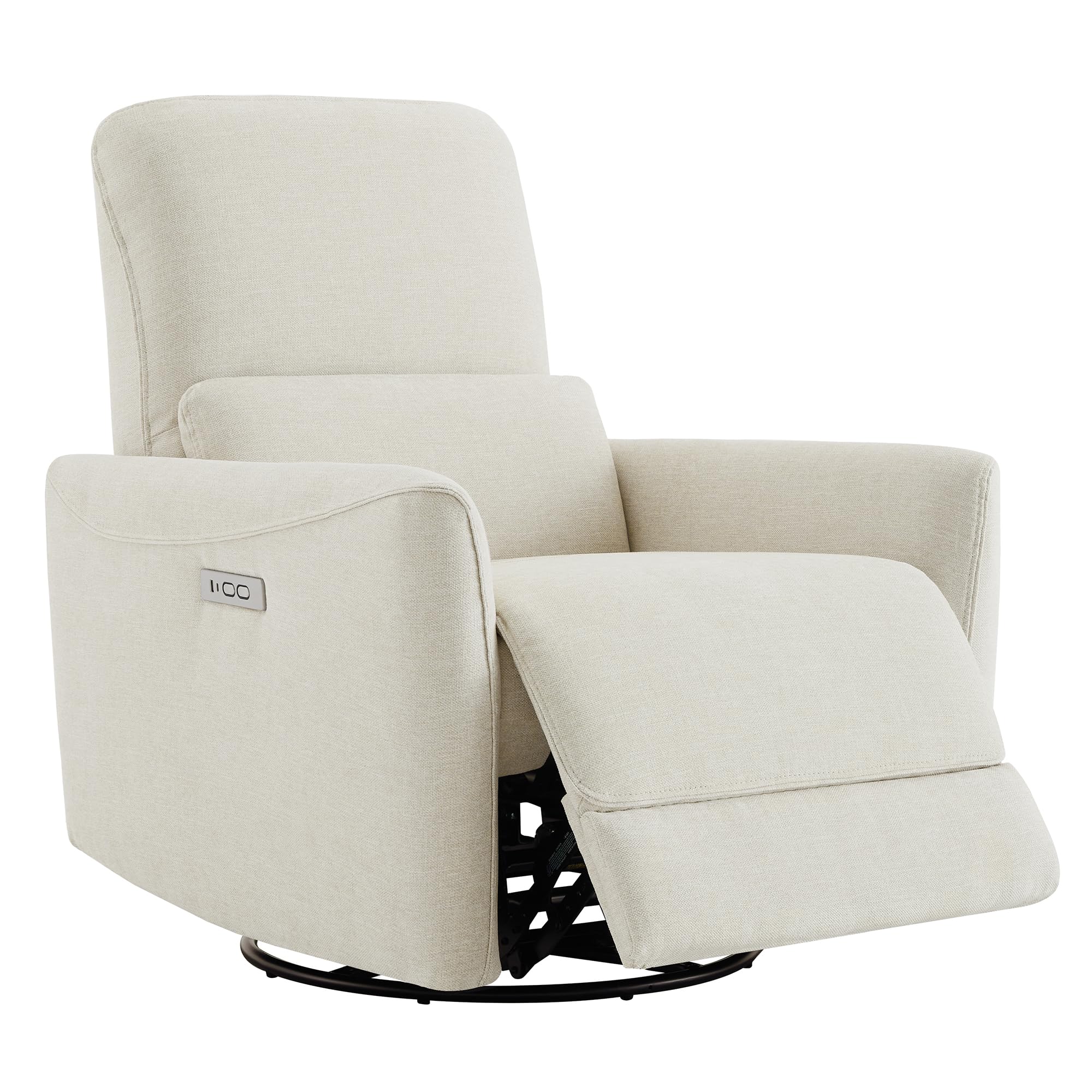
A powered glider and swivel recliner with a fixed lumbar cushion, smooth motion, and a heavy‑duty mechanism built for frequent use.
Why I picked it: I chose it for the combination of powered reclining, glide/swivel motion, and a robust Leggett & Platt mechanism for durability.
Best for: Nurseries, nursing needs, and anyone who wants a smooth rocking/gliding motion plus reliable lumbar support.
A higher-end option for frequent use and long-term durability.
Pros
- 270° swivel with glide and recline
- Patented Leggett & Platt mechanism
- Extended footrest and fixed lumbar cushion
- Supports up to 350 lbs
Cons
- Fixed lumbar position may not suit shorter users
- Don’t swivel while fully reclined
My take
I recommend the CHITA power glider when motion matters — rocking and swivel actions are smooth and calming for night feeds, and the powered recline is quiet and easy to use.
The Leggett & Platt mechanism felt noticeably solid in my longer-term use; the chair handles frequent motion without feeling loose. The fixed lumbar cushion sits in a position that helped my lower back during nursing and reading, though shorter users occasionally needed to scoot forward to align perfectly.
Built-in USB charging and simple assembly (the back slides into the seat) make it a practical, durable centerpiece for a nursery or living room where both movement and lumbar support are priorities.
How I Choose Recliners and Lumbar Aids for Back Support
Key features I inspect
I focus first on how a seat supports the lumbar curve — either with a built-in lumbar cushion or a dedicated pillow that fills the gap between the lower back and the chair.
For people who struggle to stand, I look for counter‑balanced power lift mechanisms with smooth motion and a reliable power control that’s easy to operate.
- Lumbar support: fixed or adjustable cushion that fits your spine curve
- Recline range: enough angle for rest without forcing the head backward
- Footrest length: extended footrests prevent circulation cut‑off
- Build quality: solid mechanism (Leggett & Platt or equivalent) for longevity
- Upholstery: wipeable faux leather or breathable fabric depending on your household needs
Sizing and fit
I always measure seat width, seat depth, and recommended user height. A good fit keeps your lower back contacting the support rather than sliding into a gap.
For lumbar pillows, I check the pillow dimensions and the chair’s internal width before committing.
- Check recommended user height for lift chairs (medium vs. large)
- Confirm seat width is at least the pillow’s width
- Try to replicate your sitting posture — recline and then test lumbar contact
Practical extras I value
USB charging, pockets, and cup holders aren’t glamorous, but I found them helpful for daily life — especially when mobility is limited.
A simplified design (no massage/heating) can mean fewer failures and easier maintenance, which I prefer for everyday reliability.
- USB/Type‑C ports for bedside charging
- Storage pockets for remotes and meds
- Washable covers for pillows and removable upholstery where possible
Warranty and durability
I weigh warranty coverage on electrical and mechanical parts when choosing a powered recliner. A two‑year limited warranty provided me peace of mind for heavier use.
Look for mechanisms tested for cycles (e.g., 25,000 cycles) if you expect frequent rocking or gliding.
- Confirm warranty terms for electronics and frame
- Prefer reputed mechanisms with cycle testing
- Inspect return and assembly ease before committing
Frequently Asked Questions
Do power lift recliners actually make standing easier?
Yes — in my experience, a counter‑balanced lift mechanism reduces strain during transfers and gives a controlled lift that helps when knees or hips are weak. I prefer models with simple one‑button controls and a steady, non‑jerky motion.
Will a lumbar pillow work on any chair?
Most memory‑foam and contoured lumbar pillows are very portable, and I use them in cars, office chairs, and recliners. I always check the pillow size against seat width and avoid chairs with hollow or protruding backs where the pillow can’t sit flush.
How do I choose between a lift chair and a glider for a nursery?
If getting up is the main concern, a lift chair is the priority. For soothing motion and frequent nursing, I prefer a powered glider/swivel recliner with a comfortable fixed lumbar cushion and a durable mechanism that handles frequent rocking.
Final Take
Across these picks I balanced solid lumbar support, ease of transfers, and everyday convenience. My top choice depends on your needs: choose a lift chair for mobility and elevation, a memory‑foam pillow for portable posture help, or a powered glider when smooth motion and durability matter.
I recommend measuring your chair and yourself before buying, and prioritizing reliable mechanisms and washable covers for long-term comfort.
