
I tested a range of roof sealants and repair tapes on RVs, boats, and rubber roofs. These are the products I reached for when I needed reliable watertight repairs that last.
I spend a lot of time fixing leaks on RVs, boats, and low-slope roofs, so I assembled and put a variety of sealants and tapes to real-world use.
In this roundup I compare self-leveling lap sealants, marine-grade polyurethane, flexible RV sealants, and several butyl repair tapes so you can pick the right option for the type of leak and surface you have.
My picks focus on adhesion, flexibility, ease of application, and how the material behaves after it cures.
I separate liquid sealants from butyl tapes: liquids are best for seams, vents, and areas needing a conforming bead; tapes are fast, permanent patches for seams and tears. I recommend marine-grade polyurethane only when you need a permanent structural bond.
1. Dicor Self-Leveling Lap Sealant – Best Overall
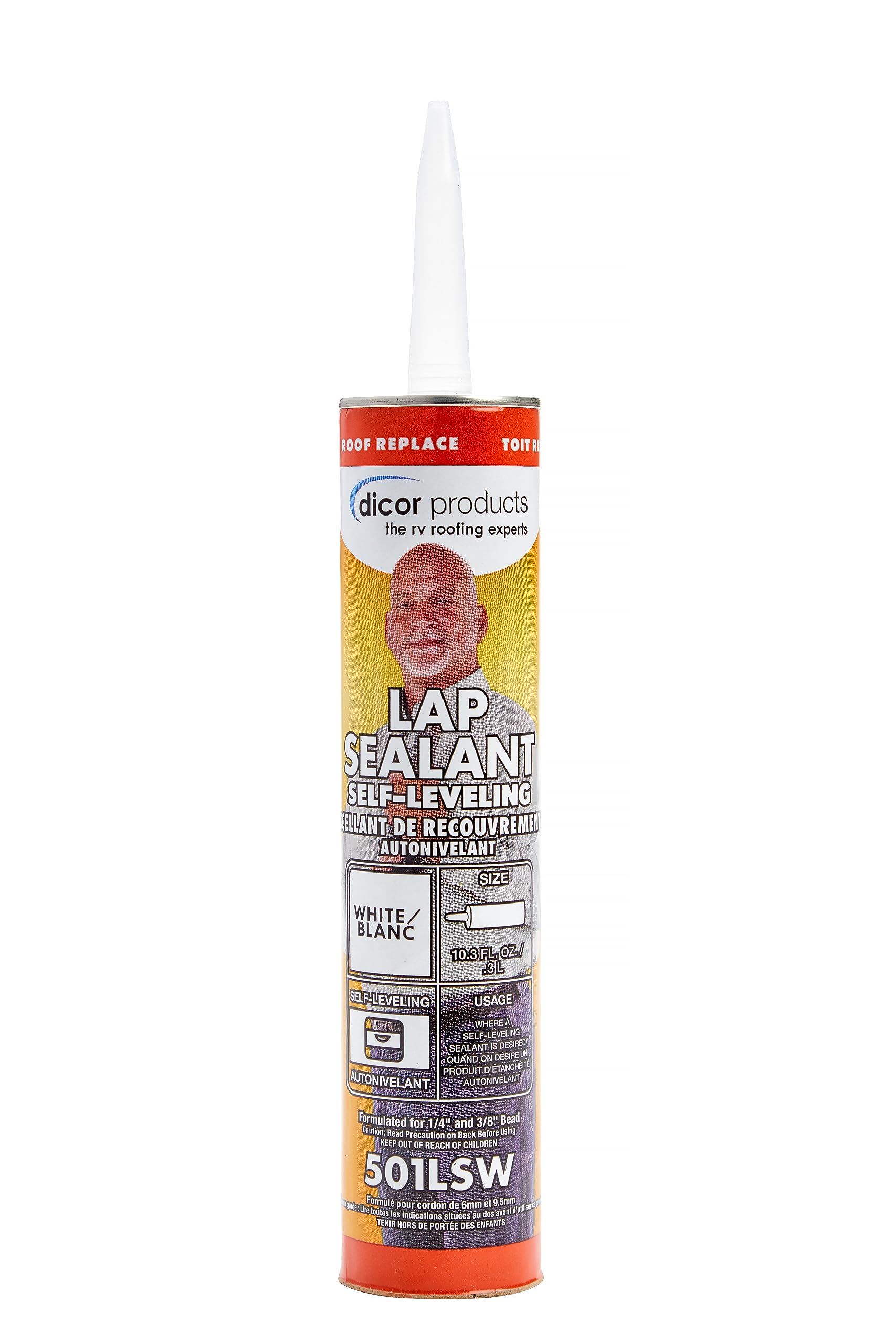
I rely on Dicor's self-leveling lap sealant whenever I need a neat, flexible horizontal seal that adheres to EPDM, TPO, PVC and common roof substrates.
Why I picked it: Self-leveling finish for clean horizontal seals and broad compatibility with RV roofing materials.
Best for: Sealing RV vents, screw heads and horizontal roof seams.
Single-tube convenience for spot repairs and field fixes.
Pros
- Self-leveling for smooth horizontal beads
- Adheres to EPDM, TPO, PVC and metals
- Sun-ray stabilized to resist discoloration
- Relatively quick drying and flexible
- Easy to scrape off and reapply
Cons
- Runny on vertical surfaces
- Not self-spreading—uses more material than expected
- One tube can be consumed by a single vent
My take
I used this Dicor tube to reseal vents and around skylights. The formula flows and flattens into a clean bead on horizontal surfaces, which made finish work much faster than tooling traditional caulks.
Because it’s runny, I worked quickly and applied it slightly up the side of vent flashings so I didn’t trap water at the base. It sticks well to metal, fiberglass and rubber and remains flexible after curing.
Keep in mind it won’t magically spread across gaps—plan on using a full tube for larger details like solar panel brackets or a single vent. I like that cured areas scrape off for rework when needed.
2. Dicor Self-Leveling Lap Sealant (4-Pack) – Best Value Pack
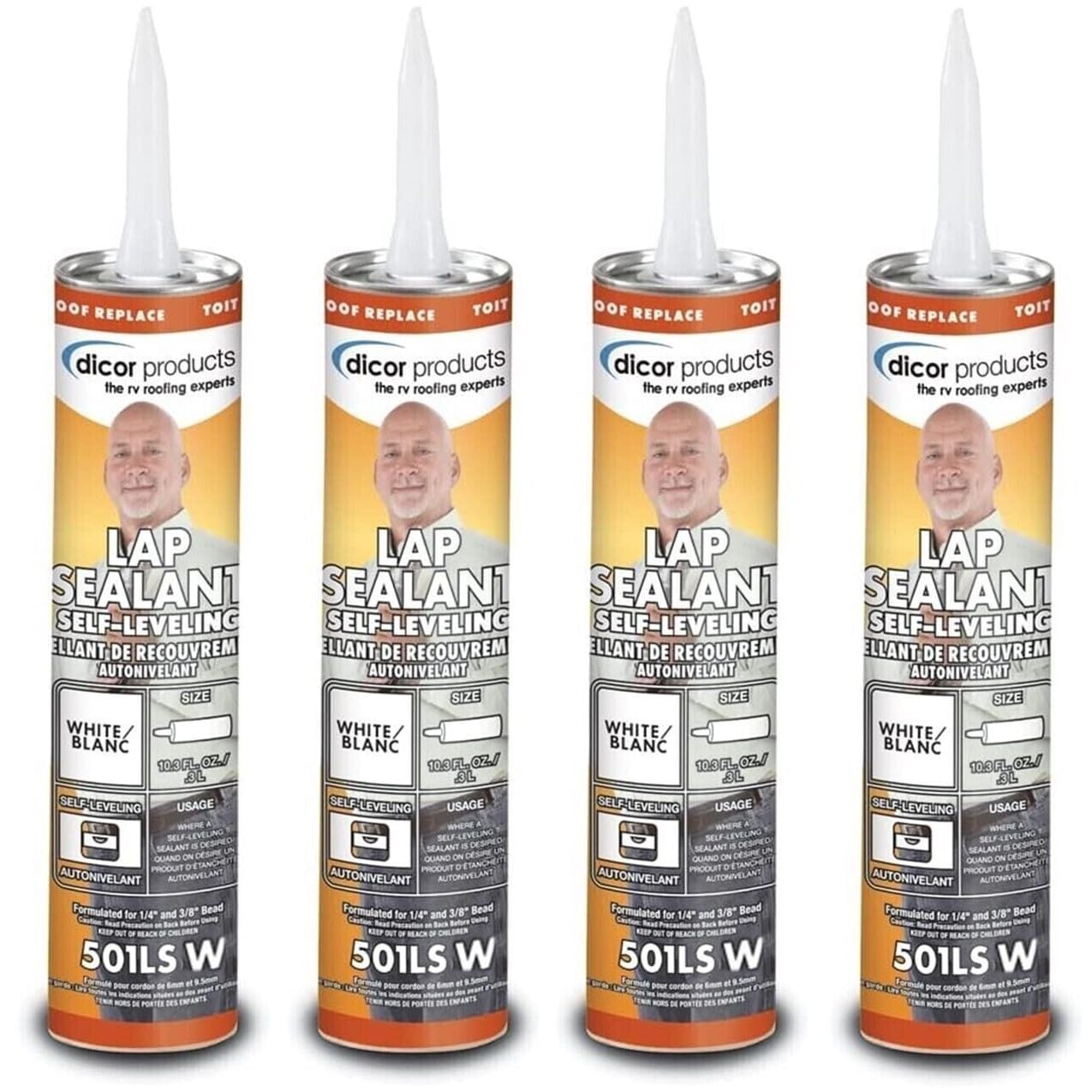
When I expect multiple repairs or want spares on hand, the Dicor 4-pack gives the same dependable sealant in bulk so I’m not surprised mid-trip.
Why I picked it: Same self-leveling performance as the single tube, packaged for repeated use or multiple leak points.
Best for: Routine roof maintenance, sealing several vents or stocking a spare supply.
More economical when you need multiple tubes for ongoing maintenance.
Pros
- Bulk supply for multiple repairs
- Self-leveling finish simplifies finishing
- Broad adhesion across RV materials
- Color-matched white for a neat look
Cons
- Messy if it gets on unintended surfaces
- Requires proper surface prep for best adhesion
- Has a manufacturer shelf life to track
My take
I bought the multi-pack when I was resealing an older camper roof. It makes sense to have extra tubes—I used several during a single weekend and didn’t run out.
Application is straightforward but messy if you don’t wear gloves and protect surrounding hardware. I found it easiest to remove old sealant completely before applying fresh Dicor.
One practical tip I follow: store opened tubes carefully and keep track of the stamped date—these tubes are intended to be used within a reasonable window for best consistency.
3. 3M Marine Adhesive Sealant 5200 Fast Cure – Best for Permanent Bonds
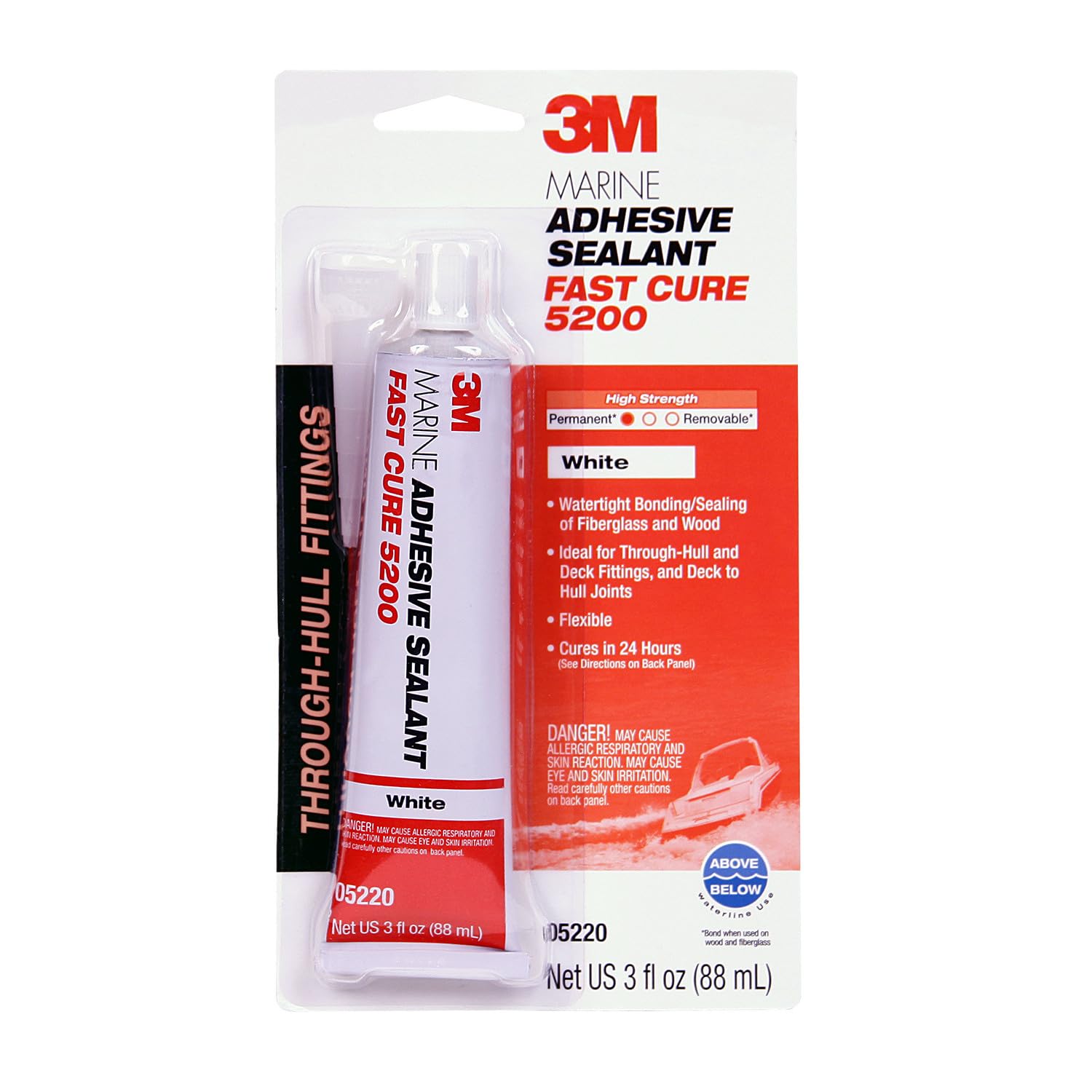
I reserve 3M 5200 Fast Cure for jobs where I need a long-lasting, structural bond that endures vibration and marine conditions.
Why I picked it: Extremely strong, weather-resistant polyurethane that bonds above and below the waterline for permanent structural seals.
Best for: Through-hull fittings, hull seams, structural marine attachments and where a permanent bond is required.
Professional-grade, intended for permanent, heavy-duty applications.
Pros
- Very strong, permanent adhesion
- Fast curing compared to other permanent formulas
- Tough against weathering and salt water
- Remains flexible under stress
Cons
- Messy to work with and hard to clean
- Unusable once air enters opened cartridge
- Can yellow slightly in prolonged sunlight
My take
On time-sensitive marine fixes I turn to 3M 5200 Fast Cure for its bond strength. It forms a near-permanent joint that I trust on deck fittings and hull seams.
It does set up hard—almost tire-like—and is tougher to tool cleanly than softer sealants. Because of that, I keep small tubes on hand and avoid leaving partially used cartridges exposed to air.
Work carefully: cleanup takes mineral spirits and cured material is difficult to remove. For anything exposed to sunlight long-term I plan accordingly because the white version can darken a bit over time.
4. Geocel Pro Flex RV Sealant – Best for Flexible Joints
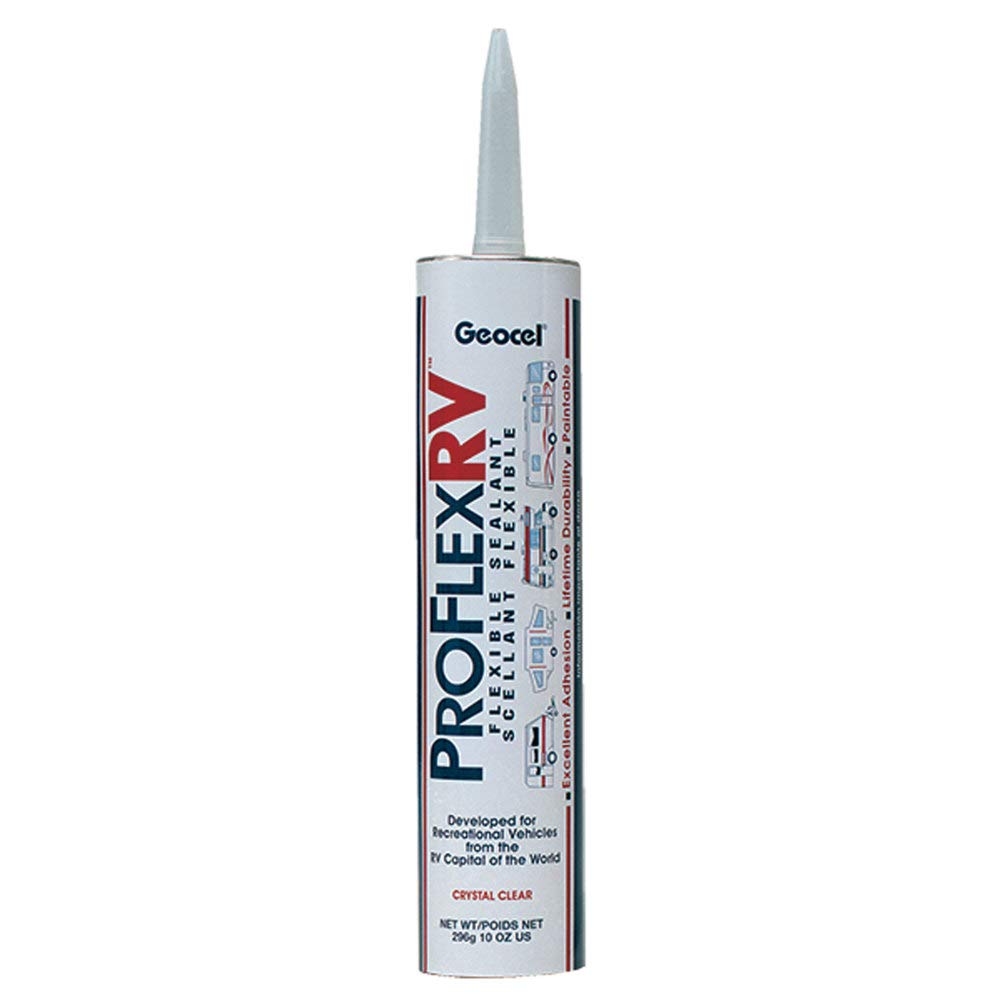
I use Geocel Pro Flex when I need a very flexible seal that bonds well even to slightly damp or cold surfaces—handy for plumbing and interior trims on RVs.
Why I picked it: Designed for RV movement: flexible, bonds to many materials and works on damp surfaces.
Best for: RV sinks, showers, trim work, and other joints that expand and contract.
RV-specific flexible option for plumbing and trim sealing.
Pros
- Adheres to damp and slightly oily surfaces
- Resealable packaging and easy application
- Paintable and resists dirt pick-up
- Holds up to expansion and contraction
Cons
- Not compatible with EPDM or TPO
- Translucent white—not true opaque white
- Avoid for traffic-bearing surfaces
My take
I sealed my RV’s sink and shower fittings with this Geocel formula and appreciated how forgiving it was on slightly damp surfaces. The finished joint stayed flexible and watertight.
The updated plastic cartridge tip made small gaps easy to fill, and the tip cleaned up with mineral spirits. I like that the sealant is paintable, which helps when I want a tidy factory-like finish.
Note the compatibility list: I avoid this on TPO and EPDM roofs, and I wouldn’t use it where polystyrene is present or on skylight acrylics.
5. Beech Lane RV Roof Repair Tape – Best for Quick Patches
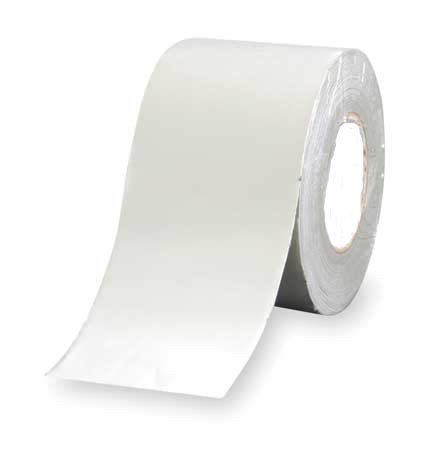
When I need an immediate, permanent patch that bonds instantly, this Beech Lane butyl roof tape is my go-to for seams, tears and quick emergency fixes.
Why I picked it: Very sticky butyl tape that forms a permanent, weatherproof bond for seams and patches.
Best for: Fast seam repairs, patching tears and emergency roof fixes.
Long roll suitable for multiple patches and permanent fixes.
Pros
- Incredibly strong adhesive
- Good stretch and pliability
- Long-lasting, permanent seal
- Handles high heat well
Cons
- Backing film can be tricky to start
- Difficult to reposition after placement
- Requires very clean surface for best hold
My take
I used this tape to patch seams and a hole; once applied with firm pressure the bond felt immediate and permanent. It performed even after hot days, which helped purge small bubbles.
Preparation is key—clean with solvent (mineral spirits or acetone) and a final wipe of alcohol to get the best stick. I found it much more durable than old lap sealant in several applications.
The plastic release liner peels off in one piece once started, but don’t try long strips unless you have helpers; it’s unforgiving once it contacts the roof.
6. Kohree RV Sealant Tape – Best for Weatherproofing
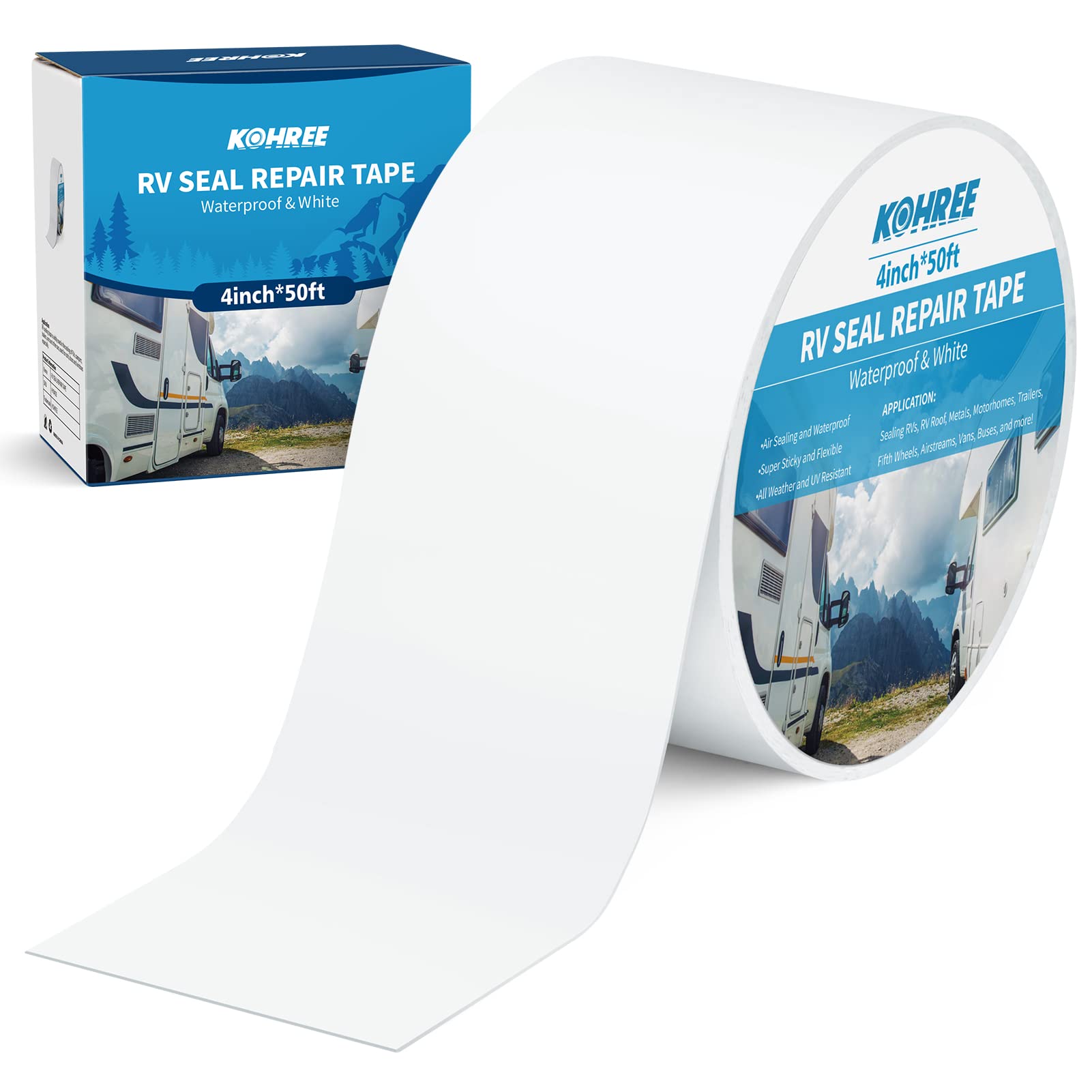
I rely on Kohree butyl tape when I want a UV-resistant, weatherproof patch that adheres to various roofing materials and stays flexible in changing climates.
Why I picked it: UV-resistant butyl tape designed for long-term outdoor exposure and broad material compatibility.
Best for: Roof seams, awning protection, windows and door surrounds on RVs and trailers.
Good balance of performance and roll length for routine repairs.
Pros
- UV and weather resistant
- Compatible with many roofing materials
- Very sticky and flexible
- Long roll for multiple jobs
Cons
- Extremely sticky—hard to adjust once set
- Initial weathering still pending for long-term claims
- Can be difficult to cut long straight strips
My take
I used Kohree tape to protect an awning roll and it stuck quickly and cleanly. The adhesive activated with firm pressure and the tape flexed around the curved surface without creasing.
First impressions are strong adhesion and a nice balance of stretch and tack. Since it’s very sticky, I placed pieces carefully—the tape’s bond is not forgiving.
So far it has held well in sunlight and brief exposure, and I appreciate that it’s designed to resist UV and moisture.
7. WELLUCK RV Roof Tape Sealant – Best for Aesthetics
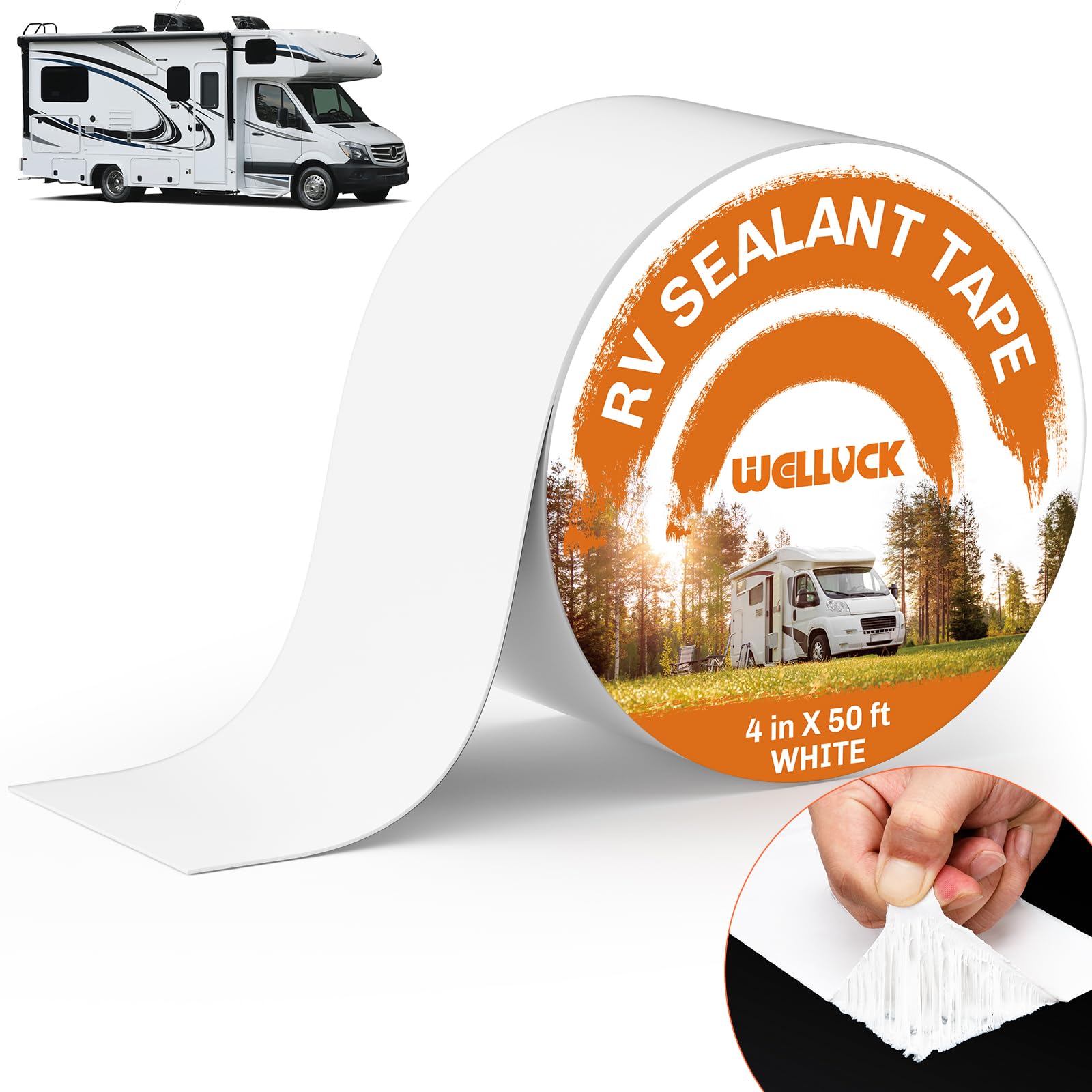
I reach for WELLUCK when I want a white, reflective tape that blends with RV roofs while providing a durable, temperature-flexible seal.
Why I picked it: Natural white finish that blends into RV roofs and resists extreme temperatures.
Best for: Sealing around skylights, AC units, and making wide repairs that benefit from a white finish.
Sized for larger repairs and visible roof work.
Pros
- Natural white that blends well
- Flexible down to very low temperatures
- Strong adhesion and wide width
- Easy to cover with roof coatings
Cons
- Adhesive strong—prep surface carefully
- Backing film can be a pain to start
- May require trimming on curves
My take
I used WELLUCK tape on several seam gaps and around skylights; the white finish made the repairs less conspicuous and reflected heat better than darker tapes.
The tape handled temperature swings without cracking and accepted a brush-on roof coating cleanly, which helped me finish the job neatly.
My contractor was impressed with the width and adhesive strength—this one’s a solid choice when appearance and durability both matter.
How I Choose Roof Sealants and Repair Tape
Sealant vs. Tape: Pick the right format
I decide between a liquid sealant and butyl tape based on the repair. Liquids are better for seams, vent flashings and joints where I need a conforming bead; tapes are ideal for tears, long seams and fast field patches.
For structural or below-waterline work I use a professional polyurethane adhesive designed for permanent bonds.
- Choose self-leveling sealant for horizontal seams and neat beads.
- Pick a flexible RV sealant for plumbing, trim, and moving joints.
- Use butyl tape for fast, permanent seam and tear repairs.
Material compatibility matters
I always check the substrate. Some sealants bond to EPDM, TPO, PVC, metals and fiberglass, while others—like certain flexible RV formulas—don’t work on TPO or EPDM.
If the manufacturer calls out compatibility, I follow it. When in doubt I test a small area or use a universal butyl tape that lists the material I’m working with.
- Match the product to EPDM/TPO/PVC if working on rubber or single-ply roofs.
- Use marine polyurethane for wood, fiberglass and through-hull fittings.
- Avoid sealants that list incompatibilities with your surface.
Application tips I use
Surface prep is the most important step—I remove old sealant, clean with mineral spirits or acetone, and finish with isopropyl alcohol to ensure the new product bonds.
For tapes, I press firmly and work from the center out to expel air; for liquids I tool the bead and remember that self-leveling compounds won’t spread far on their own.
- Remove old sealant and contaminants before applying new product.
- Work in suitable temperatures—some self-leveling formulas spread better when warm.
- Keep spare tubes or rolls for emergency field repairs.
Long-term maintenance
I inspect sealed areas annually and after severe storms. Even permanent-looking repairs can lose adhesion where surfaces weren’t prepped well.
When reworking cured material, I scrape back to a sound surface and reseal rather than layering blindly—this gives me the best long-term performance.
- Check seals after winter and heavy rain.
- Scrape and reseal rather than layering over cracked material.
- Store opened cartridges according to manufacturer guidance to maximize shelf life.
Frequently Asked Questions
Can I use butyl tape over cured lap sealant?
Yes—I’ve applied butyl tape over cured, clean sealant when the underlying material was sound. Clean the surface thoroughly first so the tape’s adhesive can bite into the substrate.
How soon after application is a sealant waterproof?
I generally expect self-leveling lap sealants to form an initial water-resistant skin quickly, but full cure varies by product—plan on checking manufacturer cure windows; many fast-curing formulas develop serviceable strength within a day or two.
Will tapes hold up in extreme heat?
I’ve left butyl tape exposed in hot climates and found some tapes actually improve adhesion as heat helps the adhesive conform. Still, proper surface prep and firm pressure during application are crucial for long-term hold.
Can I paint over these products?
Some RV-specific sealants and tapes are paintable; I always test a small area and use compatible roof coatings recommended by the product to get a durable finish.
Final Take
For routine RV and roof work I reach for Dicor’s self-leveling lap sealant for neat horizontal beads and a butyl tape like Beech Lane or WELLUCK when I want a fast, permanent patch.
When I need a structural, permanent bond in marine settings I use 3M 5200 Fast Cure, accepting the extra care required during application.
Prep your surface, pick the right material for the substrate, and keep spare tubes or tape on hand—those habits have saved me from leaks more than once.
