
I tested compact and heavy-duty shop vacs plus replacement filters and disposable bags to find reliable options for dust collection in workshops, garages, and job sites.
I spent time using these vacs and accessories in my garage and workshop to see which handled dust collection best. I focused on suction, filter performance, portability, and how easy each system was to empty and maintain.
I paired small, maneuverable units with large-capacity machines and supporting consumables so you can match suction and filtration to your working style — from indoor detail jobs to full shop cleanup.
1. DEWALT DXV06P 6-Gallon Shop Vac – Best Compact Shop Vac
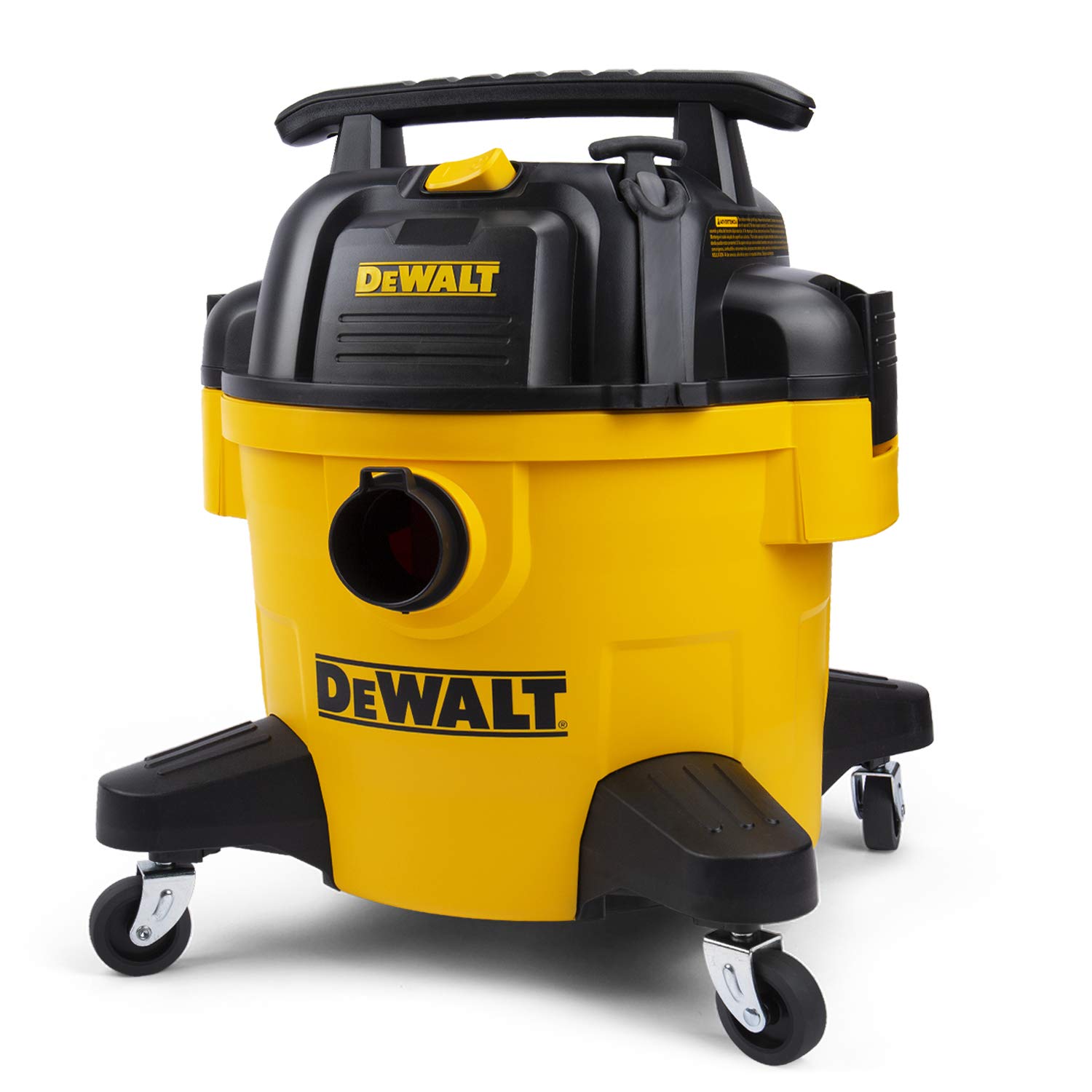
I like this for tight spaces where strong suction still matters — a compact wet/dry vac with a blower port and smooth casters.
Why I picked it: Powerful 4 HP motor in a small, easy-to-maneuver package that still blows and vacuums effectively.
Best for: Indoor cleanups, stairways, cars, and smaller workshop tasks where maneuverability matters.
Affordable for a branded compact wet/dry vac; good value for residential and light trade use.
Pros
- Surprisingly strong suction for its size
- Built-in blower port for debris clearing
- Smooth rubberized casters for easy movement
- Extra-long 10 ft power cord
- Compact and lightweight to carry
Cons
- 6-gallon tank fills sooner
- Limited onboard accessory storage
- Accessories can be scarce
My take
I used the DXV06P around the house and in the garage and appreciated how much suction it delivers despite the small footprint. The 4 peak HP motor makes short work of pet hair on stairs and the fine dust from hobby projects.
The built-in blower port is useful for clearing sawdust from work areas, and the 10-foot cord gave me decent reach without constantly changing outlets. The rubberized casters glide smoothly, which helped when I trailed the vacuum across different floor surfaces.
Two practical caveats I ran into: the 6-gallon tank means I emptied it more often during bigger jobs, and the unit doesn’t have much onboard storage for extra tools. Also, I always make sure the filter is properly installed before powering up to avoid interruptions.
2. Shop-Vac Cartridge Filter (8×6.5 in) – Best Replacement Filter
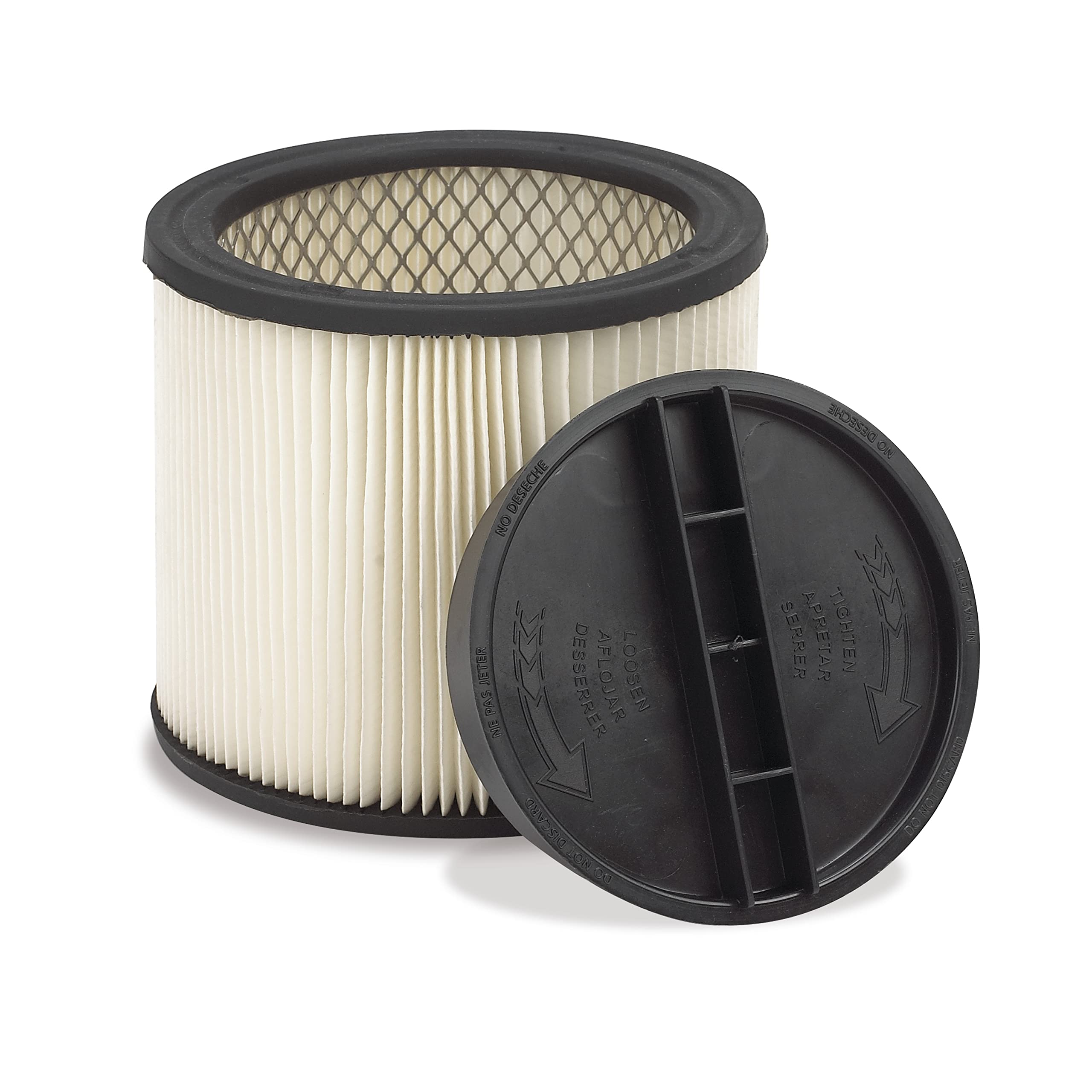
I trust this pleated cartridge for keeping suction strong and trapping fine dust on dry pickups.
Why I picked it: Pleated media gives more surface area, so airflow and suction stay higher as the filter loads with dust.
Best for: Routine dust collection from woodworking tools and general dry cleanup where cartridge compatibility exists.
Economical consumable — I replace cartridges periodically to preserve suction and air quality.
Pros
- Pleated design increases filtration surface area
- Easy to install and replace
- Maintains airflow better than flat sleeves
Cons
- Not designed for wet pickup
- Can clog and need periodic replacement
- Fit must be checked for some models
My take
I use this cartridge in my smaller shop vacs to reduce airborne dust while I sand and cut. The pleated paper captures a lot of fine particles and keeps airflow steadier between replacements.
Installation was straightforward and the filter is a convenient alternative to juggling separate wet and dry filters. I do not use it for wet pickup — it loses effectiveness if it gets soaked — so I switch filter types or use a different vacuum for liquid jobs.
For my routine shop work I replace the cartridge on a schedule and find the vac’s suction returns to peak performance after changing it. I also double-check model compatibility before buying because it isn’t universal for every Shop-Vac model.
3. DEWALT DXV12P 12-Gallon Shop Vac – Best for Heavy-Duty Cleanup
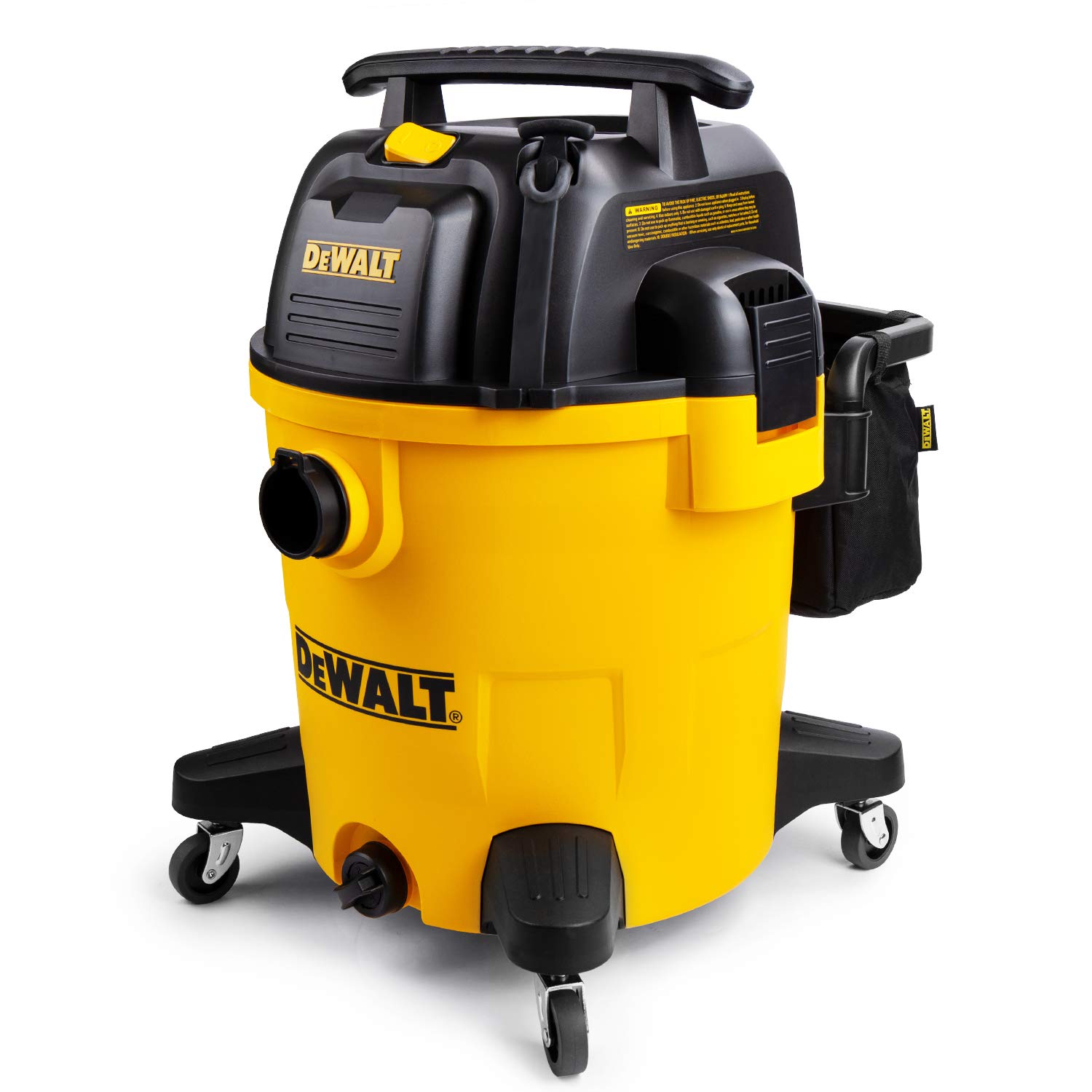
I rely on this larger DeWALT for big cleanups — a beefy motor, roomy tank, and jobsite-ready features make it a go-to for heavy dust collection.
Why I picked it: 5.5 HP motor and 12-gallon capacity deliver sustained suction and fewer interruptions on larger jobs.
Best for: Workshops, job sites, and yard cleanup where larger pickup capacity and stronger suction are needed.
A more expensive option but worth it when you need professional-level capacity and power.
Pros
- High 5.5 HP motor for sustained suction
- Large 12-gallon tank reduces emptying
- Onboard accessory bag keeps tools organized
- Built-in tank drain simplifies wet pickups
Cons
- Heavier and bulkier to move
- Overkill for very small tasks
- Takes up more storage space
My take
This DeWALT feels like a shop workhorse — the 5.5 HP motor and 12-gallon tank handled piles of sawdust and even fallen leaves on my property without bogging down. I noticed less frequent emptying compared with smaller vacs.
The onboard accessory bag and large rear wheels make setup and movement easier across my garage floor. The generous cord and hose reach reduced the number of times I needed to relocate the unit during a single session.
I also relied on the built-in tank drain for liquid cleanup and appreciated the sturdy construction that stands up to jobsite use. If you do mostly small indoor tasks, this model is more machine than you need, but for serious shop or yard work it’s far more efficient.
4. Shop-Vac Disposable Filter Bags (10–14 gal) – Best for Clean Disposal
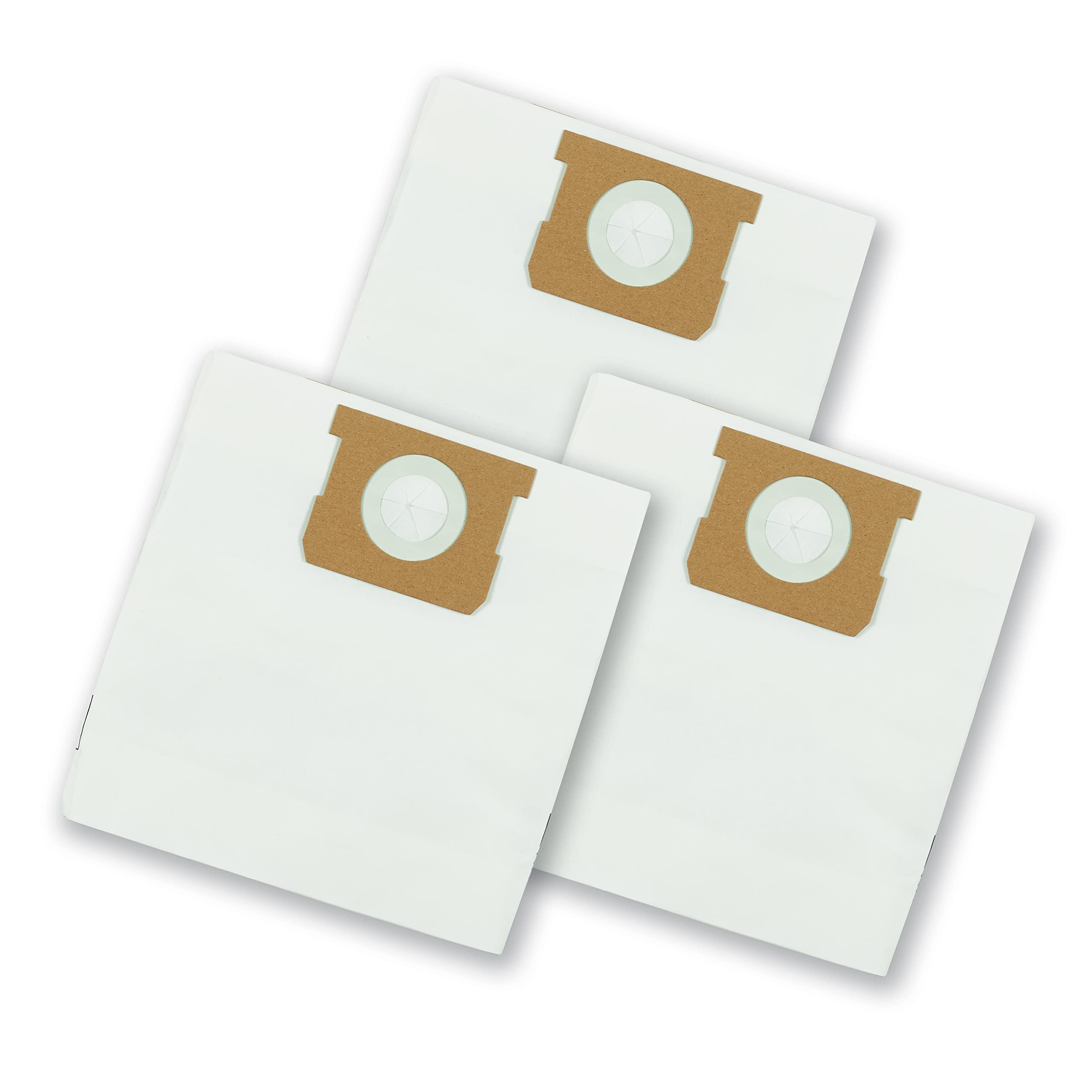
I use these bags to avoid dusty tank dumps — they make disposal fast and much cleaner for dry pickups.
Why I picked it: Disposable bags trap fine dust and let me toss debris without stirring up a dust cloud when emptying the tank.
Best for: Finishing work, drywall sanding, and any dry pickup where minimizing airborne dust at disposal matters.
Low-cost convenience that protects the vacuum and reduces clean-up time.
Pros
- Makes emptying virtually dust-free
- Fits 10–14 gallon side-inlet tanks
- Helps protect internal filters from clogging
- Durable construction for dry debris
Cons
- Dry-pickup only, not for liquids
- Single-use — ongoing consumable cost
- Requires correct size for fit
My take
These collection bags are my go-to whenever I’m sanding or finishing. Once the bag fills, I pull it out and throw it away — no dust cloud, no wrestling with tanks full of residue.
They also act as a first line of defense for the vac’s internal filter, which means I change the cartridge or pleated filter less often. I found the fit perfect in a 13-gallon Shop-Vac-style canister, and they held fine dust from drywall and sanding without tearing.
Remember that they’re for dry pickup only. For wet jobs I switch to a different setup, but for fine woodworking and cleanup these bags simplify the whole process.
How I Choose a Shop Vac for Dust Collection
Suction and Motor Size
I prioritize motors and airflow that match the jobs I do. For light indoor work I prefer compact vacs with strong peak suction; for heavy shop or yard work I opt for higher peak horsepower and larger tanks.
- Match motor power to task: compact for home, 5+ HP for heavy shop work
- Understand peak horsepower vs. real-world performance — look for sustained airflow
Filter Type and Filtration
Filters determine how much dust stays airborne. I use pleated cartridge filters for dry dust control and switch to foam or dedicated wet filters for liquid pickups. Disposable bags are my go-to when I need a dust-free emptying routine.
- Use pleated cartridges for fine dust capture
- Avoid using paper cartridges for wet jobs — they can be ruined
- Consider a washable pre-filter or a bag over the cartridge to extend life
Capacity, Portability, and Storage
A larger tank means fewer empty cycles but also more bulk. I balance tank size against how often I clean; if I move around a lot I choose casters and ergonomic handles over sheer capacity.
- 6–12 gallons covers most home and small-shop needs
- Look for rubberized casters and long cords for better mobility
- Onboard accessory storage keeps tools at hand
Accessories and Practical Features
Hose size, a blower port, tank drain, and included attachments are what make a vac useful beyond raw suction. I check accessory compatibility and whether replacement parts like filters are easy to find.
- Prefer 2–1/2 inch hose diameters for workshop debris
- Choose vacs with blower ports if you need debris clearing
- Confirm availability of replacement filters and bags
Frequently Asked Questions
Can I use a cartridge filter for wet pickups?
No — I don’t use cartridge paper filters for wet pickup because they become saturated and lose effectiveness. For liquids I switch to a foam or wet-capable filter or use a unit designed for wet use.
How often should I replace a pleated cartridge filter?
With regular workshop use I replace cartridges a couple times a year; I check them more often if I’m sanding or working with finer dust since those loads clog filters faster.
Will disposable bags reduce dust in the workspace?
Yes — I find disposable bags dramatically cut down the dust that escapes during emptying and help protect the vac’s internal filters, especially during fine sanding or drywall cleanup.
Final Take
After testing, I keep both a compact DeWALT for indoor jobs and the 12-gallon DeWALT for heavy cleanup in my rotation. The cartridge filter and disposable bags are simple upgrades that keep suction and air quality high.
If you want a single recommendation: choose the machine that matches your regular workload, then budget for filters and bags to keep it performing at its best.
