
I tested silicone storage options alongside plastic and glass containers to find the most practical choices for pantry storage, meal prep, freezing, and on-the-go use.
I tested a wide range of food storage solutions—silicone bags, freezer molds, plastic canisters, and glass meal-prep containers—to see what actually makes life easier in my kitchen. I focused on seals, durability, how each material handles heat and cold, and real-world convenience like pouring, stacking, and cleaning.
Across these picks I prioritized airtight performance for dry goods, leak resistance for liquids, and versatility for reheating or freezing. Below I explain which product I reach for depending on the job.
I separated products by use: plastic canisters for pantry organization, glass for reheating and stain resistance, silicone bags for sustainable on-the-go use, and silicone freezer molds for portioned liquids. I explain where each option shines and where I avoid it.
1. Chef’s Path 24-Piece Airtight Canister Set – Best Overall Pantry Set
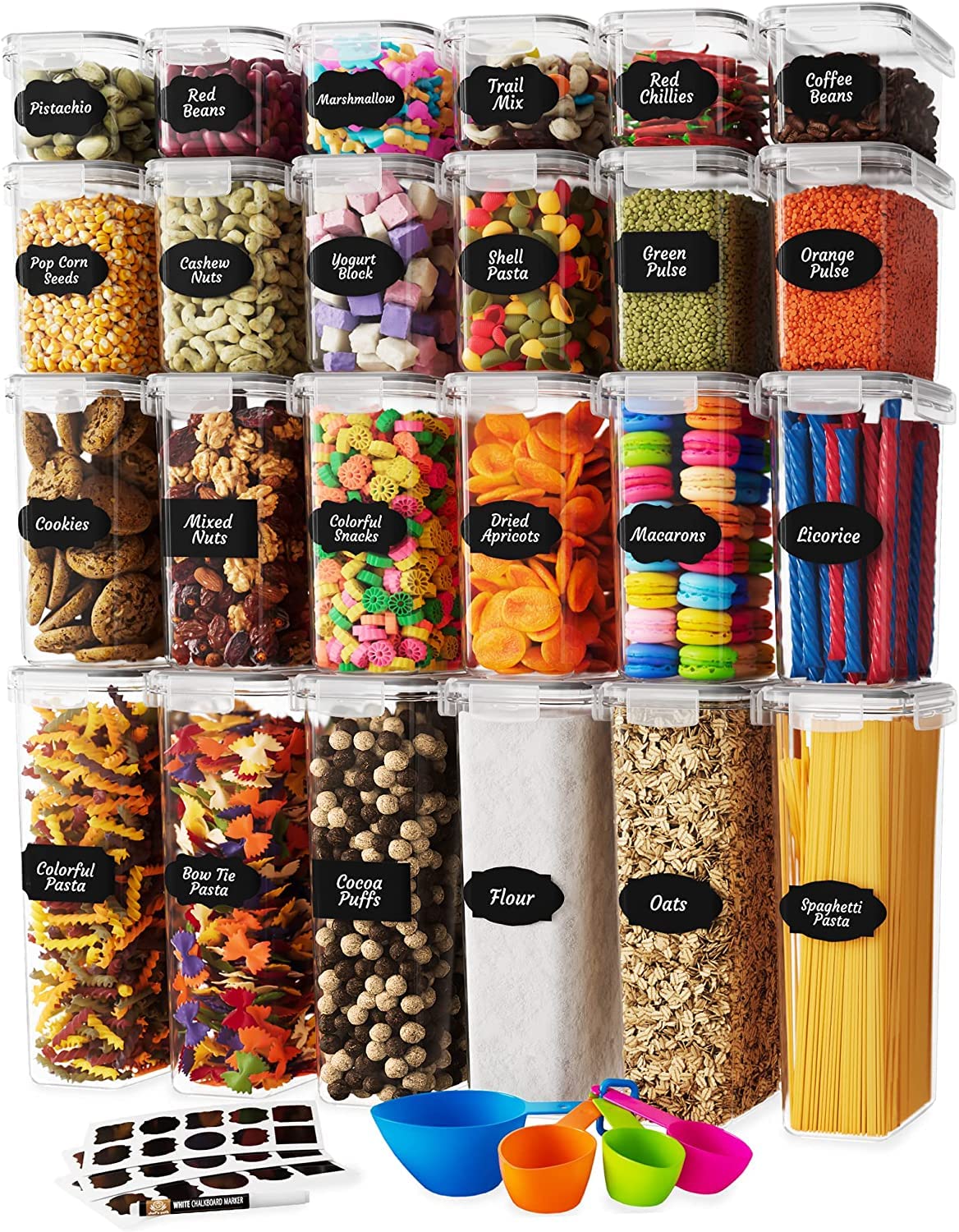
A full pantry solution with four sizes, airtight lids, and labeling accessories that make organization fast and visible.
Why I picked it: I picked this for the complete size range and included labeling tools that let me organize a whole pantry at once.
Best for: Storing cereals, flour, sugar, pasta, and bulk dry goods.
Full-set value for someone redoing their pantry without buying pieces separately.
Pros
- Comprehensive size range
- Clear, four-sided visibility
- Includes labels and measuring spoons
- Stackable square design
Cons
- Snap-fit lids can be stiff at first
- Square stack leaves small gaps between containers
My take
This 24-piece set is the first thing I reach for when I reorganize a pantry. The variety of sizes covers everything from spices and snacks to large cereal and flour bags, so I stopped juggling half-used boxes. The locking lids seal tightly and I’ve had no pest or freshness problems since I switched things over.
Because the canisters are clear and four-sided, I can tell quantities at a glance and the included chalkboard labels make rotation simple. The lids are snap-fit and require a firm press to assemble—so newcomers or those with weak grip strength may find them awkward at first.
The square shape helps me maximize shelf space, though I did notice small gaps when they're lined up; the tradeoff is that the containers are easy to grab and refill. Overall, this set is the quickest pantry transformation I’ve done.
2. Wildone 4L Cereal Storage Containers – Best for Tall Cereal Boxes
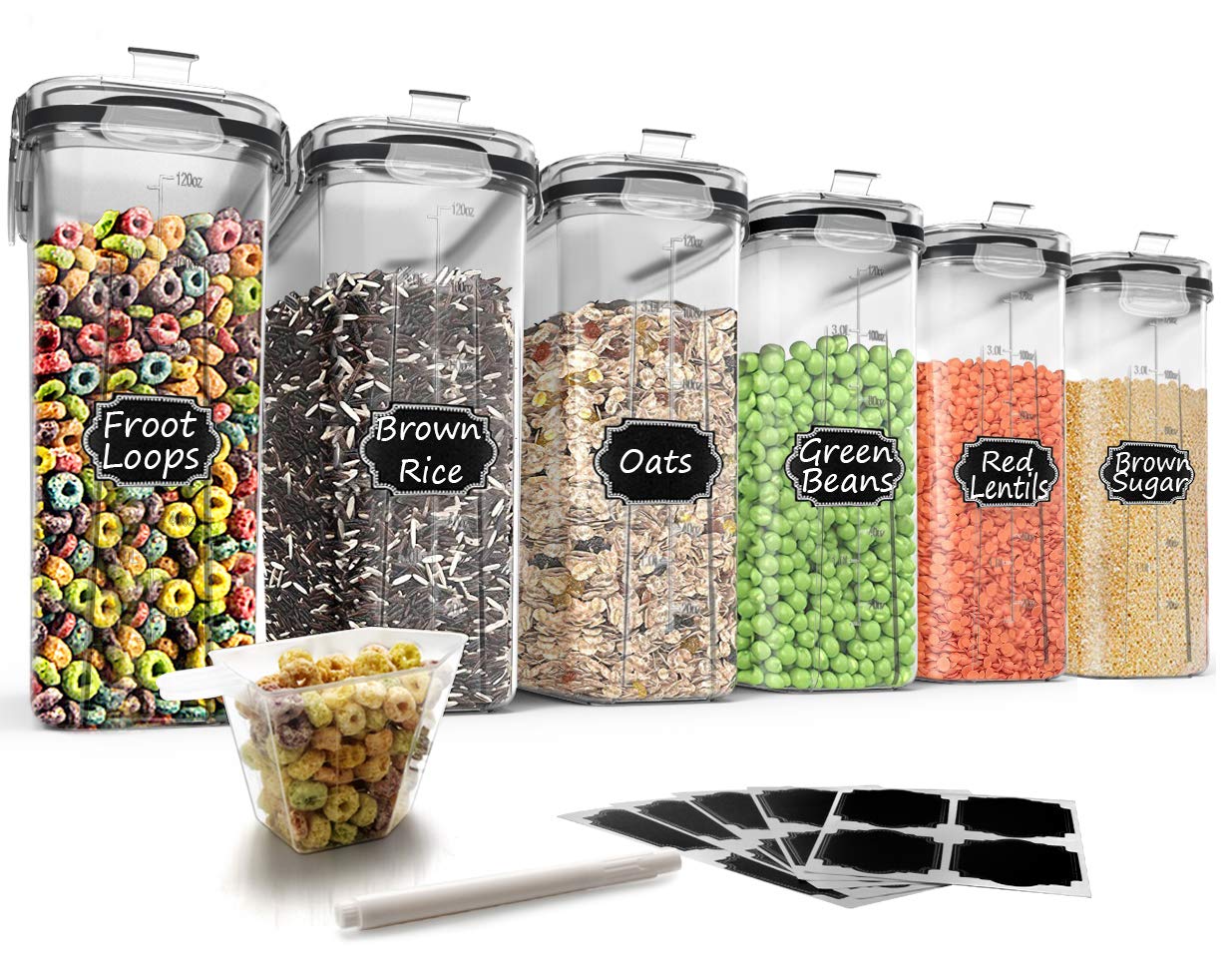
Slim, ergonomic canisters with a push-button pour spout and silicone seal designed for everyday cereal and dry goods.
Why I picked it: I liked the slim profile and button pour design that makes cereal accessible to kids and quick to serve.
Best for: Cereal, rice, and everyday pantry items that get frequent access.
Solid midrange option for frequent-use cereal storage.
Pros
- Push-button pour spout
- Silicone seal around flip lid
- Ergonomic grips
- Clear, slim body
Cons
- May not fit the largest family-size boxes
- Hand-wash recommended for longevity
My take
These slim Wildone containers became my go-to for countertop cereal storage. The push-button exit is genuinely convenient — I can pour straight from the spout without wrestling with the whole lid, which is handy at breakfast with kids underfoot.
The flip lid includes a silicone seal that improves airtightness, and the narrow bodies slide into tight shelves and freezers more easily than wide jars. I did avoid the bottom dishwasher rack and have hand-washed mine to prevent any warping; that extra care has kept the plastic clear and the seal resilient.
If you need a container that’s easy for kids to use and saves shelf depth, these are one of the most practical cereal options I own.
3. PRAKI 4L Airtight Cereal Containers (6-Pack) – Best for Multiuse and Filament Storage
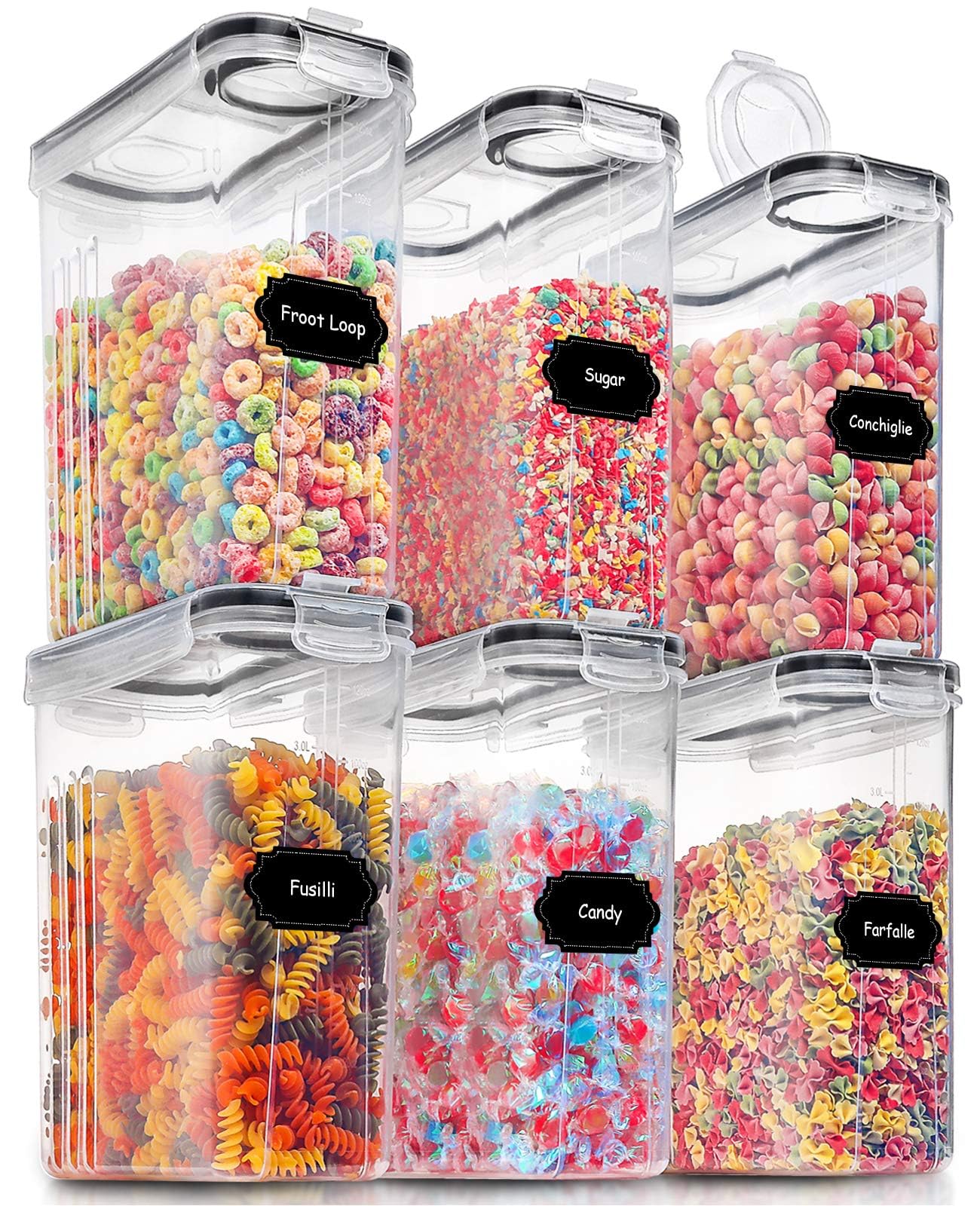
A durable 6-pack with pour spouts and reinforced silicone seals that works well for pantry staples and non-food uses like filament storage.
Why I picked it: I picked this because the seal and spout design are robust enough for food and excellent for keeping 3D filament dry.
Best for: Cereal, flour, pet food, and dry-storage where airtightness matters.
Economical bundle for multiple uses around the house.
Pros
- Strong silicone pour-spout seal
- Sturdy, odor-free plastic
- Stackable and space-saving
- Good multiuse durability
Cons
- Pour spout can be narrow for thick foods
- All containers are the same large size
My take
I started using these PRAKI containers in the pantry, but they quickly found secondary duty holding 3D-print filament and desiccant — the lids seal tightly enough to keep humidity low. For food, the transparent bodies make inventory checks effortless.
The flip-top pour hole with an added silicone ring gives a noticeably better seal than basic snap lids. Filling and pouring dry goods is straightforward, and the lids come off and back on without fuss once you get the hang of them.
Because they’re all large and identical, I sometimes wish for more size variety, but the set’s durability and airtight performance make them a versatile and reliable pick.
4. Ello DuraGlass 3.4 Cup Meal Prep Set – Best Glass Meal Prep
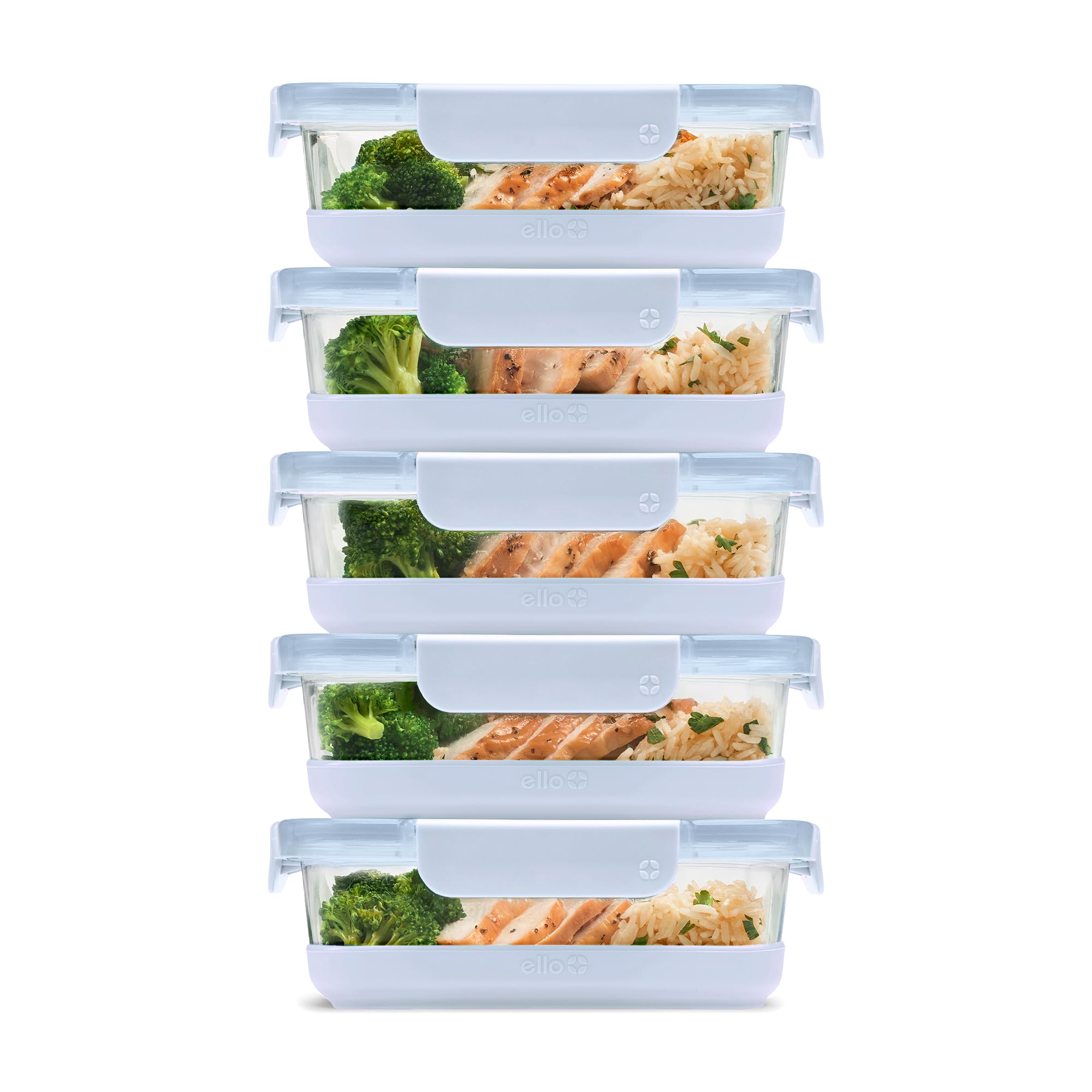
Tempered borosilicate glass containers with protective silicone boots and airtight locking lids built for reheating and weekly meal prep.
Why I picked it: I reach for these when I want stain-free, oven- and microwave-safe storage that doubles as a transportable meal container.
Best for: Meal prep, reheating, and reducing plastic use in the kitchen.
Good midrange glass option for long-term use.
Pros
- Tempered borosilicate glass
- Protective silicone boot
- Oven and microwave safe (without lid)
- Lids lock securely
Cons
- Heavier than plastic options
- Boot sometimes removed for microwave reheating
My take
These Ello DuraGlass containers are the ones I use for weekly meal prep and reheating leftovers. The glass is non-porous, so odors and stains don’t cling the way they do to plastic, and everything goes from freezer to oven (without the lid) with no drama.
The silicone boot adds protection and a bit of grip; I sometimes remove it before microwaving because I prefer heating the bare glass, but the manufacturer notes the boot is microwave-safe. The locking lids snap in tightly, and I’ve found them leak-resistant in transit when snapped correctly.
For anyone who prefers glass over plastic for food contact and reheating, these strike the right balance between durability and convenience.
5. Prepworks ProKeeper Split Deli Container – Best for Deli & Bacon
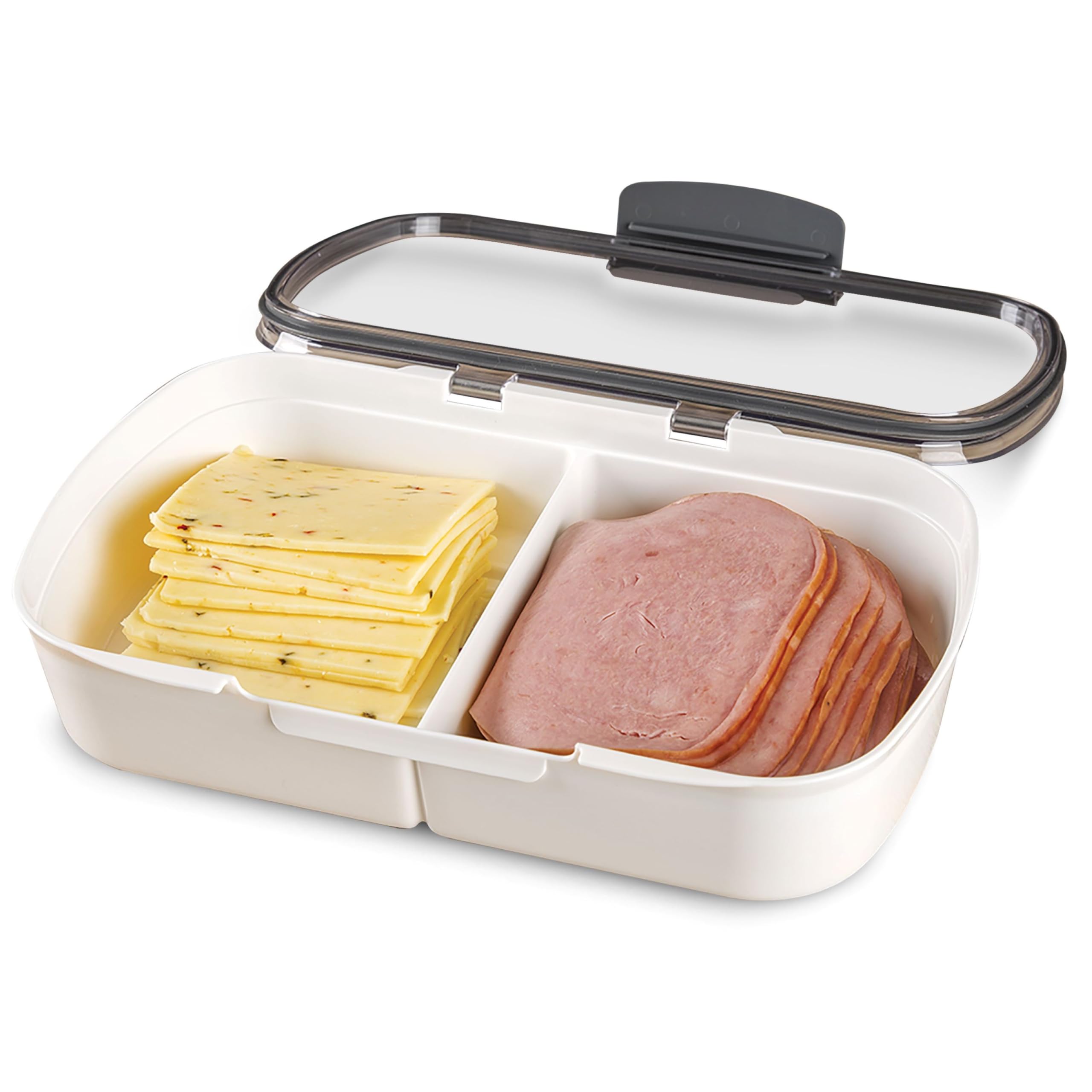
A long split deli keeper with an airtight silicone seal, grooved bottom to channel juices, and a dry-erase lid for tracking contents.
Why I picked it: I keep this in my fridge for deli meats and bacon because the seal and grooved base preserve texture and reduce pooling.
Best for: Storing bacon, deli meats, cheeses, and short refrigerated items.
Handy single-piece solution for deli storage at a modest cost.
Pros
- Airtight silicone seal
- Grooved bottom drains juices
- Dry-erase lid
- Compact, stackable footprint
Cons
- Plastic locking clip can wear or break
- Small capacity for bulk storage
My take
This split deli keeper is my fridge go-to for bacon and sliced meats. The silicone seal and clasp keep the container airtight, and the grooved bottom keeps juices away from food so things don’t go soggy as fast.
I appreciate the dry-erase lid for dating packages; it’s a small feature that makes meal rotation easier. The only drawback I’ve experienced over months of use is that the plastic clip can be the weak point if it’s opened roughly, so I handle it a little more carefully than other lids.
For single-purpose deli storage and portion organization, this container saves space and reduces mess.
6. Stasher Reusable Silicone Storage Bags (4-Pack) – Best Reusable Silicone Bags
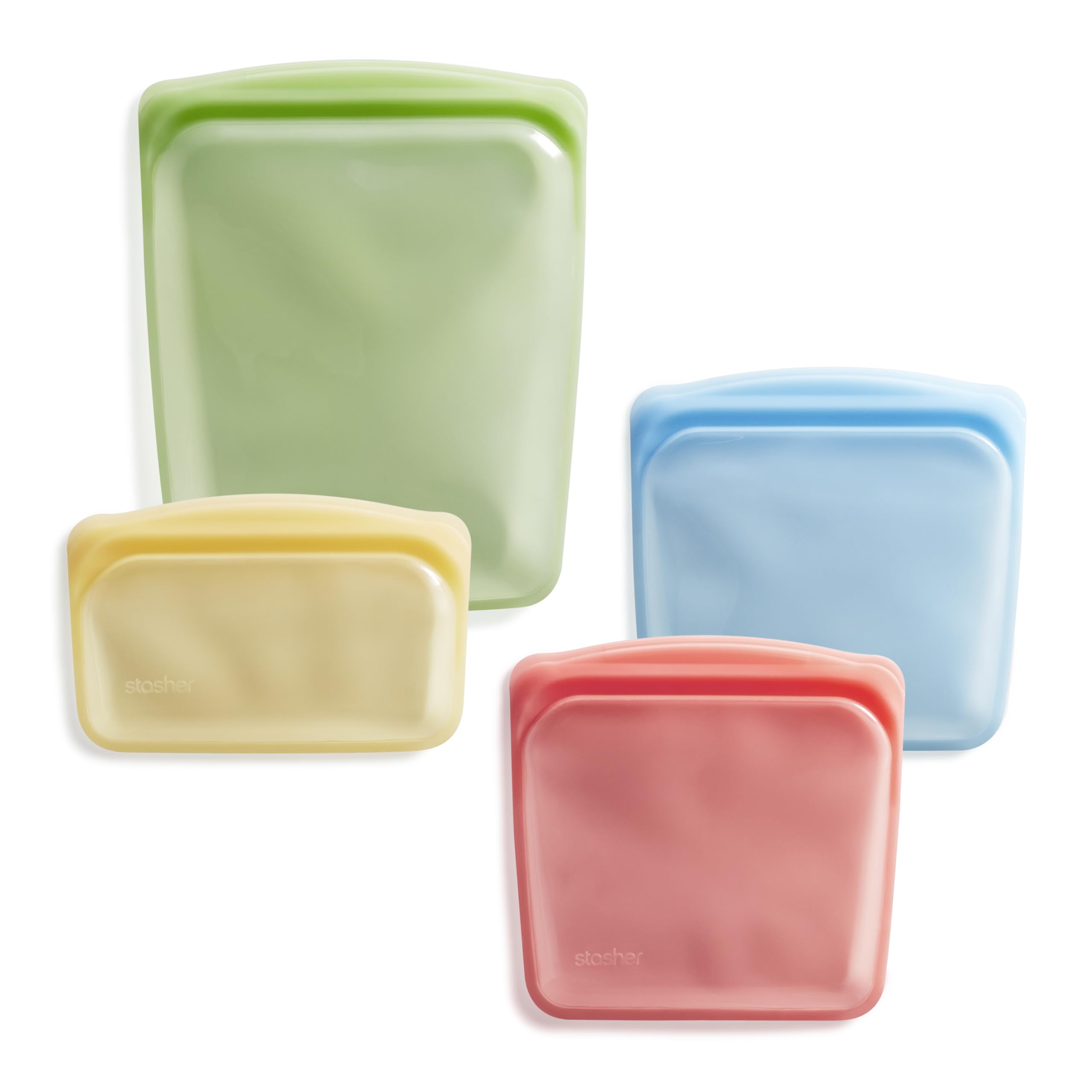
Food-grade platinum silicone bags with a Pinch-Loc seal that replace single-use bags and handle everything from freezing to sous-vide.
Why I picked it: I switched to Stasher bags to eliminate disposable sandwich bags and to use one tool across freezing, microwaving, and sous-vide.
Best for: Freezing, marinating, sous-vide, and replacing single-use plastic bags.
Premium up-front cost but built for long-term reuse.
Pros
- Platinum food-grade silicone
- Patented Pinch-Loc seal
- Oven, microwave, sous-vide safe
- Lifetime warranty
Cons
- Higher up-front cost
- Seal can be tight to open sometimes
My take
I use Stasher bags for meal prep, freezing vegetables, and sealing leftovers for sous-vide. The Pinch-Loc seal is effective and, once I learned the technique, it consistently locked out air and odors. I appreciate that the bags withstand the oven, microwave, and sous-vide temperatures the brand advertises.
Cleaning is simple — I toss them in the dishwasher or wash with warm soapy water and air-dry. They’re thicker and more durable than cheaper knockoffs I tried in the past; that reliability is why I consider them worth the investment for regular use.
If you want to reduce single-use plastics and have one tool that covers many kitchen tasks, these are my top pick.
7. OXO Good Grips 1.6-Cup Glass Containers (Pack of 2) – Best Small Glass Containers
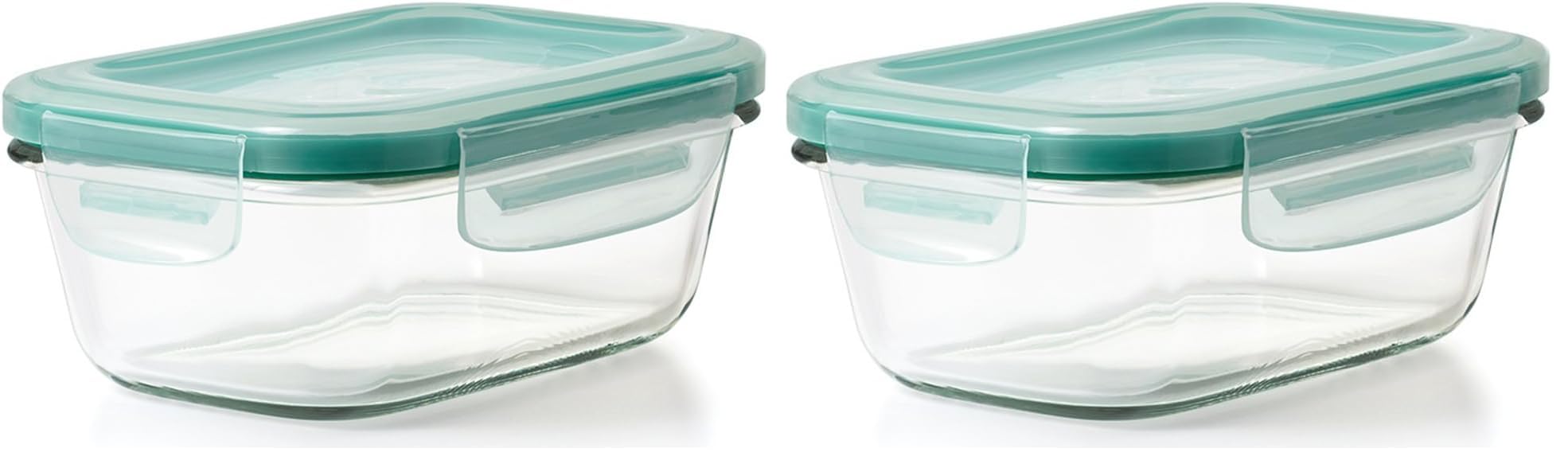
Small borosilicate glass containers with a smart-seal silicone gasket and four locking tabs for reliable, leakproof storage.
Why I picked it: I choose OXO when I need small, oven-safe containers that seal well and stack neatly for portioned meals.
Best for: Side dishes, meal portions, and oven-to-table reheating.
Higher-end small glass set for dependable everyday use.
Pros
- Borosilicate glass oven-safe
- Four locking tabs seal well
- Removable silicone gasket
- Nests and stacks efficiently
Cons
- A bit heavier than plastic
- Tabs need careful handling
My take
These OXO containers are what I reach for when I want oven-safe, portion-controlled storage. The borosilicate glass handles temperature changes without cracking, and the removable silicone gasket makes deep cleaning easy — I remove it on occasion to clean thoroughly.
The four locking tabs form a confident seal; I’ve inverted full containers without leaks. They’re slightly heavier than plastic alternatives, but the peace of mind for reheating and long-term storage makes the weight acceptable to me.
For compact meal portions and reliable oven-to-fridge performance, these are among the best small glass options I own.
8. Silicone Freezer Tray with Lid (1-Cup Portions) – Best for Freezing Portions
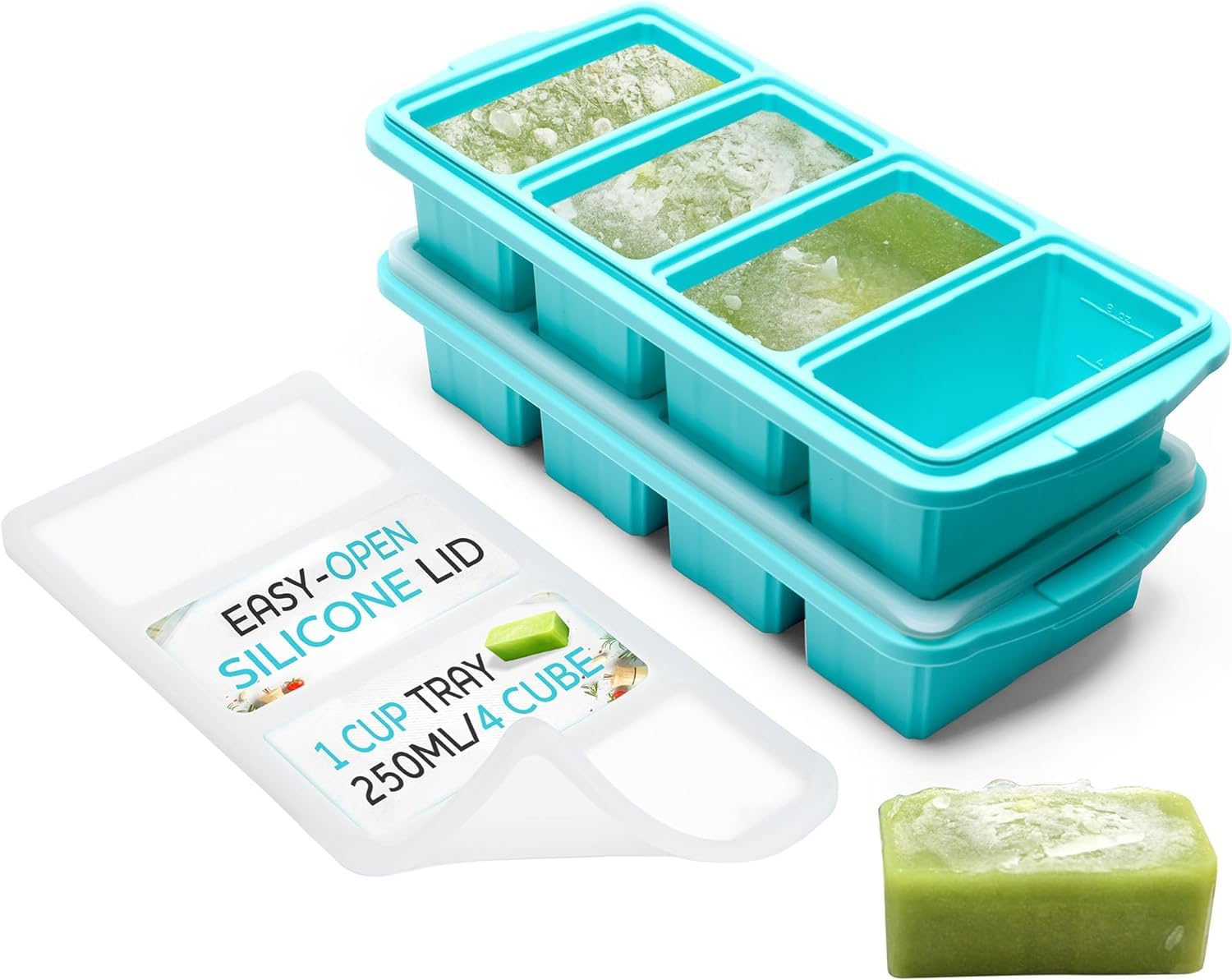
Flexible silicone molds with a reinforced steel rim and tight lids that turn soups, broths, and sauces into stackable 1-cup portions.
Why I picked it: I use these trays to batch-freeze soups and broths into ready-to-thaw single servings that pop out without cracking.
Best for: Portioning soups, bone broth, sauces, and batch-cooked meals.
Inexpensive and practical freezing solution for meal prep.
Pros
- Flexible silicone for easy removal
- Clear lid prevents spills
- Reinforced steel rim keeps shape
- Dishwasher and oven safe
Cons
- Lid must be pressed firmly to seal
- May need extra wrapping for long storage
My take
These silicone freezer trays are a simple way I portion soups and broths. Each cavity holds roughly a cup, and the silicone makes popping frozen portions out effortless compared with rigid plastic trays that crack.
The set’s clear lids prevent spills and keep foods from picking up freezer odors, and the internal stainless-steel frame keeps the trays rigid while filling and stacking. I also bake small items in them occasionally and they handle oven temperatures well.
They’re my favorite trick for turning batch cooking into grab-and-go meals.
How I Choose Food Storage By Material and Use
What to consider first
I start by asking what I’ll store: dry pantry goods, refrigerated proteins, frozen liquids, or on-the-go snacks. The best material depends on that answer — plastic and hard containers for pantry stacking, glass for reheating and stain resistance, and silicone for freezing and replacing disposable bags.
- Match container material to use (pantry, fridge, freezer, microwave)
- Prioritize an airtight seal for long-term freshness
- Choose sizes you’ll actually fill to avoid wasted shelf space
Seal type and real-world performance
Airtight performance matters more than locking tab count. I prefer silicone gaskets or integrated silicone seals because they handle humidity and repeated opening better than plain snap lids. For pour-and-serve items, look for a pour spout or flip-lid design to reduce mess.
- Silicone gaskets are best for long-term airtightness
- Flip spouts speed up serving cereal and grains
- Dry-erase lids or included labels help rotation
Material tradeoffs: glass vs plastic vs silicone
Glass resists odors, stains, and repeated heat; it’s heavier but ideal for reheating and long-term food contact. Plastic is lightweight and inexpensive for pantry use, but check dishwasher and heat guidance. Silicone is flexible and perfect for freezing and sous-vide but costs more up front.
- Glass: oven-safe, stain-resistant, heavier
- Plastic: lightweight, economical, handle with care for heat
- Silicone: flexible, oven/freezer/sous-vide capable
Cleaning and maintenance
I always check whether seals are removable for deep cleaning. Removable silicone gaskets extend product life because I can clean and dry them thoroughly. When manufacturers recommend hand-washing certain parts, I follow that guidance to avoid warping or seal failure.
- Prefer removable gaskets for thorough cleaning
- Hand-wash when manufacturer warns against bottom-rack dishwasher use
- Air-dry seals fully before reassembly
Frequently Asked Questions
Can I use silicone bags in the microwave and oven?
Yes — with silicone bags like Stasher I’ve safely used them in the microwave and for sous-vide and the brand rates many for oven use up to its stated temperature; I avoid exposing zipper seals to direct high flame and follow the manufacturer temperature guidance.
Are the large cereal canisters worth it for bulk flour and sugar?
For flour and sugar I prefer airtight, wide-neck containers with secure silicone seals; large canisters make scooping easier and reduce pests, but I keep very large bulk bags in dedicated food-safe buckets and transfer smaller quantities into these canisters for daily access.
How do I prevent lids and gaskets from smelling?
I remove and wash silicone gaskets regularly, let them air-dry fully before reassembly, and occasionally sanitize with a baking soda paste or vinegar soak; glass containers resist odors best, while plastic can retain smells over time.
Final Take
I kept practical use at the center of these picks: choose airtight plastic canisters to clean up a pantry, select glass for reheating and meal prep, use silicone bags to cut single-use plastics, and grab silicone freezer molds for portioned liquids.
Each product above is the one I reach for in its category — mix and match based on whether you’re organizing bulk dry goods, freezing soups, or prepping weekly meals.
