
I tested a range of sleep blankets and wearable sacks for different temperatures, fabrics, and routines. Here are the options I reached for most often and why each one earned a spot in my crib bag.
I spend a lot of nights evaluating sleep solutions so I know which blankets and wearable sacks actually help babies sleep safer and longer. In this roundup I focused on fabric, warmth (TOG), zipper design, and how each piece holds up to real life: diaper changes, washing, and toddler kicking.
I included lightweight muslin and rayon cotton sacks for hot nights, warmer microfleece and bamboo-viscose options for chillier rooms, plus a couple of cozy receiving blankets for photos and stroller use. Below I explain which one I reach for in different situations and why.
If you want minimal overheating and breathability, I go with TOG 0.3–0.5 rayon or cotton; for cooler rooms I pick 1.0–1.5 TOG fleece or bamboo-viscose. For quick changes I favor two-way or inverted bottom zippers.
1. HALO SleepSack — 100% Cotton (TOG 0.5) – Best Lightweight Cotton
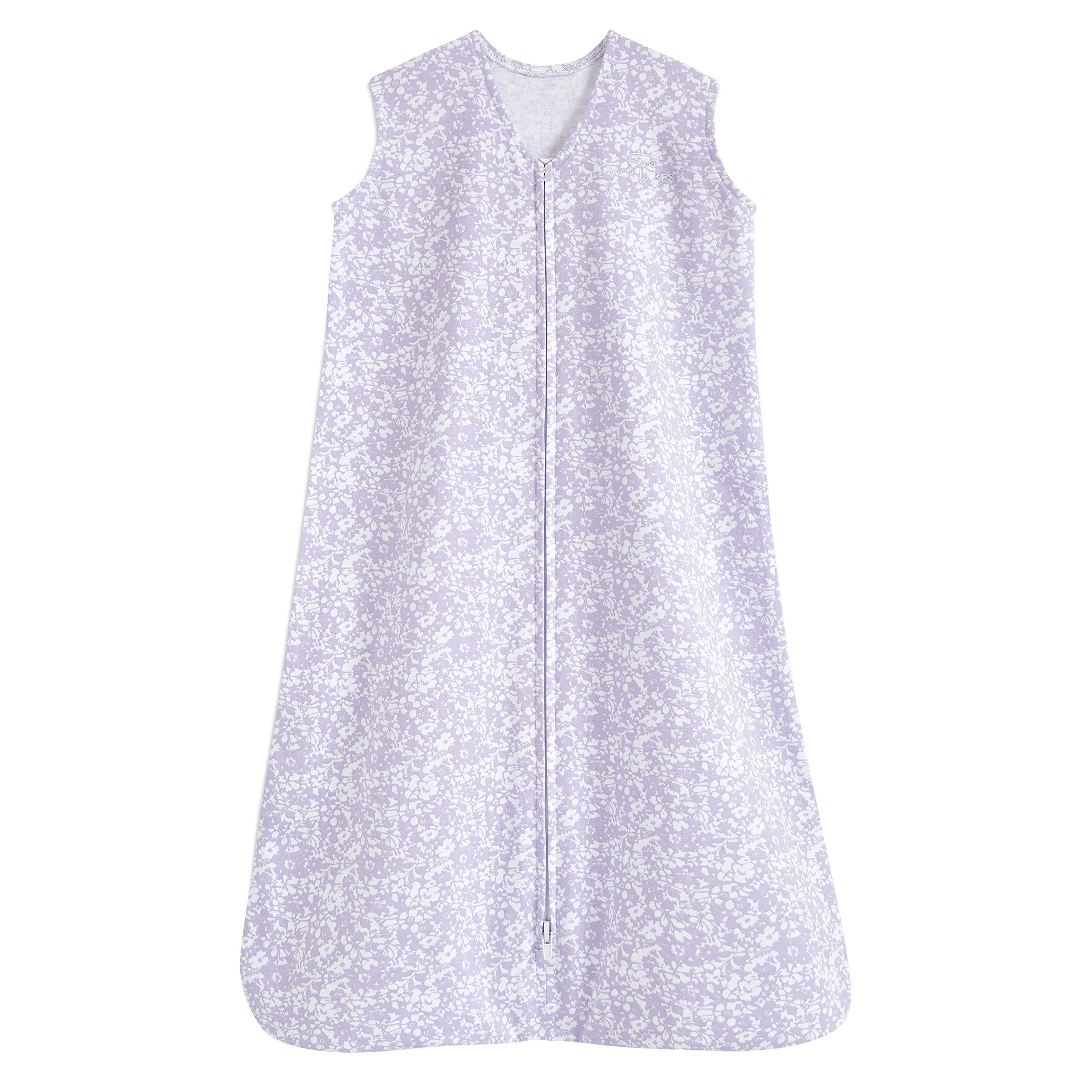
A lightweight, breathable cotton wearable blanket that I relied on for warm nights and newborn layering.
Why I picked it: Soft, breathable 100% cotton with hip-healthy room and a bottom zipper for easy changes.
Best for: Hot summers or homes that run warm; layering over sleepwear.
Mid-range, great long-term value.
Pros
- Breathable 100% cotton
- Hip-healthy roomy sack
- Bottom zipper for easy diapering
- Lightweight for warm nights
- Machine washable and durable
Cons
- Not warm enough for cold climates
- Sleeveless — needs layering
My take
I reached for this cotton SleepSack when the thermostat climbed. The fabric is soft and airy, so my little one stayed comfortable without overheating.
The roomy extra-long sack gives plenty of leg movement while promoting healthy hip positioning. I liked the bottom-opening zipper for middle-of-the-night diaper changes — quick and mess-friendly.
After many washes the color and fabric held up; the zipper quality stayed reliable. For hot nights or layering over pajamas this is the go-to in my nursery.
2. HALO Micro-Fleece SleepSack (TOG 1.0) – Best for Cooler Nights
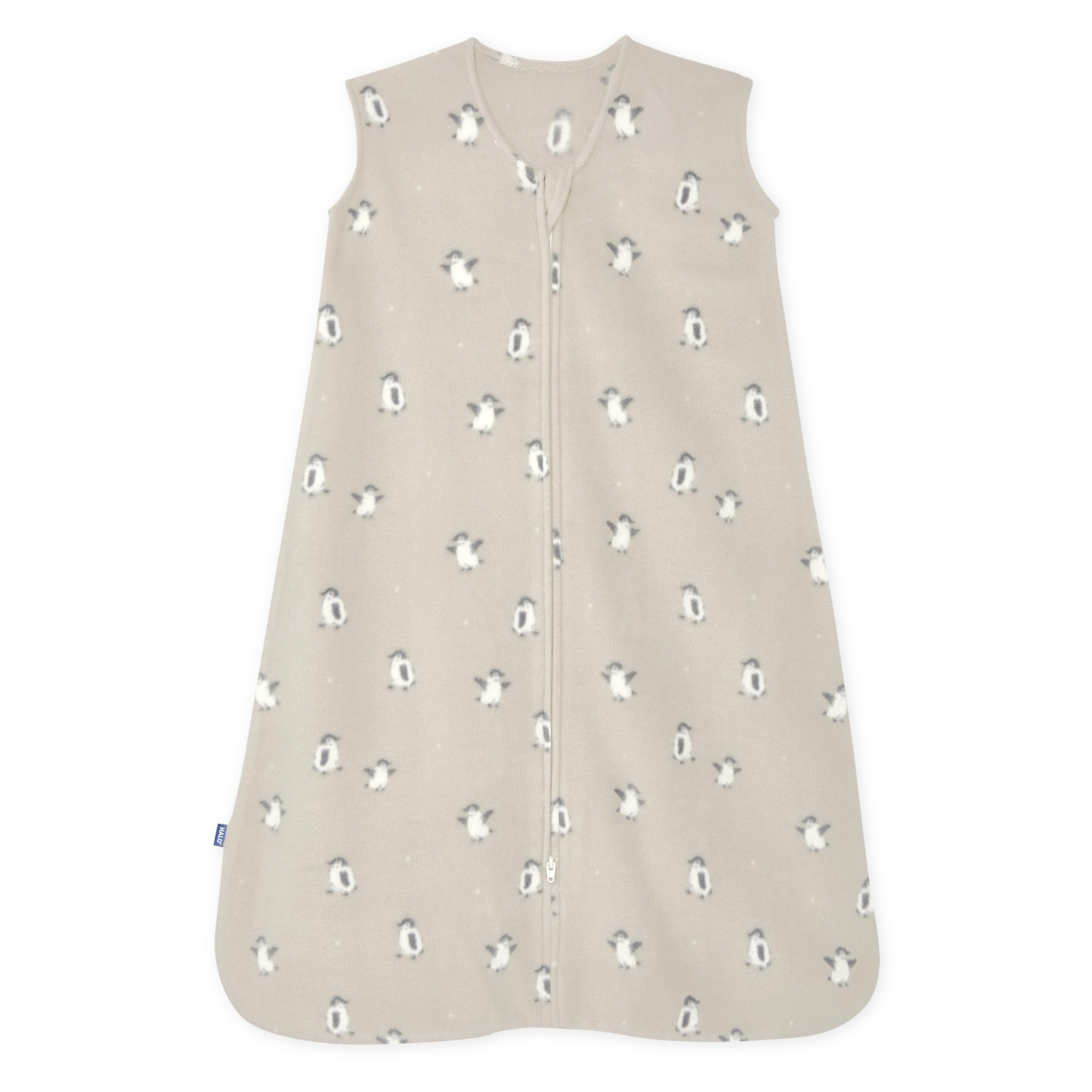
A plush wearable sack that adds warmth without bulk and keeps little sleepers cozy in cooler rooms.
Why I picked it: Plush micro-fleece, roomy hip-healthy design, and inverted zipper for diaper changes.
Best for: Cooler nights and parents who want a soft, comforting feel.
Slightly pricier than the thinnest sacks but worth it for added warmth.
Pros
- Soft micro-fleece feel
- Hip-healthy roomy design
- Inverted/bottom zipper
- Good transitional warmth
Cons
- Warmer — not for hot climates
- Bulkier than cotton sacks
My take
When the temperature dips, this micro-fleece SleepSack is my first choice. It has a plush feel that calms a fussy sleeper without feeling bulky.
The inverted/bottom zipper makes middle-of-the-night diapering straightforward, and the roomy leg area lets my kid kick freely while staying covered.
I used it for cooler evenings and found it flexible for layering. The fabric washes well and remains soft, so it’s become a staple in my rotation for fall and winter.
3. Galabloomer Newborn Receiving Blanket Set – Best for Newborn Photos
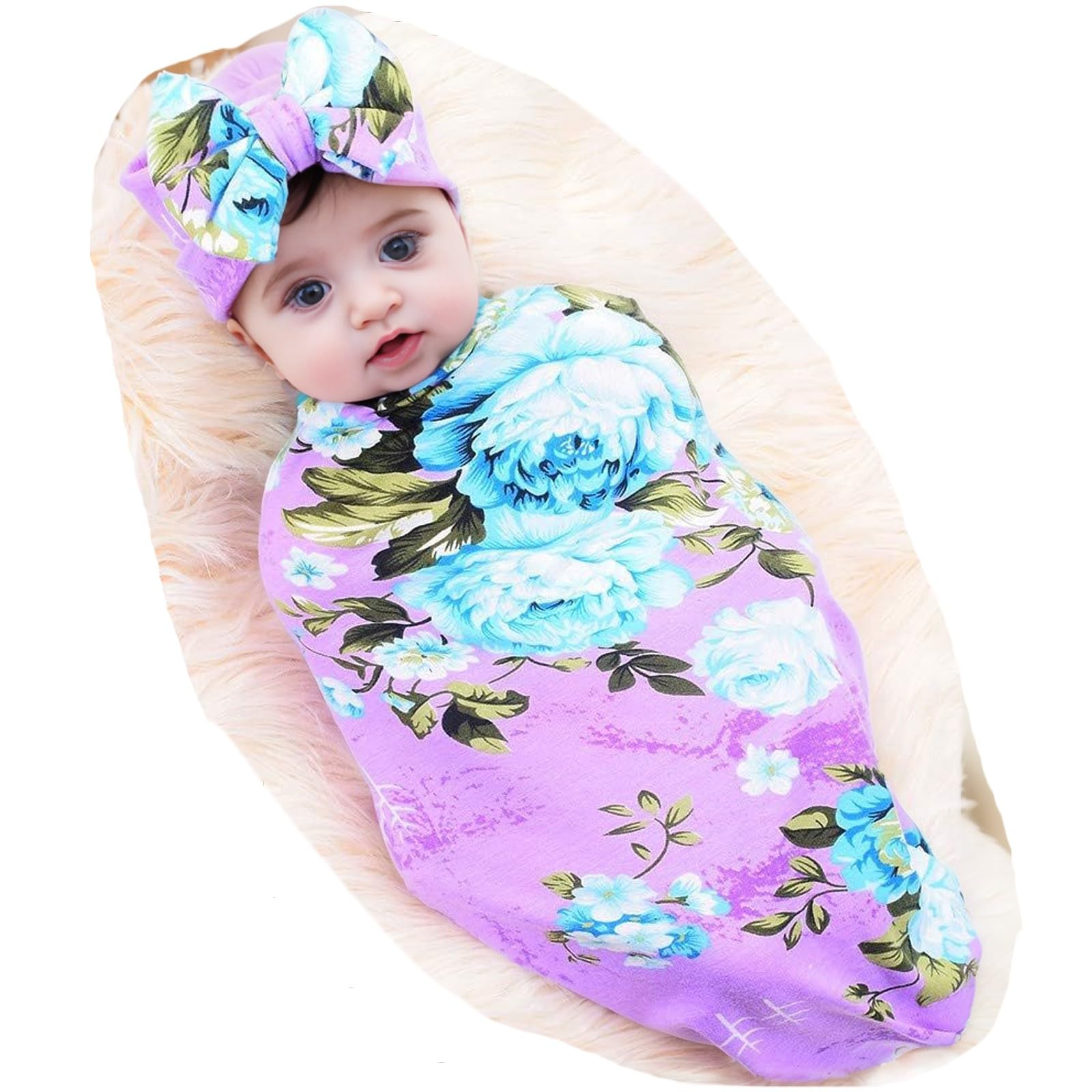
A delicate, stretchy receiving blanket and bow set that I love for hospital photos and gentle newborn wrapping.
Why I picked it: Lightweight, very soft knit fabric and an included headband that photographs beautifully.
Best for: Hospital photos, newborn swaddles, and gift-ready sets.
Budget-friendly, great for short-term use and photos.
Pros
- Super-soft, stretchy knit
- Lightweight for summer
- Includes photo-ready headband
- Good for swaddling and props
Cons
- Thin — not for warmth
- Headband sizing can be large
My take
I ordered this set as a last-minute photo prop and was impressed by how well it photographed. The floral prints look delicate and the knit drapes nicely.
It’s lightweight and stretchy, so it worked perfectly for hospital swaddles and newborn pictures. The headband was a touch big on my tiny newborn, but still charming in photos.
This set isn’t meant to replace a sleep sack for overnight safety, but as a soft, pretty wrap for photos and short outings it’s one of the nicest inexpensive options I’ve used.
4. Yoofoss Organic Cotton Sleep Sacks (3-Pack) – Best Organic 3-Pack
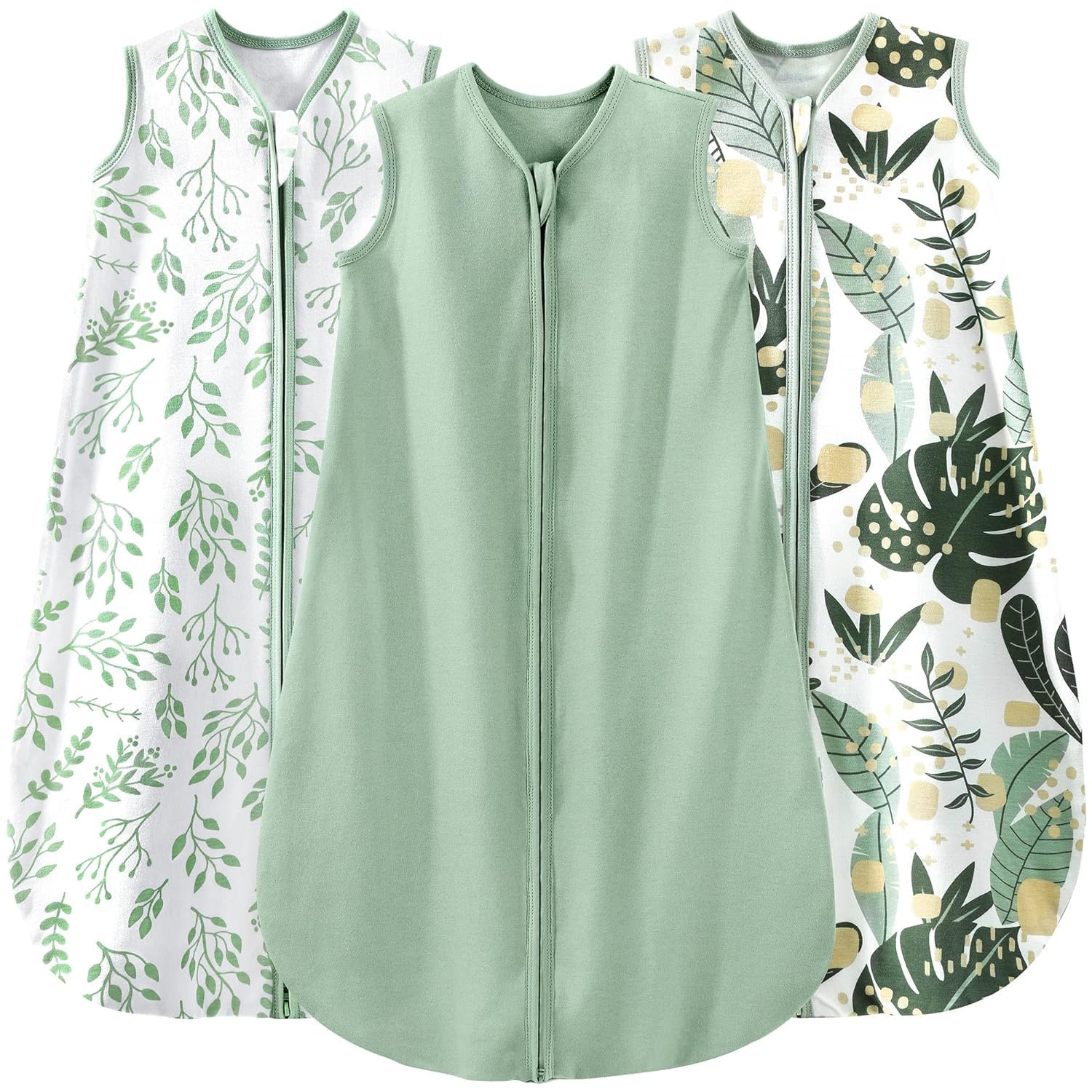
A GOTS-certified organic cotton three-pack that gave me soft, reliable wear and easy nighttime changes across multiple nights.
Why I picked it: Certified organic cotton with a two-way zipper and interior guards for safe, comfortable use.
Best for: Parents who want organic fabric and the convenience of a multi-pack.
Good value for an organic three-pack.
Pros
- GOTS-certified organic cotton
- Smooth two-way zipper
- Interior zipper guard
- Comes in a practical 3-pack
Cons
- May shrink slightly if tumble dried
- Simple prints may be basic
My take
I appreciate how soft and breathable these organic sacks feel against delicate skin. They wash well and retain their softness.
The two-way zipper makes diaper changes much easier, and the zipper guards prevent rubbing on the chin. I used them layered over footed pajamas in cooler rooms and alone on warm nights.
Because they come in a three-pack, I never ran out during busy weeks. The stitching and construction felt durable enough for repeated washing and everyday use.
5. CREVENT Mink & Sherpa Baby Blanket (30×40) – Best Cozy Blanket
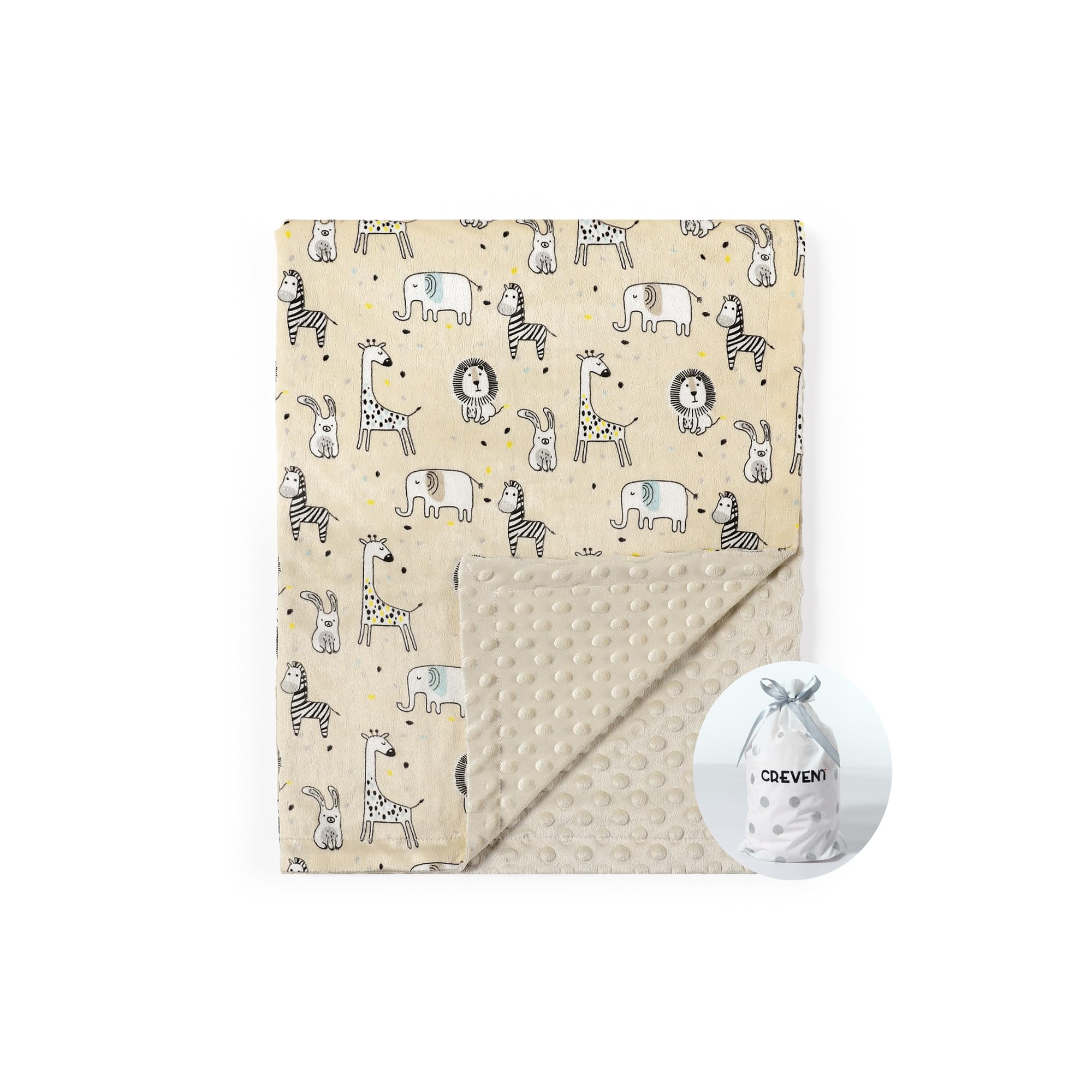
A dual-layer mink-and-Sherpa blanket I kept in the stroller and crib for versatile warmth and snuggles.
Why I picked it: Ultra-soft mink on one side, Sherpa on the other, OEKO-TEX certified, and gift-ready packaging.
Best for: Stroller rides, tummy time, and as a cozy crib cover for cooler days.
Budget-friendly and gift-ready.
Pros
- Ultra-soft dual-layer fabric
- OEKO-TEX compliant
- Ideal stroller and crib size
- Comes in gift packaging
Cons
- Not very heavy or weighted
- Can be bulky to carry long distances
My take
I keep this blanket folded in my stroller and it’s my go-to for quick naps on the go. The mink side is incredibly soft and the Sherpa adds a nice warmth layer.
It’s the right size for cribs and stroller seats, and the gift bag made it an easy present to hand over at a baby shower.
After multiple gentle washes the blanket stayed soft and didn’t pill—perfect for everyday snuggling and short trips.
6. 3-Pack Cotton Sleep Sacks (6–12 Months) – Best Durable Cotton Pack
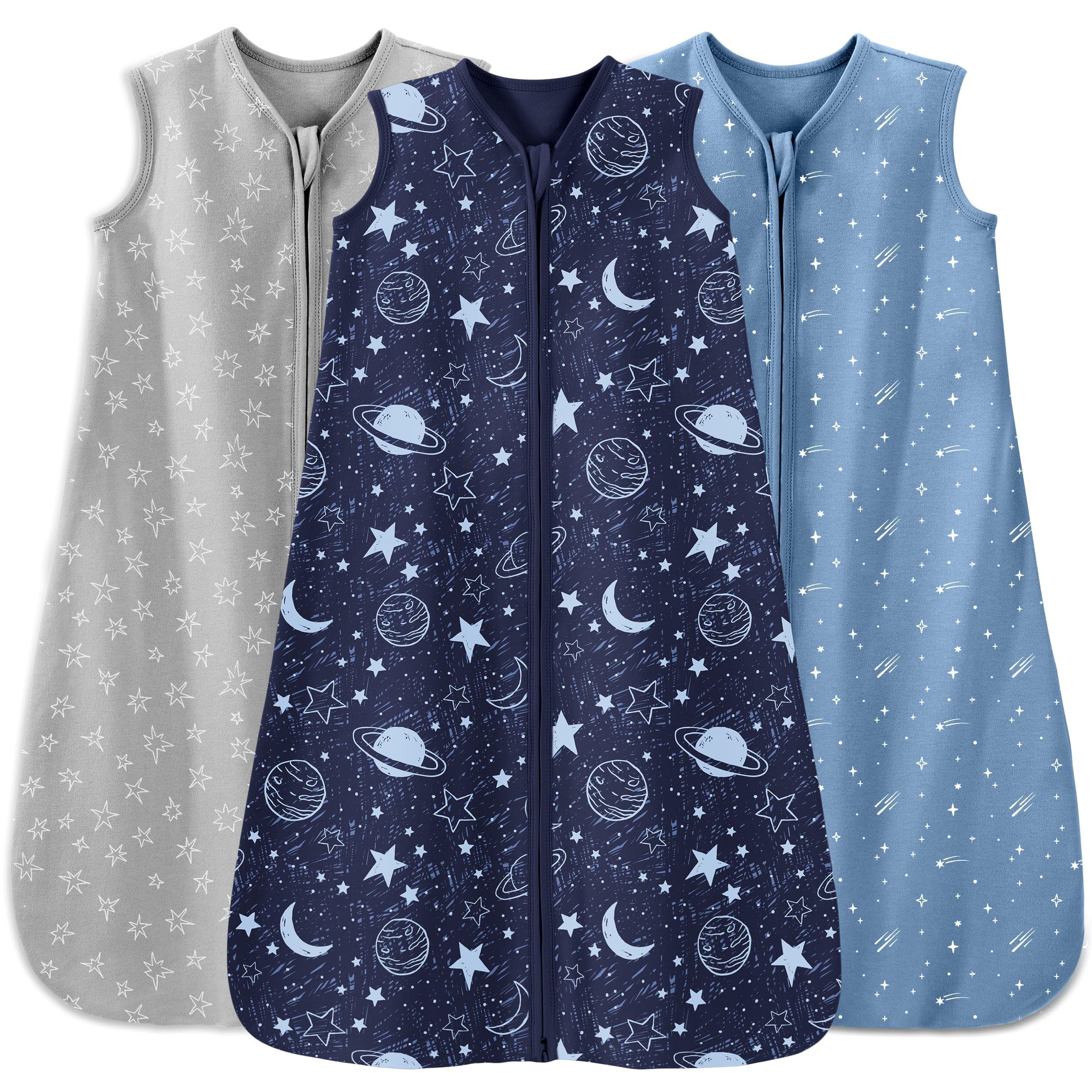
A safety-focused three-pack that I used for everyday sleeps; pre-washed fabric reduced shrinkage and zippers stayed dependable.
Why I picked it: CPSC safety compliance, pre-wash process to reduce shrink, and convenient two-way zipper design.
Best for: Daily use and parents looking for durable, breathable cotton sacks.
Good value for reliable, safety-minded cotton sacks.
Pros
- CPSC-compliant safety design
- Pre-washed to reduce shrinkage
- Convenient two-way zipper
- Durable through many washes
Cons
- Prints are basic
- Not the thinnest option
My take
I liked these for the everyday grind — they feel sturdy, wash well, and the pre-wash treatment helps prevent major shrinkage.
The two-way zipper makes diaper changes simple and the interior zipper guard protects delicate skin. My kid slept comfortably in them across seasons when paired with the right layers.
Overall they’re a practical, safe choice for families that need reliable sacks in rotation.
7. HALO Sleepsack SuperSoft (Bamboo-Viscose, 1.5 TOG) – Best Slightly Weighted Feel
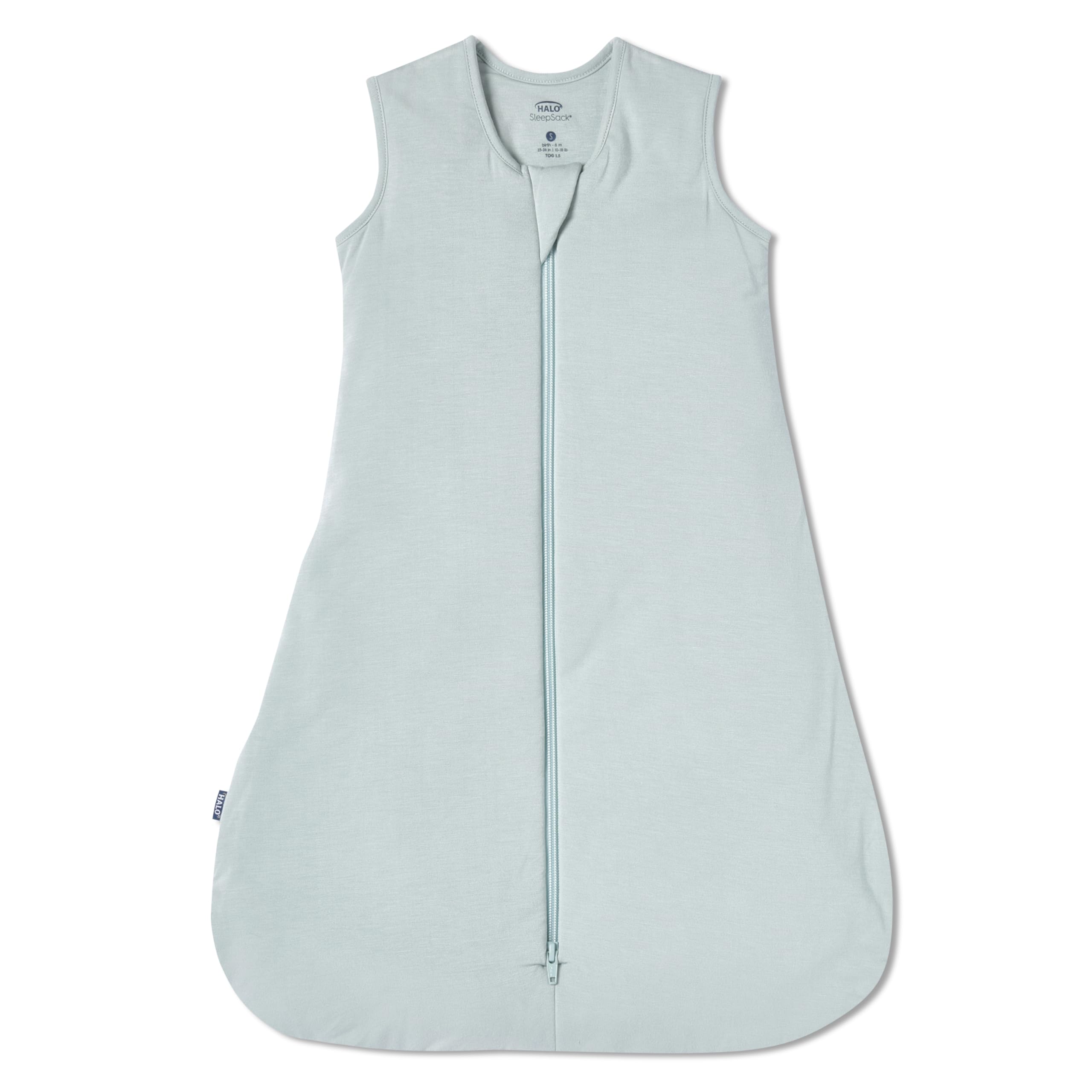
A plush bamboo-viscose SleepSack that felt gently calming and slightly weighted without actual added weights.
Why I picked it: Extremely soft bamboo-viscose construction, hypoallergenic filling, and a two-way zipper for easy changes.
Best for: Babies who benefit from a cozy, calming sleep surface in cooler rooms.
A more expensive option but worth it for premium softness.
Pros
- Exceptionally soft bamboo-viscose
- Slightly weighted, calming feel
- Two-way zipper with cover
- Breathable and hypoallergenic
Cons
- Thicker — not for hot rooms
- Higher-priced than basics
My take
I brought this Sleepsack out when I wanted an extra comforting layer for evening sleep. The bamboo-viscose is nearly cloud-like and soothed an otherwise fussy sleeper.
It has a substantial feel without being overly heavy; that ‘slightly weighted’ sensation helped reduce startle reflexes and longer stretches of sleep followed.
Two-way zippers and a neckline cover made middle-of-the-night changes easy and safe. It became my pick for cooler nights and for babies who like a cozier sleep surface.
8. Rayon Cotton Sleep Sacks 3-Pack (TOG 0.3) – Best for Sensitive Skin
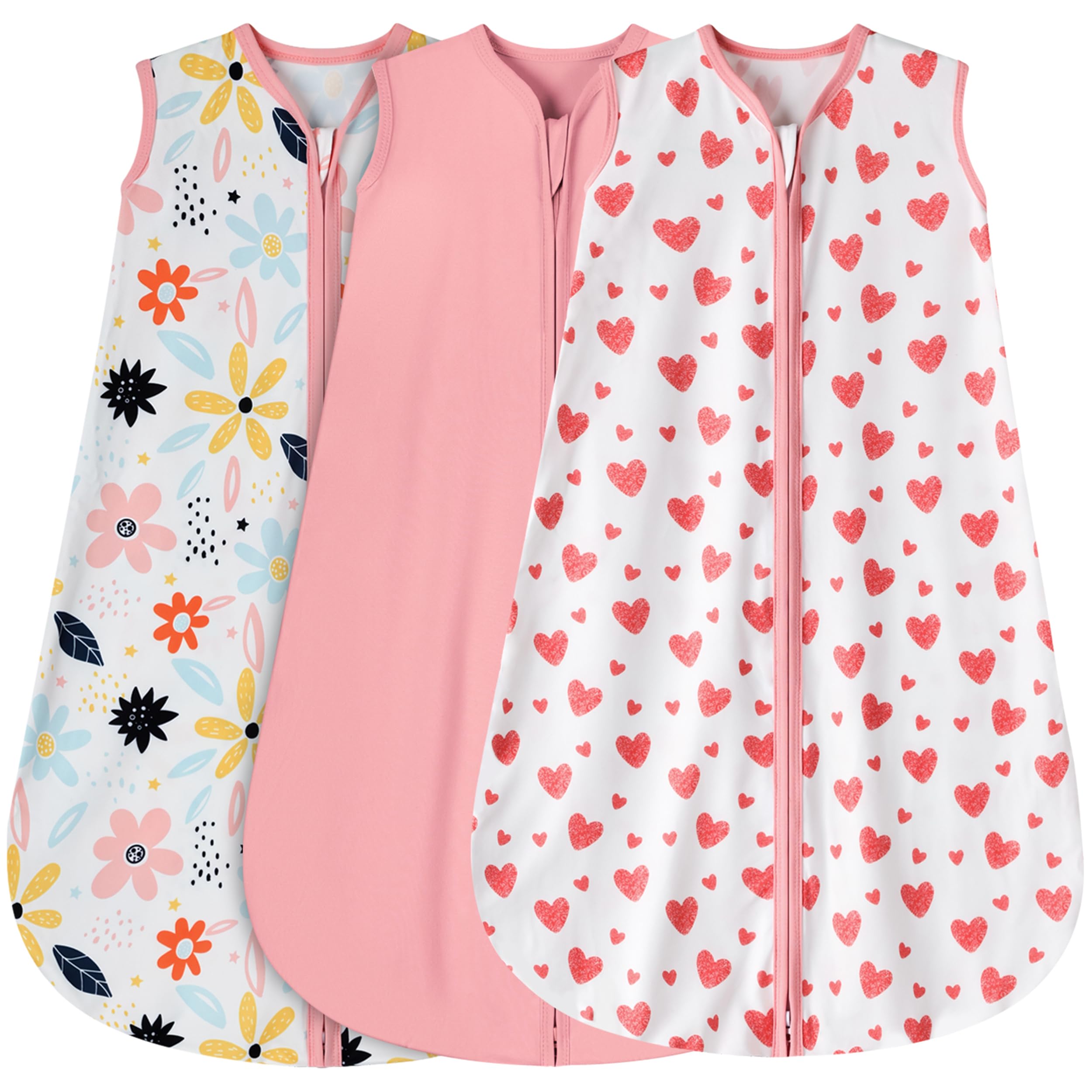
A silky-feeling rayon-cotton 3-pack that I reached for when skin sensitivity and breathability mattered most.
Why I picked it: 100% rayon cotton fabric, lab-certified TOG 0.3 warmth, and a two-way zipper for convenience.
Best for: Warm-weather sleeping and babies with sensitive skin.
Budget-friendly three-pack—good for stocking up.
Pros
- Silky, breathable rayon cotton
- TOG 0.3 for cool breathability
- Two-way zipper for easy changes
- Lightweight and stretchy
Cons
- Occasional zipper separation reported
- Not suitable for cold nights
My take
These sleep sacks felt silky against my baby’s skin and worked perfectly for warm months. The lightweight feel kept overheating at bay.
I liked the extra leg room and stretch—my toddler seemed to move comfortably without kicking the sack off. The two-way zipper is indispensable for quick diaper changes.
I did notice one zipper on an older pack start to separate after heavy use, so I recommend checking zippers periodically. Otherwise, they’re excellent value for warm-season sleep.
How I Choose Sleep Blankets and Wearable Sacks
Type and use
I always pick the product type based on intended use: receiving blankets for photos and quick swaddles, wearable sacks for overnight safe sleep.
Wearable sacks replace loose blankets in the crib, which I prefer for safety and consistent sleep temperature.
- Receiving blankets: lightweight, photo-ready, and quick swaddles.
- Wearable sacks: designed to stay on and remove loose-blanket risk.
- Stroller blankets: pick dual-layer options for warmth and packability.
TOG and room temperature
I always match TOG to room temperature. Lower TOG (0.3–0.5) for warm rooms; higher TOG (1.0–1.5) for cooler bedrooms.
When in doubt, layer a thin onesie under a TOG 0.5 sack or add a pajama layer under a warmer sack.
- TOG 0.3–0.5: warm climates or summer.
- TOG 1.0–1.5: transitional and cooler nights.
- Avoid heavy sacks if baby already runs warm.
Safety features I look for
I check for secure neck and arm openings, zipper guards, and certificates like hip-healthy recognition or safety compliance.
Two-way or inverted bottom zippers are my must-haves for fast diaper changes without fully undressing the baby.
- Zipper guards protect delicate chins and necks.
- Roomy leg area promotes hip health.
- Sleeveless designs reduce overheating risk.
Material and care
I favor breathable natural fibers for everyday sleep and softer blends like bamboo-viscose when I want a plush, calming feel.
Check care labels—pre-washed or pre-shrunk sacks hold their size better; hang-drying avoids shrinkage in many cotton options.
- Cotton: breathable and durable.
- Rayon cotton: silky and great for sensitive skin.
- Bamboo-viscose: ultra-soft, slightly insulating.
Sizing and fit
I size based on length and the baby’s current height rather than age alone, and I avoid overly roomy neck/arm openings.
If a sack still has room in the feet and fits shoulder-to-foot measurements, it will last longer and stay safe.
- Measure shoulder-to-foot for the best fit.
- Avoid oversized arm openings that can expose shoulders.
- Roomy feet space helps extend use time.
Frequently Asked Questions
How do I choose the right TOG for my nursery?
I match TOG to room temperature: use TOG 0.3–0.5 for warm rooms and TOG 1.0–1.5 for cooler rooms. When unsure, layer a thin onesie under a lower-TOG sack rather than using a thicker sack that could overheat.
Can I use receiving blankets for overnight sleep?
I don’t use loose receiving blankets for overnight crib sleep. I reserve them for short swaddles, photos, or stroller use and rely on a wearable sack for safe overnight sleep.
What zip style do I prefer for nighttime changes?
I prefer two-way zippers or bottom/inverted zippers. They let me change diapers quickly without fully undressing the baby, which saves time and reduces middle-of-the-night wakeups.
Final Take
I kept reachability and real-world use front of mind while testing these sleep blankets and wearable sacks. For warm nights I tended to choose lightweight cotton or rayon options; for cooler rooms I went with micro-fleece or bamboo-viscose.
If you want one versatile pick, a mid-weight cotton SleepSack with a two-way zipper covers most situations. For photos or short outings, the lightweight receiving blanket sets are a quick win.
Whichever you choose, focus on a secure fit, safe zipper details, and the right TOG for your nursery temperature — those are the things that made the difference in my nights.
