
I tested and read the top beginner-to-intermediate books on singing bowls, tuning forks, chakra work, and tinnitus sound strategies. Here are the ones I keep coming back to for practical techniques, scientific context,or
I read each of these books cover-to-cover to understand how sound therapies translate from theory into practice. My goal was to find titles that balance practical techniques, accessible science, and clear instructions I could actually use in a session or at home.
Across the list you'll find deeply practical manuals, science-forward primers, historical overviews, and one critical take that challenges popular claims. I organized the picks so you can zero in on the kind of guidance you want: hands-on technique, evidence-minded context, tuning-fork protocols, or tinnitus-focused sound strategies.
I compared these titles on clarity of instruction, presence of scientific context, useful illustrations or exercises, and whether I could immediately apply the techniques in a personal practice or session.
1. Meditation Bowls (Mariana Vilhena Da.) – Best Comprehensive Guide
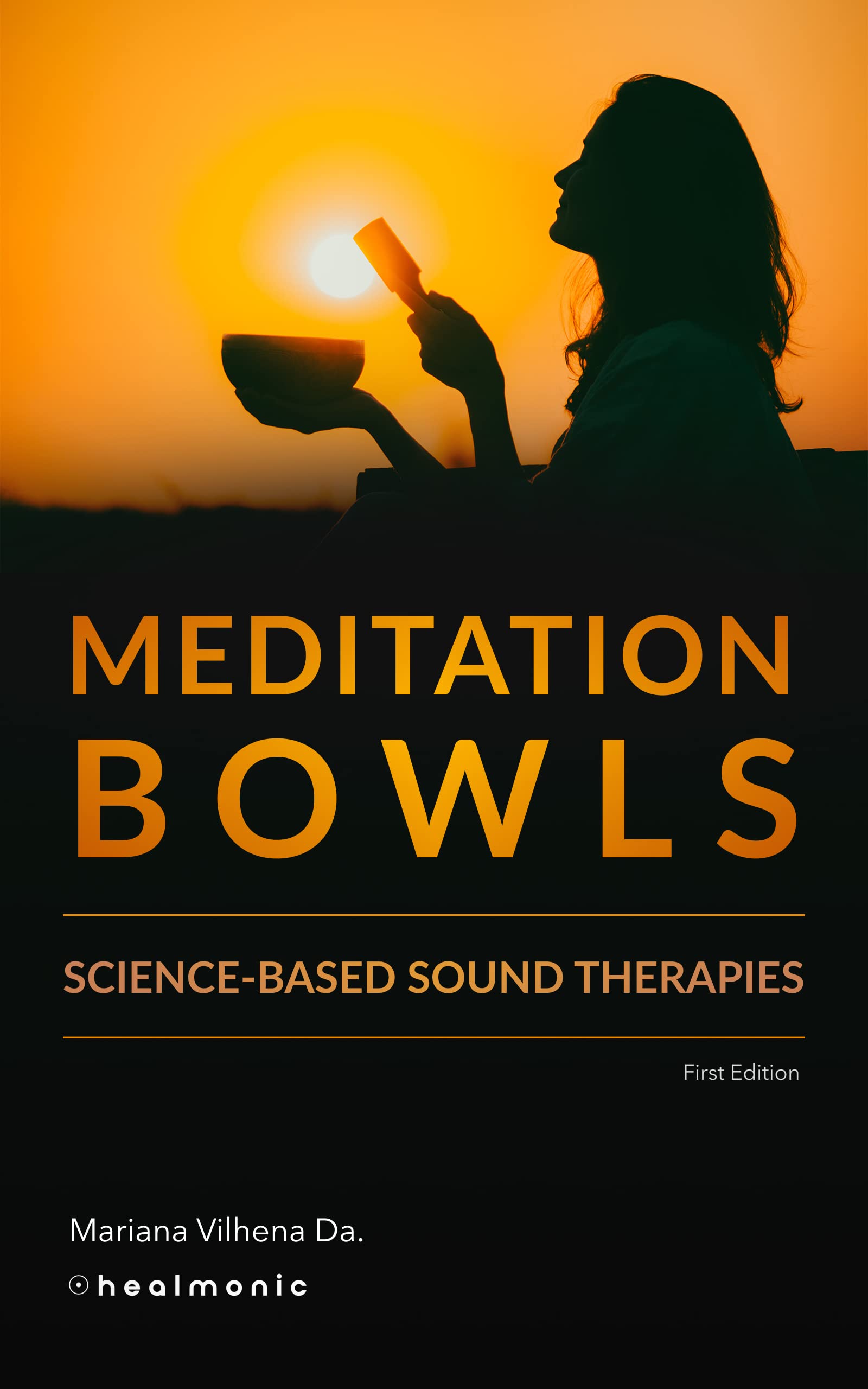
A science-forward, illustrated primer that walks me through vibration basics, chakra frequencies, bowl types, and guided scripts I can use right away.
Why I picked it: I picked it for its clear scientific framing and step-by-step meditations.
Best for: Beginners who want practical scripts plus scientific context.
A solid value for an illustrated, research-minded primer.
Pros
- Clear science explanations
- Step-by-step guided meditations
- Illustrations of bowls and mallets
- Chakra-to-frequency mapping
Cons
- Focused on beginners
- Less depth for advanced practitioners
My take
This is the book I turn to when I want a compact, science-minded orientation to singing bowls. The author’s background in biochemistry and pharmacology shows: the chapters that trace vibration, audible frequency ranges, and basic mechanisms read like a practical primer rather than unsupported speculation.
I appreciated the illustrated breakdown of bowl types and mallets — the visuals made it much easier to match technique to instrument. The 14-day guided meditations and scripts gave me a reproducible practice I could use immediately, which matters more to me than abstract theory.
My only caveat is that it’s aimed at beginners and focused on building a confident home practice. If I wanted in-depth acoustics or advanced therapeutic protocols, I’d pair this with a more technique-heavy manual. For combining approachable science with hands-on routines, though, this one stayed on my shelf.
2. The Singing Bowl Manual – Best Practical Manual
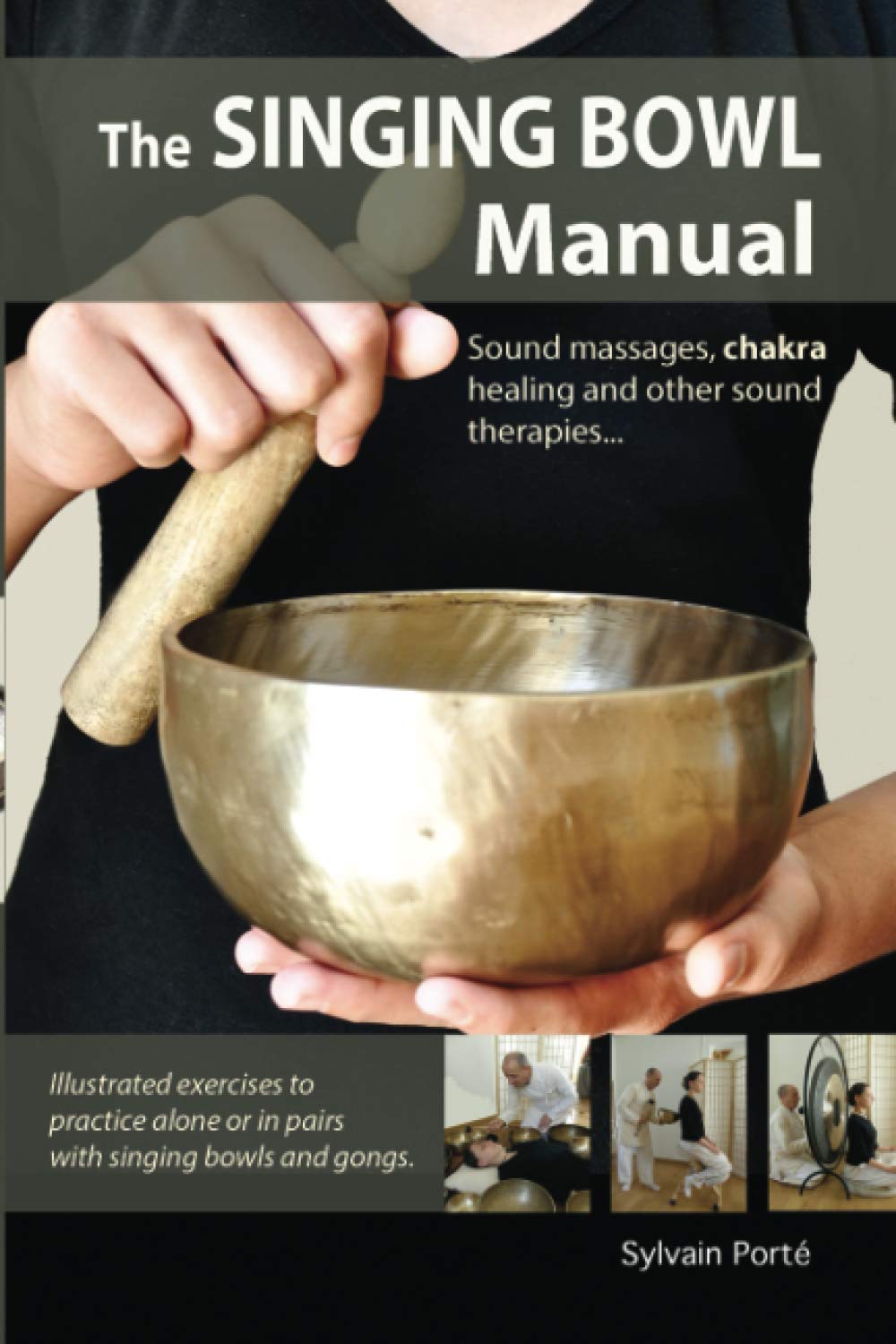
A very hands-on how-to filled with placement, striking techniques, and exercises I can do alone or with a partner.
Why I picked it: I picked it for its straightforward exercises and useful photos.
Best for: Practitioners wanting clear technique guides for solo or partner sessions.
A practical, affordable manual for regular practice.
Pros
- Step-by-step exercises
- Good photo references
- Covers self sound baths
- Clear chakra positioning
Cons
- Not exhaustive on advanced tools
- Limited coverage of complementary instruments
My take
When I needed a book that taught me how to actually make a bowl sing and place bowls for a session, this manual delivered. The instructions on striking, rubbing, and bowl placement are simple and reproducible, and the photos made technique adjustments easy.
I used the exercises to build a short self sound bath routine at home and to practice giving a basic sound massage to a friend. The book’s strength is practical repetition and accessible language rather than deep theoretical background.
If you want an all-in-one compendium that covers bells, thunder drums, and other adjunct instruments, this isn’t exhaustive. But for getting comfortable with the seven Tibetan-style bowls I practice with, it’s the most workmanlike guide I own.
3. Edgar Cayce’s Energy Medicine – Best Broad Energy Overview
A sweeping, readable survey of light, sound, aromatherapy, homeopathy, and other vibrational approaches rooted in Edgar Cayce’s work.
Why I picked it: I picked it for its historical and energetic breadth in one compact volume.
Best for: Readers wanting a broad, accessible introduction to energy-based therapies.
A concise overview I return to for inspiration.
Pros
- Wide-ranging modality coverage
- Easy, readable style
- Practical health-oriented suggestions
Cons
- Sometimes fragmented
- Limited technical depth
My take
I found this one approachable and energizing. It’s not a step-by-step clinical manual; instead, it surveys many vibrational therapies and presents them in accessible language that made me think differently about integrating sound, light, and aromatic modalities.
Because the book is compact and covers so much, some sections felt brief or fragmentary. I treated it as a jumping-off point: useful for ideas and historical perspective, but not as my sole source for detailed protocols.
Overall, I reach for it when I want a readable introduction to energy medicine and a reminder of how many different vibrational approaches exist.
4. Vibrational Sound Healing – Best for Tuning Forks
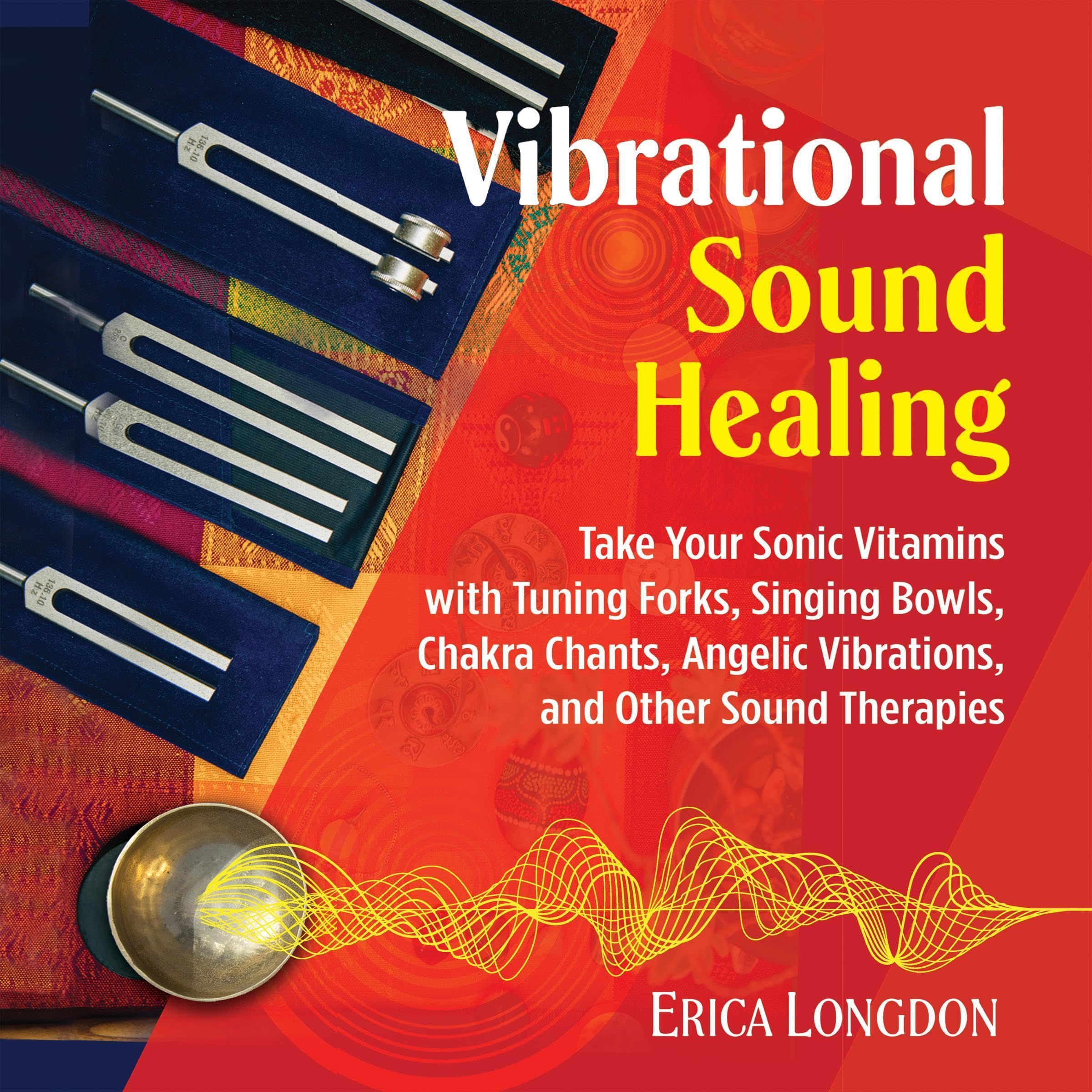
A broad primer that introduces tuning forks, singing bowls, chants, and practical ways to add sonic work to my wellness routine.
Why I picked it: I picked it for its wide coverage of tuning forks and easily actionable suggestions.
Best for: People curious about tuning-fork protocols and general vibrational techniques.
A well-rounded intro with practical tips.
Pros
- Good tuning-fork coverage
- Wide modality range
- Enthusiastic, approachable tone
Cons
- Occasional unverified claims
- Not a rigorous scientific text
My take
This book gave me useful entry points for working with tuning forks alongside bowls and chants. It’s the most approachable title here for someone who wants protocols — for example, frequency-focused routines — they can try in a short session.
I appreciated the practical suggestions and the author’s enthusiasm, but I also noticed areas where anecdote or lore is presented alongside scientific-sounding statements without deep sourcing. I treat those passages as exploratory rather than definitive.
For my practice, it’s a go-to when I want to mix tuning forks into a sound bath and experiment with frequency-based balancing, while keeping a critical eye on claims that sound more like lore than evidence.
5. Alternative & Mystical Healing Therapies – Best Critical Perspective
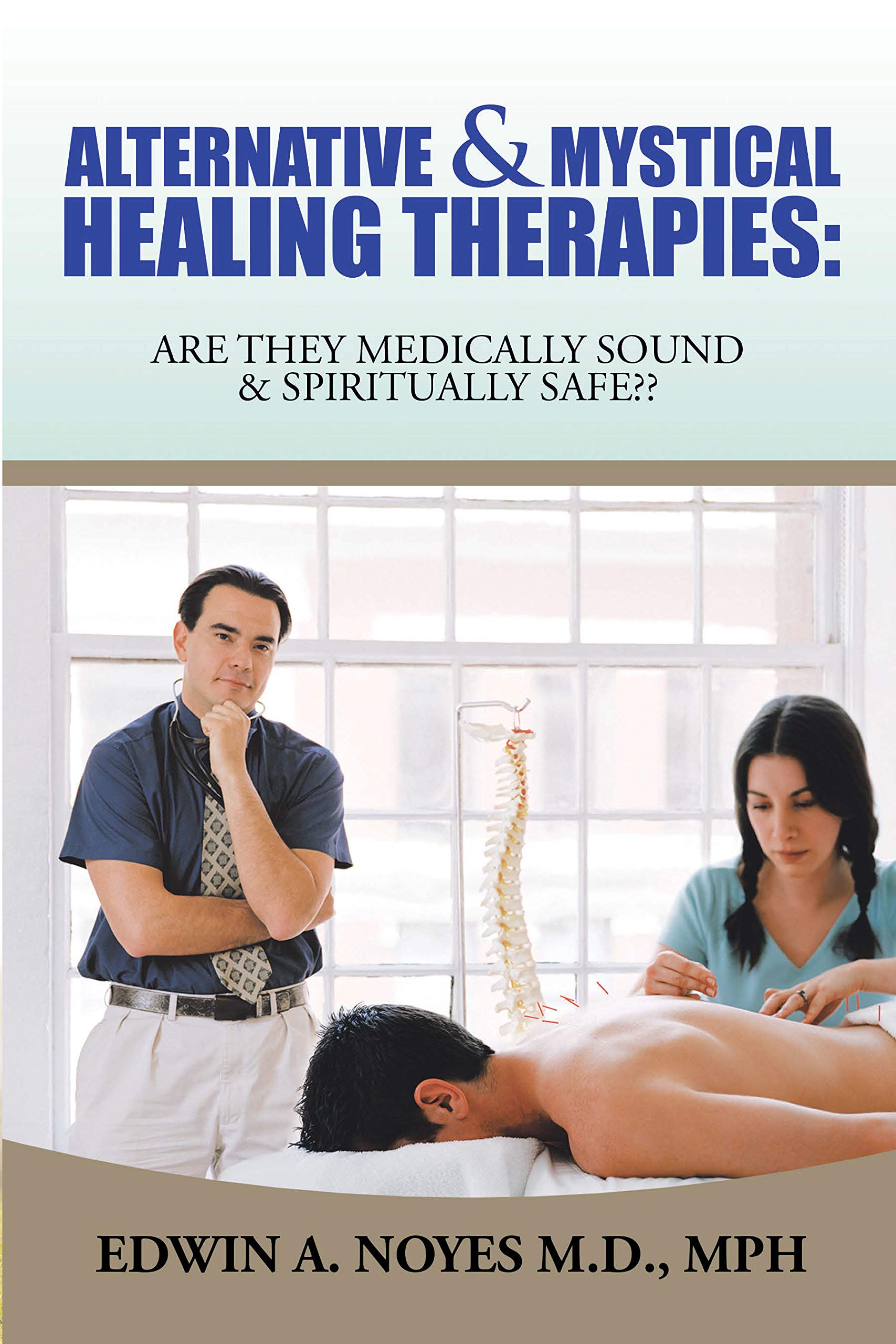
A skeptical, faith-informed critique that examines whether various alternative therapies hold up medically and spiritually.
Why I picked it: I picked it for a contrarian, evidence- and belief-focused viewpoint I couldn't find elsewhere.
Best for: Readers seeking a critical, faith-based analysis of alternative modalities.
A distinct perspective that challenges common assumptions.
Pros
- Thorough critical analysis
- Interweaves medical literature
- Offers a clear moral lens
Cons
- Strongly opinionated
- May be polarizing
My take
This is the most polemical book in the group, and I value it for that reason. The author methodically examines acupuncture, cupping, yoga, and similar practices through the twin lenses of mainstream medical assessment and spiritual concern.
I found the medical summaries useful when I wanted to understand mainstream critiques and research results. At the same time, the author’s religious framing is central to the book and will strongly influence whether you find the analysis persuasive.
If you want a balanced catalogue of techniques, this isn’t neutral. But if your aim is to see these therapies questioned and placed in a moral framework, it provides a thorough and organized case.
6. Tinnitus Sound Therapie – Best for Tinnitus Strategies
A German-language guide focused on tinnitus retraining approaches and sound-based techniques intended to reduce perceived ear noise.
Why I picked it: I picked it for its specific focus on tinnitus sound-retraining approaches.
Best for: Readers seeking sound-based strategies for managing tinnitus symptoms.
A targeted guide for tinnitus retraining and sound options.
Pros
- Focused on tinnitus retraining
- Practical sound-based strategies
- Specialized topic coverage
Cons
- German-language only
- Limited supplementary notes
My take
This title stood out because it concentrates on tinnitus retraining and practical sound interventions rather than broad vibrational theory. I found that focused approach useful when I wanted concrete ideas specifically for masking or retraining perception of ear noise.
Because the book is primarily in German, it’s immediately most useful to German-speaking readers. I didn’t find extensive ancillary notes in the listing, so I treated it as a hands-on manual rather than a heavily sourced academic text.
If tinnitus is your primary concern, this is the title I’d reach for first; for broader sound-healing interests, I’d pair it with one of the more general manuals above.
How I Choose Sound Therapy Books
What I look for first
When I evaluate a sound therapy book, the first things I check are clarity of instruction, presence of visuals, and whether the author anchors claims with scientific context or clearly labeled anecdote.
I prioritize resources that let me practice immediately: clear technique photos, reproducible scripts, and step-by-step exercises.
- Actionable instructions I can replicate at home
- Illustrations or photos of instruments and technique
- References or notes when scientific claims are made
Matching a book to your goals
I choose different books depending on whether I want a hands-on manual, a broad overview, or a clinical/tinnitus focus. Match the book’s emphasis to the outcomes you want.
If you want immediate technique, pick a manual with photos. If you want context, reach for a science-minded primer. If tinnitus is the issue, select a retraining-focused title.
- Beginners/practice: technique manuals with exercises
- Context/evidence: science-forward primers
- Clinical symptom focus: targeted tinnitus or therapeutic texts
Practical tips before you buy
I recommend checking whether the book includes scripts or routines you can follow; I value titles that give me a ready-to-use practice.
Also consider language and scope: specialized topics like tinnitus often appear in non-English titles, and critical perspectives can help balance enthusiasm with scrutiny.
- Look for reproducible routines and guided meditations
- Confirm the language of instruction matches your needs
- Pair hands-on manuals with a science-minded primer
Frequently Asked Questions
Do singing bowls and tuning forks have scientific backing?
Several authors in this roundup present research and mechanisms linking vibration to nervous-system responses; I treat that material as promising context rather than conclusive medical proof. I use those references to guide safe, evidence-aware practice and always pair sound work with standard medical advice when addressing health concerns.
Can I learn to give a sound bath at home from these books?
Yes. I learned reproducible self-sound-bath routines from the practical manuals here, which include step-by-step instructions and photos. I started with short sessions and increased duration as I became comfortable with technique.
Are any of these books suitable for tinnitus?
I specifically look to the tinnitus-focused title for retraining and masking strategies. For broader coping strategies I also draw on tuning-fork and sound-bath techniques from the other manuals, but I treat tinnitus work as a specialized practice and consult health professionals as needed.
Which book should a complete beginner start with?
I usually recommend starting with the science-forward primer that also provides guided meditations; it balanced accessible theory with practical scripts and helped me build a consistent practice quickly.
Final Take
I keep at least two of these books on my shelf: one practical manual for day-to-day technique and one science-minded primer for context. That combo lets me experiment safely and deepen my understanding over time.
If you want to begin, pick the title that matches your immediate goal — learn the techniques, explore the science, or focus on a specific issue like tinnitus — and build from there.
