
I tested a range of spray nozzles and glass bottles — from small glass misters to a pressure sprayer — and I share which nozzle setups worked best for oils, cleaners, plants, and heavy garden use.
I spent time using each of these nozzle-and-bottle combinations for everything from essential-oil face mists to garden spraying and homemade cleaners.
In this roundup I compare glass misters, amber UV-protecting bottles, bulk mini bottles, and a heavy-duty pressure sprayer so you can pick the right nozzle for how you actually work.
I found two clear groups: hand-squeeze glass misters (great for oils, hair, and household cleaners) and the pressurized garden sprayer (built for broad-area plant work and pesticides). Within the glass category I look at capacity (2 oz travel vs 16 oz household), glass color (amber or blue for light-sensitive contents), and nozzle adjustability (fine mist vs stream).
1. Sally’s Organics Amber Glass Spray Bottle (16 oz, 2-pack) – Best for Essential Oils & Home Use
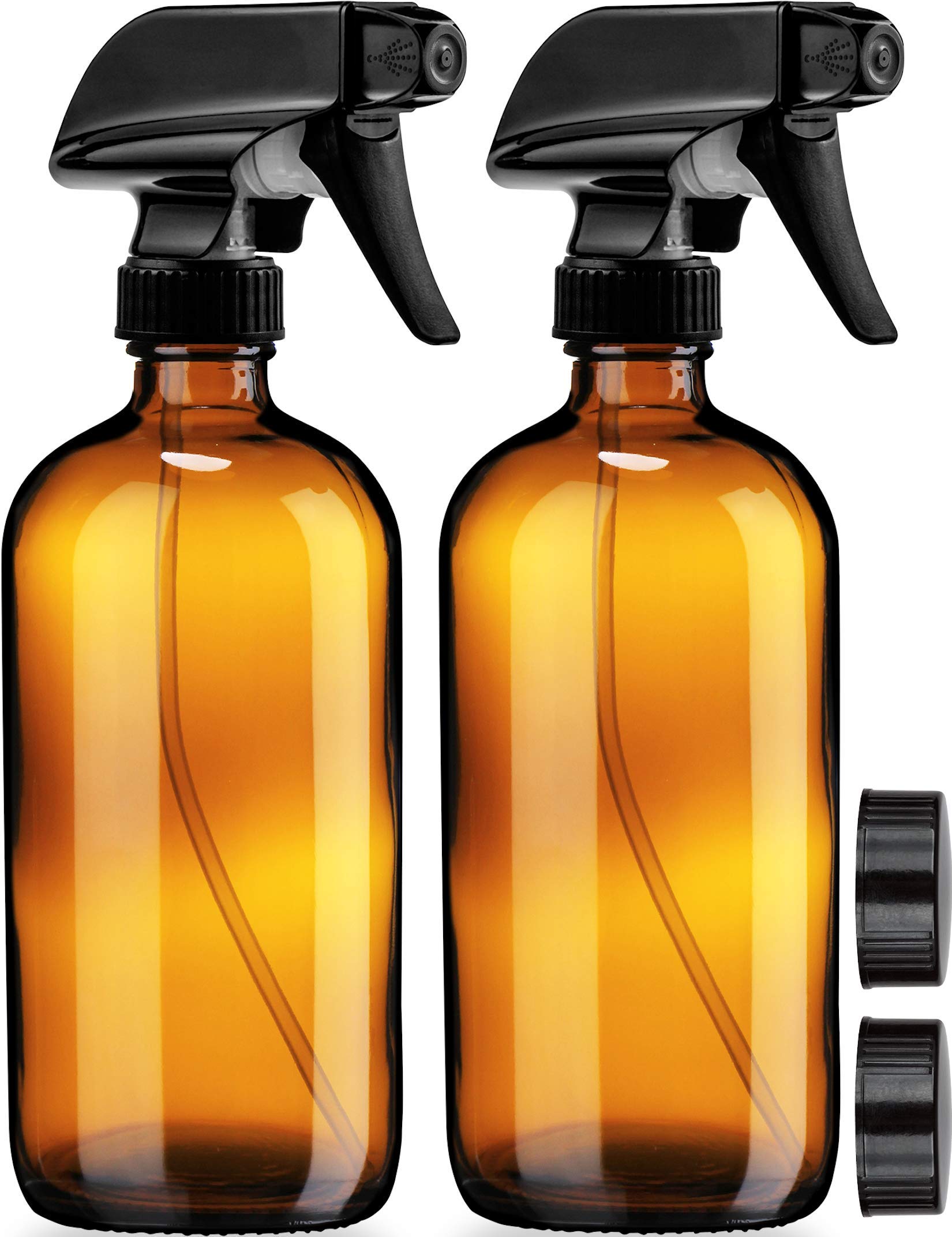
A heavy-duty amber glass two-pack with UV protection, reliable trigger sprayers, caps, labels, and a lifetime warranty.
Why I picked it: Amber glass and dependable sprayers make this a go-to for light-sensitive DIY mixes.
Best for: Essential oil blends, linen and hair mists, cleaning solutions that need UV protection.
Good value for a durable two-pack with warranty.
Pros
- Thick amber glass for UV protection
- Includes caps and labels
- Fine mist and stream settings
- Sturdy, reliable trigger
- Lifetime warranty
Cons
- No particulate filter
- Heavier than plastic bottles
My take
I appreciated the weight and finish of these amber bottles the first time I picked one up; they feel built to last. The tinted glass really helps when I store essential-oil blends or peroxide-based cleaners that I don’t want light degrading.
The trigger sprayer gives a consistent fine mist or a fuller stream depending on where I position the nozzle. I’ve used one bottle with apple-cider-vinegar mixes for the smoker and another for DIY linen spray — both sprayed evenly and didn’t clog.
One detail to watch: the cap seal can trap a little liquid behind it until it dries, so I rinse and air-dry those parts after heavy use. Overall, this two-pack is the most balanced option I reached for when I needed durability and UV protection.
2. GLORIA Prima 5 Pressure Sprayer – Best for Heavy Garden Work
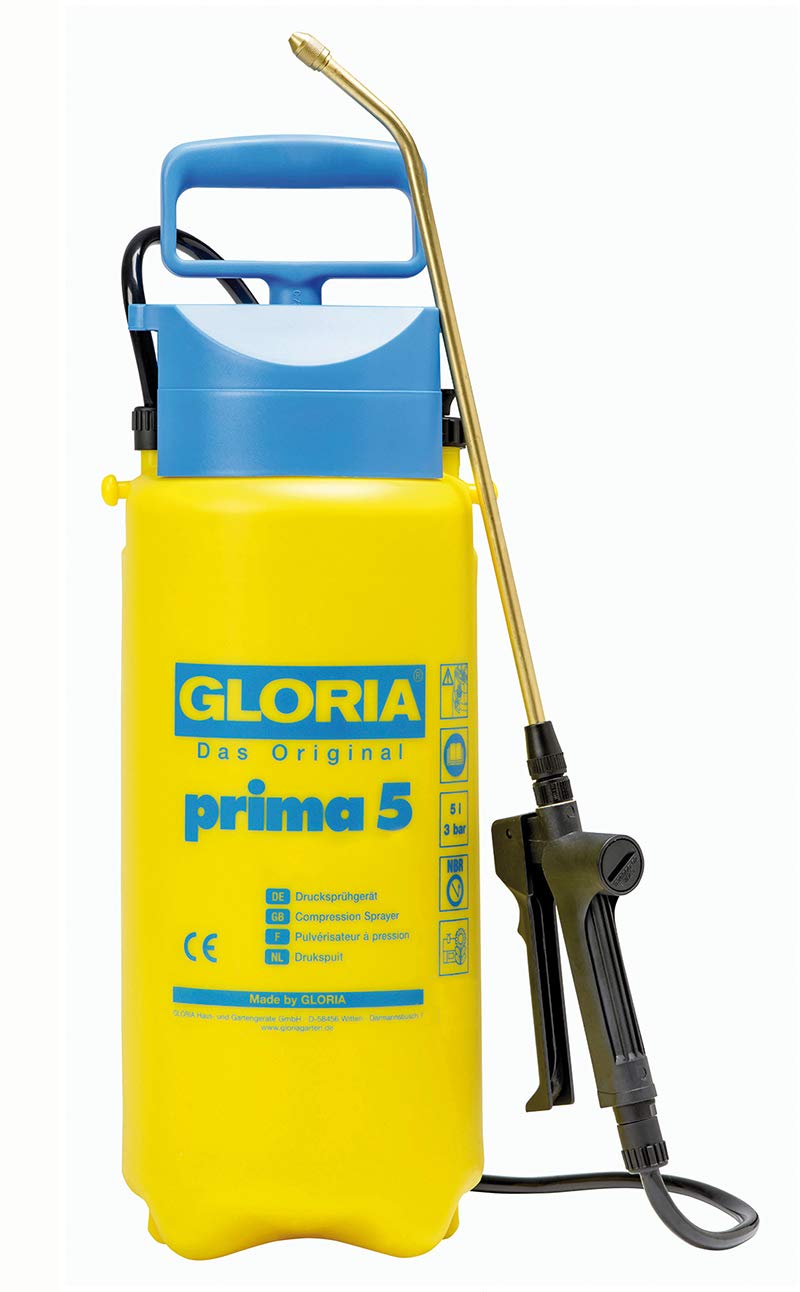
A robust pressure sprayer with a brass-adjustable nozzle, safety valve, and shoulder strap for longer garden work.
Why I picked it: Brass nozzle, pressure capability, and safety valve make it suited for extended outdoor use.
Best for: Large-area plant care, pesticides, and garden treatments requiring pressure and reach.
A more substantial, higher-end option built for heavy-duty use.
Pros
- Adjustable brass nozzle
- Generates up to 3 bar pressure
- Built-in safety valve
- Large capacity with strap
Cons
- Requires initial assembly
- Carrying strap is basic comfort
My take
When I needed to treat multiple pots and a small bed, this pressure sprayer saved me time. The pump builds steady pressure and the brass-insert nozzle lets me dial in anything from a fine spray to a targeted jet.
The transparent viewing strip makes filling easy and the shoulder strap keeps it practical for longer sessions. I do exercise care when I finish: I always use the safety valve to release pressure and rinse the tank so residue doesn’t clog the wand.
If you plan to use corrosive solutions or very dirty water, I recommend filtering before filling and letting metal components dry. For sustained garden work, this is the tool I reach for over handheld sprayers.
3. Wedama 2 oz Blue Glass Spray Bottles (16-pack) – Best Bulk Mini Bottles
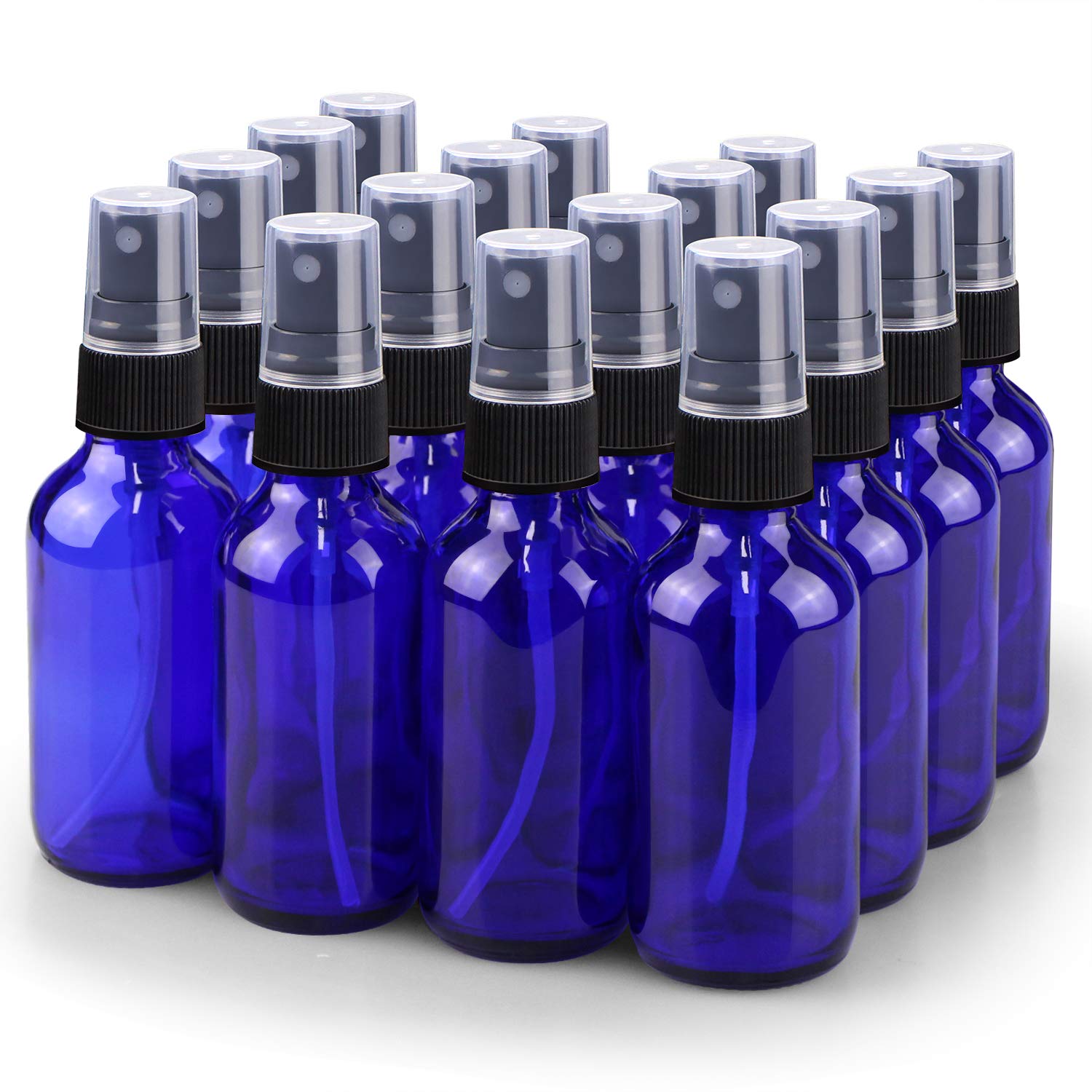
A 16-pack of small blue glass misters that protect light-sensitive contents and are ideal for samples and travel-sized DIYs.
Why I picked it: Bulk blue glass protects small batches and travel samples while staying reusable.
Best for: Travel mists, sample products, mini facial and hair sprays.
Great value for a large set of mini glass bottles.
Pros
- Bulk 16-pack
- UV-protecting blue glass
- Adjustable fine mist nozzle
- Reusable and sturdy
Cons
- Very small capacity
- Thicker oils may affect spraying
My take
I keep a handful of these in my bag for facial mists and emergency detanglers. The blue glass is a nice visual cue for light-sensitive mixtures and feels noticeably sturdier than thin plastic.
The adjustable nozzle moves between a gentle mist and a tighter stream, which I found useful when switching from hydrosols to light oil blends. On occasion a heavier fragrance oil produced a little seep at the nozzle, so I avoid very viscous liquids in these.
Because they’re a 16-pack, I use them for packaging samples and for giving away small quantities of my homemade sprays — they’re compact and travel-friendly.
4. Wedama Amber Glass Spray Bottle (16 oz) – Best Single Amber Bottle
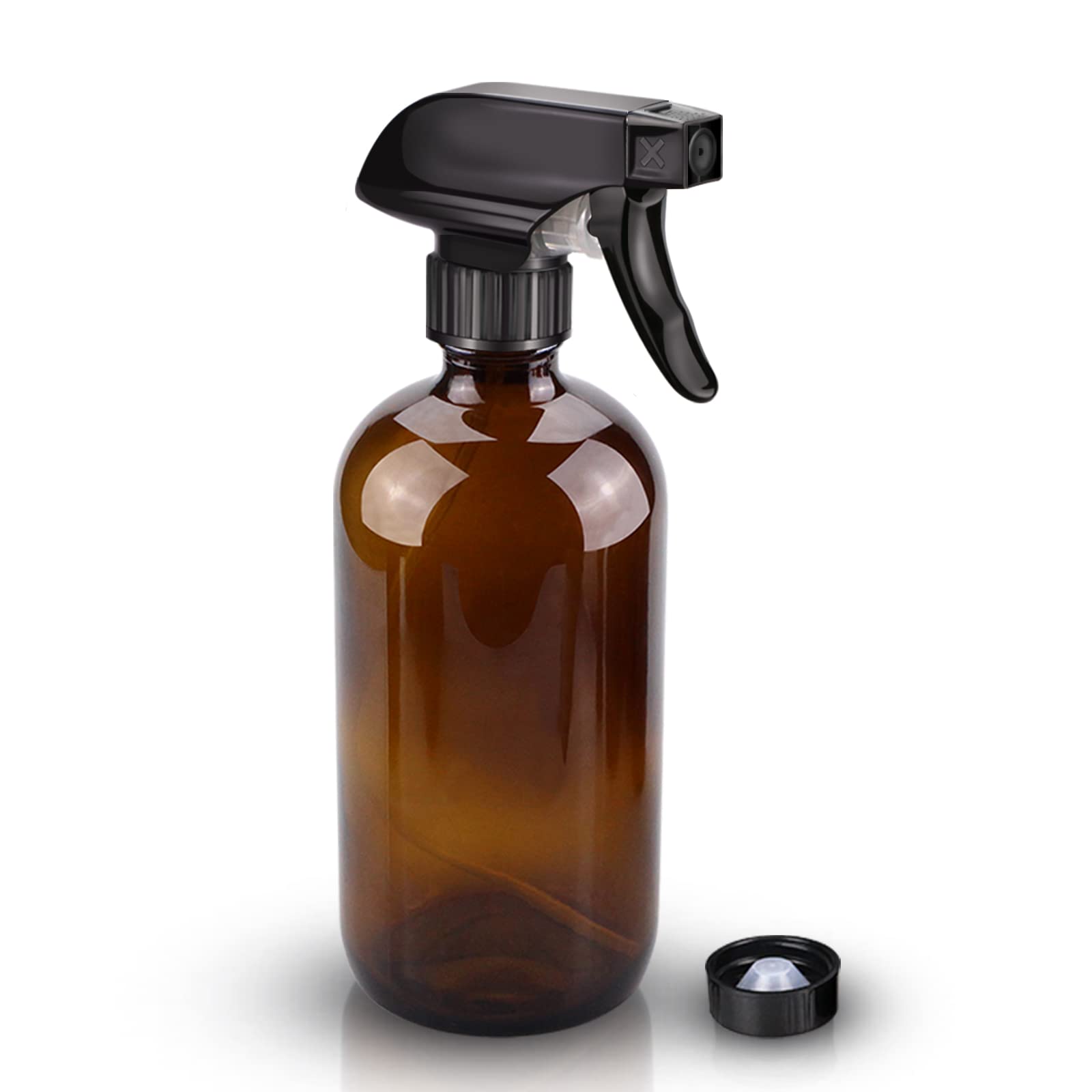
A single 16 oz amber bottle with a smooth adjustable nozzle that resists leaking and protects contents from UV light.
Why I picked it: Solid single 16 oz option when I want an amber bottle for larger quantities.
Best for: Household cleaners, micellar water, and larger essential-oil mixes that need light protection.
A budget-friendly single amber bottle for everyday use.
Pros
- 3-setting adjustable nozzle
- Good UV protection
- Non-slip, non-leaking design
- Comfortable hand feel
Cons
- Single unit only
- No decorative label included
My take
I used this bottle for a diluted power-wash cleaner and for micellar water; the sprayer handled both without sputtering. The amber glass gives it a clean aesthetic and the bottle’s weight makes it feel reliable on the counter.
Switching the nozzle between mist and stream is intuitive. I do wish it shipped with a ready-made label, but that’s a minor gripe compared with how well the sprayer performs for everyday cleaning and beauty tasks.
If you want one solid amber bottle to replace bulky plastic, this is the one I reach for around the house.
5. Clear Boston Round Glass Spray Bottle (16 oz) – Best Classic Clear Bottle
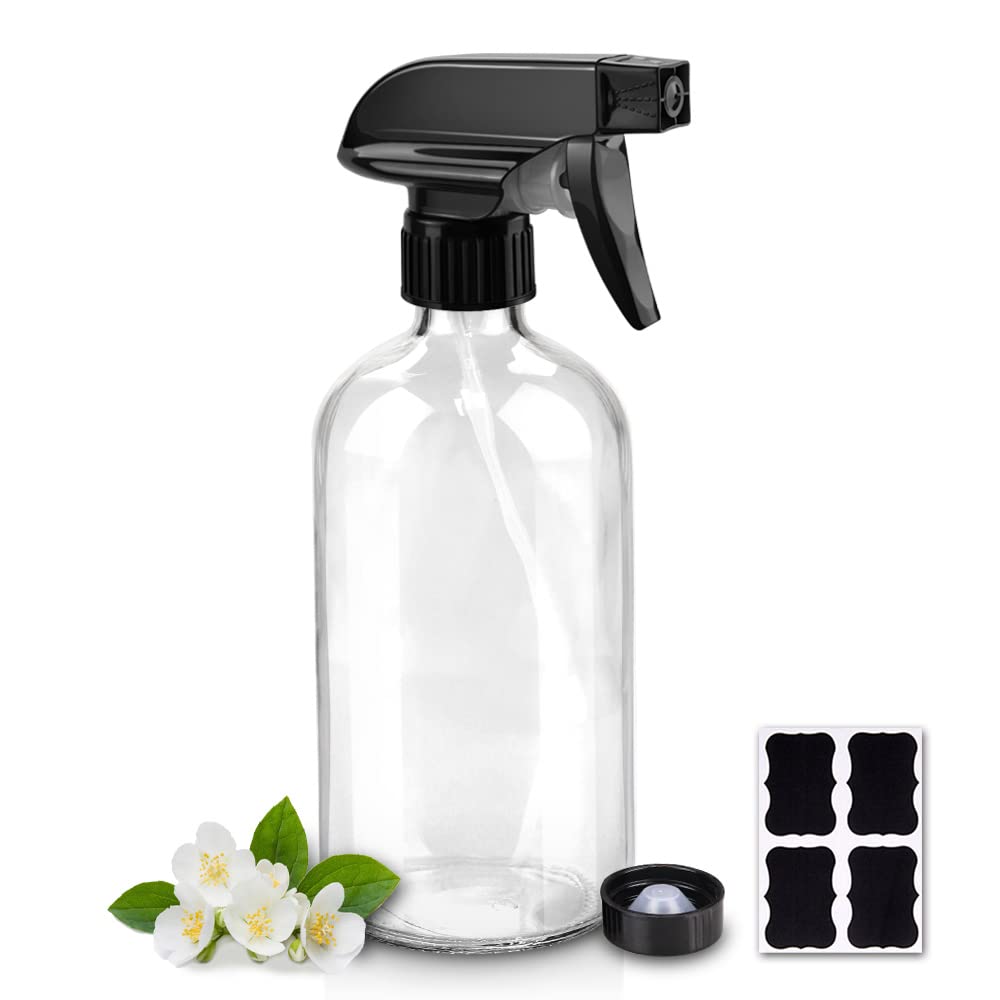
A clear Boston-round 16 oz bottle with an adjustable nozzle, a sturdy glass body, and labels included for easy organization.
Why I picked it: Classic Boston-round design with solid glass and a dependable nozzle makes it versatile.
Best for: Kitchen cleaners, diluted dish soaps, and general household sprays.
An affordable, everyday glass bottle for general household use.
Pros
- Thick, sturdy glass
- Adjustable mist and stream
- Includes labels
- Classic Boston round shape
Cons
- Clear glass lacks UV protection
- Nozzle longevity varies
My take
I swapped my plastic cleaners for this Boston-round bottle and immediately noticed the sturdiness. The heavy glass doesn’t crinkle and gives a professional feel to my homemade solutions.
The sprayer gives a consistent mist for surface cleaning, and the included labels made it easy to keep my bottles organized on the shelf. A few people I know had a nozzle stop working after heavy use, so I keep a spare sprayer on hand.
For everyday cleaning and kitchen tasks where UV protection isn't critical, this clear bottle is my go-to for reliability and appearance.
How I Choose a Spray Nozzle and Bottle
Capacity and Intended Use
I pick bottle size based on how I use the spray: minis (2 oz) for travel and samples, 16 oz for household cleaners, and a pressurized tank for larger garden areas.
- Travel and samples: 2 oz or smaller
- Household cleaners and hair sprays: 16 oz
- Large gardens or pesticides: pressure sprayer
Nozzle Types and Spray Patterns
I check whether a nozzle offers a fine mist, stream, or both. A smoothly adjustable nozzle gives me versatility across tasks.
- Fine mist for face/hair and delicate plants
- Stream for targeted cleaning or covering large leaf surfaces
- Off position helps prevent accidental spraying
Material and UV Protection
I favor amber or blue glass when storing light-sensitive essential oils or peroxide. Clear glass is fine for general cleaners but won’t protect contents from light.
- Amber/blue glass for light-sensitive liquids
- Clear glass for visible inventory and general use
- Glass avoids plastic chemical concerns
Sealing, Filters, and Liquids
I never put particulate-heavy liquids through a fine mister without filtering first. If a product warns about particulate matter, I filter and then fill.
- Filter particulates before filling fine-mist sprayers
- Use caps when storing to prevent nozzle leaks
- Avoid corrosive chemicals in inexpensive sprayers
Maintenance and Longevity
I flush bottles and nozzles with warm water (or a vinegar rinse) after use. For pressure sprayers, I always relieve pressure and dry metal parts to reduce corrosion risk.
- Rinse nozzles after each use
- Soak and clear clogs with warm water or vinegar
- Release pressure and dry components on pressurized sprayers
Frequently Asked Questions
Can I use essential oils and alcohol in these bottles?
Yes — I use amber or blue glass bottles for light-sensitive essential oils, and glass is compatible with alcohol-based mixtures. I avoid putting thick particulates through fine misters and I filter first if needed.
Will glass sprayers leak or break in regular use?
Glass is heavier but I found it durable; the most common issue I ran into was a nozzle that needed replacing after heavy use. Keeping caps on and rinsing parts helps prevent leaks.
How do I clean clogged nozzles?
I remove the nozzle and soak it in warm water or a vinegar solution, then blow through or use a thin wire to dislodge residue. For persistent clogs I swap in a spare sprayer head.
Is the pressure sprayer safe for garden chemicals?
For garden chemicals I use the pressure sprayer and always follow the manufacturer’s guidance: filter solids, use the safety valve to release pressure, wear PPE, and rinse the tank after use.
Final Take
If I need UV protection for oils and durability, I reach for an amber glass bottle like the Sally's Organics two-pack or the single Wedama 16 oz.
For travel and sampling, the Wedama 2 oz blue 16-pack gives me bulk and portability. When I’m working across beds and shrubs, the GLORIA pressure sprayer is the only tool that saves me time.
Pick the nozzle and bottle combination that matches your capacity needs, the liquids you mix, and whether light protection matters — that’s how I decide which one to use each day.
