
I tested connectors, pop-ups, rotors, and spot sprinklers so you can pick the right hardware for your yard. Here are the options I’d install based on reliability, coverage, and ease of use.
I spent time installing and using each of these sprinklers and fittings across different lawns and garden beds, focusing on durability, ease of setup, and real-world performance.
In this roundup I compare inline connectors, pop-up spray heads, rotors, and simple hose sprinklers so you can match the right tool to the job—whether that’s precise tree watering, broad lawn coverage, or an inline T fitting for a buried system.
I judged these products on build quality, installation clarity, adjustability, and how well they perform the task they’re designed for (connectors for plumbing, pop-ups for small areas, rotors for larger turf, and spot/bubbler tools for targeted watering).
1. GARDENA 2790-U T’ Piece 25mm By 3/4-Inch Female Threads with Sprinkler System Pro 25 mm 3/4″ female thread Drain – Best Inline Connector
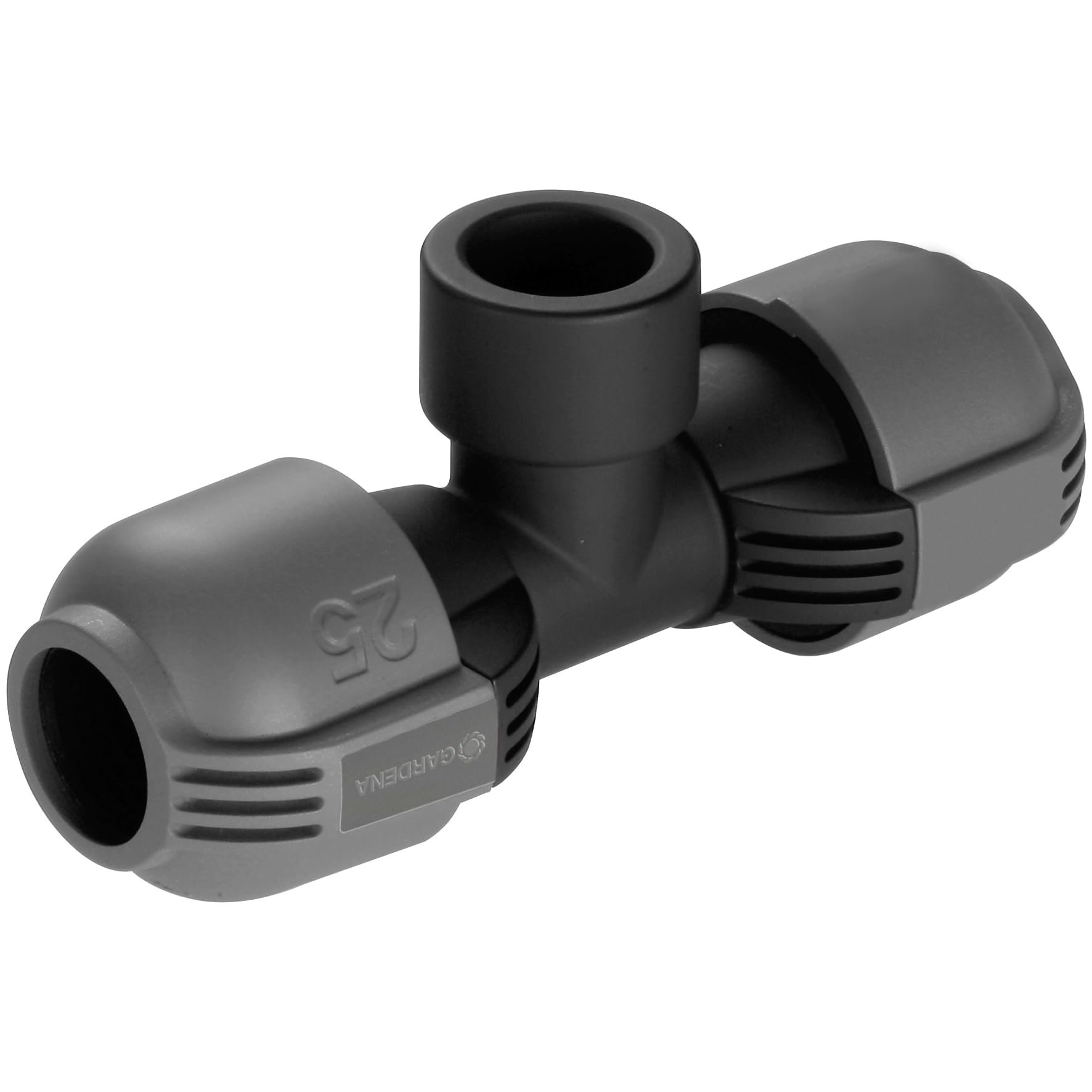
A precise 25mm to 3/4" female T fitting I used to tie a sprinkler into buried pipe runs. It clicks into place and creates a neat in-line branch when installed properly.
Why I picked it: Accurate fit for 25mm systems and clean, low-profile inline connections.
Best for: Adding a sprinkler mid-run on a PVC/pipe irrigation system.
Midrange connector; built for installation permanence.
Pros
- Clean, compact inline connection
- Made in Germany
- Fitted for common 3/4" threads
Cons
- Brittle if over-tightened
- Requires full insertion to seal
- Can be tricky to seat
My take
I used this Gardena T piece to add an in-line sprinkler on a buried 25mm supply line and appreciated how neat the connection looks once seated. The quick connection gives a satisfying click when the pipe is fully home—don’t stop at the first resistance, push a bit further so you actually reach the socket depth.
Two caveats from hands-on use: the plastic feels relatively brittle compared with heavy-duty fittings, so I tightened very gently and avoided thread tape. A small number of units can crack if over-torqued, so I treat this like a precision part rather than a wrench-and-go coupling.
When installed carefully it works exactly as intended: discreet, reliable flow to a pop-up. For any permanent underground run I still prefer quality fittings and cautious assembly; this one performs well when handled that way.
2. Rain Bird 1802AP4 Professional Pop-Up Sprinkler, Adjustable 0-360° Pattern, 3′ – 4′ Spray Distance, 2″ Pop-up Height 2″ Height 3′ – 4′ Adjustable 0 – 360° – Best Small-Area Pop-Up
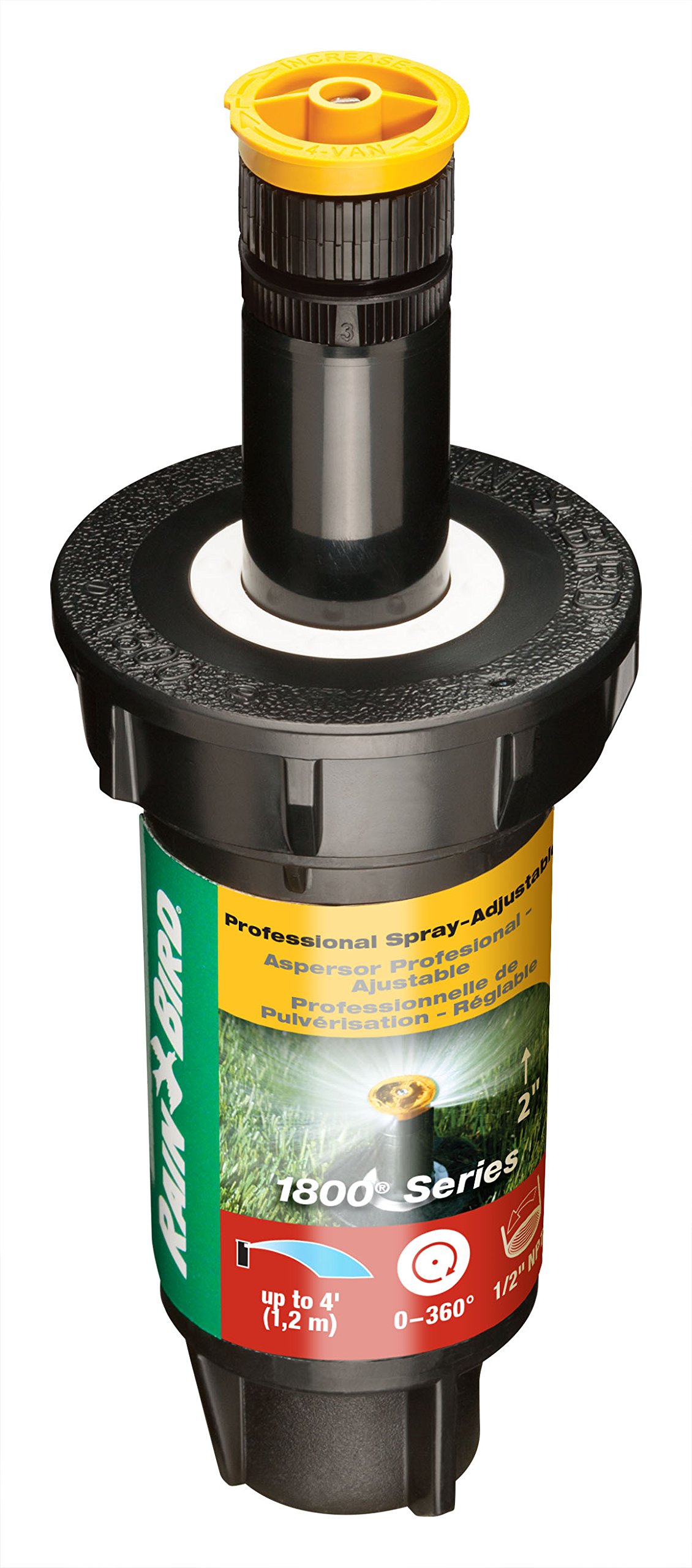
A compact commercial-grade 2" pop-up spray head I installed around walkways and narrow strips of turf. I liked the full 0–360° pattern adjustment and stainless-steel spring for clean retraction.
Why I picked it: Compact 2" pop-up with precise pattern control for odd-shaped areas.
Best for: Narrow beds, sidewalks, and small turf strips needing tight pattern control.
Commercial-grade build; more of an investment than basic plastic spray heads.
Pros
- Adjustable 0–360° pattern
- Stainless-steel spring
- Easy top adjustment
Cons
- Limited spray range (short radius)
- State sale restrictions apply
- Nozzle choices affect setup
My take
I put these Rain Bird 1802AP4 heads into narrow strips and around flowerbeds where overspray was a problem. The textured collar makes it easy to feel and set the left edge of a part-circle pattern, and the adjustment stays put once set.
The heavy-duty spring and co-molded wiper seal give consistent pop-up and retraction even in gritty soil. I also appreciated that everything can be serviced from the top without digging—handy for maintenance days.
One practical note: these are a commercial-grade component and there are state-specific compliance models to be aware of, so double-check the regulated versions for certain jurisdictions. Also, nozzle selection matters for efficiency; I swapped in different nozzles to tailor radius and precipitation rate for each zone.
3. Rain-bird 5000 Series Rotor Sprinkler Head – 5004 PC Model, Adjustable 40-360 Degree Part-Circle, 4 Inch Pop-Up Lawn Sprayer Irrigation System – 25 to 50 Feet Water Spray Distance (Y54007) (2 Pack) – Best Mid-Range Rotor
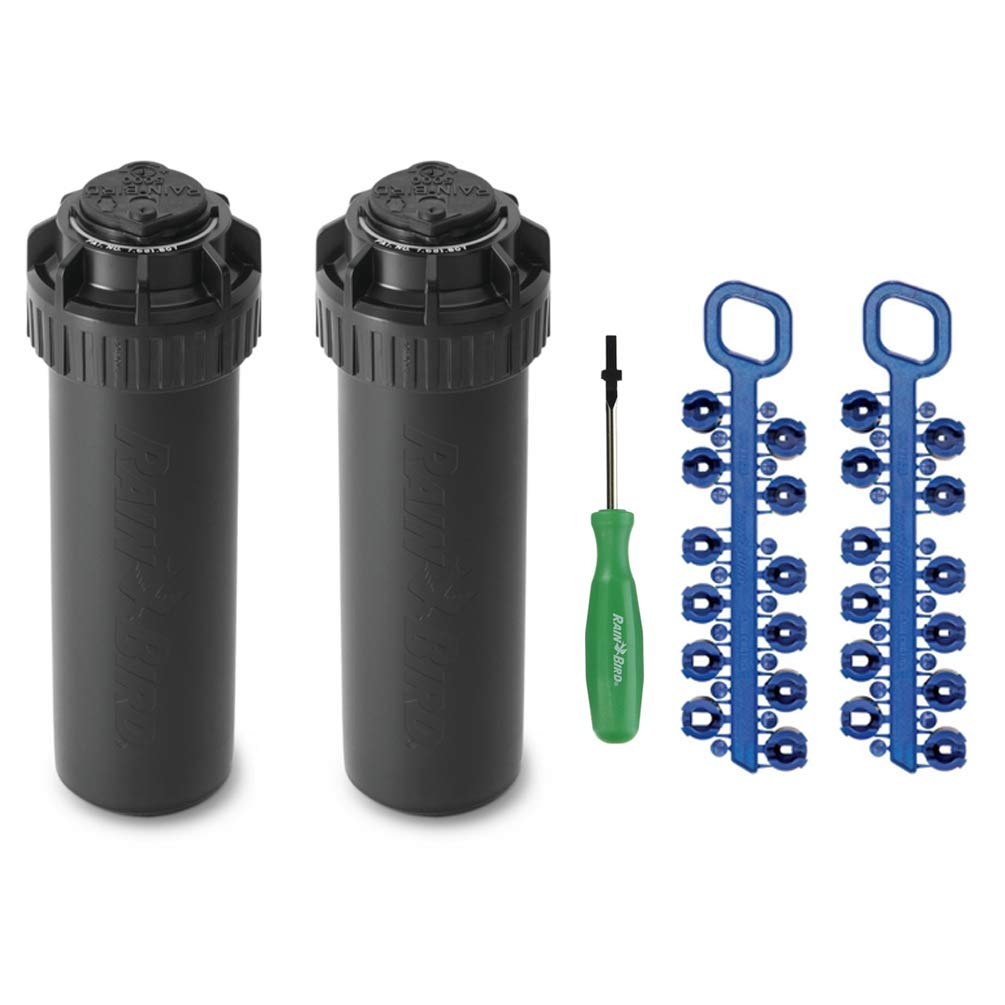
A part-circle rotor with Rain Curtain nozzle tech that I used across medium-to-large lawn zones. It delivers even coverage and allows top-side arc and radius adjustments without disassembly.
Why I picked it: Long radius and even distribution using Rain Curtain nozzle technology.
Best for: Medium to large lawns that need 25–50-foot coverage.
Good value for reach and included nozzle options.
Pros
- Long 25–50 ft reach
- Even rain-curtain spray
- Top-adjustable arc
Cons
- Large footprint in tight beds
- Boxed parts sometimes loose
- Requires correct nozzle choice
My take
I installed these Rain Bird 5000 rotors on a larger turf zone and relied on the Rain Curtain nozzles to keep a uniform coverage that resisted wind better than fine-mist sprays. The result was far fewer dry spots across the radius.
Arc and radius changes are straightforward from the top with a screwdriver, which saved me time during setup. The slip-clutch and self-cleaning arc port helped when grit tried to work its way into the internals.
Packaging was a minor gripe—nozzles and tools arrived jumbled—but performance in the field mattered more. For any zone that needs real reach and predictable coverage, these are solid go-to rotors.
4. Hunter PGP-ADJ 3/4″ Rotor Sprinkler Head, Adjustable 40°-360° Arc, 4″ Pop-Up Gear Drive Lawn Irrigation Head, 22-52 ft Spray Distance, Preinstalled 3.0 GPM Nozzle 1 – Best Pro-Grade Rotor
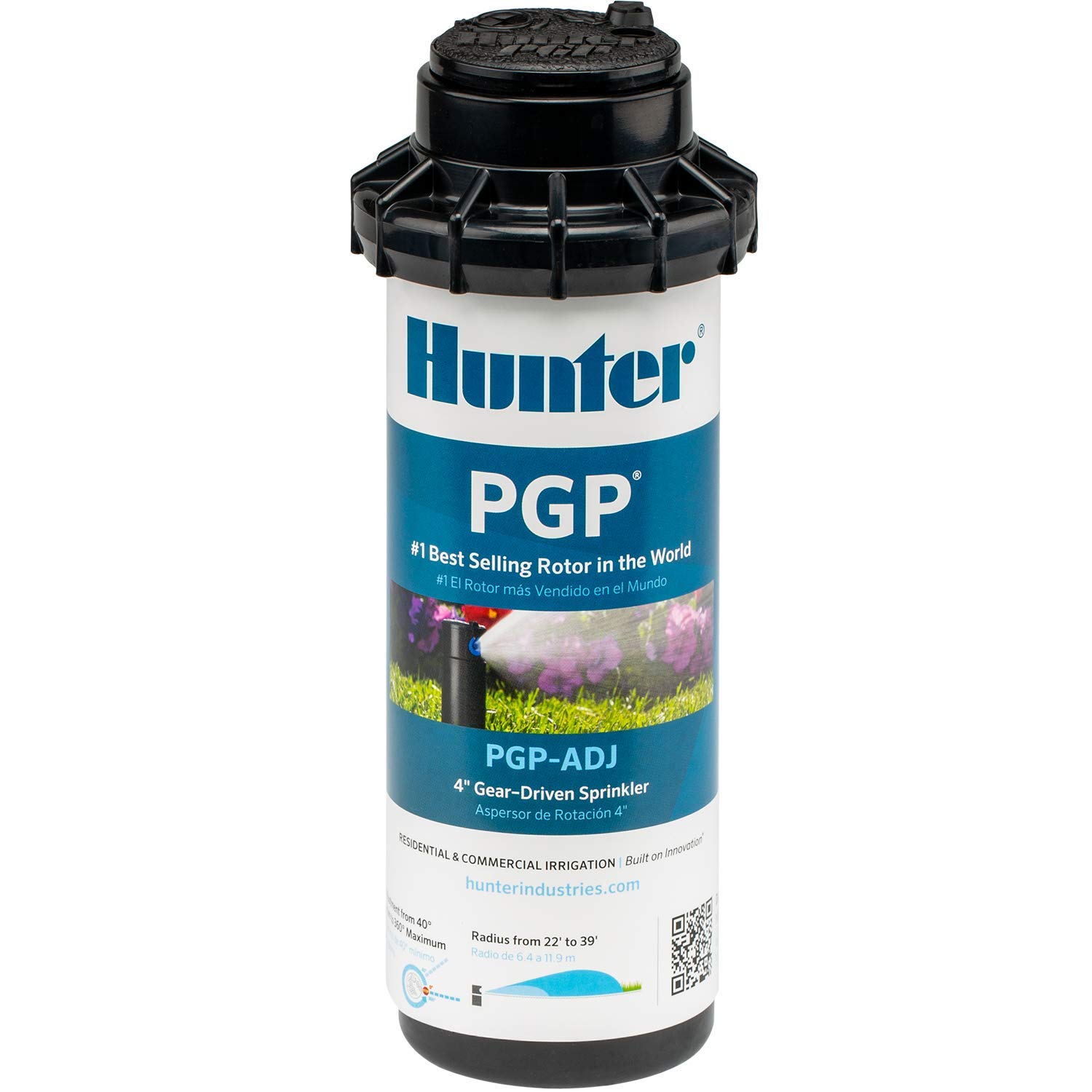
The original gear-driven PGP that I’ve used on long-run zones. It offers quiet, smooth rotation and a wide radius, making it a professional staple for larger landscapes.
Why I picked it: Proven gear-drive reliability and long spray radius for expansive areas.
Best for: Large lawns and commercial-style zones needing 22–52 foot spacing.
Pro-level component; built for longevity and heavy use.
Pros
- Smooth gear-driven rotation
- Long 22–52 ft radius
- Wide operating pressure range
Cons
- Bulky, needs more digging
- Top-heavy replacement can be fiddly
- Heavier footprint in small beds
My take
I rely on the Hunter PGP-ADJ when I need dependable, long-range coverage and quiet operation. The gear-drive produces a steady sweep and resists clogging better than simple impact heads in my experience.
Installation requires a bit more room in the valve box—digging a generous hole around the unit makes future adjustments easier because the exposed diameter is larger than many compact heads. Once installed the unit performs for years.
If you’re swapping one of these in, expect that you may need to clear more soil than with smaller heads. The tradeoff is the robustness and consistent precipitation rate across larger zones.
5. 360 Degree Metal Spot Sprinkler,Small Sprinkler Garden for Small Areas Lawn Sprinklers for Yard Circle Pattern with Gentle Water Flow Garden Watering (1, Yellow) Yellow 1 – Best Small Hose Sprinkler
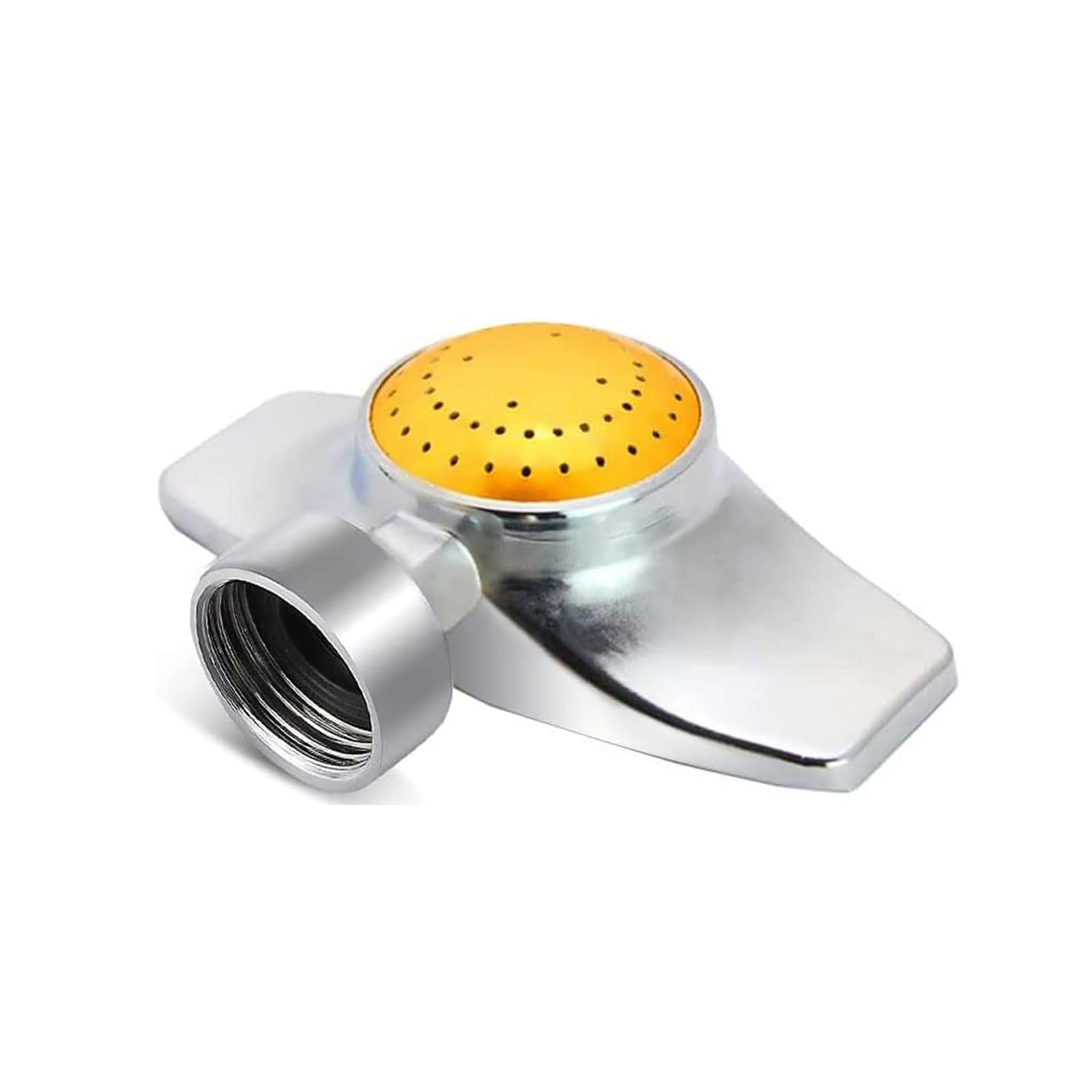
A classic 360° metal sprinkler that screws directly onto a garden hose. I used it to hit small lawns, gardens, and patio beds where I wanted a simple, moveable solution.
Why I picked it: Simple, metal construction for small-area, hose-driven watering.
Best for: Small yards, garden plots, and temporary watering needs.
Very affordable; great for short-term or spot watering.
Pros
- Simple screw-on hose fit
- Durable metal build
- Adjustable range via pressure
Cons
- Lightweight—may need anchoring
- Coverage depends on hose pressure
- Not for large lawns
My take
When I need a quick, moveable sprinkler for a small lawn or garden I reach for this metal 360° head. It screws straight onto the hose and responds predictably to pressure adjustments—turn down the spigot and it soaks a close-in area, open it up for longer reach.
Build quality surprised me for a low-cost piece: the metal body feels more durable than plastic counterparts, though I sometimes anchor the unit on softer ground so it doesn’t bounce around under higher pressure.
For anyone who wants a no-fuss solution for small areas, this classic sprinkler delivers exactly what it promises: simple, reliable circular coverage.
6. Gilmour Metal Bubbler Sprinkler, Garden Spot Sprinkler for Small Areas, Aluminum Diffuser Flood Nozzle for Delicate Watering – Best Bubbler for Trees
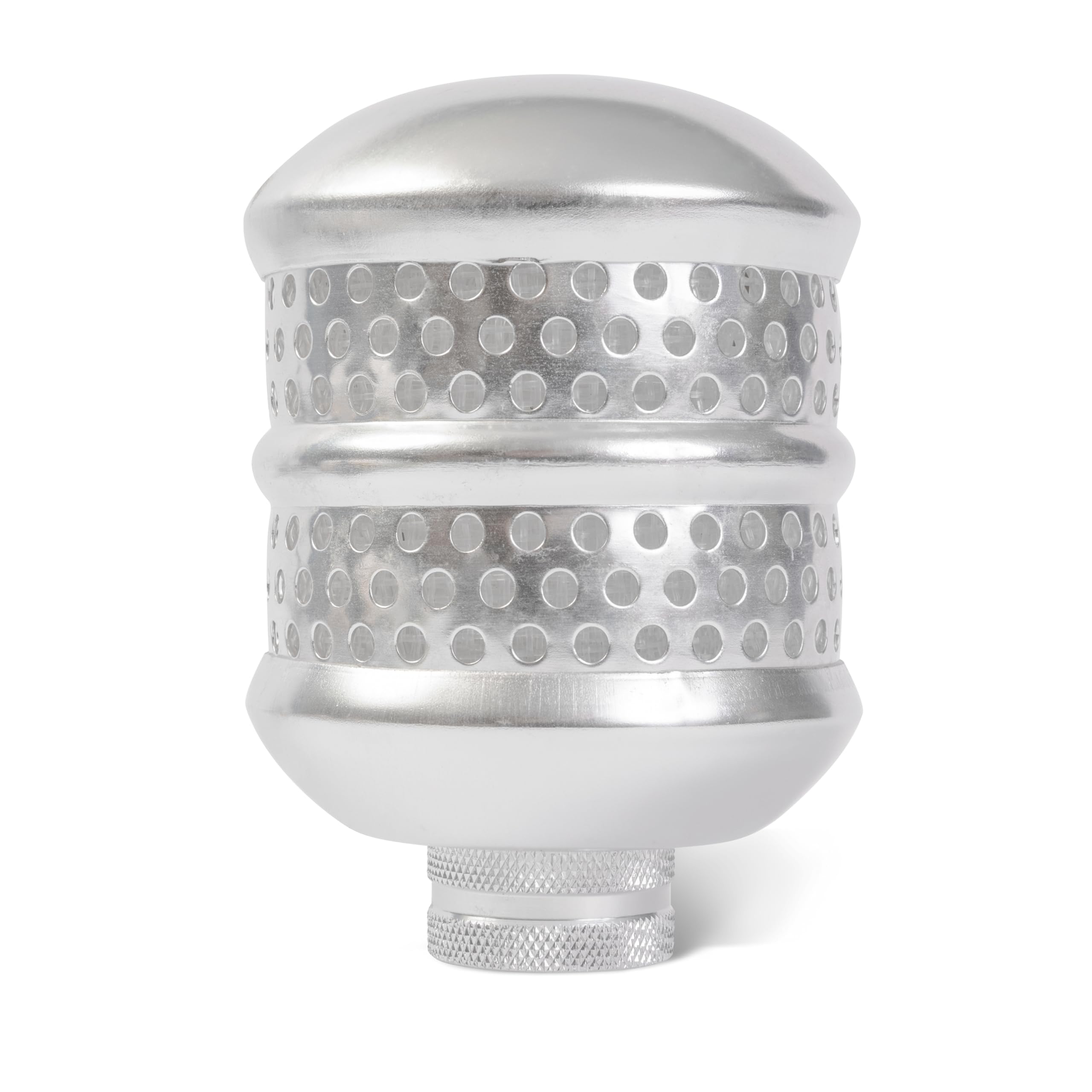
A low-pressure aluminum bubbler I use for deep, localized watering of trees, shrubs, and new plantings. It delivers water straight into the root zone with minimal splash.
Why I picked it: Concentrated, low-pressure flow ideal for deep root watering.
Best for: New trees, shrubs, and garden beds needing slow, deep watering.
Inexpensive and purpose-built for spot watering.
Pros
- Gentle, deep watering
- Solid aluminum construction
- Prevents surface erosion
Cons
- Short female coupling can spin
- Aluminum-to-brass threads may corrode
- Not for wide-area coverage
My take
For planting beds and young trees I prefer a bubbler because it puts water where roots need it most. This Gilmour unit gives a soft, bubbling flow that soaks in without washing mulch away, and I use it under trees during dry spells to encourage deep root growth.
Installation is straightforward on a standard hose or quick-connect fitting, and the diffuser keeps the hose from flailing under pressure. In my experience the fitting that threads onto the hose can be short and tends to spin if you try to turn the whole unit—I grab the small collar to unscrew it.
One practical point: metal-on-metal threads will eventually show corrosion if left connected to brass fittings in wet conditions. I remove and store the bubbler in winter to prolong life, but for targeted, efficient watering during the season this remains my go-to tool.
How I Choose Sprinklers and Parts
Match head type to the job
I always start by asking what I need the head to do. Pop-up spray heads are best for small, tight areas and walkways. Rotors are the choice for broader lawn coverage where you want fewer heads per zone. Spot sprinklers and bubblers are for targeted, low-pressure soaking.
- Spray heads: precise pattern control, short radius.
- Rotors: long reach, lower precipitation rate, efficient for large turf.
- Bubblers/spot: deep root watering, tree/shrub care.
Consider pressure and nozzle selection
I check the operating pressure of the zone before picking a head. Nozzles change radius and precipitation rate dramatically, so I carry spare nozzles and a small adjuster tool when I’m setting up a system.
- Work within the head’s recommended pressure range.
- Use radius-reduction screws when you need fine tuning.
- Swap nozzles for efficient coverage rather than overwatering.
Material and durability matter
I choose heavy-duty springs and co-molded seals for pop-ups in gritty sites. For fittings, I treat plastic connectors carefully—insert fully but avoid over-tightening, and store metal bubblers over winter to prevent corrosion.
- Stainless springs and sealed wipers resist grit.
- Treat precision plastic fittings gently during installation.
- Remove or winterize metal components to reduce corrosion.
Practical installation tips
I dig a slightly larger access hole when installing larger rotors to make service easier later. For inline fittings, I push pipe past the initial stop so I know it’s fully engaged. And I always test each head and adjust the arc before burying sod.
- Leave room around rotor bodies for adjustments.
- Confirm pipe insertion depth in push-fit connectors.
- Set and test arcs from the top before finishing.
Frequently Asked Questions
How do I pick between a rotor and a spray head?
I pick rotors for larger lawns because they cover farther with a lower precipitation rate. Spray heads work better for small, irregular areas where precise pattern control prevents overspray.
Are metal bubblers worth the extra care?
Yes. I use metal bubblers for deep, localized watering because they reduce runoff and encourage root growth. I remove them seasonally to avoid thread corrosion.
What’s the simplest way to avoid leaks with push-fit fittings?
I make sure the pipe is pushed fully into the socket until I feel a click, then advance a couple of centimeters more. I avoid heavy thread tape on these fittings and tighten gently—over-torquing is the main cause of cracks.
Final Take
I kept the roundup practical: use pop-ups for tight spaces, rotors for broad turf, bubblers for trees, and a careful connector for buried runs.
If you want one recommendation to start with, choose the head type that matches your zone’s size and pressure, then dial in nozzles and arc settings—those setup choices matter more than brand alone.
With the pieces above I’ve built and maintained reliable systems across yards of different sizes, and these are the tools I reach for when I want consistent, efficient results.
