
I tested popular sushi nori packs to find the best sheets for rolling, kimbap, musubi, and snackable seaweed—focusing on roast, texture, packaging, and freshness.
I spent time cooking with a range of sushi nori—from single small packs to 100-sheet bulk bags—so I could recommend the right sheet for different uses. My testing focused on texture (snap vs. chew), structural integrity when rolling, roast level, sheet size, and how well the packaging preserved freshness.
If you make sushi, kimbap, Spam musubi, or just want a reliable snack, I explain which nori I keep in my pantry and why. I also walk through how I store sheets and what I look for when choosing organic or bulk packs.
I compared sheet size, roast method, packaging (resealable or not), organic certification, and value-per-sheet to select winners for different needs.
1. Daechun Roasted Seaweed (50 sheets) – Best Overall
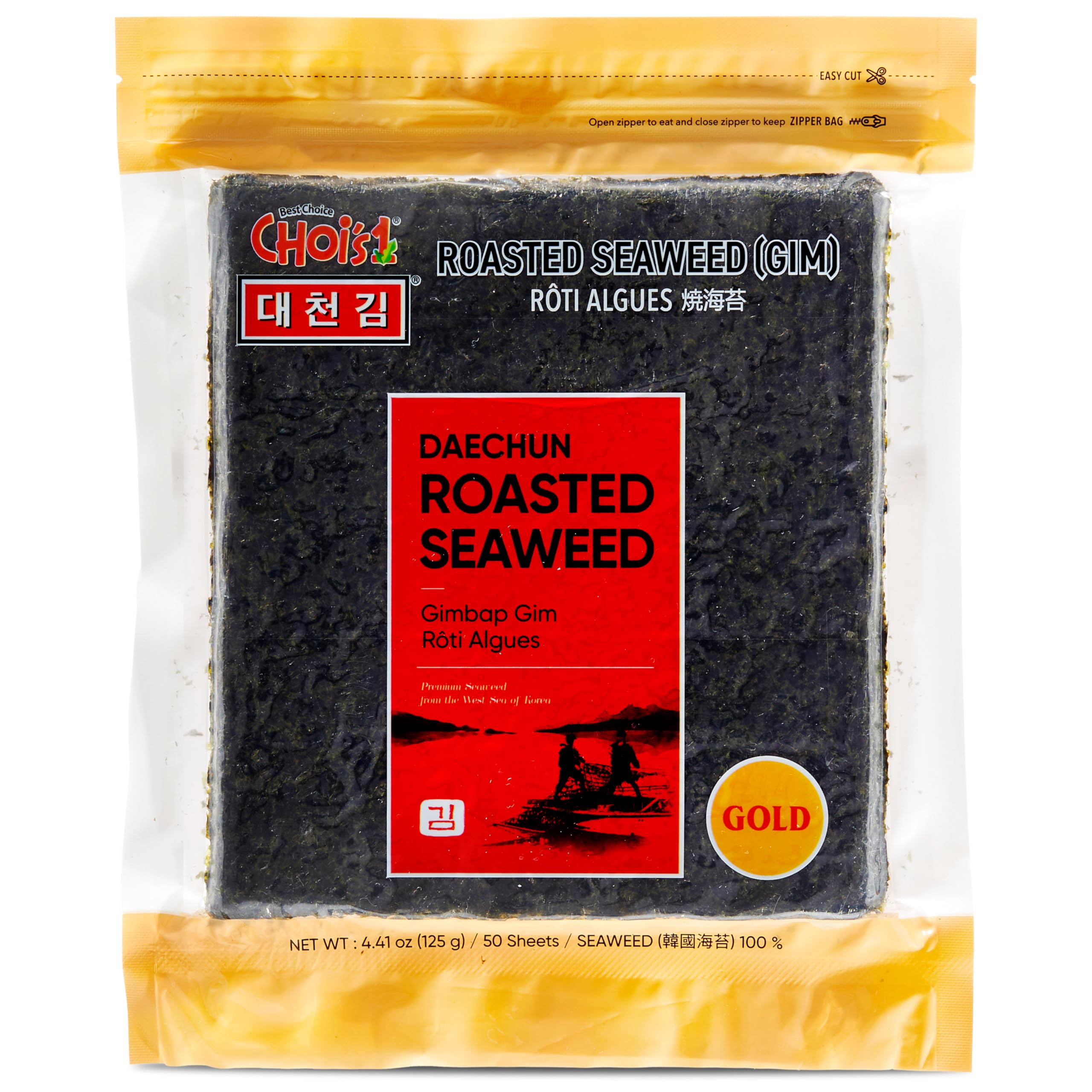
A reliable mid-size pack with a pronounced umami roast, resealable packaging, and enough sheets for repeated sushi nights.
Why I picked it: Consistent double-roast flavor and resealable bag that keeps sheets crisp.
Best for: Family sushi nights, kimbap, and regular home use.
Mid-range value for a 50-sheet pack.
Pros
- Double-roasted for extra umami
- Resealable bag with desiccant
- Good quantity for repeated use
Cons
- Sheets slightly smaller than average
- Some brittleness on handling
My take
I reach for this Daechun pack when I want restaurant-style roasted flavor without hunting for specialty shops. The sheets show a deep, dark sheen and a clear roasted aroma straight from the bag.
Because these sheets are roasted twice they have a satisfying crispness that still seals to rice cleanly. I found rolling large futomaki and thin kimbap equally straightforward; a couple of sheets were fragile, but most handled dense fillings without tearing.
The resealable bag and included desiccant made a big difference in keeping the leftover sheets crunchy across multiple meals. For regular sushi nights I like the balance of flavor, quantity, and packaging.
2. ONE ORGANIC Roasted Seaweed (50 sheets) – Best Organic Value
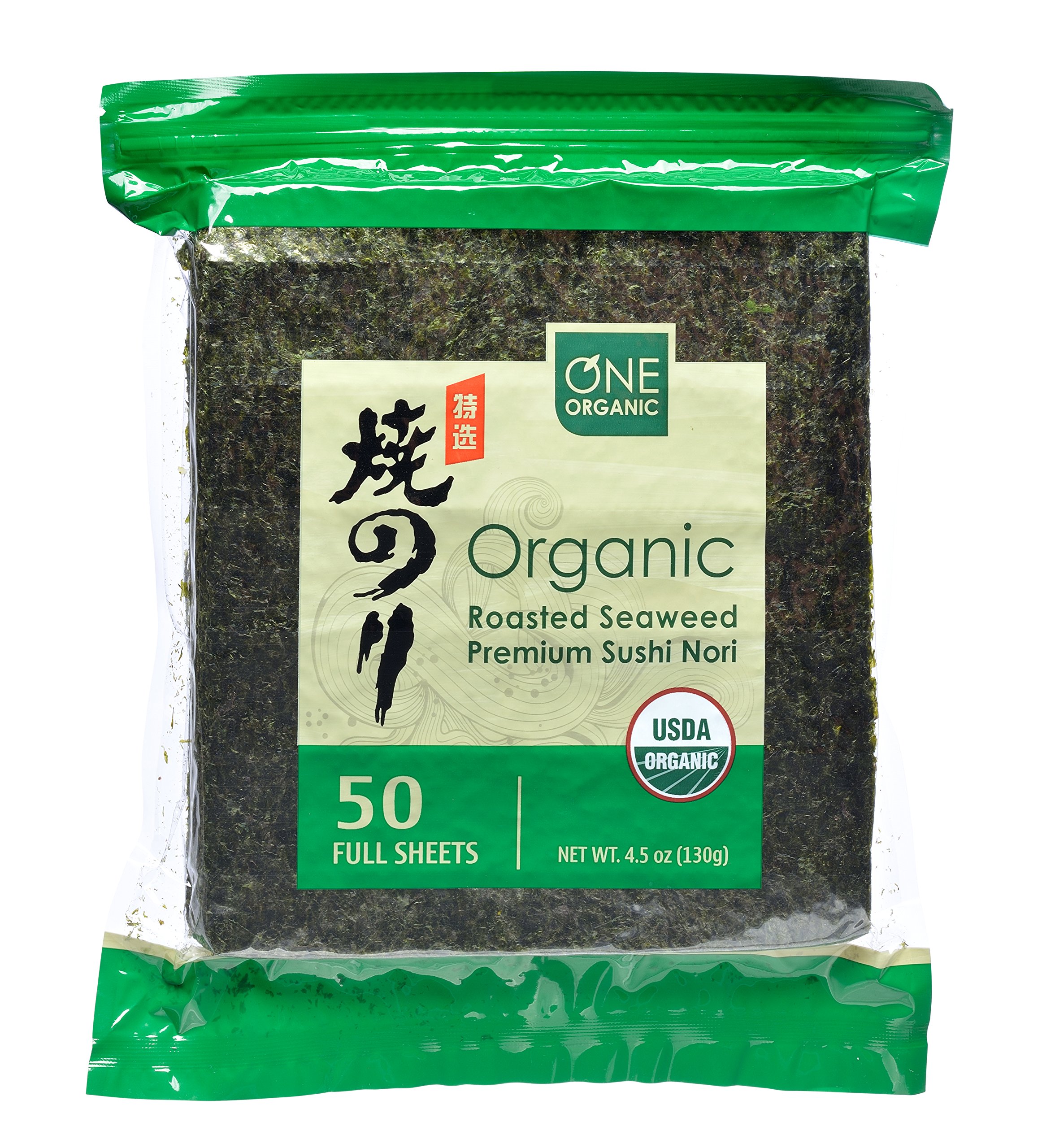
USDA Organic full-size sheets in a party pack that deliver clean, roasted flavor and good shelf protection.
Why I picked it: USDA Organic certification with consistent, crisp sheets at a good quantity.
Best for: Organic shoppers and those who want a pantry staple for sushi and snacks.
Party-pack value for organic nori.
Pros
- USDA Organic certified
- Crisp, clean roasted flavor
- Full-size sheets for rolling
Cons
- Occasionally thinner than premium grades
- Some batches vary in texture
My take
I like these ONE ORGANIC sheets when I want certified organic nori without overpaying. The roast is clean and not overly salty, which makes them versatile for both rolls and rice-based snacks.
The sheets hold together well while rolling and taste fresh right out of the bag. Packaging protects the nori and keeps it usable over several sessions, so this is the pack I buy when I want organic and reliable performance.
3. Kimnori Organic Roasted Nori (10 sheets) – Best for Freshness
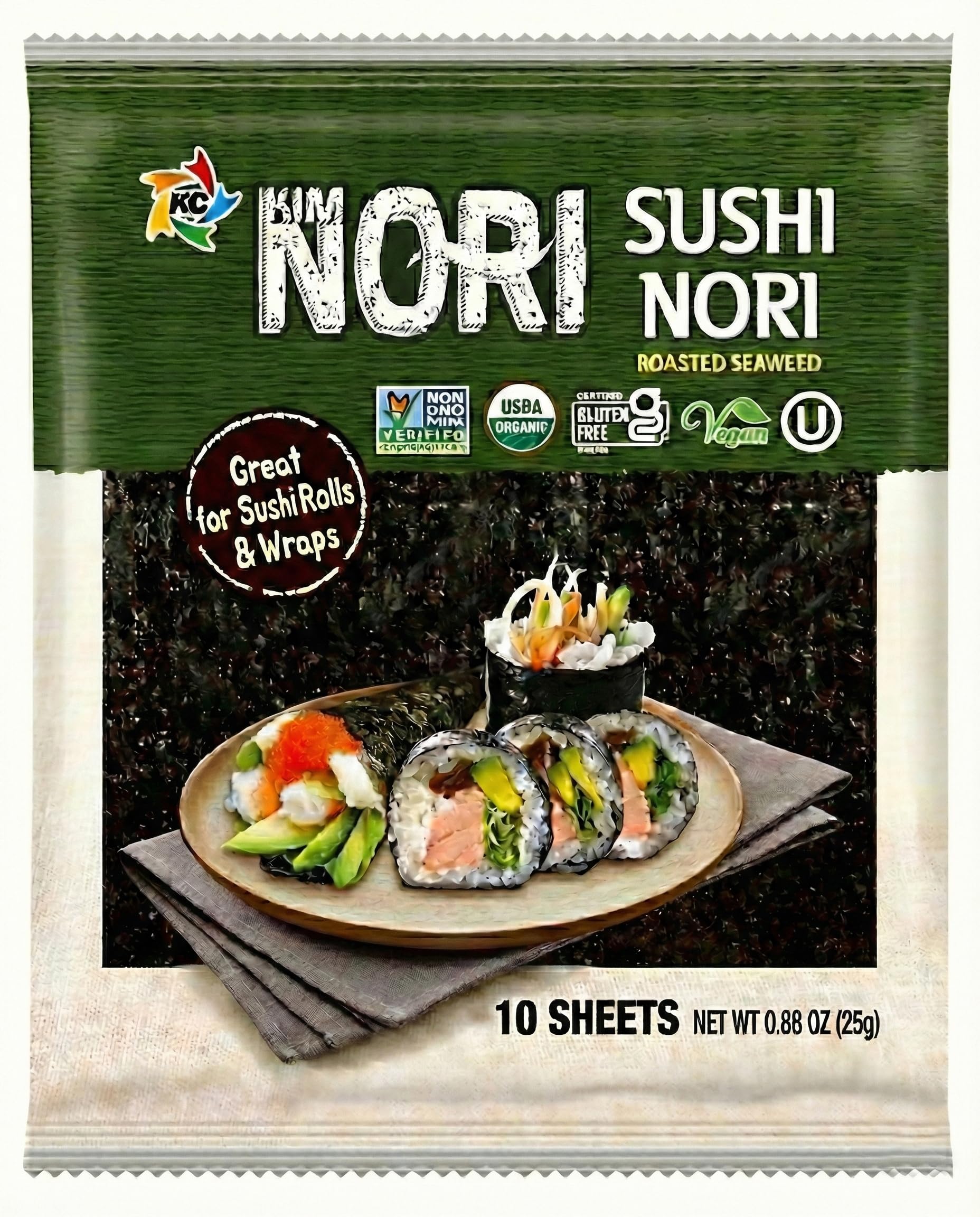
California-roasted, small pack designed to preserve aroma and the ‘snap’ of freshly roasted nori.
Why I picked it: Locally roasted to preserve aroma and crispness for peak freshness.
Best for: Single-family sushi sessions and anyone wanting the freshest sheets.
Smaller pack, premium fresh roast.
Pros
- California-roasted for freshness
- 100% organic ingredient label
- Thick enough to hold fillings
Cons
- Smaller pack size
- Occasional speckled holes
My take
I was impressed by how fresh these Kimnori sheets smelled and felt. Because they’re roasted and packed locally, the first sheet still had that delicate snap and aroma that can fade during long overseas transit.
Construction is sturdy—most sheets rolled without cracking and they handled dense fillings well. I did see the occasional small hole or a sheet with a cracked edge, but overall they performed like a professional-grade sheet in a compact pack.
I keep these on hand for evenings when I want the freshest flavor and a compact quantity that won’t stale between uses.
4. Gimme Seaweed Organic Nori (9 sheets) – Best Snack & Everyday Use
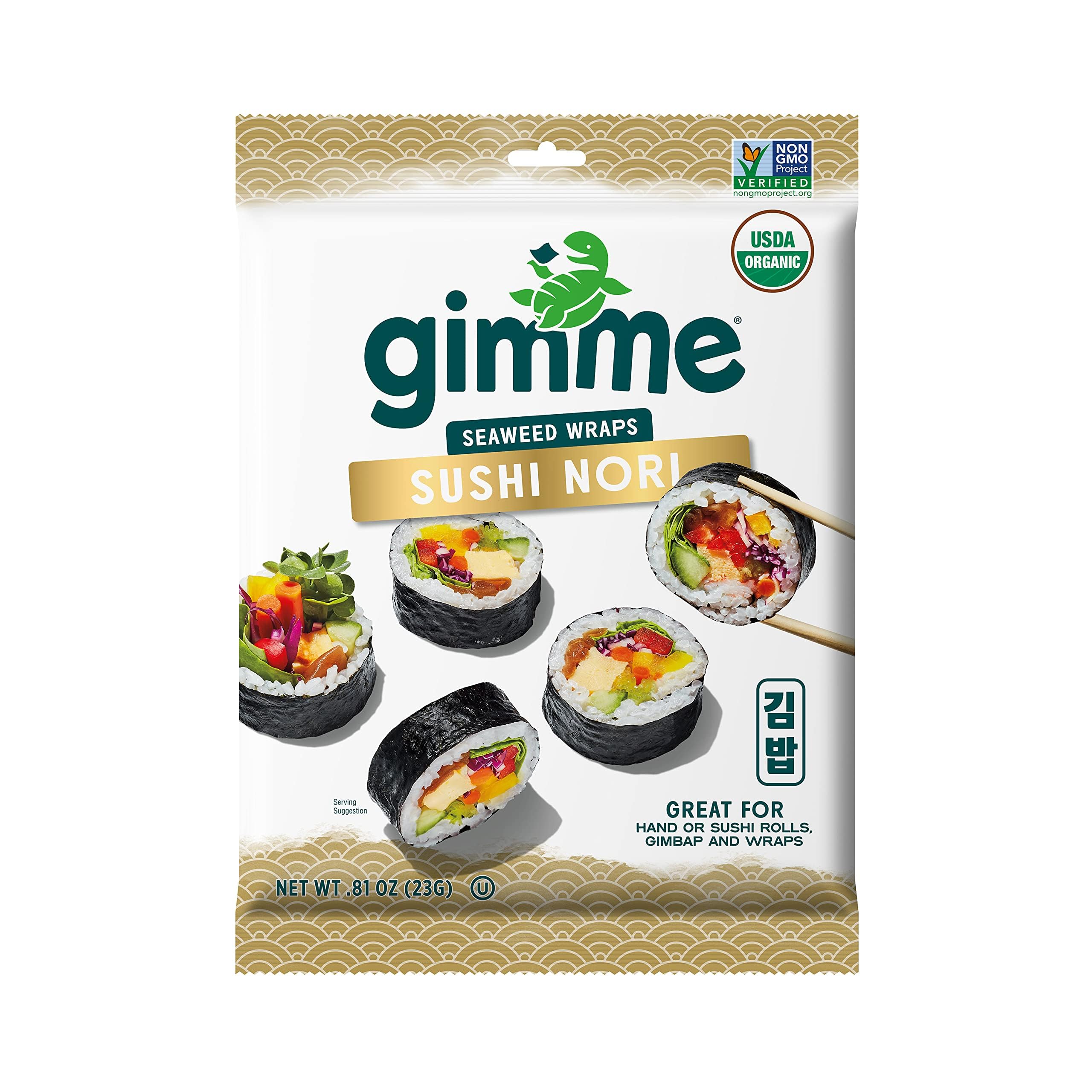
A small, snack-friendly organic pack with thicker sheets and a light roasted taste—great for quick wraps and snacking.
Why I picked it: Snackable, organic sheets with pleasant flavor and sustainable sourcing.
Best for: Quick snacks, small households, and lunchbox additions.
Small, snack-oriented pack—economical for occasional use.
Pros
- USDA Organic and Non-GMO
- Snack-friendly flavor
- Sustainably sourced
Cons
- Only a few sheets per pack
- Can break if stored poorly
My take
I reach for Gimme when I want a quick, healthy snack or a light hand roll. The sheets are slightly thicker by weight and have a mild, roasted flavor that pairs well with avocado or plain rice.
Because the pack is small, it’s easy to keep it sealed and fresh between uses. I’ve used these as crunchy toppings, quick wraps, and straight-out-of-the-bag snacks when I want something simple and organic.
5. Daechun Organic Roasted Seaweed (50 sheets) – Best Premium Organic
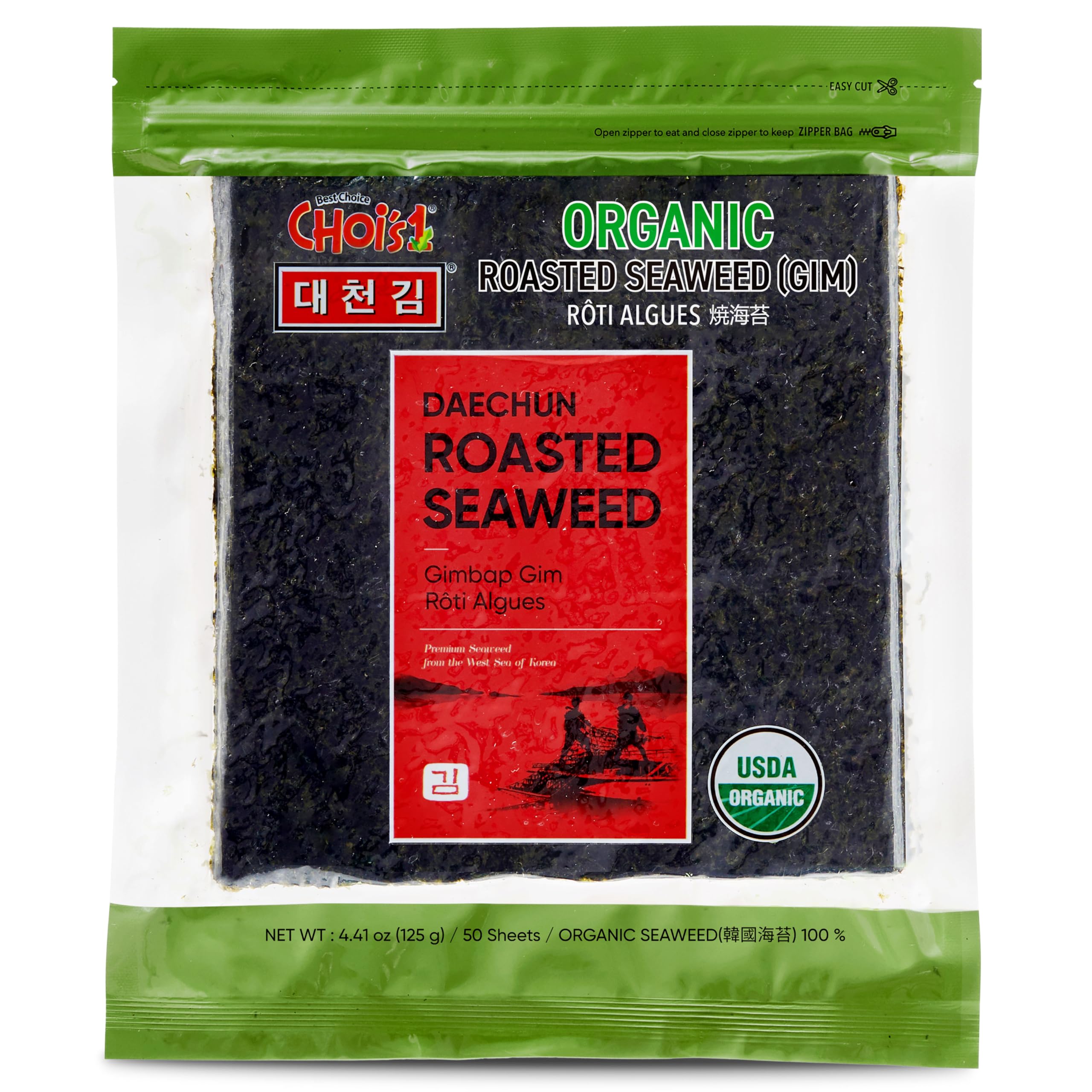
An organic variant of a restaurant-style sheet with sturdy construction and a neutral roasted flavor profile.
Why I picked it: Organic certification combined with robust sheets that hold up to heavy rolling.
Best for: Buyers who want organic bulk for sushi and savory recipes.
Slightly higher cost for organic and Gold Grade labeling.
Pros
- Organic Gold Grade labeling
- Sturdy construction for big rolls
- Good for shredding and seasoning
Cons
- Flavor can be milder than some expect
- Slightly higher cost
My take
This organic Daechun pack delivers the same sturdy construction I like in the non-organic version but with the peace of mind of an organic label. Sheets are robust and work well when I make large rolls or shred them into seasoning mixes.
Flavor is pleasant but a touch milder than some darker-roasted sheets—useful when you want nori to support fillings rather than dominate them. I also find these sheets reliable for repeat use across multiple meals thanks to the resealable packaging.
6. 100-Sheet Roasted Nori (Bulk) – Best Bulk Pack
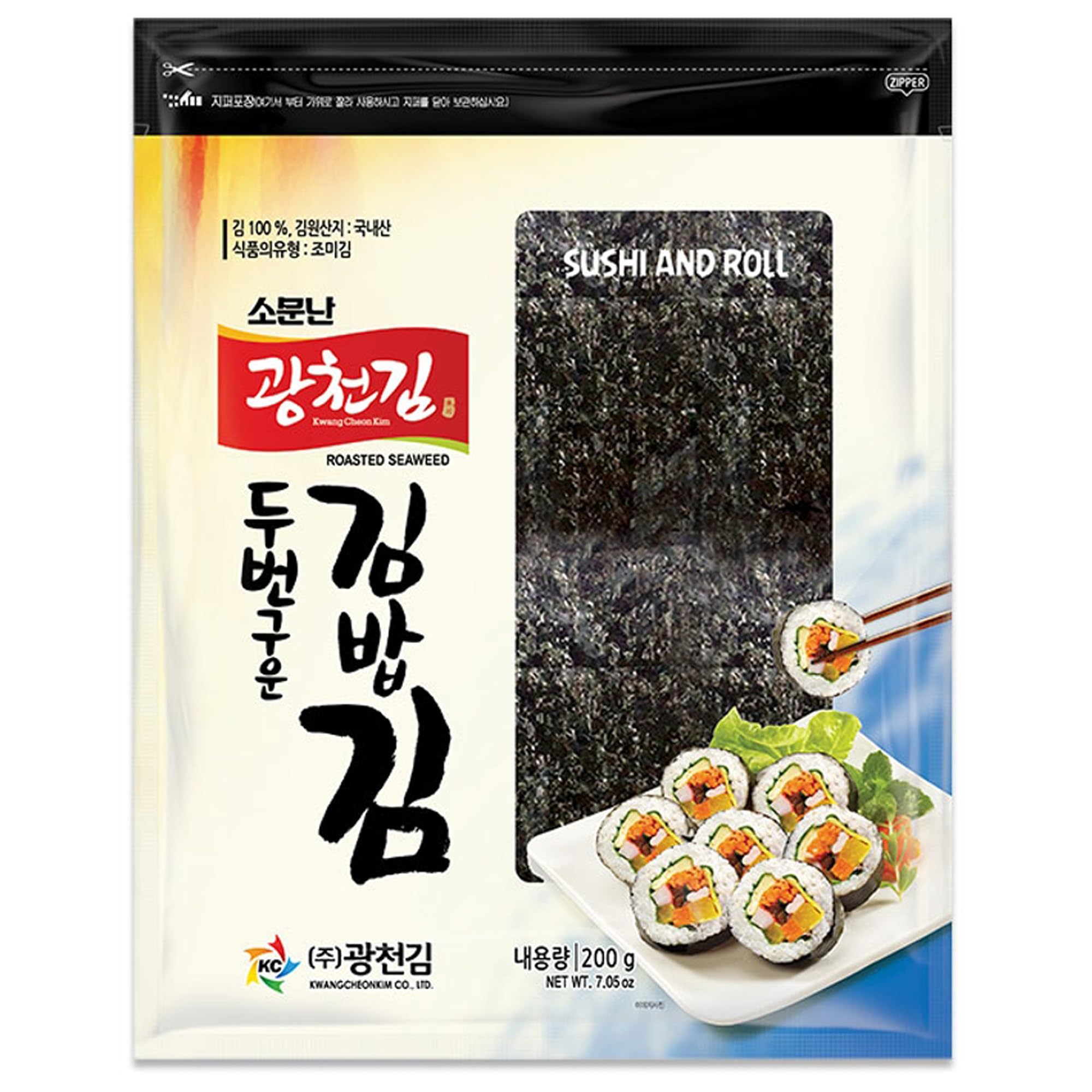
A true bulk value with twice-roasted sheets and a heavy-duty resealable bag that keeps a large supply fresh.
Why I picked it: Massive sheet count with moisture-proof reseal for heavy users.
Best for: Large households, parties, and weekly meal prep.
Best value-per-sheet for frequent sushi makers.
Pros
- Large 100-sheet supply
- Double-roasted texture
- Heavy-duty resealable bag
Cons
- Some sheets show small holes
- Quality can vary sheet-to-sheet
My take
When I need a long-lasting supply for weekly kimbap or party sushi, this 100-sheet bag is my go-to. The double-roast gives most sheets a crunchy-but-flexible texture that handles tight rolls.
Because it’s a bulk pack, I did encounter the occasional sheet with small holes or thinner areas. For routine home cooks who want quantity and decent performance, though, the resealable heavy-duty bag preserves the last sheets as well as the first.
7. Kimnori Half-Cut Nori (100 half-sheets) – Best Half-Sheets
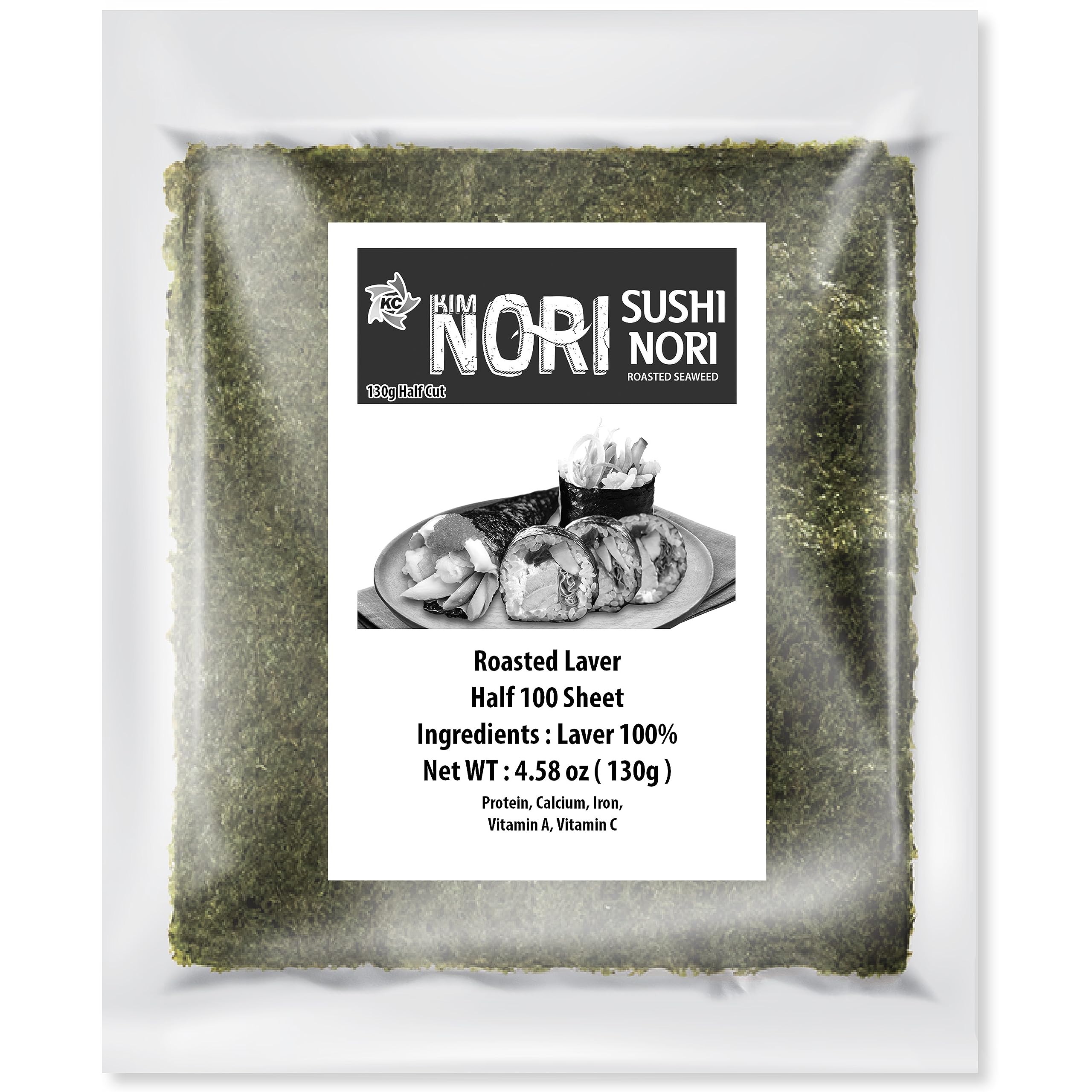
Pre-cut half sheets that save prep time and work well for hand rolls, musubi, and kid-friendly portions.
Why I picked it: Convenience of half-cuts and a resealable bag for easy portioning.
Best for: Temaki, Spam musubi, kids, and small wraps.
Economical option for frequent smaller rolls.
Pros
- Pre-cut half-sheets
- Resealable bag preserves freshness
- Good for hand rolls
Cons
- Tears more easily than full sheets
- Less versatile for large rolls
My take
These Kimnori half-cuts are ideal when I want to skip trimming full sheets for hand rolls or musubi. They save time and reduce waste—especially for kids’ lunches.
The sheets are flavorful and slightly less salty than snack-style seaweed, which I appreciate when adding to soups or rice bowls. They can tear more easily than some full sheets, so I reserve them for smaller applications where convenience matters most.
How I Choose Sushi Nori
Sheet Size & Cut
I decide between full sheets and half-sheets based on the rolls I make. Full sheets are best for futomaki and large kimbap; half-sheets are perfect for hand rolls and musubi.
If I’m feeding a crowd or prepping weekly meals, I favor bulk packs to avoid frequent repurchases.
- Full sheets: best for large rolls and presentation
- Half-sheets: ideal for hand rolls and kids
- Bulk packs: economical for frequent use
Roast Level & Texture
I look for a roast that balances crispness with flexibility. Double-roasted sheets often keep their structure when they meet warm rice.
A clear aroma and slight sheen usually mean the sheet was roasted properly and will taste more savory.
- Light roast: milder flavor, melts into fillings
- Double roast: crisp snap and structural integrity
- Avoid overly brittle sheets if you roll thick fillings
Packaging & Freshness
Resealable packaging and desiccant sachets are non-negotiable for me. I store opened packs in a cool, dry place and sometimes in the fridge for extended life.
Smaller packs that are consumed quickly often taste fresher than a large bulk pack that sits unsealed.
- Resealable bag prevents sogginess
- Desiccant extends crunch between uses
- Use smaller packs if you rarely make sushi
Organic vs Conventional
I choose organic when I want certified sourcing and fewer production variables. Organic packs tend to be slightly pricier but give me confidence about origin and processing.
Conventional sheets can still be excellent—look at roast and packaging first.
- Organic: certification and cleaner ingredient lists
- Conventional: often better value-per-sheet
- Prioritize freshness and packaging over label alone
Storage Tips I Use
After opening, I reseal the original bag and add a fresh desiccant or transfer sheets to an airtight container.
For long-term storage I keep unopened packs in a cool cupboard; for maximum shelf life, refrigeration works well.
- Reseal and keep away from humidity
- Use airtight containers for long-term storage
- Refrigerate opened packs to extend crispness
Frequently Asked Questions
How should I store nori after opening?
I reseal the original bag, add a desiccant if available, and keep the pack in a cool, dry place. For long-term storage I transfer sheets to an airtight container and refrigerate to maintain the crisp snap.
What’s the advantage of double-roasted nori?
Double-roasted sheets tend to have more structural integrity and a pronounced umami roast. I find they resist tearing when wrapping thick fillings and provide a satisfying snap when eaten.
Can I use sushi nori for keto or vegan wraps?
Yes. I use nori as a zero- or low-carb wrap alternative for keto sandwiches and vegan wraps—just substitute rice with thin fillings or cauliflower rice for a low-carb option.
Final Take
I choose nori by matching the pack to the job: Kimnori for peak freshness, Daechun for consistent restaurant-style rolls, and the bulk 100-pack for heavy use. Gimme and half-sheets fill snack and convenience roles in my kitchen.
Decide whether you value freshness, organic certification, or sheet count most, and pick the winner above that aligns with how you cook. I keep at least two types on hand so I’m ready for both sushi nights and quick snacks.
