
I tested cushioned pads and clear PVC protectors so you can preserve your table surfaces, prevent spills, and still show off the wood or tablecloth underneath.
I rely on table pads and clear protectors when I want to protect furniture without sacrificing style. Over time I’ve tried quilted flannel-backed pads for heat and scratch resistance and a range of clear PVC toppers for everyday spills and craft work.
In this roundup I compare cushioned, quilted pads and several clear vinyl options so you can match protection to your needs — whether that’s safeguarding an heirloom dining table, keeping a desk tidy during crafts, or adding a wipeable layer on a workbench.
I grouped options into cushioned protection for heat and impact, thin clear toppers for everyday spills, and heavy-duty vinyl for workshop or high-traffic tables so you can choose by use rather than brand.
1. Yourtablecloth Deluxe Cushioned Table Pad – Best Cushioned Protection
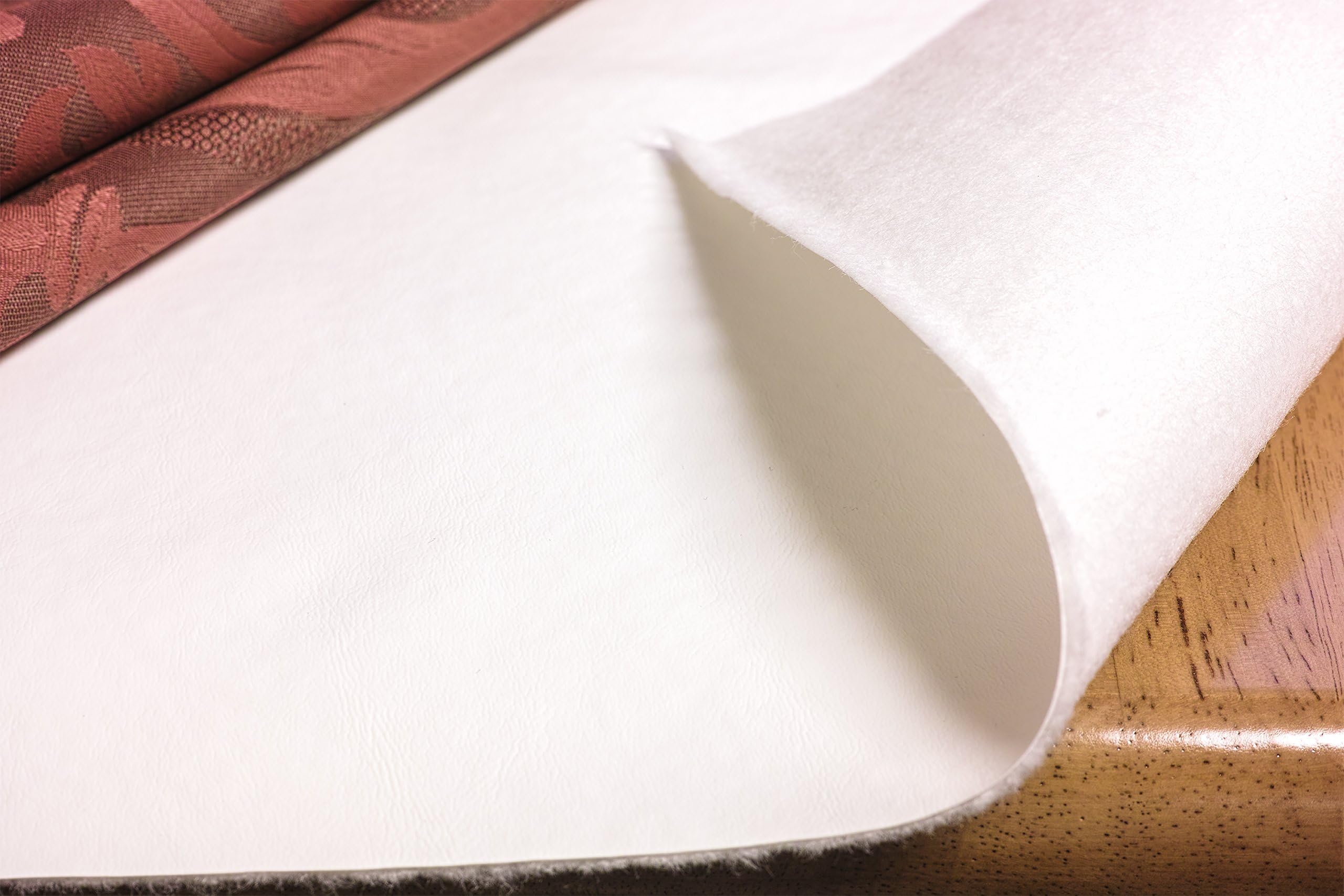
Quilted vinyl top with flannel backing for cushioning, heat and liquid resistance.
Why I picked it: I picked this when I needed a real cushion between hot pans and wood; the flannel backing and embossed vinyl top strike a good balance of protection and ease of cleaning.
Best for: Dining tables that need heat resistance and a soft barrier under a tablecloth.
An affordable option for people who want a padded, heavy-duty layer under a cloth.
Pros
- Thick, quilted cushioning
- Flannel backing protects finish
- Liquid-proof embossed vinyl top
- Trimmable to fit odd shapes
- Folds for compact storage
Cons
- Can arrive with shipping creases
- Not breathable under long exposure to heat
My take
I use this quilted pad when I want a reassuring layer between hot dishes and a wooden surface. The embossed vinyl top beads spills, so wiping is quick, and the extra-thick polyester/flannel backing gives a soft, scratch-free contact with the tabletop.
On a practical level it irons out well if you take off the deep folds and use medium steam with the flannel side up. I trimmed it to fit an elongated table and the edges look neat when tucked under a tablecloth. For really hot pots I still place a trivet on top, but this pad handles everyday serving temperatures without warping.
Storage and handling are simple: it folds compactly, and I haven’t noticed persistent chemical odors after unpacking. Overall, it’s the pad I turn to when I want protection that won’t add bulk under a decorative cloth.
2. BigHala Clear PVC Table Protector – Best Clear Value Protector
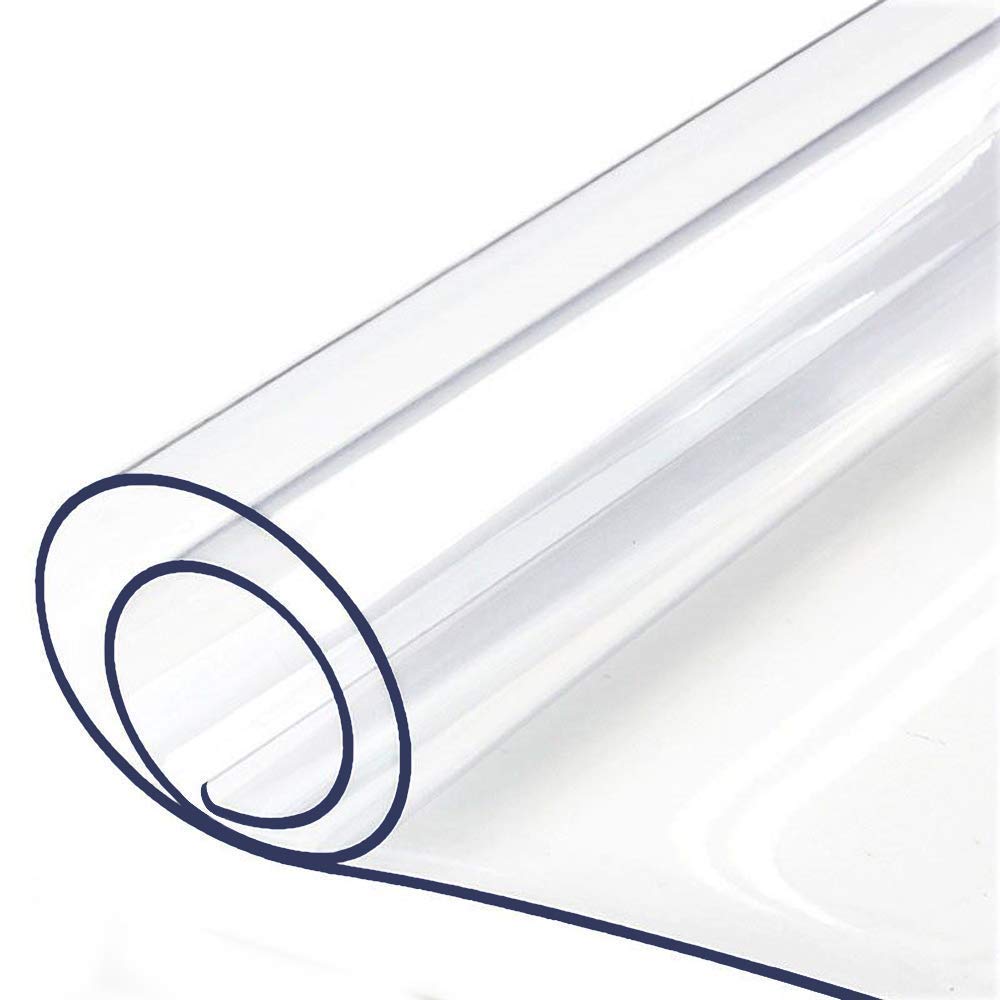
1.5mm clear PVC vinyl that's thick, heat resistant, and easy to wipe clean.
Why I picked it: I reached for this when I needed a heavy, clear layer that stays put and shows the wood beneath while resisting spills and scratches.
Best for: Everyday dining tables, office desks, and surfaces where visibility of the finish matters.
A budget-friendly clear protector with heavy-duty feel.
Pros
- 1.5mm heavy-duty vinyl
- Heat resistant up to 176°F
- Wipeable and washable
- Non-slip design
- Easy to trim
Cons
- May need heat to flatten
- Can be slightly reflective
My take
This clear PVC sheet is the one I use when I want a robust, transparent barrier. The 1.5mm thickness gives it a substantial feel that lays flat once I follow a few simple tricks — a hair dryer or reverse-roll placement speeds out any curl.
I tested it on a wooden dining surface and appreciated how it protects against scuffs and spills without hiding the grain. It’s easy to cut cleanly with scissors when I need a custom fit, and daily cleanup is as simple as a damp cloth.
If you plan to expose it to direct sun or very high heat, I recommend leaving a small buffer or a hot pad for very hot cookware, but for normal meals and work sessions it’s been a dependable, economical choice.
3. Transparent Desk Blotter PVC Mat – Best Small Desk Blotter
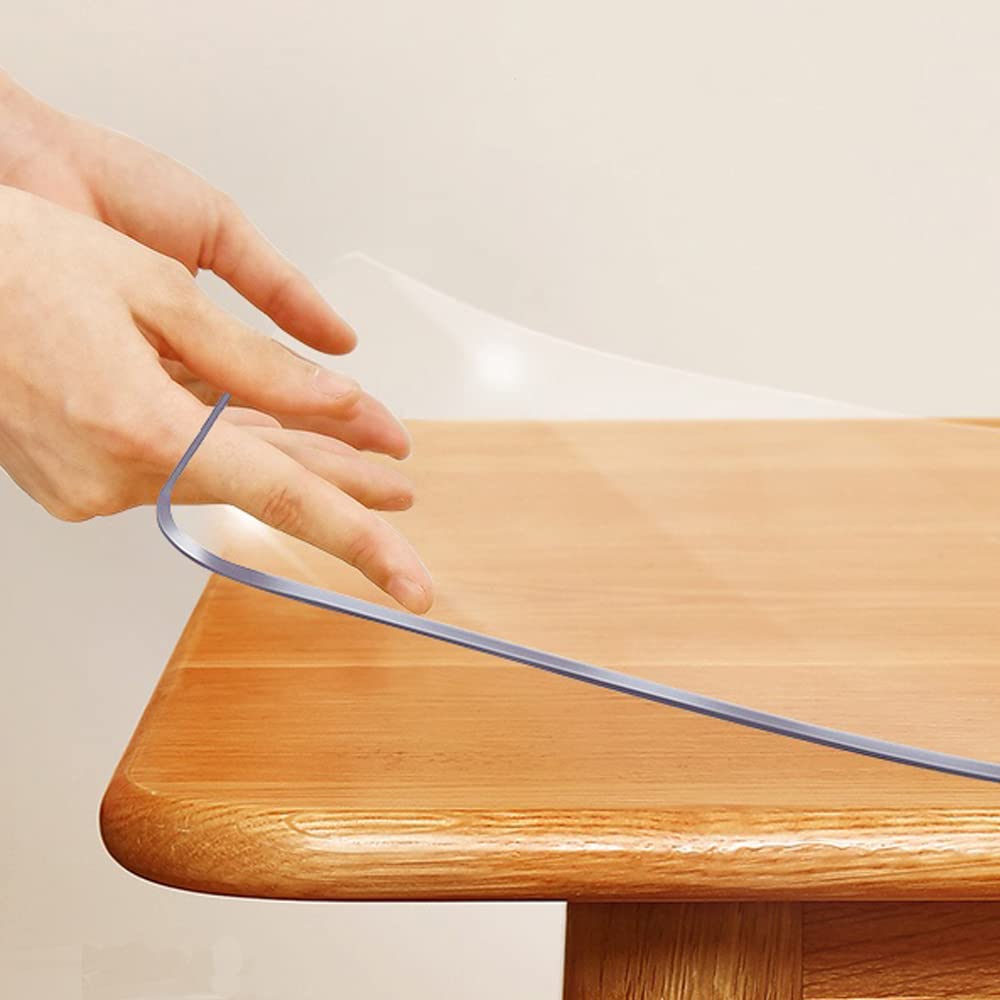
Compact clear PVC desk mat designed for desks, blotters, and small tabletop protection.
Why I picked it: I use this small clear mat at my workstation to protect writing surfaces and calendar layouts while still seeing what's underneath.
Best for: Desks, craft stations, and compact tables where you want a clear, wipeable surface.
A low-cost, no-fuss desk protector ideal for small spaces.
Pros
- Compact and easy to trim
- Heavy enough to stay in place
- Rolled delivery minimizes folds
- Easy to clean
Cons
- Not suitable for very hot pots
- May show air bubbles on smooth glass
My take
I keep this clear blotter on my desk to protect calendars and the wood top during art projects. It came rolled, which meant minimal fold lines to fight, and a quick pass with a hair dryer smoothed it completely.
Because it’s smaller, trimming is painless and the edges stay neat. The material dampens the noise of plates or tools, and wiping off spills takes seconds. For glass or high-gloss tops I place a thin cloth underneath to avoid trapped air bubbles, but for most desks it works straight out of the box.
Its size and thickness make it my go-to when I want a discreet, durable layer without committing to a full-table protector.
4. Clear PVC Table Protector (24×48) – Best for Heavy Use
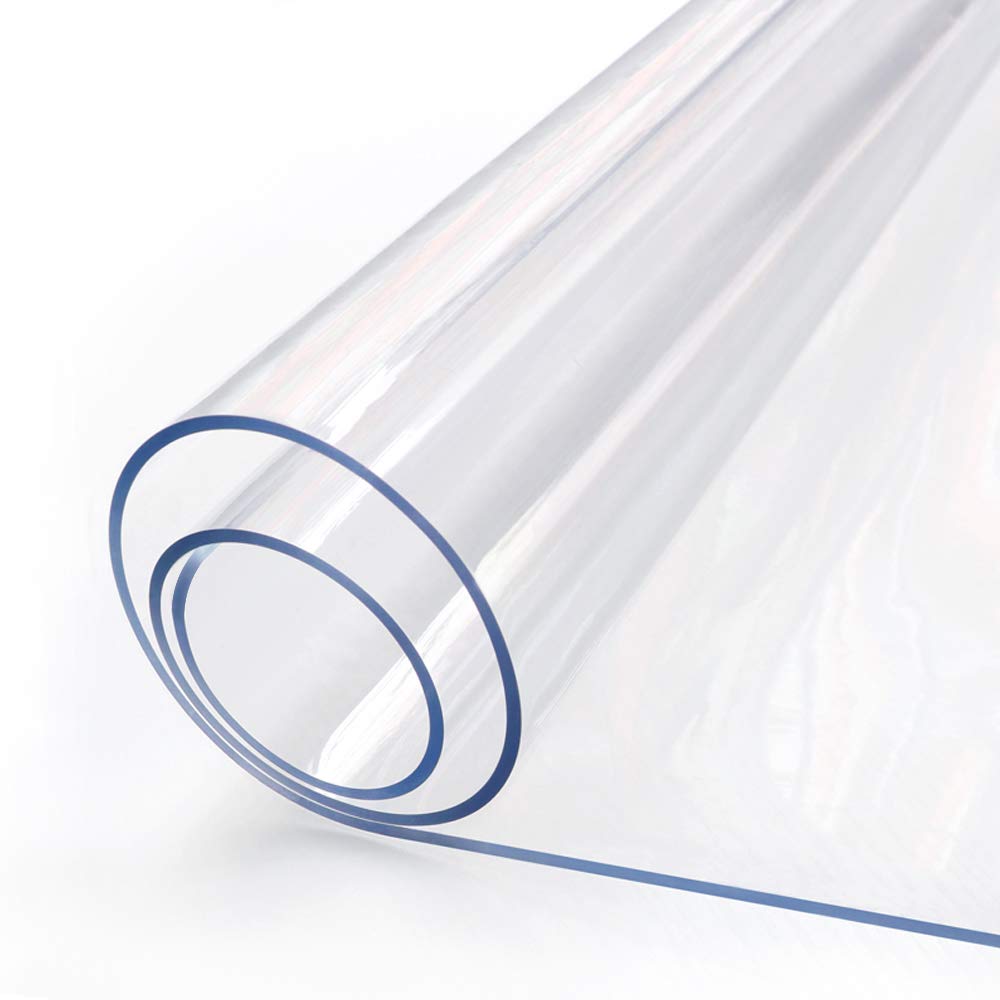
Thick, wipeable PVC cover that shows wood grain and handles workshop or craft use.
Why I picked it: I chose this when I needed a clear protector tough enough for garage work and kids’ play but still attractive over wood grain.
Best for: Workbenches, tool tables, and heavy-traffic dining tables.
A practical mid-range protector that balances durability and clarity.
Pros
- Thick and durable PVC
- Crystal clear transparency
- Heat and stain resistant
- Easy to flatten
Cons
- Bubbles can appear over glass
- May need trimming for exact fit
My take
I’ve used this cover in the garage and on a dining table and found it stands up to tougher tasks better than thin toppers. It resists scuffs and lays flatter after a day or two of being rolled out.
The vinyl keeps the surface visible and is simple to wipe, which made cleanup after craft sessions effortless. On glass surfaces I noticed some stubborn air pockets, so I tend to trim and position carefully when protecting mirrors or tabletops with tight glass overlays.
Overall it’s the protector I pull out when I expect more abrasion or want a clear working surface that still shows the table’s finish.
5. Royhom Clear Table Protector 1.5mm – Best Premium Clear
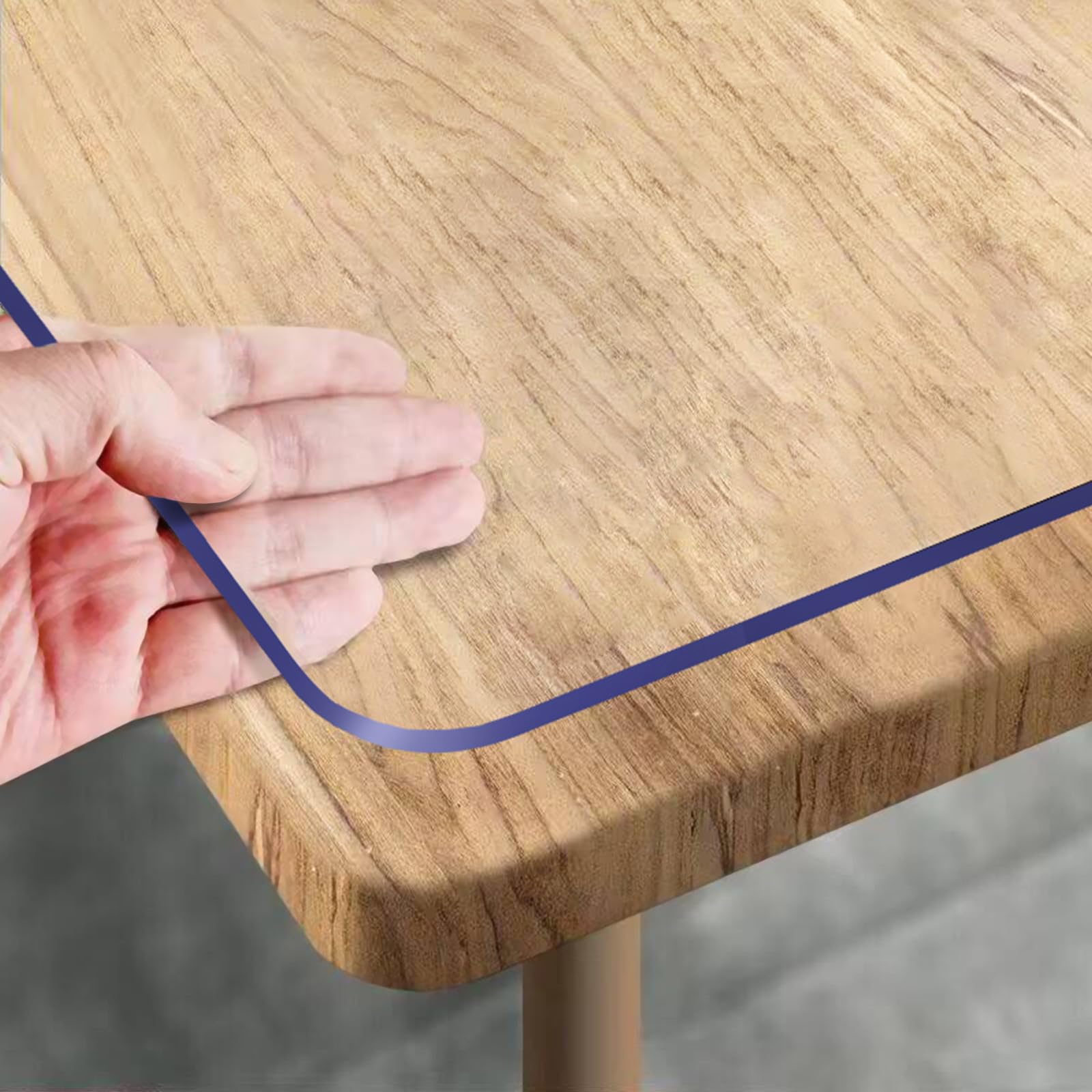
1.5mm transparent protector with heavy-duty feel; frosted options reduce glare.
Why I picked it: I reach for this protector when I’m covering an antique or burled-wood tabletop because it’s thick, holds shape, and can be ordered in a frosted finish to cut down glare.
Best for: Antique tables, large dining surfaces, and spaces where durability and appearance both matter.
A premium-feeling clear protector suited to valuable furniture.
Pros
- Sturdy 1.5mm thickness
- Great for antique wood surfaces
- Frosted option reduces glare
- Holds flat over time
Cons
- Thick material is harder to cut
- Trim tools required for odd shapes
My take
When I wanted to protect a burled-wood table, this thicker protector felt like a smart alternative to glass. It’s heavy enough to lay flat and, in the frosted version, cuts down reflected glare under bright lights.
Cutting it to a custom oval required sturdy shears, but once shaped it settled nicely and protected the finish from spills and scratches. For anyone who likes the look of their tabletop to show through while keeping it protected, this feels like a durable, long-term solution.
I also found it compares favorably to glass for protecting without the risk of shattering, and it cleans easily with a damp cloth.
How I Choose a Table Pad or Clear Protector
Material & thickness
I start by deciding whether I need cushioning or a clear surface. Quilted vinyl with a flannel backing gives real thermal and impact protection, while 1.5mm PVC clear toppers focus on scratch and spill resistance.
Thickness matters: thicker vinyl lays flat better and resists gouges, but it’s heavier to trim and shape.
- Quilted/flannel pads for heat and scratch protection
- 1.0–1.5mm PVC for clear, durable coverage
- Choose thicker material for workshops or heavy use
Heat resistance and safety
I never place piping-hot cookware directly on vinyl even if the product claims heat resistance. A trivet is my standard practice for very hot pots.
Most clear PVC protectors I use handle typical serving temperatures up to about 176°F (80°C), which is fine for plates and warm dishes.
- Use trivets for direct hot cookware
- Clear PVC can tolerate normal serving temperatures
Sizing and trimming
I measure tables exactly and leave a small margin to trim; many manufacturers intentionally oversize slightly to allow for shrinkage. Strong scissors or shears make clean cuts, especially on thicker protectors.
If you’re protecting a glass or very smooth surface, I place a thin cloth underneath to avoid trapped air bubbles.
- Measure twice, trim once
- Use reverse-roll and heat to flatten larger sheets
- Add an undercloth for glass to prevent bubbles
Installation and flattening
I unroll new clear protectors in the reverse direction from their packaging and lay heavy books or weights along the length. A hair dryer smooths persistent curls quickly.
For quilted pads I press any storage creases with medium steam, flannel side up, to recover a neat surface.
- Reverse-roll and weight down to flatten
- Use a hair dryer for stubborn curls
- Iron flannel-backed pads on medium steam
Care and maintenance
I clean all protectors with a damp cloth and mild soap when needed. Avoid abrasive cleaners that can dull clear vinyl or abrade the embossed top of quilted pads.
If you store pads seasonally, fold cushioned pads loosely and roll clear toppers to avoid permanent creases.
- Wipe with damp cloth and mild soap
- Avoid abrasive cleaners
- Roll clear sheets for storage, fold quilted pads loosely
Frequently Asked Questions
Can I put hot pans directly on a table pad or clear protector?
I avoid placing very hot pans directly on either type. Quilted pads protect better from short-term heat, but I still use a trivet for hottest cookware to preserve the pad and finish.
How do I get a new clear protector to lie flat?
I reverse-roll the sheet when unwrapping, weight it overnight, and use a hair dryer on low heat for a few minutes to remove stubborn curls. That combination works reliably for me.
Will a clear PVC protector show my table’s grain or cause bubbles?
In my experience, clear PVC shows wood grain well. For very smooth or glass surfaces I place a thin cloth beneath the protector to avoid trapped air pockets; this usually prevents visible bubbles.
Can I trim protectors to fit odd shapes?
Yes — I mark carefully and use strong scissors or shears. Thicker protectors require heavier-duty cutting tools, but trimming gives a much cleaner fit.
Final Take
I choose a quilted flannel-backed pad when I want heat resistance and cushioning under a tablecloth, and I pick 1.5mm clear PVC when I want to show the wood while adding tough, wipeable protection.
Think about where the table will be used: dining and heirloom pieces benefit from padded protection, while desks, craft tables, and workbenches often do best with a heavy clear topper.
With the right pad or protector I can preserve surfaces for years without hiding the finish or sacrificing function.
